From Party Town to Ecotourism: Reducing Poverty in Vang Vieng
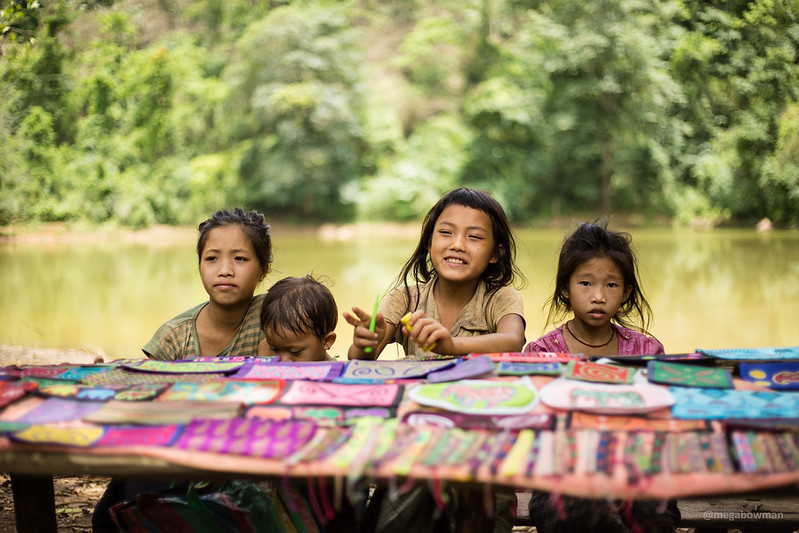 A small and often overlooked country in Southeast Asia, Laos remains popular among backpackers and intrepid travellers seeking an alternative to highly developed tourist destinations. Nestled against the striking backdrop of the Karst mountains and vast expanse of paddy fields, Vang Vieng has long benefitted from tourist interest. However, it is only in recent years that the rural town has departed from its hedonistic party history to a model centred on ecotourism, with growing implications for local livelihoods and the reduction of poverty in Vang Vieng.
Background
Situated in central Laos, is providing an idyllic escape for respite between the cities of Luang Prabang and Vientiane. Laos is one of the poorest countries in Southeast Asia, with World Bank statistics suggesting that 15% of the population lived below the national poverty line in 2024. Vang Vieng itself is located in the relatively wealthy Vientiane Province. Its poverty severity index of 0.5-1 indicates relatively low levels of extreme poverty; the low poverty rate is extremely significant considering its status as a rural town in a country that experiences regional economic disparities. The reduction of Poverty in Vang Vieng can partially be attributed to its sustained commitment to tourism and the economic opportunities for local people that the sector provides.
Tourism and Poverty Reduction
In Laos, tourism has become increasingly important to the economic welfare of the country, with 4.1 million tourists visiting in 2024, representing an increase of 21% from 2023. This rise in foreign interest has had a direct financial impact, bringing in $1 billion to channel back into the economy. These developments in tourism have had a tangible impact on the country’s GDP; in 2024 Laos recorded a GDP growth of 4.1%. According to the Laotian Times, tourism in Vang Vieng specifically created a revenue of $57.4 million in 2024 and the target for 2025 stood at $78.6 million. This sustained growth highlights the sector’s expanding role in generating income and strengthening economic resilience in communities like Vang Vieng.
Tourism’s Dark Past in Vang Vieng:
Tourism in Vang Vieng however, has had neither a linear or pleasant historical progression. Famed for its party reputation, backpackers in the 1990s flocked to the area to enjoy its lax approach to regulating drugs and unrestrained nightlife. Thirty years ago, a visit to Vang Vieng would have entailed a blur of mushroom laced nights and intoxicated days. This lifestyle undeniably harmed local environments and livelihoods, with the prolific drug culture compounding the impact of poverty in Vang Vieng.
A hedonistic party culture is by no means the darkest chapter of Vang Vieng’s past. The evolution of tourism in the area has been punctuated by a series of fatal tragedies. In 2011, 27 tourists died while tubing down the Nam Song river, a popular activity characterised by riverside bars and high levels of alcohol consumption. This event resulted in authorities officially banning the activity, although one can still participate in tubing with some companies in Vang Vieng even today.
The summer of 2024 saw Vang Vieng once again become the site of a serious incident, in which six tourists died in Nana’s Backpacker Hostel after consuming methanol-contaminated alcohol reportedly provided by staff. Lao authorities responded by closing down the hostel. It has since been reopened under a different name, illustrating once again a schism between official regulation and the reality of enforcing such measures.
Developments in EcoTourism: Transformation of Vang Vieng
Today, the region has largely reclaimed its turbulent past and has become home to a flourishing ecotourism industry that has been vital to the reduction of poverty in Vang Vieng. Despite the continued presence of certain high-risk recreational activities, tourists are now increasingly engaged in more regulated forms of leisure, such as hiking in Tha Hon Kham and visiting the Blue Lagoons.
Companies like Wonderful Tours Laos offer dedicated Eco-tours that allow travellers to enjoy the countryside safely and sustainably. Additionally, there has been a huge influx of eco-friendly hotels in the town, such as The Elephant Crossing Hotel. These hotels focus on sustainability, environmental protection, and creating community-driven job opportunities.
The transition to ecotourism has important socio-economic implications, particularly in terms of poverty reduction. According to the Vang Vieng District Authorities, the rate of poverty in 2017 in the area was just 2.03%. Recent developments have generated employment, diversified income sources and increased local participation in the tourism sector.
For the Riverside Boutique Resort in Vang Vieng, a commitment to local Community and culture is central to its ethos. Indeed, the hotel prioritises the employment of Vang Vieng residents, ensuring that revenue generated through tourism goes to the local economy and supports local livelihoods.
Conclusion
A problematic and controversial past undeniably marks the history of tourism in Vang Vieng. Once sought out for its party scene and nightlife, the town has since undergone a significant transformation into a hub of ecotourism that has proved vital for local development and poverty reduction. Its metamorphosis serves as a model for other tourist destinations to keep sustainability and community central to their economic structures.
– Polly Laws
Polly is based in Cardiff, UK and focuses on Good News and Global Health for The Borgen Project.
Photo: Flickr
