SDG 9 in Zimbabwe: Targets in Action
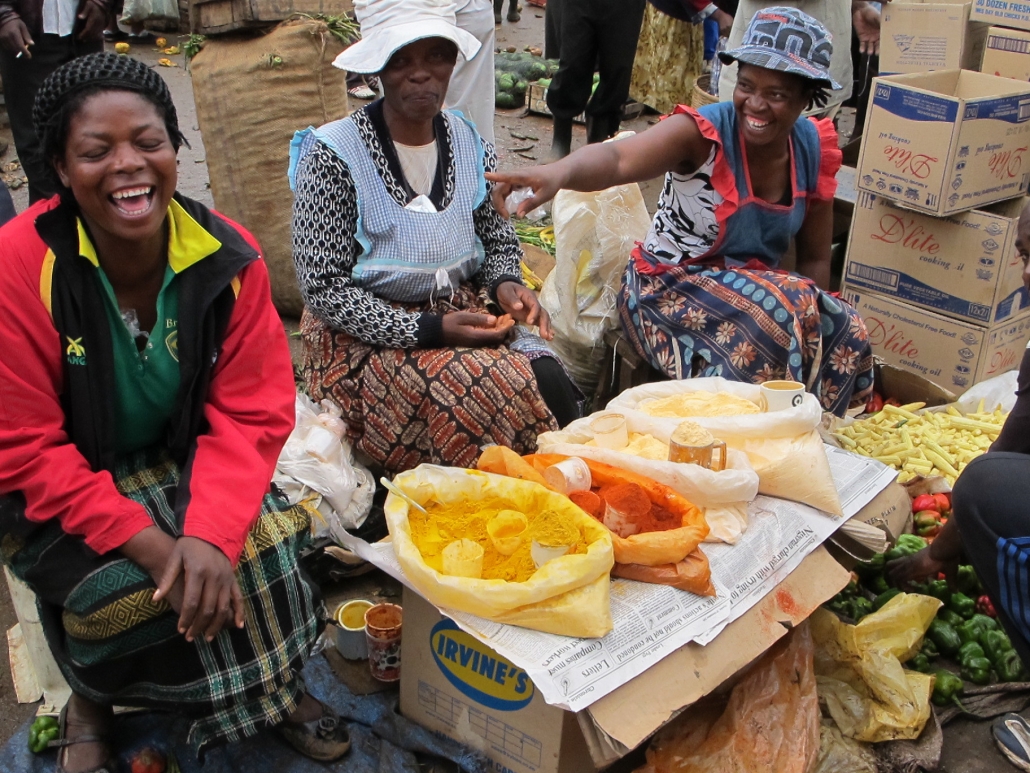 Zimbabwe is an example of a developing nation working in harmony to achieve transformative components that pertain to SDG 9: industry, innovation and infrastructure. The Sustainable Development Goals (SDGs) are a list of 17 global ideals toward peacekeeping, saving the planet and reducing poverty. Starting in 2015, the UN set the goal of accomplishing the SDGs by 2030. In 2018, the Zimbabwean government skyrocketed the mindset of possibility and empathy through a two-part National Development Strategy.
The Impact of the COVID-19 Pandemic
There were fewer jobs and more children out of school as a result of the COVID-19 pandemic, showing why SDG 9 in Zimbabwe is a priority. The Sub-Saharan nation ranks number nine among the “top 10 African countries with highest levels of extreme poverty.” Globally, the World Bank considers the extreme poverty line to be lower than a daily income of $29.80 USD. Sadly, as of 2025, 49.2 % of the Zimbabwean population live in extreme poverty and earn less than $3 a day.
Starting from the COVID-19 pandemic, the lack of infrastructure for laptops or phones resulted in more than“4.5 million” children across Zimbabwe having to pause their schooling for “over a year.” Zimbabweans in urban or rural environments cannot thrive when digital learning is not attainable without electricity or mobile technology.
Internet Access
Even with the increase of more than 75.36% of Zimbabweans having internet access throughout the nation in 2024, rural regions lack quality internet access. Quick internet access is a need for the economy, quality education and health technology, and can in turn, help reduce poverty. Beginning in 2022 up to 2025, digital connection became the third of six transitions prioritized before 2030 in Zimbabwe.
SDG 9: Industry, innovation and Infrastructure requires countries to achieve eight targeted components. SDG 9 in Zimbabwe has had the most success in the areas of digital connectivity and broadband internet.
Digital Connectivity in Zimbabwean Communities
One of the goals for SDG 9 is “broadband” digital connectivity in less developed African countries before 2030. Zimbabwe and The World Savings Retail Banking Institute (WSBI) started a partnership in 2023 to introduce the People’s Own Savings Bank (POSB). The partnership relates to target 9.3 with banking loans and access.
POSB encourages Zimbabweans to connect online banking with speed and safety. Businesses flourish with marketing success from e-commerce and cybersecurity. Zimbabwean Agrobusiness, Prodairy, agrees to running financial interactions quicker and feeling safer with digital security. As of 2024, POSB also helps urban and rural Zimbabweans stay connected online through broadband internet, and financial entry with installation of “28 ATMs” nationwide.
Digital Learning Programs to Further Digital Connectivity
In 2024, the Re-imaging Education initiative from UNICEF, the Zimbabwean government and businesses helped 150 schools receive broadband access for e-learning. Provision of solar power, higher speed internet and laptops for primary and secondary schools in rural regions helps close the digital gap of educational advantage for most urban students in comparison to rural students. Urban regions of Zimbabwe have better access to internet connection needed for quality education. This collaboration can help actualize dreams like that of Aaron, a preteen who wants to become an engineer. This target of SDG 9 in Zimbabwe helps rural students experience equality in digital learning with urban students.
Energy Infrastructure in Zimbabwe
Realizing the important need for electricity to power digital connectivity, the energy sector is very influential in helping reduce poverty in rural regions of the nation. SDG 9 in Zimbabwe has superb progress toward target 9.4 with sustainable and cleaner energy.
As of 2024, “62 percent of the population” have electricity, along with alternative solarized and greener power sources. Also, 12% of new installations are clean energy infrastructures. The 18% improvement is a lot from the “acute energy crisis’ in 2020, when only 44% of the nation had electrical power.”
Solar and hydro innovations from the Old Mutual Renewable Energy Fund, power electricity for rural communities near Harare, Zimbabwe. The partnership with the company, Old Mutual Group, and the Zimbabwean government is helping advance SDG 7 to exit the “acute energy crisis.” Meanwhile, the SDG Renewable Energy Fund (SDG REF) Programme is working with businesses to help power more regions.
Collaboration With U.S. & Zimbabwean NGOs
In 2024, NGOs Joyce Meyer Ministries (JMM), which is located in the U.S., and Childcare Ministries Zimbabwe (CCMZ), which is in Zimbabwe, teamed up to construct the Hope factory.
The two manufacturing plant locations in Bulawayo and Heaney, Zimbabwe, have steel silos storing maize from farmers. This infrastructural project relates to sustainable infrastructure in regions and aims to reduce poverty and hunger. Furthermore, GDP can increase with new jobs in agriculture, manufacturing, textile insulation and builders constructing schools in the nation.
The circular economy involved with manufacturing and recycling bags of Corn Soyabean Blend plus (CSB+) further improves sustainable systems. In 2024, J.M.M. had intentions to “feed over 50,000” children daily. Remarkably, the humanitarian organization records “producing its 10 millionth meal” as of 2025. The philanthropic partnership demonstrates how the target 9.a. really helps developing nations accomplish economic sustainability.
Future Focus
SDG 9 in Zimbabwe has led to lots of improvements with mobile broadband in both rural and urban communities and funds for agrobusiness. However, tense trade relations and higher tariffs are interfering with financial situations around the globe and slowing progress toward SDG 9.
However, proper infrastructure for roads has shown little improvement in Zimbabwe in comparison to the aforementioned targets. Meanwhile, science and institutional studies are not close enough for targets to be achieved. This is important because gold mining helps sustain a resilient economy that is responsible for international exports of gold, but it is not enough to hold the whole economy. The primary industries of agriculture and raw material mining need to modernize for the betterment of the Zimbabwean economy.
Zimbabwe strives toward future innovations like “education 5.0,” combining more research for science, agriculture and industry. Future Developments include “industrialized parks” located around post secondary spaces like the University of Zimbabwe for research, food security and business.
Considering all of the progress so far, Zimbabwe shows it is possible for a nation to really move toward becoming a thriving society.
– Tyra Brown
Tyra is based in St. Andrews, Canada and focuses on Good News and Technology for The Borgen Project.
Photo: Flickr
