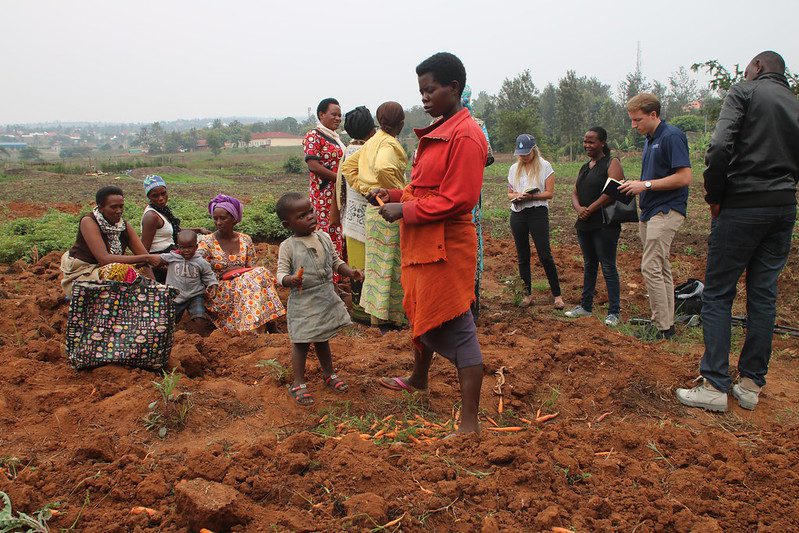
 Rwanda is a fascinating country in terms of women’s rights. Even though it’s one of the poorest countries in the world, it ranks fifth in the Global Gender Gap Index, beating even the United States. The main reason for that is due to the genocide that happened in the country in 1994, which killed most of the male population, forcing women to take on most of the available jobs. Today, women constitute 86% of the workforce (as opposed to only 56% in the U.S.). Additionally, 61% of the Rwandan Parliament and 50% of the President’s cabinet are women. However, this high participation rate does not translate to wage parity: women in Rwanda earn approximately 88 cents for every dollar men earn. As such, the gender pay gap in Rwanda remains a significant challenge to the country, despite its progressive gender policies.
Main Causes behind the Pay Gap
Several factors contribute to the gender pay gap in Rwanda, such as discrimination in hiring practices and educational disparities between men and women. Nevertheless, the main reason is that women disproportionately shoulder unpaid domestic and care responsibilities, limiting their availability for paid work and career advancement opportunities. In Rwanda, for every hour a man spends on care work, a woman spends three hours.
Addressing the gender pay gap involves multifaceted approaches, one of the most impactful being economic empowerment programs. These initiatives aim to provide women with the skills, resources and opportunities to enhance their financial situation. Economic empowerment programs in Rwanda focus on various aspects such as access to finance, entrepreneurship training and creating supportive environments for women to balance work and family responsibilities.
One notable initiative is the U.N. Women’s partnership with local districts to establish Early Childhood Development Centres (ECDs). These centres offer affordable childcare services, allowing women to engage in income-generating activities without the burden of unpaid care work. In the Nyaruguru district, the establishment of three ECDs has enabled more than 200 women to participate in the labor market, significantly improving their productivity and income.
Impact Stories
The power of this noble measure to diminish the gender pay gap in Rwanda is best illustrated through the personal experiences of the women it benefits. For instance, Christine Mukamana faced the challenge of balancing her farming duties with the demands of raising five children. The introduction of an ECD in her community allowed Christine to enrol her youngest children, ensuring they received proper care and education while she focused on her work, according to the U.N. Women. This support significantly boosted her productivity on the farm, leading to increased income and improved living conditions for her family.
Another example is Dative Mfitumukiza, a woman living with a physical disability in Musanze, Rwanda. Despite the numerous challenges posed by her condition, Dative was determined to pursue a business venture to support herself and her children. She participated in a U.N. Women’s training program that provided her with essential business skills and financial support. Through this program, Dative was able to start a cassava flour business, which now generates a steady income, U.N. Women reports. Her success story highlights the importance of inclusive economic empowerment initiatives that cater to the diverse needs of women, including those with disabilities.
Collaborative Efforts for Greater Impact
The success of these programs depends on collaboration between various stakeholders, including government agencies, non-governmental organizations and international partners. For instance, the “Safe Rural Public Spaces” project, funded by partners such as the Republic of Korea, aims to create safe environments for women to pursue economic activities. Additionally, partnerships with organizations like the Rwanda Men’s Resource Centre (RWAMREC) and Action Aid are crucial in addressing cultural and social barriers that deter women’s economic participation, according to U.N. Women.
These partnerships are particularly essential to challenging harmful social norms about gender roles, a pivotal step to bridging the gender pay gap in Rwanda. These collaborations promote gender equality training and awareness campaigns, encouraging men to support and share domestic responsibilities, thus enabling women to contribute more effectively to the economy.
Moreover, access to financial resources is a critical component of economic empowerment. Programs that provide women with microloans, business training and financial literacy are making a significant difference. The partnership between U.N. Women and ADEPE Rwanda, supported by the Swiss Agency for Development and Cooperation, has reached more than 2,500 women, including marginalized groups such as former sex workers and adolescent mothers, U.N. Women reports. These women have received training in entrepreneurship and financial management, with about 80% starting or expanding their businesses.
A Model for Gender Equality
Economic empowerment programs are playing a pivotal role in closing the gender pay gap in Rwanda and promoting gender equality. By providing women with the necessary tools and resources, these initiatives are enabling them to become economically independent and contribute meaningfully to their communities. The success of these programs demonstrates that with the right support and collaboration, significant steps can be made toward achieving not only gender parity but also unlocking the full potential of the country’s workforce, driving sustainable economic growth and development.
With efforts from government, businesses and civil society to continuously invest in such programs, coupled with efforts to change societal attitudes towards gender roles, Rwanda can continue to serve as a model for gender equality in Africa and beyond.
– Clara Tripodi
Clara is based in Salvador, Bahia, Brazil and focuses on Business and Technology for The Borgen Project.
Photo: Flickr

The UN Is Helping Women Fight the Gender Pay Gap in Rwanda
Main Causes behind the Pay Gap
Several factors contribute to the gender pay gap in Rwanda, such as discrimination in hiring practices and educational disparities between men and women. Nevertheless, the main reason is that women disproportionately shoulder unpaid domestic and care responsibilities, limiting their availability for paid work and career advancement opportunities. In Rwanda, for every hour a man spends on care work, a woman spends three hours.
Addressing the gender pay gap involves multifaceted approaches, one of the most impactful being economic empowerment programs. These initiatives aim to provide women with the skills, resources and opportunities to enhance their financial situation. Economic empowerment programs in Rwanda focus on various aspects such as access to finance, entrepreneurship training and creating supportive environments for women to balance work and family responsibilities.
One notable initiative is the U.N. Women’s partnership with local districts to establish Early Childhood Development Centres (ECDs). These centres offer affordable childcare services, allowing women to engage in income-generating activities without the burden of unpaid care work. In the Nyaruguru district, the establishment of three ECDs has enabled more than 200 women to participate in the labor market, significantly improving their productivity and income.
Impact Stories
The power of this noble measure to diminish the gender pay gap in Rwanda is best illustrated through the personal experiences of the women it benefits. For instance, Christine Mukamana faced the challenge of balancing her farming duties with the demands of raising five children. The introduction of an ECD in her community allowed Christine to enrol her youngest children, ensuring they received proper care and education while she focused on her work, according to the U.N. Women. This support significantly boosted her productivity on the farm, leading to increased income and improved living conditions for her family.
Another example is Dative Mfitumukiza, a woman living with a physical disability in Musanze, Rwanda. Despite the numerous challenges posed by her condition, Dative was determined to pursue a business venture to support herself and her children. She participated in a U.N. Women’s training program that provided her with essential business skills and financial support. Through this program, Dative was able to start a cassava flour business, which now generates a steady income, U.N. Women reports. Her success story highlights the importance of inclusive economic empowerment initiatives that cater to the diverse needs of women, including those with disabilities.
Collaborative Efforts for Greater Impact
The success of these programs depends on collaboration between various stakeholders, including government agencies, non-governmental organizations and international partners. For instance, the “Safe Rural Public Spaces” project, funded by partners such as the Republic of Korea, aims to create safe environments for women to pursue economic activities. Additionally, partnerships with organizations like the Rwanda Men’s Resource Centre (RWAMREC) and Action Aid are crucial in addressing cultural and social barriers that deter women’s economic participation, according to U.N. Women.
These partnerships are particularly essential to challenging harmful social norms about gender roles, a pivotal step to bridging the gender pay gap in Rwanda. These collaborations promote gender equality training and awareness campaigns, encouraging men to support and share domestic responsibilities, thus enabling women to contribute more effectively to the economy.
Moreover, access to financial resources is a critical component of economic empowerment. Programs that provide women with microloans, business training and financial literacy are making a significant difference. The partnership between U.N. Women and ADEPE Rwanda, supported by the Swiss Agency for Development and Cooperation, has reached more than 2,500 women, including marginalized groups such as former sex workers and adolescent mothers, U.N. Women reports. These women have received training in entrepreneurship and financial management, with about 80% starting or expanding their businesses.
A Model for Gender Equality
Economic empowerment programs are playing a pivotal role in closing the gender pay gap in Rwanda and promoting gender equality. By providing women with the necessary tools and resources, these initiatives are enabling them to become economically independent and contribute meaningfully to their communities. The success of these programs demonstrates that with the right support and collaboration, significant steps can be made toward achieving not only gender parity but also unlocking the full potential of the country’s workforce, driving sustainable economic growth and development.
With efforts from government, businesses and civil society to continuously invest in such programs, coupled with efforts to change societal attitudes towards gender roles, Rwanda can continue to serve as a model for gender equality in Africa and beyond.
– Clara Tripodi
Photo: Flickr
Innovations in Poverty Eradication in Botswana
An Aspirational Future
Poverty reduction efforts in Botswana are a major operation despite its economy growing in recent years. Rather than applying general, tried-and-tested methods of addressing poverty, techniques in Botswana have gone further in the endeavor to confront the problem. The government constantly develops schemes and systems to rectify the country’s looming obstacles. By identifying the foundational causes of extreme poverty, the government has developed strategies designed to target the issue at its very root. Many have identified the leading causes of poverty to be unemployment, inequality, lack of education and diseases such as HIV/AIDS, according to the International Journal of Development and Sustainability.
Vision 2036 is an ambitious National Development Plan (NDP) that aims not just to reduce rates of poverty, but to annihilate it by 2036. The government created Vision 2036 in 2016 as a continuation of its predecessor, Vision 2016. The intent behind the initiative is to graduate Botswana from an upper-middle-income country to a high-income country by focusing on human, social and sustainable developments.
One key characteristic of Vision 2036 is a lessened reliance on the diamond trade. Botswana has enormously benefitted from its natural resources, utilizing them to enhance their economic mobility but it has since been a major source of inequality. Innovations in poverty eradication in Botswana such as this one are rich in considered solutions to adversity and join several other government-led projects.
Practical Government Solutions
In 2011, the government launched the Poverty Eradication Program (PEP) to lift citizens out of multidimensional poverty. The program targets those living in abject poverty, aiming to restore dignity to their lives. Citizens of Botswana eligible for PEP must be 18 or older, living on less than $1.25 a day and lacking certain assets such as livestock. The programme focuses on establishing sustainable income for households by promoting entrepreneurship and employment. PEP promotes self-reliance for low-income families that otherwise lack the resources to escape vulnerability, providing vital opportunities for millions of citizens in both rural and urban areas.
Alongside this, a labor-based programme has been in place since 2008. The Ipelegeng initiative provides income to the unemployed poor, targeting unskilled laborers and recruiting them for up to one month to maintain public facilities. While only offering short-term employment, the program takes on 50,000 beneficiaries a month, supplying them and their families with necessary supplementary income, according to the International Journal of Development and Sustainability. The scheme was first introduced as a means to relieve families from economic hardship as a result of droughts, but proved successful and so was adopted as a more permanent government operation. The rates for workers differed depending on the role and were recently increased in 2023: casual laborers are paid $45 a month, and supervisors $51 a month.
Innovations in poverty eradication in Botswana continue to be at the forefront of government sentiment. An awareness by the government of the principal causes has been recognized allowing the country to look towards a healthy, prosperous future.
– Molly Ralph
Photo: Flickr
Supporting Cambodian Farmers With Drone Technology
Furthermore, more than 50% of total agricultural production in Cambodia is attributed to rice production. Due to its proportion of national production, the development of this sector can bring great returns to Cambodians. The agricultural sector needs reforming to support the crop’s commercialization in the region, a process encouraged due to its export value. If the government’s aim to make the country a “rice basket” (a major rice exporter) is to be fulfilled, using new technology can aid this endeavor.
The Economic Situation
Cambodia is both one of the most impoverished countries and one of the fastest-growing economies in Southeast Asia. The genocide from 1975 to 1979, which saw the killing of almost one-quarter of the population, has undoubtedly left its mark on the people of Cambodia and the economic health of the country. About 16.6% of Cambodians are multidimensionally poor, meaning they suffer from multiple aspects of poverty beyond monetary means.
One legacy of the genocide is seen in the poverty rate of areas near where the atrocities took place. Villages nearer mass grave sites suffered an increased 4% poverty rate in a study done in 2023. Agriculture is a huge proportion of Cambodia’s production. It is an area where the country can focus on improving to compete further in the export market. Its status as a less-developed nation in the region makes it an attractive prospect for investors, especially investment in the agricultural industry. This makes Cambodia’s agriculture industry a prime sector for increasing overall wealth and reducing poverty.
Cambodia’s Paddy Problems
Paddy production increased by 2.9 million tons from 2012 to 2020, sitting at 10.9 million tons in 2020. Cambodia’s capacity for paddy production is clear. However, it is vulnerable to climatic conditions and the export market is strict about the type of rice seed it accepts.
Varying climatic conditions threaten to lower rice yields as both flooding and shortages of water can reduce the total rice yield for the year depending on the type of rice seed. To make Cambodia’s paddy production sustainable, investing in new technologies can aid the commercialization of the crop and its climate-resistant capabilities.
Drones Can Be a Solution
Drone usage is an example of a technological innovation that can help the government and individual farmers achieve greater efficiency in paddy production. Particular drones can be used for aerial fertilization, saving time during a typically time-consuming part of the production and increasing the safety of administering pesticides and insecticides.
The Cambodian Agriculture and Research Institute (CARDI) has partnered with Queensland University to develop the technology and to deliver training to Cambodian farmers and government officials on how these drones can be used. A woman in Battambang province has been providing spraying services to farmers in her province for two years already, proving to be a profitable and reliable business venture. She is among a group of women who have invested in drone technology to provide this service, which is guaranteed to use less water than traditional methods.
Another type of drone has been used in the Siem Reap province to sow rice. The community in Siem Reap has successfully used drones to sow the Neang Ang rice seed, covering 70 hectares of rice per day. This is a huge proportion of ground covered, improving the livelihood of Cambodian farmers and providing food security to the community.
Looking Ahead
The successful case of drone usage and the current partnership between CARDI and Queensland University spell optimism for the development of Cambodia’s rice seed systems. The greater efficiency provided by drones can be used to produce greater yields of climate-resistant rice suited to the export market.
This innovative technology can simultaneously improve farmers’ livelihoods and make Cambodia’s export market more sustainable in the face of adverse climatic conditions. Innovation and investment in agricultural technology can be the key to achieving sustainable growth and subsequently reducing poverty in Cambodia.
– Lauren Alkhalil
Photo: Unsplash
Remittance in Lebanon
Remittance in Lebanon
The high volume of emigration in Lebanon plays a central role in the size of remittances the country’s citizens receive. While the country has a population of 5.49 million population as of 2022, an estimated 880,000 Lebanon migrants or more than 16% of the population, resided outside the country. Other Arabian countries, North America and Europe are the top destinations for migrants. Before and during the 2008 global recession, remittance composed more than 25% of the country’s GDP, but its share decreased steadily in the decade between 2008 to 2018 until the 2019 financial crisis emerged in Lebanon.
Since the year 2019, Lebanon’s economy has been grappling with a deep financial crisis that was exacerbated by the COVID-19 pandemic and the Port of Beirut explosion in 2020. The country’s GDP plummeted from around $52 billion in 2019 to an estimated $23.1 billion in 2021, leading to a rapid decline in income and basic services in the country. According to the World Bank estimates, the poverty rate of the country more than tripled since 2012, with 44% of the country’s population living below the poverty line as of 2022.
A Buffer During Crisis
Against the backdrop of the enduring economic crisis, international remittance acts as a crucial buffer against poverty for families in Lebanon and a hedge against the complete collapse of the economy and social order. In 2022, an estimated 15% of households rely on remittance for income, up from the pre-crisis 10%. A survey by the UNDP also revealed that 29% of households started receiving remittances from their family members abroad as a response to the impacts of the financial crisis. The majority of the remittances were used to pay for food, electricity and medical expenditures, highlighting the importance of the remittance for Lebanese households to maintain their living standards.
Remittances have become more important in alleviating poverty in the country after the financial crisis. In 2022, receiving remittances reduced a household’s possibility of being poor by five percentage points and the results were significantly robust. In comparison, in the year 2012, the percentage was four points and the statistical correlation was weak.
Development Aid
From a long-run perspective, before the financial crisis in Lebanon, remittance played an important role in facilitating poverty reduction and economic development. The research found that remittance correlates positively with schooling attendance in Lebanon, indirectly contributing to the development of human capital and the long-run development of the economy. In addition, there is also evidence that the inflow of remittance contributes to the development of the financial market and long-run economic growth. A 2019 study further estimated that every 1% increase in remittance increases economic growth by 2%.
Looking Ahead
International remittances have become a vital lifeline for Lebanon, significantly contributing to the economy and providing essential support for families amid ongoing economic challenges. With remittances comprising a substantial portion of Lebanon’s GDP, their role in alleviating poverty and sustaining living standards remains critical. As Lebanon continues to recover from its financial crisis, the ongoing flow of remittances could be essential for economic stability and future development.
– Wangruoxi Liang
Photo: Unsplash
The Joint Efforts to Support the Hudaydah Agreement
Strengthening the Hudaydah Agreement
On June 14, 2024, Saudi Arabia’s Ambassador to the U.N., Abdulaziz AlWasil, met with Michael Beary, Head of the U.N. Mission to Support the Hudaydah Agreement (UNMHA), in New York City. The meeting focused on reinforcing the agreement that plays a crucial role in maintaining the flow of humanitarian aid through Yemen’s vital Hudaydah ports. Both Saudi Arabia and the U.N. have committed to ensuring the stability and security of these ports and advancing peace throughout Yemen. Their diplomatic efforts, including the Hudaydah Agreement, exemplify ongoing initiatives to resolve the conflict and promote recovery in Yemen.
Saudi Arabia’s Role in Yemen’s Diplomacy
The Kingdom of Saudi Arabia, in collaboration with allied nations and the U.N., is vigorously advocating for a diplomatic solution to the conflict in Yemen. Over the past year, Saudi Arabia has facilitated negotiations between Yemen’s internationally recognized government based in Aden and the Houthi rebels. These ongoing discussions aim to cease the fighting and ensure the full reopening of ports critical for importing humanitarian aid. The efforts of Saudi Arabia to secure a ceasefire and safeguard the Hudaydah ports received commendation from Hans Grundberg, the U.N. Special Envoy for Yemen, who described them as a “step change.” According to U.N. and Saudi officials, the diplomatic initiatives supporting the Hudaydah Agreement are making progress and have been ongoing for an extended period.
The United Nation’s Diplomatic Initiatives
In collaboration with Saudi Arabia, the U.N. has been intensively engaged in diplomatic efforts to ensure the ongoing delivery of aid to Yemen through the Hudaydah ports and other channels. On December 26, 2023, U.N. Special Envoy Hans Grundberg announced ongoing discussions with both the Yemeni government in Aden and the Houthi rebels. These talks aim to create a peace roadmap for Yemen that can potentially benefit all citizens, particularly those in dire need. Key elements of the roadmap include a nationwide ceasefire, the reopening of roads in various regions and reducing restrictions on essential ports like those in Hudaydah.
A Unified Approach to Resolve Yemen’s Crisis
The collaboration between Saudi Arabia and the U.N. exemplifies a unified approach to addressing the complex challenges in Yemen. Through sustained diplomatic efforts and strategic interventions, both entities aim to secure a stable and peaceful environment in Yemen, ensuring that aid reaches those in dire need and paving the way toward a resolution of the protracted conflict.
– Abdullah Dowaihy
Photo: Unsplash
Higher Education in Sierra Leone
Gender Disparities in Sierra Leone’s Education Enrollment
Gender disparities exist in Sierra Leone’s education enrollment. For instance, in 2021, boys completed lower secondary education at a rate of 46%, while girls did so at a rate of 67%. Additionally, the United Nations Children’s Fund (UNICEF) reported that 27% of boys and 18% of girls completed upper secondary school.
A research paper published by IGI Global highlights the consistently low overall enrollment ratio in tertiary (higher) education in Sierra Leone from 1950 to 2010. It also reveals that from 1995 to 2010, the gender gap in higher education enrollment has widened.
Sierra Leonean students can only attend technical and vocational institutions or the University of Sierra Leone’s constituent colleges after finishing secondary school. As of 2020, 17 universities were registered with the Tertiary Education Commission (TEC) of Sierra Leone, along with 15 post-secondary institutions offering undergraduate degree programs through affiliation.
While the government has mainly focused on improving primary and secondary school attendance, the Ministry of Technical and Higher Education (MTHE) has also been focused on improving the quality of higher education in Sierra Leone.
Government Support for Higher Education
The Universities Act of 2005 reoriented higher education in Sierra Leone by supporting the establishment of private universities. There are at least 11 private higher education institutions in Sierra Leone that the TEC accredits. Many of these private institutions are affiliated with public institutions so that they can offer undergraduate degrees.
The MTHE offers students access to higher education through the government’s Grant-in-Aid and the Student Loan Scheme. Further, an Act of Parliament in 2001 instituted the Eastern Polytechnic and Milton Margai College of Education and Technology (MMCET) as polytechnics, ensuring that both institutions will focus on providing hands-on, applied education.
In 2023, the Minister of the MTHE, Dr. Ramatulai Wurie, outlined recent improvements in Sierra Leone’s higher education system and plans for further enhancements to the United Nations Educational, Scientific and Cultural Organization’s (UNESCO) Secretary-General. One notable improvement is the investment of 21% of the national budget in the Free Quality Education (FQE) program from 2018 to 2023.
Wurie emphasized President Julius Maada Bio’s objective to increase education funding. Wurie also stated that the government overall and the MTHE are improving “teaching methods, curriculum review… and youth empowerment.” UNESCO has also helped by providing support for the development of a National Science, Technology and Innovation Policy for Sierra Leone in 2022. Viewing middle manpower as crucial for Sierra Leone’s growth, Wurie emphasized the government’s commitment to strengthening the nation’s Technical Vocational Education Training (TVET) sector. This investment is aimed at boosting socioeconomic development and preparing the younger generation for the job market.
Higher Education Challenges and Solutions
Higher education institutions still need to update their academic programs to meet the current job market’s demands and the Assuring Quality Higher Education in Sierra Leone(AQHEd-SL) project is the first step toward doing so. In 2022, the AQHEd-SL pilot successfully helped develop curriculum review processes for eight post-secondary institutions in programs associated with health, science, technology, engineering and mathematics (STEM), management and agriculture. It also trained 37 quality assurance officers to work in universities and 450 university staff members in learner-centered teaching and critical thinking. The University of Sierra Leone led the AQHEd-SL partnership with many local partners, including Njala University and the University of Illinois Urbana-Champaign, U.S.
Establishing standard learning outcomes for programs in similar fields of study is another issue in Sierra Leone’s higher education system that needs to be addressed. Systems like credit transfer and standardizing qualifications across different institutions’ programs give students the flexibility to switch between different institutions across the country. The drafted National Qualifications Framework(NQF) is credits-based. It seeks to provide a form of standardization for learning programs in similar fields throughout different institutions within the country. According to the African Continental Qualifications Framework, Sierra Leone drafted a new NQF in 2024 and the document is being examined in a nationwide consultation process with stakeholders.
Higher education institutions have also complained for many years about political interference and requested more autonomy. Bio responded by using the Universities Act of 2021 to remove the role of Chancellor from all public universities. This legislation allows other citizens to be appointed in such a leadership position for public universities. There are also plans to address compliance concerns raised by the new leaders of the public universities by improving regulatory frameworks and providing more support for the new Chancellors.
– Elisabeth Nwasokwa
Photo: Flickr
Addressing HIV/AIDS in Libya
Historical Context and Challenges
Libya first saw the appearance of the disease in 1986 when a Factor VIII contamination affected 24 hemophilia patients. In 1998, a tragic outbreak affected 400 children in Benghazi Hospital. Before the revolution in spring 2011, UNAIDS reported that international development partners found it difficult to work systematically in Libya. Society did not openly discuss AIDS, nor did it consider it a health priority. New data confirmed that the situation in Libya was worse than what officials previously reported.
Despite the low and concentrated epidemic among drug users in Libya, societal challenges persist. The United States’s (U.S.) 2018 Country Report cites no available information on societal violence toward persons with HIV/AIDS. However, it does mention reports of the Libyan government denying persons with HIV/AIDS permission to marry.
Additionally, it reported instances of segregation of detainees suspected of having the disease from the rest of the population in overcrowded spaces. In these cases, these people were often the last to receive medical treatment. In Libya, there is no specific law prohibiting discrimination based on age, gender, sexual orientation or HIV-positive status.
Interventions and Programs
Various interventions and programs have been implemented to address HIV/AIDS in Libya. In 2012, UNAIDS recommended drug substitution treatment and harm reduction measures such as voluntary, confidential counseling and testing, as well as the prevention of sexual transmission of HIV among drug users. This approach, which was implemented, centered around respecting the rights of drug users and worked to reduce the stigmatization of HIV/AIDS.
Furthermore, the United Nations Office on Drugs and Crime (UNODC) relaunched the second phase of the HIV project in Libya, focusing on the HIV prevention program among people injecting drugs in prison settings. The then-Libyan government funded the project. However, it was suspended in 2011 due to security problems and resumed the following year. Additionally, in 2019, officials implemented a program to prevent mother-to-child transmission (PMTCT). However, ongoing internal conflict and the COVID-19 pandemic have hindered its effectiveness.
Collaboration with UNODC experts also led to an evaluation study on rehabilitation as a component of harm reduction. Trainers educated a group of medical assistants in communities with several committees such as Y-Peer and Libyan Red Crescent. These efforts aimed to support prevention and treatment initiatives at the community level.
Recent Efforts and Recommendations
Despite some progress, significant challenges remain in treating HIV/AIDS in Libya. In 2022, the WHO reported that although Antiretroviral therapy (ART) is free to all Libyan citizens, repeated stockouts have interrupted treatment and led to increasing numbers of people living with HIV being admitted to health facilities with advanced stages of the disease.
Additionally, only four of Libya’s eight ART centers are fully functioning and there are fewer than 10 HIV testing centers in the entire country. The stigma of HIV extends even to health care workers through their association with those who have HIV/AIDS due to misconceptions about the disease.
To improve the response to HIV/AIDS, the WHO has advocated for regular funding for the National Aids Program (NAP) and aligning its activities with the Regional Action Plan on HIV, hepatitis and sexually transmitted infections (STIs).
Final Remark
Continued international support, enhanced infrastructure for testing and robust anti-stigma campaigns are crucial for addressing the HIV/AIDS epidemic in Libya effectively. This could be achieved by collaborating with philanthropic organizations and foundations that focus on global health. By focusing on these areas, Libya can build a stronger, more inclusive response to the HIV/AIDS epidemic, ultimately improving health outcomes for all.
– Nia Willis
Photo: Flickr
Hope for Mothers in Malawi
Maternal Mortality in Malawi
These factors have resulted in extremely high maternal mortality in Malawi, with 381 deaths per 100,000 live births recorded in 2020. This rate ranks Malawi at number 25 out of 182 countries. However, the current statistics show an improvement from the previously recorded 439 deaths per 100,000 live births in 2017, which has increased the hopes of survival for the mothers in Malawi.
The Good News
The reduction in maternal mortality has been made possible due to the dedicated efforts of individuals, the government of Malawi and organizations like the United Nations (U.N.), the United States Agency for International Development (USAID) and more. Efforts to reduce maternal deaths and improve conditions for women are ongoing.
Various organizations and individuals are taking measures to enhance maternal health and achieve Sustainable Development Goal (SDG) 3.1, which aims to reduce maternal deaths to 70 per 100,000 live births or no more than 140 per 100,000 live births worldwide.
Two notable individuals in this regard are Lucy Msukwa and Mercy Kafotokoza. The loss of their loved ones due to a lack of access to health care facilities motivated them to start initiatives aimed at ensuring the safety of mothers during pregnancy and childbirth.
Uchembere Wabwino Maternity Ltd
In 2019, Msukwa started a clinic, Uchembere Wabwino Maternity Ltd, in Mzuzu to provide better health care services to pregnant women and educate them about complications. Msukwa, a certified nurse and midwife, graduated from an Academy for Women Entrepreneurs program in 2021. She received a $10,000 grant to improve the clinic’s facilities and train her staff.
Furthermore, the clinic also provides sexual and reproductive health services, family planning services and preconception services, along with educating pregnant women, hence creating hope for mothers in Malawi. A 2023 report by the United States African Development Foundation (USADF) highlighted several achievements of the clinic: the number of patients increased from 1,894 to 5,000, zero deaths were recorded during deliveries and the clinic’s business revenues improved.
Msukwa has continued to work for women and has become a beacon of hope for mothers in Malawi. She is also working to end period poverty in Mzuzu and her vision is to implement innovative, data-driven programs to enhance women’s access to health care services.
Nurses on Bikes
In 2016, Kafotokoza, now a registered nurse, founded Wandikweza to reduce deaths from preventable causes and provide accessible health care to people living in remote areas of Malawi, where approximately 82% of the population lives. Wandikweza has various sub-programs, such as community health workers, mobile clinics, community engagement and health centers focused on improving maternal health in rural areas.
In 2019, it launched another initiative, Nurses On Bikes. It provides trained nurses with bikes to care for pregnant women. Wandikweza is running Nurses On Bikes in Dowa and Mangochi areas, with 14 nurses who have served 21,901 women in one quarter of 2024. Nurses On Bikes ignites new hope for mothers living in remote areas of Malawi who previously had no access to health care facilities due to lack of transport or finances.
Lessons for the Future
“One person can change the world”- Rosa Parks. Msukwa and Kafotokoza’s journeys are powerful reminders that one individual can make a meaningful difference and that involving local actors is extremely important to improve maternal health. Following the success of these initiatives, collaboration between international organizations and local communities has intensified.
One such effort is the Vodafone Foundation’s launch of the “m-mama” project in Malawi in 2025. This emergency referral and transport system, already operational in Tanzania and Lesotho, will provide life-saving services to 12,600 pregnant women and babies. After its launch, the Government of Malawi will be able to sustain the project for just $350,000, which is less than the cost of two new ambulances. These collaborations offer a promising future full of hope for mothers in Malawi.
– Maria Waleed
Photo: Flickr
Elderly Poverty in the Bahamas
Elderly Poverty in the Bahamas
The ageing population in the Bahamas has increased in the past few decades, driven by falling fertility rates and rising life expectancy. Over the next 25 years, the number of adults 65 and older in the Caribbean will double. This demographic shift could strain the economy as fewer people and those currently employed near retirement enter the workforce. Older adults also face diminishing job opportunities and employment discrimination, trapping them in cyclical poverty.
According to the World Health Organization (WHO), population ageing, coupled with unhealthy lifestyles, will lead to a surge in non-communicable diseases like hypertension, Alzheimer’s, cardiovascular disease and cancer. Medical costs associated with NCDs can account for one-third of an individual’s total spending. Older adults, who are more susceptible to contracting NCDs, often cannot bear the cost of treatment.
The Impact of Hurricane Dorian on the Elderly
Around the time of Hurricane Dorian, Bahamians in this age group, of which 7.2% live below the poverty line, struggled to stay afloat while paying exorbitant medical and home restoration bills. Organizations like Project Hope and Mercy Corps sent volunteers to the islands to provide necessary aid, which helped address elderly poverty in the Bahamas.
The Category 5 storm overwhelmed hospitals with sick and injured patients. The storm also left hospitals short of medical staff and equipment as water-borne illnesses ravaged the community, meaning the immuno-compromised elderly and those suffering chronic ailments were unable to receive adequate care.
The Guardian reported that more than 60,000 islanders needed food and clean drinking water. Mercy Corps delivered portable water to communities affected by contaminated aquifers. In partnership with ocean production organization Mission Resolve, Mercy Corps installed a water treatment plant to clarify the water of toxins and salt. These efforts not only met the immediate needs of Bahamians, young and old, in critical condition but also served as a testament to the strength and resilience of the community.
Looking Ahead
Rebuilding the lives and providing dignity for older and impoverished Bahamians whose lives Dorian upended is an ongoing project that will cost the government and homeowners millions, if not billions, of dollars. The former deputy prime minister, Peter Turnquest, estimated that about 45% of Grand Bahama and Abaco Island homes were severely damaged or destroyed in the storm. Restoring these buildings will be especially burdensome for the elderly and impoverished.
Safeguarding the rights of older people and those experiencing elderly poverty in the Bahamas is possible and paramount. Advocates suggest implementing policies that will address old-age problems. Some are already active in the Bahamas, including its Financial Assistance for Payment of Utilities and Purchase of Basic Household Items. Implementing more legislation like this will make strides toward promoting and protecting the wellness of older Bahamians as they continue to pick up the pieces of an island landscape still reeling from Dorian.
– Natalie Kaufman
Photo: Flickr
Tackling Child Poverty in Tonga: Challenges and Solutions
The Scope of Child Poverty in Tonga
Child poverty in Tonga is a multifaceted issue influenced by various socioeconomic factors. The country’s economy relies heavily on agriculture, fisheries and remittances from Tongans living abroad. While these sectors provide some economic stability, they are insufficient to support all families, particularly those in rural areas. According to the Asian Development Bank (ADB), 24% of the Tongan population lived below the national poverty line in 2021 and the unemployment rate was 2.1%. Therefore, many families struggle to cover the cost of their daily needs financially.
Programs aimed at increasing household income through vocational training and small business support help families achieve financial stability. The Tonga Skills program, funded by the Australian government, offers vocational training to young adults and parents, equipping them with skills to start small businesses. Since its inception in 2018, Tonga Skills has trained more than 1,200 individuals, resulting in a 15% increase in household income for participants.
Health and Nutrition
Children living in poverty in Tonga frequently encounter serious health and nutritional challenges. Malnutrition is a major issue, as many families are unable to afford a balanced diet, resulting in stunted growth and other long-term health problems. According to data from the World Bank Group in 2019, 2.2% of children in Tonga were affected by stunting, which translates to hundreds of children facing impaired growth and development. Limited access to health care, especially in remote areas, worsens the situation.
The less than 5 mortality rate in Tonga is notably high compared to global averages. In 2022, 11 out of every 1,000 children died before their 5th birthday due to poor living conditions. This rate is higher than the global average of 38.8 per 1,000 live births reported by the World Health Organization (WHO) in 2020. Within the Pacific region, Tonga’s aged less than 5 mortality rate is also concerning, as it exceeds the regional average of 22 per 1,000 live births.
Efforts to increase health care accessibility, including mobile clinics and health education campaigns, are underway. The Tongan government, in partnership with the WHO, has deployed mobile health clinics to remote islands since 2020. These clinics provide essential health services, including vaccinations and nutritional support, reaching more than 10,000 children annually.
Education and Child Development
Education is a vital tool for breaking the cycle of poverty. However, many children in Tonga face barriers to accessing quality education. The lack of resources, underfunding of schools and the need for children to contribute to household income often prevent them from attending school regularly.
Educational programs such as scholarships, school feeding programs and infrastructure improvements enhance educational access and quality. For example, the Ministry of Education and Training, with support from the Japan International Cooperation Agency (JICA), launched a school feeding program in 2019. This initiative aims to provide nutritious meals to children in primary schools, improving attendance and performance. As of 2023, the program has benefited more than 5,000 children in rural areas.
The Role of the International Community
The international community plays a crucial role in supporting Tonga’s efforts to combat child poverty. Aid from foreign governments, international NGOs and global institutions provides much-needed resources and expertise. Financial aid helps fund educational and health care programs. At the same time, international experts assist in developing and implementing effective poverty alleviation strategies. Global advocacy efforts raise awareness about child poverty in Tonga, mobilizing additional support.
By addressing the economic, health and educational challenges faced by children, Tonga can pave the way for a brighter future for its youngest citizens. Continued support from the international community, coupled with effective local initiatives, will be crucial in breaking the cycle of poverty and ensuring that every child in Tonga has the opportunity to thrive.
– Chelsea Rasool
Photo: Flickr