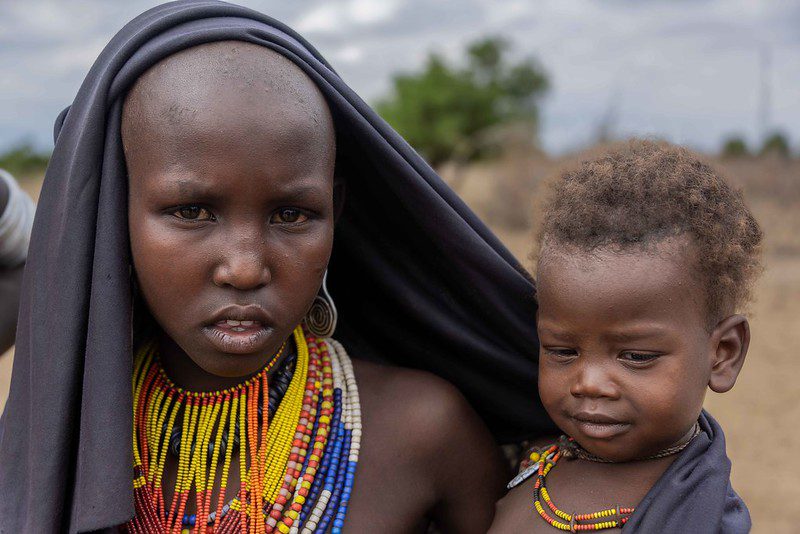
 Ethiopia, a landlocked country in East Africa, is the continent’s second-most populous nation with an estimated 129 million people. Despite its large population, poverty is pervasive, with 68.7% of its residents classified as multidimensionally poor, according to the Oxford Poverty and Human Development Initiative. The impact on children is particularly severe, with an estimated 13 million living in poverty and two million in extreme conditions, lacking necessities such as housing, sanitation, clothing, food and education. Additionally, mental health in Ethiopia remains a significant concern, with a noticeable lack of resources and awareness compounding the challenges faced by those living in poverty. The United Nations (U.N.) emphasizes that “…it is most threatening and harmful to children, leaving them unable to enjoy their rights, to reach their full potential and to participate as full members of the society.”
Mental Health in Ethiopia
Childhood and adolescence are crucial phases for physical and mental development and poverty could hinder a child’s ability to focus on studies and connect with peers. In sub-Saharan Africa, the prevalence of depression among 10 to 19-year-olds is about 27%, significantly higher than in Europe and other high-income countries. In 2023, around 24.68% of Ethiopian children experienced mental health issues. The stark disparity in mental health prevalence between regions stems from differences in socioeconomic status, living conditions and public childcare resources. High-income countries, with more advanced childcare systems, provide minimally adequate care for depression to approximately one out of every five individuals, contrasting sharply with one out of 27 in lower-middle-income countries like Ethiopia.
Tackling the Root Source
In Ethiopia, the lack of a defined mental health system for children stems not just from inadequate resources but also from a pervasive lack of awareness. Many Ethiopians hold traditional views on mental disorders, encapsulated in the phrase “Lij Bedilu Yadgal,” which translates to “children will grow by their chance or luck.” This perspective aligns with the belief that mental health issues are spiritual and best treated through cultural or religious practices. Combined with the challenges posed by poverty, this has led to significant gaps in child psychiatric services within the health care system. Addressing these issues requires a focus on community mental health care to enhance awareness, reduce stigma, support recovery and foster social inclusion.
A New Direction
Recently, Ethiopia’s Federal Ministry of Health has initiated new mental health initiatives, including the Enrichment Center Ethiopia’s Support the Care-givers Intervention Program (SCI). This innovative program brings together a team of professionals and volunteers from around the globe to assist infants and children in meeting critical developmental needs. Despite scarce resources, SCI focuses on children aged 0 to 6, aiming to elevate caregiving knowledge by training mothers, social workers, teachers, teaching assistants and childcare staff in orphanages. The training encompasses four weeks of comprehensive sessions in eight different groups, covering essential caregiving skills such as attachment and secure base, insightfulness, reflective functioning and dialogue, emotional regulation and empathy. This approach is designed to enhance the early developmental environment for Ethiopia’s children, particularly in settings where traditional support structures may be lacking.
So far, the Enrichment Center Ethiopia’s training program has educated more than 400 caregivers, with overwhelmingly positive outcomes. Participants report reduced instances of violence, enhanced family dynamics, deeper emotional bonds with children and increased job satisfaction. Leveraging local resources and manpower, ECE’s experience serves as an inspiring model for other communities, demonstrating a cost-effective approach to raising awareness and improving mental health care for young children.
Looking Ahead
Ethiopia’s challenges with widespread poverty and inadequate mental health resources, especially for children, require ongoing attention and intervention. Initiatives by the Federal Ministry of Health and programs like the Enrichment Center Ethiopia’s caregiver training are making strides in addressing these ongoing issues. By focusing on enhancing caregiving practices and providing support, these programs aim to improve the mental health and well-being of Ethiopian children. Continued dedication to these ongoing efforts could be vital in creating a healthier and more resilient future for the country’s youth.
– Kewe Chen
Kewe is based in Memphis, TN, USA and focuses on Good News for The Borgen Project.
Photo: Flickr

Addressing Child Marriage in Wales
Karma Nirvana campaigned for a long 10 years to fight for the legal age to increase from 16 to 18 to help prevent child marriage in Wales. The “huge leap forward” in tackling “this usually hidden abuse,” said Natasha Rattu, director of the Karma Nirvana charity, which is a member of the Girls Not Brides Coalition exemplifies the progression that is occurring in tackling this truly disgusting arrangement, according to the U.K. Government’s official website.
Legislation and Challenges
Before February 2022, 16 and 17-year-olds could get married or be in civil partnership with parental/guardian consent. Following the passing of the legislation, getting married or a civil partnership under the age of 18 is now illegal and a criminal offence. Causing a child to get married under the age of 18 could result in a prison sentence of up to seven years. Deputy Prime Minister, Lord Chancellor and Secretary of State for Justice, Dominic Raab MP, said “This law will better protect vulnerable people, by cracking down on forced marriage in our society,” according to the U.K. Government’s official website.
Despite the law being effective in England and Wales, the same cannot be said abroad. Many children are being taken abroad to marry underage. In its 2023 case study, Karma Nirvana reports on a 13-year-old girl whose mother took her to Pakistan to marry her cousin aged 19. Despite social services working on raising awareness, some people did not take the situation seriously.
Child Marriage and Poverty
Around 30% of children in Wales are living in poverty and child marriage could only worsen this figure. Underage marriage and civil partnerships are often people from deprived backgrounds so if the child is part of that 30% then the vicious cycle of poverty could only continue into the next generation. For example, in Africa, girls from socioeconomically disadvantaged families are two times more likely to marry before 18 than girls from wealthier families.
Child marriage deprives girls of “opportunities, education and access to paid employment.” When girls are married young they are much less likely to attend the legal requirement of education and stay in the educational system until they are 18 years old.
Cases
In the U.K., the Home Office’s Forced Marriage Unit supported more than 1,400 suspected cases of forced child marriage in 2016. Also, according to official government data, there were 1,009 marriages involving at least one individual under 18 in England and Wales in 2018. About 165 children in England and Wales were at risk of child marriage between 2018-2019. In 2021, the government’s forced marriage unit provided advice or support in 118 cases involving victims aged under 18.
Despite the law being passed, officially there are “no applicable” records to show the progression made since the law was made. In the hope that the figures have decreased behind closed doors and since child marriage has become illegal, the effects have only been positive for victims who are subjected to unlawful underage marriage.
– Sadie Virgin
Photo: Pixabay
Unveiling the Realities of Elderly Poverty in Jamaica
Elderly Poverty in Jamaica
Despite Jamaica’s strides in economic development and poverty reduction, elderly poverty in Jamaica remains a pressing issue. The Planning Institute of Jamaica states more than 18% of Jamaicans older than 60 live below the poverty line. Unveiling this silent crisis affecting Jamaica’s elderly in their twilight years, the statistic reveals how vulnerable and marginalized these senior citizens are.
There is not a singular root cause of the prevalence of elderly poverty in Jamaica. Several factors contribute to its pervasiveness: pension insecurity, limited access to health care and high unemployment rates among older adults. Moreover, Jamaican senior citizens lack the familial support required to have a safety net in times of need. This is due to either familial breakdowns or migration of younger generations.
Hearing from the Elderly
Basil Parchment, 74, was regularly sighted sitting on the side of the road in St. Catherine, Jamaica. Upon The Gleaner, a Jamaican magazine approached him, he explained that the people of the house he was caretaking kicked him out without even a dollar in compensation for his eight years of working for them. Parchment went on to express that the side of the road he sat at was a spot he would often frequent upon taking breaks from work. That side of the road was all he had to call home. Parchment even explained that real poverty is when going to the doctor is impossible and that catching a sickness turns into living with it. He even confided that he has a family who does not bother to support or check up on him.
Many Jamaican families care for their elderly at home. However, while the cost of living increases, salaries remain constant and unemployment increases, younger generations search for opportunities abroad. This may result in further challenges for the elderly in Jamaica moving forward.
Taking Action
Notable achievements have been made due to the implementation of the Madrid International Plan of Action on Ageing. The plan includes revising national policies for senior citizens creating a responsive framework that acknowledges and facilitates the enjoyment of human rights by older citizens. The establishment of a non-contributory social pension for persons 75 years and older allows senior citizens to live productively and free of any stress and anxieties included with financial status. A national health promotion campaign called “Jamaica Moves” to prevent and reduce non-communicable diseases for the elderly and the pensionable age adjusted to 65 years for both men and women which focuses on preventing rather than treating, allowing elderly Jamaicans access to the healthcare they require.
Elderly poverty remains an issue in Jamaica. However, the Jamaican government has implemented new strategies and succeeded in the decline of elderly poverty. With further awareness and the attention of policymakers, a rapid decrease in elderly poverty rates in Jamaica can be achieved.
– Rika Mokal
Photo: Flickr
Protecting the Children of Uruguay
Poverty and Displacement
An underprivileged child in Uruguay faces immense distress in their critical developmental years, which can potentially cause irreparable, lifelong damage. In 2020, children ages 0 to 5 were nine times more likely to live in poverty than a person more than 65. Some fall asleep in the streets to the sound of their gurgling, empty stomachs, a situation that the COVID-19 Pandemic exacerbated. Amid the outbreak, hundreds of Uruguayan families lost their homes; some took refuge in emergency shelters, while others had no choice but to camp along hazardous roadsides.
Adolescent Vulnerability and Government Efforts
Displaced and houseless families could no longer afford nutritious food. Their children, left to fend for themselves, fell subject to acutely precarious situations. In 2018, an estimated 45% of prisoners in Uruguay were adolescents, primarily young men caught in the crosshairs of drug trafficking and sexual exploitation. Juvenile detention centers, where many of these adolescents end up, offer no respite from tumultuous lives at home; in fact, conditions may be far worse, exposing kids to torture and extreme isolation. While the government has attempted to instate more scrupulous child abuse detection tools, their effort has not gone far enough. In 2016, Uruguay attempted to crack down on child abuse at its borders, which was largely fruitless.
Humanitarian Organizations and Child Protection
Fortunately, humanitarian groups like UNICEF have been instrumental in Uruguay’s fight against childhood poverty and abuse. With the support of UNICEF and the Ministry of Social Development, the government has strengthened its protection and support for migrant children, adolescents and families through the 24-hour Casa Trampolín care center. Furthermore, in collaboration with the World Health Organization (WHO), UNICEF provides reliable access to clean water in Uruguay and other countries through its Water, Sanitation and Hygiene (WASH) program.
Moving Forward
As Uruguay enhances its child protection services, UNICEF plays a critical role as a key partner. The organization has collaborated with the government to develop and implement a policy aimed at adolescent mental health. Additionally, UNICEF is working with the Protection of Children and Adolescents against Violence to relaunch training strategies based on the national model for addressing violence against children and adolescents. These ongoing efforts aim to protect numerous children in Uruguay from abuse and suffering.
– Natalie Kaufman
Photo: Flickr
Remedy for Period Poverty in Ghana Fosters Circular Economy
Taxation and Economic Burden
In Ghana, period poverty is exacerbated by some of the highest taxation rates on menstrual hygiene products in the world. The Ghana Revenue Authority classifies these products as Finished Goods– otherwise known as final consumer goods, subjecting them to a 20% import tax plus a 15% Value Added Tax.
Research indicates that the average minimum wage for women in Ghana is about $26 a month, while period products can cost between $3 and $7 for just eight pads. This means that out of every 80 cedis earned, 11 cedis are spent solely on menstrual products. This calculation does not consider the number of family members these women need to support with essentials like water, food and clothing. Additionally, families often have more than one member who menstruates, compounding the financial burden, as the 80 to 11 ratio applies to each menstruating individual.
Despite the high rates of period poverty in countries like Ghana, communities and advocates are actively working to address these ongoing challenges and alleviate the financial strain that menstrual products impose on women.
Kodu Technology’s Innovative Solution
Kodu Technology, an organization focused on eradicating period poverty in rural communities through eco-friendly products, actively works to ease the stress of menstruation using banana fibers.
Umar Farouk Mubraka, Co-Founder of Kodu, explains how the company initially intended to make paper from banana fiber. During its research, it discovered that banana and plantain fibers have high absorption capabilities, leading to the development of a new type of sanitary pad. This innovation utilizes by-products from the agricultural industry, fostering a circular economy that benefits local farmers and minimizes waste. Farouk added, “{this project is} positioned as a catalyst for positive environmental and socio-economic change,” in addition to helping the economy and proactively working against poverty.
Farouk, born in Wa, a town in the Upper West Region of Ghana, is a licensed nutritionist who dedicates her time to facilitating this circular economy and alleviating period poverty. In 2023, Kodu received more than $8,000 after winning the Circular Economy Competition. Circular economies are increasingly seen as a guiding principle in today’s world, helping to generate economic revenue in impoverished nations and sustainably reusing materials to benefit the environment.
Looking Ahead
Ghana’s innovative approach to addressing period poverty through sustainable practices exemplifies the potential for creating impactful change. Initiatives like eco-friendly menstrual products made from locally sourced materials are making menstrual hygiene more accessible and affordable. These ongoing efforts contribute not only to improving the lives of women and girls but also to fostering economic resilience and environmental sustainability.
– Hailey Nurry
Photo: Flickr
The Fight Against HIV and AIDS in Burundi
Baho Mbeho
The International Centre for AIDS Care and Treatment Programs (ICAP), affiliated with Columbia University’s Mailman School of Public Health, has been active in Burundi’s fight against HIV and AIDS. In 2023, ICAP launched “Baho Mbeho,” which means “you live, I live” in Kirundi, a native language of Burundi. This program is part of a broader international effort to curb HIV transmission, focusing significantly on urban centers, including Bujumbura, Burundi’s former capital.
The Baho Mbeho plan is set to enhance 161 health facilities over 5 years, employing a human-centric strategy. This initiative engages community organizations to assist health workers, expanding access to essential treatments. With a focus on prevention, the program aims to identify and manage new HIV cases early, a method proven effective in curbing the disease’s spread. It targets testing 141,000 people for HIV, providing a crucial service poised to prevent numerous infections and save many lives. Additionally, the program commits to delivering antiretroviral therapy to pregnant women, significantly reducing the risk of mother-to-child transmission of HIV.
Other International Aid
The campaign to control HIV and AIDS has garnered significant attention from African nations. Members of Parliament from Bahrain, Zimbabwe, Tanzania, Uganda and Chad have proposed strategies to enhance disease transmission prevention. Their recommendations include implementing gender-sensitive policies, expanding outreach to marginalized communities and improving care systems for children orphaned by AIDS. Burundian President Pierre Nkurunziza has actively coordinated the nation’s response, integrating the advice to better address how the disease impacts children.
Organizations such as Expertise France and ANSS have engaged in initiatives to support young people in combating HIV. These ongoing efforts include providing resources for early disease detection through screening and prevention programs. Additionally, they focus on education to challenge and reduce harmful stigmas associated with HIV, aiming to dismantle pervasive stereotypes not only in Burundi but globally.
The National Association for the Support of HIV-Positive People (ANSS) plays a pivotal role in combating HIV and AIDS in Burundi. The organization enhances screening services in Bujumbura and provides support by accompanying individuals to screening and treatment appointments.
A Hopeful Future
Despite significant challenges, Burundi is making promising strides in its fight against HIV and AIDS. This nation, one of the poorest and the second-most densely populated in Africa, deals with severe public health issues, worsened by prolonged civil conflict. However, through focused efforts by both the local government and international partners, Burundi is on track to become the first French-speaking African country to effectively control the spread of HIV. This achievement is highlighted by rising treatment rates and expanded educational campaigns, suggesting that the battle against HIV and AIDS in Burundi might indeed be winnable.
– Molly Ralph
Photo: Flickr
Child Marriage in Georgia: An Ongoing National Issue
The Reasons for Its Prevalence
Child marriage stems from a variety of social issues, one being gender inequality. In 2022, the United Nations Development Programme (UNDP) reported that there was a 35% pay gap between men and women in Georgia. Because of this inequality, there is immense social pressure to get married in order to be financially secure. A survey conducted by the United Nations Children’s Fund (UNICEF) in 2018 “indicated that 27% of women between the ages of 20-49 who were married before the age of 18 are in the poorest index quintile.”
Furthermore, culturally, child marriage is believed to legitimize child pregnancy and pre-marital sex. Bride kidnapping is another reason for child marriage in Georgia that is not to be overlooked. Typically, this is an arranged marriage whereby the female is kidnapped and taken to a remote location where she is forced to marry. Between January and September of 2020, there were 34 reported cases of bride kidnapping in Georgia.
Effects of Forced Marriages
Many of these forced child marriages result in domestic and sexual abuse. In 2018, one in seven women experienced domestic violence in Georgia. A particular study by the United Nations (U.N.) Women also emphasized that 9% of women have experienced sexual violence before the age of 18.
Solutions
In 2014, the Criminal Code was reformed to outlaw forced child marriage. However, there are still loopholes in the law. For instance, weddings can take place in remote areas and families may delay registering the marriage until the individuals involved are 18 years old. Nevertheless, there has been some progress in recent years. With the rise of social media, hundreds of thousands of women have united to raise awareness about domestic and sexual abuse. It has become more widely accepted to report violence and abuse because of social media and global awareness.
In 2020, Equality Now, an international women’s rights organization, published an article called “Courage: Survivors of Child Marriage Share Their Stories.” The article shared the stories of seven women who escaped child and forced marriages in Georgia. One of the women, Tami, was able to avoid a child marriage at the age of 16. She confided in her teachers and friends about the arranged marriage and they reported it to the authorities. Tami now lives independently and encourages other women to speak up for themselves. She went on to say, “If they remain silent, no one will ever know about their stories.”
Final Remark
Social awareness campaigns can help prevent child marriage in Georgia. These campaigns can educate the public about the harmful effects of child marriage. Additionally, they can challenge traditional norms and cultural beliefs that perpetuate the practice. Campaigns can also emphasize the importance of girls’ education and empowerment. By doing so, they can help reduce the prevalence of child marriage and protect the rights and well-being of girls in the country.
– Madeline Rozmus
Photo: Flickr
Improving Child Mental Health in Ethiopia
Mental Health in Ethiopia
Childhood and adolescence are crucial phases for physical and mental development and poverty could hinder a child’s ability to focus on studies and connect with peers. In sub-Saharan Africa, the prevalence of depression among 10 to 19-year-olds is about 27%, significantly higher than in Europe and other high-income countries. In 2023, around 24.68% of Ethiopian children experienced mental health issues. The stark disparity in mental health prevalence between regions stems from differences in socioeconomic status, living conditions and public childcare resources. High-income countries, with more advanced childcare systems, provide minimally adequate care for depression to approximately one out of every five individuals, contrasting sharply with one out of 27 in lower-middle-income countries like Ethiopia.
Tackling the Root Source
In Ethiopia, the lack of a defined mental health system for children stems not just from inadequate resources but also from a pervasive lack of awareness. Many Ethiopians hold traditional views on mental disorders, encapsulated in the phrase “Lij Bedilu Yadgal,” which translates to “children will grow by their chance or luck.” This perspective aligns with the belief that mental health issues are spiritual and best treated through cultural or religious practices. Combined with the challenges posed by poverty, this has led to significant gaps in child psychiatric services within the health care system. Addressing these issues requires a focus on community mental health care to enhance awareness, reduce stigma, support recovery and foster social inclusion.
A New Direction
Recently, Ethiopia’s Federal Ministry of Health has initiated new mental health initiatives, including the Enrichment Center Ethiopia’s Support the Care-givers Intervention Program (SCI). This innovative program brings together a team of professionals and volunteers from around the globe to assist infants and children in meeting critical developmental needs. Despite scarce resources, SCI focuses on children aged 0 to 6, aiming to elevate caregiving knowledge by training mothers, social workers, teachers, teaching assistants and childcare staff in orphanages. The training encompasses four weeks of comprehensive sessions in eight different groups, covering essential caregiving skills such as attachment and secure base, insightfulness, reflective functioning and dialogue, emotional regulation and empathy. This approach is designed to enhance the early developmental environment for Ethiopia’s children, particularly in settings where traditional support structures may be lacking.
So far, the Enrichment Center Ethiopia’s training program has educated more than 400 caregivers, with overwhelmingly positive outcomes. Participants report reduced instances of violence, enhanced family dynamics, deeper emotional bonds with children and increased job satisfaction. Leveraging local resources and manpower, ECE’s experience serves as an inspiring model for other communities, demonstrating a cost-effective approach to raising awareness and improving mental health care for young children.
Looking Ahead
Ethiopia’s challenges with widespread poverty and inadequate mental health resources, especially for children, require ongoing attention and intervention. Initiatives by the Federal Ministry of Health and programs like the Enrichment Center Ethiopia’s caregiver training are making strides in addressing these ongoing issues. By focusing on enhancing caregiving practices and providing support, these programs aim to improve the mental health and well-being of Ethiopian children. Continued dedication to these ongoing efforts could be vital in creating a healthier and more resilient future for the country’s youth.
– Kewe Chen
Photo: Flickr
Emergency Relief to Sudan
Why Have the Preexisting Programs Stopped?
During COVID-19, Sudan was wrecked economically, as many people became unemployed and were unable to find jobs afterward. Compound this with the near-constant fighting occurring in the country and the Sudanese food security is limited to none. This fighting has caused the humanitarian aid front of the World Food Programme (WFP) to stop, as its teams cannot enter active combat zones to provide relief safely. While the WFP can aid the Sudanese people in different areas, those trapped in the middle of conflict cannot receive relief.
This is not unusual when providing humanitarian aid to active conflict provinces. However, the fighting in Sudan is so intense and ongoing that the combat zones change frequently. More and more people are trapped in dangerous provinces away from the WFP’s. At least four military groups are fighting for control of Sudan: the Sudan Armed Forces, Rapid Support Forces and many from previous Sudanese civil wars. With so much conflict, providing humanitarian aid is difficult and dangerous.
The Sudan Emergency Safety Nets Project
The Sudan Emergency Safety Nets Project has two halves: the safety nets and the infrastructural supports. The safety nets include both food and cash, but the value of both is equivalent to $7 in food. This may not seem like much, but the $7 can provide up to 1000 kilocalories, about half the daily required caloric intake. In a country with little consistency and food security, even something as little as $7 can change a person’s life. These Safety nets will focus on households and use its new infrastructural support system to monitor caloric intake per household to maximize their humanitarian aid.
The infrastructural support systems in question can be divided into delivery, monitoring and evaluation and project management. The delivery programs will work to ensure safe evaluation and social information. The programs will also ensure that payments, enrollment and information can safely be delivered to the Sudanese people.
The monitoring and evaluation system will assess potential risks and benefits for future projects and allow people to make informed choices about whether specific aspects of projects are safe to conduct. The hope for this system is to attempt to combat the paused humanitarian relief by monitoring risk factors in Sudan and either acting before it is too dangerous or finding another way around it.
The project management aspect of the infrastructural support system will focus on financing and executing the Sudan Emergency Safety Nets Project. While Sudan is in such turmoil and conflict, the political systems are functionally unilaterally, as this is the nature of civil wars. The project management aspect of the Emergency Safety Nets Project will take on all the administrative and financial aspects that may be done by a political party to ensure that humanitarian relief avoids becoming a political piece in the military conflict.
Final Thoughts
Sudan is struggling with limited food security and constant military conflict. Where the fighting escalates, emergency relief to Sudan is limited and removed to ensure the safety of the relief workers. The Sudan Emergency Safety Nets Project works during these tumultuous times to ensure that the high-conflict areas of Sudan may still receive humanitarian aid. This project works during the halts of other humanitarian projects so that the people of Sudan do not suffer during the civil wars.
– Paige Tamasi
Photo: Unsplash
Food Systems in the Bahamas
Reliance on Imported Goods and Health Impacts
Like most Caribbean nations, the Bahamas has little access to land and relies heavily upon imported goods. The Bahamas imports more than 90% of its food needs. Many of these imported goods are processed and contain large amounts of salts and sugar, which negatively impact the health of the Bahamian population.
Food Insecurity and Health Concerns
Between 2019 and 2021, it was estimated that 17% of the Bahamian population faced modest to extreme levels of food insecurity. Although this statistic is considerably below the global average of 33% and the regional average of 38%, there are other concerns. Specifically, 32% of the adult population is obese compared to the global average of 21%. The problem of obesity can be attributed to the country’s reliance on imported goods that are often lacking in nutritional value and unhealthy. Diabetes is also another major health problem in the Bahamas.
Food Accessibility and Government Support Programs
In terms of overall access to food in the country, food is readily available in urban areas; however, the accessibility of food in rural communities remains uncertain. The government aids in making food more accessible by providing grants and financial assistance to impoverished residents, allowing them to purchase food. The National School Feeding Programme supplies meals for young students from low-income families and the government also subsidizes certain foods. Despite these efforts, the National School Feeding Program and subsidy program struggle to provide nutritious options for these underprivileged communities.
In light of these challenges, the Bahamian government is looking to make changes to create a more sophisticated and responsive food system. Notably, the Bahamian government aims to reduce the country’s reliance on imported food by 25% by 2025. Prime Minister Davis explained that this will require increased agricultural output locally, with an emphasis on growing and cultivating healthier options for the population.
In addition, in 2021, the Bahamas became a member of the Agriculture Innovation Mission for Climate initiative, which focuses on promoting sustainability in developing countries like the Bahamas. Through this program, the Bahamas will work on developing sustainably, working with local farmers to utilize more environmentally safe farming methods. Furthermore, it will put effort into research and development of new agricultural techniques meant to minimize environmental impact and increase output.
Summary
Like other countries in the Caribbean, the Bahamas has little arable land. Therefore, it imports almost 100% of its food needs. However, the government is working to increase local food production in an effort to combat food insecurity and unhealthy diets, whilst improving food systems in the Bahamas.
– Brendan Sheehan
Photo: Flickr
How AVANTI’s Initiatives Lifted an Ecuadorian Town from Poverty
AVANTI’s Education Initiatives
AVANTI saw how the lack of education structure impacted the community’s ability to find and hold down higher-paying jobs. It tackled this problem in three ways:
This groundwork to improve education and literacy was set in place to improve employment rates due to better education and higher-paying skills.
AVANTI’s Agricultural Innovation
The NGO improved the overall farming experience for the existing agriculture system in Pistishi-Tolte. It also accomplished this goal in three ways:
These AVANTI’s initiatives increased food security and reduced poverty due to higher incomes from better crop yields.
Prioritizing Health in Community
One of the ways AVANTI empowered the community was by emphasizing health in the town. It focused on achieving this goal in two ways:
These efforts set in place a system to improve the livelihood of all residents of Pistishi-Tolte.
Conclusion
AVANTI turned a town suffering from extreme poverty and being one of the poorest places in Ecuador into a thriving city out of poverty’s grasp. The nonprofit used infrastructure and systems in education, agriculture and community empowerment through health to achieve its goal. AVANTI provided safe places for the people to learn to improve their job pay, farm with sustainable practices to improve crop yields and get access to health care to improve their quality of life.
– Rachel Venable
Photo: Pixabay