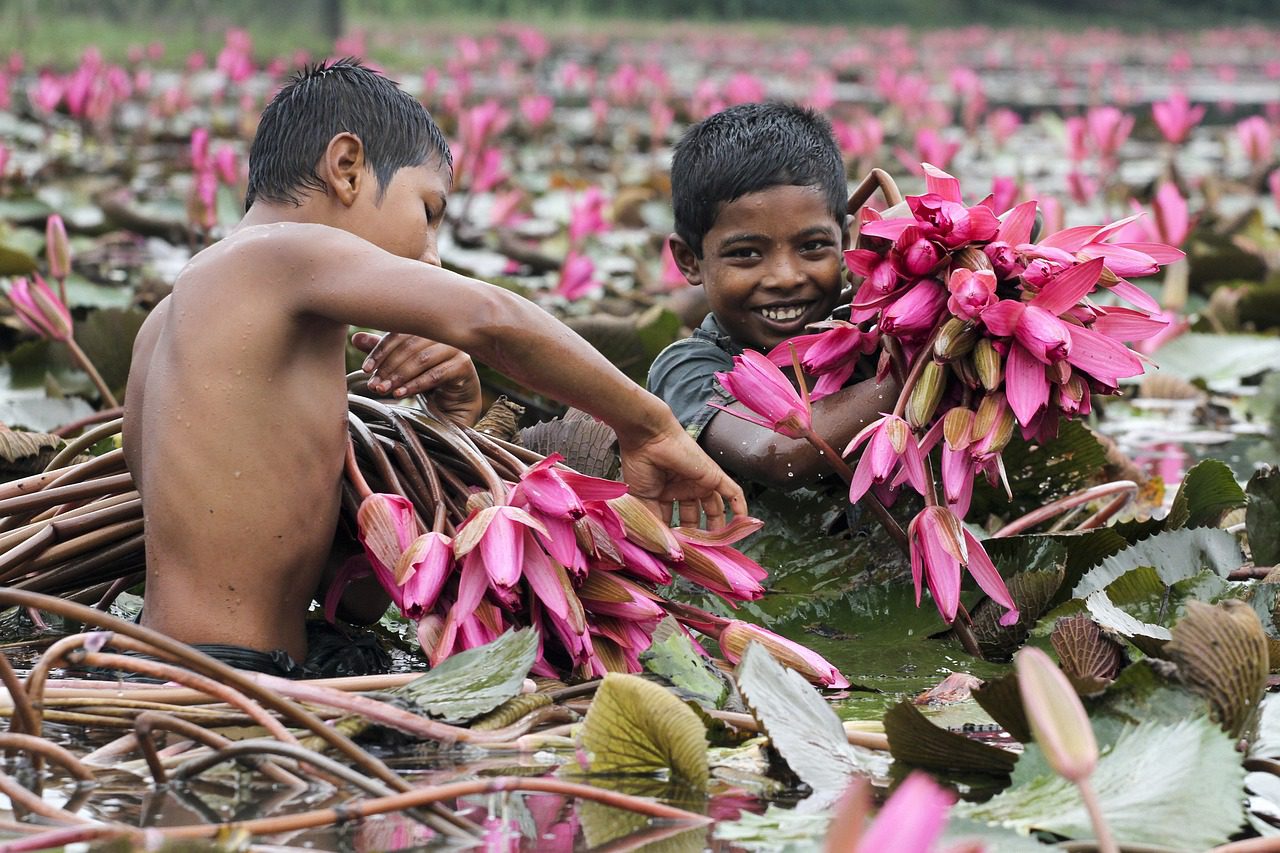
 In recent years, remittances have become one of the primary economic contributors in recipient countries. Remittances are money transfers that international migrants send to their families in their home countries. In 2022, these money transfers to low- and middle-income countries were $647 billion. Remittance to Bangladesh has become a vital economic pillar, for a country of 171 million people.
Bangladesh’s Standing in Global Remittance
According to the World Migration Report, Bangladesh ranked as the eighth-highest recipient of remittances globally and third-highest in South Asia. In 2022, the country received a staggering $21.5 billion inflow of remittance. It is a major source of economic growth and development for Bangladesh, contributing 4.7% to the country’s GDP.
Overview of the Remittance Sector
Since independence, migration has been a significant factor in improving living standards and reducing poverty and unemployment in Bangladesh. With a huge young population and an increasing unemployment rate, many citizens have taken short-term jobs abroad.
In 2023, a record 1.3 million individuals left the country for overseas work, and many others have unregistered contracts. These migrations are mostly for unskilled or semi-skilled work. The government aims to send an additional 1 million migrants to various countries, expanding the diaspora and increasing inward remittances by creating an “overseas employment market expansion roadmap.”
Economic and Social Factors
A mix of economic and social factors influences migration patterns from Bangladesh. Economically, many Bangladeshis migrate to escape poverty, seeking better job opportunities abroad due to limited prospects at home. The country’s high population and limited job market create pressure on local employment, pushing people to look for work in countries with higher labor demand. Socially, the desire to improve living standards and provide better education and health care for their families motivates migration, according to the Migration Policy Institute (MPI).
Remittances to Bangladesh have a profound impact on the economy. Back-home recipients use these funds to finance essential needs, education and small businesses, according to the MPI. This financial support often boosts the production of tradable and non-tradable goods and services, influences land markets and fosters the growth of banking and commerce sectors.
About 70% of remittance recipients use the funds for essential needs like food, clothing and shelter. They also invest significantly in agriculture, small businesses and housing, driving local entrepreneurship and job creation.
Improving Food Security
A World Bank analysis indicates that households in rural Bangladesh receiving remittances are more food secure compared to those that do not receive remittances. This means that remittance-recipient families are better able to afford and access sufficient food, leading to improved nutritional outcomes and overall well-being.
However, family support is not the sole driving factor of inward remittances. The migrants’ skills and education levels also play a part. A migrant with a secondary education is likely to send back more money than someone with no formal education. This highlights the importance of education and skills development in maximizing the remittance potential of future generations of Bangladeshi migrants.
Remittance Incentive Programme
The Bangladeshi government recognizes the immense contribution of its migrant workforce to the overall economic growth of the country. The Remittance Incentive Programme, launched in July 2019, is a significant initiative of the government. This program aims to encourage Bangladeshis working abroad to use official channels for sending money home, rather than informal systems. The program offers a cash reward directly deposited into the sender’s bank account for remittances sent through legal procedures. The incentive was 2% initially, then raised to 2.5% in 2022 and currently stands at 5%. This initiative promotes the use of formal channels for remittance and enhances transparency.
Remittance and the COVID-19 Pandemic
During the COVID-19 pandemic-induced global economic turmoil, the World Bank predicted that reducing inward remittance to Bangladesh would hit the economy hard. Despite that, remittance inflow started to increase in the last half of 2020 making it to the list of the top ten highest remittance recipient countries
This significant inflow has improved living standards, financed education, boosted local economies, and elevated the country’s foreign currency reserves past $46 billion. The remittances have also played a crucial role in stabilizing the balance of payments and enhancing the nation’s credit rating
Conclusion
Remittance to Bangladesh can be a powerful force to reduce poverty. Supporting education and skills development and fostering safe working conditions for migrant workers, can ensure this vital lifeline continues to flow and empower the nation for generations to come.
– Sumaiya Sultana
Sumaiya is based in London, UK and focuses on Business and New Markets for The Borgen Project.
Photo: Pixabay

Kuza Freezer and Its Impact on Kenya’s Fishing Industry
Challenges and Innovations in Fish Storage
Proper storage can keep fish fresh for up to three months after catching, but many developing countries lack necessary refrigeration, leading to a much shorter shelf life of just a few hours. This increases the risk of foodborne illnesses such as cholera, diarrhea and typhoid. Despite fish products accounting for approximately 30% of all reported foodborne illnesses, a variety of fish, including tilapia, carp, eel and bass remain popular in Kenyan markets, where locals prefer fresh fish. Fisheries also face significant profit losses due to mass spoilage, often resorting to reprocessing wasted fish as feed rather than selling it.
Technological Advancements and Community Impact
Kuza Freezer provides a sustainable solution with its portable cold boxes that maintain fish at optimal temperatures for up to 30 days. These freezers, lightweight and easy to transport by car or bike, operate on solar energy with battery life lasting up to eight hours. Constructed from recycled plastics sourced from local communities, the cold boxes can reach temperatures as low as -18 degrees Celsius. In Kenya’s fishing industry, these solar-powered units are favored for their affordability and low maintenance, offering a practical alternative to conventional freezers and ice.
Kuza Freezer also markets its emissions-free Kuza Freezer Trike, a combination mobile bicycle cart and freezer, designed for customers requiring enhanced mobility. The company offers training to its customers, along with flexible payment plans and support for repairs to ensure sustainability. Additionally, Kuza Freezer facilitates direct deliveries through its Soka Express App, which conveniently brings fish directly to customers, enhancing the service’s accessibility and efficiency.
Expansion and Broader Applications
Kuza Freezer has achieved significant milestones by delivering more than 350 products, boosting customer incomes by 60%. A study revealed that 99% of fishers reported profit increases with the aid of a cold storage system. Moreover, the benefits of Kuza Freezer’s products extend beyond the fishing industry to encompass dairy, produce and even medical sectors, demonstrating the broad utility and impact of reliable refrigeration solutions.
Looking Ahead
Kuza Freezer’s solar-powered cold storage technology is transforming Kenya’s fishing industry by reducing spoilage and enhancing product quality, which leads to increased incomes for local fishers. The company’s innovative approach to refrigeration has the potential to expand beyond the fishing industry, impacting agriculture and health care by providing reliable cold storage solutions. As Kuza Freezer continues to grow, its technology could play a crucial role in supporting economic development and improving food security in Kenya and beyond.
– Tanita Love
Photo: Unsplash
3 Facts about Diseases Impacting Sudan
Fragile Health System
The health system in Sudan is severely underpowered. With very little investment, it cannot provide efficiently and thus many citizens struggle with getting the health care they need. There is a shortage of skilled doctors within the country, and half of the people who attend health care facilities are likely to receive no aid. In addition, due to the crisis, more than 70% of all health care facilities do not operate, drastically impacting how much diseases affect Sudan, according to the International Rescue Committee (IRC).
Frequent Outbreaks
War in Sudan has caused massive outbreaks of multiple diseases due to the worsening living conditions and the high amounts of displacement, causing further deterioration of health as diseases impact Sudan. In addition, vaccinations have not been able to be administered to many people, leading to increased illness throughout the country. Diseases that have had outbreaks include cholera, hepatitis, yellow fever, Rift Valley fever, meningitis and haemorrhagic fevers. Not only are these outbreaks occurring domestically, but they are also spreading to neighbouring countries as well. As long as the war rages in Sudan, it will be very difficult for many of the people suffering from these diseases to be helped due to the struggling health care system.
Mortality Rates and Life Expectancy
Life expectancy in Sudan has been rising slowly over the years in Sudan, but it remains fairly low at 66 years old. The global average is roughly 70 years old. Many people die from preventable diseases in Sudan due to the poor health care system, which significantly lowers life expectancy. In addition, another big cause of the low life expectancy is that infant mortality rates are alarmingly high. While the rates have declined over the years, just like life expectancy, it remains a problem.
According to UNICEF, for every 100,000 live births, 295 women will die, and this is the result of minimal aid provided to women both during and after their pregnancy. Only just over 50% of women receive a minimum of four antenatal care visits. After they give birth, only 34% of women receive post-natal care services, and 69% can receive a tetanus toxoid vaccination.
Aiding the System
The World Health Organization (WHO) is working with health authorities to distribute medical supplies and improve the coordination of health response. In a situation report from December 2023, WHO confirmed that a Cholera vaccination campaign in the Gedaref and Al Jazirah states targeted at 2.26 million people had a 98% coverage rate. This same report also confirmed that over 1190 metric tons of supplies have been donated to WHO hubs in Sudan. As of May 2024, WHO secured a $3 million donation from the European Union.
The efforts of WHO undoubtedly have aided the struggling health system and will continue to stabilize it during this time of conflict. Vaccine administration will continue hoping to reach as many people as possible, and campaigns to do so will continue. Other organizations, such as the United Nations Populations Fund (UNFPA), work in health facilities to provide sexual and reproductive health care. There is a lot more work to do, but the truth shown by these efforts is that it is very feasible to improve how diseases impact Sudan.
– Tyra Brantly
Photo: Flickr
USAID Programs in the Philippines
USAID Enters the Philippines
The United States has been assisting in the Philippines’ development since 1961. When USAID became an official federal agency, the Philippines became one of the agency’s first partner organizations. Since the start of the partnership, the U.S. has invested more than 290 billion pesos through different programs in the country.
In the first 20 years in the Philippines, the U.S. helped develop infrastructure, along with advancing the country’s agricultural and medical capabilities. Since then, USAID has been directed at the health and education sectors, along with continued investment in infrastructure.
Poverty and Education in the Philippines
The Philippines is among the poorest nations in Southeast Asia. Around 18% of the population lives below the poverty line. With low access to education, nine out of 10 children in the Philippines are unable to read or understand reading material by the age of 10.
One of the biggest categories of USAID programs in the Philippines is educational assistance. Since 1961, the U.S. has created and implemented numerous programs working to help improve basic reading and math skills among developing students and putting learning objectives in place that will help students become prepared for the workplace.
USAID Education Programs
ABC+ works with children in grades K-3 to advance literacy skills in Filipino and English. The program teaches instructors how to teach reading and math in both languages and how to create effective out-of-classroom work that will help students learn at home. With help from U.S. universities such as Florida State University, the program is working to design college courses for early literacy development to help prepare future teachers.
Gabay is a USAID program working to “strengthen the access of deaf, blind and deafblind children to quality education” according to USAID. Through the program, USAID helps train teachers and parents in “inclusive education strategies” and provides assistive devices to schools and community centers to help accommodate students with disabilities. Gabay has helped strengthen the sign language curriculum in the Philippines and has helped local governments better support children with disabilities.
Opportunity 2.0 is a program that works to help out-of-school youth find job opportunities. More than 3 million Filipinos aged 16-24 are either not enrolled in school, have not finished secondary school or are unemployed, according to USAID. The program offers placement in education systems that help prepare students for college, has job training programs and has courses on how to start and grow a business. Opportunity 2.0 has offices in 15 cities in the Philippines and is available to any Filipino aged 16-24 who does not have a bachelor’s degree.
YouthWorks PH
YouthWorks PH is one of the biggest education-based programs USAID has in the Philippines. More than 50% of the population in the Philippines is under the age of 30, making their education an important aspect of the country’s development, according to USAID. Through this program, USAID works with The Philippine Business for Education to provide “training and employment opportunities for at least 40,000 youth through an innovative work-based training approach,” according to USAID.
It focuses heavily on the school-to-work transition period to make sure members learn any workplace skills they could not learn in high school or college. By helping more students become qualified for the workplace, YouthWorks is helping to lower the unemployment rate for ages 15-24.
Creating Opportunities
By supporting different education programs in the Philippines, USAID is helping students get the necessary education needed to find opportunities in school. Since 2020, the unemployment rate in the Philippines has dropped from 10.3% to 4%. Literacy rates hit a high of 99% thanks to the development of the nation’s education system. USAID programs in the Philippines have yielded encouraging results in the past 10 years, and are continuing to grow every day, helping Filipino students create opportunities inside and out of the classroom.
– Nicolas Mezzaucella
Photo: Flickr
How Digital Jobs Could Reduce the Gender Wage Gap in Albania
Albania is one of the countries with “the highest proportion of women in government cabinets” in the world. Furthermore, according to the Institute of Statistics, women in Albania are, on average, better educated than their male counterparts. In Albania, 21.3% of women in the country have completed higher education compared to 18.2% of men. But, despite women being better educated and represented in government, they continue to be paid less than men across the majority of professions. What’s more, the gender wage gap in Albania is actually increasing over time, rather than decreasing.
Why Does the Gender Pay Gap Keep Growing?
According to Euronews, the average working individual in Albania was paid 61,898 lek gross per month in 2022, which is an increase of 8.2% from the previous year. Euronews’ research shows that it is the difference in the speed and size of salary increases between men and women that has likely led to the gender wage gap in Albania widening over time, despite women’s increased education and presence in government.
For men, the average salary of 63,773 lek was an increase of 9.2% from the year before. For women on the other hand, the average salary of 59,773 lek was only 7.3% more than the previous year. So, the gap between men’s and women’s pay in Albania increased from 4.2% in 2021, to 6.2% in 2022 thanks to men’s wages increasing faster than their female counterparts, Euronews reports.
Are Digital Jobs the Solution?
The European Institute for Gender Equality has been working with Albania to build its capacity for gender equality since 2013 and the Gender Equality Index that the country released in January 2020 scored 60.4 points. Its score in the Domain of Power of 60.9 was higher than the European Average of 47.6 points. This was primarily due to the aforementioned high levels of women working in government.
However, the index also shows that Albania’s score within the domain of money, which covers gender inequalities in financial resources and the economic situation in which men and women live, is 20.8 points lower than the EU-28 average. This means that women in Albania are more likely to be at risk of poverty than men within the country.
To work to combat the gender wage gap in Albania, the Digital Jobs Albania initiative offers opportunities to help them gain better access opportunities for work online, and so better connection to the global economy.
Digital Jobs Albania offers a three-month intensive training program in digital skills for women aged 16 to 35 aiming to encourage them to connect with rapidly growing industries that specialize in online freelance work, such as graphic design, digital marketing and web development.
Shrinking the Gender Wage Gap
The flexible working hours and the ability to work from home that these careers offer can help more women in Albania stay in the labor market and gain financial independence, therefore shrinking the gender wage gap in Albania.
Between September 2021 and May 2022, the project had already produced results with more than 5,000 women expressing interest in joining the training initiative. This was far more individuals than spots available and demonstrated just how unmet women’s work demands are in the country. Furthermore, the initiative has appealed to young people in the country, with more than 500 enrolling in the initiative.
– Kristina Grant
Photo: Pexels
Remittance to Bangladesh
Bangladesh’s Standing in Global Remittance
According to the World Migration Report, Bangladesh ranked as the eighth-highest recipient of remittances globally and third-highest in South Asia. In 2022, the country received a staggering $21.5 billion inflow of remittance. It is a major source of economic growth and development for Bangladesh, contributing 4.7% to the country’s GDP.
Overview of the Remittance Sector
Since independence, migration has been a significant factor in improving living standards and reducing poverty and unemployment in Bangladesh. With a huge young population and an increasing unemployment rate, many citizens have taken short-term jobs abroad.
In 2023, a record 1.3 million individuals left the country for overseas work, and many others have unregistered contracts. These migrations are mostly for unskilled or semi-skilled work. The government aims to send an additional 1 million migrants to various countries, expanding the diaspora and increasing inward remittances by creating an “overseas employment market expansion roadmap.”
Economic and Social Factors
A mix of economic and social factors influences migration patterns from Bangladesh. Economically, many Bangladeshis migrate to escape poverty, seeking better job opportunities abroad due to limited prospects at home. The country’s high population and limited job market create pressure on local employment, pushing people to look for work in countries with higher labor demand. Socially, the desire to improve living standards and provide better education and health care for their families motivates migration, according to the Migration Policy Institute (MPI).
Remittances to Bangladesh have a profound impact on the economy. Back-home recipients use these funds to finance essential needs, education and small businesses, according to the MPI. This financial support often boosts the production of tradable and non-tradable goods and services, influences land markets and fosters the growth of banking and commerce sectors.
About 70% of remittance recipients use the funds for essential needs like food, clothing and shelter. They also invest significantly in agriculture, small businesses and housing, driving local entrepreneurship and job creation.
Improving Food Security
A World Bank analysis indicates that households in rural Bangladesh receiving remittances are more food secure compared to those that do not receive remittances. This means that remittance-recipient families are better able to afford and access sufficient food, leading to improved nutritional outcomes and overall well-being.
However, family support is not the sole driving factor of inward remittances. The migrants’ skills and education levels also play a part. A migrant with a secondary education is likely to send back more money than someone with no formal education. This highlights the importance of education and skills development in maximizing the remittance potential of future generations of Bangladeshi migrants.
Remittance Incentive Programme
The Bangladeshi government recognizes the immense contribution of its migrant workforce to the overall economic growth of the country. The Remittance Incentive Programme, launched in July 2019, is a significant initiative of the government. This program aims to encourage Bangladeshis working abroad to use official channels for sending money home, rather than informal systems. The program offers a cash reward directly deposited into the sender’s bank account for remittances sent through legal procedures. The incentive was 2% initially, then raised to 2.5% in 2022 and currently stands at 5%. This initiative promotes the use of formal channels for remittance and enhances transparency.
Remittance and the COVID-19 Pandemic
During the COVID-19 pandemic-induced global economic turmoil, the World Bank predicted that reducing inward remittance to Bangladesh would hit the economy hard. Despite that, remittance inflow started to increase in the last half of 2020 making it to the list of the top ten highest remittance recipient countries
This significant inflow has improved living standards, financed education, boosted local economies, and elevated the country’s foreign currency reserves past $46 billion. The remittances have also played a crucial role in stabilizing the balance of payments and enhancing the nation’s credit rating
Conclusion
Remittance to Bangladesh can be a powerful force to reduce poverty. Supporting education and skills development and fostering safe working conditions for migrant workers, can ensure this vital lifeline continues to flow and empower the nation for generations to come.
– Sumaiya Sultana
Photo: Pixabay
How APY-Solidarity in Action Is Reducing Poverty in El Salvador
According to its 2022 expense report, APY-Solidarity in Action allocated nearly 23% of its funds to El Salvador, the largest share received by any country it operates in. The organization’s dedication to El Salvador extends beyond financial distribution as it continues to develop projects seeking to minimize the country’s 27% poverty rate. Here are some ways the organization is working to reduce poverty in El Salvador:
Gender Equality
As an organization that defines itself as feminist, APY-Solidarity in Action has developed seven different projects addressing gender-based violence, child pregnancy and disabled women’s rights in El Salvador. By collaborating with various Salvadoran women’s groups, such as the Feminist Collective for Local Development and the Morazán Women’s Citizen Network, APY-Solidarity in Action has helped more than 200,000 vulnerable women, the majority of whom are disabled. In addition, the organization has invested more than €1.5 million toward addressing violence against women and providing nonsexist education to Salvadoran local governments and social workers in all 14 departments of El Salvador.
Rural Development
Alongside its work in gender equality, APY-Solidarity in Action also strives to strengthen food security, water, basic sanitation and agricultural production in six departments of El Salvador. Through its rural development projects that install wooden kitchens, provide organic fertilizers and emphasize food sovereignty, the organization has helped more than 4,600 women, 3,900 men and 210 families living in extreme poverty, emphasizing vulnerable populations including people with disabilities. Since 2011, APY-Solidarity in Action has allocated nearly €2 million toward developing the rural areas of El Salvador.
Strengthening Local Governments and Organizations
Another way APY-Solidarity in Action is working to reduce poverty in El Salvador is by supporting local governments and organizations. In 2010, the organization partnered with San Salvador’s Coordinator for Reconstruction and Development to educate and train Salvadoran youth in STD prevention, garment construction, screen printing and carpentry. In addition, they donated €332,472 to the construction of a recreational center meant to facilitate sports and social interactions for 1,000 young Salvadorans.
Looking Ahead
APY-Solidarity in Action continues to drive impactful change in El Salvador, focusing on crucial areas such as gender equality, rural development and community empowerment. Its targeted initiatives have reached thousands, emphasizing support for the most vulnerable groups. The organization plans to expand its efforts to reduce poverty and improve living conditions, highlighting the importance of sustained and comprehensive support in fostering a more equitable future for Salvadorans.
– Naima Rasheed
Photo: Flickr
Partners in Health Aids Poverty Reduction Through Health Care
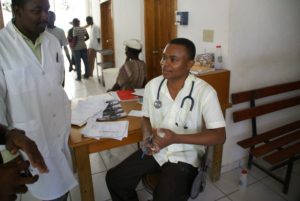 Partners in Health (PIH) is a nonprofit global health organization committed to providing better health care to people struggling with extreme poverty across 11 countries. PIH strives to build relationships with sister organizations in countries where poverty is a major issue, aiming to improve health care access. It achieves this through two main approaches: delivering the benefits of modern medical science to those most in need and serving as an antidote to despair.
Poor health care and overall health significantly contribute to poverty in a country’s population. Many people living in poverty cannot afford treatment, leading to untreated illnesses and long-term health issues. However, stronger health care systems enable developing countries to enhance the overall status of their health services. Providing better health care means the population is healthier, can work, attend school and thrive rather than survive. Additionally, improving health care in developing nations boosts the economy, as a healthier population is more productive, contributes more effectively to the workforce and stimulates economic growth.
Global Reach and Mental Health Initiatives
PIH operates in countries across four continents, including Haiti, Rwanda, Peru, Mexico, Malawi, Liberia, Sierra Leone, Lesotho, Kazakhstan and the United States (U.S.). The organization strengthens public health systems to ensure patients receive necessary care in their homes, local clinics or regional hospitals. Globally, PIH employs approximately 18,000 staff members, 99% of whom are from the countries where it serves.
PIH has established the Cross-Site Mental Health Program as one of its initiatives to support mental health development in the countries where it operates. Unlike many other NGOs, PIH strongly emphasizes community-based, primary care and hospital-linked mental health systems. This program addresses severe mental health conditions in areas that typically have little support for mental health.
Vision and Strategy for Mental Health Care
Many factors contribute to mental health issues, with some of the primary ones being homelessness or lack of home security, unemployment or unreliable income and family breakdowns, often due to the separation of families. While numerous other factors can affect mental health, many people living in poverty experience at least one of these issues. PIH aims to make the greatest impact on these individuals.
Partners in Health (PIH) aims to enhance the lives of poorer communities globally by increasing mental and psychological support in developing countries. Through its PIH Mental Health Value Chain, the organization strives to ensure that people receive the treatment they need, enabling them to lead better lives and escape poverty. The PIH model is built on four key pillars designed to improve mental health care in developing nations and enhance lives through better health care. The key pillars are as follows:
Health Care Improvements in Haiti
By improving health care related to mental illnesses, developing nations can boost morale and begin to reduce poverty levels, as poverty and mental health issues are often interconnected. People experiencing poverty are typically more at risk of mental health issues, so addressing mental health can also help decrease poverty. An example of Partners in Health’s (PIH) efforts to provide better mental health care is its work in Haiti, a developing Caribbean island nation with a long history of economic and political turmoil, natural disasters and postcolonial exploitation.
PIH and its partners have developed a more reliable health care system in Haiti, previously unavailable in the country. The program has integrated mental health into primary care through a task-sharing model in collaboration with the Ministry of Health (MOH). As a result, psychologists, social workers, nurses, physicians and community health workers have become more common in the country, enhancing health care provision. This improvement means that people living in poverty have better access to care and increased chances of recovery. An enhanced health care system benefits developing countries in four main ways: it boosts productivity, reduces absenteeism from work and school, decreases poverty and improves quality of life.
Looking Ahead
As Partners in Health (PIH) expands its efforts to provide health care and mental health services in impoverished regions, the organization continues to make a significant impact on global health outcomes. By collaborating with local entities and enhancing health care infrastructure, PIH is fostering resilience and a better quality of life for communities in need. Moving forward, its work in improving health care access and mental health support promises to contribute to the economic and social development of the countries it serves, leading to more sustainable and healthier futures.
– Lachlan Wellington
Photo: Flickr
Alleviating Poverty in Post-Conflict Cities: UN Plans for Mogadishu
The UNDP
In the past eight years, the United Nations Development Programme (UNDP) has been a beacon of hope, supporting stable and legitimate governments in states transitioning out of FCS. This concerted effort has yielded tangible results, improving stability and increasing development in these transitioning countries.
In collaboration with the United Nations (U.N.)-Habitat, the UNDP has spearheaded reconstruction initiatives for transitionary regions, demonstrating the potential for significant poverty reduction in post-conflict cities.
Pathways for Peace
The 2018 U.N. publication “Pathways for Peace” offers a compelling solution. The Institute for Economics and Peace’s research reveals a striking cost-effectiveness ratio for conflict resolution: 1:16. This means that investing in peace and development saves donor nations money in foreign aid over time and significantly contributes to poverty reduction in post-conflict cities. The success of these strategies is evident in the case of Mogadishu, Somalia.
U.N.-Habitat Plans for Mogadishu
Since 2012, Mogadishu has been one of the fastest-growing regions in Somalia. As a result of several years of internal conflict, the city and municipality surrounding it lack the necessary infrastructure and the general information needed to create strategic urban plans.
Following the 2014 Urban Analysis of Mogadishu conducted, the U.N. developed five plans for the city’s all-around development and socially sustainable growth. Projects one and two focus on building or redeveloping highway systems that connect the city with the surrounding municipality.
Project three specifically affects the rehabilitation and historical preservation of the medieval historic districts, specifically by developing drainage and waste disposal centers within the districts. While it is currently impossible to restore the entirety of the “old town,” developers plan to improve the district with smart tourism and new business opportunities within vacant buildings.
Project four hopes to expand market access within urban Mogadishu while expanding public transportation opportunities to and around market centers. Finally, Project Five plans to redevelop public spaces with the input of the districts of Mogadishu to redevelop public places that are significant to the communities they foster.
Final Remark on Plans for Mogadishu
All projects being researched and prepared are based on the relative stability of Mogadishu. Poverty reduction-centric planning and aid can only work in regions of peace; poverty in post-conflict cities can be alleviated more consistently than FCS-based poverty. By investing in peace, poverty can be reduced for more than 74 million people, and organizations such as the U.N. and World Bank can create localized programs and initiatives to allow communities to rebuild themselves.
– Jamie Sackett
Photo: Flickr
Global Engineering Is Helping Impoverished Communities
Additionally, the Massachusetts Institute of Technology (MIT) recently established the K. Lisa Yang Global Engineering and Research (GEAR) Center, thanks to a $28 million donation from philanthropist Lisa Yang. The GEAR Center focuses on applying engineering research to benefit resource-strained communities.
What Is Global Engineering?
Research Universities like the University of Colorado Boulder believe that global engineering is the application of engineering tools and technology to provide equitable access to safe water, sanitation, energy, food, shelter and infrastructure. The university’s ongoing research projects have included delivering cookstoves and water filters to households in Rwanda to prevent disease and providing research analysis on the safety of reconstructed shelters for hurricane disaster relief in the Philippines and Puerto Rico.
Furthermore, in May 2024, the university visited Yerevan, the capital city of Armenia, to communicate and train with the Government of Armenia, local communities, students and faculty at Yerevan University on modern water management. University of Colorado Boulder also provided a program for Armenian students to understand water resource management, simulation modeling and data analytics.
Engineering is helping address the fact that billions of people worldwide face threats to their health due to poverty. At MIT’s new GEAR Center, a team of MIT researchers and engineers plan to utilize new technologies and science to face real-world global health issues. The team has already visited the Middle East and North Africa, providing water-saving and solar-powered irrigation solutions through exploratory field research.
The Future of Global Engineering?
The global engineering program at the University of Colorado wants to continue to evolve engineering education to adapt to the changing world. The program wants to train future engineers not just in science and technology but also in global development and equity. An interdisciplinary approach to the field of engineering means knowing how engineers can help global poverty reduction and improve the livelihood of people on a global scale.
At MIT, global engineering is helping a new generation of engineers apply research and design strategies to help impoverished communities and meet global challenges. “These talented young students, postdocs and staff have the potential to reach across disciplines — and across the globe — to truly transform the impact engineering can have in the future,” said Dean of Engineering Anantha Chandrakasan.
– Jacob Buckner
Photo: Flickr
The Effectiveness of Welfare Programs in Afghanistan
Poverty and Food Insecurity in Afghanistan
The Taliban takeover in 2021 increased displacement throughout Afghanistan displacing 3.2 million people from their homes. Most local and international NGOs stopped during that time but still held legal entity status. Samira Sayed Rahman, Afghanistan director of advocacy from the International Rescue Committee (IRC) stated, “Increasing hunger, natural disasters, unemployment, a banking and liquidity crisis, rights-violating restrictions on women and girls and the lack of a functioning economy mean Afghans are facing a multitude of simultaneous crises.”
More than 17 million Afghans face the daily threat of food insecurity. According to the World Food Program (WFP), Afghanistan is one of the largest global humanitarian crises to exist at the moment. With a population of 40.8 million people, 28.8 million of Afghanistan’s population needs assistance to alleviate suffering and maintain human dignity.
Causes of Poverty and Food Insecurity
Afghanistan faces multiple challenges contributing to 40% of its population facing food insecurity. These include a crumbling economy, recent floods, isolation, frequent earthquakes, recurring droughts, the impact of COVID-19, soaring food prices, the spread of illness, a water crisis and limited employment opportunities. Currently, international aid organizations subsidize more than 75% of Afghanistan’s public spending. Moreover, Afghanistan’s central bank funds remain frozen because the Islamic Emirate of Afghanistan (IEA) has not agreed to the conditions proposed by the Alliance for Human Rights in Afghanistan.
During the Taliban takeover in 2021, the Taliban effectively infiltrated most U.N.-managed programs. In response, several human rights organizations convened in March 2022 and established the Alliance for Human Rights in Afghanistan. This alliance now helps these organizations monitor the dire human rights situation in Afghanistan.
Welfare Organizations in Afghanistan
The people of Afghanistan need long-term sustainable solutions. Due to Afghanistan’s long-term economic crisis, it is difficult to assess the long-term impact each organization has had. However, here are a few key organizations with active welfare programs in Afghanistan:
Looking Ahead
Organizations and welfare programs in Afghanistan, including the Organization of Human Welfare (OHW), continue to serve states by stabilizing livelihoods and promoting resilience. Its effectiveness and impact depend on economic growth and change. Moreover, by providing education and training, multiple welfare organizations aim to shift the focus of the Afghan people from crisis to growth, reduce poverty and decrease their dependency on international aid in the future.
– Pamela Fenton
Photo: Unsplash