Elderly Poverty in the Bahamas
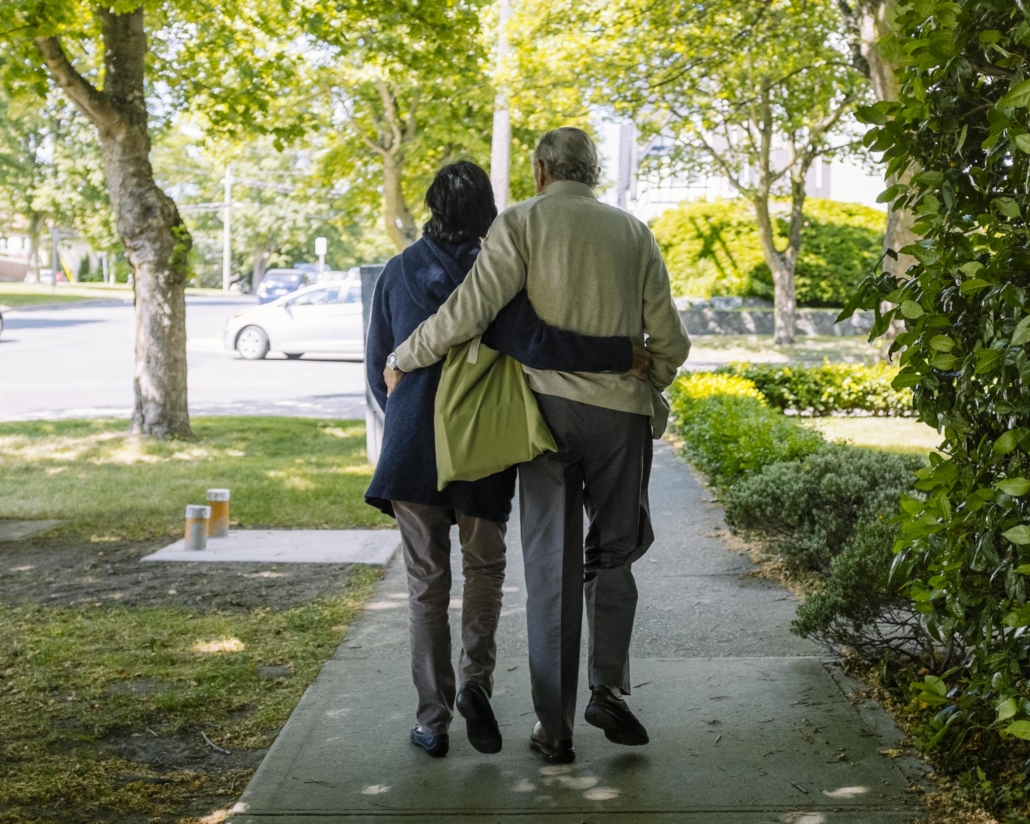 For 400,000 permanent residents, life in the Bahamas is anything but a breezy Caribbean vacation. In 2019, Hurricane Dorian unleashed 180-mile-per-hour winds on Abaco Island and Grand Bahama. The storm ruined more than 13,000 homes to rubble and displaced nearly 30,000 people, affecting the elderly as well. Here is some information about elderly poverty in the Bahamas including what some are doing to address the health and sanitation challenges due to Hurricane Dorian.
Elderly Poverty in the Bahamas
The ageing population in the Bahamas has increased in the past few decades, driven by falling fertility rates and rising life expectancy. Over the next 25 years, the number of adults 65 and older in the Caribbean will double. This demographic shift could strain the economy as fewer people and those currently employed near retirement enter the workforce. Older adults also face diminishing job opportunities and employment discrimination, trapping them in cyclical poverty.
According to the World Health Organization (WHO), population ageing, coupled with unhealthy lifestyles, will lead to a surge in non-communicable diseases like hypertension, Alzheimer’s, cardiovascular disease and cancer. Medical costs associated with NCDs can account for one-third of an individual’s total spending. Older adults, who are more susceptible to contracting NCDs, often cannot bear the cost of treatment.
The Impact of Hurricane Dorian on the Elderly
Around the time of Hurricane Dorian, Bahamians in this age group, of which 7.2% live below the poverty line, struggled to stay afloat while paying exorbitant medical and home restoration bills. Organizations like Project Hope and Mercy Corps sent volunteers to the islands to provide necessary aid, which helped address elderly poverty in the Bahamas.
The Category 5 storm overwhelmed hospitals with sick and injured patients. The storm also left hospitals short of medical staff and equipment as water-borne illnesses ravaged the community, meaning the immuno-compromised elderly and those suffering chronic ailments were unable to receive adequate care.
The Guardian reported that more than 60,000 islanders needed food and clean drinking water. Mercy Corps delivered portable water to communities affected by contaminated aquifers. In partnership with ocean production organization Mission Resolve, Mercy Corps installed a water treatment plant to clarify the water of toxins and salt. These efforts not only met the immediate needs of Bahamians, young and old, in critical condition but also served as a testament to the strength and resilience of the community.
Looking Ahead
Rebuilding the lives and providing dignity for older and impoverished Bahamians whose lives Dorian upended is an ongoing project that will cost the government and homeowners millions, if not billions, of dollars. The former deputy prime minister, Peter Turnquest, estimated that about 45% of Grand Bahama and Abaco Island homes were severely damaged or destroyed in the storm. Restoring these buildings will be especially burdensome for the elderly and impoverished.
Safeguarding the rights of older people and those experiencing elderly poverty in the Bahamas is possible and paramount. Advocates suggest implementing policies that will address old-age problems. Some are already active in the Bahamas, including its Financial Assistance for Payment of Utilities and Purchase of Basic Household Items. Implementing more legislation like this will make strides toward promoting and protecting the wellness of older Bahamians as they continue to pick up the pieces of an island landscape still reeling from Dorian.
– Natalie Kaufman
Natalie is based in Orlando, FL, USA and focuses on World News for The Borgen Project.
Photo: Flickr
