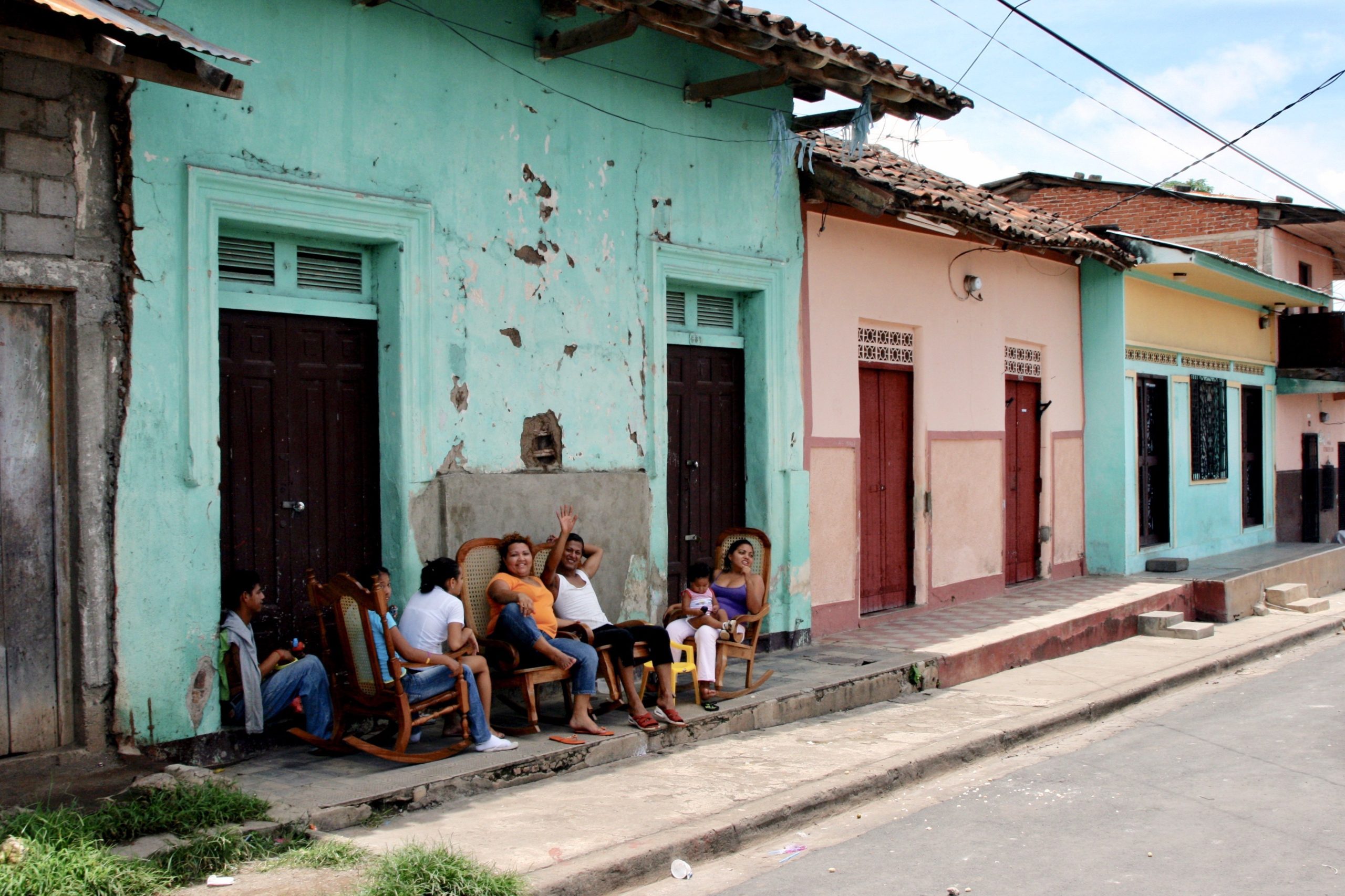
 Mental health is a significant global health concern, and many countries are striving to find effective solutions. According to the 2022 World Mental Health Report, about one in eight people in the world live with a mental disorder. Creating a positive mental health environment has been a complex journey for the citizens of Nicaragua, as they have faced many external hardships, including political regimes and natural disasters.
Mental Health in Nicaragua
In Nicaragua, there is a severe lack of health care professionals for those suffering from mental health issues. According to the World Health Organization’s (WHO) Mental Health Atlas in 2020, there were only 250 mental health professionals in the entire country. That means for every 100,000 people, there are less than four mental health professionals. Medical professionals are necessary for Nicaraguan citizens to attend to their health needs. Without their care, the citizens must manage their health issues on their own.
The lack of those professionals is only one part of the problem. The places where those people go to get the help they need are also an issue. There are only five mental health outpatient facilities attached to a hospital in the country and only one main mental hospital which had a total number of 1, 179 admissions, according to WHO. This severe lack of resources for those dealing with mental health in Nicaragua can lead to many people not receiving the help they need.
Within the population of Nicaragua, approximately 24.9% live in poverty, according to the World Food Programme (WFP). Since there are few medical professionals and places, those who live in poverty and suffer from mental health have almost nowhere to go.
This difficult reality is still prevalent in Nicaragua, even so, the country is working towards fostering positive mental health. Education and outreach are two of the key factors when it comes to changing the mental health crisis. Here are three programs that are reworking mental health in Nicaragua:
ANDEPSI
Due to the lack of mental health professionals in Nicaragua, The Nicaraguan Association for the Development of Psychology (ANDEPSI) has set out to change this issue. ANDEPSI started in 2016 and has continued to promote mental health to the citizens of Nicaragua. Psychology professionals in Nicaragua are better equipped to address mental health issues through the dedication of ANDEPSI to enhancing their training. Education is the first step, as ANDEPSI works with both students in university and senior professionals, updating both groups on advancements in mental health. This leads to better-equipped workers handling mental health challenges.
The association educates those within this field and those in the community through regular educational events in the media. Through this level of outreach, the ANDEPSI is promoting a well-rounded education of professionals that trickles down to the individuals affected by mental health in Nicaragua. More educated professionals can result in those who live in poverty getting the help they need closer to them rather than travelling to one of those five outpatient facilities. The group has made small but meaningful progress such as creating alliances with national universities, joining the International Union of Psychological Science, and has organized meetings to discuss climate change action in the country, according to the American Psychological Association (APA).
The Mental Health Innovation Network
The Mental Health Innovation Network (MHIN) is conducting a research project focusing on improving Nicaragua’s mental health literacy. The project’s approach includes educating teachers who will then educate students and developing an “innovative tech platform to support youth self-education on mental health.” This allows both students and teachers to learn more about the reality of mental health and decrease the surrounding stigma. The group conducted their initial research which showed promising program results such as lower psychological distress scores among students. Researchers within the group also reported that “90% of intervention teachers and students were very satisfied with the curriculum and felt it was important to continue to offer it in school programming.”
The project plans to implement a variety of resources beyond the education curriculum, such as a platform to discuss these issues. Platforms like this help educate and encourage those who face these issues to get the help they need. The Ministry of Education plans to continue this form of education and the research group is looking to work with policymakers to increase the program’s outreach.
CISWH
The Center for Innovation in Social Work and Health (CISWH) has gone a different route regarding mental health in Nicaragua, through social work trips. In 2022, the CISWH trip partnered with many Nicaraguan companies and organizations, such as the National Autonomous University of Nicaragua FAREM-Estelí (UNAN-FAREM). The Superemos Foundation, based in Estelí, conducted psychosocial seminars as part of its community development work through health and social services.
The seminars, focused on trauma and mental health, educated many community members such as the Estelí Department of Public Defense and medical personnel from the University. CISWH travelled to other parts of the country to conduct seminars on other issues, including the environment.
Along with mental health, the group pushes for environmental activism. They met with La Mariposa, a school and hotel that uses its profits to fund rural community projects. Those on the trip learned about La Mariposa’s current plan to improve access to clean water. By educating people on these issues in communities, it brings awareness and potential help within these programs. For those living in poverty, community outreach is one of the many ways they can receive training and education on issues such as mental health and the environment.
This form of outreach allows citizens to engage with each other and get educated on global issues. In the future, CISWH plans to continue this outreach remotely as it trains UNAN-FAREM students in social and psychology.
The Path Forward
Mental health in Nicaragua is a critical and complex issue with deeply intertwined with the country’s socio-political landscape. Through these organizations, it is clear that the solutions to the mental health crisis start with educating those on the front lines. Medical professionals and students alike must be kept informed and updated on the various aspects of mental health care. Community outreach goes hand in hand with that as it empowers the citizens to receive education on this topic.
Mental health and poverty are two sides of the same coin. When a person is mentally sound, they can reach for better opportunities to work out of poverty. This boosts the economy as well since if more people are working then the economy is bound to grow. By engaging with people, the country can alleviate mental health and open the door for more conversations regarding it.
While mental health is still an ongoing issue in Nicaragua, suicide-related deaths have been improving since 2018 and stands at 4.35 deaths per 100,000. There has also been an increase in community-based mental health services from 2017 to 2020. As Nicaragua continues to navigate its country’s challenges, addressing these mental health issues needs to be a priority to ensure the well-being and resilience of its population.
– Tess Curran
Tess is based in Boston, MA, USA and focuses on Technology and Global Health for TheBorgen Project.
Photo: Wikipedia Commons

Child Poverty in Cabo Verde
Lack of Housing
One of the greatest challenges experienced by children in Cabo Verde is the lack of affordable housing. Many families have to settle for underdeveloped and unsafe homes, which often lack public water supply, sewage and electricity. As a result, the children of Cabo Verde are at a huge disadvantage in terms of educational and social opportunities. The housing crisis is present in nearly all Sub-Saharan African countries.
Child Labor
Since the COVID-19 pandemic, many families in Cabo Verde have had to withdraw their children from school to help provide for their households. Consequently, approximately 3.2% of children aged 10 to 14 were working as of 2020. In rural areas, many children are especially subject to harsh physical working conditions, such as agriculture and housework. However, progress has been made in recent years. In 2014, Cabo Verde established the Action Plan for the Prevention and Elimination of Child Labor. Additionally, in 2022, the country increased the minimum age of employment to 15 years old.
Poor Nutrition and Sanitation
In Cabo Verde, 31 out of every 100 people lack access to the country’s public water network and approximately 15% lack proper sanitary systems. As a result, anemia remains a common disease among young children. Typically caused by malnutrition, anemia may result in low energy, tachycardia and delayed growth and development. In Cabo Verde, anemia affects about 72% of children aged less than 2 and 52% of older children.
Solutions
Recently, Cabo Verde has been making efforts to improve the living conditions of these children. As of 2024, the Cabo Verde government is addressing the challenges left by the COVID-19 pandemic and the Russian-Ukraine conflict. According to the United States (U.S.) Department of Labor, “Through the Cape Verde Social and Educational Action Institute, the government implements various initiatives to increase access to education among the poor. For children who may still be subject to school fees, efforts include the provision of school fees, school materials and free meals to low-income families.”
Additionally, in 2020, all 434 public schools in Cabo Verde received the Global Partnership for Education (GPE) grant support, improving health standards for both the children and teachers. Additionally, in 2020, all 434 public schools in Cabo Verde received the Global Partnership for Education (GPE) grant support, improving health standards for both the children and teachers. This is just a step toward diminishing child poverty in Cabo Verde and hopefully, it will influence remaining impoverished countries to follow suit.
Conclusion
While Cabo Verde is one of the more progressive sub-Saharan African countries when it comes to child poverty, there’s still work to be done, particularly regarding safe and affordable housing, proper sanitation and child labor reduction. With the implication of the resources and solutions listed above, Cabo Verde is on its way to a more promising future for their children.
– London Puc
Photo: Unsplash
Poverty and Women’s Rights in Guinea-Bissau
Women in the Workforce
Developing nations such as Guinea-Bissau often face cultural and familial challenges that hinder women’s involvement in the workforce. Globally, the female labor force participation rate, which is the proportion of the female population that is 15 or older who are economically active is 48.8%. This figure rose dramatically, from just 2.63% in 1979. Additionally, the female unemployment rate in Guinea-Bissau is 2.8%. This is a low figure, especially in comparison with other developing nations across Africa and the Middle East. While the potential for progress remains, the data regarding workforce participation is an indicator of progressive change in female poverty and women’s rights in Guinea-Bissau.
Domestic Security for Women
As it stands, the Guinea-Bissau constitution does not explicitly prohibit violence against women or harmful practices to women’s health and safety. To improve female safety across Guinea-Bissau, the country adopted measures such as the Convention on the Elimination of All Forms of Discrimination Against Women (CEDAW) in 1985 and a National Action Plan per U.N. Resolution 1325 in 2011. However, Guinea-Bissau experiences high levels of governmental corruption and impunity for gender-based violence, as well as a stark lack of prosecution for cases of rape. This makes the legal advancements that promote women’s safety ineffective and reinforces gender disparity and poverty regarding domestic security.
Maternal Mortality
A vital measure of women’s health in a country is maternal mortality. One measure of maternal mortality is the number of maternal deaths per year. In 2020, Guinea-Bissau experienced 464 maternal deaths, down from 743 in 1997. In comparison, a developed country such as the U.S. experienced only 19 maternal deaths per 100,000 live births in the same year. While data shows improvements in maternal safety in Guinea-Bissau, these numbers are severe and have serious consequences for women’s health.
In 2020, 3.12% of women in Guinea-Bissau were expected to die from pregnancy-related causes, according to Our World in Data. This statistic is abysmal, but women’s health in childbearing and birth can be dramatically improved through investment in maternal care, safe and sterile deliveries, improved nutrition and better hygiene and sanitation. UNICEF provides training and technical support to community health workers “to upgrade the skills of midwives as in some cases poor obstetric care has contributed to high maternal death rates.”
FGM in Guinea-Bissau
Female Genital Mutilation (FGM) is a practice across developing nations in Africa, Asia, and the Middle East that has serious health consequences for the girls who experience FGM. In 2011, Guinea-Bissau passed the Federal Law to Prevent, Fight and Suppress Female Genital Mutilation. This law defines FGM, as well as criminalizes the performance, the failure to report incidents, the participation of medical professionals in the act, and the procurement or arrangement of FGM.
While this law is a significant step in reducing FGM and its culture across Guinea-Bissau, it is necessary to reiterate the impact of the weak legal system and corrupt government in the country. Due to these challenges, there is no data regarding prosecutions under the updated criminal code that FGM laws fall under. However, data does exist on the prevalence of FGM across Guinea-Bissau. From the ages of 15-49, an average of 52.1% of women experience FGM, with lower rates along the coast and extreme rates inland (95.8% of women in the Gabú region), according to the 28 Too Many report. Thus, poverty and women’s rights in Guinea-Bissau are strongly hindered by the prevalence of FGM, as the practice creates unsafe and unhealthy realities for women and girls across the country.
The Future of Women’s Rights
Women’s rights in Guinea-Bissau have increased with a global movement to involve women in the workforce, promote their safety and protect their health. Fortunately, numerous NGOs and non-profit organizations carry out important work in improving the well-being of women in Guinea-Bissau. For example, the FGM/C Research Initiative (FGMCRI) continues the work of the 28 Too Many Charity, which provides essential research and recommendations for ending FGM in countries that allow the practice to continue, including Guinea-Bissau. FGM is a difficult problem to measure and research, so the work of FGMCRI has provided other charities and organizations like the U.N. with the research needed to adjust goals and interventions.
Another organization operating in Guinea-Bissau is Effective Interventions which has been in operation for just two years. This NGO conducts randomized controlled trials to improve maternal and child health and literacy. In doing so, Effective Intervention can accurately measure the outcomes of their trials, which are either expanded or discarded depending on program success rates. Thus far the organization has succeeded in five projects that have improved maternal mortality rates and increased literacy rates in children.
Despite extensive challenges to women’s rights in Guinea-Bissau, these organizations provide hope to the women experiencing the challenges, and to the future generations of women who will continue to improve conditions.
– Carlie Duggan
Photo: Pixabay
Tackling Poverty in the Cook Islands Post-Pandemic
Economic Disruption and Job Losses
The COVID-19 pandemic dealt a devastating blow to the Cook Islands’ economy. Tourism, which contributed approximately 70% of the nation’s gross domestic product (GDP) in 2018, abruptly halted as global travel restrictions were imposed to curb the spread of the virus. This led to a dramatic decline in national income, with the GDP recession estimated at 26% in 2021.
The immediate consequence was widespread job losses, particularly in the hospitality and service sectors. Many businesses were forced to close their doors permanently due to the lack of revenue. This economic shock rippled through the community, significantly increasing poverty in the Cook Islands.
Government Response and Social Welfare
In response to the crisis, the national government implemented a series of financial aid packages and social welfare programs to reduce poverty in the Cook Islands. The COVID-19 Active Response and Economic Support (CARES) Program, backed by the Asian Infrastructure Investment Bank (AIIB), provided much-needed financial assistance.
These initiatives supplied grants and loans for businesses to help them stay afloat. The programs also supported households with food programs and educational opportunities for children. These measures were crucial in preventing a complete economic collapse and maintaining social stability during the height of the pandemic.
Recovery and Diversification of Economy
Looking Forward
The COVID-19 pandemic highlighted the vulnerabilities of the Cook Islands economy. However, it also presented an opportunity to rethink and diversify economic strategies. By focusing on other sectors of the economy, poverty in the Cook Islands can be replaced by prosperity. The collective efforts of the government, international organizations and the community will be instrumental in driving this transformation and ensuring that the nation emerges stronger post-pandemic.
– Asiya Siddiqui
Photo: Unsplash
HIV/AIDS in Gabon: Everything You Need To Know
HIV/AIDS Is Still an Epidemic
As of 2023, the World Health Organization (WHO) estimates that 49,000 people are living with HIV/AIDS in Gabon. This number includes 2,300 children and 33,000 women. With a population of 2.3 million people, the infection rate stands at around 3%. While that is lower than many neighboring countries, the number is still far higher than the majority of countries around the world that have infection rates below 1%.
Progress Has Been Made
Although work remains, the rate of HIV/AIDS in Gabon has fallen dramatically over the years. Since 2010, infections have been down 31% and deaths in the same time frame have declined by 30%. The sharp decline in HIV/AIDS in Gabon can be attributed to a vast network of local and international players. Recent efforts include a partnership between The Joint United Nations Programme on HIV and AIDS (UNAIDS) and the Africa Centers for Disease Control and Prevention. In October 2021, these two organizations launched the Partnerships to Accelerate COVID-19 Testing (PACT) initiative. This dual relief program mobilized more than 70 health workers in Gabon’s areas with the highest prevalence of HIV/AIDS and COVID-19.
Additionally, the U.S. Government has been a key ally. Between 2020 and 2024, the U.S. embassy in Gabon donated more than $1.12 million in equipment and HIV prevention training. A further $2 million worth of antiretroviral medication was donated in the past year. More locally, Luc Armel Mkala Mfoulou has been the project director for the Department of Defense HIV/AIDS prevention program since 2020. Under his leadership, the Gabonese military has trained more than 500 health workers, distributed more than 200,000 condoms and provided nearly 25,000 rapid diagnostic tests.
An Uncertain Future
Shortly after a controversial presidential election in 2023, the military overthrew President Ali Bongo. President Bongo’s family had been in power since 1967. New elections have taken place and General Brice Oligui Nguema has been sworn in as president. However, major international powers like the U.S. and France have yet to recognize his legitimacy as the Bongos were considered allies. While the U.S. Department of State announced it would discontinue almost all assistance that directly contributed to the Government of Gabon, it also announced that “humanitarian, health and education funding will continue.”
Reasons for Hope
Despite this recent political shakeup, the fight against HIV/AIDS in Gabon seems to be steadily on track. With one of the highest gross domestic product (GDP) per capita on the continent, there is hope that the oil-producing nation’s wealth will continue to grow and be more evenly distributed among its population. Until then, it is hoped that the work of international players will continue to help tackle HIV/AIDS in Gabon.
– Mason Borden
Photo: Wikimedia Commons
Women’s Rights in Suriname
Traditional Role of Women
In Suriname, gender roles are clearly defined, and women are responsible for household chores or raising children. Because they spend so much of their time doing unpaid work, they have fewer opportunities to seek paid employment. This financial dependency on the men in the household reinforces women’s lower position in society. Additionally, cultural practices in Suriname restrict women’s freedom of movement, meaning males must accompany them if they walk outside their homes or villages. Moreover, flooding exacerbates this issue because infrastructure damage makes travel difficult. This limited mobility hinders women from finding employment or education, making the traditional role of women a primary reason why women face higher rates of poverty than men, according to the 2023 Gender and Disaster Risk Management (DRM) report.
Health Risks
Flooding results in contaminated water, which disproportionately affects women because they use this water while doing household chores. This increased exposure heightens their chance of contracting waterborne illnesses, according to the 2023 DRM report. When floods compromise women’s health, they cannot fully participate in society or pursue higher education or employment. This perpetuates the cycle of inequality because women suffering from poor health are less productive and will be more likely to remain in poverty.
Limited Participation and Decision Making
In Suriname, women hold only 29.4% of seats in national parliament. The average percentage of women in parliament in the LAC is 32.8%, so Suriname is slightly lower than the regional average, according to the 2023 DRM report. Because women in Suriname have limited representation in decision-making about disaster management or response efforts, policymakers overlook women’s needs during a flood. Even if women want to participate in decision-making, societal expectations and systemic discrimination create barriers for them. Lack of input from women in decision-making causes important issues like equal pay or maternity leave to not be prioritized, which hinders women’s economic opportunities and increases the risk of poverty.
Ilse Henar Foundation for Women’s Rights
Flooding in Suriname has enlarged the gender poverty gap, and the Ilse Henar Foundation for Women’s Rights is working to correct this. Founded in 1996 to commemorate the 15th anniversary of the National Women’s Movement, this NGO aims to protect the rights of women, establish non-discrimination policies in Surinamese law and alleviate poverty for all. One of its most notable accomplishments was helping draft legislation to eliminate sexual harassment in workplaces in Suriname. By focusing on women’s rights, the Ilse Henar Foundation is ensuring that women have legal protection from harassment or discrimination, creating a safer work environment. This incentivizes women to seek employment, lifting them out of poverty.
Conclusion
Flooding in Suriname exacerbates the challenges faced by women, highlighting the urgent need to address gender disparities. Empowering women in disaster management is crucial because their inclusion in decision-making ensures that their needs are translated into policies. The Ilse Henar Foundation for Women’s Rights does exactly that, advocating for women’s rights in Suriname and ensuring their equal participation in decision-making processes. These actions foster an environment where women in Suriname can thrive economically because they are more willing to join a workforce that is free of harassment and discrimination.
– Sophia Manole
Photo: Flickr
The Relationship Between Waste Management and Poverty
Understanding the link between waste management and poverty is essential for addressing global sanitation issues and improving living conditions. When exploring the relationship between waste management and poverty, it becomes clear that inadequate systems disproportionately affect impoverished communities. Delve into how waste management impacts these areas and what actions can mitigate its effects.
Health Implications of Poor Waste Management
Inadequate waste management has severe health repercussions for impoverished communities. Poorly managed waste leads to the proliferation of disease vectors such as rodents and insects. These pests spread illnesses, contributing to high morbidity and mortality rates. For example, deficiencies in India’s waste management systems are contributing to tuberculosis cases for residents near landfills.
Moreover, open dumpsites release harmful toxins and pollutants into the air and water, exacerbating respiratory and gastrointestinal illnesses. According to the World Health Organization (WHO), exposure to improperly managed waste, including medical waste, significantly increases the risk of infectious diseases in vulnerable populations.
Economic Burden of Ineffective Waste Systems
Communities struggling with poverty often face an economic burden due to ineffective waste management systems. The costs associated with healthcare for waste-related illnesses can be overwhelming for families already living below the poverty line. Additionally, inadequate waste disposal infrastructure can hinder economic development by making areas unattractive for investment and tourism. For instance, comprehensive liquid waste management requires different types of sewer pipes, some of which might be unaffordable for impoverished regions. The lack of proper sewer systems can lead to environmental contamination, further degrading the quality of life and economic prospects.
Differences in Liquid and Solid Waste Management
The management of liquid and solid waste presents unique challenges for impoverished communities. Liquid waste, such as sewage and industrial effluents, requires advanced infrastructure, such as sewage treatment plants. In contrast, solid waste management involves the collection, transportation and disposal of household and commercial garbage. Impoverished areas frequently lack access to these necessary facilities and resources. Consequently, liquid waste often contaminates water sources, while solid waste accumulates in public spaces, posing significant health hazards. Addressing these disparities is crucial for improving overall waste management practices.
Community-Based Waste Management Solutions
Community-based solutions offer hope for mitigating waste management issues in impoverished areas. Local initiatives focusing on recycling, composting and waste segregation can significantly reduce the volume of waste requiring disposal. Education and awareness campaigns can empower communities to adopt sustainable practices and hold authorities accountable for maintaining proper waste management systems.
Moreover, partnerships with non-governmental organizations (NGOs) and international bodies can bring much-needed resources and expertise to implement effective waste management strategies. For example, the Global Alliance for Incinerator Alternatives (GAIA) has been instrumental in promoting zero-waste solutions in low-income communities.
Since 2002, the GAIA has connected communities striving towards policy change in 90 different countries. GAIA has contributed 2.6 million annually to member organizations focused on zero-waste. This organization continues to grow its impact.
The relationship between waste management and poverty is complex but undeniable. Poor waste management exacerbates health risks, imposes economic burdens, and highlights the stark disparities in infrastructure between affluent and impoverished regions. However, community-based initiatives and international cooperation offer promising avenues for addressing these challenges. By understanding and addressing the relationship between waste management and poverty, we can take significant steps toward creating healthier, more sustainable environments for all.
– Kelly Schoessling
Photo: Flickr
Renewable Energy as a Solution to Senegal’s Energy Poverty
Senegal’s Energy Poverty
Senegal is a country of 18.2 million individuals located at the west end of Africa facing the Atlantic Ocean. According to the World Bank’s 2023 report, Senegal has reduced their incidence of poverty (using the national poverty line) from 43% in 2011 to 37.8 % in 2018. However, under a multidimensional perspective on poverty, the U.N. reports that 50.8% of Senegal faces poverty in health, education and standard of living.
Many studies argue that limited modern energy access (access to electricity) significantly perpetuates income poverty and threatens one’s health and standard of living. In Senegal, 3 million individuals do not have modern energy access. Furthermore, the urban-rural disparity in electricity access is 94% to 44%.
It is important to note that access to modern energy is significant in alleviating vulnerabilities associated with poverty. Modern energy is an access point to electrically charged technologies pivotal in supporting health, income-gaining ability and a higher standard of living. For instance, refrigeration allows quick access and storage of medical assets for the community; automated agricultural tools and internet access could unlock new and more productive income streams; light sources and heating could support better living conditions.
Off-Grid and Local Energy Sources
The use of small-scale, off-grid renewable energy in Senegal could be a complementary solution to the widespread energy disconnection. This is due to two major advantages that off-grid renewable energy provides. Small-scale renewable energy has the advantage of being functional in remote areas, according to the 2023 Stand Alone Solar (SAS) Market Update. The core cause for the disparity between urban-rural access to electricity is due to the rural parts of Senegal lack grid access to central electricity providers.
Fossil-fuel-based energy systems require large-scale infrastructures to connect homes to central energy providers and connecting large distances can be difficult and costly. On the other hand, renewable energy operates from a generally ubiquitous energy source (solar, hydro and wind) therefore being more easily installable in locations distant from the city, according to the Journal of Energy in Southern Africa.
Long-Term Affordability
Energy per unit becomes more affordable for certain utilities such as lighting when using solar energy instead of fossil fuels. The introduction of low-cost LED lights offers the rural population of Africa a form of lighting 50% cheaper than the kerosene lamps that are widely used.
Additionally, the cost of energy could become more stable with the contribution of local sources of renewable energy in Senegal. In 2021, Senegal relied on external fossil fuel imports for 59% of its energy needs. This leaves Senegal’s energy costs vulnerable to supply disruptions from international events. In the past few years, Senegal’s energy prices increased due to the COVID-19 pandemic and the Ukraine War, according to the World Bank’s 2023 brief.
Progress in Senegal
Corporations have financed several off-grid solar projects in rural Senegal in recent years. A good example is the installation of an off-grid solar energy generator in Northern Senegal by a renewable energy company GFM FOTOVOLTAICA in April 2024. The solar generators successfully power three water pumps, a cooling system preserving food and livestock vaccines. The generators are designed to be agrivoltaic meaning the space below the panels can be cultivated for food crops.
This is significant as it has been found that a common community backlash towards renewable energy is the loss of farmable land. Projects like this are small in scale but are useful demonstrators for the impact off-grid renewables can have in rural communities in Senegal. It indicates that there is both a potential for a successful market and poverty alleviation.
Favorable Government Policy Moves
There are positive signs within Senegal regarding governmental recognition and support for the use of off-grid renewable energy in Senegal. The Senegalese government began setting a five-year plan in 2020 to achieve universal electricity access, according to the International Energy Agency (IEA) report. There is good evidence that the Senegalese government recognizes that rural residential areas not having grid access (no connection to electricity providers) is a major reason for the disparity and high energy poverty in Senegal.
The 2023 SAS Market Update reports that “there is increasing acknowledgement that [Off-Grid Solar Products] are a complementary and competitive solution” from the government to the issue of electricity access in Senegal. In 2020, the Ministry of Energy enacted a bill that exempts off-grid renewable energy products from value-added tax, contributing to making access to energy more affordable in disconnected communities.
Furthermor, the 2023 SAS market report noted that the Senegalese government also resolved corporate politics where multiple electricity providers banded to obstruct SAS company operations in regions under their influence.
Such reforms and legislations favoring the acquisition of Stand-Alone renewable energy products signal healthy governmental support, making Senegal a great environment for off-grid sources of energy to reach more of its population.
Conclusion
Energy poverty underlies numerous dimensions of poverty. In Senegal, increasing access to clean modern energy is of paramount importance. There are good reasons to consider off-grid renewable energy as a viable method to increase electricity access in rural areas. Numerous experimental projects showcase the impact and feasibility of rural communities integrating renewable energy for their needs. The Senegalese government’s interest and policy-based support for this solution signals bright potential for renewable energy to become a contributive solution to Senegal’s energy poverty.
– Siwon Kim
Photo: Flickr
Addressing Mental Health in Nicaragua: 3 Promising Programs
Mental Health in Nicaragua
In Nicaragua, there is a severe lack of health care professionals for those suffering from mental health issues. According to the World Health Organization’s (WHO) Mental Health Atlas in 2020, there were only 250 mental health professionals in the entire country. That means for every 100,000 people, there are less than four mental health professionals. Medical professionals are necessary for Nicaraguan citizens to attend to their health needs. Without their care, the citizens must manage their health issues on their own.
The lack of those professionals is only one part of the problem. The places where those people go to get the help they need are also an issue. There are only five mental health outpatient facilities attached to a hospital in the country and only one main mental hospital which had a total number of 1, 179 admissions, according to WHO. This severe lack of resources for those dealing with mental health in Nicaragua can lead to many people not receiving the help they need.
Within the population of Nicaragua, approximately 24.9% live in poverty, according to the World Food Programme (WFP). Since there are few medical professionals and places, those who live in poverty and suffer from mental health have almost nowhere to go.
This difficult reality is still prevalent in Nicaragua, even so, the country is working towards fostering positive mental health. Education and outreach are two of the key factors when it comes to changing the mental health crisis. Here are three programs that are reworking mental health in Nicaragua:
ANDEPSI
Due to the lack of mental health professionals in Nicaragua, The Nicaraguan Association for the Development of Psychology (ANDEPSI) has set out to change this issue. ANDEPSI started in 2016 and has continued to promote mental health to the citizens of Nicaragua. Psychology professionals in Nicaragua are better equipped to address mental health issues through the dedication of ANDEPSI to enhancing their training. Education is the first step, as ANDEPSI works with both students in university and senior professionals, updating both groups on advancements in mental health. This leads to better-equipped workers handling mental health challenges.
The association educates those within this field and those in the community through regular educational events in the media. Through this level of outreach, the ANDEPSI is promoting a well-rounded education of professionals that trickles down to the individuals affected by mental health in Nicaragua. More educated professionals can result in those who live in poverty getting the help they need closer to them rather than travelling to one of those five outpatient facilities. The group has made small but meaningful progress such as creating alliances with national universities, joining the International Union of Psychological Science, and has organized meetings to discuss climate change action in the country, according to the American Psychological Association (APA).
The Mental Health Innovation Network
The Mental Health Innovation Network (MHIN) is conducting a research project focusing on improving Nicaragua’s mental health literacy. The project’s approach includes educating teachers who will then educate students and developing an “innovative tech platform to support youth self-education on mental health.” This allows both students and teachers to learn more about the reality of mental health and decrease the surrounding stigma. The group conducted their initial research which showed promising program results such as lower psychological distress scores among students. Researchers within the group also reported that “90% of intervention teachers and students were very satisfied with the curriculum and felt it was important to continue to offer it in school programming.”
The project plans to implement a variety of resources beyond the education curriculum, such as a platform to discuss these issues. Platforms like this help educate and encourage those who face these issues to get the help they need. The Ministry of Education plans to continue this form of education and the research group is looking to work with policymakers to increase the program’s outreach.
CISWH
The Center for Innovation in Social Work and Health (CISWH) has gone a different route regarding mental health in Nicaragua, through social work trips. In 2022, the CISWH trip partnered with many Nicaraguan companies and organizations, such as the National Autonomous University of Nicaragua FAREM-Estelí (UNAN-FAREM). The Superemos Foundation, based in Estelí, conducted psychosocial seminars as part of its community development work through health and social services.
The seminars, focused on trauma and mental health, educated many community members such as the Estelí Department of Public Defense and medical personnel from the University. CISWH travelled to other parts of the country to conduct seminars on other issues, including the environment.
Along with mental health, the group pushes for environmental activism. They met with La Mariposa, a school and hotel that uses its profits to fund rural community projects. Those on the trip learned about La Mariposa’s current plan to improve access to clean water. By educating people on these issues in communities, it brings awareness and potential help within these programs. For those living in poverty, community outreach is one of the many ways they can receive training and education on issues such as mental health and the environment.
This form of outreach allows citizens to engage with each other and get educated on global issues. In the future, CISWH plans to continue this outreach remotely as it trains UNAN-FAREM students in social and psychology.
The Path Forward
Mental health in Nicaragua is a critical and complex issue with deeply intertwined with the country’s socio-political landscape. Through these organizations, it is clear that the solutions to the mental health crisis start with educating those on the front lines. Medical professionals and students alike must be kept informed and updated on the various aspects of mental health care. Community outreach goes hand in hand with that as it empowers the citizens to receive education on this topic.
Mental health and poverty are two sides of the same coin. When a person is mentally sound, they can reach for better opportunities to work out of poverty. This boosts the economy as well since if more people are working then the economy is bound to grow. By engaging with people, the country can alleviate mental health and open the door for more conversations regarding it.
While mental health is still an ongoing issue in Nicaragua, suicide-related deaths have been improving since 2018 and stands at 4.35 deaths per 100,000. There has also been an increase in community-based mental health services from 2017 to 2020. As Nicaragua continues to navigate its country’s challenges, addressing these mental health issues needs to be a priority to ensure the well-being and resilience of its population.
– Tess Curran
Photo: Wikipedia Commons
Fighting the New Spike Of Malaria in the Philippines
Success in Malaria Reduction
One of the many ways the Philippines fought malaria was through an increase in surveillance systems, working toward finding specific malaria outbreaks to target with boosted treatments. The government’s actions were extremely successful. In 2005, the Philippines achieved a reduction rate of 92% in cases and a decrease in the malaria mortality rate by 98%. Additionally, around 60.9% of the country’s provinces were officially declared malaria-free in 2018.
Leveraging Digital Technology
By employing new digital technology, specifically its Online Malaria Information System, the Philippines is able to catalog, process and distribute information on malaria outbreaks. This allows for speedy treatment and prediction of future outbreaks by monitoring reports made by locals. This system is available to everyone on Android, so it is very accessible to the Filipino people.
Current Challenges and Advanced Strategies
Due to significant humanitarian aid and government infrastructure expansion, the Philippines experienced a general decline in malaria cases. However, in 2023, the country saw a sharp increase in cases, about 6,248, nearly doubling from the previous year, which was 3,245. Many health professionals attribute this rise to the relaxation of restrictions in the post-COVID-19 world. Nonetheless, new health centers are now focused on eliminating and preventing the spread of malaria.
Filipino health centers collect data on patients and the environment to monitor potential malaria outbreaks. Quick identification leads to quick treatment and with sufficient treatment, the Philippines aims to be entirely malaria-free by 2030. The approach is more complex than merely distributing surveys or looking for common symptoms.
The health centers are exploring advanced diagnostic and geographical mapping tools, improved surveillance technology and the identification of less common and often overlooked symptoms of malaria. With better diagnostic tools, medical professionals can assess patients more quickly and determine which strain of malaria is affecting them, enabling faster and more effective treatment.
The geographical mapping tools allow people to monitor the spread of outbreaks, see where the infected mosquitoes are moving and act proactively against the disease. As the World Health Organization (WHO) advises, surveillance is one of the best ways to prevent and combat malaria, so the Philippines is looking to improve its preexisting system to fight this current wave of malaria.
Conclusion
Malaria is one of the most notorious and dangerous diseases and humanity has been fighting it for decades. The Philippines, in particular, has a long and difficult history with malaria but has developed effective systems to combat it. The Filipinos’ active efforts to reduce malaria in their country offer hope for a malaria-free world, evidenced by the 72 provinces that are now officially malaria-free.
Another promising development in the fight against recent malaria outbreaks is the emergence of new vaccines that provide immunity against various strains of the life-threatening disease. With a vaccine in the works and new health centers being established, the Philippines is optimistic about seeing a reduction in malaria cases soon.
– Paige Tamasi
Photo: Unsplash
5 Things Being Done to Solve Child Poverty in Togo
SOS Children’s Villages
SOS Children’s Villages has helped youth and families in 138 countries and territories, including Togo. Its approach is to prevent child and family separation, protect those children who are separated from their families and advocate for children’s rights policies.
In Togo, 380 children are under the care of SOS, with 6,800 children attending SOS Kindergartens and schools. SOS has provided 33,730 medical services, such as creating medical facilities that help aid kids with diseases such as diarrhea, tuberculosis and cardiovascular disease.
Social Safety Net and Basic Services Project
The World Bank supports the Social Safety Net and Basic Services (FSB) project, which the National Grassroots Agency implements. FSB provides financial assistance to families in need in Togo. For example, it helped one man double the size of his gardening business, enabling him to support his four children. Following initial successes in smaller villages, the World Bank increased its budget to $100 million in 2023 to support a larger number of villages in Togo.
International Conventions
Togo has already ratified the International Labor Organization (ILO) Convention 138 on the minimum age for admission to work and the Hague Convention on Protection of Children and Co-operation in Respect of Intercountry Adoption. These conventions and the Children’s Code of 2007 ensured nondiscrimination, the right to life and the principle of children’s best interests. The adoption of these initiatives shows great steps into the future of protecting children through legislation.
CARE
CARE has been working in Togo since 1986. Its work focuses on supporting women and girls through training, health services and knowledge sharing. CARE helps girls who experience exploitative and hazardous child labor receive education. CARE provides training, specifically in agriculture, to give women and girls knowledge in areas that will help them support themselves. The organization has reached 7,031 girls and is continuing to help more.
Humanity and Inclusion
Humanity and Inclusion (HI) is an organization working in Togo to create a more inclusive society by improving the living conditions of people with disabilities and individuals experiencing extreme hardship. One of its major initiatives is to make primary and secondary schools accessible to children with disabilities. HI’s teams train teachers, support schools and provide educational resource centers to make these schools a more welcoming place for children with disabilities.
Conclusion
There are many organizations and legislation initiatives at work to help end child poverty in Togo. Each of these provides aid for families, creating a foundation of their own. They have made education more accessible, which keeps children out of work. They have even specialized in certain groups, such as children with disabilities and women. This ensures that they are helping to cultivate an equitable life for these children. The work of these organizations gives hope for the future and a light at the end of the tunnel for the children of Togo.
– Ellie Buss
Photo: Flickr