Elderly Poverty in Malawi
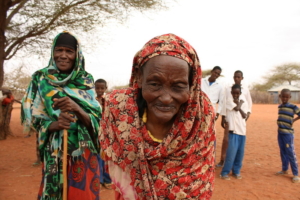 Elderly poverty in Malawi is a growing issue that requires attention. With more than half of the population (52.4%) in Malawi living in poverty, UNDP found that 17.2% of 50-year-olds and older in Malawi were living in poverty showing that elderly poverty is an issue that is facing the population. The problem is multifaceted and without proper solutions, the level of elderly poverty could continue to grow. Several factors add to and continue the problems of poverty such as economic issues, social and demographic changes and inadequate healthcare in Malawi. Both local government initiatives and international NGOs such as the Scotland – Malawi Partnership are working hard to address the issue and provide successful solutions.
Economic and Social Issues
One of the main factors contributing to elderly poverty in Malawi is economic instability. One way this is highlighted is the lack of state pensions with less than 5% of the elderly receiving any pension benefits, according to a 2016 HelpAge International report. This is most often the case because most have worked in informal sectors when they were of working age which do not contribute to state pension schemes. This leaves a portion of the elderly without a reliable source of income in their old age.
Support from families has traditionally been crucial in helping older members but this support is becoming less reliable as younger members try to lift themselves out of poverty. The elderly population also tend to face abuse, neglect and harassment because of cultural norms. Malawi’s older population is also growing which increases pressure on resources such as healthcare which the elderly need more often than other demographics. This affects poverty rates due to the availability and quality of care the elderly receive and therefore their health.
Health care in Malawi is heavily strained especially with population growth. The elderly struggle to access timely and adequate health care. Additionally, food security is a growing issue, this is highlighted by rising prices of essential food, UNDP reports. This then leads to poor health outcomes among the elderly, adding pressure to an already poverty-stricken elderly group.
Solutions
Despite the issues being significant some initiatives focus on providing solutions to elderly poverty in Malawi. The Malawian government implemented the Social Cash Transfer Programme (SCTP) in 2006. The programme has helped to increase income and provide food security for the elderly population to the elderly that were the heads of households. Whilst the program has benefited some, it only reached a quarter of the elderly population, according to a 2016 HelpAge International report. This is why there is a call for a universal pension which studies have found would provide a solution to the issue. Ongoing discussions about the implementation of a universal pension scheme offer a reason to be optimistic about the future support of the poverty of the elderly in Malawi.
The Scotland – Malawi Partnership has also offered solutions to various issues in Malawi, including health care. One such initiative focuses on improving the health care system in Malawi. Considering the already stretched health care system in Malawi, the partnership has tried to help specific issues such as cervical cancer. Malawi has the highest global mortality rate from cervical cancer. The initiative partnered with a hospital in Malawi to provide these screenings to women. Since 2013, the initiative has provided screening to 30,000 women with plans to reach a further 80,000. The effort not only benefits early cancer detection but also the health care burden. This means that women who are in poverty receive timely and effective treatment.
Hope for the Future
Elderly poverty in Malawi is an issue that with effective initiatives and solutions, there is hope for the future. The continuation of the work of both the Malawian government and international partnerships proves that there is a way forward to addressing elderly poverty.
– Rosie Miller
Rosie is based in Edinburgh, Scotland and focuses on World News for The Borgen Project.
Photo: Flickr
