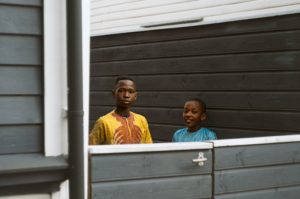
 Tensions within the military government of Sudan escalated into full-scale civil war in April 2023. The country, which had started recovering and rebuilding after earlier civil wars, now faces a deepening humanitarian crisis as a result of recent conflict. This conflict has triggered mass displacement across Sudan, forcing hundreds of thousands of people to flee their homes. Most of these displaced people have sought safety in neighboring countries, including Libya, South Sudan and Chad, where they reside in large refugee camps, according to the United Nations Refugee Agency.
Sudanese Refugees in Chad
Among Sudan’s neighboring countries, Chad has taken in the largest number of Sudanese refugees, by a notable margin. Since the outbreak of the Sudan civil war, more than 870,000 refugees have fled to Chad. Libya and South Sudan, the countries hosting the second and third highest number of Sudanese refugees, each host slightly above 300,000 refugees.
Sudanese refugees in Chad typically settle in camps along the country’s eastern border. There, they join thousands of others, some of whom have been living in these camps for nearly 20 years, according to the Hebrew Immigrant Aid Society. A significant majority of refugees living in these camps are women and children, populations especially vulnerable in a wartime environment.
Refugee camps in Chad shield Sudanese refugees from warfare, yet living conditions within the camps are far from comfortable. Most refugees live in inadequate, makeshift shelters, which often lack necessities such as latrines, according to World Vision. Camps also lack necessary food supplies, meaning a significant number of children suffer from malnutrition.
Family separation is also an issue for many Sudanese refugees in Chad. This, paired with insufficient health care and education services within camps, takes a toll on refugees, especially children. However, multiple nongovernment organizations (NGOs) have committed to helping improve conditions within refugee camps in Chad, fostering hope for thousands of displaced persons. Below are three NGOs committed to helping Sudanese refugees in Chad:
International Medical Corps
The International Medical Corps (IMC) began its work in Chad after the 2004 Darfur genocide, a campaign marked by the indiscriminate killing of thousands of civilians by the Sudanese government and Janjaweed militia. Although operations in Chad were paused by the IMC in 2020, support recommenced in 2023 following the renewed outbreak of violence in Sudan.
IMC response teams now provide critical support to Sudanese refugees in Chad, focusing primarily on nutrition and health care. Nutrition services focus on supporting vulnerable groups, especially children aged less than 5 and pregnant women. In addition to basic health care, IMC programs include maternal and newborn health services, as well as mental health and psychosocial support. These mental health services are often overlooked in crisis settings, yet play an important role in the recovery of displaced persons.
Doctors Without Borders
Doctors Without Borders, also known as Médecins Sans Frontières (MSF), launched a major response to support Sudanese refugees in Chad after fighting resumed in April 2023. As the refugee population continues to grow, MSF has repeatedly scaled up its health care operations to meet increasing needs.
MSF currently provides medical services across several locations in Chad, including Adré, Goungour and Kourfoun. In June, due to an overwhelming amount of Sudanese refugees at the Adré hospital in need of surgical attention, MSF deployed a 200-bed inflatable hospital to help manage patient overflow.
In addition to surgical health care, MSF offers pediatric services, treatment for victims of sexual violence, mental health support and a range of vaccination programs. With the help of Chad’s Ministry of Health, the organizations recently conducted large-scale measles vaccination campaigns. It continued to work to improve routine vaccination programs for Sudanese refugees in Chad.
Jesuit Refugee Services
Due to harsh living conditions and the continuous influx of displaced people, access to quality education remains a major challenge for children in Chad’s refugee camps. Jesuit Refugee Service, the leading NGO in the education sector in these camps, works to make education more accessible for displaced children in Chad.
JRS offers a range of educational services, including preschools, nurseries and primary and secondary education. Thanks to its strong relationship with local authorities and the Minister of Education, JRS has also begun integrating camp-based schools into the Chadian public education system.
Collaborations between JRS and Chad’s University of Abéché have created opportunities for refugee students to earn national teacher certifications. This initiative not only provides refugees with access to higher education but also helps foster a new generation of educators to address the shortage of teachers within the camps.
Final Remarks
While conditions remain difficult for Sudanese refugees in Chad, the work of organizations like IMC, MSF and JRS offers critical support and hope. Increased international attention and aid may be essential to meet the growing needs of this vulnerable population.
– Jordan Venell
Jordan is based in Edina, MN, USA and focuses on Good News and Global Health for The Borgen Project.
Photo: Unsplash

Addressing HIV/AIDS in Kyrgyzstan
HIV/AIDS Demographics
The median age for HIV/AIDS in Kyrgyzstan is about 31. The prevalence rate is nearly 15% among those who inject drugs, and 0.2% rate among the entire population–about 14,600. Men account for a slight majority, having about 60% of the cases while women account for the latter 40%. Impoverished communities—especially injecting drug users, sex workers and migrants—normally have higher HIV vulnerability due to their economic strain, need and limited access to resources.
Health Care Challenges
Kyrgyzstan’s health care system faces big challenges when it comes to managing HIV/AIDS. While the country provides free antiretroviral therapy to people living with HIV, access to consistent and high-quality treatment is not equitable or equal, especially in rural and mountainous regions.
Diagnostic tools and lab equipment are not always available or up to international standards, and logistical delays can mean late diagnoses—when the virus has already progressed significantly, leading to more probable death.
Barriers to Prevention
One of the most significant hurdles to stopping the spread of HIV in Kyrgyzstan lies in social and cultural attitudes. HIV/AIDS is still highly stigmatized and is often associated with marginalized groups such as people who inject drugs or sex workers. This creates an environment of fear, where individuals at risk are reluctant to get tested for HIV.
In schools, education on this topic is minimal or nonexistent. As a result, many young people grow up without basic knowledge about how HIV transmits or how people can prevent it. Additionally, many have misconceptions about HIV/AIDS. Public health campaigns have improved over the years, but they often fail to reach the most at-risk communities, such as rural communities.
Injection drugs–via needle–remains one of the main transmission routes of HIV in Kyrgyzstan. Harm reduction strategies do exist, but their reach is limited, commonly only reaching citizens in either Osh or Bishkek and being held back by the stigma.
The Way Forward
To address the HIV/AIDS epidemic in Kyrgyzstan, investment in health care infrastructure is critical. This means not only economically supporting increased medical equipment and laboratories through donors, but also training health care professionals in modern HIV treatment protocols and in how to provide care without stigmatization. Improving access to health care in rural and underserved areas through mobile clinics could bridge existing gaps.
Many NGOs in Kyrgyzstan are already doing essential work in reaching vulnerable populations and offering services including the CDC–PEPFAR Partnership in Kyrgyzstan. The CDC–PEPFAR project began in 2011 when the U.S. CDC launched HIV programs under the U.S. President’s Emergency Plan for AIDS Relief (PEPFAR). Viral load suppression improved from around 44% in 2016 to 95% in 2024, PrEP became available to high-risk individuals and ART has now been provided in 26 AIDS centers, serving more than 4,150 individuals.
Looking Ahead
The fight against HIV/AIDS requires collaboration between the government, citizens and the international community. More importantly, however, the mitigation of HIV/AIDS in Kyrgyzstan requires a commitment to the wellbeing of every citizen.
– Jackson Mailer
Photo: Unsplash
How Afghan Women Entrepreneurs Are Rebuilding Communities
Women at the Frontlines of Economic Recovery
Despite Taliban restrictions, Afghan women entrepreneurs are launching small businesses and cooperatives. However, they face struggles accessing capital. According to Reuters, 41% of surveyed female entrepreneurs rely on informal loans to finance their ventures and about 70% must have a male guardian to travel to market. Nevertheless, many use tailoring, food preparation, dairy cooperatives and handicrafts to build income and resilience.
In Bamyan province, dairy entrepreneur Mahroo supports women farmers by organizing cooperatives that process milk into cheese and yogurt. She provides training and equipment, purchasing their produce at fair prices. “Many don’t even know they can sell their milk or cheese,” Mahroo explained. These cooperatives strengthen community resilience by bringing women farmers into the formal market while preserving traditional livelihoods.
Another example is the revival of underground skills schools. Led by Ideas Beyond Borders, more than 8,000 students have enrolled in covert schools across Afghanistan since 2021. The students learn essential skills like sewing, literacy and business without Taliban interference. About 38 such sites operate discreetly nationwide. These initiatives echo earlier efforts like the Golden Needle Sewing School, but now focus on empowering women to launch income-generating enterprises.
Furthermore, Kabul Sewing Circle, founded by Afghan activists including Mina Sharif, provides sewing skills and business training to women in private homes. Sharif told Teen Vogue, “They are meant to not need a thing and be prepared for their first round of business.” The project operates quietly and is funded via hawala transfers, blending economic empowerment with a supportive community.
Challenges Remain
Taliban edicts threaten this progress: they have restricted work permits, shuttered female-run NGOs and barred women’s travel and NGO employment. The U.N. estimates Afghan women’s labor force participation dropped from 11% in 2022 to about 6% in 2023.
Nonetheless, data shows a surge in women’s entrepreneurship. The Afghan Women’s Chamber of Commerce and Industry reports that female-led businesses grew significantly after 2021. These ventures increased from 600 to more than 10,000, mostly small and home-based enterprises focused on handicrafts and food products.
A Path Forward
A 2024 survey by the United Nations Development Programme (UNDP) illustrates Afghan women entrepreneurs’ struggles and resilience: 41% of more than 3,100 surveyed are in debt, with only about 5% having secured formal bank or microfinance loans. Yet 80% of these women-led businesses remain the primary income source for their families.
UNDP reports that its targeted support, combining microloans, digital literacy and market access, has benefited 75,000 women-led ventures and created 900,000 jobs, supporting more than 4.5 million Afghans.
Economic Empowerment as Resistance
Afghan women entrepreneurs like Frozan, Mahroo and the members of Durkhanum are reclaiming autonomy through enterprise. They are not just making products; they are building community resilience, preserving cultural identity and pushing back quietly against injustice. As one participant said, “This work gives us dignity.”
– Meral Ciplak
Photo: Pixabay
Combating Dengue Fever in Indonesia
According to the Indonesian Health Ministry, nearly 250,000 Indonesians contracted dengue in 2024. The virus claimed 1,418 lives that year. Despite a swift government response that continues through today, dengue remains a serious public health threat. By examining how Indonesia is combating dengue fever in impoverished communities, we can also learn how to fight it in other countries.
How Dengue Fever Impacts Impoverished Communities in Indonesia
Mosquitoes easily infiltrate the porous, open housing common in Indonesia’s low-income communities, making it easier for dengue to spread. Families in these areas are also more likely to work outdoors, increasing their exposure to mosquitoes, unlike higher-income earners who often work in air-conditioned offices. Although Indonesian law mandates paid sick leave for all workers, including those with dengue, deaths still occur.
For struggling families, the loss of income from illness can be financially devastating and the death of a loved one brings intense emotional pain. Severe dengue cases often come with high out-of-pocket medical costs. When hospitalizations surge, public hospitals, relied on by low-income communities, can become overcrowded. This strains medical staff and reduces their ability to treat other life-threatening conditions, leading to increased deaths even when dengue itself is under control.
What Indonesia Did To Combat Dengue Fever in 2024
Summary
Indonesia is tackling dengue fever in low-income communities through advanced technology and community-based solutions. From Wolbachia-infected mosquitoes and data-driven surveillance to school vaccinations and the 3 Ms Program, the country targets the virus and the conditions that allow it to spread. Though challenges persist, these efforts offer a practical model for other countries battling dengue.
– Jeff Mathwig
Photo: Unsplash
ILO’s Decent Work Agenda Shaping Minimum Wage Policies
Additionally, the ILO’s Decent Work Agenda, launched in 1999, aims to promote rights at work, fair remuneration and equal opportunity regardless of gender. Under this agenda, the ILO has supported initiatives in countries such as Namibia, Indonesia and Vietnam for progress in wage reform and labor protection.
Namibia
Although Article 95 of the Namibian constitution sets out the principle of fair remuneration, this is ineffective in practice. Many workers, particularly women, still struggle to access fair pay and efforts to increase wages have often just led to increased job losses. In response, the Namibian government, supported by the ILO, initiated the drafting of new labor legislation to set up a new minimum wage system.
A National Wages Commission was first established to hold public hearings nationwide to incorporate feedback from workers and employers. Following this, the ILO gave Namibia a recommendation based on its proposal to gradually increase the minimum wage to give industries time to adjust.
From January 2025, Namibia implemented the new policy, which sets the national minimum wage as N$12 ($0.68) per hour. Incorporating the ILO’s recommendations, this rate will gradually increase to N$15 ($0.85) per hour in 2026. Furthremore, N$18 ($1.02) per hour in 2027. The new policy also addresses the gender pay gap. Women in Namibia make up 40% of the workforce but represent more than half of those earning below the minimum wage. This includes raising wages in female-dominated sectors and the ILO’s continued support in monitoring compliance.
Indonesia
Indonesia has faced ongoing challenges in enforcing the minimum wage, leading to other issues such as job insecurity and poverty. Hence, the nation launched the Better Work Indonesia initiative with the support of the ILO and the International Finance Corporation (IFC) to improve compliance with regulations regarding wages and working conditions.
At the national level, the mission provides training to wage council members. It conducts assessments to understand the impact of wage structures. It has also helped develop more effective minimum wage monitoring systems for better compliance. At the workplace level, the initiative offers compliance advisory services, on-site training and independent assessments to ensure wage regulations are followed.
These efforts protect workers and put Indonesian industries in a more competitive position in the global market, where ethical labor practices are increasingly valued.
Vietnam
Vietnam has also made notable progress under the ILO’s Decent Work Agenda. During the first phase of the Decent Work Country Program, Vietnam reformed its labor code with the ILO’s support. It has increased the national minimum wage since then. However, this progress has slowed recently, as almost 12% of workers earn below the minimum wage.
In response, the Decent Work Country Program Vietnam 2022-26 was launched in cooperation between Vietnamese workers, employers, the government and the ILO. The program is now in its fourth phase. It focuses on social policies for strengthened rule of law, enhanced governance and responsive institutions. In particular, it aims to achieve a gender-responsive economic transformation for all workers to benefit from inclusive, high-quality social services.
Minimum wage in Vietnam is also regularly reviewed with the support of the ILO. For instance, the Setting Adequate Wages (SAW) project helps determine appropriate wage levels. It achieves this by conducting independent wage assessments, publishing wage reports and identifying relevant factors such as socioeconomic factors, inflation and family situations. Based on this information, wages are negotiated to establish a fair rate reflecting the real living cost.
Final Remarks
Namibia, Indonesia and Vietnam show how the ILO’s Decent Work Agenda can shape fair minimum wage policies. These policies help fight poverty and raise workers’ living standards. Today’s consumers increasingly demand ethical and sustainable industries. As a result, fair labor practices and minimum wage compliance are more important than ever. They boost global competitiveness and fuel long-term economic growth.
– Lucy Cho
Photo: Unsplash
Child Poverty in Slovenia: Child Guarantee National Action Plan
This ambitious plan focuses on reaching the most vulnerable children, including those from low-income, Roma, migrant and institutionalized backgrounds, through targeted interventions in education, nutrition, health care and social inclusion.
The Child Guarantee National Action Plan
Slovenia’s Child Guarantee National Action Plan was first introduced on April 26, 2023, as part of the broader European plan to secure equal opportunities for all children. The plan focuses on tackling poverty and exclusion among the country’s most vulnerable children.
Since its launch, the plan has shown measurable progress. The percentage of Slovenian children at risk of poverty and social exclusion dropped from 11% to 10.3%. This improvement is largely due to targeted funding from both the EU and the Slovenian government, directed toward early childhood education and care, health care, nutrition, housing and related services.
Each of these services has helped reduce the cycle of generational poverty and made social inclusion more accessible to the country’s youth.
Leading by Example
Slovenia’s approach stands out, not only for its results, but for the value that drives it. The country treats child poverty as a human rights issue rather than a simple economic challenge. This is evident due to Slovenia’s integration of public policy and country involvement.
Nonprofit organizations such as ZPM Ljubijana Moste-Polje have played a crucial role, partnering with government agencies to deliver aid directly to needy families. Supports include emergency housing, tutoring programs and family counseling, particularly for children affected by domestic instability and economic hardship.
Slovenia offers a reputable model for other countries to follow by combining state policy with local community involvement. It shows that real change is possible when children are seen not as statistics but as people.
Learning From Slovenia
Slovenia’s success shows that ending child poverty is not a dream. It’s a combination of policy decisions and wise investments. The country has built a support system that uplifts its youngest citizens through targeted acquisitions, cross-sector partnerships and long-term political planning.
Other countries, especially those still struggling with child poverty, can draw from Slovenia’s blueprint. For those countries to succeed, they need a long-term vision, community collaboration and policies that place the well-being of their children at the center of national development.
Slovenia reminds the world that progress is possible for the millions of children facing child poverty across the globe. The country shows that it all begins with the desire for other countries worldwide to protect their most vulnerable, the children.
– Jaden Hartfield
Photo: Flickr
Nonprofits Fighting Poverty in Rwanda and the Congo
Rwanda–Congo Conflict
Conflict between Rwanda and the Congo dates back to the 1994 Rwandan genocide, where nearly 800,000, mostly Tutsi, people were killed by Hutu extremists. Lately, the Democratic Forces for the Liberation of Rwanda, allegedly supported by the Congolese and the M23 rebels, whom Rwanda supports, according to United Nations (U.N.) investigators, have plagued the region with violence.
The violence has killed thousands of people in recent years and displaced millions of others to refugee camps that have little food, water or basic services. These camps leave displaced women and girls at risk of mass rape and in the hands of armed gangs; additionally, men and young boys fear being forcibly recruited by militant groups. In response to the devastation, nonprofit organizations provide relief for those in poverty in Rwanda.
The Congo: The Panzi Foundation
Founded in 1999 by Dr. Denis Mukwege, the Panzi Foundation provides healing and life-saving care to survivors of sexual violence in the Congo. After witnessing women suffering from inadequate maternal care at Lemera Hospital, he decided to specialize in gynecology and obstetrics. Later, when a woman came to him after being raped, he and his staff became specialists in sexual-violence treatment and gynecological trauma.
His foundation’s services include medical treatment for gynecological injuries, sexually transmitted infections and pregnancies that survivors suffer from. Additionally, since survivors also have post-traumatic stress disorder, depression and anxiety, the foundation also provides psychological support such as psychotherapy, follow-up care and community awareness.
Armed groups in the Congo use sexual violence to instill terror in villages and impose economic and political control in the area. In 2023, the U.N. reported nearly 123,000 cases of gender-based violence in the Congo. As part of the Panzi Model, the foundation also provides holistic healing, socioeconomic support and legal services for survivors. This includes vocational training, loan programs, legal assistance and civil registration support. According to the foundation, it treated more than 87,000 survivors and performed above 25,000 gynecological surgeries in the past 25 years.
Poverty in Rwanda: CARE
Helping in Rwanda is CARE, an organization that directly combats poverty. CARE operates in 24 of Rwanda’s 30 districts, providing food, health care and emergency relief. While the organization supports many other countries, it has been active in Rwanda since 1984. During the genocide against the Tutsi people, CARE provided relief to hundreds of thousands of refugees from Uganda.
Afterwards, it provided immediate aid to millions through food, shelter, HIV prevention, improved water systems and more. CARE also claims to be one of the few NGOs leading efforts to advance justice for girls and women in Rwanda. In 2017, for instance, it launched a strategic program that identified impoverished women and girls as a central focus.
One way CARE has supported women in Rwanda is through education. In 2016, under CARE Rwanda’s Gender Equality and Women’s Empowerment program, nearly 45,000 women and girls received literacy and numeracy training. Through initiatives like Safe School for Girls and Better Environment for Education, CARE has also worked to break down the barriers that limit women’s access to secondary and higher education.
Final Remarks
Though the results of the recent peace agreement are yet to be seen, many hope it can lead to more peace and prosperity in the region. Regardless, several nonprofit organizations, such as these, have worked for years to give survivors of the region’s conflict a chance at a better life.
– Seth Pintar
Photo: Flickr
Examining the Gender Wage Gap in Yemen
Yemen’s 2014 Civil War
Yemen’s civil war, a conflict that began in 2014, occurred when the Houthi rebels, a Shiite group, seized the capital of Yemen, demanding economic reforms and political change. This invasion escalated into a civil war, in which regional powers such as a Saudi-led coalition became involved, leading into a decade-long civil war that is currently ongoing. This continuous turmoil has left Yemen unstable and has led the international community to declare Yemen as “the world’s worst humanitarian crisis,” as more than 21 million Yemenis face dire need for assistance due to famine and disease.
This conflict has devastated poverty levels and caused a health decline due to inaccessible health services, affecting the citizens in Yemen, particularly women. With limited access to education and employment, women often face exclusion from formal income opportunities, widening Yemen’s gender wage gap.
The Outcome of Yemen’s Civil War
A sociological survey released in 2024 by UIN Sunan Gunung Djati Bandung in Indonesia revealed that 47% of Yemeni women experience gender discrimination at work. This discrimination further hinders job prospects for women and decreases workforce participation, therefore increasing the rate of the gender wage gap in Yemen and exposing the disproportionate hardships women face.
Due to widespread poverty from lack of resources, women face fewer job opportunities when compared to their male counterparts. Consequently, only 55% of women are unemployed, while men have a rate of only 25%, as stated by a labor force survey conducted by the International Labour Organization (ILO) in 2015.
However, despite the damage the conflict has inflicted on women’s position in society and in the workforce, U.N. Women indicated significant increases in women’s presence in the public sphere, as they have become more active in public life and have sought employment, improving the overall status of women.
The Government’s Efforts To Diminish Inequality
While the current state of Yemen has caused a large economic disparity for women, efforts remain in place to improve such disparities. The Government of Yemen has approved initiatives to develop women’s health and strategies to diminish Yemen’s wage gap, such as ratifying the Convention on the Elimination of All Forms of Discrimination against Women (CEDAW) in 1984 and the Convention on the Rights of the Child (CRC) in 1991.
CEDAW is an international treaty that defines what is deemed as discriminatory against women and sets an agenda for national action to end such discrimination. Since its establishment, CEDAW has encouraged a reconsideration of Yemeni’s laws, such as early marriage, child labor and women’s political participation, allowing for the engagement of women not only in the workforce, but to uphold a greater position in society.
The CRC is an international human rights treaty, providing rights for children and guaranteeing education and health care that support the well being of children. It has encouraged education among the youth, especially girls, which increases the likelihood of their involvement in the workforce, decreasing the unemployment rate for women. The CRC aims to decrease gender inequality, which in return supports women’s involvement in the workforce.
The UNDP Strategic Plan
Alongside governmental intervention, UNDP has initiated forward-looking efforts, such as the UNDP Strategic Plan effective through 2023-2025, aiming to assist a variety of countries, including Yemen. UNDP has outlined several strategic approaches including:
Looking Ahead
Although war has undeniably damaged the nation and its citizens, continued support from organizations and international efforts remains imperative to begin building a more equitable society, shrinking the gender wage gap in Yemen, presenting expanded resources and providing essential opportunities without excluding women.
– Lojine Goumaa
Photo: Flickr
3 NGOs Helping Sudanese Refugees in Chad
Sudanese Refugees in Chad
Among Sudan’s neighboring countries, Chad has taken in the largest number of Sudanese refugees, by a notable margin. Since the outbreak of the Sudan civil war, more than 870,000 refugees have fled to Chad. Libya and South Sudan, the countries hosting the second and third highest number of Sudanese refugees, each host slightly above 300,000 refugees.
Sudanese refugees in Chad typically settle in camps along the country’s eastern border. There, they join thousands of others, some of whom have been living in these camps for nearly 20 years, according to the Hebrew Immigrant Aid Society. A significant majority of refugees living in these camps are women and children, populations especially vulnerable in a wartime environment.
Refugee camps in Chad shield Sudanese refugees from warfare, yet living conditions within the camps are far from comfortable. Most refugees live in inadequate, makeshift shelters, which often lack necessities such as latrines, according to World Vision. Camps also lack necessary food supplies, meaning a significant number of children suffer from malnutrition.
Family separation is also an issue for many Sudanese refugees in Chad. This, paired with insufficient health care and education services within camps, takes a toll on refugees, especially children. However, multiple nongovernment organizations (NGOs) have committed to helping improve conditions within refugee camps in Chad, fostering hope for thousands of displaced persons. Below are three NGOs committed to helping Sudanese refugees in Chad:
International Medical Corps
The International Medical Corps (IMC) began its work in Chad after the 2004 Darfur genocide, a campaign marked by the indiscriminate killing of thousands of civilians by the Sudanese government and Janjaweed militia. Although operations in Chad were paused by the IMC in 2020, support recommenced in 2023 following the renewed outbreak of violence in Sudan.
IMC response teams now provide critical support to Sudanese refugees in Chad, focusing primarily on nutrition and health care. Nutrition services focus on supporting vulnerable groups, especially children aged less than 5 and pregnant women. In addition to basic health care, IMC programs include maternal and newborn health services, as well as mental health and psychosocial support. These mental health services are often overlooked in crisis settings, yet play an important role in the recovery of displaced persons.
Doctors Without Borders
Doctors Without Borders, also known as Médecins Sans Frontières (MSF), launched a major response to support Sudanese refugees in Chad after fighting resumed in April 2023. As the refugee population continues to grow, MSF has repeatedly scaled up its health care operations to meet increasing needs.
MSF currently provides medical services across several locations in Chad, including Adré, Goungour and Kourfoun. In June, due to an overwhelming amount of Sudanese refugees at the Adré hospital in need of surgical attention, MSF deployed a 200-bed inflatable hospital to help manage patient overflow.
In addition to surgical health care, MSF offers pediatric services, treatment for victims of sexual violence, mental health support and a range of vaccination programs. With the help of Chad’s Ministry of Health, the organizations recently conducted large-scale measles vaccination campaigns. It continued to work to improve routine vaccination programs for Sudanese refugees in Chad.
Jesuit Refugee Services
Due to harsh living conditions and the continuous influx of displaced people, access to quality education remains a major challenge for children in Chad’s refugee camps. Jesuit Refugee Service, the leading NGO in the education sector in these camps, works to make education more accessible for displaced children in Chad.
JRS offers a range of educational services, including preschools, nurseries and primary and secondary education. Thanks to its strong relationship with local authorities and the Minister of Education, JRS has also begun integrating camp-based schools into the Chadian public education system.
Collaborations between JRS and Chad’s University of Abéché have created opportunities for refugee students to earn national teacher certifications. This initiative not only provides refugees with access to higher education but also helps foster a new generation of educators to address the shortage of teachers within the camps.
Final Remarks
While conditions remain difficult for Sudanese refugees in Chad, the work of organizations like IMC, MSF and JRS offers critical support and hope. Increased international attention and aid may be essential to meet the growing needs of this vulnerable population.
– Jordan Venell
Photo: Unsplash
Everything To Know About the Gender Wage Gap in Botswana
Wage Differences
The World Statistics Congress has reported that women in Botswana earn 82.3% of the male average earnings each month. Male citizens earn 17.7% more than their female coworkers, which creates a gender inequality.
According to the World Bank, the Botswana government has commented that it wants to work towards gender equality. In 1996, Botswana supported the UN convention on the Elimination of All Forms of Discrimination against Women. Botswana has also implemented the Economic Inclusion Act of 2021, which aims to help women and targeted citizens contribute to the country’s economic growth.
Legal Acts
Botswana has implemented some Acts to try and combat the challenges that women face. One of these is the Domestic Violence Act of 2008, which makes domestic violence a criminal offence and helps victims to receive protection. Another piece of legislation in favor of women’s rights is the Abolition of the Martial Power Act of 2004, which abolished the legal right that a husband had over his wife in marriage.
Botswana has not taken any legal action to protect women from the gender wage gap in Botswana. It still needs to legally address issues such as maternity leave and protecting women from harassment in their jobs.
The government has shown their support for women in the workplace by supporting programs such as the Women’s Economic Empowerment programme. Oxfam’s program promoted gender equality and aimed to make sure that people valued women’s work.
Disparities for Women in Employment
Since 1991, vulnerable employment for women has increased in Botswana, as the World Bank reported. Vulnerable employment for women can lead to a lack of social protection and leaves them more at risk of falling into poverty. Among women, vulnerable employment is 29.4%.
The labor force participation rate for women in 2024 compared to men is less, which could be due to gender-based discrimination. The labor force participation is 73.4% for men and 63.8% for women. However, these statistics are an increase from 1990 statistics.
EntreprenHER Programme
The EntreprenHER programme is an initiative that is in partnership with De Beers Group and UN Women South African Multi-Country Office. The EntreprenHER programme wants to boost women-owned micro-enterprises across three years until 2026. The program will be across three southern African countries, which are Botswana, Namibia and South Africa. EntreprenHER wants to coach 1,500 women entrepreneurs by 2026.
This is a move in the right direction for the closing of the gender wage gap in Botswana since it gives women more training to become their own entrepreneurs. Botswana currently has overtaken targets and now has 159 women with capacity building in Improve Your Business training.
A participant of the program from Botswana, Lemogang Bathobasele, who owns a business called Car Diagnosis Solutions & Repairs and is a mechanic, has said, “I look forward to implementing what I learned this week and growing my business to hire more women electricians.”
Women’s participation in male-dominated fields helps Botswana become closer to achieving gender equality since this program gives them opportunities in the field that they may not have had otherwise.
Education and Opportunities
Human Development reports have noted the inequality between men and women in Botswana. Parliament comprises 8.5% women and 91.5% men. This demonstrates the lack of opportunities women receive compared to men which widens this issue of the gender wage gap in Botswana.
Girls in Botswana have a higher rate of completing lower secondary education, with 90.3% of girls as of 2022 completing lower secondary education compared to boys, which is 86%. This could be considered a move forward with girls receiving their education, which can help them to obtain better-paying jobs.
The World Bank has stated that many poorer and less educated women work in the private sector but also unpaid family work. This illustrates how women in poverty are more susceptible to the gender wage gap in Botswana.
Bridging the Gap
While Botswana is actively making changes to their country and creating legal acts to improve women’s rights, it is evident that there is still further to go to close the gender wage gap in Botswana. With the help of programs like EntreprenHER, Botswana will be able to work towards a closer bridge in the gender wage gap.
– Alice Haston
Photo: Unsplash
Reducing Poverty in Laos
A National Commitment To Ending Poverty in Laos
The government of Laos has embedded poverty reduction into its core national development agenda. Through the National Growth and Poverty Eradication Strategy (NGPES), the country has aimed to reduce poverty rates and build a self-reliant economy since 2003. The latest five-year socioeconomic development plan continues this vision with a renewed focus on green and sustainable development.
Several districts, including Xay in Oudomxay, Xieng Ngeun in Luang Prabang and six in Champasack Province, have been officially declared “poverty-free.” They met benchmarks for infrastructure, clean water, health care and education. In 2024 alone, 31,232 families were lifted out of poverty, achieving 89% of the annual goal.
Investing in Infrastructure for Poverty Reduction in Laos
Physical infrastructure plays a pivotal role in reducing poverty in Laos. Road networks, railways, clean water access and health care centers directly improve rural livelihoods. In Xay District, 95% of residents now have access to clean water and major infrastructure investments have made 79 of its 94 villages poverty-free.
The government has also expanded the Village Development Fund, distributing 500 million Lao kip (approximately $23,00) per district to support rural families. Targets for 2025 include lifting 100,000 families, 1,000 villages and 25 districts out of poverty.
Partners Drive Development
Key multilateral institutions, namely the World Bank, Asian Development Bank (ADB) and the United Nations Children’s Fund (UNICEF), are instrumental in reducing poverty in Laos. These partners provide direct financial aid and help the nation build systems that can sustain long-term development.
The World Bank’s Community Livelihood Enhancement and Resilience (CLEAR) Initiative targets 450 rural villages with small-scale infrastructure projects and resilience-focused interventions. In parallel, the $37 million Reducing Rural Poverty and Malnutrition Project focuses on cash transfers and nutrition support for more than 85,000 people.
UNICEF supports Laos in strengthening its social protection systems. Since 2020, the National Social Protection Strategy has aimed to ensure all citizens’ access to health care, social security and welfare. Programs like the Mother and Early Childhood Grant provide monthly payments to low-income mothers, directly supporting child nutrition, education and health.
Furthermore, the ADB’s gender-responsive graduation approach helps ultra-poor households transition into sustainable livelihoods. The ADB also invests $65.8 million in Laos’ agrifood system to improve climate resilience, nutrition and household incomes, focusing on export-driven crops like bamboo, tea and coffee.
Economic Growth vs. Debt Burden
While Laos’ gross domestic product (GDP) grew 4.1% in 2024 and inflation dropped to 8.3% by May 2025, economic progress is threatened by high debt. Public debt is roughly 99% of GDP, with China being the largest creditor. Much of this debt is tied to infrastructure projects meant to transform Laos into a “land-linked” economy. However, these projects, like hydropower and railways, have delayed profitability, complicating the nation’s fiscal outlook.
Green Growth for a Sustainable Future
Laos’ National Green Growth Strategy till 2030 seeks to balance environmental protection with poverty eradication. The plan emphasizes clean infrastructure, vocational training for women, organic farming and green urban planning. This holistic approach ensures that poverty reduction in Laos aligns with climate resilience and inclusive economic growth, which are key for a lasting development transition.
Laos is making significant strides toward its 2026 LDC graduation goal with strong indicators of success in rural development, international collaboration and infrastructure investment. Still, deep structural challenges, particularly high debt, could slow progress.
– Cameron Jones
Photo: Flickr