How Afghan Women Entrepreneurs Are Rebuilding Communities
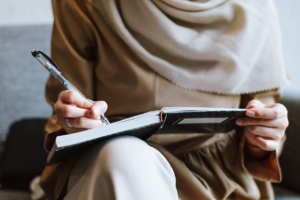 When the Taliban banned women from formal employment and public education in 2021, millions of Afghan families lost vital income sources. Amid this uncertainty, women like Frozan Ahmadzai refused to remain idle. Once a medical student, she now leads a collective of more than 50 women sewing clothes and making pickles from a Kabul basement. Their home-based work brings in around 30,000 afghani ($425) per month, providing essential support and a sense of purpose.
Women at the Frontlines of Economic Recovery
Despite Taliban restrictions, Afghan women entrepreneurs are launching small businesses and cooperatives. However, they face struggles accessing capital. According to Reuters, 41% of surveyed female entrepreneurs rely on informal loans to finance their ventures and about 70% must have a male guardian to travel to market. Nevertheless, many use tailoring, food preparation, dairy cooperatives and handicrafts to build income and resilience.
In Bamyan province, dairy entrepreneur Mahroo supports women farmers by organizing cooperatives that process milk into cheese and yogurt. She provides training and equipment, purchasing their produce at fair prices. “Many don’t even know they can sell their milk or cheese,” Mahroo explained. These cooperatives strengthen community resilience by bringing women farmers into the formal market while preserving traditional livelihoods.
Another example is the revival of underground skills schools. Led by Ideas Beyond Borders, more than 8,000 students have enrolled in covert schools across Afghanistan since 2021. The students learn essential skills like sewing, literacy and business without Taliban interference. About 38 such sites operate discreetly nationwide. These initiatives echo earlier efforts like the Golden Needle Sewing School, but now focus on empowering women to launch income-generating enterprises.
Furthermore, Kabul Sewing Circle, founded by Afghan activists including Mina Sharif, provides sewing skills and business training to women in private homes. Sharif told Teen Vogue, “They are meant to not need a thing and be prepared for their first round of business.” The project operates quietly and is funded via hawala transfers, blending economic empowerment with a supportive community.
Challenges Remain
Taliban edicts threaten this progress: they have restricted work permits, shuttered female-run NGOs and barred women’s travel and NGO employment. The U.N. estimates Afghan women’s labor force participation dropped from 11% in 2022 to about 6% in 2023.
Nonetheless, data shows a surge in women’s entrepreneurship. The Afghan Women’s Chamber of Commerce and Industry reports that female-led businesses grew significantly after 2021. These ventures increased from 600 to more than 10,000, mostly small and home-based enterprises focused on handicrafts and food products.
A Path Forward
A 2024 survey by the United Nations Development Programme (UNDP) illustrates Afghan women entrepreneurs’ struggles and resilience: 41% of more than 3,100 surveyed are in debt, with only about 5% having secured formal bank or microfinance loans. Yet 80% of these women-led businesses remain the primary income source for their families.
UNDP reports that its targeted support, combining microloans, digital literacy and market access, has benefited 75,000 women-led ventures and created 900,000 jobs, supporting more than 4.5 million Afghans.
Economic Empowerment as Resistance
Afghan women entrepreneurs like Frozan, Mahroo and the members of Durkhanum are reclaiming autonomy through enterprise. They are not just making products; they are building community resilience, preserving cultural identity and pushing back quietly against injustice. As one participant said, “This work gives us dignity.”
– Meral Ciplak
Meral is based in Edmonton, Canada and focuses on Business and New Markets for The Borgen Project.
Photo: Pixabay
