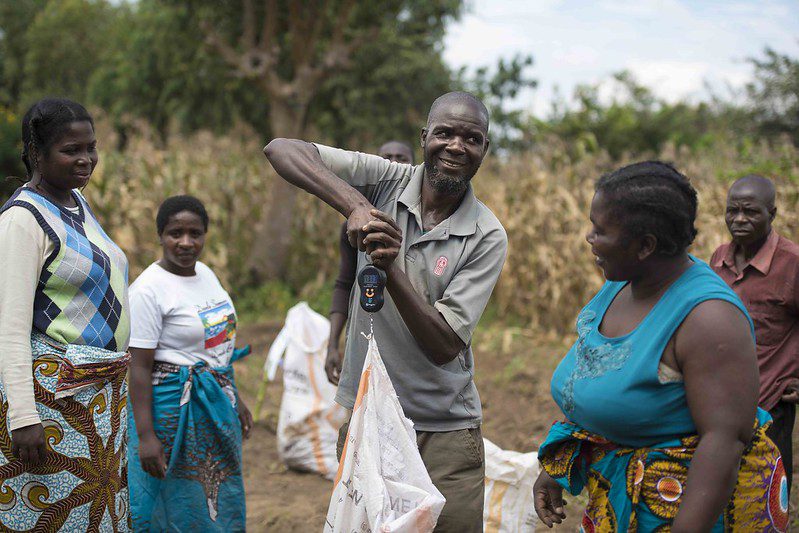
 Foreign aid leadership is becoming increasingly vital as traditional donors slash their development budgets. The United States, once a key player through USAID, has dramatically reduced its contributions, despite previous efforts that saved over a million lives annually. The U.S. is not alone. The U.K., France, Germany, and other major players have followed suit. According to the OECD, global official development assistance (ODA) fell by 7.1% in 2024, with the European Union cutting its aid budget by 8.6%. And the worst may be yet to come: 2025 could see the largest aid cut in modern history. The OECD estimates a $35 billion drop in 2025, on top of a $21 billion shortfall in 2024, leaving a $56 billion vacuum where funding for vaccine research, mosquito nets, and food programs once existed.
Amid this widespread retreat, a few countries have emerged as unexpected leaders. While Spain has gained attention for going against the grain, it is not alone. In 2024 and 2025, South Korea’s and Ireland’s foreign aid budgets have been expanded, standing out as outliers of solidarity in an increasingly fragmented global aid landscape
Ireland: A Rising Leader in Foreign Aid
Ireland’s foreign aid commitments have steadily increased in recent years. In 2023, the country’s ODA reached a historic €2.6 billion, amounting to 0.67% of Gross National Income (GNI). However, when excluding in-country refugee costs, the ODA-to-GNI ratio stands at 0.38%
For 2025, Irish Aid received a €35 million boost, bringing its total to €810 million—a 4.5% increase and a record allocation. Across all government departments, total ODA remains above €2 billion, reinforcing Ireland’s commitment to humanitarian response and long-term development. This funding prioritizes emergency responses in conflict zones like Gaza, Sudan and Ukraine.
Notably, Ireland is also investing in multilateral development. In 2025, it will contribute €141 million—a 33.5% increase—to the World Bank’s International Development Association (IDA) fund, which supports the world’s poorest countries. The IDA helps low-income nations cope with debt burdens, climate shocks, rising inflation and conflict.
By blending immediate humanitarian aid with long-term financing, Ireland is strengthening its global footprint and pursuing a values-driven foreign policy aligned with the U.N. Sustainable Development Goals.
South Korea: Scaling Aid and Shaping Donor Identity
In 2024, South Korea’s ODA surged by 24.8%, reaching $3.94 billion, or 0.21% of its GNI—the highest ratio since the country joined the OECD Development Assistance Committee (DAC). For 2025, the government approved an even larger ODA budget of 6.5 trillion won (≈US$4.5 billion), marking a 3.8% increase and achieving its mid-term aid target well ahead of schedule. South Korea’s aid strategy now prioritizes mutually beneficial cooperation, shifting toward fewer but larger projects that enhance impact and reduce fragmentation.
The OECD DAC’s 2024 peer review commended Korea’s ODA efforts, highlighting its rapid scale-up and growing leadership in the international development arena.
South Korea’s rising influence is especially visible in Africa. At the Korea–Africa Summit, it pledged an additional $10 billion in development aid over six years and signed nearly 50 bilateral agreements across sectors like mining, manufacturing, energy, and trade. Korean companies also expanded their footprint—Hyosung Corp secured a $30 million transformer supply contract with Mozambique, while strategic partnerships were signed with Madagascar and Tanzania to secure critical minerals. Korea also committed $14 billion in export financing to boost trade and investment in African markets.
With a growing focus on South–South cooperation, Korea is positioning itself not just as a financial donor, but as a development partner offering shared solutions—a model increasingly relevant in today’s evolving aid landscape.
Strategic Shifts and Emerging Models
Ireland and South Korea stand out not only for increasing their aid budgets, but for how they are deploying those resources. Ireland has prioritized a balanced mix of humanitarian aid and peace-building, while reinforcing its long-standing commitment to multilateralism. This integrated approach strengthens long-term resilience and global partnerships.
South Korea, meanwhile, is focusing on quality and strategic alignment. Rather than expanding broadly, it is sharpening its engagement, enhancing regional diplomacy and consolidating efforts into fewer, more impactful programs. This reflects a maturing donor model that values effectiveness over volume.
Looking Ahead: Complexities and Opportunities
This progress is not without challenges. In Ireland, growing refugee-related costs and climate obligations must be balanced without diluting its long-term development agenda. Sustaining momentum will require political will and public backing.
For South Korea, the key test is turning reforms into lasting impact. As it moves toward larger-scale projects, transparency and effective delivery will be crucial.
South Korea’s and Ireland’s foreign aid may not match top donors in scale, but their strategies offer something equally vital: a blueprint for high-impact, principled engagement. Through targeted investments, diplomacy, and values-driven action, both countries are showing that smaller donors can lead with purpose.
– Jacobo L. Esteban
Jacobo is based in Cali, Colombia and focuses on Technology and Politics for The Borgen Project.
Photo: Flickr

Latet and Aiding Holocaust Survivors in Poverty
Efforts by Latet
As of April 2025, more than 220,000 Holocaust survivors worldwide are living below the poverty line and rely on outside aid or pension programs. Holocaust survivors reportedly face much worse living conditions than their fellow citizens of Israel. Lack of awareness regarding their plight leaves these individuals struggling for resources and help.
Fortunately, one organization committed to protecting and serving Holocaust survivors and elderly Israeli citizens is Latet. Latet is a nonprofit that provides aid to more than 100,000 families and about 1,600 Holocaust survivors living in poverty. Its services include food banks and educational programs for those in need. Latet stated that one out of every three Holocaust survivors lives in poverty and that 30,000 Holocaust survivors in Israel live near the poverty line.
The Jewish United Fund
The Jewish United Fund, based in Chicago, is another organization supporting Holocaust survivors living in poverty. It provides funding and resources to Israel to assist those who need them most. This aid allows Holocaust survivors to meet their day-to-day living expenses, including medical bills. The Jewish United Fund also provides home furnishings for Holocaust survivors, helping improve their well-being and quality of life.
Looking Ahead
Organizations such as Latet and the Jewish United Fund play an important role in supporting vulnerable populations and Holocaust survivors in Israel. Continued funding, support and recognition from the media and public can potentially help these organizations expand their reach and effectiveness. Helping Holocaust survivors acknowledges their resilience and contributes to providing them with greater stability and opportunities. By supporting these initiatives, donors and advocates contribute to efforts aimed at improving the well-being of some of Israel’s most vulnerable citizens.
– John Menechino
Photo: Flickr
Early Warnings for All (EW4All): Global Alert Systems
What is Early Warnings for All
Launched by U.N. Secretary-General António Guterres in 2022, the EW4All seeks to ensure that every person on Earth is safe thanks to a life-saving multi-hazard early warning system by the end of 2027.
The effort is a direct response to the growing frequency and severity of climate-related disasters. Indeed, from cyclones in the Pacific to droughts in East Africa, communities on the frontlines of natural disasters often have little or no time to prepare. By combining meteorological science, technology, and local preparedness, EW4All aims to close this protection gap worldwide.
A Comprehensive, Multi-Pillar Approach
The initiative is co-led by the World Meteorological Organization (WMO) and the United Nations Office for Disaster Risk Reduction (UNDRR), with support from the International Telecommunication Union (ITU) and the International Federation of Red Cross and Red Crescent Societies (IFRC)
Together, these organizations oversee four essential, end-to-end pillars:
These pillars work together. Without accurate data, forecasts lose precision. Without effective communication, warnings go unheard. And without preparedness, even the best warnings cannot save lives.
Tangible Progress: Funding and Country-Level Action
In February 2025, the Green Climate Fund (GCF) approved a groundbreaking $103.2 million in grant financing to bolster EW4All systems in seven climate-vulnerable countries—Antigua and Barbuda, Cambodia, Chad, Ecuador, Ethiopia, Fiji, and Somalia—benefiting more than 26 million people.
This project, led by the United Nations Development Programme (UNDP), carries a total investment of $114.6 million, including $11.3 million in co-financing from IFRC, ITU, WMO, and national governments
In Fiji, the FJ$29 million ($12.9 million) grant focuses on expanding early warning coverage in remote areas, integrating hazard monitoring with local communication systems and providing training for
Why Early Warnings Matter and Deliver Impact
Early warning systems are among the most cost-effective tools in disaster risk reduction. The Global Status Report (2022) shows that countries with substantive-to-comprehensive early warning coverage experience eight times lower disaster mortality than countries with limited coverage.
Providing just 24 hours’ notice before a hazardous event can reduce damage by about 30% and investing $800 million in early warning systems in developing countries could avoid losses of $3–16 billion annually
Scaling Impact Through Partnerships
The EW4All initiative not only coordinates funding but also drives technical assistance and national policy support. The EW4All Advisory Panel, co-chaired by the heads of WMO and UNDRR, meets twice a year to assess progress, address gaps, and align resources.
On the technology front, ITU has mobilized partnerships with mobile operators such as GSMA, Safaricom and Telefónica to deploy cell-broadcast and location-based SMS in at-risk countries, ensuring alerts are not dependent on internet access.
In parallel, the IFRC works directly with communities to run evacuation drills, distribute preparedness kits, and ensure that warnings lead to action.
A Positive Forward Outlook
As natural disaster risks intensify, EW4All out as a global solution that saves lives while protecting livelihoods. By preventing deaths, reducing asset loss and maintaining community stability, EW4All indirectly supports poverty reduction. Disasters often push vulnerable households deeper into poverty; effective early warning systems break that cycle by enabling people to protect their homes, crops and sources of income.
With two years remaining until the 2027 deadline, progress is accelerating. From the Pacific Islands to the Horn of Africa, EW4All is laying the groundwork for a safer, more resilient future—where no one faces disaster without warning.
– Prayosha Patel
Photo: Flickr
Shedding Light on Disability in Tanzania
Access to assistive technology (AT), a wide-ranging term for products or services beneficial to people with disabilities, has long been a challenge in Tanzania. However, efforts to improve availability are gradually increasing.
Disability in Tanzania
Approximately 1.6 million Tanzanians live with some form of disability. In Tanzania, people with disabilities are disproportionately affected by poverty. Expanding access to AT promotes inclusion and awareness while creating resources that help reduce poverty.
Key initiatives in Tanzania include the Persons with Disabilities Management Information System, the National Business and Disability Network and the National Action Plan for Persons with Albinism.
The Persons With Disabilities Management Information System
The Persons with Disabilities Management Information System (PD-MIS) was launched on December 2, 2023, with the help of the Prime Minister of Tanzania, Honourable Kassim Majaliwa. Originally, a rural special education teacher, Isaya Mlinyi, brought attention to a reliable database that would bring awareness to children with albinism and visual impairment.
With the support of the Prime Minister’s Office and the United Nations Population Fund (UNFPA), the PD-MIS was launched and now serves as an up-to-date information system for persons with disability (PWD). Before this successful resource, Tanzanians with disabilities were recorded through manual registrations within villages and a census record every 10 years.
This newly invented assistive technology serves as a tool that captures PWDs’ up-to-date personalized information in Tanzania Mainland. An example of this newly successful AT is providing records of households with PWD and granting families social protection, such as additional income, to compensate for the lack of accessibility in the labor field.
The National Business and Disability Network
Despite successful progress throughout the years, PWDs in Tanzania still face hindrances and discrimination when looking for work. In response, the National Business and Disability Network (NBDN) was successfully launched in March 2025, promoting visibility and equal job opportunities for PWD within the workplace. This International Labor
Organization(ILO)-supported program ensures that companies provide inclusion as part of their corporate policy, which lowers barriers against people with disabilities. In addition to the ILO, the NBDN is supported by the Association of Tanzania Employers (ATE) and Sightsavers, a charity founded to support developing countries with PWD.
National Action Plan for Persons With Albinism
This action plan unveils the violence and discrimination that Tanzanians with albinism face, ensuring the safety and inclusion of this group of people. This social inclusion plan for Tanzania was officially signed on December 3, 2024, which is also the nation’s International Day of PWDs. The National Action Plan ensures that the Tanzanian government provides lawful security and population data for people with albinism.
People with albinism not only face workplace discrimination, but also suffer from being excluded from family and community. The National Action Plan for Persons with Albinism not only sheds light on this marginalized group of people, but it also creates opportunities and provides inclusivity for all people with a form of disability.
Conclusion
People in Tanzania living with a disability are more likely to face discrimination in the workforce, inadequate education and higher poverty rates. The accessibility to AT can provide the Tanzania Mainland with up-to-date records of PWD, create inclusion within labor departments and ensure community safety nationwide. These key factors play a major role in shaping poverty and survival for this large yet often overlooked group in Tanzania’s population.
Since the passage of the Disabilities Act in 2010, the government has continued working to create opportunities for people with disabilities, supported by campaigns promoting the principle that no one should be left behind. Recent social safety nets launched on the mainland encourage leaders to uphold inclusive policies and expand resources that strengthen protections for PWDs.
– Nichole Morgan
Photo: Flickr
Building Inclusivity in Denmark: Policies That Empower Women
Denmark promotes equality by ensuring that all women, no matter their background, socioeconomic status or identity, have the opportunity to succeed. Inclusivity in Denmark is demonstrated through its dedication to providing opportunities for all women to thrive, supported by progressive laws and targeted initiatives.
Legislative Frameworks for Equality
At the heart of Denmark’s inclusive policy approach is a robust legal framework that protects women’s rights and responds to the diverse realities of their lives. The Gender Equality Act (2000) requires public authorities, universities and research organizations to embed gender equality into their planning and operations. This ensures balanced representation in decision-making and equal access to opportunities.
The Equal Treatment Acts (2024 and 2025) strengthen workplace equality by prohibiting gender-based discrimination and aligning national law with EU directives on equal treatment and work-life balance. Additionally, generous parental leave provisions further set Denmark apart. Parents can access up to 18 months of leave, with safeguards protecting academic and professional career progression during family absences. These measures create a legal foundation where every woman can participate fully and equally in society.
Economic Inclusion
Denmark’s welfare ensures that all women can participate in the economy. Around 70% of women aged 15–74 in Denmark participate in paid work outside the home, significantly higher than the Organization for Economic Co-operation and Development (OECD) average of approximately two-thirds.
The Fleksjob Scheme provides tailored employment for individuals with reduced work capacity, including women with disabilities or chronic illnesses. It allows them to work part-time with complete pay security. The program provides various support, including job coaching, vocational training, workplace accommodations and wage subsidies. These measures are designed to overcome barriers and provide individuals with the tools to secure, retain and thrive in employment. Employees and employers can benefit by encouraging greater participation in the labor market.
Furthermore, the Danish Center for Information on Women and Gender (KVINFO) introduced a mentor network that connects refugee and immigrant women with established Danish professionals. Networking is vital in opening doors to the labor market, education and social inclusion. Since its establishment, the network has had more than 7,000 participants. The relationships built between mentors and mentees are grounded in collaboration and individuality, ensuring both are treated as equals. This foundation cultivates trust and respect, celebrates unique strengths and recognizes potential.
Other initiatives, such as the For Women in Science program, promote inclusivity by encouraging gender balance in recruitment and offering training to address unconscious bias. This creates a more inclusive environment for women in leadership and scientific communities. These measures collectively promote inclusivity in Denmark, ensuring that women from all backgrounds can participate fully in the economy. This commitment helps break down barriers and supports greater social and economic integration nationwide.
International Action
Inclusivity in Denmark extends to its foreign policy, where gender equality is embedded to promote women’s participation and protection in global peace and security efforts. The National Action Plan on Women, Peace and Security (2020–2024) ensures women’s full and meaningful participation in peace processes, while protecting women human rights defenders from threats and violence.
Denmark also takes a zero-tolerance stance on sexual and gender-based violence in conflict zones, funding programs that prosecute perpetrators, protect victims and support survivors’ recovery. By chairing the Call to Action on Protection from Gender-Based Violence in Emergencies, Denmark leads the global effort to safeguard women and girls in crisis settings.
Empowerment Through Networking
Beyond policy, Denmark invests in spaces that unite women and create lasting professional networks. The Career Club DK Women’s Empowerment Summit (2025) combines personal empowerment and career development with two stages of expert-led sessions, a female entrepreneur zone and structured networking. Indeed, these activities create space for meaningful connections, designed to celebrate diversity and build an inclusive community where women from diverse walks of life can thrive.
The Women in Law Forum: Denmark (2025), held in Copenhagen, was a thought-provoking gathering dedicated to advancing gender diversity and inclusion in the legal sector. The forum explored the changing landscape of female representation, the impact of generational shifts on workplace culture and the importance of collaboration in building a more inclusive legal profession.
Similarly, WOMENSCONF 2025, a global academic gathering in Denmark, brings together scholars and practitioners to explore issues from gender and migration to intersectionality and economic empowerment.
A Model in Progress
Denmark’s commitment to gender equality evolves in response to new challenges and women’s voices. By embedding equality into law, providing targeted support to vulnerable groups and promoting women’s leadership domestically and globally, Denmark ensures that every woman can participate fully in society.
From refugee mentorship programs to international peace-building, the commitment to inclusivity in Denmark shows that gender equality is strongest when it’s intersectional, proactive and collaborative.
– Beatrice Punt
Photo: Wikimedia Commons
How Camel Milk in Somalia is Boosting the Economy
Camels have always been at the center of Somalia’s exports. Now, thanks to a growing industry of camel milk and its benefits to humans, the people of Somalia are using these camels to boost the economy and fight malnutrition.
Production
Before, only a fraction of the country’s seven million camels were used for urban grocery stores. Now, in the outskirts of Mogadishu, there’s been a shift in production thanks to Dr. Abdirisak Mire Hashi, a veterinarian and Beder Camel Farm’s manager. He has been at the center of this production, both preserving heritage and supporting the progress that the country has been experiencing.
Each camel at the farm now produces up to 10 liters of milk per day, two times more than what traditional farmers got. The increase is directly related to new investments in veterinary care, better feed and modern milking practices. On routine, the camels have a check-up and take their nutritional supplement, a very different practice than the free-roaming camels as seen a decade ago.
The biggest change is the yogurt factory, the first of its kind in Somalia. The factory has created hundreds of much-needed jobs for the country.
Camel Milk Benefits
There has consistently been an uptick in people demanding camel milk in Somalia. It has exploded in popularity for many reasons, but the main reason is its health benefits:
Camel milk yogurt is just as nutritious as cow’s milk. It offers a low-lactose alternative that remains rich in vitamins and minerals. This product could provide Somalia with a much-needed public health boost that may help ease the country’s malnutrition crisis.
Modern camel milk production is transforming agriculture. It is changing the way that farmers go about their livestock.
The Future
The Somali government is hoping more people will invest in this growing industry. Camel milk offers countless benefits and rising productivity could transform Somalia’s future. With the introduction of a Dairy Act and a livestock sector development strategy, the country is laying the groundwork for lasting change.
The Beder Camel Farm holds 40% of Somalia’s camel milk market. It continues to lead the way toward a more camel milk-focused future. The people of Somalia see the potential of this investment and they are hopeful for where it takes the country.
– Avery Carl
Photo: Flickr
Fragility and the Rule of Law in New Caledonia
Recent Tensions
Last year, the pro-independence Kanak population rioted across New Caledonia, particularly in Noumea. The riot was in response to proposed legislation granting voting rights to expatriates who had lived there for more than 10 years. Under the 1988 Noumea Accord, signed in response to similar riots and tensions in the ’80s, only native New Caledonians have been eligible to vote in elections.
Specifically, expats (many pro-French, anti-independence) were not allowed to vote in referendums on New Caledonian independence. To many Kanaks, this new legislation threatened the momentum of the pro-independence movement against French rule. Riots broke out and the French government sent military troops and police officers to reestablish the rule of law. Macron himself visited in an attempt toward peace; however, this seemed to inflame tensions, with statements of “not my president” from protestors.
The disagreement and subsequent violence go beyond political tensions, with young Kanaks speaking to the levels of disenfranchisement they feel as they struggle to make ends meet. At the same time, French expats use New Caledonia as a wealthy paradise. Europeans, in turn, report a rise in anti-white racism from Kanaks, who have targeted expat communities on the island. Sonia Backes, a pro-French politician in the New Caledonian Congress, has reportedly received death threats for her political stance.
Demographics and Social Groups
New Caledonia hosts a combination of indigenous Kanaks and White-French expats, with a population of more than 300,000. Approximately 39% are Kanaks and 27% are Europeans, with the remaining population comprising various Pacific and Asian ethnicities. Most Kanaks live in Noumea, particularly in the city’s underserved areas. In contrast, French expats tend to live in smaller communities in the south.
The poverty rate in New Caledonia is around 19%; however, in the majority-Kanak Loyalty Islands Province, this rises to around 45%. Amid this inequality, more than 26% of young people in New Caledonia are unemployed, with only 8% of Kanaks holding a university degree. Additionally, 46% have no high school diploma, whereas 54% of Expats completed higher education.
The educational and economic disparity between the two groups is stark and many have argued that this motivates tensions. The history of violence in New Caledonia is multifaceted. Historically, Kanaks have risen against the government for political reasons, which has been successful in the eyes of Kanak independence groups.
The result of the 1988 riots was three independence referendums, with the last occurring in 2021 during the coronavirus pandemic. The vote resulted in opposition to independence. However, key pro-independence figures, such as Roch Wamytan, argued that the referendum occurred under abnormal circumstances. They claimed the results should be ignored and another vote held. Many Kanaks boycotted the referendum, following local mourning rituals and fearing the virus. Pro-French loyalists therefore won with 96.5% of the vote.
Foreign Interference
An interesting aspect amid this fragile situation is the role of Azerbaijan in supporting independence. Kanak independence figures dispute claims of economic support from the Azerbaijani government. However, pro-Azerbaijani social media accounts have been linked to widespread misinformation concerning the role of French police in the 2024 riots.
This stems from the French government’s historic support for Armenia, one of Azerbaijan’s rivals. Azerbaijan has responded by supporting independence movements of French colonial territories, with the Baku Initiative Group formed as a collection of anti-colonial groups in European overseas territories.
While Kanaks have historic reasons for supporting independence, foreign governments that oppose the French state see New Caledonian independence as something to weaken French influence abroad. New Caledonia has remained French due to its impact in the Pacific, not to mention the extensive nickel reserves available in New Caledonia, which are key for chip manufacturing and electric vehicles.
The Future of New Caledonia
While tensions have been high, the recent agreement to establish a New Caledonian state has been received mostly positively. Independence groups have agreed that this is the best they could hope for. However, this only calms tensions for now. Pro-independence Kanaks have vowed to continue to fight for their independence and that fervour will not subside anytime soon.
– Lee Stonehouse
Photo: Flickr
South Korea’s and Ireland’s Foreign Aid Leadership
Amid this widespread retreat, a few countries have emerged as unexpected leaders. While Spain has gained attention for going against the grain, it is not alone. In 2024 and 2025, South Korea’s and Ireland’s foreign aid budgets have been expanded, standing out as outliers of solidarity in an increasingly fragmented global aid landscape
Ireland: A Rising Leader in Foreign Aid
Ireland’s foreign aid commitments have steadily increased in recent years. In 2023, the country’s ODA reached a historic €2.6 billion, amounting to 0.67% of Gross National Income (GNI). However, when excluding in-country refugee costs, the ODA-to-GNI ratio stands at 0.38%
For 2025, Irish Aid received a €35 million boost, bringing its total to €810 million—a 4.5% increase and a record allocation. Across all government departments, total ODA remains above €2 billion, reinforcing Ireland’s commitment to humanitarian response and long-term development. This funding prioritizes emergency responses in conflict zones like Gaza, Sudan and Ukraine.
Notably, Ireland is also investing in multilateral development. In 2025, it will contribute €141 million—a 33.5% increase—to the World Bank’s International Development Association (IDA) fund, which supports the world’s poorest countries. The IDA helps low-income nations cope with debt burdens, climate shocks, rising inflation and conflict.
By blending immediate humanitarian aid with long-term financing, Ireland is strengthening its global footprint and pursuing a values-driven foreign policy aligned with the U.N. Sustainable Development Goals.
South Korea: Scaling Aid and Shaping Donor Identity
In 2024, South Korea’s ODA surged by 24.8%, reaching $3.94 billion, or 0.21% of its GNI—the highest ratio since the country joined the OECD Development Assistance Committee (DAC). For 2025, the government approved an even larger ODA budget of 6.5 trillion won (≈US$4.5 billion), marking a 3.8% increase and achieving its mid-term aid target well ahead of schedule. South Korea’s aid strategy now prioritizes mutually beneficial cooperation, shifting toward fewer but larger projects that enhance impact and reduce fragmentation.
The OECD DAC’s 2024 peer review commended Korea’s ODA efforts, highlighting its rapid scale-up and growing leadership in the international development arena.
South Korea’s rising influence is especially visible in Africa. At the Korea–Africa Summit, it pledged an additional $10 billion in development aid over six years and signed nearly 50 bilateral agreements across sectors like mining, manufacturing, energy, and trade. Korean companies also expanded their footprint—Hyosung Corp secured a $30 million transformer supply contract with Mozambique, while strategic partnerships were signed with Madagascar and Tanzania to secure critical minerals. Korea also committed $14 billion in export financing to boost trade and investment in African markets.
With a growing focus on South–South cooperation, Korea is positioning itself not just as a financial donor, but as a development partner offering shared solutions—a model increasingly relevant in today’s evolving aid landscape.
Strategic Shifts and Emerging Models
Ireland and South Korea stand out not only for increasing their aid budgets, but for how they are deploying those resources. Ireland has prioritized a balanced mix of humanitarian aid and peace-building, while reinforcing its long-standing commitment to multilateralism. This integrated approach strengthens long-term resilience and global partnerships.
South Korea, meanwhile, is focusing on quality and strategic alignment. Rather than expanding broadly, it is sharpening its engagement, enhancing regional diplomacy and consolidating efforts into fewer, more impactful programs. This reflects a maturing donor model that values effectiveness over volume.
Looking Ahead: Complexities and Opportunities
This progress is not without challenges. In Ireland, growing refugee-related costs and climate obligations must be balanced without diluting its long-term development agenda. Sustaining momentum will require political will and public backing.
For South Korea, the key test is turning reforms into lasting impact. As it moves toward larger-scale projects, transparency and effective delivery will be crucial.
South Korea’s and Ireland’s foreign aid may not match top donors in scale, but their strategies offer something equally vital: a blueprint for high-impact, principled engagement. Through targeted investments, diplomacy, and values-driven action, both countries are showing that smaller donors can lead with purpose.
– Jacobo L. Esteban
Photo: Flickr
Oxfam Vietnam: Assisting Rural Communities
Organizations recognize Vietnam’s discrepancy in the quality of life for rural versus urban communities. As such, many poverty alleviation initiatives focus on increasing rural welfare. Oxfam, the international non-governmental organization that works on combating poverty, has invested significantly in rural communities by securing better infrastructure, employment and social programming. As Oxfam’s mission is to create equitable societies across the globe, action taken not only addresses short term crises, but builds long term improvements.
Oxfam in Vietnam
The Secured Livelihoods and Resilient Communities Goal initiative seeks to provide greater income for minority and women’s groups, which often face discrimination. Additionally, Oxfam aims to provide infrastructure and enhance agricultural production. As agriculture is the core industry in rural communities, bolstering production capabilities not only improves economic output but also mitigates the potential effects of natural disasters.
Furthermore, to meet these goals, Oxfam acts as a bridge between the government, the private sector and rural communities. As an influential international organization, Oxfam looks out for the interests of rural communities by holding the government and the private sector accountable when developing policy and partnerships.
Oxfam proposed policies that benefit rural communities by focusing on inclusivity, accountability, and sustainability, all of which are currently lacking. These policies are implemented through plans such as the Nationally Determined Contributions, National Adaptation Plan and feminist perspectives. The policies facilitate economic growth and prevent labor from being taken advantage of. In addition, the introduction of feminist ideology as well as training women to take on leadership roles, bridges the gender gap.
Tran Nam Clean Tea Cooperative
So far, Oxfam Vietnam has delivered tangible results for the rural communities. With the help of Oxfam, the Tran Nam Clean Tea Cooperative transitioned from firewood and gas to utilizing green energy. Not only was production cleaner, but working conditions for laborers along with an increase in revenue.
On a smaller scale, Oxfam has also served as a launchpad for individuals in rural communities. Mai Thi Cam, who lived below the poverty line, faced significant challenges in caring for her family during the pandemic. Through Oxfam’s Resilience program in collaboration with New Zealand and the Red Cross, she started a livestock farm and learned to manage it through educational courses.
The Future
If poverty trends remain consistent, Vietnam’s living conditions could improve significantly, with greater financial security and more individuals moving up to the middle class. Organizations such as Oxfam play a critical role in ensuring development and welfare are accessible to all, especially rural communities. The continued service and investments from Oxfam and other NGOs need continued support from governments and organizations, foreign and domestic.
– Owen Wu
Photo: Flickr
Combating Poverty in Mexico
Policies and Governmental Strategies
Recent efforts to combat poverty in Mexico focus on inclusive and sustainable growth, according to the World Bank. Its analysis shows several areas for improvement in long-term poverty reduction. The first is female employment. Increasing the employment rate for women in the workforce contributes to economic development for the country.
Rural development is also a key factor in combating poverty. Improving rural infrastructure, education and health care services is essential to address regional disparities. Additionally, social protection is another element the government can tackle to help improve the situation. Strengthening benefits with worker protections can make economic growth more inclusive. As the World Bank notes, “social assistance reforms can redesign some programs to increase their progressivity and sufficiency,” enhancing effectiveness in combating poverty.
An overlooked aspect of why poverty is so complex in Mexico is the major climate events across the country. According to the World Bank, about 33% of poverty in Mexico is correlated with severe weather events. Hurricanes, droughts and floods affect those living in vulnerable conditions, further worsening their situations. Investing in more resilient infrastructure, such as durable housing and clean water systems, is a priority.
Organizations Addressing Poverty in Mexico
Several nongovernmental organizations (NGOs) are working to combat poverty in Mexico through multiple projects and initiatives. Esperanza Contigo focuses on children living in poverty, more specifically in rural areas. According to a report by the organization, more than 20 million children in Mexico live below the poverty line. This is due to reasons such as the minimum wage for a worker in Mexico being about $8.50 a day and rural schools being under-resourced, both of which fuel the cycle of poverty in the country.
Esperanza Contigo works to raise awareness, provide resources and advocate for change to improve the lives of children living in poverty. The organization has seen results in its work throughout Mexico, including helping abandoned children in the city of Tijuana. There, it provides foster care and offers shelter, education and health care programs. The organization states that “the best way to tackle child poverty is to be prepared.”
CHOICE Humanitarian carries out locally led projects that address poverty in Mexico, mainly in rural areas. Its work includes increasing livestock and promoting agricultural sustainability. The organization helps families build stable food sources and income through efforts such as constructing wells and water filters. By doing so, CHOICE Humanitarian teaches communities the skills needed to continue these practices on their own. The organization’s activities support economic development, with the goal of combating poverty in this way.
In its 2024 annual report, the United Nations Children’s Fund (UNICEF) outlined efforts to improve child nutrition, access to early childhood education and social inclusion. In cooperation with the Mexican government, UNICEF and the legislative branch are working to integrate child-centered initiatives into national planning. The organization has already reported progress in key areas such as nutrition, well-being and inclusion.
Looking Ahead
Combating poverty in Mexico remains a challenge. It is not just one aspect that must be addressed, but multiple dimensions of poverty at the same time. This complexity has drawn many organizations to take part in tackling the problem. With projects underway to support people in need and with cooperation from the national government, Mexico is laying the groundwork for progress in combating poverty.
– Pablo Roque
Photo: Flickr
Urban Vertical Farming in Nairobi: Fighting Poverty in Kenya
Growing Food in Tight Spaces
Traditional farming is impossible in the cramped alleyways and makeshift housing of Nairobi’s slums, but residents have found a creative solution: sack gardening. This method involves filling sacks with soil and organic waste, then growing leafy vegetables such as kale, spinach, and amaranth vertically on rooftops, balconies, and even along fences. These “vertical gardens” maximize limited space, requiring only a few square feet to feed a family.
Thanks to support from local NGOs and government programs, more than a thousand residents across Kibera’s villages have adopted sack farming. The approach is also resilient, relying on irrigation rather than rainfall, which makes year-round production possible despite inconsistent water access.
More Than Just Food
Vertical farming in the slums of Nairobi does more than reduce hunger. Surplus produce is sold at local markets, generating crucial income for families living on just a few dollars a day. For many young people, particularly in areas like Mathare, these farms offer an alternative to crime and gang involvement. Organizations such as Vision Bearerz, started by former gang members, have transformed abandoned spaces into hydroponic farms that supply fresh food and jobs while promoting peace.
Women play a leading role in this movement, often spearheading rooftop gardens and small-scale hydroponic projects. Their efforts empower households with better nutrition and financial stability, contributing to broader social change in these marginalized communities.
Building Resilience and Opportunity
Urban vertical farming also addresses critical environmental challenges. The techniques reduce dependence on unpredictable rainfall and make efficient use of scarce water through irrigation and wastewater recycling.
Moreover, the skills and entrepreneurship fostered by these farming projects could open doors to new economic opportunities. Youth gain knowledge in sustainable agriculture, business management, and community organizing—building a foundation for long-term poverty alleviation.
A Model for the Future
Vertical farming in Nairobi offers a hopeful blueprint for other rapidly urbanizing cities facing food insecurity and poverty. By transforming rooftops and small plots into productive farms, communities are reclaiming control over their nutrition and livelihoods. With continued support from local governments, NGOs, and social entrepreneurs, this grassroots agricultural revolution could scale across Kenya and beyond, nourishing not only bodies but also spirits.
– Meagan Beaver
Photo: Flickr