How Camel Milk in Somalia is Boosting the Economy
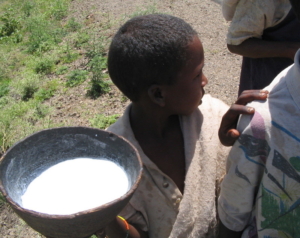 Somalia continues to experience civil unrest. Its economy is primarily linked to livestock in agriculture. Livestock contributes about 40% to GDP and more than 50% of export earnings. Somalia has what’s referred to as a “low-income African Horn economy.” The more than 30 years of war and environmental instability have made it hard for the country to get back on its feet financially. However, the more than seven million camels that Somalia has in its borders are starting to change that.
Camels have always been at the center of Somalia’s exports. Now, thanks to a growing industry of camel milk and its benefits to humans, the people of Somalia are using these camels to boost the economy and fight malnutrition.
Production
Before, only a fraction of the country’s seven million camels were used for urban grocery stores. Now, in the outskirts of Mogadishu, there’s been a shift in production thanks to Dr. Abdirisak Mire Hashi, a veterinarian and Beder Camel Farm’s manager. He has been at the center of this production, both preserving heritage and supporting the progress that the country has been experiencing.
Each camel at the farm now produces up to 10 liters of milk per day, two times more than what traditional farmers got. The increase is directly related to new investments in veterinary care, better feed and modern milking practices. On routine, the camels have a check-up and take their nutritional supplement, a very different practice than the free-roaming camels as seen a decade ago.
The biggest change is the yogurt factory, the first of its kind in Somalia. The factory has created hundreds of much-needed jobs for the country.
Camel Milk Benefits
There has consistently been an uptick in people demanding camel milk in Somalia. It has exploded in popularity for many reasons, but the main reason is its health benefits:
- Rich in lactoferrin and immunoglobulins.
- Contains properties similar to colostrum.
- Provides protein, potassium and healthy fats.
- Excellent source of calcium and vitamin B1.
Camel milk yogurt is just as nutritious as cow’s milk. It offers a low-lactose alternative that remains rich in vitamins and minerals. This product could provide Somalia with a much-needed public health boost that may help ease the country’s malnutrition crisis.
Modern camel milk production is transforming agriculture. It is changing the way that farmers go about their livestock.
The Future
The Somali government is hoping more people will invest in this growing industry. Camel milk offers countless benefits and rising productivity could transform Somalia’s future. With the introduction of a Dairy Act and a livestock sector development strategy, the country is laying the groundwork for lasting change.
The Beder Camel Farm holds 40% of Somalia’s camel milk market. It continues to lead the way toward a more camel milk-focused future. The people of Somalia see the potential of this investment and they are hopeful for where it takes the country.
– Avery Carl
Avery is based in Norfolk, NE, USA and focuses on Technology and Solutions for The Borgen Project.
Photo: Flickr
