Building Inclusivity in Denmark: Policies That Empower Women
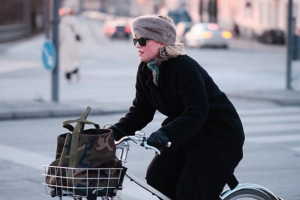 Denmark is widely recognized as a global leader in gender equality. It ranks third in the European Union (EU) on the Gender Equality Index with a score of 77.8 out of 100, 7.6 points higher than the EU average.
Denmark promotes equality by ensuring that all women, no matter their background, socioeconomic status or identity, have the opportunity to succeed. Inclusivity in Denmark is demonstrated through its dedication to providing opportunities for all women to thrive, supported by progressive laws and targeted initiatives.
Legislative Frameworks for Equality
At the heart of Denmark’s inclusive policy approach is a robust legal framework that protects women’s rights and responds to the diverse realities of their lives. The Gender Equality Act (2000) requires public authorities, universities and research organizations to embed gender equality into their planning and operations. This ensures balanced representation in decision-making and equal access to opportunities.
The Equal Treatment Acts (2024 and 2025) strengthen workplace equality by prohibiting gender-based discrimination and aligning national law with EU directives on equal treatment and work-life balance. Additionally, generous parental leave provisions further set Denmark apart. Parents can access up to 18 months of leave, with safeguards protecting academic and professional career progression during family absences. These measures create a legal foundation where every woman can participate fully and equally in society.
Economic Inclusion
Denmark’s welfare ensures that all women can participate in the economy. Around 70% of women aged 15–74 in Denmark participate in paid work outside the home, significantly higher than the Organization for Economic Co-operation and Development (OECD) average of approximately two-thirds.
The Fleksjob Scheme provides tailored employment for individuals with reduced work capacity, including women with disabilities or chronic illnesses. It allows them to work part-time with complete pay security. The program provides various support, including job coaching, vocational training, workplace accommodations and wage subsidies. These measures are designed to overcome barriers and provide individuals with the tools to secure, retain and thrive in employment. Employees and employers can benefit by encouraging greater participation in the labor market.
Furthermore, the Danish Center for Information on Women and Gender (KVINFO) introduced a mentor network that connects refugee and immigrant women with established Danish professionals. Networking is vital in opening doors to the labor market, education and social inclusion. Since its establishment, the network has had more than 7,000 participants. The relationships built between mentors and mentees are grounded in collaboration and individuality, ensuring both are treated as equals. This foundation cultivates trust and respect, celebrates unique strengths and recognizes potential.
Other initiatives, such as the For Women in Science program, promote inclusivity by encouraging gender balance in recruitment and offering training to address unconscious bias. This creates a more inclusive environment for women in leadership and scientific communities. These measures collectively promote inclusivity in Denmark, ensuring that women from all backgrounds can participate fully in the economy. This commitment helps break down barriers and supports greater social and economic integration nationwide.
International Action
Inclusivity in Denmark extends to its foreign policy, where gender equality is embedded to promote women’s participation and protection in global peace and security efforts. The National Action Plan on Women, Peace and Security (2020–2024) ensures women’s full and meaningful participation in peace processes, while protecting women human rights defenders from threats and violence.
Denmark also takes a zero-tolerance stance on sexual and gender-based violence in conflict zones, funding programs that prosecute perpetrators, protect victims and support survivors’ recovery. By chairing the Call to Action on Protection from Gender-Based Violence in Emergencies, Denmark leads the global effort to safeguard women and girls in crisis settings.
Empowerment Through Networking
Beyond policy, Denmark invests in spaces that unite women and create lasting professional networks. The Career Club DK Women’s Empowerment Summit (2025) combines personal empowerment and career development with two stages of expert-led sessions, a female entrepreneur zone and structured networking. Indeed, these activities create space for meaningful connections, designed to celebrate diversity and build an inclusive community where women from diverse walks of life can thrive.
The Women in Law Forum: Denmark (2025), held in Copenhagen, was a thought-provoking gathering dedicated to advancing gender diversity and inclusion in the legal sector. The forum explored the changing landscape of female representation, the impact of generational shifts on workplace culture and the importance of collaboration in building a more inclusive legal profession.
Similarly, WOMENSCONF 2025, a global academic gathering in Denmark, brings together scholars and practitioners to explore issues from gender and migration to intersectionality and economic empowerment.
A Model in Progress
Denmark’s commitment to gender equality evolves in response to new challenges and women’s voices. By embedding equality into law, providing targeted support to vulnerable groups and promoting women’s leadership domestically and globally, Denmark ensures that every woman can participate fully in society.
From refugee mentorship programs to international peace-building, the commitment to inclusivity in Denmark shows that gender equality is strongest when it’s intersectional, proactive and collaborative.
– Beatrice Punt
Beatrice is based in Manchester, UK and focuses on Business and New Markets for The Borgen Project.
Photo: Wikimedia Commons
