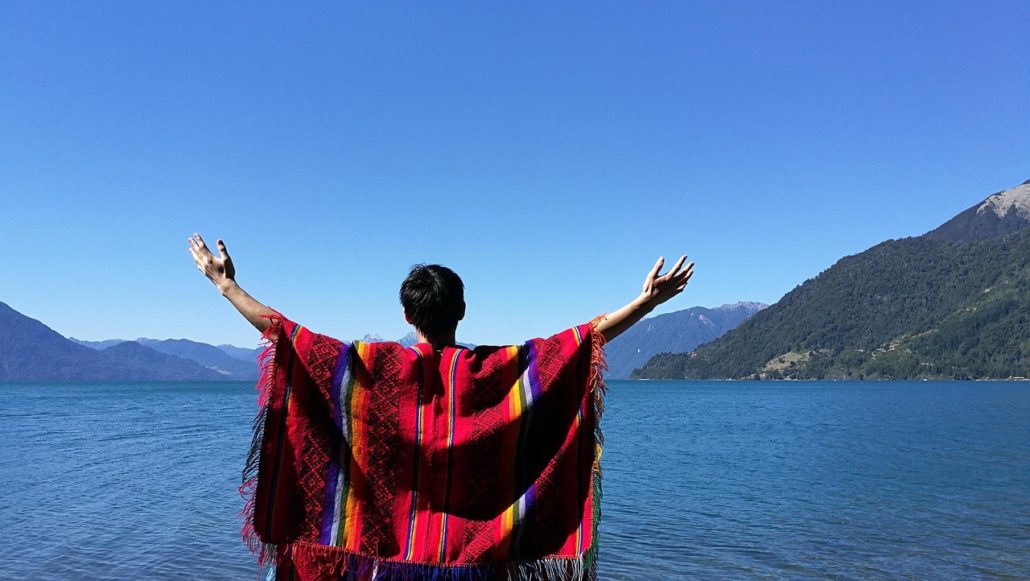
 The Sustainable Development Goal 15 (SDG 15) – Life on Land– has taken center stage in Chile. Changing weather patterns have impacted Chile’s unique and rugged landscapes. Despite economic growth in Chile due to mining, agriculture and logging, the environmental impacts have become rapidly apparent. The retreat of the Great Andean Glaciers and the simultaneous destruction of the ancient Araucania region by forest fires and logging have forced the Chilean ecosystem to reach instability and increasing environmental pressure. The Chilean government is relying on a major joint indigenous and international cooperation to carry out national strategies to quell the escalating pressures on Chilean ecosystems and address SDG 15 in Chile.
The Crucial Nature of SDG 15 in Chile
The U.N.’s SDG 15 looks to tackle biodiversity loss and degraded ecosystems, and promote the sustainable use of ecosystems across the globe. Chile is home to more than 40% of the world’s temperate rainforests, Ancient Araucania regions, unique species of flora and fauna and one of the largest glacier networks across the Southern Hemisphere. For the nation and the wider network of interconnected peoples and systems, there is a hard-line policy change vital to promote a healthy change.
The National Strategy on Climate Change and Vegetation Resources (ENCCRV), a government initiative focused on restoring landscapes and promoting inclusive environmental governance, is the beating heart of Chile’s SDG 15 policies.
The Ancient Araucania Forest: The Indigenous Devotion
The legendary Araucania region represents the core of the battle taking place, to promote the SDG 15 strategy, spearheaded by the indigenous Mapuche and Huilliche communities. The indigenous people have been the one consistent organization advocating for change. Now, with a dedicated United Nations agenda, the indigenous, national organizations and international initiatives have joined forces to stabilize the region.
Through the ENCCRV and REDD+ (U.N. Framework), Chile has supported 861 community-led projects, which have helped restore more than 14,000 hectares of native forest since 2020. Due to the historic tensions between the indigenous and Chilean government, these reforestation projects vitally serve as a cultural revival, and a symbol of diplomacy regarding land rights.
On Huapi Island, Mapuche-Huilliche leaders are replanting native tree species like the Laurelia sempervirens on a massive scale to continue the stabilization of the ecosystem and reestablish the culturally significant landscapes that define the region. Much of the ecological knowledge that is required for the planting, cultivation, and maintenance of the native species is passed down via generations of Mapuche-Huilliche families. In 2016, the establishment of the ENCCRV, to support SDG 15 in Chile, incorporated indigenous ecological knowledge within the frameworks of national environmental policy, a signifier of the cultural shift taking place within Chile, regarding both the environment and indigenous relations.
According to the U.N., more than 2,000 indigenous people, including many women, have participated directly in ENCRVV-supported projects. These projects include the Recovery of the Native Forest on Huapi Island, Ecological Restoration across La Araucania and Los Andes, +Bosques Landscape-wide Implementation and the Villarrica National Park Co-governance agreement. These are all frameworks in which indigenous communities work in tandem with national organizations to tackle environmental instability across Chile.
Geoparks and Poverty Reduction
SDG-15 in Chile continues its permeance through Chilean culture with the establishment of a UNESCO Global Geopark in 2019. Inside Chile’s Araucania region, the Kutralkura Geopark spans more than 8,100 km², including vast forestry, rivers and volcanoes. Since earning this UNESCO status, Kutralkura has become a strong symbol of indigenous leadership, working in tandem with government and international organizations to cultivate environmental conservation. However, its impact does not end there. Since 2019, the region has supplied strength to local communities, becoming a beacon of poverty reduction and economic prosperity.
Sustainable agroforestry, tourism and artisan enterprises continue to support upwards of 55,000 local inhabitants. Geotourism services, supplied by locals who are uniquely engaged with the surrounding areas, offer guides and cultural tours to both international tourists and those of Chilean descent. The indigenous locals are incentivized to pass down and maintain knowledge of the vast environment, simultaneously raising awareness among Chilean populations about the key importance of the Geopark, and its link to the wider sustainability of both Chile’s intertwined ecosystems and economies.
In 2023, a project engaging Mapuche girls in volcanology education, led by female Chilean scientists, aimed to develop an educational volcanology guide with a gender focus. This initiative was designed to meld scientific knowledge with indigenous world views to boost disaster preparedness and safety, and bolster environmental awareness.
In September 2025, the people of Temuco City, Chile will host the 11th International Conference on UNESCO Global Geoparks, once again highlighting the SDG-15 in Chile and the proud impact it has had on the indigenous peoples, both directly and indirectly. This will not only improve environmental preservation, but also bolster indigenous involvement in local government policy, international recognition and economic prosperity for multiple indigenous communities.
Final Thoughts
Environmental sustainability in Chile is not only an ecological necessity but also a pathway out of poverty for many vulnerable communities. Deforestation, soil erosion and forest fires have historically threatened rural livelihoods, particularly for indigenous families who depend on agriculture, forestry and small-scale tourism for survival. By restoring native forests, promoting sustainable agroforestry and expanding ecotourism initiatives, Chile’s SDG 15 programs create stable sources of income that reduce reliance on extractive industries. These initiatives give families more secure access to food, jobs and education, while also protecting ecosystems that future generations will depend on. As Chile continues to align its environmental goals with poverty reduction strategies, it offers a model for how sustainable development can uplift communities while safeguarding the planet.
– Luis-Enrique J Lander
Luis-Enrique is based in Leeds, UK and focuses on Global Health and Politics for The Borgen Project.
Photo: Pixabay

How Solar Energy is Transforming Rural Africa
How SolarAid Is Making a Difference
Founded in 2006, the U.K.-based nonprofit SolarAid is a leading organization working to bring solar lighting to underserved areas. Through its social enterprise, SunnyMoney, it has distributed more than 2.2 million solar lights across Malawi and Zambia. These lights are safe, affordable alternatives to kerosene lamps and candles, which are not only expensive but also harmful to health.
By 2024, SolarAid’s efforts had positively impacted more than 10 million people, helping children study at night and families save money on fuel. In total, its work has helped communities avoid more than $400 million in energy-related expenses.
“When the sun goes down solar light extends the day” said SolarAid CEO John Keane in a 2023 interview with The Guardian. “That means more study time for children, more productivity and less dependence on harmful kerosene.”
Improving Rural Health Care
Solar energy is transforming rural Africa by aiding health care in off-grid communities. Since 2014, Let There Be Light International (LTBLI) has brought solar lighting systems to clinics and homes in rural Uganda. As of 2023, the organization had provided more than 6,000 solar systems to underserved areas.
These solar-powered clinics can now safely carry out nighttime deliveries, store vaccines and provide emergency care. In one example from Kayunga District, maternal deaths decreased by 45% between 2018 and 2022 thanks to better lighting and solar refrigeration for medicine.
Fueling Local Economies
In Tanzania, solar company Mobisol has installed more than 150,000 solar home systems in rural areas. These systems provide power for lighting, mobile phone charging and small appliances, helping people start income-generating activities such as phone charging stations and barbershops. Mobisol’s work has improved the lives of 750,000 people while reducing carbon emissions by an estimated 150,000 tons.
In countries like Kenya, Nigeria and Ethiopia, d.light is helping families access solar energy through a pay-as-you-go model. Founded in 2007, the company lets users pay in small, mobile-money installments. By 2023, it had reached more than 150 million people globally, including 35 million in Africa.
“Our goal is to transform the lives of a billion people with sustainable products by 2030” said d.light co-founder Sam Goldman in a 2022 interview with Reuters.
Empowering Women and Young People
Solar power is also creating job opportunities, especially for women and youth. In Senegal, the Barefoot College Africa program has been training rural women, many of them grandmothers, as solar engineers since 2012. Known as “Solar Mamas” these women install and maintain solar systems in their villages. So far, more than 1,500 women across 93 villages have received training, bringing electricity to more than 200,000 people.
Meanwhile, in Nigeria, youth-led solar startups like Arnergy and Havenhill Synergy are training and employing technicians to install and maintain solar equipment. These growing companies are contributing to both energy access and youth employment in underserved regions.
Looking Ahead
Solar energy is transforming rural Africa by not only providing electricity but also delivering opportunities. From improving health care to supporting education and fueling local businesses, solar power is proving to be a practical, affordable and life-changing solution for communities living off the grid. With millions already benefiting from these programs and more projects underway, solar power continues to shine a path toward lasting development across the continent.
– Tonia Uzor
Photo: Unsplash
Fighting Gendered Poverty Through Clean Energy
Women in Energy Networks – Africa
Since it was founded in 2024, WEN-Africa has fought to boost female representation in the African energy sector. It promotes gender equality and clean energy (like geothermal energy).
In the year since its establishment, the organization has:
LaGeo’s Opportunities for Women
Geothermal energy is a vital resource in El Salvador, a volcanic “hot spot” that generates one-quarter of its electricity from this source. El Salvador’s LaGeo, an electricity generation company, operates two geothermal plants extracting energy from volcanoes. The company launched projects to employ local women in farming communities surrounding its geothermal plants.
These initiatives helped boost the economy in regions especially vulnerable to extreme poverty. Waste from geothermal plants, like condensates and steam, is utilized in these projects to water plants and dry fruits. This also fights the climate crisis by reducing the use of fossil fuels for the same purposes.
Fighting gendered poverty through clean energy, LaGeo provides women with opportunities to earn additional income by hiring them as park rangers to conserve local forests and plant cacao. Beyond income, these roles equip women with valuable job skills, from learning English to environmental stewardship.
Stories of Women Empowered
Women like Yenni Guadalupe Castillo Argueta directly benefit from LaGeo’s efforts. In just one year, she ascended the ranks of the Communications branch at LaGeo. Her career success inspired her to pursue higher education beyond her high school diploma, especially with the education reimbursement of up to 90% provided by the company.
Similarly, Rosa Escobar has been employed at LaGeo for 20 years. She is currently the Engineering Manager and part of the 45% of female management. Her designs lead sustainability efforts. Additionally, the company promises explicitly equal pay in deep contrast to the gender wage gap that exists in so many other workplaces.
On March 28, 2025, the World Bank sponsored a $150 million project to build a third geothermal plant. LaGeo plans to use the project to advance both its sustainability goals and efforts to empower women, furthering the fight against gendered poverty.
The Bottom Line
From Africa to Latin America, people are fighting gendered poverty through clean energy, training and providing opportunities to women in the energy sector. Simultaneously taking strides toward gender equality and reducing environmental pollution, the world can finally believe in a better tomorrow.
– Klara Jones
Photo: Rawpixel
India’s Forest Rights Act: A Tribal Village’s Success Story
Poverty in India
India, with a population of 1.4 billion, remains a nation of contrasts. About 66% of its people live in rural areas and despite economic growth, 13% still survive on less than $1.90 a day. However, progress is evident—80% of adults now have bank accounts and 92% of children complete primary school, reflecting improved access to financial services and education. Yet, gender disparities persist, with women making up only 20% of the formal workforce, highlighting the ongoing need for more inclusive economic participation.
India’s significant reduction in extreme poverty over the past decade reflects both effective policy interventions and sustained economic growth. The dramatic decline from 16.2% to 2.3% in the national poverty rate—particularly the strong improvements in rural areas—highlights the country’s success in lifting millions out of the harshest conditions. Moreover, the narrowing gap between rural and urban poverty rates suggests a more balanced development approach, helping bridge long-standing regional disparities. While challenges remain, the progress so far offers a strong foundation for further inclusive and equitable growth.
India’s Forest Rights Act
The Forest Rights Act, passed in 2006, is a landmark piece of legislation in India that recognizes the rights of indigenous communities to claim ownership of federally-owned forest land they have traditionally inhabited and depended on. It aims to correct historical injustices by granting legal land titles to forest dwellers who have lived in and protected these areas for generations.
The Residents of Pachgaon
One community that continues to benefit from the law is the residents of Pachgaon in the Indian state of Maharashtra. Pachgaon’s transformation from a struggling village to a thriving forest-based enterprise is an example of how India’s Forest Rights Act can be successfully implemented. After generations of dispossession under colonial and state control, the local Gond adivasi community used the law to reclaim ownership of 1,006 hectares of forest land in 2012. While many indigenous communities remained unaware of their rights or faced bureaucratic resistance, Pachgaon’s residents—supported by local activists like Vijay Dethe—persistently pursued their claim. Once they secured legal forest rights, the village launched a community-run bamboo business under a gram sabha model, rejecting hierarchy in favor of collective decision-making.
The Outcome
Pachgaon’s bamboo enterprise has become a cornerstone of the village’s economic revival, generating a profit of 34 million rupees (approximately $400,000) over the past decade—equivalent to around $41,000 per year. This community-run business, established after villagers secured legal rights to 2,500 acres of forest, not only provides steady employment but has also stemmed the tide of migration to urban centers like Gujarat and Karnataka.
Managed democratically by a gram sabha, the profits are reinvested into the community—supporting education, infrastructure and the purchase of additional land for expansion. Even during monsoon seasons, when bamboo harvesting halts, the funds serve to maintain employment through local development projects, ensuring the preservation of economic stability and cultural roots.
The profits have not only provided stable incomes and reduced migration but also funded local development projects, including infrastructure, education and land purchases for business expansion. Pachgaon’s success highlights the transformative power of legal recognition, local leadership and shared ownership in restoring both livelihoods and dignity to tribal communities.
Looking Ahead
While India still faces challenges in achieving equity and full participation for all, examples like Pachgaon demonstrate how legal empowerment and grassroots action can lead to sustainable, locally driven development. As the country continues to grow, scaling such successes could be key to ensuring that progress reaches even its most marginalized citizens.
– Phoebe Guildford
Photo: Flickr
SDG 15 in Chile: The Indigenous-led Restoration
The Crucial Nature of SDG 15 in Chile
The U.N.’s SDG 15 looks to tackle biodiversity loss and degraded ecosystems, and promote the sustainable use of ecosystems across the globe. Chile is home to more than 40% of the world’s temperate rainforests, Ancient Araucania regions, unique species of flora and fauna and one of the largest glacier networks across the Southern Hemisphere. For the nation and the wider network of interconnected peoples and systems, there is a hard-line policy change vital to promote a healthy change.
The National Strategy on Climate Change and Vegetation Resources (ENCCRV), a government initiative focused on restoring landscapes and promoting inclusive environmental governance, is the beating heart of Chile’s SDG 15 policies.
The Ancient Araucania Forest: The Indigenous Devotion
The legendary Araucania region represents the core of the battle taking place, to promote the SDG 15 strategy, spearheaded by the indigenous Mapuche and Huilliche communities. The indigenous people have been the one consistent organization advocating for change. Now, with a dedicated United Nations agenda, the indigenous, national organizations and international initiatives have joined forces to stabilize the region.
Through the ENCCRV and REDD+ (U.N. Framework), Chile has supported 861 community-led projects, which have helped restore more than 14,000 hectares of native forest since 2020. Due to the historic tensions between the indigenous and Chilean government, these reforestation projects vitally serve as a cultural revival, and a symbol of diplomacy regarding land rights.
On Huapi Island, Mapuche-Huilliche leaders are replanting native tree species like the Laurelia sempervirens on a massive scale to continue the stabilization of the ecosystem and reestablish the culturally significant landscapes that define the region. Much of the ecological knowledge that is required for the planting, cultivation, and maintenance of the native species is passed down via generations of Mapuche-Huilliche families. In 2016, the establishment of the ENCCRV, to support SDG 15 in Chile, incorporated indigenous ecological knowledge within the frameworks of national environmental policy, a signifier of the cultural shift taking place within Chile, regarding both the environment and indigenous relations.
According to the U.N., more than 2,000 indigenous people, including many women, have participated directly in ENCRVV-supported projects. These projects include the Recovery of the Native Forest on Huapi Island, Ecological Restoration across La Araucania and Los Andes, +Bosques Landscape-wide Implementation and the Villarrica National Park Co-governance agreement. These are all frameworks in which indigenous communities work in tandem with national organizations to tackle environmental instability across Chile.
Geoparks and Poverty Reduction
SDG-15 in Chile continues its permeance through Chilean culture with the establishment of a UNESCO Global Geopark in 2019. Inside Chile’s Araucania region, the Kutralkura Geopark spans more than 8,100 km², including vast forestry, rivers and volcanoes. Since earning this UNESCO status, Kutralkura has become a strong symbol of indigenous leadership, working in tandem with government and international organizations to cultivate environmental conservation. However, its impact does not end there. Since 2019, the region has supplied strength to local communities, becoming a beacon of poverty reduction and economic prosperity.
Sustainable agroforestry, tourism and artisan enterprises continue to support upwards of 55,000 local inhabitants. Geotourism services, supplied by locals who are uniquely engaged with the surrounding areas, offer guides and cultural tours to both international tourists and those of Chilean descent. The indigenous locals are incentivized to pass down and maintain knowledge of the vast environment, simultaneously raising awareness among Chilean populations about the key importance of the Geopark, and its link to the wider sustainability of both Chile’s intertwined ecosystems and economies.
In 2023, a project engaging Mapuche girls in volcanology education, led by female Chilean scientists, aimed to develop an educational volcanology guide with a gender focus. This initiative was designed to meld scientific knowledge with indigenous world views to boost disaster preparedness and safety, and bolster environmental awareness.
In September 2025, the people of Temuco City, Chile will host the 11th International Conference on UNESCO Global Geoparks, once again highlighting the SDG-15 in Chile and the proud impact it has had on the indigenous peoples, both directly and indirectly. This will not only improve environmental preservation, but also bolster indigenous involvement in local government policy, international recognition and economic prosperity for multiple indigenous communities.
Final Thoughts
Environmental sustainability in Chile is not only an ecological necessity but also a pathway out of poverty for many vulnerable communities. Deforestation, soil erosion and forest fires have historically threatened rural livelihoods, particularly for indigenous families who depend on agriculture, forestry and small-scale tourism for survival. By restoring native forests, promoting sustainable agroforestry and expanding ecotourism initiatives, Chile’s SDG 15 programs create stable sources of income that reduce reliance on extractive industries. These initiatives give families more secure access to food, jobs and education, while also protecting ecosystems that future generations will depend on. As Chile continues to align its environmental goals with poverty reduction strategies, it offers a model for how sustainable development can uplift communities while safeguarding the planet.
– Luis-Enrique J Lander
Photo: Pixabay
Action Emploi Réfugiés Addressing Immigrant Poverty
In France’s lively capital, Paris, the immigrant population is especially dense, as one out of every seven inhabitants is an immigrant. However, life in the city of light is not as glamorous as it may first appear, especially for immigrants. As they attempt to integrate themselves into French society, they are often victims of discrimination based on their racial background, religion and stereotypes.
This treatment can lead to numerous financial problems as immigrants struggle in the professional setting and housing market as a result of these discriminatory behaviors. Furthermore, they can be left exposed, forced to accept exploitative, off-the-books work or live in unsanitary living situations as pests and water leaks dominate low-income housing areas.
Many organizations and initiatives have been created to target immigrant poverty in response to these issues. Among these, two prominent organizations in immigrant advocacy are the French Refugee Council (FRC) and the Action Emploi Réfugiés. These organizations are focused on helping refugees, a highly vulnerable immigrant population, find a foothold in French society through stable employment opportunities.
The French Refugee Council
Founded in 2013, the FRC is an independent, nonprofit organization specializing in providing tangible support to asylum-seekers across France. Indeed, with 480 total volunteers across mainland France, the FRC works to ensure that refugees live fulfilling, dignified lives. The organization empowers these vulnerable groups by fostering solidarity and mutual respect between refugees and natives in their communities.
The FRC works to ease the difficult process of integration while giving refugees a stronger and more influential voice in their communities by operating through five key pillars:
As the FRC provides this vital support, asylum-seekers can rebuild their lives and integrate into French society without falling into poverty.
Action Emploi Réfugiés
Founded in 2015 by Diane Binder and Kavita Brahmbhatt in response to the lack of aid given to refugees across Europe, the Action Emploi Réfugiés has many of the same values as the FRC. It works to end immigrant poverty by helping refugees integrate and rebuild their lives with dignity. However, the Action Emploi Réfugiés focuses solely on the employment frontier.
The organization primarily operates through two accompaniment programs, SOCLE and AVEC, which provide refugees with personalized support throughout the job search process. Assistance is tailored to each individual’s qualifications and language skills. These initiatives aim to provide refugees with the skills required to be successful professionally. The organization supports between 350 and 450 people each year and coordinates more than 700 jobs yearly.
Conclusion
Although immigrant poverty remains prevalent in France, especially for refugees, the FRS and the Action Emploi Réfugiés are at the forefront of social change as they provide dignified aid for refugees hoping to live the French life.
– Jack Schuchard
Photo: Wikimedia Commons
SuaCode and NaijaCoder: Tech Education Breaking Barriers
By providing tech education through smartphones, these initiatives help young people, specifically those in low-income and rural areas, gain the skills they require to escape poverty and build a better future. Coding on your phone can reduce barriers such as cost, electricity and location.
Accessibility Through Mobile-First Learning
Learning coding has proved to be challenging as it often requires laptops, stable internet and electricity, all of which are expensive. Students in impoverished communities do not have access to these costly resources. SuaCode and NaijaCoder have successfully changed by offering programming lessons through smartphones, which are devices that are far more accessible across the Global South.
SuaCode in Ghana teaches Python programming through an Android app that is accessible on smartphones. The lessons can also be accessed offline. Similarly, NaijaCoder in Nigeria offers hands-on training through phones and remote workshops. These models make coding more inclusive and realistic for students who might otherwise be left behind.
Tech Skills Reduce Poverty and Boost Job Access
Learning to code opens up a range of economic opportunities for students all over the world. Students gain skills that make them eligible for various employment opportunities such as freelancing, remote work and launching a startup. As of 2023, Ghana’s youth unemployment rate among those aged 15 to 24 stood at 23.7%. This demonstrated roughly 754,00 youths actively seeking work but unable to find it. While in Nigeria, the youth unemployment rate for the age bracket reached 8.6% in 2023. Therefore, for many in Ghana and Nigeria, gaining digital literacy can mean the difference between being stuck in a cycle of poverty or breaking free from it.
Initiatives like SuaCode and NaijaCode help bridge the digital divide by providing accessible programs for individuals regardless of their financial situation. The skills gained from these training directly boost employability in the expanding global tech market, enabling more young people to earn higher incomes, support their families, and reinvest in their communities.
Empowering Girls and Rural Youth
Poverty disproportionately affects girls and rural communities. In low-income countries, around 90% of teenage girls and young women are offline. Moreover, girls are 35% less likely than boys to possess basic digital skills such as emailing or file management. These statistics highlight how limited school resources, long travel distances, and social barriers keep many girls out of classrooms or tech spaces.
SuaCode and NaijaCoder change this by offering flexible, remote learning opportunities that break geographical barriers. Thus, by equipping girls and rural students with digital skills through coding on their phones, these programs help improve gender equity and help families build financial resilience. When one child gains the ability to work in tech, it can uplift an entire household out of poverty.
Conclusion
Coding via phone with SuaCode and NaijaCoder proves that with innovation and commitment, poverty can be tackled through tech education. As the world becomes increasingly reliant on technology, expanding access to tech education in underserved communities is both innovative and essential for building a more equal and empowered future.
– Anagha Rajithkumar
Photo: Unsplash
Poverty Eradication in Sierra Leone: Secondary City Development
Major Development Push Across Sierra Leone
However, extreme poverty is concentrated mainly in rural areas of the nation. Outside the capital city of Freetown, nearly 60% of the population lives below the poverty line, compared to just 20% within the capital’s limits. These stark figures reveal a clear imbalance in development and highlight the urgent need for change. In response, the government of Sierra Leone, backed by a £74 million investment from the World Bank, is turning its focus to the country’s often-overlooked secondary cities in an effort to work toward poverty eradication in Sierra Leone.
The cities of Bo, Bonthe, Kenema, Koidu, Makeni and Port Loko, as well as areas of Freetown, are experiencing major development projects in an ambitious effort to decentralize opportunity and reduce regional inequality. With the right infrastructure and investment, secondary cities could serve as drivers of development, raising living standards, expanding access to essential services, and creating new opportunities which could lift many Sierra Leoneans out of poverty.
Resilient Urban Sierra Leone Project
In June 2021, the World Bank launched the Resilient Urban Sierra Leone Project (RUSLP), allocating a budget of $74 million in an attempt to enhance the lives of residents in underdeveloped areas of the nation. The plan presents a transformative vision for the western areas of the country. It lays the groundwork for sustainable urban development through the implementation of improved transportation networks, enhanced disaster preparedness, waste management systems and climate support.
Setting the Development Plan Into Motion
The project’s first major development briefings took place in Kissy, Freetown, on April 10th, 2025. Local government representatives, stakeholders and prospective bidders met to identify the necessary actions to improve the current urban landscape.
The Project Management Unit (PMU) of the RUSLP organized the session and a four-year developmental plan was laid out, with three high-risk communities being identified including Coconut Farm, Moyiba and Portee/Rokupa. Work is to immediately begin, as major environmental and flooding risks threaten these communities.
During the session, technical specifications, bidding procedures, evaluation criteria and social and environmental safeguarding requirements were outlined and discussed. The meeting provided a forum where those involved could ask questions and seek clarification on the project. Under this plan, it is hoped that all secondary cities will see new development, and work will begin at a later stage.
Bridging Cities and Citizens
According to project planners, the benefits of these developments extend beyond physical infrastructure. Roads will link people to jobs, markets and services, aiding poverty eradication in Sierra Leone. Water pumps and improved drainage systems will boost sanitation levels, improving public health immensely and lighting infrastructure across the cities will enhance the safety and accessibility of the population.
These improvements will especially benefit those who live beyond the boundaries of the capital, providing opportunities through connection due to new transportation infrastructure. The aim is to ensure all citizens have access to the same economic prospects and improved living conditions, and urban development is the first step in ensuring this.
– Niamh Trinder
Photo: Unsplash
Poor Sanitary Infrastructure in Latin America: A Driver of Poverty
The Depth of Economic Disparity
In 2020, only 34% of the population in Latin America and the Caribbean had access to safely managed sanitary infrastructure, leaving more than 400 million people without such services, while about 75% had access to safely managed drinking water.
Shortages particularly affect informal settlements, where infrastructure cannot match population expansion. Cholera and typhoid cause long-term illnesses that undermine workforce productivity and increase poverty. World Bank econometric modeling illustrates that global WASH investment can yield $5–$7 in returns for every $1 invested through avoided health costs and improved productivity. Failing to invest in sanitation creates a cycle of disease and economic stagnation. A lack of proper sanitation is a major factor in global mortality and morbidity, particularly from diarrheal diseases, with ripple effects including reduced workforce productivity and higher health care costs for civilians.
Societal and Structural Barriers
Wider ripples in society cause sanitation issues, leading to millions of schooldays lost annually. Around 83 million people in the Americas lack improved sanitation and 15.6 million still defecate in the open. Peri-urban communities in Bolivia are not yet linked to sewerage systems, leading to pollution of the environment and health risks. People residing in indigenous communities of the Amazon region often employ rudimentary waste systems, which still pose repeated risks to health. In addition, women and children often do the task of collecting water, spending hours doing so in unhygienic conditions—hours they could spend on education or income generation.
Environmental and Governance Challenges
Hasty urbanization regularly surpasses sanitary infrastructure in Latin America, with the result that informal settlements in flood areas lack sewage and drainage. Climate-related floods in Honduras have overwhelmed these compromised systems, resulting in extensive water pollution and disease outbreaks. Underinvestment, bad regulation, institutional fragility and corruption are further hindrances, rooted in governance problems. In the absence of open, community-oriented planning, susceptible groups face a lack of access to basic services.
Paving the Path Forward
Interventions in the right direction are taking place throughout the region. Water For People employs its “Everyone Forever” strategy to support communities in sustaining water and sanitation infrastructure. Water.org subsidizes home WASH improvements through microloans to promote family-level resilience and dignity. The Inter‑American Development Bank (IDB) invests significantly in WASH systems in Latin America. In Bolivia, an IDB loan of $40 million is consolidating basic sanitation services in small municipalities, in addition to larger projects worth $100 million with Spain designed to expand water and sanitation to half a million peri‑urban dwellers.
These initiatives not only improve sanitary infrastructure in Latin America but also strengthen local institutional capacity and promote community engagement. UNICEF promotes school-based WASH programs aimed at equitable, gender-sensitive facilities and hygiene education, which improve attendance and dignity—especially for girls.
Emerging technologies like decentralized sanitation systems—composting toilets and neighborly treatment units—are gaining ground in hard-to-reach or slum areas. These avoid the logistics of sewerage centralization while offering low-cost, community-led sanitation.
Moving Toward a Healthier Future
Latin America’s sanitation crisis is inexorably connected with economic inequality, educational losses, environmental risk and gender disparities. A multifaceted response can potentially ease the burden on vulnerable populations through sustained WASH investment, effective governance, active community engagement and effective local governance.
– Anoushka Rai
Photo: Flickr
Floating Solar Power in India
India’s Floating Solar Revolution
India has the potential to generate 280 GW to 300 GW of electricity by installing floating solar panels and the work has already begun. The Ramagundum Floating Solar Project, which has been built over 500 acres and the Kayamkulam Floating Solar Power Plant, which can light up 26,000 households daily, were commissioned as early as 2022.
The Omkareshwar Floating Solar Project is projected to power more than 100,000 houses daily and offset carbon emissions by 1.2 million metric tons annually.
More Than Land Savings
Installing solar panels has other benefits besides land preservation, which is important to India. Floating panels operate more efficiently thanks to the cooling effect of water. Covering large areas of lakes, rivers and reservoirs with plastic solar panels also reduces water loss from evaporation, which has become more of a concern due to increased global temperatures.
Many large countries already use floating solar to generate clean, green energy and India is joining their ranks. Globally, floating solar could supply up to 50% of the world’s electricity.
In addition to advancing India’s clean energy goals, including a net-zero carbon target by 2070, the push for floating solar generates millions of new jobs annually. The renewable energy sector globally created 13.7 million jobs in 2022, rising to 16.2 million in 2023. India alone accounted for an estimated 1.02 million jobs in 2023. With the push towards floating solar panels in 2024, India’s renewable energy job numbers are expected to grow even further.
Floating Solar’s Promise and Roadblocks
India is leading the way in charging for green electricity. However, other countries like the Maldives, Bangladesh, Pakistan and Sri Lanka have been trying to adopt clean energy, particularly floating solar panels.
The cost of installing solar on land in India is cheaper than on bodies of water and there are some unclear eligibility criteria for floating solar sites, as well as a limited manufacturing capacity for floating solar equipment. There are still struggles involved in implementing floating solar technology.
Final Remarks
India depends heavily on its land for agriculture, mining and other vital economic activities. Discovering India could use its abundant bodies of water for floating solar power, rather than sacrificing precious land, was a breakthrough. This approach is generating much-needed energy, cutting CO₂ emissions, reducing evaporation from critical water sources and creating valuable jobs nationwide.
– Gregory Walker
Photo: Flickr
New Agricultural Technology Helping Rwandans
Rwanda naturally has very fertile terrain due to its nutrient-rich volcanic soil. By many estimates, more than half of the country’s land is arable. However, despite this advantage, the country imports a significant amount of food. Foodstuffs account for more than 20% of all imports into Rwanda. To address food insecurity, Rwanda needs to better capitalize on its arable land and increase domestic food production. This makes innovations in agricultural technology, helping Rwandans increasingly vital for sustainable development.
Sustainable Agricultural Technology in Action
One way Rwandans are addressing food insecurity is through the adoption of a new sustainable agricultural technology called Juncao. Developed at Fujian Agriculture and Forestry University in China, Juncao technology involves using chopped grass to cultivate edible mushrooms that both humans and livestock can consume. This method is not only more affordable but also more environmentally friendly compared to traditional mushroom farming techniques that are wood-based instead.
Since its development, Juncao has spread to more than 100 countries, including Rwanda, where it is helping to improve food security and sustainable farming practices. This form of agricultural technology helping Rwandans has been widely supported by the Chinese government under the Belt and Road Initiative (BRI), a vast infrastructure and development strategy aimed at enhancing global connectivity, trade and cooperation across Eurasia, Africa and Latin America.
Impact of Agricultural Technology
Juncao technology has proven highly beneficial in Rwanda, where it is affectionately known as “the happiness herb.” The new agricultural technology’s introduction has been a collaborative effort between local Rwandan government officials and experts from Fujian Agriculture and Forestry University. As of 2025, Juncao has reached more than 4,000 Rwandan farmers and has generated thousands more jobs across the agricultural value chain.
Juncao technology has also been introduced into schools as a way to improve the diets of Rwandan children. The mushrooms grown using this method are rich in nutrients comparable to those found in meat, yet are significantly more affordable. This makes it possible for children to receive essential nutrients even when families cannot afford animal-based protein, contributing to better health and development outcomes among school-aged children. By showcasing agricultural technology that supports Rwandans at both household and institutional levels, projects like Juncao are paving the way for a healthier and more food-secure population.
Looking Ahead
Introducing nutritious, affordable foods such as Juncao mushrooms into schools improves children’s health and encourages higher attendance. Reliable, healthy meals help students stay in school, focus in class and perform better academically. Higher educational attainment can open a path out of poverty, equipping the next generation with the skills and opportunities to build more resilient, self-sufficient communities.
– William Brentani
Photo: Unsplash