Early Warnings for All (EW4All): Global Alert Systems
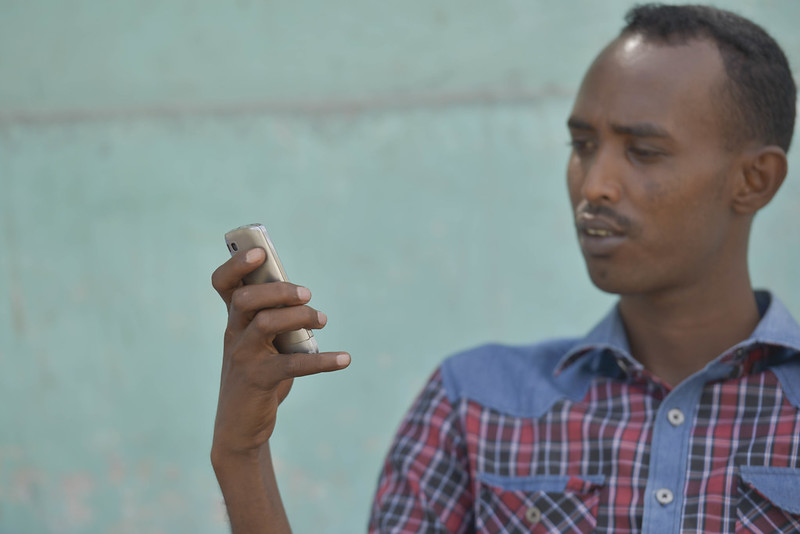 In February 2025, a grandmother in Bua, Fiji, received a single text message: “Evacuate to higher ground.” She gathered her grandchildren and left just hours before a flash flood consumed the riverbanks. That text saved five lives. Fiji secured a grant of FJ$29 million ($12.9 million) from the Green Climate Fund in support of the Early Warnings for All initiative (EW4All), bringing life-saving alerts within reach of the most vulnerable
What is Early Warnings for All
Launched by U.N. Secretary-General António Guterres in 2022, the EW4All seeks to ensure that every person on Earth is safe thanks to a life-saving multi-hazard early warning system by the end of 2027.
The effort is a direct response to the growing frequency and severity of climate-related disasters. Indeed, from cyclones in the Pacific to droughts in East Africa, communities on the frontlines of natural disasters often have little or no time to prepare. By combining meteorological science, technology, and local preparedness, EW4All aims to close this protection gap worldwide.
A Comprehensive, Multi-Pillar Approach
The initiative is co-led by the World Meteorological Organization (WMO) and the United Nations Office for Disaster Risk Reduction (UNDRR), with support from the International Telecommunication Union (ITU) and the International Federation of Red Cross and Red Crescent Societies (IFRC)
Together, these organizations oversee four essential, end-to-end pillars:
- Disaster risk knowledge (UNDRR) — mapping hazards and vulnerabilities so communities understand their risk.
- Detection, observation, monitoring, analysis, and forecasting (WMO) — ensuring accurate, timely climate and weather predictions.
- Warning dissemination and communication (ITU) — ensuring alerts reach people through mobile networks, radio, and other channels.
- Preparedness and response capabilities (IFRC) — enabling communities to take action before a hazard strikes.
These pillars work together. Without accurate data, forecasts lose precision. Without effective communication, warnings go unheard. And without preparedness, even the best warnings cannot save lives.
Tangible Progress: Funding and Country-Level Action
In February 2025, the Green Climate Fund (GCF) approved a groundbreaking $103.2 million in grant financing to bolster EW4All systems in seven climate-vulnerable countries—Antigua and Barbuda, Cambodia, Chad, Ecuador, Ethiopia, Fiji, and Somalia—benefiting more than 26 million people.
This project, led by the United Nations Development Programme (UNDP), carries a total investment of $114.6 million, including $11.3 million in co-financing from IFRC, ITU, WMO, and national governments
In Fiji, the FJ$29 million ($12.9 million) grant focuses on expanding early warning coverage in remote areas, integrating hazard monitoring with local communication systems and providing training for
Why Early Warnings Matter and Deliver Impact
Early warning systems are among the most cost-effective tools in disaster risk reduction. The Global Status Report (2022) shows that countries with substantive-to-comprehensive early warning coverage experience eight times lower disaster mortality than countries with limited coverage.
Providing just 24 hours’ notice before a hazardous event can reduce damage by about 30% and investing $800 million in early warning systems in developing countries could avoid losses of $3–16 billion annually
Scaling Impact Through Partnerships
The EW4All initiative not only coordinates funding but also drives technical assistance and national policy support. The EW4All Advisory Panel, co-chaired by the heads of WMO and UNDRR, meets twice a year to assess progress, address gaps, and align resources.
On the technology front, ITU has mobilized partnerships with mobile operators such as GSMA, Safaricom and Telefónica to deploy cell-broadcast and location-based SMS in at-risk countries, ensuring alerts are not dependent on internet access.
In parallel, the IFRC works directly with communities to run evacuation drills, distribute preparedness kits, and ensure that warnings lead to action.
A Positive Forward Outlook
As natural disaster risks intensify, EW4All out as a global solution that saves lives while protecting livelihoods. By preventing deaths, reducing asset loss and maintaining community stability, EW4All indirectly supports poverty reduction. Disasters often push vulnerable households deeper into poverty; effective early warning systems break that cycle by enabling people to protect their homes, crops and sources of income.
With two years remaining until the 2027 deadline, progress is accelerating. From the Pacific Islands to the Horn of Africa, EW4All is laying the groundwork for a safer, more resilient future—where no one faces disaster without warning.
– Prayosha Patel
Prayosha is based in Gujarat, India and focuses on Technology and Solutions for The Borgen Project.
Photo: Flickr
