Earthquakes in Afghanistan: The International Response
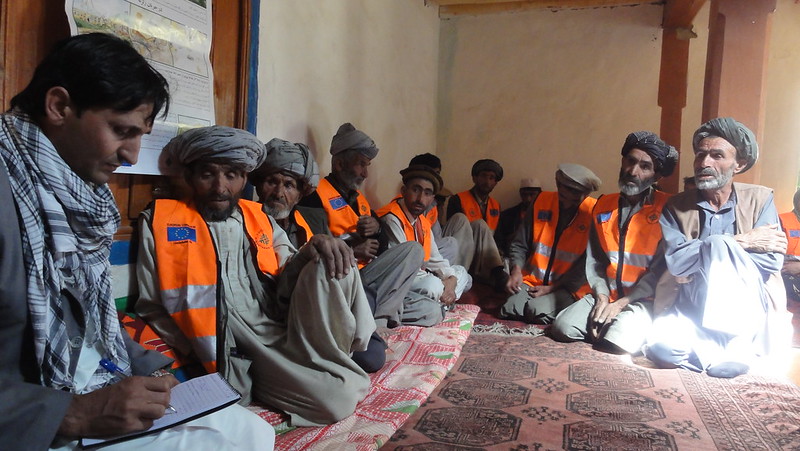 The recent earthquakes in Afghanistan have been deadly, with 2,205 people reported dead, according to the Taliban government. Three earthquakes struck the country over six days. Thousands of homes were destroyed and people were trapped in rubble, with up to 3,640 injured. The latest earthquake on Thursday, Sept. 4, had a magnitude of 5.6 and struck several areas near the Pakistan border. The area most damaged was Kunar, where 6,700 homes were destroyed. The previous earthquakes on Sunday, Aug. 31 and Tuesday, Sept. 2, impacted Afghans in the southeastern region of the country, leaving many displaced from their homes.
Survivors Share Their Stories
A resident in Kunar spoke about the effects of the earthquake on his family. Muhammad Israel said the earthquake buried his home, belongings and livestock. According to The Guardian, he said: “I barely got my children out of there. The earthquake jolts are still happening. It is impossible to live there.” Dr. Sahak, leader of the World Health Organization’s (WHO) emergency office, was at the scene to aid those injured. He arrived at Nurgal District on Monday afternoon and said he was unprepared for the devastation.
Thousands of civilians rushed to help victims and volunteer rescuers came from neighboring countries. Dr. Sahak described the scenes at the site: “We saw bodies in the street. They were waiting for the people to come in to bury them.” One survivor, Muhammed, age 60, told Dr. Sahak about the loss he had experienced. Dr. Sahak said the man had 30 family members living with him and 22 of them had died in the earthquake.
Earthquakes Deepen Poverty Crisis
A 2021 report from the United Nations Development Programme (UNDP) said that as much as 97% of Afghanistan’s population was at risk of falling below the poverty line, following what it called a “catastrophic deterioration” of the economy. New figures from the UNDP show that, as of 2024, 85% of Afghans live on less than $1 a day. An estimated 22 million Afghans are in a state of food crisis or emergency, according to Islamic Aid. The recent earthquakes have further exacerbated the country’s economic crisis, leaving thousands in eastern Afghanistan without homes or belongings.
The Impacts on Women in Afghanistan
Poverty for women in Afghanistan is extreme, with the Taliban’s restrictions not allowing women to work in most jobs. This has led to an estimated economic loss of between $600 million and $1 billion. The United Nations (U.N.) has detailed the ongoing mental health crisis for women in Afghanistan due to the loss of rights. In Afghanistan, 8% of women have reported knowing a girl or woman who attempted suicide, with 68% saying they have “very bad” mental health.
U.N. Women believes that women and girls will be among the most affected by the recent earthquakes. After the 2023 earthquake in western Afghanistan, nearly two-thirds of those injured were women and almost six in 10 of those killed were women. Many women, so far, have been deeply affected by the most recent earthquakes in Afghanistan. And with the restrictions on women’s rights in the country, many women affected by these earthquakes in Afghanistan may fall further into poverty after losing their most beloved and belongings, with restrictions prohibiting them from helping provide for their families.
Response from Charities
- United Nations Children’s Fund (UNICEF). The earthquakes in Afghanistan have destroyed entire villages, with thousands losing everything they own. Local UNICEF teams are working together to try to provide life-saving care and support to families, including medicine and clean water. It is also working with communities to build long-term resilience. The organization aims to restore schools and health care systems, as it did in 2023 after the earthquake in western Afghanistan.
- Islamic Aid. For more than two decades, this charity has been providing civilians in Afghanistan with the help they need. Even in the tough times of these earthquakes in Afghanistan, Islamic Aid continues its efforts to provide relief to those who need it the most.
- The Red Cross. For 30 years, the Red Cross has been helping the people in Afghanistan and has provided more than 47 health clinics and set up a 70-bed hospital in Kabul that has trained 2,500 volunteers. The charity named its volunteers the Red Crescent team. Members have travelled by helicopter and on foot to the hardest-hit earthquake sites. Volunteers of this aid team have been conducting search and rescue missions for those not found and are distributing relief aid throughout. While ambulances transport the injured to the overwhelmed Nangarhar Regional Specialist Hospital, volunteers on the ground are trying everything to keep victims alive.
- The World Food Programme (WFP). WFP is providing people affected by the earthquakes with biscuits and needed supplies. The charity has also set up logistics to help with moving mobile storage tents to support the broader humanitarian response. Its air service is operating flights to transport staff and supplies.
Looking Ahead
Despite the devastation, international organizations are stepping in to provide lifesaving aid and long-term recovery support for Afghans affected by the earthquakes. From emergency food and medicine to rebuilding schools and health care systems, these efforts highlight how global cooperation can bring hope and resilience to communities facing crisis.
– Alice Haston
Alice is based in Liverpool, UK and focuses on Good News and Global Health for The Borgen Project.
Photo: Flickr
