Traditions and Gender Equality for Women in Chad
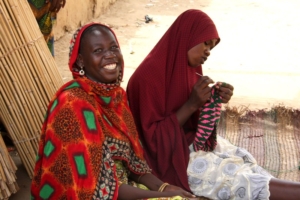 Chadian cultural practices encourage many ethnic groups to showcase their heritage through their traditions. Some of these traditions are deeply rooted in a patriarchal society where women in Chad experience exclusion from sustainable development processes, even though their participation is seen as key to a peaceful democracy.
Cultural Beliefs and Practices Throughout the Region
Many of Chad’s customs and etiquette are deeply rooted in its cultural practices and the various ethnic groups. Some of its formalities are practiced universally, such as respecting your elders, the proper handshake and different verbal greetings. Cultural festivals and ceremonies showcase Chad’s rich heritage and traditions through lively music, dance and costumes. A wide range of styles and instruments is used to express an even wider range of emotions and the diverse ethnic identities found throughout the region.
While some traditions in Chad are bright and innocent, others cause extreme harm to women. One such practice still regularly carried out is female genital mutilation (FGM). Strong motivations to continue it stem from peer pressure, as many girls fear being rejected by their community and feel compelled to comply in order to be socially accepted. The practice is viewed as a necessity for raising a girl. It is typically performed during infancy or adolescence as preparation for adulthood and marriage. It is largely intended to control a girl’s sexuality and promote celibacy until marriage.
Although considered necessary by some, this tradition has no health benefits. It damages healthy tissue and interferes with the natural anatomy of a woman’s body. All forms of FGM are linked to serious health complications, which worsen with severity. Immediate risks include urinary problems, infections, swelling, injury to surrounding tissue and even death. Long-term complications include childbirth difficulties, menstrual disorders, recurring infections and psychological trauma.
This practice reinforces patriarchal control and restricts women’s social and economic independence, reflecting their lower social status. Marriage is often the only path to economic and social security for women and there is a widespread expectation that men should marry women who have undergone mutilation.
How the Chadian Government Is Helping
The Chadian government established a Ministry of Women to promote gender equality and protect women’s rights. The ministry ensures that women’s affairs are integrated into all government policies and programs. It also works to protect women and children from discrimination and violence, promote reproductive health and education, lead awareness campaigns and implement national strategies to improve the livelihoods of women and children.
Alongside this ratification, Chad’s 2023 constitution guarantees equality for all before the law and calls for the elimination of all forms of discrimination against women. It secures and protects women’s rights while also requiring greater representation of women in assemblies and public administrations.
In 2002, the Chadian government passed a reproductive health law that upholds the right to medical services, including access to abortion as defined in Article 14. The article is to be activated through specific applications outlining the processes, guidelines and technical specifications required to provide these services.
Other countries and international organizations are also supporting Chad’s efforts toward a safer and more equal future. The United Nations Population Fund (UNFPA), a sexual and reproductive health agency working in 150 countries, including Chad, helps ensure the rights and choices of women and girls. The United Nations Children’s Fund (UNICEF) works to empower girls and women in Chad while promoting values of peaceful coexistence through youth activities in local communities.
– Eva Wakelin
Eva is based in Atlanta, Georgia USA and focuses on Good News and Global Health for The Borgen Project.
Photo: Flickr
