 Liberia is located on the Atlantic Coast and borders Sierra Leone, Guinea and the Ivory Coast. Its capital and largest city is Monrovia. Spanning approximately 111,000 square kilometers, Liberia is characterized by flat coastal plains, hills and inland mountains. Situated between 4°N and 8°N latitude, the country experiences a tropical, humid climate throughout the year.
The elderly population in Liberia, defined as those aged 65 and above, comprises approximately 2.8% of the total population, or roughly 147,000 people. Of these, approximately 61% are “young-old” (65–74 years), 23% are “middle-old” (75–84 years), and 16% are “old-old” (85 years and older). More than half (55%) live in rural areas. Many elderly Liberians face significant hardships driven by poverty, limited social safety nets and minimal pension coverage. Most have not worked in the formal sector, leaving them without pension benefits. Many are survivors of prolonged civil conflict and economic hardship, relying heavily on family or community support for survival. Here is more information about elderly poverty in Liberia.
The Plight of Elderly Poverty in Liberia
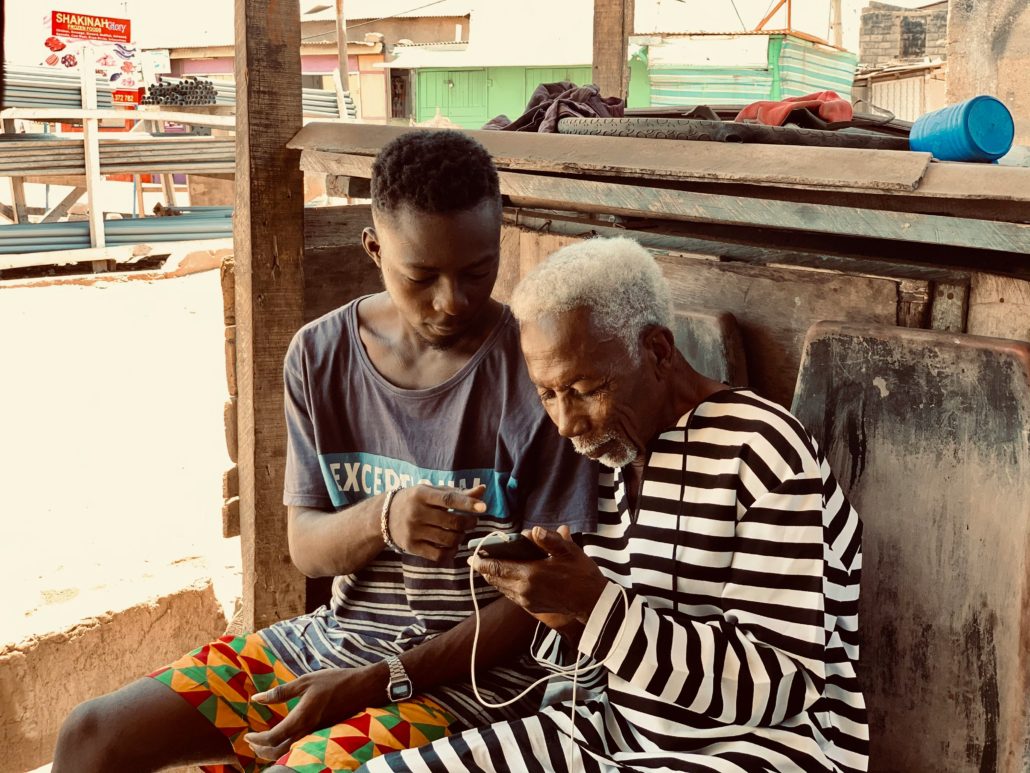
In exploring the plight of the elderly in Liberia: challenges, social conditions and support initiatives, stories of elderly Liberians reveal harsh realities. Martha Nyemah, aged 96, lost two children to war, and the remaining two left Liberia. Currently, she depends on a distant relative who pushes her in a wheelbarrow to beg on the streets of Monrovia. These examples highlight widespread issues of abandonment, social discrimination and poverty among the elderly in Liberia.
Many elderly people in Liberia experience rejection, accusations of witchcraft and neglect from family or community members. Due to the breakdown of extended family support systems and the absence of comprehensive state welfare programs, most live in poverty or must resort to begging to survive. While some national pension schemes exist, they cover only a small fraction of the elderly, leaving most without financial security.
Context of Elderly Poverty in Liberia
Liberia traditionally values extended family ties, which provide informal care for elders. However, economic hardship and societal shifts are weakening these bonds. The government lacks specific agencies or infrastructure dedicated to elder care, and most seniors are cared for at home by relatives who often lack the necessary resources and skills for proper elderly care. Formal institutions, such as long-term care facilities, are often nonexistent, leaving families and informal networks to provide for aging members.
US Support to Liberia
The United States (U.S.) plays a significant role in addressing some of the challenges faced by the elderly population. The U.S. mainly supports Liberia through humanitarian aid, development assistance and health programs. Over recent years, it has pledged billions of dollars; for the fiscal years of2023 and 2024, aid figures hovered around $167.5 million annually. Agencies such as USAID, the Department of State and military programs provide significant resources.
In 2023, approximately $167.5 million went toward supporting economic development, health care, education and infrastructure. U.S. military hospitals received donations of medical equipment, including endoscopic tools to improve diagnosis and treatment. USAID has historically funded programs targeting malaria, maternal health, HIV/AIDS and community health. However, recent reductions in aid, especially from USAID, have caused setbacks. Shortages of medicines, reduced healthcare services, and disruptions in essential programs like HIV prevention and maternal care have emerged. Community grants from the U.S. embassy aim to support local projects, but the overall decline in aid hampers progress.
Despite ongoing partnerships, funding cuts threaten long-term health and development programs. Nonetheless, efforts to support the elderly in Liberia, including addressing challenges, improving social conditions, and implementing support initiatives, continue with contributions from Non-Governmental Organizations (NGOs) such as HelpAge International and the National Senior Citizens Federation, which work to improve the lives of older people. These organizations provide health care, nutrition, mobility aids, psychosocial assistance and advocate for the rights of elders — vital in a context where formal elder care infrastructure is lacking.
How GAROP is Addressing Elderly Poverty in Liberia
Liberia faces challenges in caring for its aging population. However, international and local organizations offer hope. Many NGOs and community groups, such as Global Alliance for the Rights of Older People (GAROP) and HelpAge International, are actively working to enhance the well-being of older adults.
The Global Alliance for the Rights of Older People (GAROP) has supported several concrete projects in Liberia with a focus on advocacy, emergency response and capacity-building for organizations that support older people. GAROP supported the National Old Folks of Liberia, Inc. (NOFOL) to organize a public rally on April 4, 2024. This event brought together elders and advocates to demand the passage of a bill establishing a National Commission for the Elderly and to encourage Liberia’s participation and support of a UN Convention on the Rights of Older People. The rally provided a public platform for elderly Liberians to voice their needs and directly influence policymakers.
GAROP’s collaboration with the Coalition of Caregivers and Advocates for the Elderly in Liberia (COCAEL)—a network of 16 NGOs—has centered on advocacy, ensuring elderly inclusion in national health and social policies, especially during the Ebola and COVID-19 crises. The “Global Fight Against Ageism Project” in Liberia highlighted the exclusion of older people from initial emergency response structures and urged the government to improve representation.
HelpAge International’s Efforts
HelpAge International is working in Liberia by partnering with the Center for Community Advancement and Family Empowerment (CECAFE) to improve the lives of older people through community development, advocacy and service programs. The partnership focuses on building the capacity of communities to better serve vulnerable groups, especially the elderly and organizing national conferences, campaigns and networks to enhance support for older people.
The CECAFE–HelpAge collaboration influenced government policy to include the well-being of older people in national crisis responses, such as the Ebola response and subsequent humanitarian planning, where the needs of the elderly had previously been overlooked.
Distribution campaigns, coordinated through the partnership and the COCAEL network, delivered food, health supplies, and preventive awareness materials to vulnerable elderly people during and after the Ebola outbreak, reaching residents in old folks’ homes and community-dwelling seniors in various parts of Liberia.
Social work students received expanded training and practical internships through CECAFE, building local capacity for professional social support to vulnerable groups, including the elderly. This has created a pipeline of practitioners with direct community service skills.
Looking Ahead
In conclusion, Liberia’s elderly population confronts significant hardships due to poverty, social discrimination, and a lack of formal care systems. However, ongoing international support, particularly from the U.S. and NGOs, helps to address some of these gaps. Greater awareness and targeted efforts are needed to ensure that Liberia’s elders can age with dignity, security and access to essential services.
– Joan F. Avila
Joan is based in Alexandria, VA, USA, and focuses on Business and Politics for The Borgen Project.
Photo: Unsplash

Taking Action Against Yellow Fever in Colombia
However, it can be prevented by vaccines, which are relatively affordable and easily accessible. Nonetheless, depending on the region, it can be harder to access or afford. In 2025, five countries reported an increasing presence of yellow fever. In Colombia (as of June 28, 2025), there have been 114 confirmed human yellow fever cases, 49 confirmed deaths and case fatality rate of 43%.
The Pan-American Health Organization (PAHO) offered training to health teams through the PROTECT initiative in Colombia. It educated health workers on taking preventative measures quickly and efficiently against outbreaks of viral diseases such as yellow fever.
Education From Health Professionals
Following the deaths of the monkeys, several immediate preventative measures were taken. These included vaccinating environmental workers, conducting entomological studies and analyzing the affected area. Due to the training offered by PAHO, health teams were taught how to take samples from wildlife safely and the importance of integrated surveillance.
Integrated surveillance showed health workers the importance of monitoring primates and mosquitoes in the area and shared many tools to take preventative action and control outbreaks. Due to strong surveillance of the area, Colombian professionals were able to identify the presence of yellow fever in Putumayo, Colombia and control further spread of the virus.
Maintaining high vaccination levels and continued wildlife surveillance will help catch future outbreaks before they become too severe. Colombia has issued regulations and laws to help contain the spread of yellow fever and increase preparedness for future situations where swift action is needed.
PAHO has urged countries to “maintain active surveillance, vaccinate at-risk populations and ensure rapid responses to early warning signs — such as unexplained monkey deaths.” This is extremely important because our health depends on the health of our environment and the wildlife inside it. Monkeys are extremely similar to humans, so we won’t be far behind if they are affected.
The Future of PAHO’s Health Initiative
PAHO has made guidance documents publicly available on the regional level, which include instructions on safe sample collection, guidelines for managing control endeavors and maps of high-risk areas. It continues to conduct in-person training on surveillance and entomology of yellow fever for vulnerable countries.
Colombia has also issued circulars that establish transitional measures for yellow fever vaccinations. The criteria of these letters extend from ages 9 months to 59 years of age. The public health risk of yellow fever is extremely high.
However, with these measures implemented by PAHO/WHO, such as increasing vaccination levels, people have been successfully learning to save lives and contain outbreaks of yellow fever in Colombia.
– Bowie Aldrich
Photo: Unsplash
Progress on Clean Water in Kenya
However, progress is underway through partnerships between local communities, NGOs, international organizations and intentional partners. They work together to create lasting solutions that improve health, education and economic opportunities.
The Challenges of Water Insecurity
For Kenyan families, fetching water requires walking long distances, sometimes several hours daily. Women and children are the most affected, often sacrificing time for education or work to ensure their household has water. Even then, the water they collect is not always safe, contributing to the spread of cholera, typhoid and diarrhea.
These diseases are some of the leading causes of death in Kenya, particularly among young children. Without reliable water, farming and livestock rearing, the backbone of rural economies, also face challenges.
The Upper Tana-Nairobi Water Insecurity
One of the most impactful initiatives addressing water scarcity in Kenya is the Upper Tana-Nairobi Water Fund, launched by The Nature Conservancy. The fund protects Nairobi’s main water source by encouraging sustainable farming practices, reducing soil erosion and expanding tree planting in the Upper watershed.
This approach benefits both the environment and local communities. More than 70,000 hectares are now under improved management, helping secure clean water for millions of people in Nairobi. At the same time, farmers gain from healthier soil and improved crop yields. By investing in nature-based solutions, the fund creates a sustainable cycle that ensures clean water for urban residents while strengthening rural livelihoods.
Sand Dams: Harnessing Rain Water for the Dry Seasons
The Africa Sand Dam Foundation (ASDF) builds sand dams in drought-prone regions that store rainwater in sandy riverbeds, making it available throughout dry seasons. These structures now benefit nearly one million people by reducing time spent fetching water, cutting disease rates and supporting small-scale farming.
Organizations like Aqua Clara Kenya focus on WASH by providing filters, community training and school programs. Its work has reached hundreds of thousands, strengthening hygiene practices and ensuring access to safe drinking water.
Meanwhile, Water is Life Kenya works with Maasai communities to drill boreholes, provide WASH education and empower women. Women often serve in leadership roles on local water committees, gaining both a voice and an opportunity to shape decisions affecting their lives.
This empowerment has ripple effects, communities not only gain access to clean water but also create new economic opportunities. Health improves, children can attend school more regularly and women can invest time in businesses or farming instead of long water treks.
A Future of Shared Progress in Kenya
The clean water story is still evolving. While millions remain without safe access, the progress made through partnerships between local communities, NGOs and international organizations offers hope by combining infrastructure projects like sand dams and boreholes with education, conservation and women’s empowerment. These efforts are tackling water insecurity from multiple angles.
The journey toward universal clean water access in Kenya is far from over. However, each initiative brings the country closer to ensuring every family has the right to safe, reliable water. The impact goes beyond hydration; it transforms health, education, gender equality and economic growth, shaping a brighter and more resilient future.
– Reign Lankford
Photo: Pixabay
Trees That Feed Foundation: The Breadfruit Revolution
Feeding Communities
In Haiti’s Central Plateau, Klinik Sen Jozèf and the Trees That Feed Foundation have integrated breadfruit into school meals and malnutrition programs. Farmers were given saplings to grow their own crops, and breadfruit flour was added to feeding initiatives, directly improving children’s diets and reducing hunger.
Uganda has embraced breadfruit as both a household food and a source of income. Families grow orchards that provide hundreds of fruits per year, enough to feed households and sell in local markets. Entrepreneurs have also begun processing breadfruit into snacks and baked goods, creating jobs and supporting community health. Breadfruit’s role as a consistent harvest makes it a cornerstone of breadfruit food security in East Africa.
In Puerto Rico, breadfruit has become part of the island’s recovery and resilience strategy. After Hurricane Maria devastated traditional crops, breadfruit remained productive The company Amasar now uses the fruit to create pancake and waffle mixes, making breadfruit part of both local diets and the economy. This adaptability shows how breadfruit hunger solution projects provide stability during crises.
Agroforestry and Climate Resilience
In Hawaii, people are restoring breadfruit in traditional groves ‘ulu, where it regenerates degraded soil and supplies food to schools and food banks. In Uganda, farmers are planting breadfruit within agroforestry systems, where it strengthens ecosystems and improves harvests of other crops. Studies also confirm that breadfruit thrives under climate change conditions, with its growing range stable and expanding in Sub-Saharan Africa.
Global Expansion
Governments and NGOs are scaling breadfruit worldwide. The Trees That Feed Foundation and the National Tropical Botanical Garden have distributed tens of thousands of saplings across the Caribbean, Africa, and Asia.
From Haiti’s classrooms to Puerto Rican kitchens and Ugandan farms, breadfruit is proving its value as a sustainable crop that feeds, employs, and restores. What was once talked about as potential is now visible in thriving programs and markets across the tropics.
The world is witnessing the real impact of the breadfruit revolution. With every orchard planted and every new product created, breadfruit hunger solution initiatives are bringing families closer to lasting breadfruit food security worldwide.
– Diane Dunlop
Photo: Flickr
Force For Good Foundation and Nourish The Children Initiative
The Force for Good Foundation
The main organization, the Force For Good Foundation, is a comprehensive nonprofit that focuses on improving the quality of life worldwide. Despite working with disaster relief and coastline preservation, the organization focuses on lifting children out of poverty without geographical constraints. Having been active for over 20 years in 50 countries and impacting more than 100,000 children, the Force For Good Foundation has undoubtedly been a leading organization in poverty reduction.
The secondary organization, Nourish the Children, is a for-profit social initiative focusing on combating hunger and malnutrition. Hunger plays a major role in adolescent poverty, causing 3.1 million deaths under the age of 5. Recognizing that at the bare minimum, children need to survive, NU Skin dedicates additional effort through Nourish the Children.
NU Skin’s Impact
NU Skin’s organizations undertook significant projects in Africa. The Force For Good Foundation has three programs in Malawi centered around conservation, sustainability, and access to clean water. The programs include the School of Agriculture for Family Independence (SAFI), Seeds of Hope, and Wells of Hope. SAFI introduces residents to sustainable farming techniques, with an increased yield of 700% after implementation.
The Wells of Hope, which built clean wells in villages each serving 500 people, reduces waterborne illnesses such as dysentery. Paired with Seeds of Hope’s preservation of native vegetation such as the sacred Baobab tree, villages have become increasingly secure and stable.
Food Distribution
In addition to development, Nourish the Children provides direct relief through distributing food to malnourished children in Malawi. NU Skin partners with food manufacturers to create VitaMeal, a nutrient rich vegetarian meal designed for malnourished children. Based on customer’s additional donations when a product is purchased, meals are manufactured and sent to Malawi. As each unit can feed up to 30 children for a month, more than 70,000 children receive food a day.
So far, the impact NU Skin’s Force For Good Foundation has made is monumental. As of 2023, the organization has given more than $3.5 million to advance the missions of the foundation. In the same year, NU Skin chartered 30 grants. Nonprofits need a stable amount of funding to stay afloat. On top of donations, NU Skin is dedicating a share of revenue to fund the foundation demonstrates significant philanthropic commitments and a desire to create value for the impoverished.
Companies such as NU Skin are leaders in promoting philanthropy in a luxurious industry. With noticeable success and impact on impoverished children, other high-end companies may follow suit. After all, a wealthy consumer base holds the most power to transform living conditions in impoverished communities.
– Owen Wu
Photo: Flickr
Addressing Elderly Poverty in Liberia
The elderly population in Liberia, defined as those aged 65 and above, comprises approximately 2.8% of the total population, or roughly 147,000 people. Of these, approximately 61% are “young-old” (65–74 years), 23% are “middle-old” (75–84 years), and 16% are “old-old” (85 years and older). More than half (55%) live in rural areas. Many elderly Liberians face significant hardships driven by poverty, limited social safety nets and minimal pension coverage. Most have not worked in the formal sector, leaving them without pension benefits. Many are survivors of prolonged civil conflict and economic hardship, relying heavily on family or community support for survival. Here is more information about elderly poverty in Liberia.
The Plight of Elderly Poverty in Liberia
In exploring the plight of the elderly in Liberia: challenges, social conditions and support initiatives, stories of elderly Liberians reveal harsh realities. Martha Nyemah, aged 96, lost two children to war, and the remaining two left Liberia. Currently, she depends on a distant relative who pushes her in a wheelbarrow to beg on the streets of Monrovia. These examples highlight widespread issues of abandonment, social discrimination and poverty among the elderly in Liberia.
Many elderly people in Liberia experience rejection, accusations of witchcraft and neglect from family or community members. Due to the breakdown of extended family support systems and the absence of comprehensive state welfare programs, most live in poverty or must resort to begging to survive. While some national pension schemes exist, they cover only a small fraction of the elderly, leaving most without financial security.
Context of Elderly Poverty in Liberia
Liberia traditionally values extended family ties, which provide informal care for elders. However, economic hardship and societal shifts are weakening these bonds. The government lacks specific agencies or infrastructure dedicated to elder care, and most seniors are cared for at home by relatives who often lack the necessary resources and skills for proper elderly care. Formal institutions, such as long-term care facilities, are often nonexistent, leaving families and informal networks to provide for aging members.
US Support to Liberia
The United States (U.S.) plays a significant role in addressing some of the challenges faced by the elderly population. The U.S. mainly supports Liberia through humanitarian aid, development assistance and health programs. Over recent years, it has pledged billions of dollars; for the fiscal years of2023 and 2024, aid figures hovered around $167.5 million annually. Agencies such as USAID, the Department of State and military programs provide significant resources.
In 2023, approximately $167.5 million went toward supporting economic development, health care, education and infrastructure. U.S. military hospitals received donations of medical equipment, including endoscopic tools to improve diagnosis and treatment. USAID has historically funded programs targeting malaria, maternal health, HIV/AIDS and community health. However, recent reductions in aid, especially from USAID, have caused setbacks. Shortages of medicines, reduced healthcare services, and disruptions in essential programs like HIV prevention and maternal care have emerged. Community grants from the U.S. embassy aim to support local projects, but the overall decline in aid hampers progress.
Despite ongoing partnerships, funding cuts threaten long-term health and development programs. Nonetheless, efforts to support the elderly in Liberia, including addressing challenges, improving social conditions, and implementing support initiatives, continue with contributions from Non-Governmental Organizations (NGOs) such as HelpAge International and the National Senior Citizens Federation, which work to improve the lives of older people. These organizations provide health care, nutrition, mobility aids, psychosocial assistance and advocate for the rights of elders — vital in a context where formal elder care infrastructure is lacking.
How GAROP is Addressing Elderly Poverty in Liberia
Liberia faces challenges in caring for its aging population. However, international and local organizations offer hope. Many NGOs and community groups, such as Global Alliance for the Rights of Older People (GAROP) and HelpAge International, are actively working to enhance the well-being of older adults.
The Global Alliance for the Rights of Older People (GAROP) has supported several concrete projects in Liberia with a focus on advocacy, emergency response and capacity-building for organizations that support older people. GAROP supported the National Old Folks of Liberia, Inc. (NOFOL) to organize a public rally on April 4, 2024. This event brought together elders and advocates to demand the passage of a bill establishing a National Commission for the Elderly and to encourage Liberia’s participation and support of a UN Convention on the Rights of Older People. The rally provided a public platform for elderly Liberians to voice their needs and directly influence policymakers.
GAROP’s collaboration with the Coalition of Caregivers and Advocates for the Elderly in Liberia (COCAEL)—a network of 16 NGOs—has centered on advocacy, ensuring elderly inclusion in national health and social policies, especially during the Ebola and COVID-19 crises. The “Global Fight Against Ageism Project” in Liberia highlighted the exclusion of older people from initial emergency response structures and urged the government to improve representation.
HelpAge International’s Efforts
HelpAge International is working in Liberia by partnering with the Center for Community Advancement and Family Empowerment (CECAFE) to improve the lives of older people through community development, advocacy and service programs. The partnership focuses on building the capacity of communities to better serve vulnerable groups, especially the elderly and organizing national conferences, campaigns and networks to enhance support for older people.
The CECAFE–HelpAge collaboration influenced government policy to include the well-being of older people in national crisis responses, such as the Ebola response and subsequent humanitarian planning, where the needs of the elderly had previously been overlooked.
Distribution campaigns, coordinated through the partnership and the COCAEL network, delivered food, health supplies, and preventive awareness materials to vulnerable elderly people during and after the Ebola outbreak, reaching residents in old folks’ homes and community-dwelling seniors in various parts of Liberia.
Social work students received expanded training and practical internships through CECAFE, building local capacity for professional social support to vulnerable groups, including the elderly. This has created a pipeline of practitioners with direct community service skills.
Looking Ahead
In conclusion, Liberia’s elderly population confronts significant hardships due to poverty, social discrimination, and a lack of formal care systems. However, ongoing international support, particularly from the U.S. and NGOs, helps to address some of these gaps. Greater awareness and targeted efforts are needed to ensure that Liberia’s elders can age with dignity, security and access to essential services.
– Joan F. Avila
Photo: Unsplash
Instituto Charles do Bronx: Giving Back to the Favelas
The fight went ahead, but only Gaethje was eligible to claim the belt. The setback proved temporary. In Phoenix, Arizona, after being rocked early, Oliveira locked Gaethje in a chokehold to reclaim the championship. The crowd erupted, but the biggest reaction came from his home Protégées commentary team when Gaethje finally tapped out.
Growing Up in the Favelas
UFC 274 wasn’t the only pause in Do Bronx’s journey, which is marked by highs and lows. Growing up in the favelas of Brazil, Oliveira has become a symbol of resilience and a hometown hero. He earned his nickname, “Do Bronx,” from the area where he grew up in São Paulo, Brazil.
Oliveira also faced a major setback at age 7, when he was diagnosed with rheumatic fever and a heart murmur—conditions that doctors warned could leave him paraplegic. But with the support of his family, who sold snacks and cardboard to fund his training, Oliveira defied the odds. He started practicing Brazilian jiu-jitsu (BJJ) at age 12. Da Silva would turn to BJJ to escape the violence and for a sense of community at home.
“That was my mother’s concern,” Oliveira said. “I lost friends to crime—unfortunately, some died, others are in prison. I still know people who live that life; they chose it. But thanks to my mother, I chose the right path. We chose the right side, all my family, my brothers.”
Even against doctors’ advice, Oliveira kept participating in activities despite his medical condition. In an interview with ESPN, Oliveira described continuing his BJJ journey despite his medical conditions: “If it is God’s will for me to die, then I will die,” he stated.
Oliveira continued to pursue what he loved, becoming an inspiration to the people of Brazil, the same community he would give back to at the peak of his career. He has become a catalyst for supporting communities and helping people in need around the world.
The Rise of Do Bronx
Oliveira’s UFC career began in 2010. Over the next decade, he would become one of the most decorated fighters in the sport, with 16 submission wins, 20 finishes and 20 performance bonuses. Oliveira’s early UFC career was far from smooth. Multiple losses and ongoing weight-cut issues stalled his progress. But then, everything clicked. Starting in 2018, he went on an 11-fight winning streak until 2022. The highlight of this streak came in 2021, when he claimed the vacant lightweight title with a victory over Michael Chandler.
Oliveira earned the nickname “Do Bronx” after his hometown in Brazil. The name translates to “from the Bronx” and is a mark of honor for someone who grew up in the Brazilian favelas. For him, “Do Bronx” became more than a nickname; it was a calling, a symbol of pride and a way to represent his community. “A kid who came from nothing, from the bottom, from the favelas, disparaged,” said Oliveira. “That’s what ‘Do Bronx’ means to me. A kid who came from the favela to win.”
Instituto Charles do Bronx
Despite global fame, Oliveira never forgot his roots. In 2012, he founded the Instituto Charles do Bronx in his hometown. The institute offers free jiu-jitsu classes, education and mentorship to underprivileged youth, many of whom face the same challenges he once did.
The institute has served more than 150 young people and continues to grow. In 2023, Oliveira expanded the facility to include sign language classes and academic tutoring. His efforts earned him the 2025 UFC Forrest Griffin Community Award, personally selected by UFC CEO Dana White.
“[Oliveira] is not only a great athlete, he’s an amazing role model who enjoys giving back to the community,” White said. “It’s an honor to present him with his award.” This isn’t the only way da Silva has given back to his community. A heartwarming moment unfolded in his hometown shortly after his UFC 256 victory. Da Silva returned to his hometown to distribute meal kits to residents, many of whom had been severely impacted by the COVID-19 pandemic.
“During this pandemic, y’all know several families struggled,” Oliveira tweeted. “Today, I had the opportunity of donating food to the Prainha community. If you can, please help those who need help. Small efforts can generate huge impacts. Give it a try.”
The Champ Will Forever Have a Name
Oliveira’s impact goes beyond charity and the Instituto Charles do Bronx. He’s currently the subject of a biopic in development by 405 Films, which will chronicle his rise from the favelas to UFC glory. In April 2025, he was inducted into the UFC Hall of Fame for his fighting prowess and humanitarian work.
Now at 35 years old, coming off a knockout loss for the lightweight belt, Oliveira is preparing for another comeback fight at UFC Rio against Rafael Fiziev, a homecoming in a way for the only “Do Bronx.” Whether or not he reclaims the lightweight title before his career ends, Oliveira has already won something far greater: the hearts of his people and a legacy in giving back that will inspire generations.
– Dylan Fly
Photo: Flickr
Breaking the Cycle of Disability and Poverty in Lesotho
Disability, Poverty and Social Protection in Lesotho
A report evaluating the effectiveness of Lesotho’s social protection policies and initiatives was published by the World Bank in partnership with the government of Lesotho. The research emphasizes the necessity for robust, efficient social protection measures to assist disadvantaged individuals in meeting their fundamental requirements. This need is especially urgent given Lesotho’s lackluster economic growth and constrained fiscal resources, which are further stretched by the COVID-19 pandemic.
Lesotho’s achievement in developing safety net systems is acknowledged in the Social Protection Program and Systems Review. The review also offers several policy recommendations to boost cost savings and improve program efficacy and coverage. According to the Ministry of Social Development, Lesotho implements several key social protection initiatives to support the underprivileged.
One such initiative is the Child Grant Program, an unconditional cash transfer designed to improve the standard of living for low-income families with children younger than 18. The program aims to boost school enrollment, strengthen health outcomes and reduce malnutrition.
Lesotho’s Disability Act: Progress Made, Challenges Remain
Lesotho, a nation that has historically lagged in promoting rights and support for people with disabilities and poverty, saw a turning point with the passage of the Persons with Disability Act in 2021. The Act creates a legal framework to protect the autonomy, dignity and inclusion of people with disabilities in all areas of life.
However, even while the law has undoubtedly paved the way for PWDs to participate more fully in the business and economic sectors, structural issues and implementation still prevent the full potential of its revolutionary power from being realized. To ensure meaningful inclusion, systematic reforms must be implemented to align with the United Nations Convention on the Rights of Persons with Disabilities, which Lesotho has ratified.
Lesotho Advances Disability Rights With Landmark Equity Bill
The Disability Equity Bill represents a major step forward for Lesotho’s social inclusion goals, crippling disability and poverty, according to the World Bank. The organization outlined its “10 Promises” in the summer of 2018 to accelerate global action for development that includes people with disabilities. The Disability Equity Bill builds on Lesotho’s previous efforts.
The country ratified the United Nations Convention on the Rights of Persons with Disabilities in 2008, becoming the 42nd nation. In 2017, the Constitutional Court struck down a provision in the Criminal Procedure and Evidence Act of 1981 that barred people with intellectual disabilities from testifying in court. The new bill requires the convention to be demonstrated and ensures that the rights it guarantees are implemented.
Takeaway
Lesotho has made progress in social protection and disability through programs like the Child Grant and laws such as the Persons with Disability Act and the Disability Equity Bill. Despite those advances, structural challenges and weak implementations limit their full effectiveness. Strengthening systems and enforcing disability rights are essential to reduce poverty and promote meaningful inclusion.
– Joshua Pettis
Photo: Flickr
Addressing Elderly Poverty in the Solomon Islands
Nonprofit organizations such as the West ‘Are’ Are Rokotanikeni Association (WARA) work to reduce poverty and uplift the social status of women in the Solomon Islands. The government of Australia works closely with the Solomon Islands through Australia’s Official Development Assistance (ODA) program, aiming to improve the quality of life, boost the economy and strengthen the country’s resilience. With elderly Solomon Islanders being the most vulnerable, assistance from the neighboring country supports healthier outcomes against elderly poverty.
Elderly Population
The elderly population of the Solomon Islands over the age of 65 is 5%. As they are the most vulnerable population, the elderly need as much assistance as possible to continue living their lives with friends and family. Many elderly people are susceptible to noncommunicable diseases such as strokes, heart disease, kidney disease and diabetes. The elderly Solomon Islanders in poverty suffer from the lack of basic health care needs, food insecurity, malnutrition and hunger. With a majority of the population living in rural areas in general, the elderly suffer without access to transportation, food or clean water.
Transportation and Health Care
Many Solomon Islanders travel via boat to different islands for work or other necessities. Without access to transportation, the elderly island people have difficulty getting the care they need. In the capital city of Honira, 75% of the doctors work in the National Referral Hospital (NRH), while a majority of the nation’s population lives in rural areas.
NRH is known to be the best hospital in the country because of its access to resources, quality care and accessible location on the main island, Guadalcanal. NRH connects with organizations such as the Australian Volunteer Program to work alongside local hospitals and clinics to provide care to young and elderly patients. Education programs such as the Postgraduate Diploma of Rural Medicine enable provincial doctors to work in rural hospitals and clinics as specialists.
Australia’s Official Development Assistance Program
Australia’s goal in its partnership with the Solomon Islands is to make the country more stable and prosperous. To make this goal possible, the ODA has three objectives. The first objective is creating more job opportunities, building economic growth and infrastructure. The second objective is investing in the Solomon Islands people and communities. Finally, the third objective is improving stability and resilience in the Solomon Islands.
Reducing the Poverty Rate
The Solomon Islands’ National Development Strategy (NDS) is a government-led plan to improve the Solomon Islands’ economy, infrastructure, workforce and bring poverty down to 5% by 2035. This long-term plan focuses on “improving the social and economic livelihoods of all Solomon Islanders.” In reducing the poverty rate, the government of the Solomon Islands plans to focus on the basic needs of the native people, such as sanitation, transportation, clean water and food security, increasing employment and job security and resolving gender inequality for women and people with disabilities.
Looking Ahead
Through surrounding countries and island nations, the resources needed to improve elderly poverty in the Solomon Islands are available, though progress comes in steps. Australia’s government provides support through ODA, along with branches of government organizations and nonprofits working alongside the Solomon Islands. The country’s own government has long-term plans to address poverty and is actively taking steps to support even the most vulnerable people, including the elderly. Together, these efforts look to create a path toward lasting progress and a stronger future for the Solomon Islands.
Gene A. Lambey, Jr.
Photo: Flickr
5 Facts About Vietnam’s Economic Reforms
Vietnam’s Growth Is Outpacing the Region
In the first half of 2025, Vietnam recorded 7.5% GDP growth, one of the highest rates among Southeast Asian economies. While many countries have struggled with trade tensions and slowing global demand, Vietnam’s export-oriented economy has remained resilient. Manufacturing continues to be a major growth driver, with foreign investors flocking to Vietnam as an alternative hub to China for electronics, textiles and consumer goods. This fast-paced economic growth has positioned Vietnam as one of Asia’s leading economic success stories.
One of the clearest indicators of Vietnam’s progress is the sharp decline in poverty. In 2010, 13 million people lived under the international poverty line of $3.65 per day. By 2022, that figure had dropped to 4.2 million. This achievement reflects not only rising incomes but also the government’s investment in health, education, and rural development. Poverty reduction has been one of Vietnam’s greatest success stories and is often cited by the World Bank as a model for other developing countries for economic reforms.
Ambitious Infrastructure and Reform Projects
Vietnam is investing heavily in infrastructure and governance reforms to sustain long-term growth as reform. Major projects include a rail link connecting Vietnam to China, as well as plans to launch its first nuclear power plants to meet rising energy demand. At the same time, the government has approved an ambitious administrative reform program that involves merging provinces and reducing bureaucratic layers. These changes are designed to make governance more efficient, cut costs, and improve the business environment.
Despite global uncertainty, Vietnam has managed to keep both exports and foreign direct investment flowing steadily. Multinational corporations see Vietnam as an attractive destination because of its competitive labor costs, strategic location and trade agreements with major markets. Foreign investment is spread across manufacturing, energy and technology, reflecting Vietnam’s diversification beyond tradition. This ongoing flow of investment is a critical driver of growth for Vietnam’s economic reforms.
Vietnam Is Moving Toward Emerging Market Status
Perhaps the most symbolic sign of Vietnam’s progress is its effort to upgrade its classification from a frontier market to an emerging market. Vietnamese officials recently met with representatives from the London Stock Exchange and FTSE Russell to advance this goal. Such an upgrade could open the door to billions of dollars in new foreign investment, as global funds tracking emerging market indices would be able to include Vietnam. Achieving this milestone would not only boost Vietnam’s financial markets but also signal global recognition of its economic maturity.
– Nilay Ersoy
Photo: Flickr
Bridging the Digital Divide in Barbados
Still, significant progress has been made. Barbados has modernized its public sector through improved digital channels. The digital divide in Barbados is also narrowing thanks to the accelerated pace of digital transformation, led partly by the UNDP. This effort targets government institutions, strategic partners, businesses and the youth.
In addition, the UNDP’s blueDIGITAL initiative has provided essential tools to support fisherfolk, government agencies, tourism partners and the wider public. These tools are driving innovative digital solutions tailored to Barbados’s specific needs, further helping to bridge the digital divide.
Current Issues
As of 2022, an estimated 76% of Barbados’s population has internet access. However, challenges remain: only 25% of the most visited websites in the country can be accessed locally and overall internet quality is below standard for the general population due to weak market competition. Additionally, the nation’s internet resilience score of 46% means it can withstand only limited disruptions.
According to the Global Cybersecurity Index, Barbados ranks among evolving nations (score of 20-55) in handling cyber incidents. The country has about 1,889 domains registered under its country code (.bb). However, the main challenge is limited locally hosted content, which weakens internet resilience and slows progress in bridging the digital divide.
Working To Move Forward
The digital divide in Barbados has gradually narrowed, thanks in part to outside support. Key contributions include the modernization of the public sector, the accelerated pace of digital transformation and the UNDP’s blueDIGITAL initiative.
Support from the Inter-American Development Bank (IDB) has also been critical. Its $40 million loan to Barbados is driving the digital transformation of public administration, while efforts are underway to improve both public and private services. These changes aim to reduce transactional costs and make services more accessible.
The UNDP has also played a key role in reducing the digital divide in Barbados. Through two digital transformation initiatives, the Business Adaptation Programme and Work Online Dominica, the UNDP has helped participants adapt to the digital world of work. These programs equip individuals with skills to manage their businesses, strengthen marketing and improve their financial standing.
Conclusion
Barbados has faced its fair share of issues regarding its internet stability and getting everyone online, with many problems still being faced with major cyber incidents and their prevention. However, with assistance from the UNDP and the IDB, Barbados has made significant progress in its digital development. Thanks to these initiatives, the digital divide in Barbados grows narrower with each passing day.
– Amari Jennings
Photo: Flickr