• Link to X
  • Link to Facebook
  • Link to Instagram
  • Link to TikTok
  • Link to Youtube
  • About
    • About Us
      • President
      • Board of Directors
      • Board of Advisors
      • Financials
      • Our Methodology
      • Success Tracker
      • Contact
  • Act Now
    • 30 Ways to Help
      • Email Congress
      • Call Congress
      • Volunteer
      • Courses & Certificates
      • Be a Donor
    • Internships
      • In-Office Internships
      • Remote Internships
    • Legislation
      • Politics 101
  • The Blog
  • The Podcast
  • Magazine
  • Donate
  • Click to open the search input field Click to open the search input field Search
  • Menu Menu

Tag Archive for: USAID

Information and news about mobile technology

Posts

Food Security, Global Poverty

How Agriculture is Ending Poverty in Indonesia

How Agriculture is Ending Poverty in Indonesia
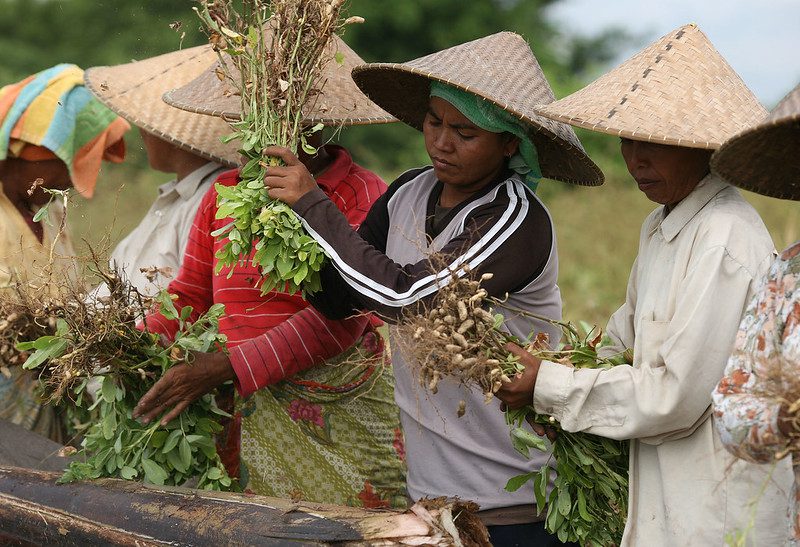
Indonesia has struggled with poverty since the Asian financial crisis of the late 1990s. However, the rate of poverty has been steadily decreasing over the years. In 1999, Indonesia’s poverty rate was a staggering 24%. In 2013, it had dropped to 11.4%, and in 2019, it stood at 9.4%. Below are several ways agriculture is ending poverty in Indonesia.

Palm Oil Production in Indonesia: Providing Jobs and Alleviating Poverty

Palm oil is one of the most commonly used vegetable oils around the world and is found in half of grocery store items. Its popularity has skyrocketed globally since 1990, with global consumption growing from 14 million tons in 1990 to 63 million tons in 2015, 80% of which Indonesia supplies. After the Asian financial crisis, millions of Indonesians relied on the palm oil industry to relieve poverty. Between the years 2001 and 2010, 10 million Indonesians saw relief from poverty directly from working in the palm oil industry.

In 2017, 3.8 million Indonesians worked in the palm oil industry. Today, 17 million Indonesians rely on the palm oil industry for work and the industry uses 7% of Indonesia’s land for its production. Palm oil agriculture is ending poverty in Indonesia because it directly helps farmers in rural areas. Poverty most affects Indonesia’s rural areas. However, by maintaining and increasing funding for palm oil production, families living in these rural regions can lift themselves out of poverty.

Indonesia’s COVID-19 Farmer Support

Farmers in Indonesia play a significant role in stabilizing the economy during the COVID-19 pandemic. The Ministry of Agriculture saw the necessity of supporting the many farmers of Indonesia, who make up 30% of the population, by providing livelihood necessities such as seeds and fertilizer.

The government is also providing 34 trillion Indonesian rupiahs, or $2,284,494,000, in loan subsidies. The 2.7 million farmers also received 300,000 Indonesian rupiahs, or $20, which is typically one week of wages, for three months.

USAID: Partnering with Local Farmers

The United States Agency for International Development (USAID) partners with farmers in Indonesia to help build stable livelihoods, reduce poverty and help the economy. USAID ensures that farmers have a consistent supply of necessary resources needed to produce food of high quality. This food security ensures that people see long-term benefits and avoid malnutrition, weakened immune systems and cognitive health issues. At the same time, USAID is committed to achieving these goals in an environmentally friendly way.

In its 2019 Annual Report, USAID clarified how its assistance with agriculture is ending poverty in Indonesia. USAID gained 2.9 hectares of farmland, which supports the livelihood of 11,400 people. Rubber plant farmers also received training on environmental sustainability and reducing the risk of forest fires, bringing about a 74% reduction in such fires. Additionally, 30% of farmers are now producing government-certified rubber products of a higher quality, which have increased in price from $0.50/kg to $0.80/kg. In addition, productivity has increased by 2.5%. USAID has set long-term goals for development and expects to acquire 100 million hectares of forest land by 2030.

Agriculture is ending poverty in Indonesia at such a high rate because the agriculture industry is most effective at raising incomes compared to other industries. In a 2016 study by the World Bank, 65% of impoverished workers could make a living by working in agriculture. The agriculture industry has made great efforts to eradicate poverty in Indonesia. Improvements in the practices of agriculture correlate with better incomes and an improved quality of life for farmers and will steadily increase with ongoing efforts.

– Karena Korbin
Photo: Flickr
December 14, 2020
https://borgenproject.org/wp-content/uploads/borgen-project-logo.svg 0 0 Kim Thelwell https://borgenproject.org/wp-content/uploads/borgen-project-logo.svg Kim Thelwell2020-12-14 01:31:272024-05-30 07:53:07How Agriculture is Ending Poverty in Indonesia
Developing Countries, Food Aid, Food Security, Global Poverty, Hunger

The Rising Case of Hunger in Swaziland

hunger in swazilandIn 2017, it was recorded that 58.9% of people in Swaziland were living below the poverty line. Despite the country’s lower-middle-class status, the poverty rate continues to persist. Challenges such as low economic growth, severe weather patterns, high unemployment, high cases of HIV/AIDS and a high amount of malnutrition, the Swaziland population is struggling with an immense amount of poverty. A whole 42% of the population lives on less than $1.90 a day. With people in Swaziland struggling to make ends meet, hunger in Swaziland continues to be prevalent.

Food Insecurity in Swaziland

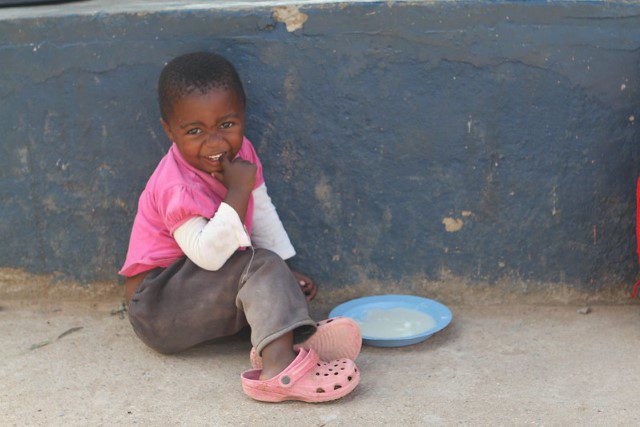
Many Swazis are chronically food insecure. One out of three people face severe hunger, and with the COVID-19 pandemic, hunger is only increasing. With severe weather conditions, Swaziland faces poor harvest years, decreasing the amount of food that can be produced. The Integrated Food Security Phase Classification (IPC), a tool used to improve food security, reported that 32% of the population will experience “high acute food insecurity” within the coming months due to the pandemic. COVID-19 has compounded the food insecurity situation, causing restrictions that disrupt the already limited food supply for Swazi households.

Rise Against Hunger

Humanitarian assistance programs have been a huge support system for the lack of food supplies in Swaziland during the COVID-19 pandemic. Rise Against Hunger is a movement that mobilizes resources to improve poverty and create solutions for hunger in Swaziland. This movement provides life-saving aid to the world’s most vulnerable, Swaziland being one of the most vulnerable countries. Rise Against Hunger now partners with Salesian Missions, a humanitarian organization that gives hope to millions of youth globally, to provide food and aid to those living in poverty in Swaziland. Together, these organizations provide meals for the hungry. Beginning in 2011, this partnership has been successful, providing food and life-saving aid to malnourished individuals in Swaziland.

USAID Food Relief

As the Swaziland government struggles to deliver aid and food relief, USAID has partnered with World Vision to provide emergency food assistance. USAID is making an effort to reach 45,000 food insecure people in Swaziland by providing monthly food rations. These food rations include cornmeal and beans and vegetable oil.  Not only are USAID and World Vision providing food rations to decrease the percentage of hunger in Swaziland, but they are also working to increase the agricultural production of families that need assistance in recovering from previous droughts. With USAID stepping in to provide as much relief as possible, these efforts will produce longer-term resilience.

Hunger in Swaziland has caused many to succumb to hunger at a faster rate since the COVID-19 pandemic hit, making hunger a widespread issue. Organizations and charities are working together to provide the necessary aid essential to eradicate hunger in Swaziland.

– Kendra Anderson
Photo: Flickr

December 12, 2020
https://borgenproject.org/wp-content/uploads/borgen-project-logo.svg 0 0 Kim Thelwell https://borgenproject.org/wp-content/uploads/borgen-project-logo.svg Kim Thelwell2020-12-12 02:43:282024-05-30 07:53:18The Rising Case of Hunger in Swaziland
Developing Countries, Development, Global Poverty, USAID

Global LEAD: Next Generation World Changers

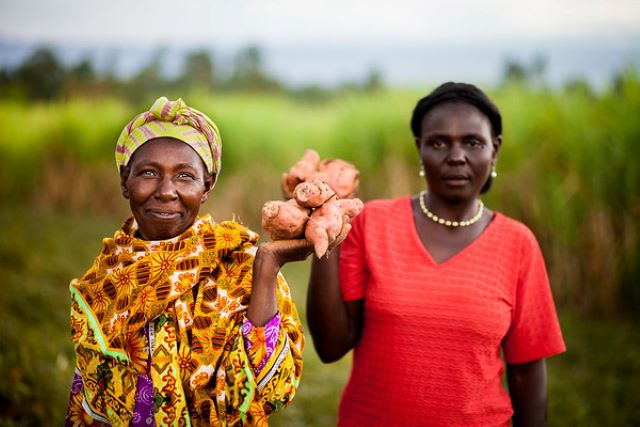
Global LEAD InitiativeAs a demographic, over one-sixth of the global population are between the ages of 15 and 24. Because of its sheer size, this group plays a critical role in forging the next steps for global development. The United States Agency for International Development (USAID) introduced the Global Leadership and Education Advancing Development (Global LEAD) Initiative in August of 2020 in order to support and empower the world’s youth. Youth help shape the future of their respective nations. As a result, USAID’s Global LEAD Initiative aims to increase youth participation in building resilient and self-supporting communities. The Initiative serves as an umbrella project, with several programs branching out.
Key Subgroups of Global LEAD

  • New Partnerships Initiative (NPI): A fundamental goal of USAID’s Global LEAD Initiative is to make connections between young people, the communities they serve and other related groups and organizations. The NPI is a separate initiative led by USAID that removes access barriers to various USAID resources and funding. NPI impacts USAID’s Global LEAD Initiative by allowing for diversification of available partnerships, helping youth connect with the organizations that serve them.
  • YouthPower2 (YP2): Part of the process for USAID’s Global LEAD Initiative is to proactively support young people, providing them with training and resources to give them the skills they need to foster healthier communities at the start. YP2 uses what is known as a “positive youth approach,” meaning that adolescents are empowered to participate and play active roles in societal endeavors. Under this model, YP2 works with groups and organizations that are run by youth, or that serve youth. Another program that emerged from YP2 is YouthLead, which puts a strong emphasis on building leadership abilities among youth. YouthLead connects youth with opportunities to engage in service and advocacy projects within their communities. The program also provides information on funding, grants and scholarships so that young people have the financial resources to make positive changes for their futures.
  • HELIX: Higher Education for Leadership, Innovation and Exchange, or HELIX, is another mechanism of USAID’s Global LEAD Initiative that supports its mission to encourage nations and communities to prepare themselves on the “Journey to Self-Reliance.” Under this program, the focus is on bettering the capacity of higher education institutions and systems to find innovative solutions to cultivating increased development within communities. Various partners of the HELIX program aim to provide opportunities for global youth to access higher education, such as through scholarships, internships, research and fellowships. USAID believes that having better access to higher education is fundamental for a nation’s development, where a nation can experience sustainable progress by nurturing the cognitive and creative capacities of its youth.

Leaders of Tomorrow

The youth of today will be the leaders of tomorrow so it is vital that they are included in the process of bettering communities. USAID’s Global LEAD Initiative is taking steps to ensure that the world’s youth have access to the necessary resources to be able to innovate and lead further international development.

– Melanie McCrackin
Photo: Flickr

December 11, 2020
https://borgenproject.org/wp-content/uploads/borgen-project-logo.svg 0 0 Kim Thelwell https://borgenproject.org/wp-content/uploads/borgen-project-logo.svg Kim Thelwell2020-12-11 04:11:012024-05-30 07:53:09Global LEAD: Next Generation World Changers
Developing Countries, Development, Foreign Relations, Global Poverty, Poverty Reduction, USAID

Aceli Africa: Strengthening African Agribusinesses

African AgribusinessesOn November 30, 2020, USAID announced a joint operation with the Swiss Agency for Development and Cooperation and the IKEA Foundation to contribute $30 million to Aceli Africa to help bridge the financing gap experienced by many African agribusinesses. The grant is estimated to have a tremendous impact and will unlock $700 million in financing for up to 750 African agribusinesses in Tanzania, Kenya, Rwanda and Uganda.
Agri-SMEs Lack Financing

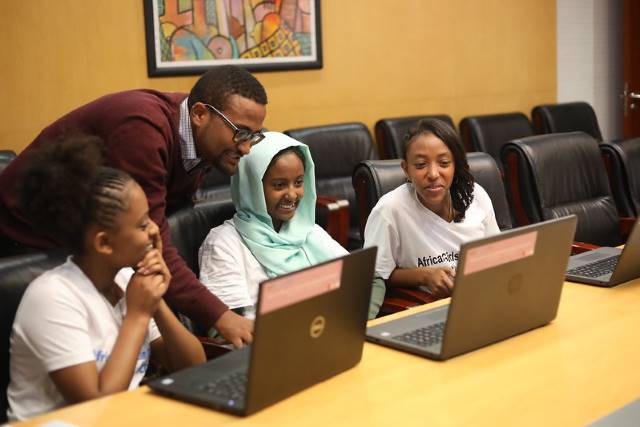
Much of Aceli Africa’s work focuses on a data-driven approach to incentivizing financial institutions to provide loans for small and medium-sized African agribusinesses or “agri-SMEs”, as Aceli Africa calls them.

According to Aceli Africa’s research, agri-SMEs represent a golden opportunity to solve hunger and poverty throughout Africa and help fulfill key U.N. Sustainable Development Goals (SDGs), such as gender equality and climate action.

This is because smallholder farmers consist of both men and women and provide direct access to food sources that are responsibly raised in accordance with the needs of the local environment. Furthermore, the expansion of the agricultural sector in Africa is two to three times more effective in eliminating poverty than growth in any other sector.

Despite the great potential of African smallholder farms, banks are largely unwilling to loan them much-needed financing to power additional growth. Banks do not have the risk appetite for small farms in Africa due to price volatility, the seasonality of farming, pest invasions and a weak regulatory environment.

The result of this is an investment shortfall of $65 billion per year for agri-SMEs in Africa. Initiatives focused on microfinancing do not provide enough financial injection for agri-SMEs, which are larger than the microenterprises that are the usual recipients of microloans. Agri-SMEs are thus left out of financing. However, the work of Aceli Africa aims to change these circumstances.

Aceli Africa Incentivizes Banks to Loan to Agri-SMEs

To bridge this gap in financing, Aceli Africa partners with numerous organizations such as USAID, the IKEA Foundation, Feed the Future and the International Growth Center to incentivize banks to loan and provide technical assistance to agri-SMEs.

This is where the aforementioned $30 million contribution has the potential to positively impact agriculture and African agribusinesses. One of the incentive programs that Aceli Africa employs is to cover the losses of the first loan that a financial institution gives to an African agri-SME.

This works by depositing 2-8% of the loan’s value in a reserve account that the lender can access when losses are experienced. This boosts risk appetite among lenders and makes banks and other institutions more willing to invest in agri-SMEs in Africa.

Aceli Africa also provides technical assistance for financial management for African agri-SMEs through online tools and other in-person approaches to help smallholder farmers optimize growth using the loans they receive. These approaches have the potential to put U.S. taxpayer dollars to effective use by addressing poverty and hunger abroad.

United States Outreach is Key in Combatting Poverty

USAID’s decision to partner with the Swiss Agency for Development and Cooperation and the IKEA Foundation to contribute to the work of Aceli Africa symbolizes the value and power of international partnership in the fight against global poverty. When the United States decides to lead on an issue, the rest of the world follows. Key international partnerships are essential for the United States to take the lead and garner international support to address key global issues.

– John Andrikos
Photo: Flickr

December 10, 2020
https://borgenproject.org/wp-content/uploads/borgen-project-logo.svg 0 0 Yuki https://borgenproject.org/wp-content/uploads/borgen-project-logo.svg Yuki2020-12-10 01:30:372024-05-30 07:55:58Aceli Africa: Strengthening African Agribusinesses
Development, Global Poverty, Technology, USAID, Women, Women and Female Empowerment

The WomenConnect Challenge: 9 Innovative Projects Empowering Women

Innovative Projects Empowering WomenIn a booming technological world, the gender digital divide continues to suppress women’s access to technology and the global economy. In low- and middle-income countries, women are 10% less likely to own a mobile device than men and are 23% less likely to use the internet. A 2019 report from the GSMA highlights four main reasons for the divide, including affordability, literacy and tech-literacy rates, safety and security and relevance to daily life. The report also estimates that closing the digital divide in just mobile internet usage by 2023 could increase GDP growth by $700 billion in low- and middle-income countries over the next five years.
Through the U.S. government’s Women’s Global Development and Prosperity Initiative (W-GDP), presidential advisor Ivanka Trump and USAID Administrator Mark Green launched the WomenConnect Challenge. With this funding, initiatives seek to shrink the barriers of digital illiteracy and “technophobia” fueled by a lack of complex resources, such as Internet access or formal education. That these barriers unequally limit women and girls leaves entire populations further and further behind in an increasingly digital world. In the first round of the challenge in 2018, USAID awarded more than $2 million to an initial nine innovative projects empowering women and closing gender-based digital divides. The W-GDP initiative hopes to connect 50 million women in developing nations by 2025.

The First Projects that Received Funding

  1. Mali Health – Launched in 2019, the Mali Health application’s trial run proved useful in the lives of 65 women, most of whom live under the poverty line. The women were provided with a smartphone as well as training on the app’s features. The app allows users to search for medical information, advertise their small businesses and connect with larger markets using voice navigation in their native language. An upcoming feature will allow users to voice-record their medical questions and receive a recording back from a doctor. Surveys from the trial run indicate that innovative projects empowering women with knowledge and information boost women’s views on gender equality.
  2. GAPI and Bluetown – GAPI-SI and technology partner Bluetown established the Women in the Network program in Ribaue, Mozambique in late 2019. The project created content “clouds” for locals to access at lower costs than traditional network access, as well as a rent-to-own cell phone program. Additionally, the program is training a team of Ribaue women in technology and internet use so that they may bring this knowledge to their peers and promote widespread connectivity.
  3. GramVaani – Meri Awaz Meri Pehchan, or “My Voice My Identity,” is an app from GramVaani enabling women to connect with other women and spread important information securely in Bihar, India. The application is voice-based, removing the literacy barrier from the equation. Women are trained as “reporters” and visit rural communities to play informational recordings. They gather voiced comments on topics ranging from government programs and water availability to women’s rights. Innovative projects empowering women such as GramVaani make an impact through the dissemination of knowledge, a resource that cannot be taken for granted.
  4. Viamo – The Calling all Women program from Viamo makes use of a voice-based informational platform called the 3-2-1 Service, which allows individuals to share valuable information for free on topics like health, hygiene and financial literacy. The information has reached more than 150,000 people in Tanzania and Pakistan. Additionally, Viamo’s program includes recorded lessons for women on mobile technology and the internet to help bridge the gender digital divide.
  5. Humanitarian OpenStreetMap Team (HOT) – HOT’s project #LetGirlsMap trains women and male allies to map data from Tanzanian villages and report significant issues via mapping platforms. The program has reached 78 villages and has partnered with schools to gather and disseminate knowledge on gender-based violence and economic literacy. Such innovative projects empowering women and girls help them to confront gender norms and inequality while learning about technology and the economy.
  6. Evidence for policy design (EPoD) India at the Institute for Financial Management and Research (IFMR) – EPoD’s project Mor Awaaz utilizes a preexisting government program that is distributing 2 million mobile phones to women in rural India. Mor Awaaz offers training and voice recordings for women on technological literacy and has reached 11,000 women so far, eliminating barriers like caste, mobility and affordability.
  7. AFCHIX – Innovative projects empowering women like AFCHIX are addressing inadequate internet access in impoverished communities. AFCHIX created four women-led “community networks” in Kenya, Namibia, Morocco and Senegal. In these countries, women in community networks lead development projects to bring internet access to their communities and learn the skills needed to upkeep the hardware. The women serve as both technicians and role models.
  8. Equal Access International – Based in Northern Nigeria, Equal Access International created the Tech4Families program to address the cultural norms that prevent women from accessing technology. Tech4Families launched a radio production in August 2020 consisting of 12 episodes that teach listeners about the benefits of technology and justify women’s use of technology via religion and social concepts. The program will be meeting with families to discuss the show’s impact and the next steps toward destigmatizing the idea of women in tech.
  9. Innovations for Poverty Action (IPA) – Low-income women in the Dominican Republic are often unable to access credit from financial institutions because they do not have a credit score. IPA, along with the World Bank, a couple of American universities and other institutions use machine learning and specialized algorithms to redo the credit-earning criteria for women, separately from men. This will allow more women to gain financial credit. Many women state that they will use the money for entrepreneurial endeavors, feeding their families and investing in education.

– McKenna Black
Photo: Flickr

December 8, 2020
https://borgenproject.org/wp-content/uploads/borgen-project-logo.svg 0 0 Kim Thelwell https://borgenproject.org/wp-content/uploads/borgen-project-logo.svg Kim Thelwell2020-12-08 06:29:392024-05-30 07:52:55The WomenConnect Challenge: 9 Innovative Projects Empowering Women
Global Poverty, Health, Poverty

5 Facts About Poverty in the Central African Republic

Poverty in the Central African Republic
The Central African Republic (CAR) is a landlocked country in Africa, neighboring Chad, Sudan, Cameroon and more. Although CAR has an abundance of natural resources, including gold, diamonds, uranium and oil, it is one of the poorest nations in the world. Following violence and political turmoil in 2013, the country is still recovering. Here are five important facts about poverty in the Central African Republic.

5 Facts About Poverty in the Central African Republic

  1. The Numbers: Approximately 71% of the Central African Republic’s population lives below the international poverty line. Additionally, due to violence and conflict, there are around 613,114 refugees from the Central African Republic and 641,292 internally displaced persons (IDPs) in the country, as of November 2020. Health is also a major concern, with a maternal mortality rate of 882 per 100,000 live births.
  2. History of Poverty and Conflict: There are many reasons why the Central African Republic has such high poverty rates. The main reason lies in the history of the nation. After CAR gained independence from France in 1960, it had religious rivalries, a variety of ethnic groups and multiple political ideologies. The conflict between different religious and social groups as well as competition over resources caused widespread instability throughout the country. This culminated in a more recent outbreak of violence in 2013, which has left more than half of its population in need of humanitarian assistance.
  3. Major Health Conditions: The leading causes of death in the Central African Republic include tuberculosis, diarrheal diseases, HIV/AIDS, lower respiratory infections and malaria. In 2018, malaria, a mosquito-borne disease, was reported at a rate of 347.3 cases per 100,000 people. This represents a significant decrease from previous years, as there were approximately 471 cases per 100,000 people in 2004. Additionally, there are approximately 100,000 people living with HIV in CAR.
  4. Life Expectancy: Life expectancy in the Central African Republic is among the lowest in the world. As of 2020, it is only 53.35 years. This is a 0.64% increase since 2019 when the life expectancy was 53.01 years. Life expectancy is low in the CAR due to widespread violence and displacement as well as the aforementioned health concerns. In addition to malaria and HIV, more than 40% of the population suffers from chronic malnutrition. On a positive note, the life expectancy of the CAR has been steadily improving since the early 2000s; in 2002, the life expectancy in the CAR was only 44.29 years.
  5. Education and Literacy: The literacy rate in the Central African Republic is also one of the lowest in the world, at 37.4% in 2018. The CAR is struggling to provide high-quality education for its children, particularly girls. Many girls find themselves dropping out of school because of the societal pressures to marry and have children. Only 65% of girls enter the first year of primary school and only 23% of them finish the six years of primary school.

Solutions

Currently, organizations like the World Food Program (WFP), USAID and the International Rescue Committee (IRC) are working to alleviate poverty in the Central African Republic and address the humanitarian crisis. Efforts include distributing food to internally displaced people, providing specialized nutrition packages for pregnant women, rebuilding educational infrastructure and recovering clean water sources. Moving forward, it is essential that these humanitarian organizations and others continue to provide aid and support to the nation.

– Alison Choi
Photo: Flickr

November 10, 2020
https://borgenproject.org/wp-content/uploads/borgen-project-logo.svg 0 0 Kim Thelwell https://borgenproject.org/wp-content/uploads/borgen-project-logo.svg Kim Thelwell2020-11-10 13:02:182024-05-30 07:52:495 Facts About Poverty in the Central African Republic
Child Poverty, Global Poverty

5 Facts About Child Poverty in the DRC

Child Poverty in the Democratic Republic of the Congo
More than 89 million people live in the Democratic Republic of the Congo (DRC), making it the 16th most populated nation. Located in southern Africa, the DRC is one of the world’s poorest nations with around 72% of the population living in poverty. Sadly, infants and children are the main victims of this poverty making the need for help vital. Significant efforts from many different organizations have helped to save thousands of lives. Here are five important facts about child poverty in the DRC.

5 Facts About Child Poverty in the DRC

  1. Mortality Rate: The DRC has an 84.8 under-5 mortality rate out of every 1,000 births. This means that for every 100 children born, eight of them will not reach the age of 6. However, this number has dropped exponentially in the past 20 years due to the work of agencies such as USAID which has invested $34 million in the cause. In 2014, USAID began the Acting on the Call Report which uses data analysis to pinpoint where it needs to allocate its funding. Helping mothers both before and after birth with medical supplies has saved thousands of children because of this data analysis. In the six years since, the under-5 mortality rate has dropped by more than 15.
  2. Education: Providing quality learning opportunities in school is a crucial aspect of breaking the poverty cycle. More than 7 million children in the DRC cannot receive an education because of poorly funded schools and a lack of supplies. Improvement is coming as the government in the DRC has stated that it will allocate 20% of its spending budget to education in 2018 and maintain it at that level until 2025. This increased funding has led to more children reading and writing as now the DRC posts an 85% literacy rate for all children ages 15-24. Still, young girls experience discrimination as only 79% between 15 and 24-years-old are literate, proving that more work is necessary.
  3. Clean Water: Access to clean water is important to anyone, regardless of age. In the DRC, only 45% of people have access to basic drinking water services. This lack of water has contributed to the high infant mortality rates and will impact the Congolese for their entire lives. Projects to bring clean water to all citizens are occurring but the government is unable to expedite the process. Reports have determined that donors provide nearly 99% of water sector financing in the DRC, making every contribution meaningful. From 2008 to 2017, 2.3 million DRC citizens gained access to clean water as a result of Global Waters and other water relief efforts.
  4. Malnutrition: Right from birth, children in the DRC are in a food shortage. UNICEF has created a system to detect potential malnourishment by collecting data on child nutrition and household food security through a network of 110 sites. This has helped make identify children and their families who may need assistance and provide them with food. Additionally, Actions Against Hunger helped nearly 200,000 Congolese in 2019 alone gain food security and nutrition.
  5. Play Time: War and violence have become a common occurrence in the DRC. This has created a dangerous environment for young children to play with friends. Hearing these stories motivated Bethany Frank to create a toy, PlayGarden, to help DRC’s youth deal with trauma. PlayGarden is a small sanctuary that can include spatial awareness games that can reduce the likelihood of relieving symptoms associated with post-traumatic stress disorder. Many times, the focus on poverty eradication efforts goes towards resources and neglects the fact that children need to play.

Concluding Thoughts

Child poverty in the DRC is challenging to combat. But advancements in clean water, food and education will help pave the road to better conditions. The work that some are doing in the Democratic Republic of the Congo has not reached completion, but many children have benefitted from what they have accomplished so far.

– Zachary Hardenstine
Photo: Flickr

November 7, 2020
https://borgenproject.org/wp-content/uploads/borgen-project-logo.svg 0 0 Jennifer Philipp https://borgenproject.org/wp-content/uploads/borgen-project-logo.svg Jennifer Philipp2020-11-07 01:30:432024-05-30 07:53:295 Facts About Child Poverty in the DRC
Developing Countries, Global Poverty, Health

The United States’ Continued Efforts to Combat AIDS

Efforts to Combat AIDSAcquired immune deficiency syndrome (AIDS) has plagued the world since 1981. The global AIDS pandemic has infected more than 65 million people around the world since its arrival, with more than 30 million deaths from AIDs-related causes. The impact of AIDS has resulted in a worldwide effort to discover methods to treat and cure the disease. To date, significant progress has been made in the fight against AIDS. However, more needs to be done and the United States has shown continued commitment to support efforts to combat AIDS globally.
AIDS and the Global Poor

While AIDS is a global problem, it has disproportionately affected poorer regions since its arrival. Africa in particular has a significant number of people living with AIDS. Out of the 1.7 million newly infected people around the world in 2019, 990,000 people resided in Africa alone. The disproportionate numbers in poorer regions as compared to wealthier nations could be attributed to lack of quality healthcare and preventative education. However, continued efforts are being made to address the global AIDS pandemic.

Congressional Efforts to Combat AIDS

The United States has been a leader in progress against the AIDS pandemic. It has made significant efforts to contribute its resources to fight the AIDS pandemic, and tangible results have emerged. For example, the President’s Emergency Plan for AIDS Relief (or PEPFAR) has contributed over $85 billion since its inception in 2003 to AIDS research and prevention, thus preventing millions of infections.

The United States Government has indicated that it has no interest in slowing down support for the cause through efforts to combat AIDS. For example, the Global Health Programs section of Title III in House bill H.R.7608, the State, Foreign Operations, Agriculture, Rural Development, Interior, Environment, Military Construction, and Veterans Affairs Appropriations Act of 2021 specifically outlines Congress’ plans for AIDS-related contributions in the coming years.

Introduced by Rep. Nita M. Lowey [D-NY] on July 13, 2020, the bill appropriates more than $3.2 billion for USAID through 2022. A portion of these funds will be devoted to programs for the prevention, treatment and research of HIV/AIDS, providing assistance to communities severely affected by HIV/AIDS. The bill also appropriates more than $5.9 billion through 2025 for HIV/AIDS research, prevention and treatment efforts, including a $1.56 billion contribution to the Global Fund to Fight AIDS. This all coincides with the billions of dollars already spent in the last decade to combat AIDS globally.

AIDS Progress

As with most issues, funding and resources are necessary to make progress in the AIDS pandemic. The vast majority of new infections occur in countries and regions with weaker finances, poorer healthcare and less quality education, such as Africa and Southeast Asia. It is easy to see that these efforts by the United States and other wealthy nations are invaluable to progress. A particular stride made thus far is that the cost of AIDS treatment drugs has decreased from $10,000 a person to $100 a person in the past 20 years. This has allowed more than 8 million people in impoverished regions access to AIDS treatments. This particular result could be attributed to years of research that the United States and other nations have contributed billions of dollars to maintain. Continued funding will improve the good work that has already been done, such as furthering cost reduction measures on AIDS-related drug treatments as well as further quality education on prevention strategies in regions where AIDS education is sparse.

With continued support and efforts to combat AIDS from wealthier nations such as the United States, even greater strides can be made in combatting AIDS globally.

– Domenic Scalora
Photo:  Flickr

November 4, 2020
https://borgenproject.org/wp-content/uploads/borgen-project-logo.svg 0 0 Kim Thelwell https://borgenproject.org/wp-content/uploads/borgen-project-logo.svg Kim Thelwell2020-11-04 03:55:032020-11-04 03:55:03The United States’ Continued Efforts to Combat AIDS
Child Poverty, Education, Global Poverty

An Assessment of Child Poverty in Tanzania

Child Poverty in Tanzania
In the Sub-Saharan region of Africa, Tanzania is one of the leading nations in development and reform. Since 2010, Tanzania’s economic indicators have held steadily above the average numbers of the rest of the region, boasting a positive GDP growth between 5% and 7% in the last 10 years. According to the World Bank’s 2019 Tanzania Mainland Poverty Assessment, poverty decreased by 8% in 10 years. Still, the World Bank Country Director for Tanzania, Bella Bird, urged the nation “to accelerate the pace of poverty reduction as the number of poor people remains high.” This article will assess child poverty in Tanzania and the efforts to eradicate it.

Better Planning, Better Counting

 In 2011, Tanzania committed itself to a series of national Five Year Development Plans (FYDP) to reach economic and human development goals by 2025. The Second Five Development Plan (FYDP II), 2016/17 – 2020/21, includes “poverty reduction” as a main focus. Tanzania’s overall positive economic performance results from a commitment to accurate assessment and careful planning that has welcomed newer and better ways to assess certain indicators, such as child poverty.

With the help of UNICEF, the National Bureau of Statistics (NBS) published the Child Poverty in Tanzania report in 2019. This report assesses child poverty in Tanzania through the recently developed framework known as Multiple Overlapping Deprivation Analysis (MODA), which “complements the traditional method of measuring poverty through the lens of a household’s aggregate income and consumption.” The report notes that MODA brings to focus the “importance in the wellbeing of a child during childhood” without losing sight of the monetary implications of poverty.

Multidimensional Child Poverty in Tanzania

The report defines “multidimensional child poverty” as a child who “suffers deprivation in three or more key dimensions of poverty: nutrition, health, protection, education, information, sanitation, water and housing.” The report further divides each dimension into indicators, thresholds and applicable ages. Using data from the 2014/15 National Panel Survey, this 2019 report provides an update on a previous report from 2016, and a clearer look at the issue of child poverty in Tanzania.

Below is a breakdown of each dimension, its indicators and the percentage of children (0-17 years old) deprived of each respective dimension.

  • Nutrition: The prevalence of stunting or wasting, body mass index (BMI) and dietary diversity – 30.1% of children deprived.
  • Health: Mother’s assisted delivery, antenatal care, support to a child with severe disability, malaria and diarrhea – 54.7% of children deprived.
  • Protection: Victim of crime, birth registration, early marriage and child labor – 86.4% of children deprived.
  • Water: Unimproved water and time to fetch water – 72.3% of children deprived.
  • Sanitation: Unsafe waste disposal, unsafe stool disposal and unimproved/shared sanitation – 91.1% of children deprived.
  • Housing: Inadequate floor/roof, overcrowding and solid cooking fuel – 88.8% of children deprived.
  • Education: Literacy, school enrolment, completed primary, pre-school enrolment and grade for age – 36.1% of children deprived.
  • Information: Communication device and access to information – 39.4% of children deprived.

The report concludes that a total of 88% of children in Tanzania are multidimensionally poor, meaning that they suffer from at least three deprivations above.

Higher Figures, Good or Bad?

According to the report, 19.5% of children live in monetary poverty, a much lower figure. Why, then, should Tanzania pay attention to the higher figure from the more complicated model? Working through the MODA methodology provides a more accurate look at the barriers that block Tanzanian children from participating in the semi-industrial future of their government’s goals.

Furthermore, this approach to understanding poverty highlights the importance of investing in programs that go beyond monetary solutions. While Tanzania has been successful in its cash-transfer programs, there may be a need to improve programs that tend to the non-monetary wellbeing of children should the country heed to Bird’s suggestions of speeding up the pace of progress.

USAID and Tanzania

Fortunately, Tanzania is not alone in the development and investment of such programs. USAID has recognized the need to empower the youth by increasing access to health care, water, nutrition and education, among other resources. Since the updated report in June 2019, USAID has developed two new programs that affect children directly: one in nutrition (30.1% of children deprived) and one in education (36.1% of children deprived).

Advancing Nutrition

Through the Advancing Nutrition activity, USAID works with Tanzanian authorities to support the implementation and further development of the National Multi-sectoral Nutrition Action Plan (NMNAP), initially set up in 2016 and due for a second iteration after June 2021. According to the midterm NMNAP report, Tanzania is on track to meet most of its goals from 2016.

Between 2014 and 2018:

  • Acute malnutrition in children 5-years-old and under has dropped from 3.8% to 3.5%.
  • The prevalence of overweight children under 5-years-old has dropped from 3.5% to 2.8%.
  • The proportion of children aged 0-5 months who are exclusively breastfed rose from 41% to 58%.
  • The proportion of children aged 6-23 months who received a minimum acceptable diet increased from 20% to 30%.

Hesabu Na Elimu Jumuishi (“Arithmetic and Inclusive Education”)

The second program developed after June 2019 for children revolves around education. The Arithmetic and Inclusive Education activity expands math instruction for young children and “addresses the need for inclusive education for children with disabilities.” According to the UNICEF report, around 48% of children 5-13 years old experience deprivation in the education dimension. This USAID activity will work directly to improve this indicator of multidimensional in child poverty in Tanzania.

Looking Ahead

Tanzanian leaders and international groups understand the need to develop more aggressive plans to tackle poverty. As the USAID Tanzania Activity Briefer notes in the “Better Policies” activity description: “a reduction in poverty slower than the economic growth rate implies that growth has not sufficiently reached those who are the most vulnerable.”

In the next two years, Tanzania’s development (FYDP) and nutrition (NMNAP) plans will be re-discussed and re-planned. Many of USAID’s programs in Tanzania will also soon reach a conclusion, such as the “Water Resources Integration Development Initiative” (WARIDI), which improves sanitation and water management while creating jobs (72.3% of children experience deprivation in the water dimension).

Through this new look at indicators of poverty, namely multidimensional child poverty, such programs along with the government now have a better understanding of how to allocate resources purposefully to address more directly the issue of child poverty in Tanzania.

– Luis Gonzalez Kompalic
Photo: Flickr

November 3, 2020
https://borgenproject.org/wp-content/uploads/borgen-project-logo.svg 0 0 Jennifer Philipp https://borgenproject.org/wp-content/uploads/borgen-project-logo.svg Jennifer Philipp2020-11-03 11:05:542024-05-30 07:53:27An Assessment of Child Poverty in Tanzania
Foreign Aid, Global Poverty

The Defense Benefits of US Foreign Aid

U.S. Foreign Aid
People have historically looked at U.S. foreign policy as a stool supported by three legs: Defense, Diplomacy and Development. The final leg, development, refers to foreign aid. U.S. foreign aid is a vital tool in the U.S.’s national security toolbox and yet its 2019 budget did not even account for 8% of the budget for the first leg, national defense.

The need for national security is obvious, but the apparent belief that defense spending is the unilateral key to achieving this goal is dangerously reductionist. The U.S. federal budget represents a heavy reliance on military strength and a contrasting disregard for the other two facets of security. Secretary of Defense, Mark Esper, called for a “whole of government approach,” when asked in his Senate confirmation hearing about how the U.S. should approach its competitive coexistence with China.

Where Does the Money Go?

In 2019, over $46 billion went toward foreign assistance, representing a roughly $6 billion decrease from appropriated funds in 2015. Where those tax dollars go matters when understanding the investment they represent in American safety and prosperity. The vast majority of those funds went to the U.S. Department of State and USAID. These are the two principal government agencies with the charge of managing U.S. foreign aid. Within those two federal agencies, funds go into nine categories with Peace and Security, Health and Humanitarian Assistance making up the bulk of aid.

Looking more closely, the Health sector received $9.5 billion in appropriations in 2019. The majority of that figure went towards HIV/AIDS prevention and treatment in sub-Saharan Africa. This can have a substantial impact on reducing poverty as AIDS-related illnesses greatly reduce life expectancy in the countries that the epidemic most affected. Additionally, statistics have proven that the HIV/AIDS epidemic has slowed economic growth in Africa as it often prevents those affected from receiving an education or obtaining a job. Prevention and treatment of this epidemic is just one aspect of U.S. foreign aid.

Slow and Steady

Proving the results of U.S. foreign aid has long been a complicated task. The absence of conflict in a region is hard to credit with just one measure and not nearly as easy to point to as the existence of conflict elsewhere. Specific examples of changes in spending do however uncover gradual successes. Peace and Security funding goes towards military equipment, training and development. However, as the situation improves incrementally in certain countries, USAID and the Department of State are able to shift their efforts towards Democracy, Human Rights and Governance projects.

One example is Afghanistan, which received more U.S. aid in 2019 than any other nation. One should not ignore the fact that 17% of funds went to Peace and Security while 49% went to the aforementioned Democracy, Human Rights and Governance sector. This represents a marked shift as previous years focused the majority of aid on the military. Furthermore, it is representative of the slow yet undeniable progress that just about 1% of the federal budget has made.

When USAID first started working in Afghanistan in December 2002, the literacy rate was 50% for men and 20% for women. The budget that the Afghan government operated on came exclusively from donor support and accounted for just $600 million. The GDP per capita, a useful measure of average living standards in a country, was $250. By 2017, the GDP per capita had risen to $2,000. In 2018, the literacy rates had increased to 55.5% for men and 29.8% for women and the government’s budget had risen to $2.2 billion. These figures are not indications that the task is finished, but just some examples that U.S. foreign aid made the task possible.

Foreign Aid is Key to Grand Strategy

U.S. history has demonstrated the strategic gains of foreign aid countless times throughout U.S. history. Dating all the way back to the Marshall Plan in 1948, the U.S. provided more than $13 billion in aid to Europe so that the continent could rebuild after WWII. This allowed the U.S. to build stronger bilateral and multilateral ties with Europe, forming lasting alliances that reaped benefits in trade and a return to reduced conflict in the region.

During the 1960s, the U.S. improved upon this practice with the creation of USAID and the Peace Corps. From there, U.S. foreign aid expanded beyond to areas like education, agriculture and health. As a result, the U.S. could continue to project more than just military might. Key democratic values like education for girls and boys, free and fair elections, freedoms for the press and more could be developed around the globe. This all occurred in the context of a great power competition between the U.S. and the Soviet Union with a clear understanding of the benefits of a three-legged approach in lieu of a military standing alone. As recently as 2017, a letter to Congress authored by roughly 120 retired U.S. admirals and generals called for a continuation of aid funding in the interest of, “preventing conflict and reducing the need to put our men and women in uniform in harm’s way.”

An End to “Forever Wars”

As the world becomes ever-more intertwined, the U.S. must evolve its own foreign policy to meet new challenges. Relying solely on the military places an impossible task on its shoulders as it attempts to help rebuild nations, improve foreign governments and end global poverty. This work requires professional diplomats trained for these tasks and foreign aid that allows governments and NGOs to do it themselves. In the long term, more foreign aid could mean the sending of fewer troops to war.

– Scott Mistler-Ferguson
Photo: Flickr

November 1, 2020
https://borgenproject.org/wp-content/uploads/borgen-project-logo.svg 0 0 Jennifer Philipp https://borgenproject.org/wp-content/uploads/borgen-project-logo.svg Jennifer Philipp2020-11-01 10:06:582024-05-30 07:53:16The Defense Benefits of US Foreign Aid
Page 40 of 92«‹3839404142›»

Get Smarter

  • Global Poverty 101
  • Global Poverty… The Good News
  • Global Poverty & U.S. Jobs
  • Global Poverty and National Security
  • Innovative Solutions to Poverty
  • Global Poverty & Aid FAQ’s
Search Search

Take Action

  • Call Congress
  • Email Congress
  • Donate
  • 30 Ways to Help
  • Volunteer Ops
  • Internships
  • Courses & Certificates
  • The Podcast
Borgen Project

“The Borgen Project is an incredible nonprofit organization that is addressing poverty and hunger and working towards ending them.”

-The Huffington Post

Inside The Borgen Project

  • Contact
  • About
  • Financials
  • President
  • Board of Directors
  • Board of Advisors

International Links

  • UK Email Parliament
  • UK Donate
  • Canada Email Parliament

Get Smarter

  • Global Poverty 101
  • Global Poverty… The Good News
  • Global Poverty & U.S. Jobs
  • Global Poverty and National Security
  • Innovative Solutions to Poverty
  • Global Poverty & Aid FAQ’s

Ways to Help

  • Call Congress
  • Email Congress
  • Donate
  • 30 Ways to Help
  • Volunteer Ops
  • Internships
  • Courses & Certificates
  • The Podcast
Scroll to top Scroll to top Scroll to top