• Link to X
  • Link to Facebook
  • Link to Instagram
  • Link to TikTok
  • Link to Youtube
  • About
    • About Us
      • President
      • Board of Directors
      • Board of Advisors
      • Financials
      • Our Methodology
      • Success Tracker
      • Contact
  • Act Now
    • 30 Ways to Help
      • Email Congress
      • Call Congress
      • Volunteer
      • Courses & Certificates
      • Be a Donor
    • Internships
      • In-Office Internships
      • Remote Internships
    • Legislation
      • Politics 101
  • The Blog
  • The Podcast
  • Magazine
  • Donate
  • Click to open the search input field Click to open the search input field Search
  • Menu Menu

Tag Archive for: USAID

Information and news about mobile technology

Posts

Global Poverty, Sanitation

10 Facts About Sanitation in Malawi

Sanitation in MalawiMalawi is an impoverished, landlocked country in southeastern Africa. As is common among impoverished nations, Malawi critically struggles with health and sanitation. Here are the top 10 facts about sanitation in Malawi.

Top 10 Facts About Sanitation in Malawi

  1. Menstrual hygiene – In Malawi, there are imbedded cultural beliefs surrounding menstruation that lead to communal ignorance. This stigma surrounding menstruation extends to schools, where girls similarly do not receive education about menstruation. Furthermore, most school bathrooms provide little to no privacy. This lack of privacy, combined with the societal shame of menstruation, results in girls leaving school once they get their period.
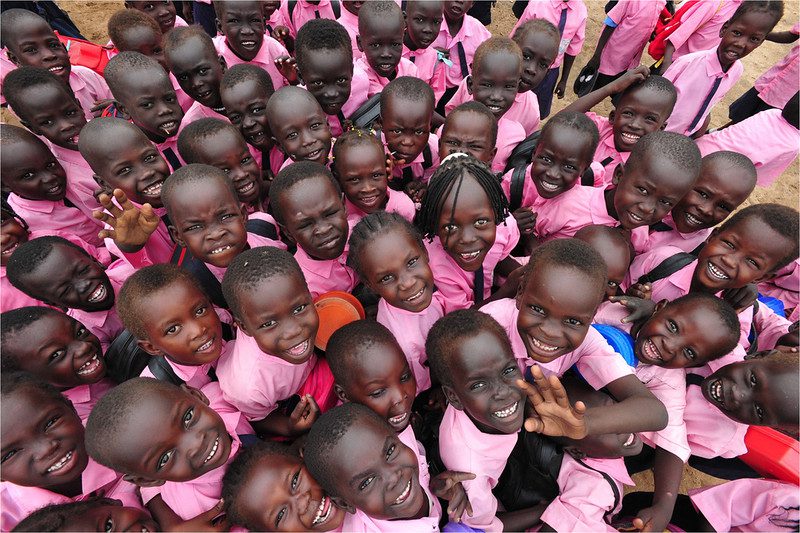
  2. Hygiene in schools – For children without access to clean water, toilets or soap at home, school can be their only hope of sanitation. Unfortunately, hygiene in schools often falls short in Malawi. As of 2018, only 4.2% of Malawian schools had handwashing facilities with soap and 9% did not have a secured water source.
  3. Education about hygiene and sanitation – Schools are a key tool for educating youth on basic hygiene and sanitation, especially due to the fact that children are effective agents of behavior change. They capable of sharing lessons they learn at school with their local community. However, similar to their lack of sanitation infrastructure, schools also lack education surrounding sanitation in Malawi. Even if schools did offer education surrounding hygiene and sanitation, high rates of enrollment would be required to create a large scale change in behavior. In many rural communities, girls are tasked with traveling long distances to collect water. This responsibility combined with the obstacle of menstruation reduces female enrollment in school.
  4. Toilets – As of 2015, 9.6 million Malawians – almost half of the population – did not have access to an adequate toilet. There are two types of toilets in Malawi. The first is the Western-style with a toilet bowl and a seat; the second is a hole in the ground. The Western-style is common in urban towns and cities while the hole in the ground is common in rural areas.
  5. Open defecation – In 2008, Malawi adopted the Community Lead Total Sanitation and Hygiene program (CLTS) in an effort to make the country Open Defecation Free (OPF). Malawi has made great strides, but 6% of rural communities continue to openly defecate. Open defecation results from inadequate health infrastructure such as toilets and is a key health concern in Malawi. Open defecation is linked to sanitation-related diseases, high child mortality and the spread of cholera.
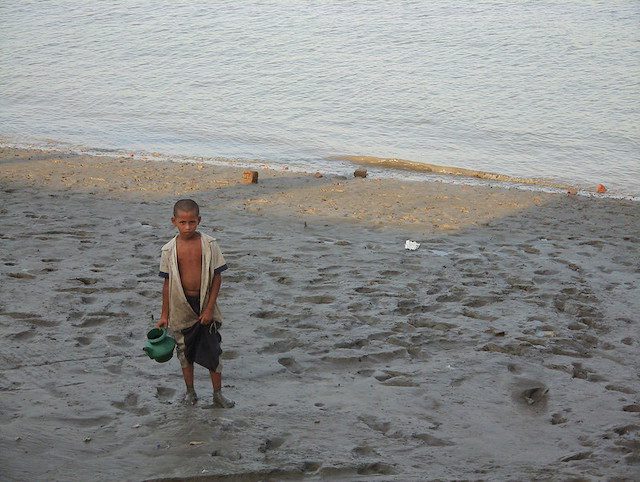
  6. Access to water – As of 2015, only 67% of households in Malawi had access to basic drinking water. Similarly, 5.6 million do not have access to a safe water source. In fact, pproximately 30% of water points in rural areas were non-functional at any given time. Water is deeply intertwined with sanitation. Without access to clean water people catch water-borne diseases, are unable to stay clean through bathing and risk their safety by traveling long distances to receive water.
  7. Access to local sanitation facilities – As of 2015, only 42% of Malawian rural households had access to basic sanitation services. Consequently, in 2018 there were 9.9 million people in Malawi who did not use basic sanitation. Combined with poor transportation infrastructure, this lack of local sanitation facilities places strain on rural communities. Communities that do not have secure access to water, predominantly rural communities, are reliant on local sanitation facilities to stay clean and healthy. Thus, without such facilities, the risks of experiences the consequences of poor sanitation increase dramatically.
  8. Role of drought – In the past 36 years, Malawi has experienced eight major droughts. Droughts directly cause a reduction in water availability and thus, indirectly impact sanitation. The most recent drought in Malawi occurred in 2016 and disrupted household economic activities by increasing the time needed to search for water. It also increased the degradation of water catchment areas and increased the risk of water-washing diseases due to a prioritization of water for drinking rather than personal hygiene. Drought places another obstacle in the way of achieving universal sanitation in Malawi.
  9. Higher risk of diseases – Poor sanitation and unhygienic practice result in approximately 3,000 under-five child deaths per year in Malawi. Diarrhea is often a tragic consequence of poor sanitation with 11.4% of infant and child mortality resulting from diarrhea. Similarly, even if diarrhea does not result in death, frequent episodes can yield a negative effect on child development, stunting and acute respiratory infections. Furthermore, poor sanitation not only leads to diarrhea but also waterborne illnesses such as cholera. Thus high rates of communicable diseases are intimately tied to poor sanitation in Malawi.
  10. Improvements to WASH services – USAID is an active participant in increasing WASH services in Malawi and has made great progress. In 2015 alone USAID had constructed 60 shallow wells and three boreholes. It built 360,080 toilets with handwashing facilities as well as installed 2600 chlorine dispensers in 25 villages. This progress provides hope for the achievement of universal sanitation in Malawi.

Malawi is an impoverished African nation currently suffering from inadequate sanitation. This lack of sanitation in Malawi not only impacts health but household income and child attainment of education. While progress has been made through organizations such as USAID, more still needs to be done. Please consider visiting the Borgen Project website on information on how to call or email your representatives to put international aid as a priority on the U.S. agenda.

– Lily Jones
Photo: Flickr
October 7, 2020
https://borgenproject.org/wp-content/uploads/borgen-project-logo.svg 0 0 Kim Thelwell https://borgenproject.org/wp-content/uploads/borgen-project-logo.svg Kim Thelwell2020-10-07 20:36:382024-05-30 07:53:0710 Facts About Sanitation in Malawi
COVID-19, Global Poverty

COVID-19 Strategies in Large Institutions Can Help Developing Countries

COVID-19 in large institutionsColleges quickly closed upon news of widespread COVID-19 infections in the U.S. Now, they must decide when to reopen. Many universities and colleges, as summer headlines extensively covered, guaranteed their reopening in the fall. However, in order to reopen universities, administrators needed to develop plans to slow the spread. They needed much more than just a simple fix: U.S. universities and colleges required comprehensive strategies that covered every detail of managing the spread of COVID-19. Many universities, such as those listed below, planned to reopen and thus began developing new strategies to minimize the spread of COVID-19 in large institutions.
Colleges With Plans to Reopen

In fact, 65% of colleges communicated an intention to reopen as of late June, including:

  • Tulane University
  • University of North Carolina Chapel Hill
  • The University of Maryland
  • Brown University
  • Lynchburg University
  • The University of California System
  • Michigan State
  • Drexel University
  • Liberty University
  • Rice University

The first on the list, Tulane University, serves as an interesting case study in the question of reopening. According to data collected by Tulane University’s student publication, The Hullabaloo, 43% of students wanted to go forward with an online semester.

Then why reopen? Of course, reopening means that the school is able to cash in on large tuition bills. But what else does reopening accomplish? The surprising answer is that it may spur innovative solutions for minimizing the spread of COVID-19 in large institutions while remaining open.

New Strategies for Minimizing COVID-19 in Large Institutions

Besides Tulane University, schools across the country now have to envision what campus life will look like until a reliable COVID-19 vaccine comes out. Innovations vary from perfecting existing traffic patterns to coming up with new public health diagnostics. After analyzing various university plans, some of the most innovative strategies to minimize the spread of COVID-19 in large institutions include:

  • Testing the sewage containers of large dorms for COVID-19 (as fecal tests are the earliest-result diagnostic tool)
  • Building COVID-19 architecture such as industrial buildings with sanitizing capacities built into their HVAC systems
  • Rotating COVID-19 testing in a set population
  • Requiring morning symptom check-ins via a website or app
  • Testing surfaces, air particles and air vents (since these areas can be swabbed every day, multiple times a day)
  • Offering hybrid classes, which use video conferencing software such as Zoom or pre-recorded lectures for all possible needs while retaining in-person components like labs
  • Controlling all foot traffic patterns
  • Providing personal protective gear
  • Creating new forms to report institutions’ failure to comply with university, city, state or federal regulations
  • Instituting repercussions for those responsible for “super-spreader” events
  • Graduate student research using the university data on COVID-19
  • Instituting stricter shut-down policies in colder regions

By late August, six of the eight colleges listed above decided to limit or cancel in-person offerings entirely. That does not mean that the tools they developed, listed above, were for nothing. Their failed attempts to reopen provided millions of dollars for creating new plans and technology for reopening such large institutions.

How These Strategies Can Help Developing Countries

What do these advancements have to do with fighting global poverty? If both small and large advances are included, there are actually many innovations originating in universities that could translate to the spheres of developing countries to lessen the risk of COVID-19 in these areas.

In fact, university campuses echo the high-density spheres of low-income urban centers across the world. So, if universities are formulating plans for how to reopen this type of institution, countries that must stay open to keep their economies from failing can implement other COVID-19-reducing tools. They would not have to rely solely on the complete lockdowns that European welfare states pulled off early on. Because complete lockdown necessitates almost all citizens have homes, savings and a consistent food source, it is best to offer other tools to limit the spread.

To test new COVID-19 strategies on citizens of developing countries, especially those without healthcare and below the poverty rate, would cause mass death. However, implementing new strategies for fighting COVID-19 in large institutions in which the population is required to have health insurance and most do not fall into at-risk age groups is a much safer equation.

Funding These Innovations

You might be wondering how these countries will be able to afford to implement these precautions. Implementing all of the above innovations would be costly, but over $35 billion has been given to developing countries for just that purpose. USAID, partnering with the State Department, has provided $1.5 billion in COVID-19 relief aid. Private American groups also outsource COVID-19 aid. This number totals somewhere around $20.5 billion according to USAID tracking.

The World Bank Group’s fast-track financing program approved $14 billion to aid countries struggling to fight COVID-19. Nate Rawlings, the Middle East correspondent for the World Bank, detailed the history of this large relief package: “In March, the World Bank’s Board of Directors approved a package of fast-track financing to assist countries in their efforts to prevent, detect and respond to the rapid spread of COVID-19. The Bank organized and approved the fast track facility to quickly get resources to countries dealing with a fast-moving, global public health crisis.” The term “resources,” as used by Rawlings, can be defined as the implementation of the new innovations universities tested and found effective, such as COVID-19 architecture, fecal testing and surface testing. With these new tools, developing countries can remain open while still minimizing the spread of COVID-19 in large institutions, urban spaces and more.

– Rory Davis
Photo: Flickr

October 5, 2020
https://borgenproject.org/wp-content/uploads/borgen-project-logo.svg 0 0 Kim Thelwell https://borgenproject.org/wp-content/uploads/borgen-project-logo.svg Kim Thelwell2020-10-05 12:44:152024-05-30 07:52:13COVID-19 Strategies in Large Institutions Can Help Developing Countries
Children, Global Health, Global Poverty

Fighting the Infant Mortality Rate

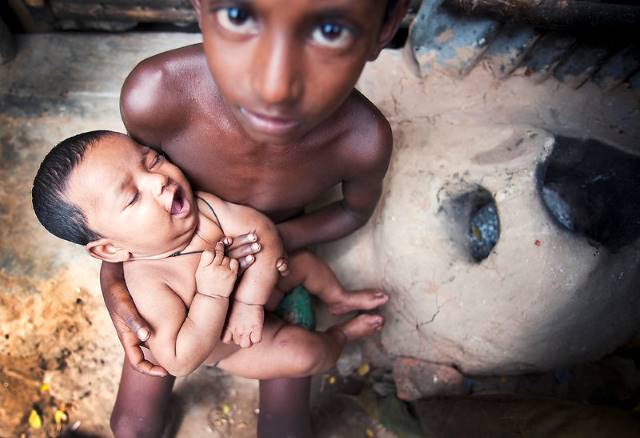
Infant mortality rateEvery year newborn babies take their first breaths after their mothers give birth to them. Around the world, these same mothers hope that their children will grow into adulthood without any major health complications hindering their development. Unfortunately, millions of babies have died within their first few months of life due to health issues. Those born in areas with populations vulnerable to poverty experience more frequent cases of infections compared to others living in better environments. Therefore, organizations around the world have implemented ways to lower the infant mortality rate. It is important to understand what causes high infant mortality rate (IMR) and what groups across the globe have been doing to help lower the rate over the years.
Infectious Diseases

Babies born in areas of extreme poverty are at higher risk of contracting an infectious disease compared to those delivered in more sanitary locations. Every year, an estimate of about 2.6 million lose their lives within their first month. Moreover, roughly 15% of the total amount of deaths are attributed to severe infections contracted. Many of those cases involving infections could have easily been lowered if the necessary medicine was available to help the babies recover. However, the issue is that these treatments are too expensive for most families to purchase even if it would save their children.

Additionally, there are many different infections and diseases that newborns can contract due to unsanitary environments during delivery. Data taken from the 1990s to 2017 recorded which infections and disease were the leading causes of deaths among children. The top cause of death for children under 5 was lower respiratory infections. After lower respiratory infections, preterm birth complications, birth asphyxiation and trauma were the next biggest reasons. In addition, there are many more problems that contribute to the high IMR early in its collection of data. However, one good piece of information is that since the 1990s, the IMR has lowered significantly.

USAID to the Rescue

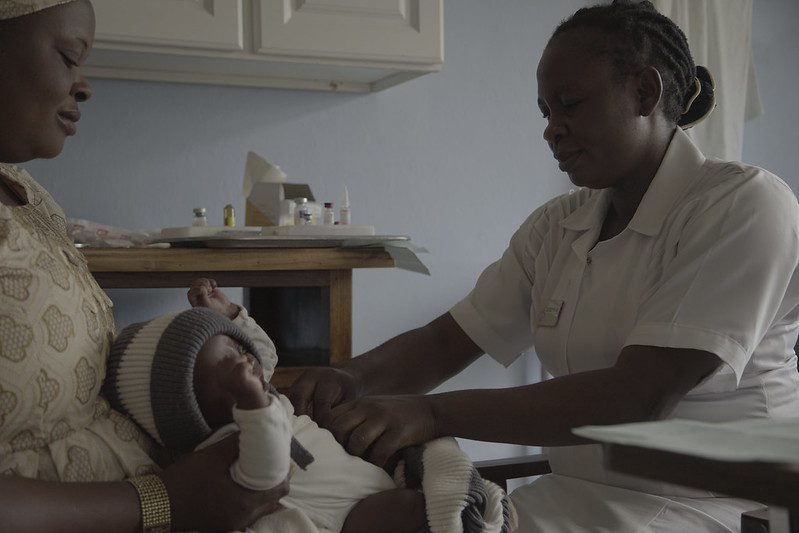
The United States Agency for International Development (USAID) has worked with several partners to produce cost-effective measures to help lower the IMR, especially for those in poverty. Expensive treatments have been one of the main reasons why children die at an early age —  a terrible outcome just because their parents could not afford the necessary treatments. In order to solve this problem, USAID has helped manufacture chlorhexidine to save more lives at a significantly cheaper rate. Chlorhexidine is an antiseptic product that comes in a liquid or gel form. It helps to treat infections for newborns, thereby lowering the infant mortality rate by lowering the cost of the product. This single intervention has helped lower the IMR in multiple countries.

Lower IMR Guidelines

The Guttmacher Institute released data explaining that practicing family planning can greatly reduce the IMR in countries with areas of poverty. They recommend that more contraceptives be made available to those who wish to use it. That will increase the likelihood of women giving birth to healthier children if they choose to have any. The institute argues that people living in areas of poverty lack access to such resources. It is that very lack of resources that increase the odds of children contracting infectious diseases when born.

While there are still many factors contributing to the infant mortality rate, there are also many out there who are working to lower that rate. Organizations like USAID and the Guttmacher Institute are trying to make sure that as many children reach adulthood as possible. It is through simple measures like lowering treatment costs and increasing access to medicines and family planning options that infant mortality can be reduced globally.

– Donovan Baxter
Photo: Flickr

October 5, 2020
https://borgenproject.org/wp-content/uploads/borgen-project-logo.svg 0 0 Kim Thelwell https://borgenproject.org/wp-content/uploads/borgen-project-logo.svg Kim Thelwell2020-10-05 03:09:212020-10-05 03:09:21Fighting the Infant Mortality Rate
Education, Global Poverty, Health, Sanitation, USAID

Efforts to Eradicate Poverty in Ghana 

Efforts to Eradicate Poverty
On July 29, 2020, Ghana released its Multidimensional Poverty Index (MPI) report, which outlines the various conditions that contribute to poverty in the country. Instead of using a monetary metric, the report looks at education, health and living standards to interpret the rate of poverty and determine the efforts to eradicate poverty in Ghana.

Using data collected between 2011 and 2018, the report found that the rate and severity of multidimensional poverty have reduced across Ghana, with significant improvements in electricity, cooking fuel and school attainment. Overall, Ghana reduced its incidence of multidimensional poverty by 9 percentage points from 55% in 2011 to 46% in 2017. This indicates that poverty itself has reduced and that the experience of the impoverished has improved.

The report measured each dimension through specific indicators relevant to poverty in Ghana. The government then prioritizes the country’s needs by examining the various deprivations that the poor experience most.

The report concluded that the indicators that contribute most to multidimensional poverty are lack of health insurance coverage, undernutrition, school lag and households with members that lacked any education. The report also revealed the stark differences between poverty in rural and urban populations, with 64.6% of the rural population and 27% of the urban population being multidimensionally poor. Based on the results of the report, it is paramount that resources go to the health and education sectors to improve the quality of life for the most at-risk members of Ghana, particularly in rural areas.

Efforts to Eradicate Poverty: Health Care

USAID is addressing the need for comprehensive health care reform through a multi-pronged approach to improve care for children and women in rural Ghana. Since 2003, the Ghanaian government has developed and expanded the National Health Insurance Scheme (NHIS), which provides residents with public health insurance. The program has provided many improvements to the health care system, but systemic barriers continue to limit the quality and accessibility of care.

In particular, a 2016 study that the Ghana Medical Journal published found that rural hospitals’ lack of personnel, equipment and protocol put women and children at the highest risk. This is due to poor nutrition, inability to seek neonatal care and lack of health insurance.

To address barriers to health care, USAID first compiled a network of preferred primary care providers to allow health care workers to communicate, educate and synchronize their standards of quality care. “The networks help connect rural primary health facilities with district hospitals, enabling mentoring between community health workers and more experienced providers at hospitals,” USAID stated.

The second prong was providing training to government staff and frontline health care workers to better understand health data and its uses for maternal and child health decision-making. By using the network of providers and standardizing data, doctors are better equipped to determine whether patients need a referral to a specialized caregiver.

USAID reported that these improvements have resulted in a 33% reduction in institutional maternal mortality, a 41% increase in the utilization of family planning services and a 28% reduction in stillbirths. As the health care sector has grown stronger and poverty has decreased, USAID and other outside support have scaled back aid to allow the network of health providers to operate autonomously.

This is a positive indication that the country is moving in the right direction to end poverty and improve the quality of life in the coming years, but it is also a critical moment in its development. The Duke Global Health Institute warns that the country must secure a robust medical infrastructure for the transition to independence to be a success.

According to the Duke Global Health Institute, if global aid is removed too early, the poor will suffer the most. Therefore, they state that it is essential that the government has a firm grasp of funding and organizing principles before they move away from outside aid.

Efforts to Eradicate Poverty: Education

The level of deprivation of education is also heavily dependent on whether someone lives in a rural or urban setting. One can measure the differences between education in rural and urban areas by looking at school attendance, school attainment and school lag. In rural areas, 21.1%, 33.9% and 34.4% of the population do not have access to each respective indicator. In contrast, the deprivation is only 7.2%, 10% and 12.8%.

To combat education deprivation, the current government has vowed to make secondary education free in an attempt to retain students who cannot afford to continue their education past primary schooling. Before secondary school became free in 2017, 67% of children who attended elementary went on to secondary school. In 2018, the ministry of education reported that attendance had increased to 83%. To promote education in rural areas, this past March, the ministry of education presented more than 500 vehicles, including 100 buses, to secondary schools throughout the country.

Efforts to Eradicate Poverty: Living Standards

Deprivation of proper sanitation ranked highest out of all indicators for living standards, health and education. The report stated that sanitation deprivation affected 62.8% of the rural population and 25.8% of the urban population.

Although more than 75% of the country lacks access to basic sanitation, little improvement has occurred. Between 2000 and 2015, access only increased from 11% to 15%. To encourage private investments in the sanitation sector, the ministry of sanitation and water resources hosted a contest between public and private entities to design liquid waste management strategies for different localities throughout the country.

In 2019, nine public and six private partners were the winners of a total prize of £1,285,000 and $225,000 respectively. They received the prize for excellence in the implementation of urban liquid waste management strategies. Winning strategies included an aquaponic system that sustained vegetable growth with treated water and the rehabilitation of a treatment center to raise fish.

Overall, the competition provided education about sanitation to rural communities, increased access to private toilets and spurred economic interest in developing the sanitation system in Ghana.

– Sophie Kidd
Photo: Flickr

October 3, 2020
https://borgenproject.org/wp-content/uploads/borgen-project-logo.svg 0 0 Jennifer Philipp https://borgenproject.org/wp-content/uploads/borgen-project-logo.svg Jennifer Philipp2020-10-03 17:37:252022-04-21 11:29:23Efforts to Eradicate Poverty in Ghana 
Global Poverty

5 Things Alleviating Water Insecurity in South Africa

Water Insecurity in South Africa
Located at the Southern tip of Africa, South Africa is one of the most developed Sub-Saharan African states on the continent. However, water insecurity in South Africa poses a risk to the economy and livelihoods of the country’s 49 million inhabitants. Rains that once provided much-needed water now fall less frequently. On top of this, some cities like Durban face issues surrounding water theft. About 35% of their water supply is stolen or dealt with illegally. For example, Cape Town has been rationing water since 2018. It has even geared up for a Day Zero, a day in which no person from the city would receive any water.

Water is a human necessity for hydration. However, it is also necessary for proper cooking, sanitation, sewage, bathing, washing dishes and cleaning clothes. Because of this, there are many favorable forces at work to alleviate the effects of water insecurity in South Africa.

5 Forces Alleviating the Effects of Water Insecurity in South Africa

  1. Universal behavior change is one of the things alleviating water insecurities in South Africa. Rationing water does not target the source of the problem. However, it ensures equitable sharing practices. The richest of individuals in South Africa’s Cape Town is receiving the same amount of water per day as the most impoverished individuals. This fact might seem obvious, but many countries in the world would struggle to enforce such practices. This dilemma comes on the back of South Africa’s groundbreaking legislation through the National Water Act. This piece of law formally recognizes sanitary water as a constitutional right. Thus, the government must work toward providing water for all constitutionally.
  2. Desalination plants are also alleviating water insecurity in this country. South Africa is beginning to invest in water desalination plants that could ultimately filter salt-water. These would be capable of providing millions with water sustainably. Ocean water would also be drinkable. While these plants are costly and time-sensitive to build, there is no price on providing a sustainable water supply. Positioned with an extensive coastline, South Africa has no limit to its provision of seawater.
  3. Additionally, improved wastewater treatment can help alleviate water insecurity. Repurposing wastewater has the potential to save large quantities of water every year. This process makes water once again usable for a variety of diverse water requirements. South Africa is continually investing in this technology, successfully targeting water insecurity in South Africa. Also, while this does not effectively solve the problem at its source, it does the most critical job of providing water to South Africans. The Mvula Trust is one of the world’s leading water and sanitation nongovernmental organizations. It is leading the charge in investment for wastewater treatment plants in South Africa. It recently organized a workshop bringing together many organizations such as the USAID and the Department of Water Affairs. The organizations agree on specific goals designed to ensure wastewater treatment is handled sustainably.
  4. Furthermore, another force that is working to alleviate water insecurity in South Africa is rainwater harvesting. While rainfall is much less consistent over the past few decades, South Africans have become more committed to taking advantage of rains. Many have installed formal or makeshift rainwater collection tanks that allow households to store water themselves. A Cape Town company named Jaguar Products has created a sleek and lightweight tank design that is not only effective but affordable. The selling of these available tanks not only aid households in securing water, but it also helps to drive the economy. It even provides money to South African businesses and jobs to South African citizens.
  5. Grocery Store Water Purification Systems are working to alleviate water insecurity as well. Because water from the tap has been scarce in some places within South Africa, many citizens have gotten water from their local grocery stores. Through donations and NGO work, many stores have drinking water refill systems. They allow sustainable purification of water. The Waterpod by I-Drop has been crucial in providing thousands with water. It will enable the shop owners to sell purified water, saves plastic through its reusability, and allows accessibility of purified water. While this is a fantastic innovation, it can only serve as a temporary fix, not as the new normal. South Africa has formally announced access to clean water as a constitutional right. Thus, individuals should not have to pay for their water. This has been effective in providing water for many households.

Overall, water insecurity in South Africa is not a problem that is going away. The country has averted many crises; however, it still needs to find a long-term solution. This issue does not only pertain to South Africa. With watersheds drying up all around the world, this issue will become more pervasive worldwide with each year that passes. Emphasizing the importance of this issue in South Africa could provide the fix that ultimately saves the rest of the world in the future. Thus, giving the South African government and its researchers the tools to succeed has the potential to solve a problem inevitable to everyone.

– Keagan James
Photo: Flickr

October 3, 2020
https://borgenproject.org/wp-content/uploads/borgen-project-logo.svg 0 0 Kim Thelwell https://borgenproject.org/wp-content/uploads/borgen-project-logo.svg Kim Thelwell2020-10-03 07:30:052020-10-01 13:47:345 Things Alleviating Water Insecurity in South Africa
Global Poverty, Women's Rights

The Fight for Women’s Rights in Haiti

Women’s Rights in Haiti
In the poorest country in the western hemisphere, women in Haiti have long been subject to exorbitantly high rates of gender-based violence. In addition, the Haitian judicial system often leaves them without anywhere to turn and there is insufficient access to education across the country.

However, women are integral to local economies and to Haitian society. Women head approximately half of Haitian households. Street vendors, a key element in the Haitian economy, tend to be largely female. Additionally, many women own small farms, making them vital to the agricultural chain.

Moreover, Haiti’s Constitution guarantees women the right to participate in politics, protects women from workplace discrimination and claims to protect them from physical and sexual abuse. Nevertheless, the state of women’s rights in Haiti remains wanting.

Gender-Based Violence

Haiti is one of the poorest countries in the world, and civil unrest, lack of infrastructure, poverty and general political instability plague it. This creates structural inequalities that put Haitian women and girls at heightened risk for gender-based violence. According to the Committee on the Elimination of Discrimination against Women (CEDAW) definition, gender-based violence includes violence towards a woman simply due to being a woman or violence that disproportionately harms women. According to the U.S. Agency for International Development (USAID), “one in three Haitian women, ages 15-49, has experienced physical and/or sexual violence.”

The inequalities inherent in Haitian society have left women particularly vulnerable. In fact, lack of adequate food, housing, sanitation, clean water, medical attention and protection make them open pray in a society where misogyny is common and the majority of people live in poverty.

Inadequate Access to Judicial Systems

In addition to facing remarkably high rates of sexual violence, women also receive inadequate support from the judicial system when it comes to prosecuting perpetrators of gender-based violence. Social barriers discriminate against women at every step of the process while structural issues, including corruption, lack of resources and lengthy procedures make it nearly impossible to even bring a case to court.

As 59% of the Haitian population lives below the poverty line and 24% live in extreme poverty, prohibitively high legal fees make the formal justice system inaccessible for the majority of the population. For women especially, incumbent misogynistic norms result in administrators overlooking cases of violence against women, brushing them off as not being serious, failing to acquire adequate evidence or displaying a general disregard for victims and their families.

Nevertheless, there have been some developments that have facilitated an improvement in women’s rights in Haiti. These developments have aided in women’s access to the legal system and their ability to report accounts of rape or abuse. In 2005, rape was officially criminalized, accompanied by higher rates of sentencing perpetrators. The country has also introduced other legislation that focuses on Haitian women’s rights, including improved training and accountability standards for the judiciary and legislation addressing gender-based violence across sexual, criminal and domestic contexts.

Still, the lack of legal support for women often makes simply reporting rape a futile practice. Prejudices against female autonomy and preconceived ideas of women’s behavior can result in instances of victim-blaming. It is not unusual for police officers to question the victim’s actions as inviting the violence or point to their choice of attire as prompting the assault. This type of verbal abuse discourages women from reporting violent instances and further normalizes violations of women’s rights in Haiti.

Lack of Safe Learning Environments

Globally, girls are already at a disadvantage in terms of accessing and receiving a quality education. In Haiti, classes usually occur in French while most of the country speaks Creole. Additionally, private organizations often run schools that charge tuition families cannot pay, subsequently making access to education particularly challenging. In 2015, the UN Development Program found that Haitians of 25 years or more were recipients of an average of 4.9 years of schooling. Save The Children, a humanitarian aid program estimated that Haitian girls attend school only until age 7 on average. Many leave school due to high tuition or to provide an extra set of hands at home, a direct result of the high rates of poverty.

Gender-based violence, poverty, child marriage and pregnancy, all issues that disproportionately affect girls, are common factors impeding access to education. According to a USAID study, school was the second-most common place for “unwanted touching.” The lack of safe learning environments correlates with a high drop-out rate for girls.

This drop-out rate results in a productivity loss in the labor market and an increase in costs associated with women’s health. Additionally, social costs include high infant mortality for children of adolescent girls, less social empowerment and reduced skill sets in unemployed females.

Furthermore, girls who have limited education are more likely to remain poor, experience violence and carry more children, a cycle that continues into future generations. According to WomenOne, a nonprofit promoting girls’ education, a woman’s children are twice as likely to attend primary school if she did. In 2015, WomenOne worked in Haiti to build a school in the village of Berard in partnership with LinkedIn and BuildOn. It intended this school to educate an equal number of girls and boys. 

Because Haitian women have an important role to play within their communities, families and the workforce, prioritizing education for girls by creating safe spaces to learn is critical to both propel development efforts and elevate women’s rights in Haiti.

 – Samantha Friborg
Photo: Flickr

October 2, 2020
https://borgenproject.org/wp-content/uploads/borgen-project-logo.svg 0 0 Jennifer Philipp https://borgenproject.org/wp-content/uploads/borgen-project-logo.svg Jennifer Philipp2020-10-02 11:59:212024-06-04 01:17:57The Fight for Women’s Rights in Haiti
Global Poverty, Water Crisis

Internal Conflict and Water Insecurity in South Sudan

water insecurity in south sudan
South Sudan has been in a civil war since December 2013. As a result, millions uproot themselves and thousands die. Essential resources are scarce, particularly for the most vulnerable people. Specifically, water insecurity in South Sudan is a major crisis within the country. Moreover, this water insecurity permeates both the lack of drinking water and essential water for sanitation.

The South Sudanese Conflict

South Sudan’s people are currently engaged in a civil war between the government (led by President Salva Kiir) and the opposition rebels — led by former Vice President Riek Machar. The country splits along ethnic lines, which primarily determine where support lies. That is to say, the president is supported by the Dinka and the former vice president’s opposition forces, supported by the Nuer.

The conflict results in major displacement, creating internally displaced persons (IDPs) and casualties throughout the country. Due to this displacement, regular access to living resources and basic services, such as healthcare and education, have been greatly diminished. Of the displaced persons, it is estimated that 40% are adults and 60% are children.

A consequence of the conflict: 7.2 million people require humanitarian assistance. Furthermore, 3.7 million people displaced — 383,000 people have died and 1.8 million children are unable to attend school.

Does the Conflict Affect Access to Resources like Water?

In short, yes. The continued violence and inability to secure stable conditions with access to utilities like clean water and sanitation have caused a major water insecurity crisis in South Sudan. The water crisis specifically presents major issues for civilian populations, including a lack of water for infectious disease prevention.

USAID outlines the extent of limited access to water in South Sudan, as a result of the conflict. The organization estimates that only about 34% of people in rural areas have access to water. Given that 84% of the nation lives in rural areas, this statistic quite alarming. Additionally, 90% of those living in poverty reside in rural areas with the aforementioned, limited (or lack of) access to water. This affects vulnerable populations like IDPs, women and children. Furthermore, it hinders their ability to ensure basic health needs like hydration and prevention of infectious diseases like cholera, hepatitis E and Guinea worm disease (GWD).

Weaponizing Water

Infrastructure specifically used for water access systems has been a major resource that the warring parties target in attempts to harm the opposition forces, both military and civilian. To destroy their enemies’ access to water is to debilitate their ability to recover. Equally important, targeting water sources puts severe pressure on the civilians whom an adversary protects. Women in South Sudan particularly feel the effects of this strategy as it can take days to get to a safe source of drinking water. Women are the primary “water fetchers,” but the journey to water sources leaves them extremely vulnerable to death by starvation or thirst (during these on-foot trips). Worse still is the fact that women traveling into rural areas amid the country’s conflict puts them at risk of being killed or assaulted.

Water Insecurity, Nutrition and Disease Prevention

South Sudan’s resource security crises reveal how internal conflicts within countries do not just affect the warring parties or military; they affect civilians, infrastructure and public health alike. Water insecurity in South Sudan, especially, is one of the many resource insecurity crises that should remain a priority of USAID. The crisis shares an intimate connection to nutrition and disease prevention; addressing it will likely have multiple benefits for the citizens of South Sudan.

– Kiahna Stephens
Photo: Flickr

September 23, 2020
https://borgenproject.org/wp-content/uploads/borgen-project-logo.svg 0 0 Kim Thelwell https://borgenproject.org/wp-content/uploads/borgen-project-logo.svg Kim Thelwell2020-09-23 11:04:452024-05-29 23:23:20Internal Conflict and Water Insecurity in South Sudan
Global Poverty

How Chlorhexidine Reduces Neonatal Mortality

chlorhexidine reduces neonatal mortality
Although the neonatal mortality rate across the globe has been consistently decreasing, neonatal death is still common in many regions. According to the World Health Organization (WHO), annual infant deaths were at an all-time low of 4.1 million deaths in 2017, decreasing from 8.8 million in 1990. However, the death rate in Africa is over six times higher than it is in Europe, illustrating a severe disparity. As such, there is still much more that people can do to lower neonatal mortality rates. One potential solution is chlorhexidine, which reduces neonatal mortality.

How Chlorhexidine Reduces Neonatal Mortality

To combat mortality rates, Save the Children and governments in Nepal and Nigeria have implemented chlorhexidine, an antiseptic found in mouthwash. When used to clean the umbilical cord as soon as possible after birth, chlorhexidine reduces neonatal mortality by preventing infection in newborns, which is among the top drivers of neonatal deaths across the globe. Save the Children and pharmaceutical company GlaxoSmithKline (GSK) partnered to create a chlorhexidine gel to distribute in wrapped pouches. Save the Children noted that this gel “was developed to be suitable for use in high temperatures, useful in sub-Saharan Africa and [South] Asia where the risk of newborn infections is high and temperatures are hot.”

Chlorhexidine gel has become wildly popular in Nepal, where USAID created the Chlorhexidine “Navi” Care Program to distribute chlorhexidine gel. In Nepal, around half of deliveries happen at home, making newborns even more exposed to infection if they are not delivered in a clean environment. In fact, a large majority of deaths in Nepal occur within the first month of life. Moreover, infections cause half of those deaths. In Nepal, chlorhexidine has reduced neonatal mortality by 24% and decreased the rate of infections in newborns by 68%. The Chlorhexidine “Navi” Care program’s objective aims to distribute chlorhexidine gel to all 75 districts of Nepal.

The Lifesaving Effects of Chlorhexidine

Nepal is not the only country to see chlorhexidine reduce neonatal mortality rates. Nigeria, one of the most populous countries in Africa, has also seen success. Its neonatal mortality rate has dropped from 48 deaths per 1,000 births in 2003 to 37 deaths per 1,000 live births in 2013. According to many estimates, infections cause at least one-third of newborn mortalities in Nigeria. In March 2016, Nigeria created a plan to scale-up the use of chlorhexidine to lower neonatal mortality rates. If this program succeeds, it will save 55,000 infants. Although this scaling up program started slowly, the Nigerian government has committed to continuing the use of chlorhexidine to prevent infection and fatalities. To do so, it has a plan in place to help local governments achieve their goals.

Across the globe, there are large imbalances in neonatal mortality rates. Countries like Pakistan, Afghanistan and Somalia have a much higher neonatal death rate than countries such as Australia, Canada or China. In developing countries where poverty rates are higher, neonatal death skyrockets due to a lack of resources. This simple, cheap and over-the-counter chlorhexidine gel is saving lives across the globe. As chlorhexidine becomes even more accessible to every community, it is hopeful that neonatal deaths will continue to decrease.

– Hannah Kaufman
Photo: Flickr

September 23, 2020
https://borgenproject.org/wp-content/uploads/borgen-project-logo.svg 0 0 Kim Thelwell https://borgenproject.org/wp-content/uploads/borgen-project-logo.svg Kim Thelwell2020-09-23 01:30:472024-05-29 23:23:17How Chlorhexidine Reduces Neonatal Mortality
COVID-19, Global Poverty, USAID

The Use of International COVID-19 Relief to Date

International COVID-19 Relief
While COVID-19 relief policies have provided much needed economic support to the American people, Congress has passed several international COVID-19 relief measures as well. These relief packages have provided various resources, from supplying healthcare commodities to funding research vaccine development. These packages assist foreign nations in preparing for and responding to the novel coronavirus 2019.

International COVID-19 Relief Efforts

As the virus has developed, Congress has approved several measures to respond to the outbreak and assist the international community. In early March 2020, the first of these measures allocated $1.25 billion in supplemental funding to the International Affairs Budget. Later in the month, Congress allocated $220 million more in international resources, followed by a third supplemental of $1.12 billion. Finally, in early July 2020, Congress allocated nearly $10 billion in emergency funding for COVID-19 relief.

In total, Congress has allocated nearly $12 billion to respond to the needs of the international community and fight against the reversal of decades of poverty reduction work. The funds have had a broad effect, reaching nearly all regions of the global community.

Africa

The United States’ response to COVID-19 in Africa has been extensive. However, the country’s partnership with UNICEF in Senegal highlights just how much of a difference international funding makes. Through financial support, USAID has partnered with UNICEF in training over 500 community health workers, constructing just under 500 hand-washing stands and distributing over 2000 hand-washing kits. In total, the funding has supported the disinfectant measures of over 400 schools, 1,800 houses and 1,400 health structures.

Asia

Perhaps no Asian nation has benefited more from international COVID-19 relief than Nepal. As part of USAID’s Sahara project, the organization has “assisted nearly 400 municipalities in locating areas at heightened risk of COVID-19 transmission, screening migrant returnees for COVID-19 symptoms, and coordinating relief efforts related to the disease outbreak.” The program has assisted nearly 7,500 households in finding medical assistance. It has also supplied over 1 million families with counseling on sanitation practices over the phone and reached nearly 3.6 million people via social media.

Europe and Eurasia

One of the most severely affected European nations, Italy is an excellent display of the effectiveness of international COVID-19 relief. According to USAID’s website, the “U.S. support includes $50 million in health, humanitarian, and economic assistance implemented by USAID to bolster Italy’s response to COVID-19.” To be most effective, USAID has both paired up with non-governmental organizations to supplement its efforts and the Italian government in order to provide health commodities.

Latin America and the Caribbean

USAID has been extremely active in Latin America and the Caribbean, particularly in Haiti. Through financial support, the organization has been able to provide Haiti with health commodities. USAID has also trained nurses to assist in testing, which is critical for an efficient response to the virus. According to its website, USAID has “assisted with the sampling and testing of more than 2,600 people since the beginning of May.”

The Middle East and North Africa

The nation of Tunisia provides one of the most compelling examples of the effectiveness of international aid in the Middle East and North Africa. Along with UNICEF, USAID helped provide sanitation kits to schools, daycares and health care facilities. Their efforts reached nearly 100 facilities. The organization also granted $6 million to support frontline workers and aid in a national campaign to spread awareness and prevent a second wave.

As COVD-19 has unfolded, the United States has made several contributions to aid the global community. These examples highlight a few of the many ways that the international response has made a difference in nations worldwide.

– Michael Messina
Photo: Pexels

September 21, 2020
https://borgenproject.org/wp-content/uploads/borgen-project-logo.svg 0 0 Kim Thelwell https://borgenproject.org/wp-content/uploads/borgen-project-logo.svg Kim Thelwell2020-09-21 01:30:552024-05-29 23:23:16The Use of International COVID-19 Relief to Date
COVID-19, Global Poverty

Health Care on Air Delivers Healthcare in the Pacific

Healthcare in the Pacific
The COVID-19 crisis has cemented itself as a problem that all countries in the world must face. Complicating matters is the fact that circumstances surrounding COVID-19 are quite dynamic — changing by the day. As such, experts release new information and studies about the new coronavirus, constantly. Therefore, healthcare workers need to stay informed. For small, proximal nations in the Pacific, this is especially important. Healthcare in the Pacific faces a unique set of challenges. As Fiji’s Hon. Minister for Health and Medical Services, Dr. Ifereimi Waqainabete, says, “The global spread of COVID-19 to countries and territories indicates that ‘a risk somewhere is a risk anywhere’ and as a global village, the increasing incidence of the disease in some countries around the world is a threat to the entire Pacific.”

The Challenge

In many Pacific nations, it is challenging to ensure that all healthcare workers remain updated. “The majority of nurses and midwives in the Pacific are located in remote rural areas and outer islands, which means they often miss out on regular trainings and updates,” says UNICEF Pacific Representative, Sheldon Yett. These remote workers service more than 2 million people in the Pacific.

The Solution

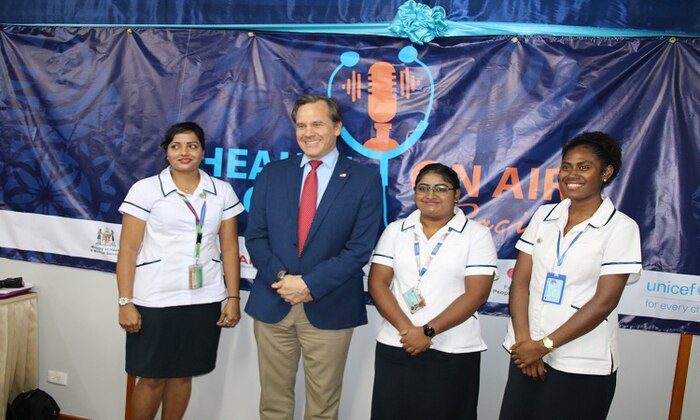
To address this problem regarding healthcare in the Pacific, governments of nations therein have recently collaborated with UNICEF, the U.S., New Zealand and Japan to launch a new program called Health Care on Air. This is the first regional training program of the sort. The United States Agency for International Development (USAID) has invested $1.85 million in this program.

Health Care on Air consists of 33 half-hour-long episodes to be broadcasted on the radio and other communication channels. While standard communication platforms like TV and online training are available in the Pacific — they do not reach all workers. Importantly, radio is the only form of media that reaches every corner of the Pacific. These episodes will teach healthcare workers skills and give them the necessary knowledge to deliver effective services, during the pandemic. In addition to the training sessions, participants will be able to ask questions and share information through UNICEF’s RapidPro platform. Notably, the platform works with free SMS and other smartphone messaging apps.

Project Scope

The project is especially concerned with reducing human-to-human transmission and limiting secondary impacts of COVID-19. Secondary impacts, i.e. the additional burden and expense on healthcare systems caused by COVID-19. Efforts to limit these secondary impacts focus on preparing healthcare centers to quickly adapt to new knowledge and specializations. The focus on reducing transmission and increasing adaptability is key for Pacific Island countries. This is because they cannot handle large-scale infections in the same way that larger, developed countries do.

The first episode aired on July 10, 2020, in Fiji. The program will eventually show in 14 additional countries in the Pacific — including the Cook Islands, Samoa, Federated States of Micronesia, Palau, Tuvalu, Niue, Vanuatu, Solomon Islands, Kiribati, Nauru, Tonga, Republic of Marshall Islands and Tokelau. Notably, more than 5,000 healthcare providers will benefit from this program.

Applying Lessons Learned

In the future, the lessons learned from the Health Care on Air program will be integrated into national nursing accreditation programs as well. While the COVID-19 pandemic is a major world crisis, it is the hope that these new and innovative communication systems will continue to serve communities in the Pacific for years to come.

– Antoinette Fang
Photo: U.S. Indo-Pacific Command

September 18, 2020
https://borgenproject.org/wp-content/uploads/borgen-project-logo.svg 0 0 Kim Thelwell https://borgenproject.org/wp-content/uploads/borgen-project-logo.svg Kim Thelwell2020-09-18 08:52:102020-09-18 08:52:10Health Care on Air Delivers Healthcare in the Pacific
Page 42 of 92«‹4041424344›»

Get Smarter

  • Global Poverty 101
  • Global Poverty… The Good News
  • Global Poverty & U.S. Jobs
  • Global Poverty and National Security
  • Innovative Solutions to Poverty
  • Global Poverty & Aid FAQ’s
Search Search

Take Action

  • Call Congress
  • Email Congress
  • Donate
  • 30 Ways to Help
  • Volunteer Ops
  • Internships
  • Courses & Certificates
  • The Podcast
Borgen Project

“The Borgen Project is an incredible nonprofit organization that is addressing poverty and hunger and working towards ending them.”

-The Huffington Post

Inside The Borgen Project

  • Contact
  • About
  • Financials
  • President
  • Board of Directors
  • Board of Advisors

International Links

  • UK Email Parliament
  • UK Donate
  • Canada Email Parliament

Get Smarter

  • Global Poverty 101
  • Global Poverty… The Good News
  • Global Poverty & U.S. Jobs
  • Global Poverty and National Security
  • Innovative Solutions to Poverty
  • Global Poverty & Aid FAQ’s

Ways to Help

  • Call Congress
  • Email Congress
  • Donate
  • 30 Ways to Help
  • Volunteer Ops
  • Internships
  • Courses & Certificates
  • The Podcast
Scroll to top Scroll to top Scroll to top