• Link to X
  • Link to Facebook
  • Link to Instagram
  • Link to TikTok
  • Link to Youtube
  • About
    • About Us
      • President
      • Board of Directors
      • Board of Advisors
      • Financials
      • Our Methodology
      • Success Tracker
      • Contact
  • Act Now
    • 30 Ways to Help
      • Email Congress
      • Call Congress
      • Volunteer
      • Courses & Certificates
      • Be a Donor
    • Internships
      • In-Office Internships
      • Remote Internships
    • Legislation
      • Politics 101
  • The Blog
  • The Podcast
  • Magazine
  • Donate
  • Click to open the search input field Click to open the search input field Search
  • Menu Menu

Tag Archive for: USAID

Information and news about mobile technology

Posts

Global Poverty, Hunger

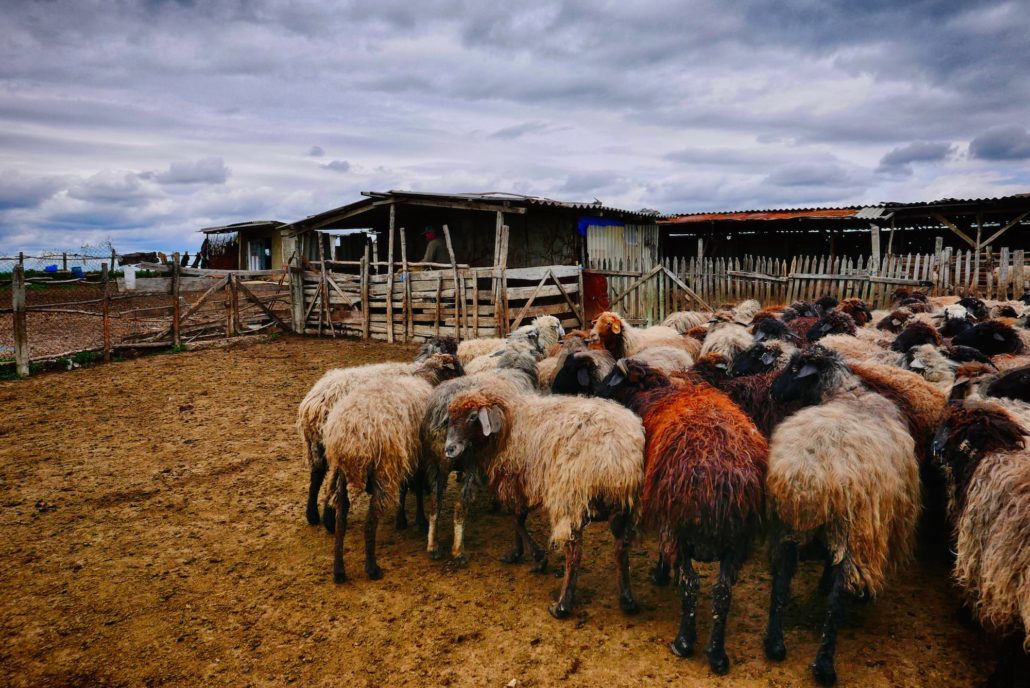
The Efforts to Lessen Hunger in Moldova

Hunger in Moldova
Since its independence from Russia in 1991, the Republic of Moldova has struggled to maintain economic sovereignty and is one of Europe’s most impoverished countries. As the country is rife with poverty, rampant hunger also affects it. Hunger in Moldova is a result of an array of factors that contribute to the multilayered issues that the country faces. Some of these factors include emigration and severe weather.

Natural Disasters

Moldova’s climate creates an ideal environment for extreme weather. In 2007-2015, droughts impacted 90% of the country’s territory and 80% of its population. These natural disasters have proven to be detrimental to the country’s agriculture as they are unpredictable and hinder crop production. As 17.7% of Moldova’s economy is contingent upon agriculture, the prevalence of natural disasters endangers the country’s ability to produce for itself and compete within the international economy. This has resulted in Moldovans suffering from a lack of consistent nutrition and resources that has impacted their overall health. Traditionally, the prevalence of anemia is indicative of hunger. Currently, 26.8% of women in the reproductive stage are anemic.

The COVID-19 Pandemic

Amid the COVID-19 pandemic, the progress to eliminate hunger in Moldova is under threat. Developing countries are currently at risk because they lack the proper resources to contain outbreaks and stabilize affected communities. According to the UNDP, 75% of those in the least developed countries have access to soap and water. With no way to effectively sanitize, the COVID case counts in developing countries are much higher than those in developed countries. The high numbers of cases in Moldova have proved detrimental to the Moldovan workforce, thus leaving many without access to the goods and services they require. Moreover, COVID-19 is not just a health concern, it also places fundamental resources in jeopardy. The UNDP predicts that developing countries will lose over $220 billion in income and that only 45% of people in those countries will have social protection. As a result, the reversal of efforts regarding education, hunger and human rights may occur.

Solutions

While poverty and hunger have endured in Moldova since its independence from Russia, many international organizations have made efforts to improve the wellbeing of its citizens. Contrary to popular belief, efforts do not have to be particularly large scale. Some of the most effective mechanisms to lessen poverty are local, though internationally funded. Examples include improving small-scale food producers and promoting disaster-resistant agricultural practices. When implemented correctly these small changes create a ripple effect into the country as a whole. Consequently, larger organizations provide funding which strengthens the country’s ability to compete in the international economy.

Efforts in Moldova have decreased the poverty rate from 30.2% to 12.7% from 2007 to 2012, which was 7.8% over the 20% goal. This decrease is impressive because it displays the importance of community efforts in the fight against poverty and the subsequent hunger. An additional example of community outreach is that in 2013, the local government was able to support projects that contributed to helping over 100,000 people gain access to clean water sources. A specific project is the Global Humanitarian Agency’s water project, which focuses on the application of underutilized water resources like rainwater and improving sanitation. In regards to hunger in Moldova, clean water is an essential resource and is often a factor that contributes to poverty.

Additionally, local groups have also been able to train roughly 80% of their elected officials in order to identify needs within their communities. As a result of allowing elected officials to identify needs, communities can regain a level of autonomy. Different places have different needs as far as financial and food resources are concerned. Thus, training elected officials allows them to serve as educated ambassadors and make intelligent decisions regarding their respective areas. These examples illustrate the ability of small efforts to catalyze large scale development.

How to Help

There are many organizations for one to choose from if they would like to help end hunger in Moldova. USAID and UNDP are some of the most reputable.

USAID has championed a project known as the Moldova Competitiveness Project which partners with the Swiss government and focuses on the expansion of the Moldovan economy. The project emerged in October 2015 and is transparent about its objectives. The project plans to elevate Moldova’s economy by increasing productivity within Moldovan businesses and innovation as a whole throughout the country. The improvement of the products that Moldova produces would connect it to the global economy and allow it to become economically sustainable. This improvement of products will occur through the project’s support of specialized training for workers and industry excellence centers like ZIPHouse, a creativity center.

Meanwhile, UNDP seeks to lessen poverty by applying the Sustainable Development Goals (SDGs). Effective since 2016, these goals serve as the primary mission statement for UNDP’s global outreach programs. It prioritizes innovation, sustainability and economic equality in an effort to improve the lives of those impoverished and ultimately end poverty as a whole. In response to COVID-19, the UNDP has partnered with the World Health Organization (WHO) in order to aid developing countries amid the pandemic. It focuses on stopping the spread of the virus by utilizing adequate medical equipment and providing resources to bar the economy from collapsing. It has already utilized $20 million but predicts it will cost at least $500 million in order to sufficiently aid 100 countries.

– Stella Vallon
Photo: Flickr
November 1, 2020
https://borgenproject.org/wp-content/uploads/borgen-project-logo.svg 0 0 Borgen Project https://borgenproject.org/wp-content/uploads/borgen-project-logo.svg Borgen Project2020-11-01 04:00:072024-05-27 09:23:44The Efforts to Lessen Hunger in Moldova
COVID-19, Global Health, Global Poverty

How Ebola Effects the Economy in the DRC

Economy in the DRC
On June 25, 2020, the Ministry of Health of the Democratic Republic of Congo declared that the 10th Ebola outbreak was over in three provinces. With the rise of COVID-19 cases in the country, Ebola cases have also increased significantly as social distancing became difficult in medical facilities. As of August 13, 2020, there have been 86 confirmed Ebola cases in the northwest Equateur province. As of July 3, 2020, there were a total of 3,481 cases in the entire country. With Ebola and COVID-19 cases rising, medical costs, personnel and resources will heavily affect the economy as government officials scramble to contain the outbreaks. Here is some information about how Ebola has affected the economy in the DRC.

Keeping Inflation in Check

The recent outbreaks in the Equateur province are in remote areas, regions that are difficult for medical supplies to reach. The lack of access to these areas requires an increase in medical cost support, however, the DRC currently cannot shoulder the financial burden due to the COVID-19 pandemic. The economy in the DRC has been stressed because of COVID-19 costs and has been adjusting rates in order to control inflation. During the week of August 10, the Central Bank of DRC increased the key interest rate from 7.5% to 18.5% in order to prevent inflation. Despite the pandemic, Central Bank experts are expecting an increase in the economic growth of 2.4% at the end of 2020. This would be a downward trend from expectations at the beginning of 2020.

Tracking COVID-19 and Ebola

The DRC will only be able to contain both viruses if it can properly document progression and transmission. However, the DRC has more than 500 regions of difficult terrain that do not have access to basic resources. These remote, populous areas are unable to receive medical resources or be properly tracked. They have less access to electricity, medical personnel and resources. The economy in the DRC has exacerbated most funds in order to contain the COVID-19 outbreak. However, the World Health Organization (WHO) has reported that almost 13,000 people have received vaccinations since the 11th Ebola outbreak that started near the end of July 2020.

International Aid

The U.S. Agency for International Development (USAID) is delivering an additional $7.5 million in humanitarian assistance to the DRC for Ebola. With these funds and WHO’s vaccine distribution procedures, testing facilities and medical personnel volunteers, the DRC will be able to more efficiently combat these pandemics.

Additionally, the DRC is receiving a $363 million loan from the International Monetary fund, $47 million from the World Bank and $40 million in emergency funds from the United Nations to strengthen the economy. These monetary aids will go toward the COVID-19 medical response, 11th Ebola outbreak vaccinations and necessary medical facilities.

Conclusion

Despite battling two pandemics at once, the DRC has maintained its composure and enacted the proper medical responses with the resources it has. The economy in the DRC has suffered because of the new Ebola outbreak. However, the DRC’s mission and determination to wipe out the last of the Ebola infections are unparalleled by previous responses. The DRC is on track to declaring another Ebola outbreak over.

– Aria Ma
Photo: Flickr

October 31, 2020
https://borgenproject.org/wp-content/uploads/borgen-project-logo.svg 0 0 Kim Thelwell https://borgenproject.org/wp-content/uploads/borgen-project-logo.svg Kim Thelwell2020-10-31 14:45:162024-05-29 23:14:59How Ebola Effects the Economy in the DRC
Education, Global Poverty, Humanitarian Aid

Harnessing Hope: Humanitarian Aid in South Sudan

Humanitarian Aid  in South Sudan
As the world’s youngest nation, South Sudan has amazing potential to be an emerging economy in East Africa. Unfortunately, conflict has plagued the newly formed country, as it emerged as a result of a war for independence, and continues to see regional conflicts as it remains politically unstable, resulting in weaker public institutions and infrastructure. Due to this instability, it has been difficult for a strong and developed economy to take hold. However, with South Sudan’s access to natural resources and untapped human capital, a strong economy is definitely possible if there is enough of an investment in humanitarian aid in South Sudan.

Many nations and organizations, such as the United States and UNESCO, have planned solutions and committed resources to help South Sudan remedy its largest issues. The most prominent issue facing South Sudan is the continued conflict the fledgling country faces. These issues cannot be fixed purely from foreign donations and humanitarian aid but there has been a concentrated effort to help relieve the worst impacts the continued fighting has caused.

Peacekeeping

In a U.S. backed mandate, the U.N. has committed to providing humanitarian aid in South Sudan by maintaining a peacekeeping force in the country till at least March 2021. These peacekeeping forces have the task of maintaining the stability of the new peace agreement as well as assisting the roughly 3.9 million displaced South Sudanese citizens. The U.N.’s forces will have the job of monitoring the new transitional government for abuses of international humanitarian law.

While a lack of political stability is the root cause of most of South Sudan’s economic struggles, a lack of dependable infrastructure also hampers the country’s ability to combat poverty. Humanitarian aid workers have found difficulty reaching rural populations in South Sudan during regular flood seasons. Roughly 70% of South Sudan’s population lives in rural areas and as many work in the agricultural sector, meaning that for a lengthy portion of the year, they are inaccessible to humanitarian workers in addition to not having access to urban centers.

Education

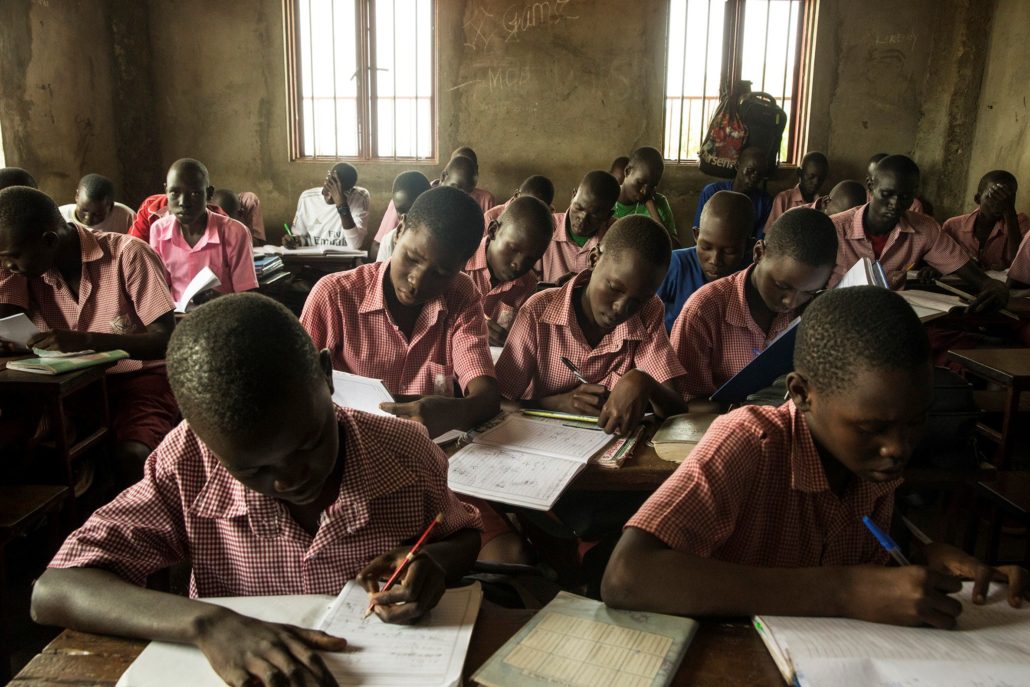
Another difficulty facing South Sudan is a lack of a comprehensive education system. In 2018, South Sudan had the lowest rate of adult literacy in the world at 27%. This is partly due to its reliance on agriculture and the sparse rural communities where many South Sudanese people live. As a response, UNESCO is promoting non-formal educational spaces to not only educate South Sudanese youth but also illiterate adults. Expectations have determined that over 2,000 learning spaces will emerge by the year 2023, which will serve 330,000 children who cannot attend a traditional school due to displacement from conflict.

As of 2018, 70% of South Sudan’s population was under the age of 29 years old which has the potential to lead to exponential growth in the country. The young nature of the country’s population means that they can receive training in specialized skills and can create a sudden surge of development in certain sectors of industry. Combined with developing a stronger educational network for young adults, South Sudan can see a major increase in educated and skilled workers.

The United States, recognizing the potential for South Sudan to become a strong economy in East Africa, has continued to provide humanitarian aid in South Sudan as it develops. The United States has dedicated $97 million from the State’s Department’s Bureau of Populations, Refugees, and Migration as well as an additional $11 million from the U.S. Agency for International Development’s Bureau for Humanitarian Assistance in an effort to aid those displaced due to the conflict in South Sudan.

Looking Forward

South Sudan has all the makings of a stable and prosperous economy, a substantial amount of natural resources, access to undeveloped land and a population that is young enough to receive thorough training and education. All the country needs to do is to create and maintain political peace within its borders and continually receive humanitarian aid from global leaders such as the United States.

– Christopher McLean
Photo: Flickr

October 31, 2020
https://borgenproject.org/wp-content/uploads/borgen-project-logo.svg 0 0 Jennifer Philipp https://borgenproject.org/wp-content/uploads/borgen-project-logo.svg Jennifer Philipp2020-10-31 08:51:242020-10-31 08:51:24Harnessing Hope: Humanitarian Aid in South Sudan
Global Poverty, USAID

The International Response Regarding The Rohingya Refugees

The Rohingya Refugees: What to Know and International Response
According to the U.N., the country bordering Laos to the east and Bangladesh to the west is called Myanmar, but to the U.S. and U.K., it is Burma. Its name is just one source of the conflict that has plagued the country for years; another is regarding relations between the government and the Rohingya, a Muslim minority group living in the Rakhine region. After Myanmar’s independence in 1948, the Rohingya people in the Rakhine region became stateless and the Myanmar government refused to give them citizenship. The animosity between the Rohingya and Myanmar’s government continued to grow until the group experienced exclusion altogether from the national census in 2014. In 2017, the Rohingya faced a crisis that forced them to seek help from other nations and become refugees.

Background Information on Rohingya Refugees

In August 2017, the perpetuated institutional discrimination against the Rohingya hit its limits when the Burmese military launched a campaign of targeted violence. In the first month after violence broke out, at least 6,700 Rohingya were killed and 300 Rohingya villages were burned. As a result, an estimated 740,000 Rohingya were displaced out of Myanmar’s Rakhine region and into Bangladesh. Today, more than 900,000 Rohingya still live in Bangladesh.

Upon arriving in Bangladesh, Rohingya refugees found shelter in refugee camps that are now some of the largest in the world. Due to the pace at which mass numbers of Rohingya became refugees. Camps did not have adequate resources including shelter, food, clean water and medical facilities. Many refugees have also become traumatized after witnessing the acts of violence in the Burmese military campaigns. The U.S. State Department now deems the actions as ethnic cleansing.

US Humanitarian Assistance

Since the outbreak of violence in 2017, the U.S. has contributed $669 million in humanitarian assistance to the Rohingya refugees. According to USAID, this funding goes toward addressing the needs of Rohingya refugees including emergency shelter, food, health services, psychological support, education, water and sanitation. Additionally, the U.S. funding aims to support programs that will improve disaster preparedness and education for Rohingya in Bangladesh.

With this assistance, the U.S. also aims to augment existing systems and programs that provide relief to refugees. For instance, the increased number of vouchers that are going to Rohingya refugees should allow them to buy food in local markets. Furthermore, the U.S.’s push for educational programs for refugees should yield more access to better economic opportunities in Bangladesh.

US Diplomatic Stance

The U.S. State Department has consistently and publicly condemned the actions of the Burmese military against the Rohingya. It also stated a commitment to justice and accountability on behalf of the Rohingya people. Furthermore, the State Department urges Myanmar to formally acknowledge the acts of injustice and violence. It calls on other nations to support this stance as well. In 2018, the U.S. imposed sanctions on four Myanmar military and police commanders and two army units for their human rights abuses against the Rohingya. The Myanmar government did not respond to this stance. As a result, the U.S. imposed more sanctions on a high-ranking general and three senior officers in 2019. The U.S. State Department is also working with international organizations to encourage Myanmar to adopt conditions that would eventually allow Rohingya refugees to return to their homes.

After the outbreak of violence in Myanmar, the U.N. Human Rights Council established the Independent International Fact-Finding Mission on Myanmar in March 2017 to investigate and make conclusions concerning the extent of human rights abuses committed. Its findings conclude that Myanmar committed crimes against humanity, war crimes and genocide against the Rohingya.

With Myanmar’s lack of indication that the country will acknowledge the violence the government committed against the Rohingya, almost 1 million Rohingya remain in refugee camps in Bangladesh. The international response has strongly condemned Myanmar’s government and offered humanitarian assistance. However, more permanent plans for the Rohingya refugees will likely need to occur soon. The U.S.’s push for more education in camps is one example of a positive step in the direction toward relief for the Rohingya. In addition, the U.S. along with other nations and international organizations should continue to develop these programs with further humanitarian assistance.

– Isabel Serrano
Photo: Flickr

October 24, 2020
https://borgenproject.org/wp-content/uploads/borgen-project-logo.svg 0 0 Kim Thelwell https://borgenproject.org/wp-content/uploads/borgen-project-logo.svg Kim Thelwell2020-10-24 01:30:352024-05-30 07:52:32The International Response Regarding The Rohingya Refugees
Education, Global Poverty

The Fight Against Education Inequality in Pakistan

Education Inequality in Pakistan
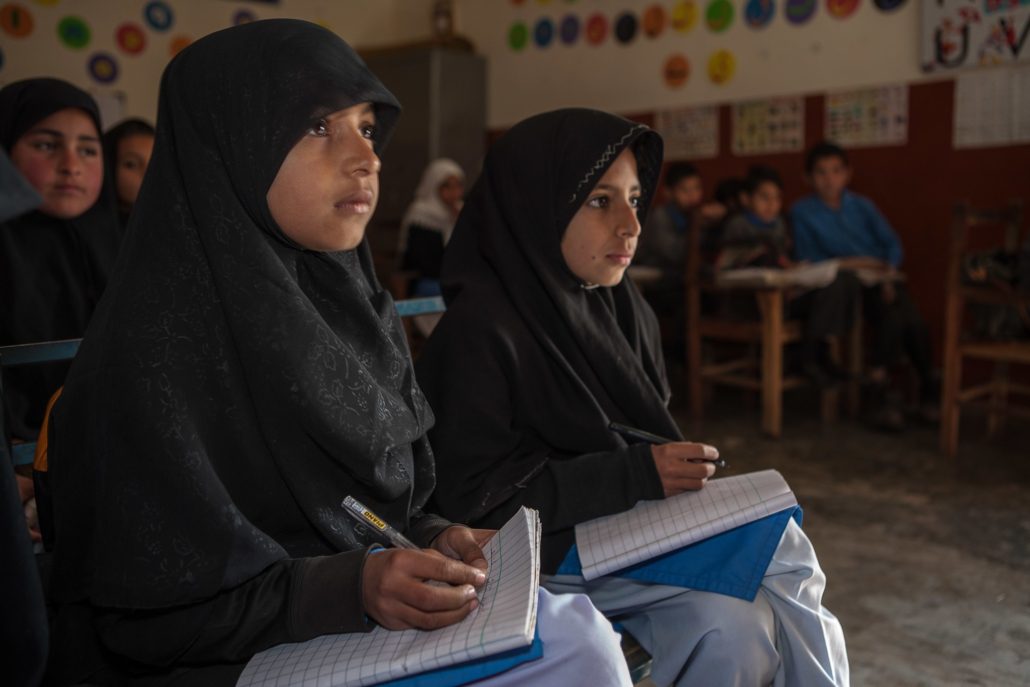
Pakistan, a Muslim-majority country and home to over 221 million people, is trying to get girls the education they deserve. Education inequality in Pakistan exists primarily because of a lack of funding from the government, unsafe transportation, early marriage and poverty. Families living in poverty in Pakistan frequently choose between sending their children to school, hoping they get there safely, or buying household necessities. According to a 2018 Human Rights Watch article, “32% of primary school age girls are out of school in Pakistan, compared with 21% of boys.”

The Current Situation in Pakistan

Today, the youth population in Pakistan is larger than it has ever been. With 64% of individuals now under the age of 30, this new generation may be able to change Pakistan’s economy and education system, according to World Education News and Review. However, how can girls make a societal change when only 39% out of that age group, 2% of whom are female, have employment?

Women in Pakistan often do household chores such as cooking and taking care of the children while men in Pakistani culture are the breadwinners. Many in Pakistan see them as worthy of a proper education because they need those skills to create a prosperous life for their family. This adds to the gender and education inequality that exists in the patriarchal society of Pakistan.

For the girls who have the opportunity to go to school, they often face obstacles such as rape and discrimination. The gender-based violence present in Pakistan often occurs through child marriage, domestic abuse and maternal mortality rates. Many girls marry before they turn 18, and according to a 2018 article by TheirWorld, “In 2012 and 2013, 53.7% of married girls between 15 and 19 had never been to school.”

The gender discrimination that girls face in the educational system is an intergenerational problem. The United States has been working to aid Pakistan in furthering its educational system and obtaining education equality for girls.

Solutions

USAID aims to help girls in developing areas gain access to education, diminish the gender gap and keep girls in school when they are at high risk of dropping out. According to the Pakistan Alliance for Girls Education, 22.7% of children drop out of primary school. In an attempt to change those statistics, USAID has constructed and repaired 1,607 schools and awarded scholarships to 19,000 students in Pakistan in the past decade.

Education in Pakistan is often poor. School budgets are frequently low, infrastructure is improper and teachers are illegitimate. Change must begin on the inside, starting with the intentions of the Pakistani government.

In past years, Pakistan has fallen short when it comes to financing education. In 2000, Pakistan spent 1.8% of its gross domestic product on education. In 2017, Pakistan spent only 2.9% on education. According to the Pakistan Alliance for Girls Education, “The government has allocated Rs. 83.3 billion for Education Affairs and Services in the federal budget for 2020-21.” While there are plans in place to help Pakistan’s economy and promote education, some organizations are working on a more personal level.

Save the Children

Save the Children is an organization that strives to create a better future for children by providing aid to healthcare, education and disaster relief. In Pakistan, the organization’s goal is to raise awareness about girls rights, work towards gender equality and help improve the country’s education system.

“We want to help every child, each one is important but we know girls need more help breaking down those barriers,” said Save the Children’s Vice President of Public Policy and Advocating, Nora O’Connell, in an interview with The Borgen Project. Save the Children’s Choices, Voices, and Promises program aims to educate children about gender and social norms to move towards equality. The program intends to teach boys about the obstacles that their sisters and friends in order to create a supportive, less divided community. “In some cases we see boys helping their sisters with their chores so they have more time to focus on their school work,” said O’Connell.

Save the Children also has programs about sexual and reproductive health, teachers as role models and a mentor program. According to O’Connell, the mentor program is a great way for adolescent girls to stay in school when they are at risk of dropping out. Save the Children pairs girls with mentors who may have dropped out of school due to marriage or pregnancy, in order to show girls they are capable of moving past social barriers.

Through continued work, education inequality in Pakistan should become a part of the past. Everyone deserves the right to an equal and proper education no matter their gender. As the African proverb goes, “if you educate a man, you educate an individual. But if you educate a woman, you educate a nation.”

– Jessica LaVopa
Photo: Flickr

October 20, 2020
https://borgenproject.org/wp-content/uploads/borgen-project-logo.svg 0 0 Kim Thelwell https://borgenproject.org/wp-content/uploads/borgen-project-logo.svg Kim Thelwell2020-10-20 14:44:552020-10-20 14:44:55The Fight Against Education Inequality in Pakistan
Development, Global Poverty, Health

Air Pollution in Nepal’s Kathmandu Valley

Air Pollution in Nepal's Kathmandu ValleyLocated in a bowl-shaped region enclosed by four mountain ranges, the Kathmandu Valley is Nepal’s most populous and developed metropolitan area. However, with the valley’s population density, level of industrialization and geographic location, a host of problems afflicts the region. In recent years, the international and domestic communities have paid increasing attention to the worsening issue of air pollution in Nepal’s Kathmandu Valley. In Nepal, air contains five times more pollutants than the amount considered safe by the World Health Organization (WHO); the air in the Kathmandu Valley contains ten times the pollutant concentration set forth by WHO guidelines.
Causes of Air Pollution

The Urban Health Initiative (UHI), an on-the-ground pilot program initiated by the WHO, has identified four primary sources of air pollution worldwide:

  • Solid waste
  • Transport
  • Industry/brick kilns
  • Household energy sectors

The geographical location of the Kathmandu Valley exacerbates all four sources of pollution. Since tall mountain ranges enclose the region, the valley does not get enough wind to disperse air pollutants. Furthermore, Nepal’s location between China and India means that the contaminants from both countries flood into Nepal and vice versa.

Effects of Air Pollution in Nepal’s Kathmandu Valley

Air pollution has had a massive impact on Nepalese people. Every year, 35,000 people in Nepal die from illnesses related to air contaminants. Air pollution frequently causes osteoporosis, heart attacks, dementia and kidney diseases. Furthermore, the life expectancy in the Kathmandu Valley is four years less than that of other Nepalese regions.

While the government has taken little action to reduce the region’s concentration of air pollutants, the Nepalese people have taken matters into their own hands. People have started to wear face masks day-to-day, cancel outdoor activities and frequently monitor air pollution levels. Although individuals have shown an admirable degree of agency in protecting themselves, the Nepalese government must take greater action to reduce the risk of air contaminants for its people.

Action Items So Far

To address air pollution in Nepal’s Kathmandu Valley, the Nepalese government has released a National Plan for Electric Mobility (NPEM) that contains several time-oriented goals. The NPEM includes several objectives: increasing the share of electric vehicles to 20% by the end of 2020, cutting fossil fuel use in the transport sector 50% by 2050 and developing a hydroelectric powered rail network by 2040. The NPEM focuses on pollution caused by transportation, and this emphasis has shown promising results.

Due to the COVID-19 pandemic, automobile use has decreased significantly in Nepal. The air quality index in April 2020 showed a noteworthy improvement compared to April 2019: the air on April 30, 2020, contained about 50% fewer contaminants than the air the year prior. Therefore, the government should be able to achieve significant improvements in air quality by targeting automobile emissions.

Efforts by USAID

In 2015, USAID launched the five-year, nearly $10 billion Nepal Hydropower Development Project (NHDP). With this project, USAID aimed to assist in the development of hydroelectric power services. Nepal has impressive hydroelectric capabilities and, if the country harnesses its full hydroelectric potential, it could even have an energy surplus to export to neighboring countries and gain additional revenue.

Working in tandem with various Nepalese governmental organizations, the NHDP focuses on private sector development and investment in hydroelectricity. By creating viable power services, the NHDP hopes to permanently transform Nepal’s energy sector to include more sustainable sources.

Moving Forward

As Nepal and international organizations improve the country’s air quality, a successful continued response will require cooperation. Given Nepal’s landlocked location, collaboration with other countries such as India and China is also necessary. However, in light of the efforts of the Nepalese government and USAID, Nepal is taking steps in the right direction to improve its air quality for the benefit of everyone in the region—especially those in the vulnerable area of Kathmandu Valley. Ultimately, there is hope to combat air pollution in Nepal’s Kathmandu Valley and protect the health and safety of thousands. 

– Alanna Jaffee
Photo: Wikimedia

October 20, 2020
https://borgenproject.org/wp-content/uploads/borgen-project-logo.svg 0 0 Kim Thelwell https://borgenproject.org/wp-content/uploads/borgen-project-logo.svg Kim Thelwell2020-10-20 10:00:082024-05-30 07:52:38Air Pollution in Nepal’s Kathmandu Valley
Global Poverty

How Vanilla in Indonesia Lifts Youth out of Poverty

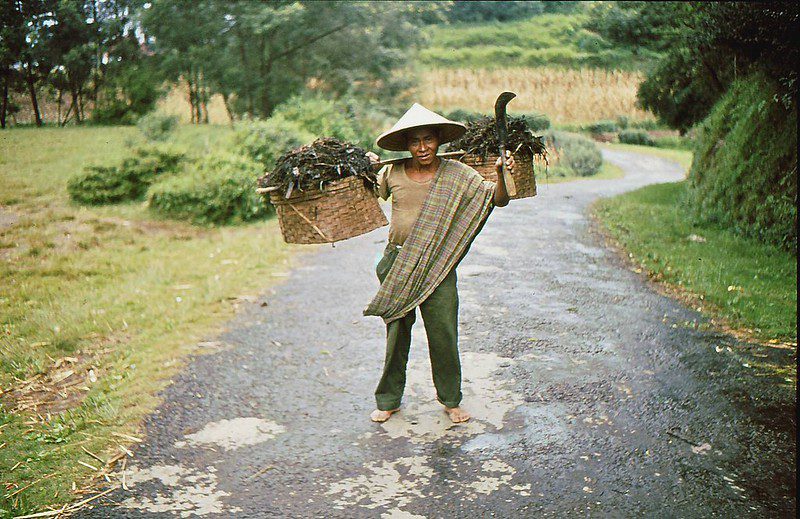
vanilla in IndonesiaOver the past two decades, employment in agriculture in Indonesia has declined from 45% in 2000 to about 29% in 2019. This decline has been accompanied by an aging farmer population, with 60% to 80% of rice farmers above the age of 45. However, Indonesia is the third largest producer of rice in the world. Its agriculture sector also provides an integral source of income for Indonesian families and export-revenue for the country. Without millennial interest in these jobs, the fading light of agriculture could cast a dark shadow on the economy. Thankfully, vanilla in Indonesia is bringing Indonesian youth back to agriculture and making the sector more profitable. This underscores the vanilla trade’s potential as a way out of poverty in Indonesia.
A Tale of Agriculture Revitalized

Sofa Arbiyanto, 30, began farming vanilla in 2018 in Blora, Central Java. Blora is one of two regions that produce most vanilla in Indonesia. After leaving his manufacturing job in South Korea and connecting with vanilla farming groups online, Arbiyanto began farming vanilla on a 1,200-square meter plot. He now has 2,000 vanilla vines.

Arbiyanto made the switch to farming because of the profitability potential he saw in the market. In 2019, vanilla beans from Madagascar, the world’s top producer, cost more by weight than silver. Vanilla itself is the second-most traded spice in the world. Vanilla in Indonesia accounted for 29% of the global supply in 2016, making Indonesia its second largest producer.

The lack of millennial attraction to farming is rooted in cultural stigma. Children who grow up in farming families learn from their parents that farming is a dirty job imbued with poverty and hardship. For these families, farming is as a last-resort career for their children. Thus, the people most likely to become farmers seek out other jobs instead.

Hilmi, a graduate student from Cigugur who spoke with The Diplomat, explained that young people in Indonesia see farming as a life of “soiled clothes with no pride.” However, vanilla in Indonesia may be changing this outlook. Indeed, Arbiyanto said, “My initial view that farmers live in hardship and poverty has changed. With a touch of innovation and technology, it is a promising opportunity.”

Indonesia Vanilla Farmers’ Association

Arbiyanto is one of around 250 vanilla farmers ages 25 to 35 who trained with the Indonesian Vanilla Farmers’ Association (PPVI). PPVI has a YouTube channel where farmers across the country can access informational videos. The channel has almost 15,000 subscribers, while some of its videos have more than 115,000 views.

This innovative approach to training farmers is revitalizing vanilla in Indonesia. Many millennials, more in touch with technology, have learned farming techniques through this method. Further, PPVI notes that experienced farmers use platforms like WhatsApp to offer the new generation their tips and tricks.

According to McCormick & Co., “Indonesia has strong potential to become an alternative origin [for vanilla], in terms of quantity and quality.” Although price volatility puts some risk in vanilla in Indonesia, the spice is bringing life back to a sector that many Indonesians have long associated with poverty.

Vanilla in Indonesia in the Global Trade

To make matters more enticing, the vanilla market has seen an increase in demand during the pandemic. Because of global stay-at-home orders, grocery shopping and home cooking have increased. This means that the average household now consumes more vanilla.

At the same time, the pandemic has caused shipping delays that resulted in an 18% drop in shipments from January to May of 2020. Kasan, a director-general in Indonesia’s trade ministry, noted that price volatility puts some risk in this enterprise. Still, the government has maintained its support.

“When the new normal begins and trade activities are gradually increased … vanilla exports will become one of the mainstays of trade that will be expanded,” Kasan said. This sentiment is part of a larger desire from the Indonesian government to diversify its agricultural exports, which are largely dominated by palm oil. The government also wants to use vanilla to create pathways out of poverty in Indonesia.

U.S. Aid

The opportunity to reduce poverty via vanilla came when a cyclone hit Madagascar in 2017, cutting off much of the global supply of vanilla and creating a shortage on the global market. This was an opening for other suppliers to gain a greater share of the market. The U.S. Agency for International Development, in collaboration with Cooperative Business International (CBI), stepped in to help. They have established partnerships between more than 5,000 small-scale, Indonesian spice famers and international spice vendors. Thus, U.S. aid further supports growth of vanilla in Indonesia.

Through this co-op, Agustinus Daka, an experienced vanilla farmer, told AEC News Today that his income had doubled. This moved him beyond subsistence farming. Daka harvests his beans after nine months and sends them to a spice factory in Central Java, where some 700 Indonesians work.

Sam Filiaci, senior vice president for Southeast Asia at CBI, explained the broader scope of such partnerships. “Even though we talk about the 700 people working in this facility,” Filiaci said, “the employment that it creates in the United States or the destination markets is even greater.”

He continued, “Vanilla and these other high-value crops that we grow and produce are a tool to improving people’s lives … helping farmers educate their children, build their houses, get health care. I think it’s extremely important and strategic for the U.S. government to invest in opportunities like this.” Thus, international aid has a large role to play in using vanilla in Indonesia to lift Indonesians out of poverty.

– Olivia du Bois
Photo: Flickr

October 17, 2020
https://borgenproject.org/wp-content/uploads/borgen-project-logo.svg 0 0 Jennifer Philipp https://borgenproject.org/wp-content/uploads/borgen-project-logo.svg Jennifer Philipp2020-10-17 08:52:222020-10-17 08:52:22How Vanilla in Indonesia Lifts Youth out of Poverty
Children, Development, Global Poverty, Health

Finding Hope for Women with Fistula

Finding Hope for Women with FistulaFistula is a medical condition faced by women of every nationality, background and income level. However, these factors affect the rate at which women encounter fistula. Although income level is the largest determinant, nationality is also highly influential in countries where women have limited economic opportunities. However, recent developments are providing hope for women with fistula.


What is Fistula?

Fistula is an abnormal connection between the organs that often occurs when women have troubles with pregnancy and labor—specifically when labor is prolonged. When fistula occurs, especially in places where women have financial and geographic access to medical care, medical experts can normally address the problem with procedures such as C-sections. However, for women who lack access to these services, the issue worsens.

The labor period can last for days, which causes extreme pain and usually causes the baby to die in the process. During labor, the baby’s head presses against the mother’s pelvis and disrupts blood flow. This disruption creates holes, or fistulae, between the vagina and bladder or rectum. Permanent leakage of waste occurs in the mother if the condition goes untreated. Thus, women’s health and well-being directly impact access to emergency medical treatment.

Women with fistula usually live in underprivileged parts of Africa and Asia. To make matters worse, these countries largely lack access to sanitation services or goods like running water and incontinence pads. Fistula causes severe physical and psychological pain in affected women: in addition to uncontrollable leakage of urine and stool, women with fistula also face social issues. For example, this condition causes an unpleasant scent that repels family and friends. This condition can also cause a plethora of infections with the potential to impact others.

One Woman’s Story

Edis, a Ugandan woman suffering from fistula, provides a powerful example of the struggle to receive adequate urgent care. With a recently deceased husband, Edisa gave prolonged birth at home because she could not access a nearby hospital to go through labor. As a result, she contracted a fistula with all of its negative side-effects. Fortunately for Edisa, she was eventually able to receive a treatment procedure. Despite accessing care from a USAID-funded hospital, however, Elisa was forced to travel 11 hours away and incur significant transportation costs as a result. For financially struggling women like Elisa, these expenses can become highly burdensome.

Many other women also face hidden costs when seeking fistula repair surgeries, even if the surgery itself is free. These expenses can include loss of income, child care during recovery and food. USAID is using this information to improve conditions for these women by drafting actions like providing financial support for these hidden costs.

Hope for the Future of Fistula

While women with fistula are still suffering across the globe, especially in impoverished areas, this condition is now much less common than in the past. Additionally, many efforts are being initiated to provide funding and support to women in need of care.

– Fahad Saad
Photo: Flickr

October 17, 2020
https://borgenproject.org/wp-content/uploads/borgen-project-logo.svg 0 0 Kim Thelwell https://borgenproject.org/wp-content/uploads/borgen-project-logo.svg Kim Thelwell2020-10-17 07:32:032024-05-30 07:52:21Finding Hope for Women with Fistula
Foreign Aid, Global Poverty, Health

Improving Water Supply in Palestine

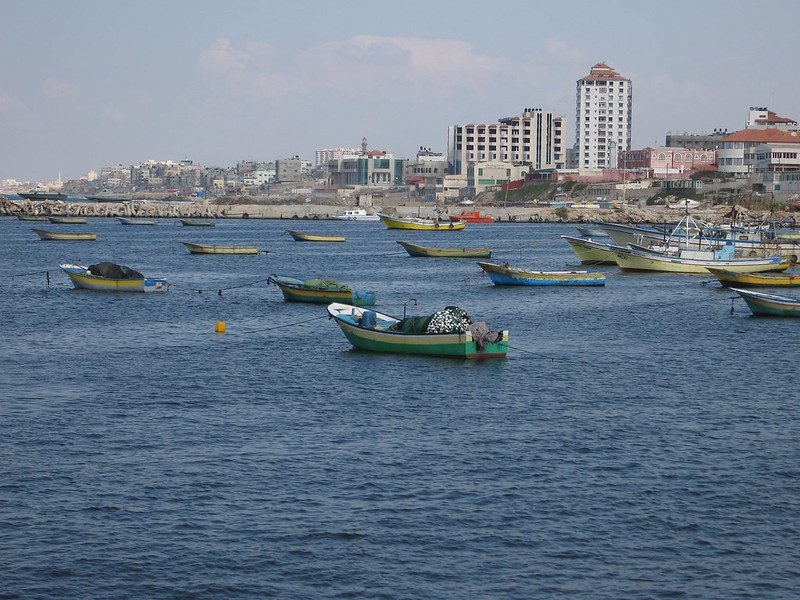
Improving Water Supply in Palestine
Water is an extremely important resource in Palestine; yet, its inhabitants struggle to obtain adequate amounts of it to survive. When Palestine and Israel signed the Oslo Accords, Palestinians were to receive a certain degree of water access. However, the population of Palestine has doubled since the Oslo Accords came into play. Despite its growing population, Palestine retains the same amount of water access as in 1995. This is troublesome, considering the Oslo Accords’ purpose was to guarantee Palestinians’ water supply would increase to about 200 million cubic meters by 2000. The current amount of water access the Palestinian people have is simply insufficient. In the face of this dire situation, various international organizations are working on improving the water supply in Palestine.

United States Agency for International Development (USAID)

One organization that has assisted Palestinians for some time now is the international development agency, USAID. Since 1994, the group has been committed to improving Palestinian infrastructure. One of the agency’s key successes in improving water resources in Palestine was the upgrading of water distribution networks. This resulted in access to clean water for about 310,000 people as of 2014.

Since 1994, USAID has drilled or refurbished 17 wells and installed 900 kilometers of water pipelines. In addition to helping residents meet basic human needs, USAID initiatives have improved the state’s economy. In total, the organization’s accessibility efforts have provided 1,300,000 days of employment for Palestinians.

United Nations Development Programme (UNDP)

The United Nations Development Programme has also been improving the water supply in Palestine. One example of the program’s support is in the Palestinian city of Rafah. Here, only 7% of water is utilized for domestic use as defined by the World Health Organization. Fortunately, the UNDP aided these Palestinians by building a 3000-cubic-meter water tank. This water tank has raised the water supply for about 50% of the city’s population. To date, the UNDP has conducted 200 other projects aimed at improving water supply in Palestine.

The UNDP has also initiated its Emergency Water Supply and Rehabilitation Programme. Many of the ongoing improvements have helped people in Rafah. Moreover, the Tel Al Sultan area, near Rafah, has seen boosts in its water supply as well. For example, 75,000 people living in the area have access to a reliable water supply for about 12 hours per day. This stands in stark contrast to previous statistics of half that amount, provided every three days. Another city the Emergency Water Supply and Rehabilitation Programme reaches is Beit Hanoun. About 70,000 Palestinians in this area now have a reliable source of water due to the implementation of two water tanks. Both tanks fairly distribute water from wells throughout the city. Finally, the UNDP has installed 10,000 meters of a new and improved water network that will prevent pipeline contamination.

Hope Flows

While Palestinians still struggle to obtain the water resources that they need, they have received crucial assistance from international organizations like USAID and UNDP. As Palestine continues receiving this beneficial assistance and reaps the subsequent health and economic benefits, there is hope that this state will soon provide clean water to all of its inhabitants.

– Jacob Lee
Photo: Flikr
October 16, 2020
https://borgenproject.org/wp-content/uploads/borgen-project-logo.svg 0 0 Kim Thelwell https://borgenproject.org/wp-content/uploads/borgen-project-logo.svg Kim Thelwell2020-10-16 04:44:382024-05-30 07:52:25Improving Water Supply in Palestine
Global Poverty, USAID

How Serbia’s Youth is Making a Difference

Youth in Serbia
Serbia is a European country that was formerly a part of Yugoslavia. Located in the West-Central Balkans, it is surrounded by Romania, Hungary, Bulgaria and Croatia. The majority of the population is of South Slavic origin and they speak Serbo-Croatian, which is nearly the same language that the Croats, Bosniaks, and Montenegrins speak.

Over time, a majority of Serbia’s population migrated to the capital city Belgrade from more rural areas. As recently as 2018 however, 43.9% of the people in Serbia still lived in the countryside. In 1945, when the country was still part of the former Yugoslavia, Serbians were under a socialist economic system. Although some free-market characteristics were later adopted in 1948, there was still a large emphasis on socialist self-management.

Youth Unemployment

Today, the youth in Serbia have been consistently making efforts to promote and provide a platform for entrepreneurship among young citizens. Near Belgrade—which has been a center for innovation and entrepreneurship over recent years—is the Impact Hub Belgrade.

One problem affecting the economy in Serbia is related to job availability among young citizens. The unemployment rate among youth is 40%, so providing employment opportunities to these citizens would impact a large portion of the population that is struggling to enter the job market or start businesses.

As a result of poor job opportunities, large numbers of young Serbians leave Serbia in search of work elsewhere. If the youth had more accessible jobs and economic opportunities, it may be more compelling for them to stay and stimulate their own economy, as opposed to the economies of other countries.

Impact Hub

Impact Hub focuses on supporting young entrepreneurs by strengthening their networks with investors in order to attract their investments. This provides an economic foundation for businesses to operate and produce goods and services.

One of the programs initiated by Impact Hub was called the Launch Pad, which provided these young entrepreneurs not only with tools needed to create new products, but with training to broaden their business skills. In addition, the program helped the youth in Serbia develop business models and connect with investors at home and abroad. This program received grants from USAID to help with funding.

Even though the program has ended, it raised a total of $230,000 from the domestic public sector, as well as from the private sector both at the national and international levels. Investments continued, including a $100,000 fund from the Innovation Impact Grant Program in Dubai.

Continued Efforts and Progress

Serbia’s economic freedom score by 2020 has increased by 2.1 points, bumping it to 66.0, and it saw GDP growth as recently as 2018. Even though Serbia has faced numerous economic difficulties since its independence, there are efforts being taken by its citizens to drive and stimulate the economy. The youth in Serbia have especially taken notable actions and the country continues to be supported by the USAID and many other programs and countries domestically and internationally.

– Fahad Saad
Photo: Pixabay

October 9, 2020
https://borgenproject.org/wp-content/uploads/borgen-project-logo.svg 0 0 Kim Thelwell https://borgenproject.org/wp-content/uploads/borgen-project-logo.svg Kim Thelwell2020-10-09 01:30:282020-10-03 12:47:09How Serbia’s Youth is Making a Difference
Page 41 of 92«‹3940414243›»

Get Smarter

  • Global Poverty 101
  • Global Poverty… The Good News
  • Global Poverty & U.S. Jobs
  • Global Poverty and National Security
  • Innovative Solutions to Poverty
  • Global Poverty & Aid FAQ’s
Search Search

Take Action

  • Call Congress
  • Email Congress
  • Donate
  • 30 Ways to Help
  • Volunteer Ops
  • Internships
  • Courses & Certificates
  • The Podcast
Borgen Project

“The Borgen Project is an incredible nonprofit organization that is addressing poverty and hunger and working towards ending them.”

-The Huffington Post

Inside The Borgen Project

  • Contact
  • About
  • Financials
  • President
  • Board of Directors
  • Board of Advisors

International Links

  • UK Email Parliament
  • UK Donate
  • Canada Email Parliament

Get Smarter

  • Global Poverty 101
  • Global Poverty… The Good News
  • Global Poverty & U.S. Jobs
  • Global Poverty and National Security
  • Innovative Solutions to Poverty
  • Global Poverty & Aid FAQ’s

Ways to Help

  • Call Congress
  • Email Congress
  • Donate
  • 30 Ways to Help
  • Volunteer Ops
  • Internships
  • Courses & Certificates
  • The Podcast
Scroll to top Scroll to top Scroll to top