• Link to X
  • Link to Facebook
  • Link to Instagram
  • Link to TikTok
  • Link to Youtube
  • About
    • About Us
      • President
      • Board of Directors
      • Board of Advisors
      • Financials
      • Our Methodology
      • Success Tracker
      • Contact
  • Act Now
    • 30 Ways to Help
      • Email Congress
      • Call Congress
      • Volunteer
      • Courses & Certificates
      • Be a Donor
    • Internships
      • In-Office Internships
      • Remote Internships
    • Legislation
      • Politics 101
  • The Blog
  • The Podcast
  • Magazine
  • Donate
  • Click to open the search input field Click to open the search input field Search
  • Menu Menu

Tag Archive for: USAID

Information and news about mobile technology

Posts

Children, Developing Countries, Education, Global Poverty

What to Know About Literacy in Ethiopia

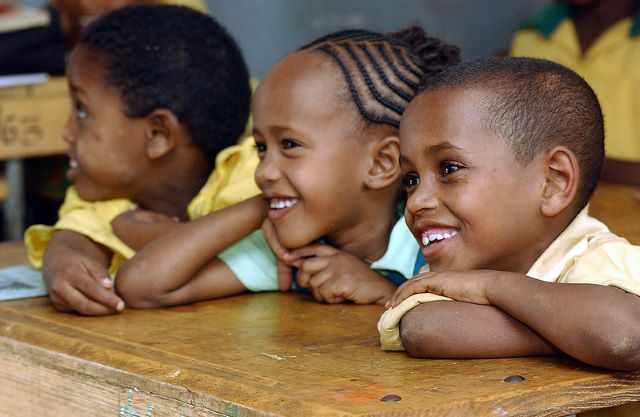
literacy in EthiopiaThere are 781 million adults in the world who are considered illiterate. This statistic reflects more than just the ability of people to read, it inherently ties to the poverty rate. In fact, 43% of adults with low literacy rates live in poverty. There are multiple issues that contribute to this, however, the most influential factor is education. Several programs address literacy in Ethiopia.

The Relationship Between Literacy and Poverty

In the fight against global poverty, education is a sought-after resource. With increased education comes increased opportunities for those within the community to contribute to the economy and increase their prospects. In order to bolster educational efforts, children must be able to read. Literacy is the foundation of learning and is directly responsible for the success of children in education as a whole.

Without this vital skill, children are unlikely to move on to higher education or secure high-paying jobs. This stagnant economic standing is perpetuated through families because parents with low literacy rates are 72% likely to pass that low literacy rate down. The resulting generational illiteracy is a detriment to the growth of communities because it cements them into a lower economic standing.

The World Bank underscores the importance of literacy in the fight against poverty. It has coined the term “Learning Poverty,” which refers to the inability of a child to read and comprehend by age 10. The severity of learning poverty aids in the prediction of future literacy and economic success. Additionally, the World Bank believes that this statistic is a useful indicator of whether or not countries are meeting global educational goals.

In relation to poverty, these goals are paramount to the rate of sustainable development in impoverished countries. Moreover, poverty would reduce by 12% if all students in low-income countries could read. As nations meet educational goals and literacy rates increase, impoverished communities have the opportunity to create sustainable change in terms of their economic standing and overall quality of life.

Illiteracy and Poverty in Ethiopia

Ethiopia has the second largest population in Africa, with 109.2 million people. Unfortunately, the country also suffers from rampant poverty — in 2016, 24% of Ethiopia’s population endured conditions of poverty. Poverty is a multifaceted and complicated issue, however, one can generally find a low literacy rate in countries with corresponding high poverty rates. In Ethiopia, this holds true because slightly less than half of the population is illiterate. Given the extreme disadvantage that low literacy rates puts on communities, there have been multiple efforts to improve the Ethiopian education system and increase literacy in Ethiopia.

The READ II Project

READ II is a project that focuses on the education of children considered at risk of school failure or drop out due to the cognitive, emotional and physical effects of hunger, violence and displacement. READ II spans 3,000 schools across 50 districts, ultimately wishing to expand the basic model to reach 15 million learners. Specifically, within the Addis Adaba, Tigray and Amhara regions, the project is working to improve the preparedness of teachers, increase support for women’s education and push for the widespread education of English.

The Unlock Literacy Project

Unlock Literacy is a project founded by World Vision in 2012 that has reached a total of 1.7 million children in the endeavor to increase the literacy rate in impoverished countries. Unlock Literacy commits to the implementation of teacher training programs, better educational resources and appropriate reading materials. The program acknowledges the fact that oftentimes rural areas are unable to attain reading material applicable to the children receiving an education. As a result, Unlock Literacy has aided in the creation of more than 1 million new books in the common languages of the students. Unlock Literacy has also seen success as children who could read with comprehension rose from 3% to 25% after the program.

READ TA

READ TA was founded in 2012 by USAID in partnership with the Ethiopian Ministry of Education in order to advance writing and reading among 15 million early education students. With READ TA’s methods, more than $17 million goes toward training 113,385 teachers in safe and practical learning initiatives. In recognition of low literacy’s association with poverty, the program also seeks to improve the student’s overall understanding of class materials. READ TA has accomplished this by giving schools the necessary educational resources designed to appeal to the student reading it. Additionally, READ TA has adapted 320 educational materials to address the local context of communities living outside of administrative regions.

With organizations and programs committed to improving literacy in Ethiopia, the prospect of reduced poverty in the region is hopeful, as is reaching the goal of alleviating global poverty overall.

– Stella Vallon
Photo: Flickr

January 14, 2021
https://borgenproject.org/wp-content/uploads/borgen-project-logo.svg 0 0 Jennifer Philipp https://borgenproject.org/wp-content/uploads/borgen-project-logo.svg Jennifer Philipp2021-01-14 05:46:202022-04-26 06:51:50What to Know About Literacy in Ethiopia
Global Poverty

Impact Hub Helps Serbian Youth Unemployment

Serbian YouthBelgrade is Serbia’s capital, with a population of over 1.7 million people. With a 40% youth unemployment rate, large numbers of Serbs were forced to leave the country and search for work elsewhere. Unemployment in Serbia is significantly higher than the European average and one of the country’s significant economic challenges is the need for private-sector job creation. In the last 12 months, Serbia has had 62 startups with $0 in total funding. More than ever, the country is in need of a program like Impact Hub to help Serbian youth.
Impact Hub

Impact Hub was founded in London in 2005 and now has over 7,000 members in more than 60 locations, one of which is Belgrade. The program is funded by USAID and assists young innovators in accessing the tools they need to connect with investors because unsuccessful funding is the biggest obstacle for startups. On Impact Hub’s website, online visitors can become “Impact Angels” and invest in a startup in minutes.

Impact Hub assists in the development of new products and business models. The program focuses on technological innovators and entrepreneurs and the future of their businesses. The organization provides collaborative workspaces, program support, an inspirational environment and diversity.

Impact Hub Belgrade offers young entrepreneurs resources such as acceleration and connections to grow their business. It is both a community center and a business incubator. The program encourages the sharing and building of a community and the space in which the project operates is used to organize events, from arts and culture to entrepreneurship.

Guiding Young Entrepreneurs

Impact Hub founders believe talent allows for growth and production. Since many young people know how to code, design and create innovative solutions, Impact Hub aims at helping  Serbian youth grow their startups. The program secures investments and teaches young people about using money in competitive markets. Impact Hub wants to get young entrepreneurs out of their comfort zone to expand their network. There are two different paths that Impact Hub employees guide entrepreneurs through. The first is “Core Competence for Market Validation,” in which individuals learn how to get the first buyer, expand their customers and make financial projections. The second is “Growth Readiness” and focuses on profiling a buyer, expanding traction and creating revenue models.

Impact Hub Belgrade implemented an initiative called We Founders, in which startup teams, founders, leaders and business developers can connect and work to improve their businesses. Impact Hub helps form partnerships to allow people to share the risks and prepare together for possible losses.

Impact Hub is Positively Impacting

Participants of Impact Hub raised $230,000 in investments from the Serbian public sector and private investors, not including a $100,000 investment from Dubai’s Innovation Impact Grant Program.

Alongside USAID, Impact Hub Belgrade gives Serbian youth the chance to see their innovations and ideas come to life. Outside of Belgrade, Impact Hub is available worldwide to allow individuals the opportunity to receive education regarding the tools and skills necessary for creating a business.

– Rachel Durling
Photo: Flickr

January 14, 2021
https://borgenproject.org/wp-content/uploads/borgen-project-logo.svg 0 0 Yuki https://borgenproject.org/wp-content/uploads/borgen-project-logo.svg Yuki2021-01-14 00:51:302024-05-30 07:55:41Impact Hub Helps Serbian Youth Unemployment
Developing Countries, Global Poverty, Health, Water Crisis, Water Sanitation

6 Facts About WASH Advancements in India

WASH advancements in IndiaWater, sanitation and hygiene (WASH) is a public issue in India. Launched in 2014, the Swachh Bharat Mission (SMB) of India has seen great success in recent years in improving the health and sanitation of India’s people. The Bill & Melinda Gates Foundation has aided in the mission, helping to educate and institute new technologies, such as Sunidhi toilets. Aided by UNICEF, additional initiatives like the National Rural Drinking Water Programme (NRDWP) and the implementation of WASH in schools and health facilities are contributing to the reduction of harmful and unsanitary practices. There have been several key WASH advancements in India.
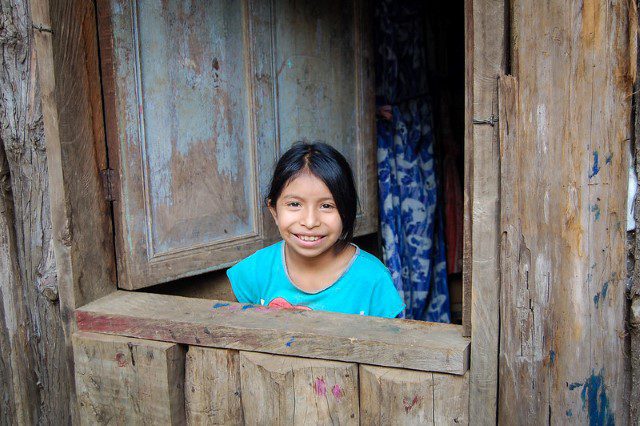
6  Facts About WASH Advancements in India

  1. Urban Centers Bear the Brunt. Nationally, 910 million citizens do not have access to proper sanitation. With the rapid increase in population density in cities, there is an increasing strain on water and sanitation services. Despite urban centers housing the majority of India’s population, urban sanitation is underfunded.
  2. Swachh Bharat’s Toilet Access and Job Creation. SMB’s primary objective is to reduce open defecation in India. Between 2018 and 2019, 93% of households had access to toilets, a noticeable jump from 77% in the previous year. SMB’s efforts have also seen economic benefits, including an increase in job opportunities. The construction of the sanitation infrastructure is responsible for employing more than 2 million full-time workers. The creation of an additional 2 million jobs is expected in the coming years.
  3. Water in Rural Communities. Between 2017 and 2018, India’s national water mission expanded to become the National Rural Drinking Water Mission (NRDWM). While other programs and departments address sanitation in urban centers, NRDWM cares for the rural regions of India. One goal is the institution of piped water supplies to rural households. As of 2019, “18% of rural households had been provided with Piped Water Supply (PWS) household connections.”
  4. iJal Safe Water Stations. The Safe Water Network, a nonprofit organization created by Paul Newman, has reached communities through its iJal water stations. The locally owned stations provide access to clean, quality water in communities where water security is scarce. In 2019, the organization built 86 new stations, adding to the total of 319 stations reaching more than a million people across 319 communities.
  5. Better Community Toilets. Improper sewer networks and poorly maintained public toilets lead to open defecation. The Bill & Melinda Gates Foundation seeks solutions to this crisis, for example, through the Reinvent the Toilet Challenge in 2011. The lack of safe public toilets is especially burdening on women. To address this concern, the WASH Institute leads the Sunidhi Toilet project. The project sees the construction of easily installable, self-cleaning public toilets.
  6. WASH Allies. USAID and UNICEF work in cooperation with the Government of India. As of September 2020, USAID reported recent achievements, including greater access to safe drinking water, more household toilets and a decrease in public defecation. UNICEF aids in the education and implementation of hygiene, particularly in schools and health facilities.

Recent years have seen several WASH advancements in India. The Indian government, large and small businesses as well as nonprofit organizations, are all playing an important part in ensuring access to safe water and sanitation. Education and creative solutions are made possible thanks to hard work and global cooperation.

– Kelli Hughes
Photo: Flickr

January 11, 2021
https://borgenproject.org/wp-content/uploads/borgen-project-logo.svg 0 0 Lynsey Alexander https://borgenproject.org/wp-content/uploads/borgen-project-logo.svg Lynsey Alexander2021-01-11 07:30:252024-05-30 07:56:116 Facts About WASH Advancements in India
Education, Global Poverty

How Disability in Palestine Intertwines with Poverty

Disability in Palestine
Palestine has one of the highest poverty rates in the world. The country has endured decades of political and violent conflict with Israel. Palestinians must also battle increasing unemployment as well as a lack of resources. These factors are particularly detrimental for Palestinians with disabilities. Disability in Palestine is an ongoing issue and poverty exacerbates it further.

The Challenge of Disability

More than 15% of the world’s population suffers from some form of disability. These range from impairment in vision, hearing and mobility to trouble with memory and communication. However, developing countries are more vulnerable to disabilities due to their limited access to health care, education, water, sanitation and electricity.

The World Health Organization estimates that 1 billion people worldwide live with disability or impairment. About 130,000 of these individuals live in Palestine. Of the 5.4 million Palestine refugees registered with the UNRWA within Palestine, Lebanon and Syria, 795,000 of them have a disability. In Occupied Palestine, 31.2% of elderly Palestinians have one or more kinds of disability. Additionally, more males suffer from disabilities than females and about 20% of individuals with a disability in Palestine are younger than 18 years old.

Much of the disability in Palestine is a result of limited resources and an increase in violence. Insufficient prenatal and postnatal care, malnutrition and inadequate medical services all contribute to prolonged disability and impairment. This lack of proper and adequate services is a result of the Israeli blockade and occupation, which prevents Palestinians from accessing goods and services.

The increase in violence also has a direct effect on the number of disabled individuals. In particular, Palestine noted waves of violence and aggression in 2009, 2012 and 2014. As a result, large numbers of Palestinians have faced serious injuries. Out of the 11,231 Palestinians affected by these outbursts of violence, 10% experienced injuries that resulted in life-long disabilities.

The Effects of Disability

Disability can dramatically affect the livelihoods of afflicted individuals. The education and health care systems are largely operated by UNRWA and USAID-related programs through humanitarian assistance and funds. UNRWA has developed Disability Inclusion Programs, but very few of these initiatives focus on individuals with disabilities or increasing access to necessary services. In 2011, statistics showed that 42.2% of Palestinians with disabilities in Gaza and 35.5% in the West Bank had never enrolled in school. Further, 27.1% of Palestinians with disabilities dropped out of school and 56.3% struggled with illiteracy.

Acquiring access to health care and rehabilitation is very difficult, especially in Gaza, due to restricted movement and blockades. The same is true for access to medicine, supplies and staffing. Having a disability, without the proper resources to acquire treatment, education or income, can greatly increase the risk of poverty for an individual and their family. If an individual with a disability is already below the poverty line, their chances of escaping poverty are greatly reduced.

Having a disability in Palestine also hinders employment. The poverty rate in Palestine is 25% and unemployment reached about 29% across the board. More than 90% of individuals with disabilities in Gaza do not engage in employment. This is mostly because of the lack of accessible infrastructure, transport, toilet and assistive devices and services in these workplaces. The presence of disability, especially an insufficiently treated disability, prevents individuals from completing education and finding employment, which lends itself to poverty.

Wrap Up

Disability is a challenge in every country. Palestine, in particular, is not unfamiliar with the hurdles that individuals with disabilities face. From the lack of adequate health care services to the lack of education and employment accessibility, individuals with disabilities in Palestine are continuously vulnerable. Employers, educators, governmental organizations and NGOs should work together to create a more inclusive environment. The nation needs to see improvements in infrastructure and the provision of more resources all while increasing accessibility for Palestinians with disabilities.

– Nada Abuasi
Photo: Flickr

January 11, 2021
https://borgenproject.org/wp-content/uploads/borgen-project-logo.svg 0 0 Yuki https://borgenproject.org/wp-content/uploads/borgen-project-logo.svg Yuki2021-01-11 07:30:142024-05-29 23:23:26How Disability in Palestine Intertwines with Poverty
Global Poverty

The Beginning of Universal Healthcare in Mali

Universal Healthcare in Mali
In early 2019, the government of Mali made an announcement that shocked the global health world: it would make healthcare free at the point of service to pregnant women and children younger than 5. The country had achieved universal healthcare in Mali.

The Situation

In a country where poverty and healthcare outcomes were in dire straits, the move to provide universal care for the most vulnerable demographic in Mali was welcome and necessary. Previous to the 2019 decree, Mali had disastrous health outcomes.

About 106 children out of 1,000 live births would not survive delivery. Adding to the issue was the fact that 587 per 100,000 mothers would not survive delivery either, one of the highest rates of maternal mortality in the world. Only malaria and digestive diseases claim more lives in Mali.

In order to diagnose the problems with Mali’s healthcare, a historical context is necessary. With that understanding, the new approach reveals itself to be necessary, positive and inclusive.

Post-Colonialism

After Mali’s liberation from France in the 1960s, the nascent country fell back on the healthcare system that was already in place. That system emerged 50 years prior and had not evolved with the needs of the populace. It would not change until the 1980s.

The Bamako Initiative

Launched in 1987, the initiative came under recommendation from both UNICEF and the World Health Organization (WHO). Named after the capital city of Mali, the initiative proved problematic, pushing Mali’s people into poor health outcomes.

The initiative called for patients to pay for things like health services and drugs to offset costs and insufficient funds. The system requirements led the impoverished to avoid seeking care.

Post-Implementation

The free to pregnant mothers and children younger than 5 policy has already yielded benefits. The new model re-centers care away from costly hospital services to community-based care.

Nurses can now travel door-to-door to service mothers and children younger than 5 without fees. The results have been stunningly effective, with infant mortality rates dropping by 95% in the Bamako district.

Dr. Ari Johnson, a professor of global health sciences at the University of California, San Francisco heralded the approach: “The ministry of health [in Mali] has taken a very brave and bold political move to make real, evidence-based healthcare change.”

The approach serves as a model example; One that Mali hopes will become the standard across Africa. Johnson continues with optimism, stating that he hopes the new approach will: “make Mali a leader in health sector reform on the African continent.” Universal healthcare in Mali was no longer out of reach.

The COVID-19 Pandemic

Although Mali has experienced strain due to the pandemic, U.N. Secretary-General António Guterres has noticed Mali’s new model of healthcare. He called on nations to implement Universal Health Care for all nations in order to beat COVID-19. He stated that “The pandemic has revealed utterly inadequate health systems, yawning gaps in social protection, and major structural inequalities within and between countries.”

Guterres continued on to make the connection between robust systems and access, stating that “… we cannot wait 10 years. We need Universal Health Coverage, including mental health coverage, now, to strengthen efforts against the pandemic and prepare for future crises.”

Foreign Aid

A number of Western nations have come to Mali’s aid. The impoverished nation, just starting on its new policy, has found itself hobbled by the current crisis. Experts see support for the nation, and its new health policy, as crucial.

The Netherlands

The Project to Accelerate Progress Towards Universal Health Coverage (PACSU) is a joint effort between the Dutch Embassy and the Global Financing Facility, the World Bank and the Ministry of Health in Mali. Learning from the impact of previous health crises in the region, the Netherlands’ support will focus on pregnant mothers and newborns.

When the Ebola crisis hit the region in 2014, a startling trend of infant and maternal mortality gripped Mali. Resources became scant and pregnant women were unable to secure the necessary health services to ensure a successful birth. PACSU will provide facilities, professionals, equipment and any other resources necessary to the ailing system during COVID-19.

USAID Takes Action

The United States Agency for International Development (USAID) will join the fight as well, supplying $45 million to Palladium, an international development firm. The organization will provide support to reinforce Mali’s health systems and financing, providing access to high-quality care. Two programs, the Human Resources for Health 2030 (HRH2030) and the Human Resources for Health Strengthening Activity (HRHSA), have not been successful and will undergo expansion.

These programs, in concert with Mali’s Ministry of Health, will focus on the decentralization of health services. Training, motivation and safety for new medical professionals, particularly in the prevention of illness among both patients and healthcare workers are crucial to the program’s success.

Universal healthcare in Mali is critical from many standpoints. Not only does it provide relief for the historically impoverished Sahelian country itself but it serves as a model for the rest of Africa. The refocus on community health improves access and financing. Once again, Africa leads the way in methodology, access and care during the struggle against COVID-19.

– Christopher Millard
Photo: Flickr

January 9, 2021
https://borgenproject.org/wp-content/uploads/borgen-project-logo.svg 0 0 Kim Thelwell https://borgenproject.org/wp-content/uploads/borgen-project-logo.svg Kim Thelwell2021-01-09 10:14:262024-05-30 07:56:15The Beginning of Universal Healthcare in Mali
Child Poverty, Global Poverty

Fighting Child Poverty in Ecuador

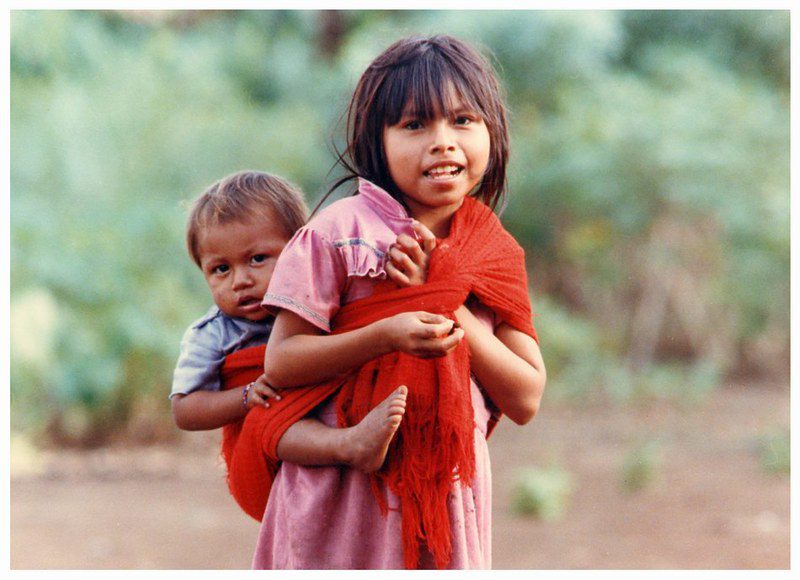
Fighting Child Poverty in EcuadorChild poverty in Ecuador is on the rise in Ecuador, resulting in poorer standards of living and higher rates of child mortality. Efforts from organizations around the world are successfully fighting against this, promoting the health and education of Ecuador’s youth.
Ecuador’s Poverty Rate

Ecuador is a South American country located on the West Coast of the continent. Northwest of Peru and southwest of Colombia, Ecuador is home to 17.4 million people. Ecuador’s name is derived from its location on the Equator, and the nation is located in both hemispheres of the world.

Ecuador’s poverty rate has fluctuated over the past several years. In 2007, 36.7% of its people lived in poverty. Additionally, Ecuador’s poverty was reduced to 21.5%. However, poverty started rising again recently, and as of 2019, over 25% of Ecuador’s population was impoverished. This means that over a quarter of Ecuador’s 17.4 million people, or about 4.4 million people, live under the national poverty line.

Child poverty in Ecuador is a severe issue. Children in Ecuador are disproportionately impoverished in comparison to the general population. Over 40% of children in Ecuador live in poverty, which is well above the 25% poverty rate of the general population.

Malnutrition does the most damage in adolescence, creating health difficulties that can last for a lifetime. Poverty in adolescence also sets up children to have a lower standard of living, as they are denied crucial education opportunities that would allow them greater future success. Child poverty is also strongly correlated with poor academic performance and early school abandonment.

Children International: Fighting Child Poverty

Fighting child poverty in Ecuador is a focus of multiple organizations in the United States. These initiatives focus on targeting the malnutrition and dwindling health of Ecuador’s children.

Children International, a non-governmental organization (NGO), aims to transform the lives of Ecuador’s youth by addressing hunger, among other necessities. Through its “Nutrition Program,” tens of thousands of children in Ecuador that are malnourished or at-risk for malnourishment are supported. Not only are the children fed, but Children International also provides medical check-ups and holds nutritional training workshops.

The organization also targets impoverished children’s educational opportunities as they “typically don’t have the skills, resources or knowledge to succeed.” Through its Social and Financial Education program, children in Ecuador are learning the skills to secure successful careers, how to be more resourceful and even how to “believe in themselves.” Through this, Children International is breaking the cycle of generational poverty.

Looking Forward

Other organizations are leading the fight against poverty as well. United to Benefit Ecuadorian Children International (UBECI), another NGO, is a prime example. UBECI takes independent action to address the lacking educational, medical and emotional support resources available to Ecuador’s youth. The United States Agency for International Development (USAID) has also been a key proponent in addressing child poverty in Ecuador. USAID funding has increased access to medicinal treatments for mothers and children in Ecuador, as well as support child education through the creation of schools and higher education programs.

Assistance from various organizations around the world is paramount toward combatting child poverty in Ecuador. While these projects have substantially improved the health and welfare of Ecuadorian children, there is still much to be done to address the child poverty that accounts for one in four children in Ecuador.

– Asa Scott
Photo: Flickr

January 9, 2021
https://borgenproject.org/wp-content/uploads/borgen-project-logo.svg 0 0 Kim Thelwell https://borgenproject.org/wp-content/uploads/borgen-project-logo.svg Kim Thelwell2021-01-09 07:30:212024-05-30 07:55:22Fighting Child Poverty in Ecuador
Developing Countries, Food Insecurity, Foreign Aid, Foreign Relations, Global Poverty

USAID Provides $20 Million Worth of Wheat to Sudan

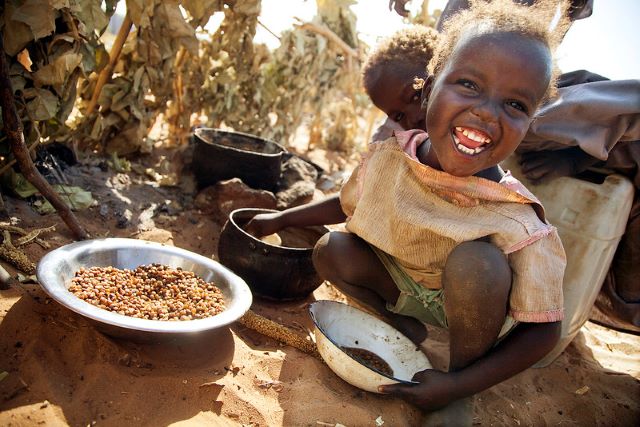
Wheat to SudanSudan’s position on the list of states that sponsor terrorism restricted their trades, imports and economy. However, with the recent removal, Sudan has already reaped the benefits of foreign aid from the United States. USAID approved a $20 million payment to the World Food Programme to provide a massive 65,000 metric ton shipment of wheat to Sudan.
Diplomacy Opens Doors

The $20 million shipment of wheat to Sudan is part of an $81 million commitment from the U.S. to help Sudan fight poverty and hunger. This contribution will bring its total aid for the fiscal year to over $400 million, making the U.S. the largest aid sponsor to Sudan.

Sudan’s removal from the list of states sponsoring terrorism was contingent on Sudan’s recognition of Israel as a nation.  After such recognition, Israel also sent a $5 million wheat shipment to Sudan.

Economic Lockdown Compounds Hunger Crisis

While Sudan has found recent diplomatic success, its plight as a nation remains dire. Nearly half of Sudanese people are in poverty, with 46% living under the poverty line as of 2018.

Roughly nine million people will need food assistance in 2020, up by 9% from 2019, as widespread poverty has been worsened by the effect of COVID-19 on the economy.

Further stress on already limited food resources comes from droughts, floods and conflict that has displaced nearly two million people, compounded with hosting one million refugees who need food assistance.

The rampant poverty in Sudan has led to extreme numbers of children suffering from hunger and malnutrition across the nation. The number of children facing emergency food insecurity levels doubled over the last year to 1.1 million. According to Save the Children’s country director in Sudan, Arshad Malik, “120 children are dying every day due to malnutrition.”  Overall, 9.6 million individuals in Sudan are food insecure as a result of lockdown restrictions, a weak economy, natural disasters and conflict.

USAID Contributes to Disaster Relief

Although the weak economy has waned further from job losses and food prices soaring from economic restrictions, food aid remains the first priority for Sudan and USAID. Additionally, Sudan has suffered from its worst floods in 100 years, which has caused massive destruction due to vast underdevelopment. USAID granted another $60 million in aid for Sudan to recover from flooding and fight waterborne diseases that can spread during floods.

Foreign Aid Essential to Development

Sudan’s new democracy undoubtedly faces short and long-term obstacles with regard to the country’s development and stability. Natural disasters, economic woes, poverty and hunger, cripple an already struggling nation. The shipment of wheat to Sudan from USAID is crucial for helping the people of Sudan meet their daily needs and alleviating hunger and poverty. Extending the olive branch of foreign aid creates interdependence between nations and encourages peace and prosperity. Bringing nations such as Sudan out of poverty creates a more secure, just and prosperous world.

– Adrian Rufo
Photo: Flickr

January 7, 2021
https://borgenproject.org/wp-content/uploads/borgen-project-logo.svg 0 0 Kim Thelwell https://borgenproject.org/wp-content/uploads/borgen-project-logo.svg Kim Thelwell2021-01-07 02:03:302024-05-29 22:57:28USAID Provides $20 Million Worth of Wheat to Sudan
Global Poverty

COVID-19 and HIV in the Philippines

HIV in the PhilippinesThe Philippines is designated as a quickly growing epicenter of the HIV epidemic. Before the COVID-19 outbreak, HIV in the Philippines was surging, largely due to their poor healthcare system. There is fear that the COVID-19 pandemic may exacerbate such difficulties due to restricted public transportation, the establishment of checkpoints and consequently, the inaccessibility of treatment.
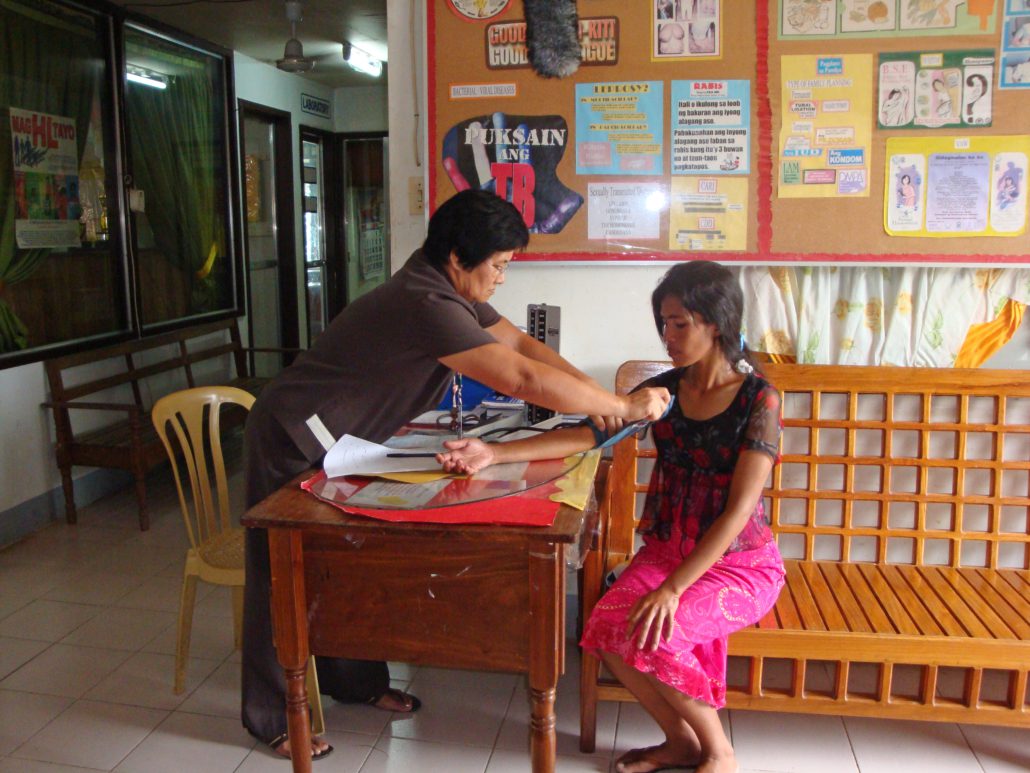
While the COVID outbreak has many downsides, it may provide an opportunity to improve HIV services in the Philippines. Advocacy groups, community-based organizations and volunteers are now uniting to foster innovative solutions for the HIV epidemic.

The Philippines’ Department of Health Adopts Telemedicine

Travel and physical distancing restrictions have disrupted the supply and distribution of antiretroviral drugs; these drugs are essential for Filipino people living with HIV (PLHIV). Therefore, the Philippines’ Department of Health (DOH) recommends HIV facilities adopt an online courier service. This would ensure access to treatment while minimizing the risk of patient and staff exposure to COVID-19. This method allows PLHIV to choose their preferred medicine pick-up location and time through a mobile application.

The DOH’s plan for app-based medication distribution is key to enhancing the quality of HIV treatment and counseling. This app also improves HIV healthcare for the post-COVID world. However, this is not the only way Filipinos are improving HIV healthcare. Officials are working to give community-based organizations opportunities to participate in the DOH’s endeavors. These efforts are a favorable step towards the efficient mitigation of HIV in the Philippines.

Community-Based Organizations Revamping the Philippines’ HIV Healthcare Services

Network Plus Philippines, Pinoy Plus Advocacy Pilipinas, Red Whistle and TLF Share Collective are coordinating to implement a new guideline issued by the Philippines’ DOH. The guideline guarantees that PLHIV will receive their medicine through courier services, focusing on PLHIV in rural communities. Examples of contributions from community-based organizations are listed below:

  1. Red Whistle: Red Whistle mobilized 40 volunteers to collect antiretroviral refills from treatment facilities and deliver them across the country. It has worked with local authorities to avoid disclosure of confidential clientele information and partnered with MapBeks, an online mapping community, to create the #OplanARVayanihan: a map showing the nearest antiretroviral drug centers and delivery options.
  2. TLF Share Collective: TLF Share Collective has helped to deliver antiretroviral therapy to Filipinos. It has developed a tool to monitor medication delivery by community volunteers and created FAQ-cards for patients.
  3. Pinoy Plus Advocacy Pilipinas: PPAP has established a PLHIV Response Center where people with HIV can ask for information about accessible treatment hubs and advice on antiretroviral therapy.

International Assistance

In addition to the community-based organizations’ efforts to eliminate HIV in the Philippines, the international community has also provided guidance through programming and financing.

For example, UNAIDS has coordinated with The United Nations Development Programme to advise the Philippines’ Government on how to manage their HIV problem in the context of COVID. The UN’s creation of an analytical survey has revealed valuable information on the issues affecting PLHIV. These issues range from concerning factors like the feeble safeguarding of human rights to a lack of access to mental health and social protection services.

Similarly, USAID, The U.S. Agency for International Development, is collaborating with the Filipino government to assist them in establishing universal health care. Together, they are addressing legislative and institutional obstacles within their health financing system. The USAID’s services include prevention programming and case identification to strengthen epidemic control; funding streams from the Department of Health and local health budgets that align with UHC Law Provisions; and estimates for total future domestic investment requirements.

While COVID-19 presented a scope of challenges for HIV treatment and care services, it also propelled community-based organizations, the Filipino Government and international institutions to cooperate and execute innovative policies. The Philippines’ healthcare system will continue to combat HIV and become a robust system devoid of the defects that COVID-19 highlighted.

– Joy Arkeh
Photo: Flickr

January 5, 2021
https://borgenproject.org/wp-content/uploads/borgen-project-logo.svg 0 0 Kim Thelwell https://borgenproject.org/wp-content/uploads/borgen-project-logo.svg Kim Thelwell2021-01-05 15:14:092021-01-05 15:15:10COVID-19 and HIV in the Philippines
Developing Countries, Food Insecurity, Foreign Aid, Global Poverty

Dual Disasters: International Aid to El Salvador

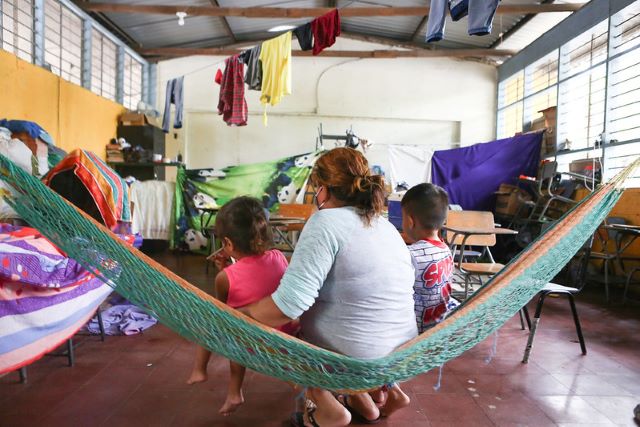
International Aid to El SalvadorEl Salvador faces threats from multiple angles as heavy tropical flooding has been compounded by the ongoing COVID-19 crisis. While El Salvador has managed to curtail infection rates by imposing strict restrictions, in October 2020, more than 32,000 people had COVID-19, with around 1,000 deaths. Due to the stringent measures to protect against the pandemic, economic growth has been stifled and poverty reduction efforts have waned. Organizations are stepping in to provide international aid to El Salvador.
Dual Disasters in El Salvador

In May and June of 2020, the tropical storms Amanda and Cristobal wreaked havoc on the people of El Salvador. Nearly 150,000 people were affected by heavy rain, flooding and severe winds. Developing countries such as El Salvador have poor building infrastructure and during natural disasters homes are more likely to be destroyed by storms. The World Food Programme (WFP) has estimated that about 380,000 people in El Salvador do not have sufficient access to nutritious food due to the dual disasters that have weakened infrastructure and the economy. An estimated 22,000 farmers have suffered from the destruction of flooding, with over 12,000 hectares of agricultural crops being destroyed.

COVID-19 Pandemic Increases Poverty

El Salvador has been moderately successful with poverty reduction, marked by a consistent decline in poverty over the past 13 years, as poverty rates plummeted from 39% to 29% between 2007 and 2017. Extreme poverty was cut from 15% to 8.5% over this time period as well. Additionally, El Salvador has increased its level of equality and is now the second most equal country in Latin America.

Despite this positive trend in poverty reduction, El Salvador has suffered from forced economic restrictions due to the pandemic. Its GDP is projected to decrease by 8% this year due to economic restrictions, a weakened international market and diminished funds sent from El Salvadorians abroad in the United States. Additionally, low income and marginalized individuals are becoming more vulnerable to health issues and wage deficiencies and are falling victim to predatory loans. El Salvador’s economic shutdown and destruction from tropical storms have prompted calls for international aid to alleviate the crisis.

Swift Action to Mitigate COVID-19

El Salvador has seen relatively low COVID-19 cases as a result of its swift response to the pandemic. It adopted strict containment measures faster than any other Central American country and invested heavily in its health system. The government has provided cash distributions to the majority of households, food for low income households and payment deferrals for rent and mortgages in order to curb the effects of the pandemic on citizens.

International Aid to El Salvador

Requests for international aid to El Salvador have been granted in the form of assistance from USAID and the WFP. These organizations are providing disaster relief and bringing in resources to those affected by the storms and the COVID-19 pandemic. USAID has donated $3 million to be dispensed by cash in stipends for vulnerable citizens to buy food. This stipend will boost local economies and reinforce food security for impoverished citizens affected by the dual disasters.

– Adrian Rufo
Photo: Flickr

January 4, 2021
https://borgenproject.org/wp-content/uploads/borgen-project-logo.svg 0 0 Yuki https://borgenproject.org/wp-content/uploads/borgen-project-logo.svg Yuki2021-01-04 03:18:382021-01-04 03:18:37Dual Disasters: International Aid to El Salvador
COVID-19, Developing Countries, Global Poverty, Homelessness, Humanitarian Aid

Hurricanes in Honduras: 7 Responses to Eta and Iota

Hurricanes in HondurasIn November 2020, Hurricane Eta and Hurricane Iota made landfall just two weeks apart in northeastern Nicaragua. The hurricanes spread across Central America. Honduras was one of the countries hit with severe destruction. In the wake of these storms, homelessness in Honduras reached all-time highs and an active humanitarian crisis unfolded as humanitarian organizations and policymakers struggled to contend with flooding, displacement and the spread of COVID-19. The aftermath of hurricanes in Honduras requires urgent humanitarian aid.

Poverty in Honduras

Nearly half of Honduras’ population lives in poverty. The poverty rate is higher in rural parts of the country than it is in urban centers. Whereas half of all Hondurans who live in the countryside subsist in varying states of poverty, less than half of all Hondurans who live in urban areas lead lives plagued by poverty,

The disparity between rich Hondurans and poor Hondurans is overwhelmingly large. A robust middle-class has yet to take shape in Honduras so Hondurans filter into one of two polarized class groups. A high rate of violence makes life treacherous for the poor.

Seasonal flooding has a detrimental effect on economic growth. Flooding from Hurricane Eta and Hurricane Iota combined with seasonal flooding make 2020 one of the worst years in Honduras’ history. Livestock and farmlands were swept away and Hondurans have had to search desperately for other means to feed themselves.

Homelessness and Hurricanes in Honduras

In 1998, three million Hondurans were made homeless by Hurricane Mitch and tens of thousands were forced to flee to the United States. The devastation that was unleashed by Hurricane Mitch is the closest analog to the combined effects of Eta and Iota. Reports on the rate of homelessness in Honduras after Eta and Iota remain incomplete, but it is undoubtedly high, similar in scope to the rate of homelessness in Honduras after Hurricane Mitch.

7 Responses to Hurricane Eta and Hurricane Iota

  1. Public Investment in Infrastructure and Social Programs. Honduran President Juan Orlando Hernandez plans to engage “four times the nation’s annual budget in infrastructure and social programs to help Hondurans recover from devastating storms.” His plan will put thousands of Hondurans to work rebuilding the nation’s infrastructure, so it works on two important levels. First, his plan creates jobs for Hondurans whose livelihoods were lost as a result of the hurricanes. Second, it will lead to necessary rebuilding projects.

  2. USAID Funding. By the beginning of December 2020, USAID had committed close to $50 million for humanitarian aid to meet the needs of Honduras’ relief efforts. Funding goes to securing “emergency food, shelter, urgent medical care, clean water, sanitation and hygiene.”

  3. USAID’s Honduras Emergency WASH and Shelter (HEWS) Program. In mid-December 2020, USAID announced that it will send packs of materials to “select families” through its HEWS program, which families can use to rebuild damaged or destroyed homes. Experts will also be sent to teach families how to use the material that has been sent and to work alongside families during the initial stages of the rebuilding process.

  4. Project HOPE Emergency Medical Teams. In remote villages, where poverty rates tend to be highest, villagers have scarce access to medical services. Project HOPE medical teams focus on these locations because unsanitary water supplies have been identified there. Also, cases of COVID-19 have been reported.

  5. Project HOPE WASH Program. Potable water is provided to 3,000 families through Project HOPE’s WASH program. Additionally, resources for sanitizing water, including chlorine and training materials, are provided to families so that water purification practices can be carried out indefinitely.

  6. AMDA Emergency Relief. Relief supplies, including food, coverings and hygienic supplies, were distributed to several dozen families through a partnership between AMDA and AMDA-Honduras. The rate of homelessness in Honduras is so high that many people have taken shelter in nursing homes. Hondurans who lost their homes as a result of Eta and Iota live side by side with Honduras’ elderly. Similar AMDA relief packs were distributed throughout such facilities.

  7. Distribution of KN95 and Surgical Masks. Concerns about the spread of COVID-19 have accompanied the disastrous effects of Hurricane Eta and Hurricane Iota. Project HOPE distributed hundreds of thousands of KN95 and surgical masks to activists, doctors and frontline workers throughout Honduras to help contain the spread of COVID-19.

Hope on the Horizon for Honduras

Hurricanes in Honduras coupled with COVID-19 created severe consequences for people living there. Long-term concerns include the effect that lack of adequate health services will have on mothers, pregnant women, newborns and young children. Many humanitarian organizations are prioritizing aid to remote parts of the country to mitigate the effects of isolation. The spread of disease is an additional concern. A comprehensive solution to the crisis at hand will involve combined efforts.

– Taylor Pangman
Photo: Flickr

January 1, 2021
https://borgenproject.org/wp-content/uploads/borgen-project-logo.svg 0 0 Lynsey Alexander https://borgenproject.org/wp-content/uploads/borgen-project-logo.svg Lynsey Alexander2021-01-01 01:30:352024-05-30 07:56:06Hurricanes in Honduras: 7 Responses to Eta and Iota
Page 38 of 92«‹3637383940›»

Get Smarter

  • Global Poverty 101
  • Global Poverty… The Good News
  • Global Poverty & U.S. Jobs
  • Global Poverty and National Security
  • Innovative Solutions to Poverty
  • Global Poverty & Aid FAQ’s
Search Search

Take Action

  • Call Congress
  • Email Congress
  • Donate
  • 30 Ways to Help
  • Volunteer Ops
  • Internships
  • Courses & Certificates
  • The Podcast
Borgen Project

“The Borgen Project is an incredible nonprofit organization that is addressing poverty and hunger and working towards ending them.”

-The Huffington Post

Inside The Borgen Project

  • Contact
  • About
  • Financials
  • President
  • Board of Directors
  • Board of Advisors

International Links

  • UK Email Parliament
  • UK Donate
  • Canada Email Parliament

Get Smarter

  • Global Poverty 101
  • Global Poverty… The Good News
  • Global Poverty & U.S. Jobs
  • Global Poverty and National Security
  • Innovative Solutions to Poverty
  • Global Poverty & Aid FAQ’s

Ways to Help

  • Call Congress
  • Email Congress
  • Donate
  • 30 Ways to Help
  • Volunteer Ops
  • Internships
  • Courses & Certificates
  • The Podcast
Scroll to top Scroll to top Scroll to top