• Link to X
  • Link to Facebook
  • Link to Instagram
  • Link to TikTok
  • Link to Youtube
  • About
    • About Us
      • President
      • Board of Directors
      • Board of Advisors
      • Financials
      • Our Methodology
      • Success Tracker
      • Contact
  • Act Now
    • 30 Ways to Help
      • Email Congress
      • Call Congress
      • Volunteer
      • Courses & Certificates
      • Be a Donor
    • Internships
      • In-Office Internships
      • Remote Internships
    • Legislation
      • Politics 101
  • The Blog
  • The Podcast
  • Magazine
  • Donate
  • Click to open the search input field Click to open the search input field Search
  • Menu Menu

Tag Archive for: USAID

Information and news about mobile technology

Posts

Global Poverty, Human Trafficking

Efforts to Eradicate Human Trafficking in Belarus

Human Trafficking in Belarus
The eastern European country of Belarus is a hub for human trafficking. In fact, the country ranks as Tier 3 for human trafficking according to the U.S. State Department’s 2020 Trafficking in Persons report, signifying a dire need for improvement going forward. Belarus’ Tier 3 status makes it one of the worst places for human trafficking in the world, despite its consistently slowing rate. Here is some information about efforts to eradicate human trafficking in Belarus.

The Situation

Belarus recorded 128 confirmed trafficking victims and nine potential victims in the Trafficking in Persons report for 2020. Meanwhile, data that NGOs compiled in 2019 has indicated that 91 identified victims comprised of 58 men and 33 women. While victims exist within Belarus, they also exist outside of Belarus’ borders as the traffickers export men for forced labor to Russia and women for sex work to western Europe. Of the 91 victims, 52 experienced exploitation in Russia.

At the moment, human trafficking predominantly affects men in Belarus by way of labor exploitation. In particular, it is common for Belarusian men to find themselves enslaved in Dagestani brick factories. Forced labor also takes place in Belarus through state-sponsored programs called “subbotniks.” These governmental programs force factory workers, civil workers and students to work on farms and clean streets, and anyone who resists experiences threats and intimidation.

Regarding trafficking rates, although they have declined throughout recent years, it would be a mistake to assume that Belarus has solved the problem as it still has a Tier 3 ranking through the U.S. State Department. The people most susceptible to falling victim to human trafficking in Belarus are women from poor families and men from small towns and villages.

Potential Solutions

In terms of where to improve, one of the most direct courses of action that Belarus can take against human trafficking is to put a stop to all subbotniks. State-sponsored forced labor poses a substantial barrier for any country wanting to seriously tackle human trafficking. Additionally, putting an end to subbotniks will help Belarus achieve a better rating from the U.S. State Department. A more broad way to eradicate human trafficking in Belarus would be to minimize poverty in the country. Since many of the people who fall victim to trafficking live in poverty, increased financial stability for those in poverty could provide alternative opportunities for them to escape it and create a recruiting challenge for traffickers.

Unfortunately, Belarus has seen heightened civil unrest and economic displeasure amongst the people under President Alexander Lukashenko’s leadership, specifically regarding stagnating wages and a lack of opportunities to earn more. Belarusian leadership should properly address these grievances in order to help elevate the peoples’ standard of living. Moreover, Belarus’ rural communities should have a specific focus on reducing poverty as they are dramatically poorer than their urban counterparts. Despite the fact that Belarus is one of Europe’s least impoverished countries, rural areas have poverty rates as high as 45.6%. With this in mind, it is essential that programs such as USAID’s Increasing Access to Finance for the Rural Population in Belarus continue in order to further help Belarus’ rural population.

La Strada

NGOs such as La Strada are also doing great work in Belarus to prevent human trafficking. La Strada lobbies, provides resources for victims, grants education for the purpose of prevention and conducts media operations to raise awareness about trafficking.

Crisis Rooms

Crisis rooms are an important part of the victim rehabilitation process and Belarus currently has 136 of them. They are places of temporary residence for trafficking victims which provide protection and resources at no cost to the victims. Belarus needs more rooms, as well as an improvement in the government-run crisis rooms. Most victims try to find private crisis rooms due to public crisis rooms being poorly equipped and short on qualified caregivers. Improving both the quantity and quality of government-run crisis rooms could provide a more accessible and healthy rehabilitation for human trafficking victims.

Belarus’ Efforts

Belarus has continually strengthened its efforts to eradicate human trafficking in Belarus. These efforts have come in the form of increased police training, substantial prison sentences for offenders and more victim protection and rehabilitation resources. The government has rolled out a national action plan which is in place to protect minors from the dangers of sex trafficking. Also, the Belarusian government, with the help of NGOs, has run a large public awareness campaign that utilizes television, radio, print media and billboards. Furthermore, La Strada set up a hotline in 2001 which people can use to help prevent trafficking by identifying illegal recruiting practices and assisting with safe travel for migrant workers.

Ultimately, Belarus has made considerable progress over the past few years in reducing rates of trafficking, but as its Tier 3 designation suggests, it still has considerable progress to make. The next steps Belarus could take would be to end subbotniks, provide assistance to NGOs and ease the difficult political, social and economic circumstances of its people. Economic disparity is a growing concern in Belarus and the implementation of programs such as USAID’s Increasing Access to Finance for the Rural Population in Belarus are crucial to mitigating disparity since poverty is conducive to human trafficking.

– Sean Kenney
Photo: Unsplash
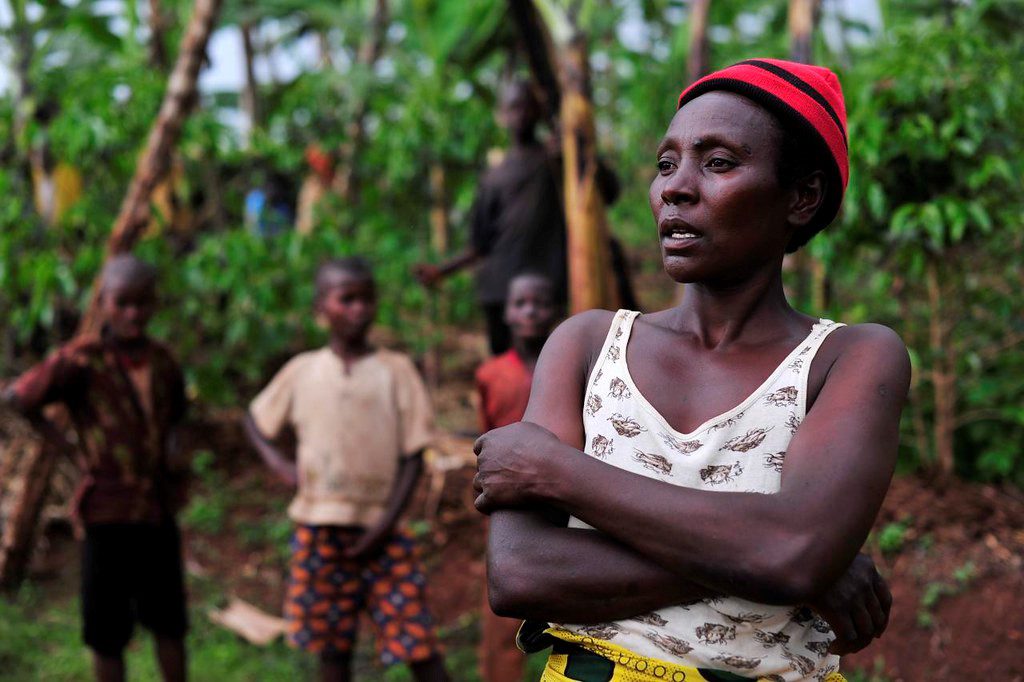
December 31, 2020
https://borgenproject.org/wp-content/uploads/borgen-project-logo.svg 0 0 Jennifer Philipp https://borgenproject.org/wp-content/uploads/borgen-project-logo.svg Jennifer Philipp2020-12-31 01:30:092024-06-04 01:08:49Efforts to Eradicate Human Trafficking in Belarus
Global Poverty, Human Trafficking

Unemployment and Human Trafficking in Rwanda

Human Trafficking in Rwanda
Rwanda, the land of mille collines as the French would say, harbors countless picturesque hills. Unfortunately, the breathtaking landscapes of the Central African country are also witnesses of major crimes against humanity. Human trafficking in Rwanda stands as one of the most disquieting concerns for human dignity.

The Situation

Over the years, there has been substantial economic growth in the landlocked sub-Saharan country. However, Rwanda has still not ceased to be a destination country for human traffickers taking advantage of high rates of unemployment, homelessness and gender inequalities.

Umutesi is one of the many girls who fell victim to human trafficking in Rwanda. In 2018, an elderly woman approached her and offered a job that seemed like a once-in-a-lifetime opportunity. Desperate for a job, she accepted the offer and traffickers sent her to Nairobi, Kenya, under strict orders to hide her passport. Instead of the job at a supermarket she expected to find, she found herself in a slave market, called the office, where prospective buyers browsed.

“We were sold off like mere commodities,” she describes. She ended up working in heavy labor, experiencing sexual and physical abuse and surviving in inhumane conditions. Additionally, she changed homes three times with each worse than the one before. When she succeeded in reaching a Rwandan diplomat via a phone she kept discretely, she came up with an escape plan that required patience and incredible endurance.

Finally, with the help of her government, Umutesi escaped and flew back to Rwanda. Like many other victims, she also received free access to health care services and some funding. Now, she manages a local grocery market and always expresses her gratitude for her second chance at life.

Unemployment in Rwanda

Umutesi’s story is very common in Rwanda. Men, women and children, especially those who are vulnerable due to unemployment and homelessness, frequently become targets of sexual exploitation and forced labor. According to the 2020 data, the number of unemployed Rwandans surpassed 900,000 in May 2020. In fact, unemployment numbers stood at slightly more than 530,000 in February 2020. On top of the overall rates, 20.6% of the youth in Rwanda remain unemployed. Needless to say, this situation is likely to only exacerbate human trafficking in Rwanda.

Never Again Rwanda (NAR)

Never Again Rwanda (NAR) emerged in 2002 in Kigali in response to the 1994 Tutsi genocide. The NGO that initially aimed to establish a safe environment for youth expanded its scope to address its current core pillars: peacebuilding, governance & rights, research & advocacy, sustainable livelihood, education and youth engagement. The organization cooperates with USAID, the Global Fund for Children, the EU and other counterpart organizations. Recent research that the organization conducted shows that around 77.67% of human trafficking victims in Rwanda are female. Despite a higher rate of employment among women in Rwanda in comparison to men, women are still more likely to become targets of trafficking due to lower rates of education and the demand for sexual slavery.

The COVID-19 Pandemic

Now with the COVID-19 pandemic, human trafficking in underdeveloped countries like Rwanda may increase. While many countries are pushing for a digital transformation, human traffickers use aggravated unemployment as an opportunity to target the most vulnerable. According to the Africa Centre for Strategic Studies, the increasing rates of unemployment, malnourishment and school closures will result in increased human trafficking.

Innovations for Poverty Action (IPA) conducted the RECOVR survey in July 2020 to provide data and evidence to decision-makers to reduce the detrimental effects of COVID-19. The survey found that 74% of the households in Rwanda consider themselves at high risk of COVID-19 infection during the pandemic, a rate significantly higher than Zambia and Ghana. Additionally, more than 70% of the agriculture workers reported “altered planting, harvesting or marketing of agricultural products because of COVID-19-related restrictions .”

Human trafficking in Rwanda increased to 96 cases in 2019, whereas the nation notes only 33 cases in 2018. Considering the aggravated unemployment and declined social standards with the arrival of the pandemic, 2020 likely give way to increased human trafficking in Rwanda.

The Rwandan Government

Though there is light at the end of the tunnel for girls like Umutesi, the Rwandan government has assumed a plan called Vision 2020 to tackle poverty through strategies to boost sustainable economic growth. Additionally, Rwanda aims to boost its knowledge-based economy, investments in the private sector, agriculture and infrastructure development.

The Government of Rwanda adopted policies to make labor recruitment companies register for a license from the Ministry of Labour and submit monthly reports. The anti-trafficking law that Rwanda introduced in 2018 penalizes sex and labor trafficking with up to 15 years of imprisonment, although the President of Rwanda is yet to sign the legislation for it to undergo full enactment.

The Rwandan Government has made notable constructive efforts to combat unemployment and human trafficking in Rwanda, yet scarce resources, lack of testimonies, insufficient capacity and inadequate cooperation continue to complicate the situation. As such, there are still several commitments that the Rwandan government ought to strengthen to reach the minimum standards in eliminating human trafficking. These include:

  • Participation and communication with international communities to increase awareness campaigns and information sharing.
  • The development of a more centralized systematic screening mechanism to identify victims.
  • The provision of training to anti-trafficking units and divisions.
  • Cooperation with the international community to boost education and employment opportunities.
  • Ensuring gender equality in access to education.

Currently, Rwanda remains at Tier 2 status according to the U.S. Trafficking in Persons Report for 2020. This shows that Rwanda has still not fully complied with the minimum standards to reduce trafficking, though it has implemented positive efforts. Through increased commitment and consistent assistance from the international community, incidents of human trafficking in Rwanda can reduce.

– Berrak Rasool
Photo: Flickr

December 30, 2020
https://borgenproject.org/wp-content/uploads/borgen-project-logo.svg 0 0 Jennifer Philipp https://borgenproject.org/wp-content/uploads/borgen-project-logo.svg Jennifer Philipp2020-12-30 07:30:222024-06-07 05:08:10Unemployment and Human Trafficking in Rwanda
Global Poverty, Poverty, USAID, Women, Women and Children, Women and Female Empowerment

The Suaahara II Project: Improving Health in Nepal

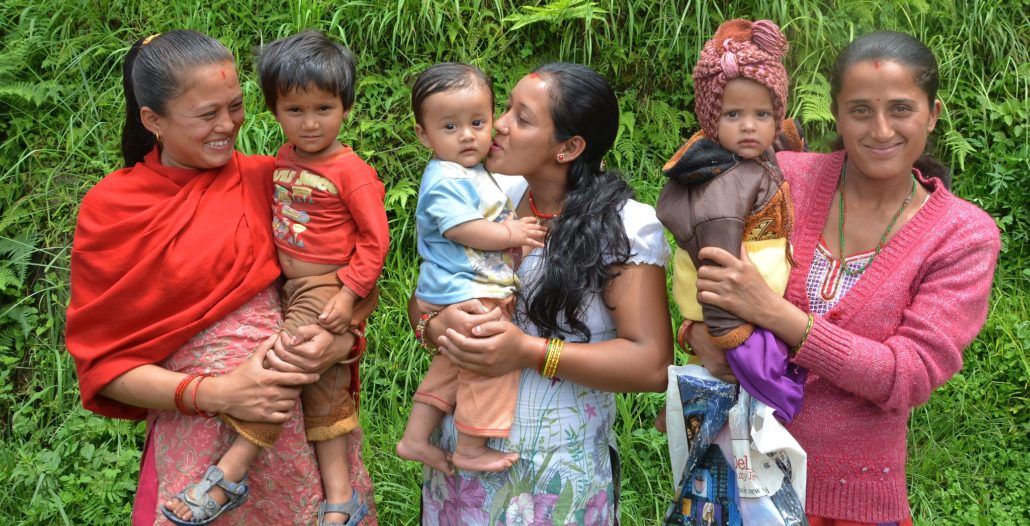
Suaahara II ProjectIn Nepal, 36% of children who are under the age of five remain underdeveloped in terms of growth and health despite progress in recent years. Through cooperation with USAID, the Nepalese Government and local private sector groups, Hellen Keller International (HKI) has provided impactful services that have helped rectify the systematic obstacles causing these health issues. Hellen Keller International is a non-profit organization that aims to reduce malnutrition. The Suaahara II project takes a pivotal role in these efforts.

What is the Suaahara II Project?

One of HKI’s most notable services is the Suaahara II project, which started in 2016 and was initially set to end in 2021. However, it will now extend to March 2023 due to COVID-19. Operating in 42 of Nepal’s districts with a $63 million budget, HKI partnered with these six organizations for the project:

  • Cooperative for Assistance and Relief Everywhere, Inc. (CARE)
  • Family Health International 360 (FHI 360)
  • Environmental and Public Health Organization (ENPHO)
  • Equal Access Nepal (EAN)
  • Nepali Technical Assistance Group (NTAG)
  • Vijaya Development Resource Center (VDRC)

Hellen Keller International’s primary role in the Suaahara II project deals with the technical assistance of child and maternal nutrition. This means that its tasks are oriented around building the skills and knowledge of health workers. This includes teaching health workers how to adequately measure and evaluate assessments; additionally, another technical facet relies on promoting governance that invests in nutrition.

A Multi-Sectoral Approach

Kenda Cunningham, a senior technical adviser for Suaahara II who works under HKI, told The Borgen Project that the Suaahara II consortium has taken a “multi-sectoral approach.” She believes in the importance of this as it pushes individuals to “learn and think beyond their sector.” The Suaahara II Project’s demonstrates its integrated strategy in the initiatives below:

  1. The WASH program focuses on water, sanitation and hygiene through WASHmarts, which are small shops dispersed across districts that sell sanitary products like soap and reusable sanitary pads. Kenda explained how this has helped “bridge a gap” so that poorer households can access hygiene enhancing products. This also allows assistance from private actors, who can expand their markets in rural areas.
  2. The Homestead Food Production program (HFP) encourages households to grow and produce micronutrient-rich foods through vegetable gardening and raising chickens, for example. As a result, 35 districts have institutionalized HFP groups.
  3. The Bhancchin Aama Radio Program is a phone-in radio program that runs twice every week. It hosts discussions among marginalized communities and demonstrations for cooking nutritious foods. It has encouraged the Nepalese to socially and behaviorally alter their health habits.

Advancements from Suaahara I

The Suaahara II project’s contribution to improved health and nutrition in Nepal is also illustrated in its progression from the Suaahara I project’s framework. In addition to understanding the changes made in household systems and at a policy level from Suaahara I, Cunningham told The Borgen Project that technological developments have elevated the Suaahara II Project’s impact in Nepal.

Specifically, smartphones expedite the data collection process when studying trends pertaining to the 2 million households across the districts. The development of new apps provided more households with access to smartphones and key information. This therefore allowed officers to transition from pursuing “a mother-child focus to a family focus” in terms of the Suaahara II project’s accommodations and services.

Challenges with Suaahara II

While the Suaahara II Project has led to institutional and social enhancements regarding health and nutrition, some districts had access to the project earlier. This created a dissonance in the rate of health improvements amongst the districts. Cunningham reported that “far western areas are much more remote and therefore disadvantaged and food insecure.”

This inconsistency was largely due to the “Federalism” that took place in Nepal in 2017, which was a decentralization process that created 42 municipalities for 42 districts. Since every municipality has a different political leader, some districts had the advantage of assistance from foreign NGOs while others did not because their leaders rejected involving foreign NGOs. In these cases, as Cunningham explained, it is like “you are creating your own NGOs from the ground up.”

Suaahara II Achievements

These obstacles, however, have not been pertinent enough to counter the consortium’s efforts in fulfilling the Suaahara II project’s objectives. For example, a primary objective for Suaahra II is to increase breastfeeding amongst babies under six months of age. Exclusive breastfeeding of children under six has increased from 62.9% in 2017 to 68.9% in 2019, according to data that Cunningham shared with The Borgen Project.

Expanding children’s access to diverse and nutritious foods is another objective that has been achieved under the Suaahara II project. The dietary diversity among women of reproductive age (WRA) has increased from 35.6% in 2017 to 45.3% in 2019, according to Cunningham. Given the efficient rate of improvement in women and children’s health, governance and equity in only the first two years of the Suaahara II project, it can be inferred that the consortium will continue to progress in achieving its targets among the Nepalese in the three years that remain.

Regarding how HKI has responded to challenges with the Suaahara II project, Cunningham said  “[We] don’t use a one size fits all approach.” The advancements in Nepal’s health and nutrition systems can be largely attributed to HKI’s multifaceted and integrated strategy, a model that could yield prosperity in the rest of the developing world.

– Joy Arkeh
Photo: Flickr

December 30, 2020
https://borgenproject.org/wp-content/uploads/borgen-project-logo.svg 0 0 Yuki https://borgenproject.org/wp-content/uploads/borgen-project-logo.svg Yuki2020-12-30 01:30:152024-05-30 07:53:30The Suaahara II Project: Improving Health in Nepal
Global Poverty

7 Education Reforms Happening in Egypt

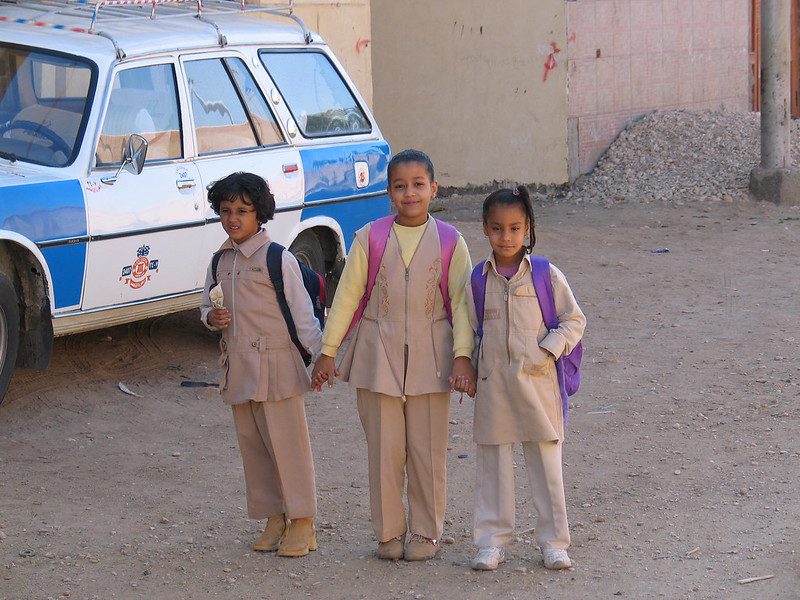
7 Education Reforms Happening in EgyptEgypt has the largest school system in the Middle East with more than 18 million students. Additionally, the school system’s gender attendance rate is nearly equal due to Egypt’s open access to primary schools. However, as Egypt’s population rapidly grows, the quality of its education system decreases. The World Bank created the term “Learning Poverty” to describe children who lack basic reading comprehension skills by the age of 10. Egypt has had a significant problem with learning poverty. As a result, the Egyptian government has created the “Education 2.0” system to tackle this issue.
The Egyptian Ministry of Education has worked closely with the United States Agency of International Development (USAID) to create seven education reforms in Egypt. This is a $500 million reform investment and its reforms stretch from kindergarten to secondary school.

7 Education Reforms in Egypt

  1. Expanding Access to Early Childhood Learning: The Education 2.0 program works to build schools that include an early education program in students’ villages. The aim is for students to have an adequate grasp on the essential skills of reading, comprehension, writing, math and English by the third grade. These skills are especially critical for children to learn in their early childhood.
  2. Remedial Reading Programs: Egypt’s education reform stretches beyond incoming students by seeking out students in grades 4-9 who have fallen behind on the essential skills mentioned above. These programs intend to bring these students up to the same educational standard as the rest of their grade level.
  3. Implementing Learning Villages: Egypt has adopted the innovative approach of intergenerational education reform in vulnerable rural areas by teaching primary-aged children how to read as well as their mothers. This allows children to be able to be engaged in literacy work at school and at home.
  4. Improving General Assessment Skills: Previously, students were asked to directly memorize exam answers and the exams were often leaked beforehand. This severely limited long-term comprehension. The reformed education program endeavors to test students on understanding as opposed to memorization capacity.
  5. Revamping Teacher Training Programs: Teachers will be re-trained and re-licensed because it is crucial that their methodology changes to match education reform programming. Teachers must help convince students and parents that it is imperative for the education system to have a goal beyond passing exams. They also need adequate resources to focus their attention on students who are falling behind.
  6. Linking Education and Technology: While the Education 2.0 program was initially stagnant, the COVID-19 crisis has actually accelerated technological advances due to social distancing guidelines. Two companies, Promethean and the Egyptian Knowledge Bank, have also aided in digitizing education resources by respectively creating free online spaces to get educational content and providing educational technology to 26,000 classrooms.
  7. Educating Refugees: Of the 200,000 refugees who have sought asylum in Egypt, 40% of them are children who become reliant on the Egyptian education system. The Egyptian government is using the model created by the U.N.’s Refugee Resilience Response Plan to help these vulnerable children. The government plans to give refugees a combined formal and informal, community-based education system that can bring stability to their lives.

Education 2.0 focuses on bringing children out of learning poverty by focusing on vulnerable communities, re-training teachers and giving students greater access to education through technology. Education reform is essential to the long-term growth and success of a country, so programs like Egypt’s Education 2.0 is incredibly important.

– Olivia Welsh
Photo: Flickr

December 29, 2020
https://borgenproject.org/wp-content/uploads/borgen-project-logo.svg 0 0 Kim Thelwell https://borgenproject.org/wp-content/uploads/borgen-project-logo.svg Kim Thelwell2020-12-29 07:30:522020-12-23 12:06:077 Education Reforms Happening in Egypt
Global Poverty, Government, USAID

A Look at Biden’s USAID Chief Choices

Biden's USAID Chief
The United States Agency for International Development (USAID) is the U.S.’s federal agency for fighting international poverty. Now, many are interested in learning about Biden’s USAID chief candidates. USAID offers development assistance to countries to promote self-reliance. In 2019, the agency spent over $20 billion across 134 countries in 28 different service sectors including agriculture, basic healthcare and emergency response.

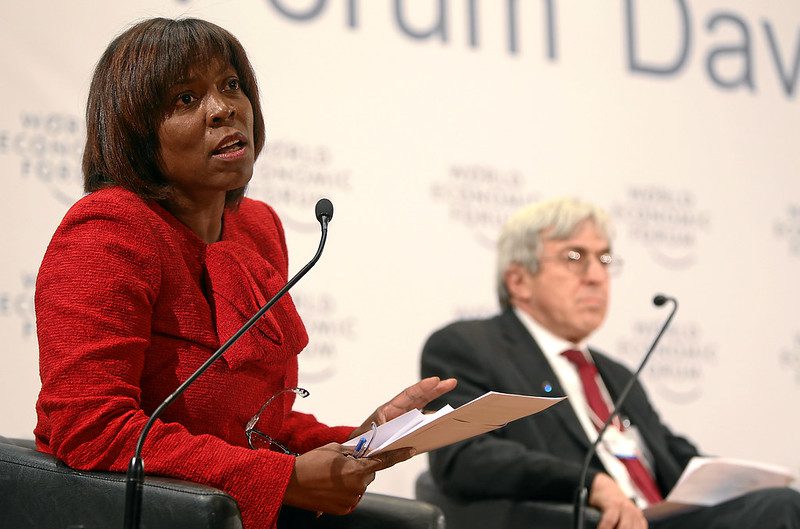
The actions of USAID are central to the U.S.’s actions on international poverty as a whole. President-Elect Joe Biden’s presidency is looming. Who he appoints as the head of USAID will be influential in shaping the agency’s actions for years to come. This role is particularly important as the world continues reeling from COVID-19. No formal nominee has been announced yet, but over the past few weeks, some have provided several names of who is on a shortlist to become Biden’s USAID Chief. These names include Ertharin Cousin, Liz Schrayer, Frederick Barton and Jeremy Konyndyk.

List of USAID Chief Candidates

  1. Ertharin Cousin: Ertharin Cousin served as executive director of the World Food Programme (WFP) from 2012 to 2017. WFP is the world’s largest humanitarian organization. Before this, in 2009, former President Barack Obama appointed her as ambassador to the U.N. Agencies for Food and Agriculture in Rome. In this role, she represented the U.S. in international talks regarding humanitarian issues. She also has experience with domestic humanitarian issues, having served as CEO of Feeding America, an organization of 200 food banks across the U.S. As of now, she tops the shortlist and many presume her to be a favorite to become Biden’s USAID chief.
  2. Liz Schrayer: Currently, Liz Schrayer is president and CEO of the U.S. Global Leadership Commission, a coalition of hundreds of NGOs and businesses advocating for U.S. action and leadership through international development. She is also an advisor on multiple committees including USAID’s Advisory Committee on Voluntary Foreign Aid and the U.S. International Development Finance Corporation’s Development Advisory Council. This prospective candidate for Biden’s USAID Chief has prior experience working with USAID and is another expert in the field of international development.
  3. Frederick Barton: Frederick Barton is the recent author of a 2018 book, “Peace Works – America’s Unifying Role in a Turbulent World.” He has experience as the U.S. Ambassador to the Economic and Social Council of the United Nations in New York from 2009 to 2011. He also served as an advisor at the Center for Strategic and International Studies from 2002 to 2009. He has a long history of work in the field, having been USAID’s founding director of its Office of Transition Initiatives in 1994, serving until 1999.
  4. Jeremy Konyndyk: Jeremy Konyndyk also has prior experience with USAID, having served as director of its Office of U.S. Foreign Disaster Assistance from 2013 to 2017. In this role, he oversaw a team of 600 staff. He and his staff managed responses to disasters like the West African Ebola outbreak and the ongoing Syrian civil war. Konyndyk is currently on the World Health Organization’s (WHO) Independent Oversight and Advisory Committee. He also served in the past as an advisor to the WHO Director-General.

Conclusion

Each of the above candidates is well qualified to become Biden’s USAID chief. Although no nominee has received an announcement yet, the future of the U.S.’s largest organization fighting international poverty seems to be in good hands.

– Bradley Cisternino
Photo: Flickr

December 24, 2020
https://borgenproject.org/wp-content/uploads/borgen-project-logo.svg 0 0 Kim Thelwell https://borgenproject.org/wp-content/uploads/borgen-project-logo.svg Kim Thelwell2020-12-24 13:07:132021-04-08 13:07:29A Look at Biden’s USAID Chief Choices
Economy, Global Poverty

The Impact of Conflict on Poverty in Mali 

Impact of Conflict on Poverty
Conflict can be a catalyst for an array of poverty-related events. It can impact poverty by depleting resources, interrupting supply chains, destroying infrastructure, taking lives and much more. Unfortunately, this trend has held in the country of Mali, which currently shows the significant impact of conflict on poverty.

Conflict Background and Economic Impact

The Mali War is an ongoing conflict that began in January 2012. Since then, violence between the north and south of Mali has ebbed and flowed in severity but never subsided. Malian people, including the Tuareg, in the north of Mali, have expressed resentment and concern as they feel that governmental groups and political factions are neglecting their concerns and treating them unfairly. Ethnic divides, fundamentalist fighters and an unstable political system contribute to this conflict.

So far, Mali has noted thousands of deaths and thousands of more people fleeing the conflict. As mentioned previously, many connect the weak economic sector in Mali to the outbreak of unrest and violence. Almost cyclically, this violence is now negatively impacting the economic sector. Before the conflict broke out, tourism accounted for more than 40% of Mali’s GDP. Researchers estimate that 8,000 people lost their jobs due to the drastic decrease in tourism after the conflict began. The economic connection highlights the ranging impact of conflict on poverty.

Many of those living in the north of Mali, mostly Tuareg and Arab groups, depending on the agricultural sector for their income. The government has invested very little in this sector and focuses primarily on tourism and the export of gold and cotton from the south. This has led many agricultural producers in the south to grow jaded toward the government due to their increased likelihood of experiencing extreme poverty.

The Impact on Public Health

Roughly one in three children in Mali are facing chronic malnutrition. An annual average of nearly 4 million people in Mali do not have access to an adequate amount of food. More than half of Mali’s children and young adults are illiterate and displacement has forced many out of school. A significant number of children in Mali are at great risk of recruitment into militant groups, further threatening children’s safety, educational resources and ability to climb out of poverty.

At its base level, the conflict in Mali threatens public health by the sheer loss of life it has caused. In 2018, armed groups killed hundreds of civilians. The byproducts of this violence caused even more people to experience extreme poverty, malnutrition and death. Additionally, more than 200,000 people have fled Mali altogether to avoid the violence. This stunts Mali’s economic growth, which reaffirms the dangerous impact of conflict on poverty.

Current Aid and Support Efforts

A military coup ousted the former president of Mali, Ibrahim Boubacar Keïta, on August 19, 2020. President Bah Ndaw became the interim leader of Mali and will hold the position until Mali can hold an election. Some are hopeful that if the nation can hold a legitimate election, much of the conflict in Mali will subside. In the meantime, many local and international nonprofit organizations are mobilizing to aid in poverty reduction efforts throughout Mali.

  1. World Vision began providing aid in Mali in 1975, even before the conflict. In 2012, during the height of the conflict, World Vision provided aid in the form of food, clean water and shelter to more than 150,000 people throughout Mali. Additionally, more than 60,000 children in Mali are currently benefiting from World Vision’s child sponsorship program. The program allows donors to provide monetary assistance to and communicate with an impoverished child. Many of these sponsored children in Mali reside within conflict-ridden areas.
  2. Peace Direct, another nonprofit organization, focuses on peacebuilding efforts in Mali. The organization supports communities in their implementation of peacebuilding; in 2019 alone, Peace Direct supported more than 20 projects throughout Mali. Peace Direct realizes the importance of community growth, both physically and emotionally, to peacebuilding. A lack of communal trust can be detrimental to poverty reduction as teamwork makes progress more effective and efficient. Additionally, the building of trust and understanding among conflict groups is essential to support continued growth and stability throughout Mali. This trust will prevent future conflicts and allow Mali to focus on economic growth and poverty reduction tactics throughout the country.
  3. The Peacebuilding Stabilization and Reconciliation Project, run through USAID, began in April 2018 and should reach completion in March 2023. This project focuses on rebuilding many of the conflict-ridden areas throughout Mali, providing rehabilitation resources to those impacted by the violence, increasing civic engagement and helping Mali’s government introduce measures to prevent violent outbreaks in the future. USAID believes that providing community members with an active role in their governance will decrease dissent, enhance democratic values, reduce the likelihood of future conflict and decrease the poverty level throughout Mali. Success will also ideally increase GDP and overall well-being while mitigating the impact of conflict on poverty in Mali.

The Future of the Region

The domino effect that violence can have on the prosperity of a nation comes as no surprise. Violence decreases an individual’s ability to focus on economic growth or public health. It overtakes governmental initiatives and grabs attention from the media, forcing poverty-related issues to take a backseat. The importance of the international community supporting peacebuilding efforts in Mali remains essential. The path toward peace will trickle-down benefits for many subsets of Mali’s society and will decrease the occurrence of extreme poverty throughout the nation.

– Danielle Forrey
Photo: Flickr

December 23, 2020
https://borgenproject.org/wp-content/uploads/borgen-project-logo.svg 0 0 Kim Thelwell https://borgenproject.org/wp-content/uploads/borgen-project-logo.svg Kim Thelwell2020-12-23 09:49:522024-05-30 07:53:22The Impact of Conflict on Poverty in Mali 
COVID-19, Global Poverty, USAID

USAID is Aiding the Dominican Republic  

USAID is Aiding the Dominican Republic 
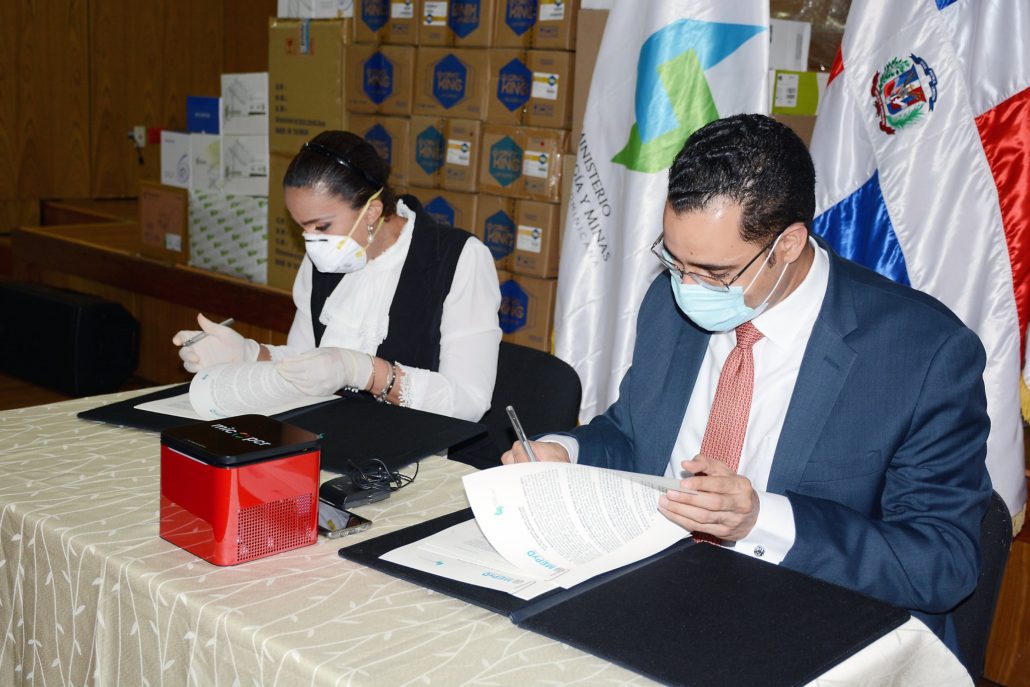
Since the COVID-19 pandemic, the Dominican Republic has suffered a tremendous amount of loss. The impact of the virus has caused medical centers to max out, full to their capacity with very little resources for patients. The strain of providing enough medical care, hospital and ICU beds has put the healthcare system in the Dominican Republic in an exhausting position, needing much aid and support to get back on its feet. With this country running out of resources to help patients battle the COVID-19 pandemic, the United States Agency for International Development (USAID) has stepped in with support, donating ventilators to medical centers. Here is some additional information about how USAID is aiding the Dominican Republic.

USAID and COVID-19

The Dominican Republic has had 131,131 confirmed cases of the COVID-19 pandemic and 2,269 confirmed deaths. COVID-19 has hit the Dominican Republic hardest in the West Indies, as it has been struggling to stay afloat with the large amounts of COVID-19 cases. USAID is aiding the Dominican Republic by donating 50 ventilators and two hospital beds in response to the fight against the COVID-19 pandemic and to give relief to disaster operations. With both of those donations in combination, USAID has supported the Dominican Republic with around $1.85 million in resources thus far. With this amount of resources going toward healthcare systems in the Dominican Republic, the Dominican Republic’s government is now able to extend medical resources and expand medical care within its healthcare facilities.

USAID’s History with the Dominican Republic

USAID is aiding the Dominican Republic government faithfully and has been supporting it for over 50 years, financially and assisting it with poverty reduction. It is continuously providing humanitarian assistance to many developing countries around the globe, creating partnerships with governments, multilateral organizations and private sectors, along with other organizations. USAID not only assists with the disasters of the COVID-19 pandemic but has also been aiding the Dominican Republic in providing basic needs to the community such as sanitation, access to clean water and shelter for the most vulnerable.

Within the last decade, USAID has helped the Dominican Republic, improving the quality of life for those living along the poverty lines. It has invested around $80 million within the last decade to provide clean water access, health services and proper sanitation, reaching the most vulnerable communities. With the COVID-19 outbreak, providing sanitation and access to clean water has been more essential than ever, a top priority for USAID. It has been working right alongside local communities and private sectors, establishing plans and solutions within the country.

Responses to Developing Countries During the COVID-19 Pandemic

The United States continues to support countries globally, funding several humanitarian services. USAID has helped in strengthening clinical care, building clinical capacity, improving disease surveillance and more.

Along with USAID providing services and aid to the Dominican Republic, the World Bank Group, an institution that provides loans and grants to governments of low-income countries in support, has rolled out around $14 billion to support systems to strengthen the response efforts to COVID-19 in developing countries. With these institutions continuing to provide rapid financing and support, the Dominican Republic can implement more effective and rapid response efforts to the COVID-19 pandemic.

USAID has and continues to meet critical needs in the social protection arena, providing psychological support and water and sanitation assistance, along with food and security. The donation of the ventilators is only a small way that USAID is supporting developing countries in response to the fight against COVID-19.

– Kendra Anderson
Photo: Flickr

December 22, 2020
https://borgenproject.org/wp-content/uploads/borgen-project-logo.svg 0 0 Lynsey Alexander https://borgenproject.org/wp-content/uploads/borgen-project-logo.svg Lynsey Alexander2020-12-22 11:35:312024-05-30 07:56:08USAID is Aiding the Dominican Republic  
Global Poverty, Migration

The Causes of Irregular Migration

Irregular Migration: Causes and Looking Forward
According to the International Organization for Migration (IOM), there were more than 100 million irregular migrants around the world in 2018. One of the aspects of irregular migration that people most widely recognize and talk about is which factors drive people to leave their homes in the first place. In recent years, the ongoing civil wars in Libya and Syria, as well as violent conflict in Central America linked to drug cartels, have often made the headlines in this regard, and many likely think of such factors as the primary drivers pushing people to migrate outside of the normal legal and bureaucratic channels. While many of these people have to leave their homes due to armed conflict, many more find themselves moving due to a lack of economic opportunity or due to environmental factors. Such factors are ones that the international community can and should be addressing through humanitarian aid.

What to Know

Without greater attention to these root causes, millions will likely have to leave their homes in search of physical and economic security, leading to greater irregular migration waves that countries have challenges handling. This can also fuel exploitation and benefit criminal networks taking advantage of people forced to migrate irregularly or who have experienced displacement. Many persons who experience displacement due to non-conflict factors will also fall into the category of internally displaced people or IDPs. IDPs do not have the same legal status as refugees, and, as a result, often have fewer institutionalized resources and services addressing their needs and the challenges they face.

As of 2018, only 40 countries had involvement with the Expert Group on Refugee and IDP Statistics, or EGRIS. EGRIS works on international research into methods for tracking refugee statistics and possible recommendations to address the number of IDPs. While this exposes the need for serious reform around internally displaced people and how to address their plight, it also means that until countries adopt a more accessible and universal legal approach, fighting the root causes that lead to displacement must be a priority.

IDPs and Disaster Prevention

While ending conflicts driving displacement is a high-profile issue, more IDPs would benefit if a greater focus were to go toward disaster relief. According to data from the Internal Displacement Monitoring Center’s 2019 Global Report on Internal Displacement, the number of people that disasters displaced increased each year from 2008-2018.

While disaster prevention is at times difficult and the effects of environmental challenges may only undergo reversal or mitigation on a large time scale, countries can deal with the fallout from disasters through humanitarian aid and relief efforts concentrated on rebuilding communities and compensating for losses. However, such efforts must give equal thought to establishing long-term physical and environmental security in the areas dealing with the fallout from disasters. Without long-term investment focused on growth and rejuvenation, areas that are past sites of disasters will continue to be the point of origin for IDPs. A greater focus on disaster relief also allows NGOs and nonprofits more room for involvement since disaster relief is an area where many consider these groups legitimate actors and encourage their participation.

Solutions

In 2016, USAID launched a five-year plan and a call to action to help irregular migrants in East Asia and the Pacific. The first year, $12 million went to strengthening collaboration across the borders of “source, transit and destination countries.” USAID is working to reduce human trafficking, which irregular migrants often fall victim to due to the lack of resources to protect them. Similar to EGRIS, USAID is collecting data to help discover even more effective ways to help irregular migrants. In its first year working in Cambodia, direct assistance went to 250 victims of human trafficking. Furthermore, in the vein of disaster relief, 5,400 deportees from Thailand received emergency assistance from USAID; 140 of those deportees were also victims of human trafficking.

By reframing the narrative around irregular migration and displacement to better reflect the root causes that contribute to the issue, the nonprofit and aid sectors can create better policies that will not only treat the symptoms of migration and displacement but ultimately reduce the push factors that lead to irregular migration in the first place.

– Matthew Cantwell McCormick
Photo: Flickr

December 20, 2020
https://borgenproject.org/wp-content/uploads/borgen-project-logo.svg 0 0 Kim Thelwell https://borgenproject.org/wp-content/uploads/borgen-project-logo.svg Kim Thelwell2020-12-20 08:59:392024-05-30 07:55:58The Causes of Irregular Migration
Global Poverty

6 Facts About Child Poverty in India

Child Poverty in India
Millions of Indian children live in extreme poverty, putting their lives, as well as the development of their bodies and minds, at risk. Global efforts have made significant progress toward combating child poverty in India and further funding will allow this success to continue.

An Overview of Poverty in India

India is one of the most populated countries in the world, with a population of 1.366 billion. Second only to China, with a population of 1.398 billion (a mere 2.3% greater), India alone accounts for more than 17% of the world’s population. With a population of such magnitude, there are not enough resources to go around.

India has historically struggled with poverty, with 63.1% of its population living on less than $1.90 a day in 1977. Since then, this number has diminished drastically to 22.5% in 2011 – but this still equates to an astounding 296 million people living in extreme poverty.

Children in India feel the burden of extreme poverty the most. They are the most likely to endure impoverishment and to lose their lives due to poverty. Global efforts have made a substantial amount of progress in fighting child poverty, but child poverty is still not close to eradication. Here are six crucial facts about child poverty in India.

6 Facts About Child Poverty in India

  1. India accounts for 30% of all children living in extreme global poverty. South Asia accounts for 36% of children in extreme poverty, but India alone covers almost all of this. India is home to the greatest number of impoverished children on Earth.
  2. Children are more likely to live in extreme poverty than adults. A recent study that the World Bank Group and UNICEF conducted, titled “Ending Extreme Poverty: A Focus on Children,” found that extreme poverty disproportionately affects children. Despite making up only a third of the studied population, children accounted for half of the extremely impoverished. Children are roughly 50% more likely to live in extreme poverty than adults.
  3. Children are also most damaged by the effects of living in extreme poverty. The development of the body and mind is stunted when a child endures the deprivation of basic needs. Children in extreme poverty generally lack more resources than others in extreme poverty as well —  a deadly combination. As UNICEF Executive Director Anthony Lake puts it, “They are the worst off of the worst off.”
  4. The COVID-19 pandemic has plunged millions more Indian children into poverty. Globally, 150 million additional children have ended up in poverty since the start of the pandemic. Since India accounts for 30% of children in extreme global poverty, this means that as many as (or even greater than) 45 million more children in India are facing poverty in the last several months.
  5. The United States government is fighting child poverty in India. The United States Agency for International Development has made it a priority to fight child malnourishment and child mortality in India. In the last 30 years, USAID funding has helped save the lives of more than 2 million Indian children by providing resources for extremely impoverished children.
  6. NGOs around the world are saving the lives of Indian children as well. Save the Children, a nonprofit organization with an aim of ending extreme child poverty across the globe, is one organization that prevents poverty-related child mortality in India. Thanks to its efforts in providing resources to India’s impoverished, the organization has managed to lift more than 86,000 children out of poverty.

While extreme child poverty in India continues to cost Indian children their lives every day, the situation is improving significantly thanks to these global efforts. In order to continue these efforts and eradicate child poverty from India, further funding for poverty-fighting programs, both current and new, will be necessary.

– Asa Scott 
Photo: Flickr

December 16, 2020
https://borgenproject.org/wp-content/uploads/borgen-project-logo.svg 0 0 Yuki https://borgenproject.org/wp-content/uploads/borgen-project-logo.svg Yuki2020-12-16 16:27:262022-04-26 15:59:166 Facts About Child Poverty in India
Developing Countries, Gender Equality, Global Poverty, Women's Empowerment, Women's Rights

Women’s Rights in South Sudan

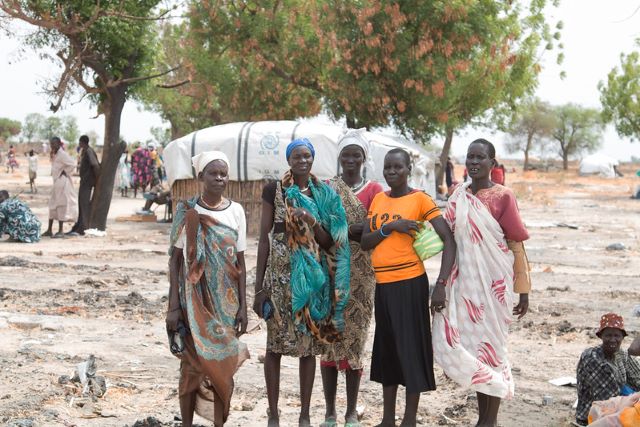
Women’s Rights in South SudanSouth Sudan, a country in East Africa, gained independence in 2011. This gave more power and opportunities to women. However, women continue to face struggles due to gender inequality. Therefore, the topic of women’s rights in South Sudan is significant as the country works toward incorporating gender equality into the country’s development.

Gender Inequality in Education

Schools are a prominent place in which gender inequality occurs in South Sudan. This is proven by the difference between the literacy rates of girls, which is 40%, and boys, which is 60%. According to the World Bank, about seven girls for every 10 boys are in primary education and around five girls for every 10 boys attend secondary school. Additionally, as of 2013, a total of 500 girls in South Sudan attended the final grade of secondary school. Moreover, around 12% of teachers in the country are female, which only strengthens gender inequality in education.

To address gender disparities in education, in 2012, South Sudan received grants from the Global Partnership for Education and The United States Agency for International Development (USAID). Through these grants, UNICEF Sudan ran the Global Partnership for Education Program. The program aims to improve the overall education system by encouraging gender sensitivity and taking measures to prevent gender-based violence in a classroom setting.

Additionally, South Sudan plans to build 25 girl-friendly schools in the most disadvantaged regions with the purpose of benefiting 3,000 girls. The program will give teachers training on gender sensitivity and gender-based violence. Furthermore, South Sudan will implement a new curriculum to further remove barriers to education for girls with the focus of developing solidarity. The updated curriculum will also provide newly written textbooks.

Gender Disparities for Health in South Sudan

Gender disparity is a significant issue in health care, affecting women’s rights in South Sudan. The WHO categorized South Sudan’s health crisis as the “highest level of humanitarian emergency” in 2014. As of 2015, the maternal mortality ratio was 730 deaths per 100,000 live births. Violence in South Sudan widely limits access to health care since international NGOs supply more than 80% of the country’s health care.

Outbreaks of fighting often lead to the destruction of health centers and the cessation of medical centers, especially since medical professionals may be forced to seek refuge in another location. Furthermore, women often face disproportionate impacts stemming from the vulnerability of South Sudan’s health care system. Because women tend to be the primary source of care for their families during a time of crisis, while men are on the frontline, they often delay seeking medical attention to avoid leaving their children alone. Therefore, providing greater access to health care for women would improve the health of families as a whole.

Gender-Based Violence in South Sudan

Gender-based violence is another challenge women in South Sudan face. An estimated 475,000 women and girls in the country are at risk of violence. Additionally, more than half of women aged 15 to 24 have endured gender-based violence. South Sudanese women who have experienced violence also tend to face societal stigma, which stands as a barrier to receiving proper care. The United Nations Development Program (UNDP) aims to work with the South Sudan government, along with the Global Fund and the International Organization for Migration (IOM) to support women by targeting gender based-violence through support programs.

Awareness of women’s rights issues in South Sudan is a step toward improving the overall quality of life of women in the country. Gender disparity affects many aspects of women’s lives in South Sudan, including education, health and risks of violence.  Therefore, addressing issues disproportionately affecting women in South Sudan is imperative.

– Zoë Nichols
Photo: Flickr

December 15, 2020
https://borgenproject.org/wp-content/uploads/borgen-project-logo.svg 0 0 Yuki https://borgenproject.org/wp-content/uploads/borgen-project-logo.svg Yuki2020-12-15 08:22:212024-05-30 07:53:29Women’s Rights in South Sudan
Page 39 of 92«‹3738394041›»

Get Smarter

  • Global Poverty 101
  • Global Poverty… The Good News
  • Global Poverty & U.S. Jobs
  • Global Poverty and National Security
  • Innovative Solutions to Poverty
  • Global Poverty & Aid FAQ’s
Search Search

Take Action

  • Call Congress
  • Email Congress
  • Donate
  • 30 Ways to Help
  • Volunteer Ops
  • Internships
  • Courses & Certificates
  • The Podcast
Borgen Project

“The Borgen Project is an incredible nonprofit organization that is addressing poverty and hunger and working towards ending them.”

-The Huffington Post

Inside The Borgen Project

  • Contact
  • About
  • Financials
  • President
  • Board of Directors
  • Board of Advisors

International Links

  • UK Email Parliament
  • UK Donate
  • Canada Email Parliament

Get Smarter

  • Global Poverty 101
  • Global Poverty… The Good News
  • Global Poverty & U.S. Jobs
  • Global Poverty and National Security
  • Innovative Solutions to Poverty
  • Global Poverty & Aid FAQ’s

Ways to Help

  • Call Congress
  • Email Congress
  • Donate
  • 30 Ways to Help
  • Volunteer Ops
  • Internships
  • Courses & Certificates
  • The Podcast
Scroll to top Scroll to top Scroll to top