• Link to X
  • Link to Facebook
  • Link to Instagram
  • Link to TikTok
  • Link to Youtube
  • About
    • About Us
      • President
      • Board of Directors
      • Board of Advisors
      • Financials
      • Our Methodology
      • Success Tracker
      • Contact
  • Act Now
    • 30 Ways to Help
      • Email Congress
      • Call Congress
      • Volunteer
      • Courses & Certificates
      • Be a Donor
    • Internships
      • In-Office Internships
      • Remote Internships
    • Legislation
      • Politics 101
  • The Blog
  • The Podcast
  • Magazine
  • Donate
  • Click to open the search input field Click to open the search input field Search
  • Menu Menu

Tag Archive for: USAID

Information and news about mobile technology

Posts

Children, Global Poverty, Health

Addressing Children’s Mental Health in Lebanon

Children’s Mental Health in Lebanon
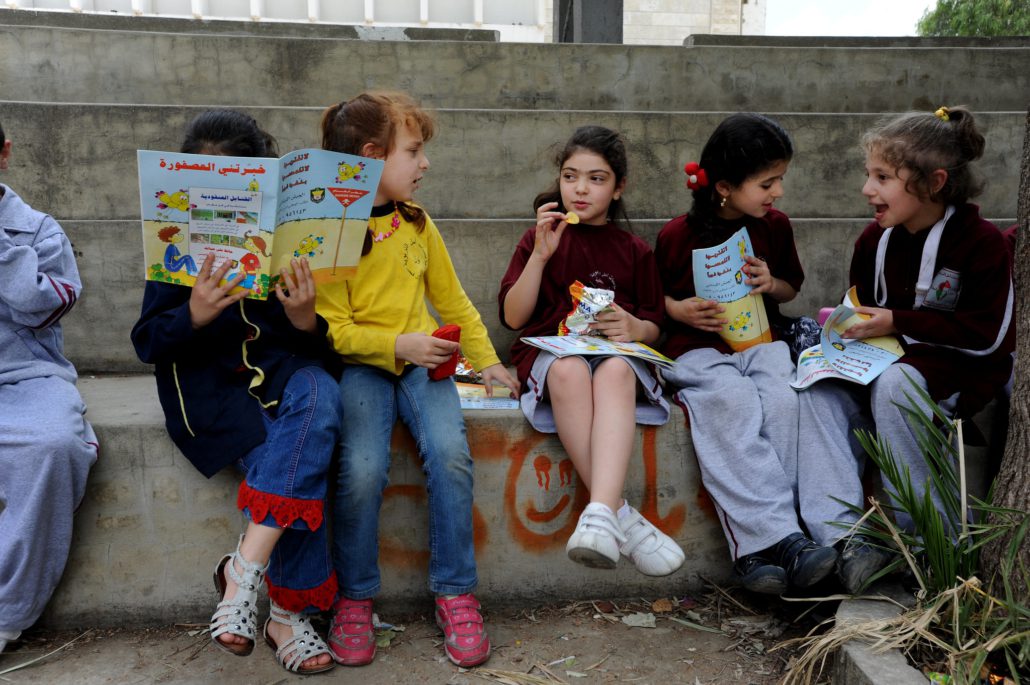
The consequences of the COVID-19 pandemic, coupled with the ongoing civil unrest and the economic crisis in Lebanon have negatively impacted children’s mental health in Lebanon. Amid several crises, Lebanon is noting higher rates of mental health conditions, such as anxiety and depression, among the nation’s children.

Overview of Children’s Health in Lebanon

A 2022 Psychopathology in Children and Adolescents in Lebanon Study (PALS) study found that 32.7% out of 1,517 children and adolescents in Lebanon screened positive for at least one psychiatric disorder. However, only 5% of these children sought professional mental health help.

The high prevalence of psychiatric symptoms in Lebanese children and adolescents alerted the need for adequate mental health prevention programs. In 2022, approximately one in five aged between 15-24 reported that they have depression.

Political Crisis in Lebanon

On October 17, 2019, Lebanese launched mass anti-government protests in a response to new tax measures and corruption. During the protests, businesses and banks closed causing a financial crisis. These mass protests impacted the families in Lebanon financially, pulling many children out of private schools.

News Medical has found that education impacts the mental health outcome of children. In fact, “Higher levels of education have been associated with better mental health.” Low levels of education are linked to “a lack of sense of control and resilience,” which puts an individual at a higher risk of depression.

Economic Crisis in Lebanon

According to the World Bank, Lebanon is “facing one of the world’s worst economic and financial crises,” the United States Institute of Peace reported. According to the statistics in 2021 from the World Bank, Lebanon’s economy has decreased by 58.1% since 2019 and the national GDP declined by 10.5% in 2021.

In fact, Lebanon’s contraction was the largest contraction out of 193 countries. Besides the impact of the pandemic, the blast in the Port of Beirut aggravated the economic crisis in Lebanon. On August 4, 2020, the Port of Beirut exploded resulting in many casualties, injuries and massive destruction. The explosion at Beirut’s port killed at least 218 people and wounded 7,000 people.

Economic fallout in the aftermath of the Beirut explosion along with the COVID-19 has put the families and children in danger of poverty and food insecurity. In 2021, the World Food Program (WFP) reported that 6.7 million Lebanese and the entire Syrian refugee population of 1.5 million are living in severe poverty.

Looking at the correlation between the economic situation and the child’s mental health according to the research article published in Health Economics, children’s mental health outcomes worsen as the economy weakens.

Environmental factors such as food insecurity and poverty because of the economic meltdown had a direct impact on the well-being of Lebanese families leading to the poor mental state of children in Lebanon.

COVID-19 in Lebanon

In January 2021, due to a massive resurgence of new cases of COVID-19, the government ordered a strict lockdown. This caused many citizens to feel isolated and disconnected due to a lack of socialization and confinement within homes. It adversely impacted the mental health of citizens, who, as a result, struggled with stress, anxiety, depression and more.

Improving Mental Health in Lebanon

The United Nations in Lebanon worked in conjunction with the National Mental Health Programme in the Ministry of Public Health to create “a mental health and psychological support action plan as part of the national response to the COVID-19 outbreak.”

As part of the plan, the U.N. and its partners raised awareness of ways to manage stress and mental health by sharing psychosocial support kits for children in hospitals and providing remote community-based mental health support kits to 5,975 children and parents, UNICEF reported.

In 2020, UNICEF Representative Yukie Mokuo said that “50% of mental disorders start before the age of 14 and 75% by the mid-20s.” The U.N. also launched the campaign in 2020 under the name of “How Are you Doing in Corona Times?” targeting to raise awareness and identify mental health status specifically among the youth population, according to UNICEF.

The other environmental contributing factors that impact children’s mental health are under control by international efforts. In 2022, on March 23, USAID provided nearly $64 million in humanitarian assistance in a response to Lebanon’s economic detraction and food insecurity. The United States government has contributed nearly $510 million in assistance to Lebanon since October 2020.

Lebanon’s progressive approaches to raising awareness of children’s mental health with national efforts along with the help of international aid show positive prospect for the future of child mental health conditions. Considering the future of children’s mental health in Lebanon, the nation should prioritize implementing initiatives and adequate policies to promote positive mental health among children in Lebanon.

– Youngwook Chun
Photo: Unsplash
July 31, 2022
https://borgenproject.org/wp-content/uploads/borgen-project-logo.svg 0 0 Kim Thelwell https://borgenproject.org/wp-content/uploads/borgen-project-logo.svg Kim Thelwell2022-07-31 01:30:432024-05-30 22:29:53Addressing Children’s Mental Health in Lebanon
Children, Developing Countries, Development, Education, Global Poverty, Health

USAID Programs in Namibia

USAID Programs in NamibiaThe United States Agency for International Development (USAID) has been working since the 1960s to provide aid to developing countries across the world. Since Namibia’s establishment as a free country in 1990, USAID programs in Nambia have focused on a wide range of developmental factors in the country.
The factors include prevention and treatment for HIV/AIDS and tuberculosis, fundamental access to education, “community-based natural resource management”, “democracy and governance” and establishing employment opportunities and expanding on existing enterprises.

Energy Programs in Namibia

Electricity access is still lacking in parts of southern Africa. In 2020, The World Bank reported that only 56% of Namibians had access to electricity. Namibia is one of 11 nations in the Southern African Energy Program (SAEP), which was launched in 2017. Another country targeted by SAEP is Zambia. In 2021, Namibia imported 100 megawatts (MW) from Zambia according to NamPower, Namibia’s national electric utility provider.

Of note, renewable energy has been a focus of the SAEP, using existing resources from its parent organization USAID to fund a renewable energy feed-in-tariff program. The feed-in-tariff program provides individuals with means to renewable energy similar to solar panels. Excess or unused energy produced is sent to the national power grid and the individual is given a tariff or small sum for the unused energy. If an individual in the program needs more energy than they produced, they can get energy from the national grid.

Tuberculosis in Namibia

Tuberculosis (TB) is the fourth highest cause of death in Namibia. Around 1,500 people died from TB in 2020 according to the organization Stop TB.

Still, Namibia has had some recent success thanks to USAID treatment programs. New incidences of TB in Namibia were at the lowest rate in over a decade with approximately only 11,700 cases in 2020.  Additionally, treatment programs were largely successful; USAID reports an 87% success rate in new TB cases in 2020. A course of several antibiotics is the routine treatment for TB.

TB ties into a greater health problem in Namibia, human immunodeficiency virus (HIV). According to USAID, 61% of people in Namibia with TB are also HIV positive. In 2020, 1,989 Namibians were diagnosed with both HIV and TB.

Combating HIV in Namibia

In Namibia, USAID and PEPFAR have provided substantial help in the fight against HIV. USAID programs in Namibia geared toward HIV provide counseling, resources and treatment for Namibians with HIV. This includes pregnant women at risk of passing HIV to their children.

USAID’s efforts have paid off. For 20 years, new HIV and AIDS cases have been on the decline. HIV is the virus that, if left untreated, can develop into AIDS. In 1998, new AIDS cases in Namibia were estimated to be at 22,000. In 2020, there were only an estimated 5,500 new AIDS cases according to UNAIDS, the joint program in the United Nations dedicated to fighting HIV/AIDS.

One of the most effective ways to prevent HIV is using condoms during sex. In Namibia, the demand for access to condoms exceeds the supply, which is where USAID comes in. Supplying condoms to Namibians is one prong of the strategy to combat HIV. The most recent update to fighting HIV through USAID programs in Namibia came in early June 2022. USAID donated 6.9 million condoms and 2.6 million bottles of personal lubricant to the country to fight to help prevent the spread of HIV.

Final Thoughts

USAID programs in Namibia have been actively fighting to improve conditions in the southern African country. Direct efforts from USAID, including energy programs through SAEP, have given access to electricity to thousands of Namibians. Healthcare to treat and prevent diseases like HIV and TB have increased living conditions in Namibia, highlighting the need for programs to help Namibians in the fight against poverty and disease.

– Emma Rushworth
Photo: Flickr

July 23, 2022
https://borgenproject.org/wp-content/uploads/borgen-project-logo.svg 0 0 Kim Thelwell https://borgenproject.org/wp-content/uploads/borgen-project-logo.svg Kim Thelwell2022-07-23 01:30:482024-05-30 22:29:48USAID Programs in Namibia
Global Poverty

Supporting Agriculture in Malawi

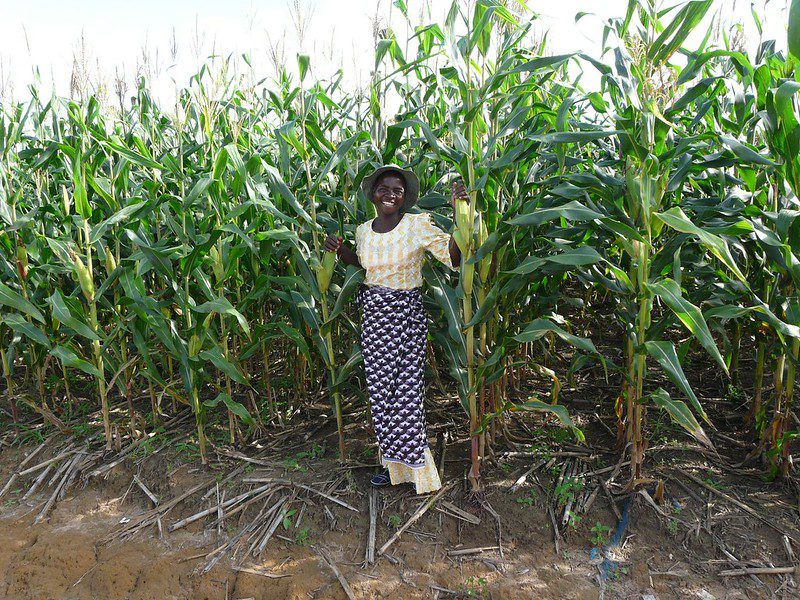
Agriculture in MalawiWith 80% of Malawians working as smallholder farmers, a great deal of the Malawian population and economy depend on the agricultural sector. However, 70.3% of Malawians currently live below the international poverty line and severe droughts and floods frequently threaten agriculture in Malawi and farmers’ livelihoods. The Malawian people are in need now more than ever of initiatives and funding to support the agricultural sector.

This is why the U.S., in its recent developmental work in Malawi, is largely prioritizing agricultural initiatives which have the potential to see the country’s soaring poverty and food insecurity rates decrease as well as boost economic growth and innovation. With that, here are a few of the important steps the U.S. is currently taking to support agriculture in Malawi.

Increasing Commercialization

Among the U.S.’s goals for the Malawian agricultural sector, one major aspect is expanding the industry’s commercialization. In a recent press release, USAID announced its $35 million support for the expansion and strengthening of Malawi’s agricultural industry. It pointed out that the country’s population is growing and limited agricultural productivity has presented numerous obstacles to meeting growing needs.

“Malawi’s agricultural industry is not sufficiently commercialized nor large enough to meet the needs of a growing population, which is projected to double to nearly 34 million people in just over two decades,” USAID explained. “[This] new project will generate jobs and incomes for smallholder farmers and increase agricultural and food exports for the country.”

Strengthening the Private Sector

As part of supporting the expanded commercialization of Malawi’s agricultural industry, the U.S. also aims to boost investment in the country’s private sector. In a speech in Malawi on July 2, USAID Administrator Samantha Powers reconfirmed this commitment, stating, “We will invest in rural economic hubs, supporting companies that, themselves, support smallholder farmers or help process their goods for export.”

One such program which will invest in the private sector in order to bolster agricultural growth and commercialization is the “Let Them Grow Healthy” initiative. Through this initiative, “USAID will invest $23 million and the private sector will match this by also contributing $23 million.” Specifically, the initiative will aim to invest in companies that have the potential to aid the Malawian government’s goals related to increasing the country’s food security and nutrition services.

Roughly 5.4 million Malawians face moderate or severe food insecurity. Initiatives such as this one are a step in the right direction for encouraging the growth and development of new, accessible and nutrient-rich food products and services.

Feed the Future Initiative

In another major victory for the future of agriculture in Malawi, at the recent G7 Leaders’ Summit in Germany, U.S. President Joe Biden announced the expansion of the Feed the Future Initiative to include several new African countries, Malawi among them.

Developed by the U.S. in 2010, Feed the Future works to identify the root causes of hunger and poverty around the globe and address them by “boosting inclusive agriculture-led economic growth, resilience and nutrition in countries with great need and opportunity for improvement.” Feed the Future is widely regarded as the U.S.’s flagship agricultural development program. USAID Administrator Samantha Powers, responding to the expansion, briefly summed up its significance for Malawi. She stated that “This will mean an intensification of our efforts to strengthen food security, poverty reduction and agricultural growth in the country.”

According to USAID, in Malawi, among other things, Feed the Future will specifically work to:

  • Develop strategies for long-term agricultural development
  • Train farmers to utilize new practices and technologies to boost productivity
  • Improve nutrition and curb child mortality
  • Work with the Government of Malawi to “develop enabling agricultural policies.”

Future at Glance

Harsh climate shocks and limited economic growth have had a negative impact on many Malawians’ way of life in the agricultural sector in recent years. However, with these current programs in place and others scheduled to take place, hope is certainly on the horizon.

Given the significant strides Malawi has made in other areas of its country— such as increased access to education, the prioritization of gender equality, as well as the reduction of some income inequality between the rich and the poor — Malawi is certainly capable of positive change. With this strong support from the U.S. and its continued partnership with the Government of Malawi, agriculture in Malawi might just see a similar chance for improvement.

– Riley Wooldridge
Photo: Flickr

July 20, 2022
https://borgenproject.org/wp-content/uploads/borgen-project-logo.svg 0 0 Kim Thelwell https://borgenproject.org/wp-content/uploads/borgen-project-logo.svg Kim Thelwell2022-07-20 01:30:112024-05-30 22:29:49Supporting Agriculture in Malawi
Food Insecurity, Global Poverty

USAID’s $331 Million Initiative

USAID's $331 Million Initiative
On June 9, 2022, during the Ninth Summit of the Americas, Samantha Power, administrator for the United States Agency for International Development (USAID) announced that USAID will allocate $331 million to help bolster “medium-to-long-term food security and resilience in Latin America and the Caribbean.” USAID’s $331 million initiative to address food insecurity in Latin America and the Caribbean also includes direct emergency food assistance to vulnerable populations in the region. In addition to emergency food assistance, USAID will allocate more than $198 million in related assistance including sanitation and hygiene intervention. Subject to congressional approval, USAID will also spend more than $132 million on resources for smallholder farmers.

Powers explained, “The food crisis in the Americas will not be solved solely through emergency food assistance — far from it. It requires a long-term solution, one that sees Latin and Central American communities as partners rather than recipients.”

How Food Insecurity Impacted Countries in Latin America and the Caribbean

Food insecurity has negatively affected the livelihood of families and individuals in Latin America and the Caribbean. For instance, the Integrated Food Security Phase Classification (IPC) reported that more than 3.9 million Guatemalans “experienced high levels of food insecurity” between March and May 2022. Furthermore, the IPC also predicts that the number could increase to 4.6 million from June to September 2022. In addition, a 2022 Caribbean Community (CARICOM) and United Nations World Food Programme survey found that 40% of the English-speaking Caribbean population suffers from food insecurity. That is a sharp increase from 2020. USAID’s $331 million initiative aims to reverse this trend.

On-the-Ground USAID Operations to Help Smallholder Farmers

USAID’s $331 million initiative also includes on-the-ground operations to tackle the issue head-on. A model for this type of support was the Feed the Future Partnering for Innovation program in Guatemala, which helped smallholder farmers access new and commercially-viable agricultural technology. From 2015 to 2018, the Feed the Future program helped more than 1,400 Guatemalan producers improve access to quality potato seeds. This illustrates the type of assistance USAID will be conducting in its effort to help Latin American and Caribbean countries tackle food insecurity with its $331 million initiative.

On-the-Ground USAID Operations to Help Households

USAID also has programs to support households in Latin America and the Caribbean struggling with food insecurity. For instance, USAID supported the 2015 – 2018 Más Riego program in Guatemala which aimed to improve smallholder family nutrition and income through training youth, smallholder businesses and families. Specifically, this project helped Guatemalan households and youth by training them on how to use low-pressure drip irrigation. This is the type of program USAID will support with the new $331 million initiative.

Looking Ahead

The influx of USAID funding for operations in Latin America and the Caribbean highlights an increasing prioritization of international development in U.S. foreign policy. As the Biden administration commented during the summit, the new USAID initiative “will result in big deliverables on issues for Latin America and the Caribbean such as migration, democracy, economic recovery and climate change.”

– Abdullah Dowaihy
Photo: Flickr

July 13, 2022
https://borgenproject.org/wp-content/uploads/borgen-project-logo.svg 0 0 Kim Thelwell https://borgenproject.org/wp-content/uploads/borgen-project-logo.svg Kim Thelwell2022-07-13 07:30:572024-05-30 22:29:48USAID’s $331 Million Initiative
Education, Global Poverty, Health

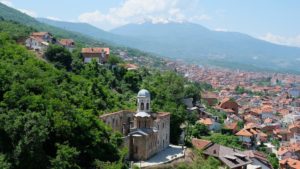
USAID Programs in Kosovo

USAID Programs in KosovoKosovo, officially known as the Republic of Kosovo, is a small country situated in the middle of the Balkan Peninsula in Southeastern Europe. Since Kosovo’s independence from Serbia in 2008, the United States has maintained a close relationship with the relatively young country, providing everything from military aid to economic assistance and COVID-19 relief. The U.S.’s main foreign aid avenue, USAID, has played a vital role in this relationship between the two countries and their joint mission of reform, modernization and transition. With roughly 23% of Kosovo’s population living in poverty and an estimated unemployment rate of 26% as of 2021, pursuing such endeavors to support goals like self-sustainability, job creation and economic prosperity are crucial to the country’s development. There are several notable USAID programs in Kosovo currently underway.
2022 Development Funding and COVID-19 Relief

In March 2022, the United States announced $31.9 million in assistance to Kosovo. Per a USAID press release, the funding will work to “[promote] Kosovo-led development solutions to economic and democratic challenges.” This aligns with USAID’s goal of Kosovan self-reliance outlined in the USAID-Kosovo Country Development Cooperation Strategy (CDCS) — a plan which acts as a developmental roadmap for the country through 2025.

Earlier, in January 2022, the U.S. announced $3 million in additional COVID-19 assistance for Kosovo, building on the $5.1 million in aid given over the course of the pandemic. Along with this financial aid, USAID has also worked to deliver personal hygiene kits, ventilators, testing equipment and nearly 538,200 doses of the Pfizer vaccine to Kosovo. As of 23 June 2022, Kosovo has had a total of 228,563 COVID-19 cases resulting in 3,130 deaths.

Energy Sustainability Activity

Launched in February 2021 and expected to run through February 2026, the USAID Energy Sustainability Activity aims to enhance Kosovo’s energy security by building “sustainable power networks,” increasing energy capacity for local institutions and accelerating investment in Kosovan renewable energy infrastructure.

“The next five years for Kosovo are critical for establishing a robust, reliable and regionally integrated power system in line with Energy Community (EnC) standards — an integral part of bolstering the country’s economic growth and increasing opportunities for its citizens,” a USAID fact sheet explains.

As one of the most impoverished countries in Europe, with a per capita GDP of $4,291 as of December 2020, building a sustainable, reliable energy infrastructure is absolutely crucial for Kosovo as the country’s ongoing energy crisis acts as a direct obstacle to its economic development. “Without reliable, affordable electricity, Kosovo’s businesses cannot invest, operate and create jobs; hospitals and schools cannot function fully or safely with frequent power cuts… Basic services that people in developed countries take for granted cannot be offered.” says the World Bank.

Commercial Justice Activity

Operating as a larger program containing a plethora of smaller programs, the Commercial Justice Activity is an initiative by USAID and various Kosovan judicial institutions to work on judicial reforms that have the potential to promote “investment, economic growth and job creation” in Kosovo.

This program has already made a positive impact on the Kosovan justice system. The Kosovan government adopted a draft Law on Commercial Court in August 2021, which proposed the establishment of a standalone court for business and investment disputes in order to streamline commercial justice. Kosovo’s Assembly unanimously passed the law in February 2022.

Other aspects of this program include improved training for judges and court staff as well as initiatives to increase court accountability and efficiency.

Kosovo Youth Dialogue

USAID established the Kosovo Youth Dialogue in August 2021 for the primary purpose of empowering and educating the Kosovan youth population. The ongoing 30-month project works to encourage dialogue and education among the youth population regarding the country’s past and the various ethnic groups belonging to the region.

Specifically, the program aims to “[empower] young people to actively participate in the dealing with the past and reconciliation process in Kosovo by encouraging inter-ethnic communication, interaction and cooperation, addressing common interests, building confidence and promoting mutual understanding and positive attitudes.” The program includes youth exchange programs, grants, educational programs and partnerships with various Kosovan non-governmental organizations (NGOs).

The Future

As one of the most impoverished countries in Europe, and considering its lack of recognition as a sovereign state by many, Kosovo has a long road ahead in achieving its sought-after self-sustainability. However, with its continued steadfast focus on policy reform, modernization and stability, the nation’s future is certainly bright.

With the work of these USAID programs in Kosovo and that of other like-minded organizations such as UNICEF, the World Bank and the European Commission, Kosovo can take much greater steps toward achieving its desired future of sustainability and improving the social and economic well-being of citizens.

– Riley Wooldridge
Photo: Pixabay

July 11, 2022
https://borgenproject.org/wp-content/uploads/borgen-project-logo.svg 0 0 Kim Thelwell https://borgenproject.org/wp-content/uploads/borgen-project-logo.svg Kim Thelwell2022-07-11 01:30:122024-05-30 22:29:46USAID Programs in Kosovo
Global Poverty, USAID

Forests and Families: USAID Programs in Brazil

USAID Programs in Brazil
Having existed for more than 60 years, the U.S. Agency for International Development (USAID) has close and successful ties with the Brazilian government. The cooperation between the two institutions has taken on a variety of forms, including health, poverty and emergency relief. In particular, its focus on combating deforestation in the Amazon and its effort in fighting COVID-19 are noteworthy as lasting successes. These efforts speak to the dynamic nature of USAID programs in Brazil and the multiple roles they can embody.

Preserving the Amazon Rainforest

One of the primary roles of USAID in Brazil is working to preserve the Amazon rainforest. Although it is the largest source of biodiversity in the world, it is under threat from groups looking to extract its abundant natural resources. The organization works closely with the Brazilian government to give those living near the Amazon the tools to sustainably use its materials and prevent incidents like forest fires.

A possible concern of the project is that it harms local businesses. However, USAID works to combine environmental and economic sustainability. Critics of these conservation efforts in the Amazon include Brazil’s President Jair Bolsonaro, who has said that the environmental regulations are “biased against agriculture and economic development.” However, USAID programs in Brazil show that both goals can coexist. These programs look to “ensure the integrity and conservation of the Brazilian Amazon ecosystem over the next 20 years” while also protecting economic viability, according to USAID. USAID does this by providing grants to sustainable local businesses and promoting private sector involvement in conservation. By focusing on sustainable economic growth, USAID lifts many in Brazil’s poorest region out of poverty while ensuring that their businesses are viable in the long term.

Mitigating the Impacts of the Pandemic

In addition, USAID programs in Brazil played an important part in mitigating the impacts of the coronavirus pandemic. In February 2021, USAID spent upwards of $2.1 million on relief, garnering an additional $3.5 million from the private sector. The program also distributed hundreds of thousands of masks, trained health professionals and worked to mitigate the economic impacts of the virus. Given that Brazil is the third country based on the case fatality ratio cases and has the largest death rate per 100,000 people, USAID’s relief spending targeted one of the most Coronavirus-afflicted countries in the world.

An essential part of the USAID’s COVID-19 relief plan for Brazil involves providing long-term medical assistance. Focusing primarily on the poorest region of the country, the northeast, USAID shipped more than 200 ventilators to Brazil at a time when ventilators were still highly scarce. Supplements to the ventilators included a field hospital in Bacanal, Maranhão as well as stretchers, beds and supplies. In doing so, USAID ensured that its operation would be effective in the short term, but equipped health officials in the region with the tools to combat future coronavirus surges.

Mitigating the Impact of Heavy Rainfall

USAID programs in Brazil also work to mitigate the impact of sudden crises. In February 2022, heavy rainfall affected nearly 800,000 people, displacing more than 73,000 in the state of Bahia. USAID responded by sending $100,000 in relief to the affected areas and providing temporary shelter and emergency supplies to the region. Given Bahia is one of the country’s largest and poorest states, the emergency aid prevents thousands of permanent displacements and economic upheaval.

Other forms of emergency aid include food, financial and job opportunities for Venezuelans migrating following the country’s economic collapse in 2014. This aid ensures that Venezuelans entering Brazil do not stay in poverty, while also alleviating the strain that such a massive migration places on the local economy.

In this light, the various forms of aid provided by the United States encompass a changing approach to international assistance and soft power. Through ecological, economic and emergency relief, USAID programs in Brazil have shown how to gradually adapt to the needs of a developing nation as well as immediate issues. It also shows how the successful implementation of aid is possible at both a large regional level and the smaller local level.

– Samuel Bowles
Photo: Flickr

July 1, 2022
https://borgenproject.org/wp-content/uploads/borgen-project-logo.svg 0 0 Jennifer Philipp https://borgenproject.org/wp-content/uploads/borgen-project-logo.svg Jennifer Philipp2022-07-01 01:30:202024-05-30 22:29:44Forests and Families: USAID Programs in Brazil
Education, Global Poverty, Women

Rebuilding of Higher Education in Afghanistan 

Higher Education in Afghanistan
The health of higher education in Afghanistan is a product of invasion and civil war. The tumultuous nature of Afghanistan’s history has left obstacles in the path of educational institutions. This takes the form of many hindrances, such as the country’s current political stability or the ruling leader’s tendency for tradition. In the absence of education, economic instability and a lower standard of living may follow.

Turbulent Establishment

The establishment of formal modern education in Afghanistan didn’t exist until 1875. However, it was not until 1919 that the number of established institutions exceeded four. In 1929, during his nine-month rule, Habibullah Kalakany closed girls’ schools and stopped female students who went abroad from continuing their studies. Shortly after, Zahir Shah allowed girls once more the freedom of education. He also established the first small sign of higher education in Afghanistan, the Kabul Medical Faculty in 1932.

In the 1960s and ‘70s, Afghanistan’s educated class grew the strongest. However, the Soviet invasion in 1979 devastated the infrastructure of higher education in Afghanistan. An entire generation of the educated class disappeared, either killed or escaped. The Taliban occupation of Afghanistan further hindered the integrity of higher education. These disastrous conflicts rendered Afghanistan one of the most impoverished in the world.

Brain Drain

“Brain Drain” is a dire issue for the infrastructure and further human development of Afghanistan. This occurs when young Afghans receive degrees from institutes of higher learning and prefer job opportunities or the standard of living outside of their home country. Generally, when facing a crisis, the number of educated emigrants produced by a country will be higher than the number of educated citizens in that country.

The effects of brain drain directly impede further infrastructure development in Afghanistan, continually reducing the country to a state of stagnant reconstruction. The country’s condition of low development poses a threat to the advancement of higher education. According to a study by David J. Roof, in 2014, the higher education enrollment ratio in Afghanistan was around 5%, among the lowest in the world.

The World Bank suggests that Afghanistan could follow the strategies of other developing countries such as Pakistan and Sri Lanka in order to reduce the brain drain. This includes offering tenure tracks to young academics or encouraging studying abroad.

The Taliban’s Effects on Women’s Education

Many commonly think that in repressive regimes, the educated will bring the most opposition. The Taliban’s recapture of Kabul in 2021 initiated one of the world’s most critical humanitarian crises, leaving millions of Afghans starving and unable to collect salaries. However, young academics, specifically women, are being further barred from receiving higher education due to new Taliban decrees, which also restrict women’s freedom to work or leave the house.

In September 2021, the Taliban regime allowed women to continue studying in gender-segregated universities under strict dress codes. However, in March 2022, it banned the opening of schools for girls and women past the sixth grade.

This decision could divert international donations and deepen the humanitarian crisis in Afghanistan.

Foreign Aid

According to the U.N. Human Development Report, in 2020 Afghanistan ranked 169th of 189 countries based on the Human Development Index. An increase in foreign aid or grants focused on bolstering higher education would greatly benefit the country economically and politically by creating and filling jobs as well as providing a future for a more stable government.

In June 2021, the World Bank approved an $18 million grant to Afghanistan through the Higher Education Acceleration Transformation Project to bolster the infrastructure, quality and accessibility of higher education. A majority of this grant will help develop educational facilities, support teachers and improve curriculum and textbooks.

An additional goal of this grant is to empower women in higher education to pursue leadership positions, as only 30% of students of higher education in Afghanistan are women.

Due to gender disparities in higher education within Afghanistan, advocacy has mostly focused on increasing the accessibility of education to female students. The World Bank grant is a large step forward in opening up opportunities for Afghan women.

USAID has also drastically aided in the development of higher education in Afghanistan, focusing on matching universities and the labor market to cultivate 31 new degree programs for undergraduate and graduate students. In addition, the USAID PROMOTE scholarship will award up to 900 Afghan women the opportunity to seek both Bachelor’s and Master’s degrees to diversify academia in Afghanistan.

Higher education in Afghanistan is unfortunately a framework of feeble institutions that heavily rely on foreign aid. Foreign aid has become the most important factor in the development of education infrastructure in Afghanistan, and actions by the World Bank and USAID have alleviated some of the negative effects of brain drain and gender inequality.

– Caroline Zientek
Photo: Flickr

June 25, 2022
https://borgenproject.org/wp-content/uploads/borgen-project-logo.svg 0 0 Jennifer Philipp https://borgenproject.org/wp-content/uploads/borgen-project-logo.svg Jennifer Philipp2022-06-25 07:30:032024-05-30 22:26:08Rebuilding of Higher Education in Afghanistan 
Foreign Aid, Global Poverty

Foreign Aid to Syria (Syrian Arab Republic)

Foreign Aid to Syria
Syria, a country once a destination known for its breathtaking scenery and rich culture, remains devastated by a decade-plus long civil war. The Syrian civil war, which began as a peaceful uprising in 2011, has led to about half a million deaths as of 2022. The conflict occurs between the Syrian government, rebel groups, the Islamic State (IS) and foreign countries —  some that side with the government and others that side with the rebel groups. Unfortunately, more than 11 years of intense fighting have taken its toll on the approximately 17.5 million people who live in Syria today. Many international organizations have committed to giving foreign aid to Syria as the vast majority of Syrians require foreign aid for their survival. Crucially, violence and destruction within the country affect the impoverished most severely.

The Need for Aid

According to a March 2022 report provided by the United Nations (U.N.) Office for the Coordination of Humanitarian Affairs (OCHA), today, about 90% of Syrians live in poverty and more than 80% endure food insecurity. Access to food security, sanitation and health care has become a major issue as a consequence of the civil war. Foreign aid to Syria seeks to combat many of these issues.

According to USAID, roughly 75% of Syrians today are specifically in need of humanitarian foreign aid. Aid can come in the form of food, health care supplies or other basic commodities. The U.N. suggests that cross-border aid, which includes helping people cross the border and transporting aid directly into the country, must remain active. In late May of 2022, the U.N. Syria Commission called on the Security Council to ensure that the border remains open so that organizations can provide the necessary aid.

Currently, there is only one authorized border crossing into Syria, known as Bab al-Hawa, between Northwest Syria and Turkey. Foreign aid requires this crossing to be open so that goods and services can reach the country. Moreover, the U.N. estimates that nearly 15 million people across the country rely on foreign aid. In certain parts of the country, the number of people receiving aid can be even higher, particularly in more conflict-riddled regions.

Of the many forms in which aid can come, food and health care are the most typical and most vital. Food prices are rising while food availability diminishes. Foreign aid can be partially helpful in bringing food supplies to people who either do not have adequate access to food or cannot afford it.

Suppliers of Aid

The largest suppliers of foreign aid to Syria are the European Commission, part of the European Union (EU), which has supplied more than $140 million so far in 2022, and the United States, which gave nearly $15 billion from 2012 to 2022. In addition, the United Nations plays a large role in the delivery of aid to Syria. The U.N.’s food-assistance branch, the World Food Programme (WFP), estimates that 5.6 million Syrians receive aid from the WFP monthly. The process of bringing foreign aid to Syria is a worldwide effort, yet challenges remain severe.

Challenges

The EU’s European Civil Protection and Humanitarian Aid Operations stated that civilian attacks and attacks on hospitals thwart international aid efforts. Limited access to the country combined with precarious and violent conditions once inside present challenges in transporting aid. The widespread and persistent issues that the Syrian people face, including recurring displacement, make foreign aid even more difficult to circulate. Another challenge is that violence and disturbances in other parts of the world, such as in Ukraine at the moment, place Syria in a somewhat less visible role on the international stage. In particular, a shortage of products, such as oil and wheat from Ukraine, has caused disruptions in Syrian aid programs.

Moving Forward

The current exception, which allows aid to cross the Bab al-Hawa border in Northwest Syria, the last open border into Syria, is set to expire on July 10, 2022. That border opening is a result of a rare policy exception that the U.N. Security Council issued in 2014, which contradicted the Syrian government’s wish to not have foreign interference in Syria. The Security Council resolution required the border at Bab al-Hawa to remain open, which has brought necessary aid to Syria for the past eight years.

Many international organizations, including the U.N. and the EU, believe that this channel is necessary for aid to make its way into Syria. The U.N. Security Council needs to vote to extend the exception before the July deadline to ensure that aid can reach the Syrians in need. Those tracking foreign aid to Syria are hopeful that, if the resolution is extended, the border will continue operating at the status quo and aid will continue to cross the northwest border.

– Lara Drinan
Photo: Flickr

June 20, 2022
https://borgenproject.org/wp-content/uploads/borgen-project-logo.svg 0 0 Kim Thelwell https://borgenproject.org/wp-content/uploads/borgen-project-logo.svg Kim Thelwell2022-06-20 01:30:442022-06-17 11:40:53Foreign Aid to Syria (Syrian Arab Republic)
Food Insecurity, Global Poverty

The Sahel’s Rising Food Insecurity and Poverty

Sahel’s Rising Food Insecurity
The Sahel is a semi-arid region in Africa that comprises countries such as Cameroon, Nigeria and Burkina Faso. Recently, the COVID-19 pandemic, environmental disasters and the high cost of food as a result of the Ukraine-Russia war have contributed to the Sahel’s rising food insecurity and poverty. On May 20, 2022, the U.N. Office for the Coordination of Humanitarian Affairs (OCHA) warned that, over the following three months, 18 million people living in the Sahel region will be “on the edge of severe hunger.” This warning prompted a strong international response from wealthier countries to provide financial and food aid to the Sahel region.

African heads of state convened a regional summit on May 27, 2022, “to address growing humanitarian needs on the continent.” The heads identified violent extremism, military coups and environmental challenges as the main contributors to the Sahel’s rising food insecurity and poverty. Non-African countries, such as the United States, are also addressing the Sahel crisis by providing food aid through government-run development programs in the Sahel. The U.N. and its agencies are also tackling rising poverty in the Sahel through financial assistance and food delivery.

Specific Issues for People Living in the Sahel Region

The Sahel’s rising food insecurity and poverty have led to devastating human costs such as “high levels of acute malnutrition” and “large gaps” in food consumption within households. Furthermore, because the cost of living has increased dramatically, families in the Sahel are now selling their own household items, such as farm tools, in order to afford food and other essential items. As a result of the rising food costs, environmental disasters and violence, the number of Africans pushed into food poverty in the Sahel is increasing. For example, in the Sahel, 1.8 million children suffer malnourishment. Without intervention, this could increase to 2.4 million by the close of 2022.

Regional Solutions to Addressing Sahel’s Food Insecurity and Poverty

The African Union (AU) has declared 2022 the AU’s Year of Nutrition and held the “Extraordinary Humanitarian Summit and Pledging Conference” on May 27, 2022. The main goal of the summit is to address malnutrition in the African region, which “causes significant long-term consequences for physical, mental, cognitive and physiological development.” UNICEF has been urging African governments to tackle a wide range of issues, such as “inadequate maternal nutrition” and “high incidence of childhood illnesses.”

How Wealthier Countries are Tackling Sahel’s Poverty Crisis

On May 18, 2022, the United States announced that it will allocate $215 million to the United States Agency for International Development (USAID) to tackle food insecurity globally. This includes tackling the Sahel’s rising food insecurity and poverty, with food assistance going to countries such as Burkina Faso, Cameroon and Nigeria. USAID and the U.S. Department of Agriculture will “program the full balance” of the Bill Emerson Humanitarian Trust, a grain and food reserve within USAID, “as part of an effort to provide $670 million in food assistance” to the Sahel countries of Ethiopia, Kenya, Sudan and South Sudan.

Assistance from International Organizations and UN Agencies

The U.N. is approaching Sahel’s rising food insecurity and poverty as an international emergency situation. On May 20, 2022, OCHA delivered $30 million in emergency funds to four countries in the Sahel to address malnutrition and hunger. OCHA gave Burkina Faso $6 million and Chad, Mali and Niger received $8 million each. Prior to this recent contribution, OCHA had delivered $4 million to Mauritania and $15 million to Nigeria earlier in 2022.

The swift international response to Sahel’s rising food insecurity and poverty illustrates the potential of the international community to eliminate global poverty. Despite the massive impacts of the COVID-19 pandemic and the Ukraine-Russia war on providing humanitarian assistance, the U.N. has managed to allocate enough funds to combat starvation in the Sahel. The United States has increased its funding for global food security operations in the Sahel and made the situation one of its top foreign policy priorities. All of this proves that the international community continues to act on food insecurity and poverty, even in the most vulnerable places in the world. This makes global poverty reduction a reachable goal, creating hope for disadvantaged countries.

– Abdullah Dowaihy
Photo: Flickr

June 9, 2022
https://borgenproject.org/wp-content/uploads/borgen-project-logo.svg 0 0 Kim Thelwell https://borgenproject.org/wp-content/uploads/borgen-project-logo.svg Kim Thelwell2022-06-09 07:30:022022-06-09 08:40:17The Sahel’s Rising Food Insecurity and Poverty
Global Poverty, Poverty Reduction

Mangrove Conservation in Indonesia Helps Reduce Poverty

Mangrove Conservation in Indonesia
Mangroves grow in salty water and thrive in conditions that most timbers cannot tolerate. The Indonesian government has set up a goal of rehabilitating 600,000 hectares (1.5 million acres) of mangroves by 2024. In 2021, the country had 10.1% of its population living below the national poverty line. Mangrove conservation in Indonesia plays an important role in improving the ecosystem as well as the economy.

Benefits of Mangrove Planting

Mangroves have several environmental benefits. These trees or shrubs provide habitats for different species such as fish, birds, reptiles and mollusks. Mangroves also act as shelters for hatchlings, providing both nutrition and safety.

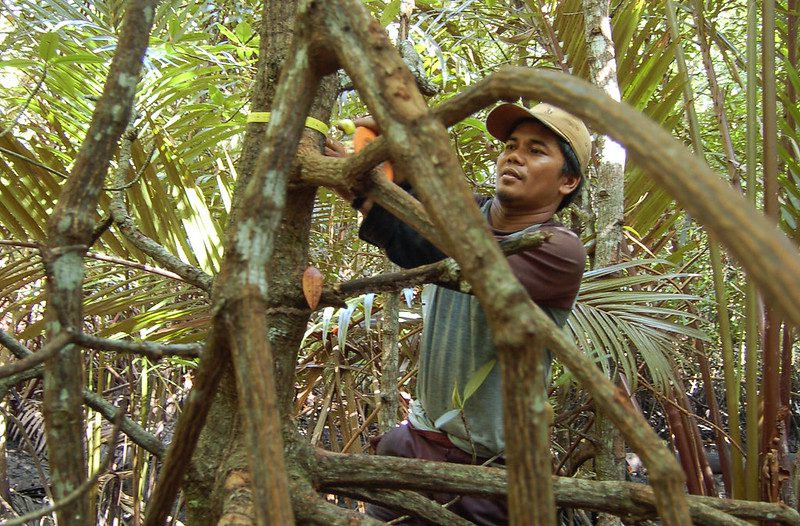
In 2012, USAID and the Indonesian NGO Yayasan Gajah Sumatera (Yagasu) worked with Rusli, a local fisherman in Paluh Kurau in Langkat, North Sumatra, Indonesia, along with other fishermen. The aim was to create a “community-based mangrove forest restoration effort” and then research the ways coastal villages can derive advantages from mangroves.

Research indicates that mangroves can reduce poverty by generating income. Based on the data from USAID, coastal communities experienced a growth in income by 60% from 2009 to 2016 by means of conserving mangroves. The mangrove planting has led to an increase in the production of other species as well: “[seven] to 12 tons of crab, [three] to [five] tons of shrimp and 500 to 700 tons of fish per week.”

Mangroves provide natural resources to create products that individuals can later sell in the market. Individuals can use the branches and roots of mangroves for the natural coloring of fabrics. With these fabrics, locals can produce dresses and shirts. Furthermore, the fruits from mangroves “can be processed into flour” for baking.

Empowering Indonesian Women

A group of women from Tanjung Rejo and neighboring villages started utilizing natural coloring to create batik fabric and clothing. Yagasu and USAID assisted these women in establishing a business and gave training in “management, design technique and quality control.” Eventually, Yagasu, in partnership with the Livelihoods Fund, flew these women to an exhibition in Paris, France, to display their products. Purchasers for the luxury goods company Hermès liked the women’s colorful designs and signed a contract with the women to provide the company with “high-quality mangrove-colored fabrics.”

In 2014, Hamidah, a housewife in Tanjung Rejo, received USAID training to create batik material and food products using mangroves. She also received business management training to advance her small business and increase her family’s income while helping other community members to increase their business skills too.

MONMANG App for Monitoring Mangroves

The country of Indonesia has the largest mangrove ecosystem globally, with more than 3.5 million hectares of mangroves, which equates to about 23% of the world’s mangrove ecosystem.

The Indonesian Institute of Sciences (LIPI) developed the MONMANG smartphone app to monitor and track mangroves in Indonesia. Through monitoring via the app, data is collected, which researchers can then use to create a Mangrove Health Index (MHI).

The app can be used to “perform data input and analysis directly from the field site while monitoring mangroves.” In addition, the app “provides structural parameters of mangrove communities, such as density, morphological size, frequency [and] dominance.”

The data that MONMANG provided will help to ensure the process of mangrove conservation in Indonesia is on the right track. Therefore, the advent of this android-based app will ensure social and economic stability for communities relying on and living close to mangrove ecosystems. MONMANG plays an imperative role in protecting the coastal environment by collecting and summarizing thousands of data points to inform local and international research on mangroves.

Looking Ahead

Mangrove planting improves the living conditions in Indonesia by reducing poverty and providing natural resources. As the mangrove conservation in Indonesia continues, the nation will reach its 2024 rehabilitation goal and continue exploring the benefits mangroves can bring to the community.

– Jiaying Guo
Photo: Flickr

June 6, 2022
https://borgenproject.org/wp-content/uploads/borgen-project-logo.svg 0 0 Kim Thelwell https://borgenproject.org/wp-content/uploads/borgen-project-logo.svg Kim Thelwell2022-06-06 01:30:062024-05-30 22:26:02Mangrove Conservation in Indonesia Helps Reduce Poverty
Page 24 of 92«‹2223242526›»

Get Smarter

  • Global Poverty 101
  • Global Poverty… The Good News
  • Global Poverty & U.S. Jobs
  • Global Poverty and National Security
  • Innovative Solutions to Poverty
  • Global Poverty & Aid FAQ’s
Search Search

Take Action

  • Call Congress
  • Email Congress
  • Donate
  • 30 Ways to Help
  • Volunteer Ops
  • Internships
  • Courses & Certificates
  • The Podcast
Borgen Project

“The Borgen Project is an incredible nonprofit organization that is addressing poverty and hunger and working towards ending them.”

-The Huffington Post

Inside The Borgen Project

  • Contact
  • About
  • Financials
  • President
  • Board of Directors
  • Board of Advisors

International Links

  • UK Email Parliament
  • UK Donate
  • Canada Email Parliament

Get Smarter

  • Global Poverty 101
  • Global Poverty… The Good News
  • Global Poverty & U.S. Jobs
  • Global Poverty and National Security
  • Innovative Solutions to Poverty
  • Global Poverty & Aid FAQ’s

Ways to Help

  • Call Congress
  • Email Congress
  • Donate
  • 30 Ways to Help
  • Volunteer Ops
  • Internships
  • Courses & Certificates
  • The Podcast
Scroll to top Scroll to top Scroll to top