• Link to X
  • Link to Facebook
  • Link to Instagram
  • Link to TikTok
  • Link to Youtube
  • About
    • About Us
      • President
      • Board of Directors
      • Board of Advisors
      • Financials
      • Our Methodology
      • Success Tracker
      • Contact
  • Act Now
    • 30 Ways to Help
      • Email Congress
      • Call Congress
      • Volunteer
      • Courses & Certificates
      • Be a Donor
    • Internships
      • In-Office Internships
      • Remote Internships
    • Legislation
      • Politics 101
  • The Blog
  • The Podcast
  • Magazine
  • Donate
  • Click to open the search input field Click to open the search input field Search
  • Menu Menu

Tag Archive for: USAID

Information and news about mobile technology

Posts

Children, COVID-19, Developing Countries, Development, Global Poverty, Health

The Impact of COVID-19 on Poverty in Sudan

Impact of COVID-19 on Poverty in Sudan
The African nation of Sudan has faced ongoing turbulence. The country has endured violent conflict, transfers of power and severe economic turmoil. For Sudanese citizens, one current and very dangerous threat is the impact of COVID-19 on poverty in Sudan.

Political and Economic Challenges in Sudan

In the last 70 years, Sudan has seen two civil wars. The first lasted from 1955 to 1972 and the second began in 1983 and ended in 2005. Six years later, in 2011, Sudan split in two as a portion of the country seceded and became the independently-governed South Sudan. However, the data this article presents is not applicable to South Sudan.

Most of Sudan’s society is tribal and many citizens live in rural nomadic communities. The economy is struggling and COVID-19 has worsened these circumstances. According to the latest available data from UNICEF’s 2018-2021 Country Programme document, about 36% of the population is currently impoverished and a quarter of all Sudanese citizens live in extreme poverty.

Before 2011, oil accounted for 95% of Sudan’s exported goods, but Sudan lost all that revenue when the country split, which damaged the already fragile economy even further. When the South Sudanese civil war broke out in 2013, refugees rushed north and Sudan saw a dramatic increase in refugees. As of September 2021, Sudan hosts more than 1.1 million refugees from other countries, adding to Sudan’s strain.

The Arrival of COVID-19 in Sudan

As is the case with many low-income countries, the arrival of COVID-19 in Sudan presented significant challenges. Limited resources make it difficult to stop outbreaks. Due to minimal resources, case reporting and testing lag behind and the vaccine rollout is small-scale. As of May 1, 2022, Sudan has administered slightly more than 7 million vaccine doses, which covers slightly more than 16% of the population.

April 2019 marked then-President of Sudan Omar al-Bashir’s removal from office, and the following September, a new system of government came into place. Thus, it is unsurprising that when the pandemic began, the new government was ill-equipped to deal with it. Many health services had no choice but to shut down due to high rates of mortality and infection among employees.

After the appearance of the first COVID-19 cases in March 2020, the Sudanese government imposed a lockdown that lasted from April 2020 to July 2020, although this proved ineffective due to community resistance and insufficient law enforcement.

Impact of COVID-19 on Poverty in Sudan

As the second wave of COVID-19 in Sudan hit in November 2020, mortality rates began to rise among citizens of all ages. At the highest mortality point, one out of every five intensive care patients died from COVID-19.

COVID-19 also threatens Sudanese food security. A “survey of 4,032 rural and urban households across the 18 states of Sudan” from June 16, 2020, to July 5, 2020, reveals “the socio-economic impact of COVID-19.” More than 50% of people in Sudan could not access main staple foods. Many people had to change their practices regarding food and almost half of the families surveyed reported food security concerns.

Most people have not received any type of aid from the government. At the time of the survey, around two-thirds of previously employed citizens had not returned to work.

USAID Assists Sudan

Fortunately, the United States is lending a hand, and as of February 2022, USAID has donated more than 1.2 million vaccine doses and $98 million to assist Sudan with COVID-19. Aside from vaccine rollout, USAID is also assisting with food and water distribution, sanitation, COVID-19 testing, clinical management and public information efforts. USAID mission director, Mervyn Farroe, said in a statement, “USAID/Sudan is committed to building back a better world, one that is better prepared to prevent, detect and respond to future biological threats, and where all people can live safe, prosperous and healthy lives.”

Overall, the impact of COVID-19 on poverty in Sudan has been hard-hitting. The country has endured significant stress for decades and recent political events compound issues and place grave strain on the economy. With more than a million refugees, a quarter of the population in extreme poverty and continuing impacts from the secession, COVID-19 in Sudan is the latest in a long list of reasons why Sudan is in dire need of international aid.

– Mia Sharpe
Photo: Flickr
June 5, 2022
https://borgenproject.org/wp-content/uploads/borgen-project-logo.svg 0 0 Kim Thelwell https://borgenproject.org/wp-content/uploads/borgen-project-logo.svg Kim Thelwell2022-06-05 01:30:162024-05-30 22:26:01The Impact of COVID-19 on Poverty in Sudan
Food Insecurity, Global Poverty

Reducing Food Insecurity in Africa during Drought

Food Insecurity in Africa
East Africa faces a drought this growing season after two consecutive failed growing seasons. Growing food insecurity in Africa poses a threat to the younger residents of the area. Disease, child marriages and malnutrition spread as the drought continues. Organizations such as UNICEF and USAID work daily to provide resources to the Horn of Africa to prevent deaths.

Drought in the Horn of Africa

The Horn of Africa contains residents of Sudan, Ethiopia, Somalia, Kenya, Eritrea and other countries on the East African Peninsula. UNICEF reported that 2022 marks the third failed rain and farming season in the Horn of Africa. As the drought ravages this section of Africa, a lack of water and crops spreads diseases and worsens malnutrition in children. UNICEF estimates that 1.7 million children need treatment for severe acute malnutrition and could reach 2 million in a matter of weeks without rain in their region.

Rising Food Prices in International Market

Russia invaded Ukraine in mid-February and offset the foreign food market. The invasion of Ukraine concurrently arose at the start of various countries’ growing seasons. Food prices on the international market have soared in this time to prices that exacerbated food insecurity in Africa. During a typical year, other countries would rely on their own crops during this economic fall, but the drought has decimated the essential crops needed to feed families.

Ukraine is the breadbasket of Europe and provides wheat supplies to the international market. According to The New Humanitarian, farmers did not plant as many fields due to the invasion. The economy struggles as ports close and they can no longer export to developing nations such as those located in the Horn of Africa.

Solutions to Food Insecurity

It is now up to governments to intervene as food insecurity in Africa worsens. Help with imports, agricultural techniques during droughts and food for families are all necessary to combat the effects of the international market and drought on food insecurity. UNICEF provides Ready-to-Use Therapeutic Food (RUTF) to treat children suffering from malnutrition. These supplies prevent wasting in children. Wasting has a high risk of death since the children are low weight compared to their height. RUTF helps children gain weight quickly with high nutritional value and is consumable directly from a packet. “Between 2017 and 2021, UNICEF procured some 2 million cartons for South Sudan,” UNICEF stated. As the drought continues, parents in the Horn of Africa debate how to save their children from malnutrition.

UNICEF partners with local governments as the drought takes students out of school and into child marriages. Parents exchange their kids in hopes their children receive food through the union, Forbes reported. They believe that in their married state the children will avoid wasting. UNICEF’s programs assist mothers to measure their children’s Mid-Upper Arm Circumference to gauge their level of malnutrition. Prevention of child marriages and assisting mothers with malnourished children are crucial to UNICEF. They advocate for funding and policies on a national level to provide help with food insecurity in Africa as the drought continues and the international market’s prices rise.

The U.S. Agency for International Development (USAID) provides aid during the drought. It donated $161 million to the Horn of Africa in 2022 and called for new donors to assist as the drought and rising food prices impede the lives of families and children. This money supports agriculture and livestock, clean drinking water, medical supplies and nutrition assistance for malnourished children.

The conflict between Ukraine and Russia increases food prices and strains Africa’s imports. Preventing food insecurity in Africa requires additional funding and policies. Children face the threat of starvation the hardest and need life-saving RUTFs and aid.

– Sara Sweitzer
Photo: Flickr

June 1, 2022
https://borgenproject.org/wp-content/uploads/borgen-project-logo.svg 0 0 Jennifer Philipp https://borgenproject.org/wp-content/uploads/borgen-project-logo.svg Jennifer Philipp2022-06-01 01:30:412024-06-07 05:08:17Reducing Food Insecurity in Africa during Drought
Global Poverty

Electrification and Energy Expansion in Laos

Electrification and Energy Expansion
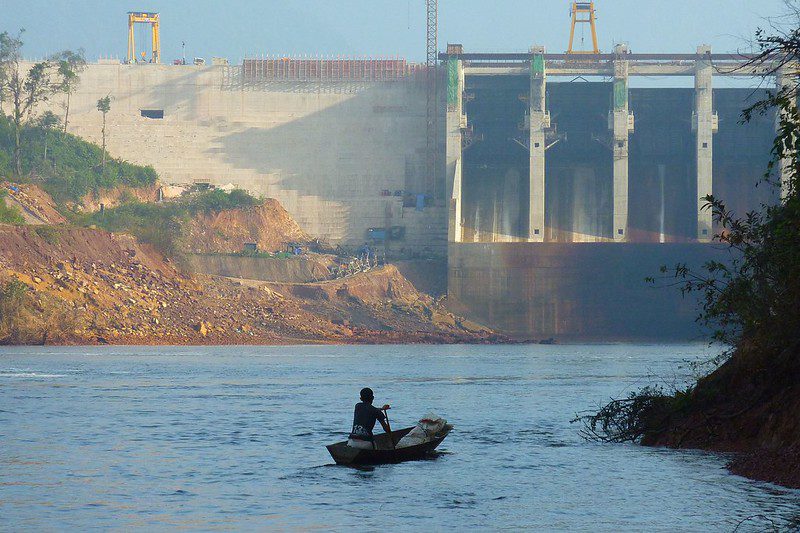
Laos, which many know as the Lao People’s Democratic Republic, is the only landlocked country in Southeast Asia, sharing borders with Thailand, China, Myanmar, Cambodia and Vietnam. While Laos is one of the most impoverished countries in the region, its economy has significantly increased in the last 20 years, so much so that, in 2011, the World Bank upgraded the Lao PDR to lower-middle-income status. However, in terms of energy, not all citizens have access to electricity. The country has had difficulty expanding the energy sector due to factors such as “inaccessible terrain,” unexploded ordinances spread throughout the country, especially throughout rural areas, with some of those areas being more difficult to reach and some provinces having low economic growth compared to others. While expansion in the energy sector proves difficult, the Lao PDR has made a commitment to electrification and energy expansion in Laos to allow all its citizens to have access to electricity, especially as various organizations offer suggestions and plans for Laos to reach its energy goals.

The Current Situation

While the use of hydropower has helped Laos electrify the nation, increasing electrification rates from 15% in 1995 to 90% in 2019, around 5% of citizens still do not have access due to remote terrain locations that makes grid expansion difficult. Around 80.3% of rural areas and 97.4% of urban areas have access to electricity as of 2018. In response, the Lao PDR has an overall goal of enabling electricity access for a minimum of 98% of the overall population by 2030.

Observations and Recommendations by Organizations

According to the Center for Strategic and International Studies (CSIS), “in 2019, 80% of all [Laos’] electricity generation came from hydropower.” The CSIS recommends that the nation diversify its energy mix “beyond hydropower,” suggesting that Laos expands into non-hydro renewable energy due to its geographic advantage “for solar photovoltaic, wind and biomass energy” and especially as prices in the sector have diminished over the years.

The Organization for Economic Co-operation and Development (OECD) recognizes that Laos has the potential to develop solar power, especially when many parts of the country are exposed to direct sunlight during the dry season. This would potentially “increase the share of non-hydro renewable energies to 30% of total consumption by 2025.” More than 18,657 households have access to small solar power systems as of 2017 and the Lao PDR has started several larger projects to expand access to solar power systems.

The National Renewable Energy Laboratory (NREL) in partnership with USAID suggests that electrification and energy expansion in Laos through alternative renewable energies can help the country reach its import demands, which would allow Laos to rely less on other countries for electricity. By expanding in renewable energy sources, Laos can “increase electricity exports to regional neighbors to become the ‘battery’ of Southeast Asia” while also meeting domestic demands.

Plans for Electrification and Energy Expansion in Laos

In Laos, around 50 dams underwent construction as of 2020, a process that will allow more access to electricity for citizens. However, while hydropower from dams will provide more access to electricity, this strategy proves controversial, especially with environmental concerns and communities relying on rivers such as the Mekong to live.

In the search for alternative solutions, Laos is in negotiation with the Thai company Impact Energy Asia to build a 600-megawatt wind farm and have it complete by 2023. By developing the energy sector to become “affordable, inclusive and sustainable” while focusing on socio-economic development, the country can move toward achieving its Sustainable Development Goals (SDGs) by 2030.

USAID programs such as the LUNA II Project, implemented from March 2014 through September 2018, help to “promote more sustainable economic policies and a more balanced energy sector” in Laos. The project largely focuses on establishing “trade liberalization” for Lao and “trade capacity building” in both public and private sectors, which will allow improvement of trade and investment. This should allow Laos to expand into alternative, sustainable and renewable energy sources.

Looking Forward

While Laos has made improvements in access to electricity and other resources for the citizenry, this work has not yet reached completion. Fortunately, through suggestions from various organizations and their data collection, Laos is able to offer plans to reach more Laotians. The country stepping up to reach its goals for electrification and energy expansion in Laos will allow the nation to achieve its 2030 energy goals.

– Jerrett Phinney
Photo: Flickr

May 25, 2022
https://borgenproject.org/wp-content/uploads/borgen-project-logo.svg 0 0 Kim Thelwell https://borgenproject.org/wp-content/uploads/borgen-project-logo.svg Kim Thelwell2022-05-25 01:30:492024-06-04 01:18:03Electrification and Energy Expansion in Laos
Global Poverty, USAID

The Impact of USAID Programs in Timor-Leste

USAID Programs in Timor-Leste
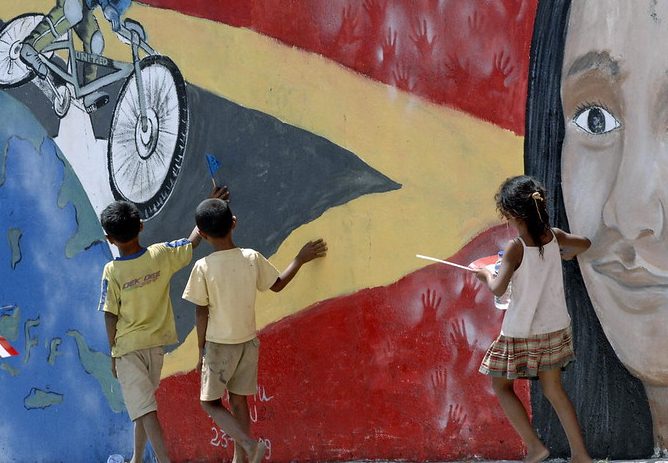
In 1975, Timor-Leste declared independence from Portugal. In the same year, Indonesia launched a military invasion and annexed the fledgling state. In 1999, 78% of Timor-Leste’s population voted for independence from Indonesia, and in 2002, Timor-Leste finally gained full independence. The nation’s road to independence was anything but smooth, especially considering that anti-independence Indonesian militias conducted a scorched earth campaign in 1999, which led to the deaths of 2,600 civilians and the displacement of 30,000 locals. Despite these setbacks, Timor-Leste has grown into a strong democracy with multiple peaceful transfers of power.

While Timor-Leste has consolidated its political institutions, the Global Hunger Index describes the hunger level in Timor-Leste as “serious” in 2021, ranking the nation 108th out of 116 countries in terms of hunger severity. In addition, Timor-Leste ranks 121st out of 190 countries in nominal GDP per capita at $2,377 as of 2017. USAID programs in Timor-Leste continue to support Timor-Leste’s democratic institutions while also working to address Timor-Leste’s economic and infrastructural setbacks.

USAID’s Tourism for All

Launched in 2018, USAID’s Tourism for All initiative aims to promote Timor-Leste as an internationally competitive tourism destination. The project goal is to “diversify [Timor-Leste’s] economy by promoting eco-friendly tourism based on the country’s rich heritage” and promote sustainable investments from the private sector by locals, international institutions and NGOs.

One accomplishment of the Tourism for All initiative in promoting sustainability and independence from assistance is training local Timor-Leste citizens. USAID gave 611 participants in the private and public sector more than 11,000 hours of job training in hospitality, tourism and food safety. This training aims to foster a new generation of Timor-Leste locals to continue sustaining Timor-Leste’s tourism industry independent of external assistance.

In 2019 and 2020, the COVID-19 pandemic put a halt to Timor-Leste’s tourism industry. However, the local Timor-Leste “Ha’u Nia Timor-Leste” campaign and USAID’s Tourism for All initiative helped pivot Timor-Leste’s tourism industry from focusing on foreign tourism to placing a greater emphasis on domestic tourism.

This partnership is based on the idea of national love for Timor-Leste and solidarity with the struggling tourism industry in the face of the pandemic. USAID describes one of the objectives of this campaign as “inspiring Timorese people to engage in recreational travel on a more regular basis and to consider taking up leisure activities such as scuba diving.”

USAID Customs Reform Project

To address Timor-Leste’s financial issues, the USAID Customs Reform Project, which began in 2017, seeks to make trade easier with Timor-Leste by implementing standard customs clearance and transit procedures. This initiative has provided Timor-Leste with technical assistance and reformed Timor-Leste’s customs process to better facilitate trade and increase domestic revenues. One way the USAID Customs Reform Project is making transit into Timor-Leste more efficient is through the development of the Inter-Ministerial Despacho in 2019 to standardize and integrate the operating hours between customs authority and other government agencies.

To further facilitate transit into Timor-Leste, the Customs Reform Project has been implementing anti-corruption measures. In 2019, the USAID team began to develop training material for a Code of Conduct. Furthermore, during the same year, the USAID Customs Reform Project developed an Interests, Assets and Liabilities Declaration form that any customs authority staff must complete. These employees must declare their own and their direct family’s financial interests, assets, liabilities and any potential conflicts of interest. These drafted reforms intend to stifle corruption while ensuring the more efficient transit of goods in Timor-Leste.

Looking Ahead

USAID programs in Timor-Leste promote economic investment, anti-corruption measures and the elimination of unnecessary trade barriers. While Timor-Leste has come a long way since its independence from Portugal and Indonesia, economic issues and oil dependency still plague Timor-Leste. USAID programs in Timor-Leste continue to play an important role in addressing and mitigating these issues.

– Alexander Richter
Photo: Flickr

May 6, 2022
https://borgenproject.org/wp-content/uploads/borgen-project-logo.svg 0 0 Kim Thelwell https://borgenproject.org/wp-content/uploads/borgen-project-logo.svg Kim Thelwell2022-05-06 01:30:552024-05-30 22:25:57The Impact of USAID Programs in Timor-Leste
Foreign Aid, Global Poverty

What is the Millennium Challenge Corporation?

The Millennium Challenge Corporation
The United States has many agencies of humanitarian assistance and the Millennium Challenge Corporation (MCC) stands as one of them. The MCC is “an innovative and independent U.S. foreign assistance agency that is helping lead the fight against global poverty.” Founded by the United States Congress in 2004, the agency focuses on a country’s policies and results. This agency aims to strengthen the institutions and economies of developing nations that already show signs of good governance. The MCC is uniquely selective in delivering aid by choosing to aid nations that have existing yet fragile institutions to promote democracy and competent governance.

Operations

The agency measures a nation’s eligibility to receive aid from the Millennium Challenge Corporation through 20 different indicators based on different political freedoms, civil liberties, economic freedoms and economic conditions. A nation is eligible to receive aid if it passes 10 out of 20 of the indicators, passes the “Control of Corruption Indicator” and/or passes either the “Political Rights Indicator” or the “Civil Liberties Indicator.” A nation passes an indicator if it performs better than the median score in the nation’s income group, a score that a particular third party will measure.

The MCC is diverse in its approach to stabilizing developing nations. It generally delivers three types of aid packages: Compacts, Concurrent Compacts for Regional Investments and Threshold Programs. Compacts are large five-year grants to specific grassroots projects targeted at poverty reduction or economic growth that meet MCC’s eligibility standards.

Concurrent Compacts for Regional Investments are grants designed to promote trade, economic integration and collaboration between nations.

Threshold Programs help nations that are not quite eligible to receive MCC Compact packages by allowing countries a chance to show their dedication to “democratic governance, economic freedom and investments in their people.”

Comparing USAID and MCC

One of the key differences between the U.S. Agency for International Development (USAID) and the Millennium Challenge Corporation is that USAID grants aid exclusively on the merits of a proposed project toward some form of a democratic goal. USAID also has programs that have “unrestricted ineligibility” where any nation may receive aid for a particular project.

On the other hand, the Millennium Challenge Corporation has strict standards on different aspects of a nation’s governance to determine whether a program receives a grant. It requires that nations meet certain political and economic standards determined by reputable third-party sources in order to receive aid. The Millennium Challenge Corporation grants are also restricted to five years whereas USAID programs can extend the period of a grant or contract.

While USAID and the Millennium Challenge Corporation have various differences, both collaborate closely in delivering and developing aid programs. For example, the USAID administrator holds a role as a permanent member of the Millennium Challenge Corporations Board of Directors.

The Millennium Challenge Corporation learns from USAID’s decades of technical expertise while USAID also benefits from the Millennium Challenge Corporation’s rigorous economic and political analysis to improve the outcomes of aid programs.

USAID and the Millennium Challenge Corporation both serve important roles in delivering aid to struggling nations. USAID has an emphasis on building up new institutions whereas the Millennium Challenge Corporation has more of an emphasis on strengthening already existing institutions in struggling nations. The goals of these agencies often overlap, leading to large amounts of interagency collaboration.

– Alexander Richter
Photo: Flickr

May 1, 2022
https://borgenproject.org/wp-content/uploads/borgen-project-logo.svg 0 0 Kim Thelwell https://borgenproject.org/wp-content/uploads/borgen-project-logo.svg Kim Thelwell2022-05-01 01:30:472024-05-30 22:25:58What is the Millennium Challenge Corporation?
Global Poverty

Eco-Kolek Aids Plastic Waste Collectors in the Philippines

Waste Collectors in the Philippines
Informal waste collectors in the city of Puerto Princesa in the Philippines, in collaboration with the Eco-Kolek initiative by Project Zacchaeus (PZC), are developing a safer, more organized method of waste collection and disposal for their community. The Eco-Kolek project allows waste collectors to voice themselves and become more involved in their local communities.

Plastic and Poverty in the Philippines

Single-use plastic products are low-cost and easy to produce; the high production rate of single-use plastics in the Philippines has led to a large percentage of plastic pollution coming from the country. The Philippines produces 2.7 million tons of plastic waste annually and roughly 20% of it pollutes the ocean. As a nation of more than 7,500 islands, the coastal areas of the country are especially susceptible to the negative impacts of ocean plastic pollution.

Recent data shows that about 23.7% of Filipinos lived under the poverty threshold in the first quarter of 2021 while about 10% lived in extreme poverty, unable to meet their basic food needs. Because single-use plastics are an inexpensive way to purchase everyday necessities, like soap and toothpaste, impoverished communities produce and purchase these plastics in abundance.

Project Zacchaeus and Eco-Kolek

Project Zacchaeus is a social enterprise in the Philippines that develops specialized products and services and trains local citizens to become “servant leaders” in their communities. The organization focuses on communities in need and tailors strategies that aim to alleviate poverty in each area.

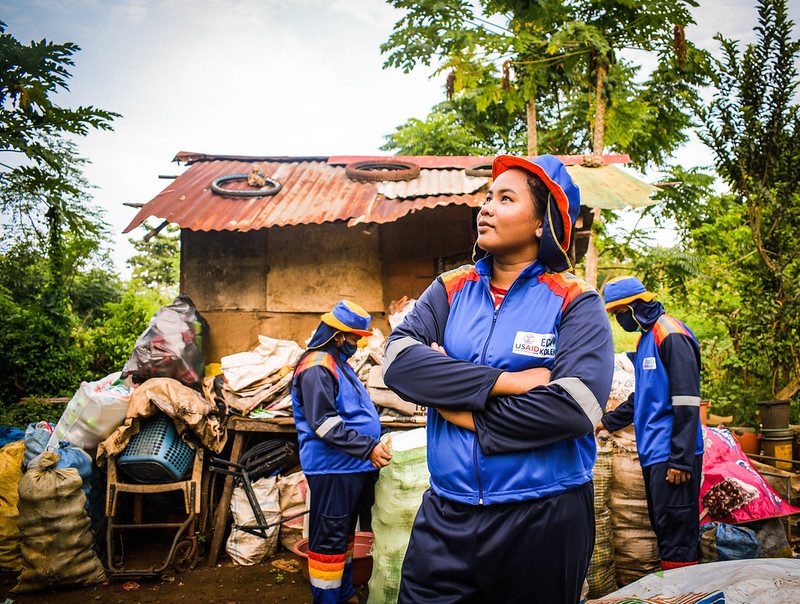
Eco-Kolek is an initiative of Project Zacchaeus that educates and provides relevant resources to waste collectors. The project’s goal is to bring a sense of safety and organization to the practice of waste collection and to elevate waste collectors in the Philippines to “Eco-Warriors” and community leaders. The program takes place in Puerto Princesa on the island of Palawan in the Philippines to “help bridge the gaps of waste management.”

How Eco-Kolek Helps Locals Improve Waste Collection

Women make up a large number of informal waste collectors around the world. In the Philippines, women commonly turn to waste collection to earn extra income for their families. In Puerto Princesa, local women hold many leadership roles in waste management.

A waste collector gathers improperly disposed waste and sells it to collectors for a profit. Through the help of Eco-Kolek, the Eco-Warriors can earn an income by learning other relevant skills, such as bookkeeping. With the help of the Eco-Kolek program, the waste collection has become more than just a job — it has become a way to practice and improve leadership skills and become active voices in the community. The Eco-Warriors have become integral to curbing plastic pollution in Puerto Princesa.

In March 2022, USAID’s Clean Cities, Blue Ocean program provided the Eco-Warriors with vehicles to make waste collection more efficient. The agency donated “five bicycles, two motorcycles with sidecars and one four-wheeled multi-cab” to the Eco-Kolek program. These vehicles will help the waste collectors reach about “3,000 households in Puerto Princesa.” The Eco-Warriors who will drive the vehicles will also receive free training and courses on driving and vehicle maintenance.

Eco-Kolek aims to reduce ocean plastic pollution by helping waste collectors in Puerto Princesa maintain a more efficient and sustainable method of waste collection. The program professionalizes the job of waste collecting by making it safer and more organized. Eco-Warriors receive education on waste disposal laws and how to most safely dispose of solid waste. Eco-Kolek provides the resources for local waste collectors to unite and more effectively help themselves and their community.

– Melissa Hood
Photo: Flickr

April 22, 2022
https://borgenproject.org/wp-content/uploads/borgen-project-logo.svg 0 0 Kim Thelwell https://borgenproject.org/wp-content/uploads/borgen-project-logo.svg Kim Thelwell2022-04-22 01:30:332024-05-30 22:25:57Eco-Kolek Aids Plastic Waste Collectors in the Philippines
Gender Equality, Global Poverty, Inequality

2023 Budget Prioritizes Gender Equity and Equality

Gender Equity and Equality
On International Women’s Day in March 2022, U.S. government officials revealed that the President’s Budget for 2023 will seek $2.6 billion for foreign assistance initiatives promoting global gender equity and equality. This is more than twice the requested amount for gender equality initiatives in the previous year’s budget. This increase coincides with the broader objectives outlined in the Biden administration’s National Strategy on Gender Equity and Equality. The strategy highlights the importance of advancing the economic security, health and rights of women and girls around the world. In 2019, “women were 35% more likely to live in poverty than men.” Should Congress grant this budget request, the United States federal agencies will have more resources to address the issues that lead to this disparity.

Global Gender Inequality in Numbers

Globally, in 2016, “700 million fewer women than men” participated in the workforce. Additionally, women who do participate in the labor force are likely to make less money due to gender wage gaps. This economic disparity produces a significant gender poverty gap. For every 100 men aged between 25 and 34 that live in impoverished households, 122 women live in the same conditions.

This $2.6 billion funding request will go far in addressing this issue through U.S. federal agencies and programs. USAID will take the majority of the budget increase with the purpose of promoting gender equality and the empowerment of women worldwide. Among USAID’s plans, supported by this funding, is the expansion of education among women and girls. Educational attainment can have a profound impact on poverty. It offers an opportunity to develop valuable skills that prepare people to enter the job market.

In fact, according to a study sponsored by the World Bank, every additional year of education has the power to increase a woman’s pay by more than 11%. Despite this, as of 2020, 130 million school-aged girls are not receiving a regular education. The good news is that global enrollment rates are reaching parity. In 2019, UNESCO found that “more than two-thirds of countries have reached gender parity” in primary education enrollment. USAID is already undertaking multiple efforts to promote these positive educational outcomes.

USAID Programs to Promote Education

  • Girls Leadership and Empowerment through Education (GLEE). This Malian project ran from 2018 to 2021 and provided education to almost 14,000 girls who were not attending school. GLEE plays an important role in boosting literacy skills in a country where only 38% of young Malian women aged 15-24 can read and write as of 2020.
  • Girl Rising: Empower New Generations to Advance Girls’ Education (ENGAGE). This project is an ongoing collaboration between USAID and various private sector partners that seeks to increase awareness and action on gender disparities in education around the world through a variety of activities. In 2018, Girls Rising began in Guatemala, promoting community-based programming involving 900 participants exploring the harmful effects of “rigid gender norms.” In the Democratic Republic of Congo, the program worked with youth groups to address “sexual violence in schools” through leadership camps and storytelling workshops.
  • Quality Instruction Towards Access and Basic Education Improvement (QITABI) 2. A Lebanese program aimed at improving literacy as well as “social and emotional learning skills” for more than 300,000 public school students. Planned to run from 2019 to 2024, QITABI 2 supported at-home learning for more than 174,000 students through the distribution of learning materials during the COVID-19 shutdown.

Other Focal Areas

With the additional funding, USAID also plans to strengthen its impact in other areas such as the inclusion of women in civic and political leadership, promoting the participation of women and girls in solutions that address the climate crisis and increasing access to health care for young people.

The budget request increase also sets aside $200 million for the Gender Equity and Equality Action (GEEA) fund. Established in 2021 by the Biden administration, the GEEA fund addresses gender-based violence and promotes economic security for women around the world.

The Biden administration’s support of the GEEA fund, USAID and other agencies through this historic funding increase signals its commitment to gender equity. With the wider participation of government in reaching this objective, a greater impact on reducing poverty is forthcoming.

– Gonzalo Rodriguez
Photo: Flickr

April 2, 2022
https://borgenproject.org/wp-content/uploads/borgen-project-logo.svg 0 0 Kim Thelwell https://borgenproject.org/wp-content/uploads/borgen-project-logo.svg Kim Thelwell2022-04-02 07:30:262024-05-30 22:25:542023 Budget Prioritizes Gender Equity and Equality
Education, Global Poverty

Education Initiatives in Pakistan

Education Initiatives in Pakistan
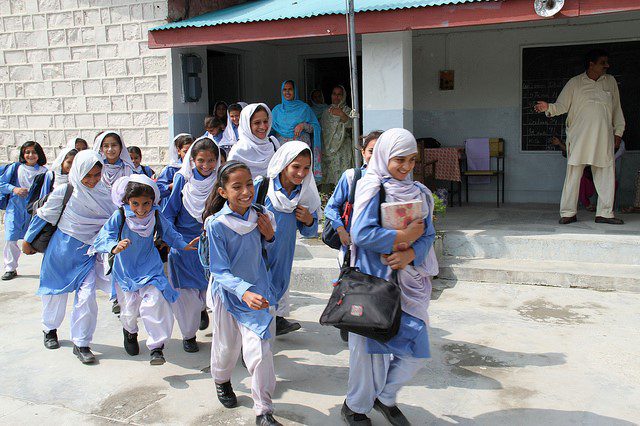
Pakistan, a country of 220 million people, currently holds the “world’s second-highest number of out-of-school children,” according to UNICEF, equating to about 22.8 million children. Some factors that contribute to this high out-of-school rate are gender inequality, socioeconomic status and location of residency. USAID and UNICEF have implemented several education initiatives in Pakistan in recent years to help address the education crisis.

Pakistan’s Education Overview

According to a  study by Pak Alliance for Maths and Science based on data from the  Pakistan Social and Living Measurements Standards survey 2019-20 (PSLM), 32% of Pakistan’s children from age 5 to 16 years old are not in school. There are many reasons for this, such as gender norms, which assert that females’ sole roles should involve household chores and caregiving. Poverty also plays a role as many impoverished families simply cannot afford to send their children to school. Area of residency also factors in —  children who live in rural areas, such as the province of Balochistan, do not have access to a school within walking distance.

In addition to these factors, Pakistan’s education system faces several barriers that intensify the difficulty of completing a full education,  such as deteriorating school facilities that lack proper sanitation and electricity. In addition, underqualified teaching staff, widespread corruption and thousands of staff who do not show up for work leave children unable to receive a proper education.

USAID Initiatives

USAID has partnered with Pakistan’s government to increase access to education, especially for out-of-school children, and improve the quality of education in Pakistan overall. Given that the quality of teachers significantly impacts students’ education, USAID prioritizes the training of educators. In partnership with Pakistan’s Higher Education Commission, USAID established “two professional teaching degree programs.”

USAID has also provided training to educators “on how to teach reading” to students using appealing and age-appropriate materials in local languages. USAID has also created libraries in thousands of Pakistani classrooms to encourage literacy. Since 2013, USAID has given training to “more than 46,000 teachers and school administrators.” USAID also prioritizes developing education policies that cater to “local needs,” which will ultimately improve community involvement and enrollment in schools.

Since its education partnership with Pakistan in 2013, USAID has constructed “17 faculties of education” for teacher training and “built or repaired more than 1,600 schools” throughout Pakistan. USAID’s assistance has benefited more than 2 million primary school students in Pakistan and “improved oral reading fluency for 26% of grade-two graduate students.” USAID also gave around 19,000 scholarships to outstanding students so they can “attend tertiary education.”

UNICEF Initiatives

Since 2016, UNICEF has committed to reducing the number of out-of-school children in Pakistan. The organization is helping to strengthen Pakistan’s Early Childhood Education (ECE) systems “to improve school readiness,” reduce dropout rates and encourage school completion. Children from impoverished and vulnerable communities will see the most benefits from these efforts.

UNICEF has committed to promoting educational awareness to parents about “early learning, the importance of on-time enrolment and the lack of social protection schemes,” which will help break down barriers to students completing their education. Lastly, UNICEF’s education initiatives in Pakistan promote discussions on the Pakistani government’s “education budgeting and public financing” to highlight areas in need of improvement that can help strengthen Pakistan’s education sector as a whole.

Looking Ahead

These initiatives are essential to improve Pakistan’s poverty rate, which stands at 39.3% as of 2021 because education is a proven path out of poverty. According to the Global Partnership for Education, 420 million people would rise out of poverty through secondary education and “one additional year of school can increase a woman’s earnings by up to 20%.”

The education initiatives in Pakistan have already begun to address the education crisis and will continue to do so in the coming years. These efforts will encourage more enrollments and give way to higher school completion rates despite the socio-economic disparities that many impoverished children face, which will ultimately reveal itself through economic growth in the nation and a broader job market.

– Isabella Elmasry
Photo: Flickr

March 26, 2022
https://borgenproject.org/wp-content/uploads/borgen-project-logo.svg 0 0 Kim Thelwell https://borgenproject.org/wp-content/uploads/borgen-project-logo.svg Kim Thelwell2022-03-26 07:30:092022-03-22 04:26:41Education Initiatives in Pakistan
Children, Global Poverty

USAID Partners in Ethiopia

USAID Partners in Ethiopia
Ethiopia is currently enduring its worst drought in decades. The nation has not experienced a successful rainy season “since late 2020” and the continued lack of rainfall has had devastating consequences. The drought directly affects more than 6 million Ethiopians through water shortages, crop failures and livestock deaths. This is especially devastating because the agricultural industry contributes 40% to Ethiopia’s GDP and employs roughly 75% of Ethiopians as of March 2022. The ongoing Tigray War only exacerbates the humanitarian crisis in Ethiopia as fighting in the north of the country continues to displace civilians and disrupts access to economic markets. Both of these developments place a disproportionate burden on the rural population who stand as the most economically vulnerable. Based on the most recent available data from 2016, the percentage of Ethiopians living below the national poverty line is 15% in urban areas but 26% in rural areas. The drought only threatens to broaden this divide as it most negatively affects rural populations that depend upon agriculture. In light of this crisis and its effects on impoverished rural populations, many USAID partners in Ethiopia have stepped in to help.

USAID’s Response

The United States is Ethiopia’s largest donor of foreign aid and the two countries have a close developmental relationship that goes back to the early 1900s. The United States Agency of International Development (USAID) distributed $402 million worth of humanitarian assistance to Ethiopia during the fiscal year 2021 and continues its commitment in the face of this deepening crisis. USAID channels funds through partner organizations like UNICEF that have specific directives and fields of expertise. Here are three major USAID partners in Ethiopia that are delivering specialized care to those in need:

3 USAID Partners in Ethiopia

  1. Catholic Relief Services: Partly due to the drought’s widespread effects on livestock and agriculture, an estimated 20.4 million Ethiopians lack dependable access to food as of December 2021. Partnering with USAID to combat this growing food insecurity is the Catholic Relief Service (CRS), a nonprofit whose mission is to provide emergency relief to victims of civil conflict and natural disasters around the world. It leads the Joint Emergency Operation (JEOP), which comprises numerous development-based NGOs and other USAID partners in Ethiopia. Since June 2021, the JEOP has reached approximately 3.4 million people affected by the crisis with crucial food assistance, which it sources primarily from U.S. agriculture.
  2. UNICEF: With the financial support of USAID, the United Nations Children’s Fund (UNICEF) is currently conducting an extensive immunization campaign in the war-torn Tigray region. In the first two months of 2022 alone, the campaign successfully provided measles vaccinations to almost 700,000 children. This is part of a larger children’s health campaign that also saw the simultaneous distribution of vitamin A supplements and deworming tablets. This is crucial in Ethiopia where the under-five child mortality rate is 48.7 deaths per 1,000 lives as of 2020. UNICEF intends to provide measles vaccinations to 3 million Ethiopian children by the end of 2022.
  3. International Medical Corps: The International Medical Corps (IMC) is a USAID partner that delivers emergency medical services during times of crisis. In Ethiopia, the IMC has concentrated its efforts on those displaced by the Tigray War. The IMC currently manages 23 mobile medical units that have served more than 804,000 displaced people since the onset of the conflict in November 2020. These units have also administered about 233,000 outpatient consultations while screening 146,510 children younger than five as well as pregnant/lactating women for acute malnutrition as of February 2022. Mobile medical units are crucial as the conflict renders many of the country’s health care facilities inoperative. Mobile care is especially important in remote areas with even more restricted access to traditional care. USAID provided the IMC with $4 million in the fiscal year 2021 to fund its activities in the region, and in total, the IMC and other USAID partners have implemented more than 60 of these life-saving mobile medical units across the country since the start of the conflict.

Looking Forward

In a major win for USAID partners in Ethiopia, the Ethiopian government decided in February 2022 to lift the national state of emergency (SoE) that had been active since early November 2021. The SoE had justified the unwarranted detention of foreign aid workers and generally impeded international assistance programs. All aid workers are no longer arbitrarily detained on account of suspicions of connections to the Tigray People’s Liberation Front and humanitarian relief efforts can continue with renewed vigor. The U.S. Department of State has also praised this development as an important step toward the peaceful conclusion of the Tigray conflict, which bodes well for the overall stability of the region.

With this hopeful development in Tigray and the sustained assistance efforts of the international community, there is cause for optimism. Ethiopia has weathered the turbulent onset of this crisis, but there is still a need for long-term solutions, especially with regard to rural poverty. For the time being though, the humanitarian initiatives of USAID and its partners help lay the crucial groundwork in human capital, which is a solid first step in Ethiopia’s equitable development.

– Jack Leist
Photo: Flickr

March 24, 2022
https://borgenproject.org/wp-content/uploads/borgen-project-logo.svg 0 0 Kim Thelwell https://borgenproject.org/wp-content/uploads/borgen-project-logo.svg Kim Thelwell2022-03-24 01:30:062024-05-30 22:25:51USAID Partners in Ethiopia
Development, Food Insecurity, Food Security, Global Poverty

Food Systems in Afghanistan

Food Systems in Afghanistan
In the wake of Afghanistan’s government collapse in August 2021, the nation’s humanitarian crisis has plunged to new depths and will continue on this path if Afghanistan does not receive the necessary aid. Of the total population, 41.7 million, about 23 million Afghans, are experiencing food insecurity due to the failure of food systems in Afghanistan. However, organizations are making efforts to combat the hunger crisis and strengthen food systems in the nation.

The State of Food Systems in Afghanistan

About 8.7 million Afghans currently endure “emergency levels of food insecurity,” and according to the United Nations Development Programme (UNDP), without urgent action, Afghanistan could see a 97% universal poverty rate by mid-2022. The loss of more than 500,00 Afghan jobs since August 2021 and the steep incline of food prices leave Afghan families depleted of food with no income to purchase more. The Afghan people have no way of obtaining a sufficient supply of food nor can they harvest sufficient crops due to the harsh winter and severe drought.

The World Food Programme (WFP)

Since the start of 2021, the World Food Programme has assisted “15 million Afghans with food and nutrition support” while prioritizing the most vulnerable population segments such as young children and pregnant/breastfeeding women. The WFP’s “targeted supplementary feeding [program]” has addressed the nutritional needs of more than “500,000 pregnant and breastfeeding women” and more than 1 million malnourished children younger than 5. The WFP aims to “reach 23 million Afghans in 2022,” including 1 million children through its school feeding program.

The organization works with the Afghan government and commercial partners to strengthen the food systems in Afghanistan by supporting local small-scale farmers  as well as “building local milling and fortification capacity and strengthening value chains and food safety measures.” The WFP assists the Afghan government and humanitarian organizations “in beneficiary management, supply chain, information and communication technology and facilities and information management” to ensure a targeted response to citizens’ needs.

USAID Assists Afghanistan

The United States Agency for International Development (USAID) has been taking measures to improve food systems in Afghanistan for the last two decades and has vastly strengthened Afghanistan’s agricultural sector. This is crucial work because about 80% of all Afghans depend on agriculture for their livelihoods. USAID’s efforts intend to scale up Afghanistan’s agricultural exports, expand “the reach of Afghan agricultural goods to bolster job creation” and distribute more agricultural goods throughout the country.

In 2010, USAID created a $100 million Agricultural Development Fund to supply credit to Afghan farmers and small-scale agricultural businesses to help them accumulate resources such as seeds, fertilizer and equipment. As of 2021, this fund has distributed “$132.7 million in loans to more than 43,600 Afghan farmers.” USAID has also assisted in creating more than 657,000 full-time agricultural-related employment opportunities, which has contributed to reducing poverty in the nation and strengthening food systems in Afghanistan.

Programs that are geared toward improving food systems in Afghanistan are essential in fighting the nation’s hunger crisis. Implementing these programs will increase food distribution throughout the country and strengthen Afghanistan’s agricultural sector.

– Isabella Elmasry
Photo: Max Pixel

March 2, 2022
https://borgenproject.org/wp-content/uploads/borgen-project-logo.svg 0 0 Kim Thelwell https://borgenproject.org/wp-content/uploads/borgen-project-logo.svg Kim Thelwell2022-03-02 01:30:262024-06-06 01:05:43Food Systems in Afghanistan
Page 25 of 92«‹2324252627›»

Get Smarter

  • Global Poverty 101
  • Global Poverty… The Good News
  • Global Poverty & U.S. Jobs
  • Global Poverty and National Security
  • Innovative Solutions to Poverty
  • Global Poverty & Aid FAQ’s
Search Search

Take Action

  • Call Congress
  • Email Congress
  • Donate
  • 30 Ways to Help
  • Volunteer Ops
  • Internships
  • Courses & Certificates
  • The Podcast
Borgen Project

“The Borgen Project is an incredible nonprofit organization that is addressing poverty and hunger and working towards ending them.”

-The Huffington Post

Inside The Borgen Project

  • Contact
  • About
  • Financials
  • President
  • Board of Directors
  • Board of Advisors

International Links

  • UK Email Parliament
  • UK Donate
  • Canada Email Parliament

Get Smarter

  • Global Poverty 101
  • Global Poverty… The Good News
  • Global Poverty & U.S. Jobs
  • Global Poverty and National Security
  • Innovative Solutions to Poverty
  • Global Poverty & Aid FAQ’s

Ways to Help

  • Call Congress
  • Email Congress
  • Donate
  • 30 Ways to Help
  • Volunteer Ops
  • Internships
  • Courses & Certificates
  • The Podcast
Scroll to top Scroll to top Scroll to top