• Link to X
  • Link to Facebook
  • Link to Instagram
  • Link to TikTok
  • Link to Youtube
  • About
    • About Us
      • President
      • Board of Directors
      • Board of Advisors
      • Financials
      • Our Methodology
      • Success Tracker
      • Contact
  • Act Now
    • 30 Ways to Help
      • Email Congress
      • Call Congress
      • Volunteer
      • Courses & Certificates
      • Be a Donor
    • Internships
      • In-Office Internships
      • Remote Internships
    • Legislation
      • Politics 101
  • The Blog
  • The Podcast
  • Magazine
  • Donate
  • Click to open the search input field Click to open the search input field Search
  • Menu Menu

Tag Archive for: USAID

Information and news about mobile technology

Posts

Development, Global Poverty, Poverty Reduction, USAID

5 USAID-Sponsored Programs in Mexico

USAID Programs in Mexico
Despite Mexico’s social and economic developments over the past decades, the country still confronts serious issues of corruption, a high violent crime rate and unsteady public trust in its institutions. These issues impact those experiencing poverty the hardest because they are often targets of crime and frequently find public assistance to be unreliable. Addressing concerns relating to human rights, violence prevention and environmental sustainability will benefit the most vulnerable members of society. There are several USAID-sponsored programs in Mexico with these objectives in mind.

5 USAID-Sponsored Programs in Mexico

  1. Violence Prevention and Reduction Activity (USAID/PREVI). In recent years, Mexico experienced a significant increase in crime partly due to the COVID-19 pandemic. In response, USAID sponsored the PREVI activity. Its purpose is to increase the capacity of local Mexican governments to respond to and resolve crimes. USAID/PREVI partnered municipal authorities will intervene in low-level crime with a reduced focus on imprisonment and a greater focus on community policing and solutions that build public trust in institutions. The activity also calls for the establishment of public hearings, increased communication within the criminal justice system and solutions that address the imprisonment of at-risk youth. USAID provided $19.4 million to the program and will continue support until 2024.
  2. Mexico Border Investigative Reporting Hub (International Center for Journalists). This program, which the International Center for Journalists runs, seeks to reduce corruption in Mexico’s northern border states by improving journalists’ investigative skillset. The idea is that improved reporting on issues of corruption will increase civilian oversight and government accountability of public resources. USAID contributed $6 million to the program and expects to continue support until 2023.
  3. Human Rights Accountability Activity (Chemonics). This is another USAID-sponsored activity that addresses crime in Mexico, though with an increased focus on human rights abuses. Its goal is to support the Government of Mexico’s plans to combat torture and disappearance-related crimes, increase cooperation among agencies and help build the institutional capacity to address those human rights concerns. As part of this effort, the project also lends the Mexican government technical assistance in reducing backed-up forensic cases in five key states. USAID committed $24 million to the activity and will continue support until 2025.
  4. Alliances for Analysis and Communication (Mexico Evalua). This activity aims to increase the transparency of the judicial system in Mexico. Historically, institutions of Mexican justice have not been very open to people from outside of those bodies. To remedy this, Alliances for Analysis and Communication seeks to increase the accessibility of justice sector data among members of Mexican civil society. Members of the general public, the private sector and academia could then play a larger role in oversight. USAID contributed more than $2.3 million to this activity and plans to continue support until 2024.
  5. Sustainable Landscapes Ventures (Conservation International Foundation). There are a number of USAID programs in Mexico that focus on sustainable business, though this one works to make landscape practices more profitable for small farmers. The program will link small producers with buyers and investors to produce partnerships that generate profit through practices that fight deforestation and forest degradation. USAID contributed $10 million with continued support until 2025.

These USAID-sponsored programs in Mexico help build connections between influential state institutions and civil society. The expectation is that this will benefit all members of Mexican society, especially those living in poverty.

– Gonzalo Rodriguez
Photo: Flickr
February 24, 2022
https://borgenproject.org/wp-content/uploads/borgen-project-logo.svg 0 0 Jennifer Philipp https://borgenproject.org/wp-content/uploads/borgen-project-logo.svg Jennifer Philipp2022-02-24 07:30:532024-05-30 22:25:475 USAID-Sponsored Programs in Mexico
Education, Global Poverty

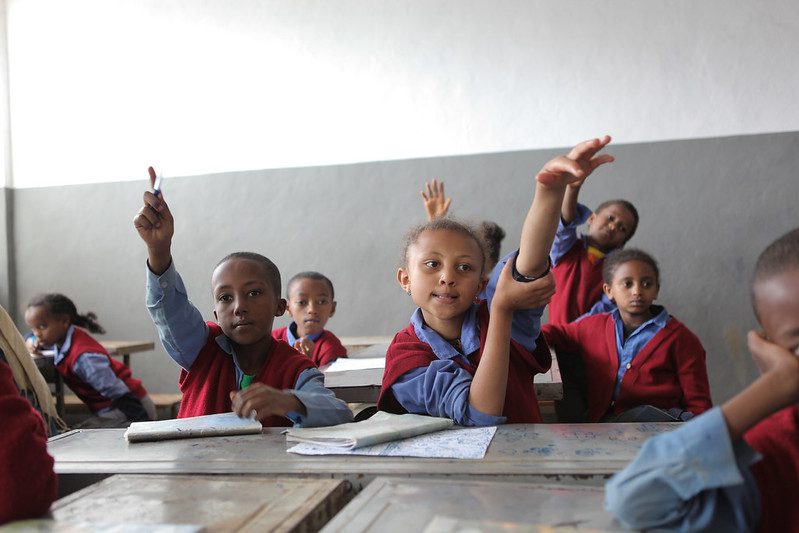
How The Tomorrow School Alleviates Poverty in Ethiopia

The Tomorrow School
Schooling is a proven pathway out of poverty, paving the way for higher-paying, skilled employment opportunities. However, impoverished nations, such as Ethiopia, face barriers to education and struggle with issues such as food insecurity, a lack of access to clean water and a lack of access to proper hygiene and sanitation facilities. By addressing all of these factors, impoverished people can live a better quality of life. With education, impoverished people can break generational cycles of poverty. The Tomorrow School, a German nonprofit organization formed in 2019, aims to “empower children in Ethiopia to shape their own future and to pursue their dreams on the basis of education.” By centering its work around four focal areas, the organization aims to create “a more dignified learning environment in Ethiopian schools.” Here is some information about how The Tomorrow School alleviates poverty in Ethiopia through education.

Education in Ethiopia

Ethiopia’s education sector has made strides over the past decade “with primary school net enrollment” reaching a remarkable rate of 100%. Educational progress is vital for Ethiopia’s children who make up almost 50% of the population. However, while many children in Ethiopia enroll in school, only 54% go further than the eighth grade. In addition, approximately “[63%] of students in lower primary school are not achieving the basic learning outcomes needed to succeed higher up the education ladder.”

Cultural gender norms, domestic work responsibilities, “long distances to schools” and “climate-induced and conflict-related emergencies” form the education barriers present in the country. The Tomorrow School works to provide Ethiopian children with the necessary resources to aid in their educational success. Here are four focal areas to demonstrate how The Tomorrow School alleviates poverty in Ethiopia.

4 Focal Areas of The Tomorrow School

  1. Clean Water: Of the 2.1 billion individuals in the world who are without access to clean drinking water, Ethiopia makes up 61 million. Girls and women shoulder the burden of walking hours to collect water, a time-consuming endeavor that leaves them with no time for paid employment or education. Often, this water comes from contaminated sources that increase the risk of waterborne diseases like typhoid fever and bilharzia. The Tomorrow School funds the construction and maintenance of safe water sources in schools to “supply the sanitary facilities, ensure a higher hygiene practice and support the school food program.”
  2. School Supplies: The  READ II program in Ethiopia, which the U.S. Agency for International Development (USAID), conducted a survey across six Ethiopian regions and found that school supplies stand as the “second-most important factor” in reducing school dropout rates in the country. The survey also finds that school supply inadequacies are “one of the top four reasons for absenteeism” in schools. Writing utensils, paper and textbooks are essential for student engagement in classrooms. With these tools, a student can share educational information with his/her family, manage finances and problem solve outside of the school environment. According to The Tomorrow School, only 7.5% of primary school students in Ethiopia pass the national exam that allows for them to proceed to secondary education. A contributing factor to this low rate is a lack of access to school supplies and study materials that would better prepare students.
  3. Food: Food insecurity and hunger have severe developmental consequences for children, such as stunting, which “can affect a child’s cognitive abilities as well as their focus and concentration in school.” These impacts on brain development can equal a loss of up to four school grades. Furthermore, “stunted children are 19% less likely to be able to read by age 8.” Most recently, the World Food Programme reports that 3.9 million Ethiopian women and children are facing nutritional vulnerabilities. The Tomorrow School aims to not only provide food for students but also teach them how to cook balanced meals through a food program in Ethiopian schools where “children cook for each other.”
  4. Sanitation: The organization aims to improve the hygiene of students and the sanitation of schools in Ethiopia. The organization has reported that 25 million children in Ethiopia experience exposure to illness-causing germs due to inadequate hygiene facilities and supplies. A 2014 report shows that “73% of Ethiopia’s urban and 77% of its rural population used unimproved sanitation facilities.” By providing sanitary facilities, sustainable waste management and educating teachers and students on sanitary practices, The Tomorrow School helps to reduce infections and illnesses so students can continue to attend school.

Ensuring a Bright Future Through Education

Proper schooling has a significant impact on an individual’s quality of life, bringing benefits that can impact communities and entire nations. The Tomorrow School’s efforts to improve the learning environment in Ethiopian schools play a significant role in ending cycles of generational poverty in Ethiopia. The Tomorrow School alleviates poverty in Ethiopia by aiding children through education to provide clean water, school supplies, improved sanitation and food.

– Katelyn Rogers
Photo: Flickr

February 16, 2022
https://borgenproject.org/wp-content/uploads/borgen-project-logo.svg 0 0 Kim Thelwell https://borgenproject.org/wp-content/uploads/borgen-project-logo.svg Kim Thelwell2022-02-16 07:30:232024-12-13 18:02:39How The Tomorrow School Alleviates Poverty in Ethiopia
Global Poverty

Integritas: Fighting Corruption in Indonesia


The United States Agency for International Development (USAID) and the Indonesian government recently announced the Indonesia Integrity Initiative (Integritas). Integritas is a program that seeks to prevent corruption in Indonesia. Despite the great political transformation Indonesia has undergone over the past 20 years, corruption remains a stubborn holdover from the previous authoritarian regime. Moreover, corruption in Indonesia permeates both the public and private sectors. It promotes negative outcomes in both governance and business. With an eye toward increased civic engagement, Integritas represents a new way of addressing the issue.

Corruption in Indonesia

In 2011, more than eight in 10 Indonesians claimed that corruption was a serious issue. Ten years later, Transparency International’s 2021 Corruption Perception Index scored Indonesia 38 out of 180 countries in perceived public corruption, with lower scores indicating higher perceived corruption. This long-held distrust is not without reason. Former President Suharto allegedly profited $15-$35 billion through corrupt practices in his 31-year tenure.

Suharto’s behavior set the standard for graft and abuse of public resources by officials for decades. In 2019, a member of parliament running for reelection had more than 400,000 envelopes in his basement meant for voter bribes. In 2021, a former maritime affairs and fisheries minister was found guilty of accepting bribes in a livestock smuggling scandal.

Finally, lower-level corruption is just as prevalent. Nepotism and bribery plague the civil service sector, especially in its enrollment program. Importantly, these practices harm Indonesia’s governance, economy and people.

How Corruption Impedes Growth

Prevalent corruption impedes economic growth by fueling inefficiencies in resource management. It also distorts economic incentives meant to encourage growth. This is partially why the Indonesian economy has made slow progress over the last few years. In turn, this slow progress leaves many without formal employment. Those who take up informal positions in rural areas often receive pay below the regional minimum wage. That, in turn, keeps many in poverty, and seeing this poverty, candidates seeking office bribe voters with money and food, including sugar and rice. Of course, this further exacerbates the problem once the candidates take office. Clearly, a necessary step in addressing corruption in Indonesia is changing the culture around it.

The Indonesia Integrity Initiative

The Integritas program looks to address corruption by promoting civic engagement and integrity in business and government sectors. The goal is to aid local civil society in identifying systemic corruption vulnerabilities and conflicts of interests that promote them. This strategy marks a shift from corruption prosecution to prevention. If successful, citizens will become more aware of anti-corruption programs, adopt attitudes that promote shunning of corrupt practices and will provide much-needed oversight in public and private sectors.

USAID cooperated with the Indonesian government to align Integritas with national development goals on growth and stability. This makes anti-corruption efforts a high priority alongside economic and development initiatives. The Partnership for Governance Reform (Kemitraan), a local NGO, will be implementing this $9.9 million program over the next five years.

With corruption present in most levels of society, many Indonesian citizens have grown accustomed to these dishonest practices and even encourage certain forms of it, such as voter payoffs. These practices have negatively impacted economic growth and hurt those who struggle to find fair employment. The Integritas program will help address this issue and, if successful, should promote a culture that makes it hard for corruption in Indonesia to thrive.

– Gonzalo Rodriguez
Photo: Flickr

February 9, 2022
https://borgenproject.org/wp-content/uploads/borgen-project-logo.svg 0 0 Jennifer Philipp https://borgenproject.org/wp-content/uploads/borgen-project-logo.svg Jennifer Philipp2022-02-09 07:30:082024-05-30 22:25:44Integritas: Fighting Corruption in Indonesia
Global Poverty, Women's Empowerment, Women's Rights

The Mujerprospera Challenge in Central America

MujerProspera Challenge
The United States Agency for International Development (USAID) introduced MujerProspera (WomanProsper) Challenge on January 13, 2022. The challenge encourages applicants to propose innovative ways to promote gender equality in Guatemala, El Salvador and Honduras. Overall, this project addresses the relationship between gender and poverty and forms part of a long list of ongoing USAID projects that bolster the opportunities of the world’s impoverished.

Gender and Poverty

Guatemala, El Salvador and Honduras noted high levels of extreme poverty even prior to the COVID-19 pandemic, although the spread of the virus prompted rises in poverty levels throughout the region. According to the Center for Strategic and Management Studies, the Northern Triangle, of which Guatemala, El Salvador and Honduras form part, stands as “one of the [most impoverished] regions in the Western Hemisphere.” Migration patterns and environmental disasters also exacerbate the struggles of those living below the poverty line. As of August 12, 2021, USAID estimated that 8.3 million citizens across these three countries require humanitarian aid.

These facts do not exist in isolation of gender inequality. In fact, Guatemala, El Salvador and Honduras stand out as nations where gender and poverty intertwine. Data from the Gender Equality Observatory shows that extremely high percentages of women in Guatemala (51%), El Salvador (39.4%) and Honduras (43.5%) had no “incomes of their own.” All of these rates are higher than the regional average, which stood at 27.8% as of 2019.

Evidence proves that changing these statistics leads to positive change. A World Bank report on women’s role in Latin American and the Caribbean (LAC) economies notes that “an increase in the number of women in paid work between 2000 and 2010 accounted for around 30% of the overall reduction in poverty and income inequality.” Women in these countries receive fewer opportunities and face more challenges than many men in the same social and economic situation. As such, U.S. efforts to combat global poverty must also combat global gender inequality.

Developments in Central American Women’s Rights

Local activists, politicians and international organizations in Guatemala, El Salvador and Honduras continue to make significant progress in women’s rights. One group, the IM-Defensoras, has launched several campaigns throughout Guatemala, El Salvador and Honduras since 2016 to protect women and provide a cooperative network for female humanitarian activists.

In addition, the Regional Office of U.N. Women for LAC launched the Women, Local economy and Territories (WLEaT) program in 2018 with a specific focus on the Northern Triangle countries. WLEaT “contributes to the creation of new and better employment and income opportunities for women entrepreneurs and businesswomen” by strengthening their access to business services and promoting inclusive financial practices in the private sector. The program, therefore, contributes to multiple Sustainable Development Goals (SDGs), such as ending global poverty (SDG 1),  combating gender inequality (SDG 5) and promoting “decent work” and economic expansion (SDG 8).

In response to the COVID-19 pandemic, in June 2021, USAID and several partner organizations provided resources for women in need of humanitarian aid. This includes a total of $60 million spread across the three Northern Triangle countries to encourage employment, train Indigenous women for midwife careers, prevent gender-based violence and more. Most recently, on January 13, 2022, USAID introduced another important program: the MujerProspera Challenge.

What is the MujerProspera Challenge?

The MujerProspera Challenge stands as one of many U.S. programs pushing against multiple levels of inequality. The program’s official request for applications documents states that the project seeks to “advance women’s economic security, employment, and/or entrepreneurship” in Guatemala, El Salvador and Honduras.

The lofty document lists different types of solutions that draw from training initiatives in the private sector to the implementation of gender-inclusive legislation. However, overall, MujerProspera provides another way for women in these countries to protect their agency and independence.

Applicants can win funding awards ranging from $150,000 to $500,000 in value. Through these awards, applicants can fund necessary initiatives or solutions that acknowledge the relationship between gender and poverty and promote women’s involvement in the economic sector. The MujerProspera Challenge thus empowers women, local activists, entrepreneurs and organizations to develop solutions to improve situations of gender inequality and poverty in their home countries.

– Lauren Sung
Photo: Flickr

February 8, 2022
https://borgenproject.org/wp-content/uploads/borgen-project-logo.svg 0 0 Jennifer Philipp https://borgenproject.org/wp-content/uploads/borgen-project-logo.svg Jennifer Philipp2022-02-08 07:30:252024-05-30 22:25:43The Mujerprospera Challenge in Central America
Global Poverty, Women and Female Empowerment, Women's Empowerment, Women's Rights

The Challenges of Women in Sierra Leone

Women in Sierra LeoneGender-based violence, discrimination and genital mutilation are some of the many challenges that women in Sierra Leone face. In comparison to males within the nation, a woman’s “voice, visibility, participation and representation in elective and appointment positions” is substantially less. Women in Sierra Leone face severe marginalization despite their significant “contributions to the economy” and the sustenance of their households.
Genital Mutilation

Active membership in “secret societies” has detrimental impacts on girls and women in Sierra Leone. These inconspicuous societies stand as  significant “cultural institutions” steeped in ancient rituals that Sierra Leoneans believe “protect communities against evil and guide adolescent girls to womanhood.” Sierra Leone holds “one of the highest rates of [female genital mutilation]” globally with 90% of girls and women aged 15 to 49 enduring the violating procedure. Female community members often perform genital mutilation procedures “without anesthetic,” using knives, razors and even shards of glass. Female genital mutilation, in addition to risks of extensive hemorrhaging, can result in a multitude of medical problems ranging “from infections and cysts to infertility and complications in childbirth.”

Gender-Based Violence

Almost 50% of Sierra Leonean females endure “sexual or physical violence during their lifetime.” Throughout the Sierra Leone Civil War, “widespread and systematic sexual violence against women and girls” was a common occurrence. This extreme brutality, often at the hands of rebel groups and Civil Defense Forces, affected girls and women of all ages. In terms of violence within domestic relationships, several factors play a role.

The first is that Sierra Leonean society sees certain types of violence in a relationship as warranted and acceptable. In addition, women who report cases of domestic violence face harsh judgment and shame from the community, which is why many choose to remain silent. The legal system also does not see cases of violence involving married women as a priority, but rather, a personal matter that requires a resolution within the confines of a home. In general, many citizens do not have faith in the legal system. The lack of competency within the fragmented legal system continues to generate leniency for perpetrators, contributing to the prevalence of abuse toward women.

Marginalization in the Workforce

Women in Sierra Leone have long generated significant advances in the economy and frequently serve a key part in ensuring their households’ survival. In rural Sierra Leone, women perform more than 60% of the agricultural work necessary for food production in the nation. Males, however, continue to have stronger opportunities for management and influence of the industry, ultimately demoting females to inferior jobs, according to USAID.

Barriers to Education

Girls are less likely to remain in school in comparison to boys due to factors such as child marriage, early pregnancy and gender roles that dictate a female must take on household responsibilities. Additionally, it is extremely rare for a female to continue her education after marriage or pregnancy — “less than 2%” of married females between the ages of 15 and 19 attend school. Due to these cultural norms, women in Sierra Leone are chronically undereducated, a factor that has far-reaching impacts.

Lack of Political Representation

Women in Sierra Leone confront significant challenges when joining the political arena. They face difficulty when navigating disproportionately male-dominated political structures, such as in “accessing male-dominated political networks and making allies, in financing election campaigns and in commanding respect.” Women also often face gender-based discrimination within the political domain. Lower levels of literacy as well as inadequate knowledge of rights and “political processes” further limits females’ capacity to participate on an equal ground alongside males and successfully advocate for fellow women.

The Good News

The Lady Ellen Women’s Aid Foundation (LEWAF-SL) is an autonomous, international non-governmental organization developed in 2008 but formally “established in 2014.” This group was formed in remembrance of Ellen Pauline Kise, a philanthropic humanitarian who died of cancer in 2008. LEWAF’s objective is to eradicate gender-based violence in Sierra Leone, dissolve inequality and ensure that societies treat women as valuable contributors deserving of dignity and respect. To accomplish this, the organization supports women through a four-pronged response:  prevention, protection, response and advocacy. LEWAF seeks to help women in Sierra Leone achieve equality and become empowered.

Despite the discrimination they endure, women in Sierra Leone can look to a brighter future as organizations empower them with the resources and skills to rise up against women’s rights violations and lift themselves out of poverty.

– Tiffany Lewallyn
Photo: Unsplash

February 5, 2022
https://borgenproject.org/wp-content/uploads/borgen-project-logo.svg 0 0 Jennifer Philipp https://borgenproject.org/wp-content/uploads/borgen-project-logo.svg Jennifer Philipp2022-02-05 01:30:062022-01-24 07:25:50The Challenges of Women in Sierra Leone
COVID-19, Global Poverty, Health

5 Facts About the Impact of COVID-19 in Tajikistan

Impact of COVID-19 in Tajikistan Tajikistan is a Central Asian country landlocked between Afghanistan, Kyrgyzstan, China and Uzbekistan. It is among the most impoverished countries in the world, with 26.3% of its population living below the poverty line in 2019. This high poverty rate persists as a consequence of modern political instability and a civil war that erupted after its independence from the Soviet Union in 1991. Since the Tajikistani Civil War, the national poverty rate has shrunk as the country recovered, but the impact of COVID-19 in Tajikistan has added to the financial stressors that many citizens face.
5 Facts About the Impact of COVID-19 in Tajikistan

  1. The Numbers: According to the World Health Organization (WHO), Tajikistan reported 17,493 COVID-19 cases from Jan. 3, 2020, to Jan. 21, 2022. From Jan. 18, 2021, to June 21, 2021, there were no reports of new cases in the nation. On Jan. 26, 2021, Tajik President Emomali Rahmon claimed that the country was “without COVID-19” in an address to parliament, asserting that the nation noted “no new cases” in the month of January. However, the Ministry of Health did in fact report new cases in January, a fact backed up by WHO data. The disease continued to spread for a few months longer, with the last new cases occurring on Sept. 13, 2021. Out of all the nation’s total confirmed cases, Tajikistan notes 125 deaths.
  2. Vaccines: In July 2021, Tajikistan made COVID-19 vaccination mandatory for all citizens of at least 18 years old. As of Jan. 2, 2022, Tajikistan has administered a total of 6.8 million doses, allowing for the full vaccination of roughly 3 million citizens, equating to 31.27% of Tajikistan’s overall population. In order to increase its overall vaccination rate, authorities aim “to expand their communication activities to address vaccine hesitancy and misinformation” related to the COVID-19 vaccine with the support of the World Bank.
  3. Remittances: The influx of remittances to Tajikistan fell at the onset of the COVID-19 pandemic. Many citizens choose to leave the country to earn an income as migrant workers and send money back to their family members back in Tajikistan. In fact, “Tajikistan is one of the most remittance-dependent countries in the world,” with this form of monetary exchange accounting for around 28% of the country’s gross domestic product (GDP) in 2018. However, the value of remittances fell in the wake of COVID-19 to 26% in 2020. Economic crises and travel restrictions led to fewer remittances, especially due to the stringent regulations in Russia and other nearby countries where Tajikistani migrants often seek work. As a result, during the first half of 2020, remittances shrunk by close to 15% ($195 million) in comparison to the first half of 2019. In conjuncture with the other impacts of COVID-19 in Tajikistan, like the rising prices of agricultural goods, this fall in household income served to exacerbate poverty and heighten food insecurity in Tajikistan, with 33% of households reporting “reduced food consumption” as of August 2021.
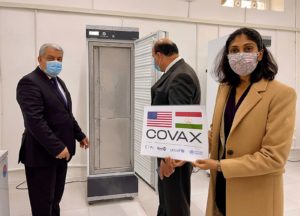
  4. U.S. Foreign Aid: Responding to the negative effects of the pandemic, the U.S. Agency for International Development (USAID) supplied significant amounts of aid to Tajikistan, including “1.5 million doses of the Moderna vaccine” in July 2021 and “325,260 doses of the Pfizer vaccine” in September 2021. In addition, USAID efforts include significant assistance to bolster Tajikistan’s health care systems and the capacity of its medical labs, public health outreach programs and community engagement. By March 2021, USAID had provided more than $10 million in aid to strengthen the country’s health care system and mitigate the financial impacts of COVID-19 in Tajikistan. Furthermore, as COVID-19 “disrupted import/export transport,” USAID has “launched an online freight portal” to help traders communicate and also created “a hotline to help traders and exporters locate the latest information about new import and transit procedures.”
  5. International Aid: Tajikistan also received support from other countries and international organizations. On Dec. 22, 2021, the World Bank approved a grant adding $25 million to the Tajikistan Emergency COVID-19 Project. The money will go to necessary medical resources, such as safety boxes, personal protective equipment, COVID-19 tests, vaccine cards and other supplies. The grant will also cover the cost of vaccine distribution and official communication efforts to combat medical misinformation.

Looking Forward

Although the impact of COVID-19 in Tajikistan will likely continue to affect the nation’s economy, the country has not noted any new COVID-19 cases since 2021. Currently, COVID-19 cases remain under control despite concerns over the newly emerging Omicron variant. International organizations are continuing their efforts to improve Tajikistan’s economic resilience and strengthen its health sector. As a result of diminishing cases and international assistance, experts predict that the economy will continue to grow throughout 2022 despite ongoing challenges.

– Lauren Sung
Photo: Wikimedia Commons

January 24, 2022
https://borgenproject.org/wp-content/uploads/borgen-project-logo.svg 0 0 Kim Thelwell https://borgenproject.org/wp-content/uploads/borgen-project-logo.svg Kim Thelwell2022-01-24 05:14:022024-05-30 22:25:435 Facts About the Impact of COVID-19 in Tajikistan
Global Poverty, Human Trafficking

Human Trafficking in Turkmenistan

Human Trafficking in Turkmenistan
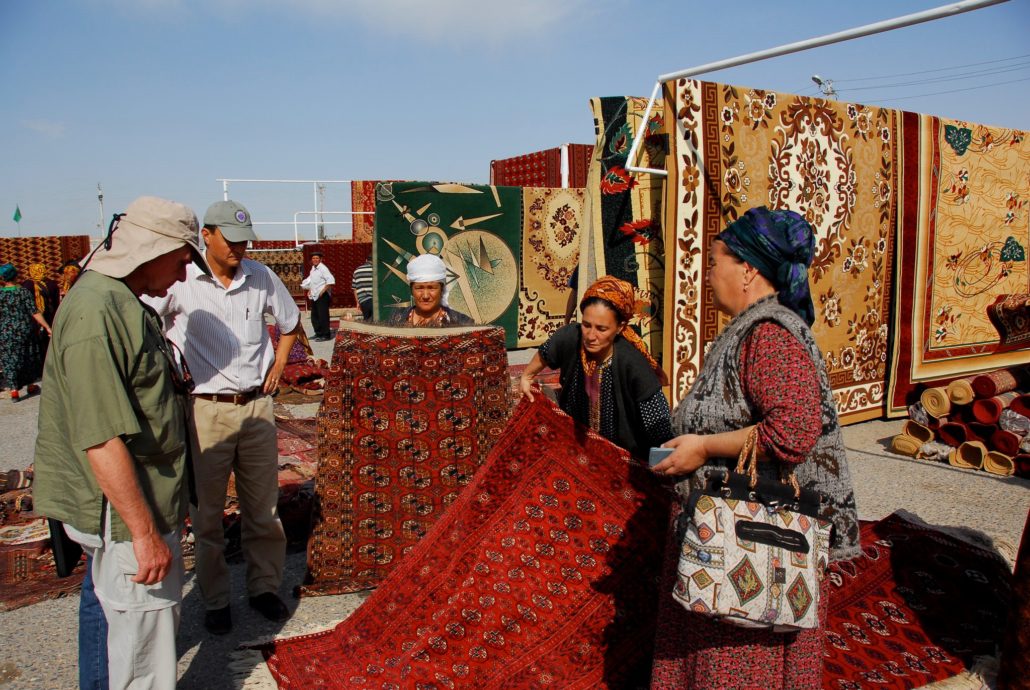
Turkmenistan is a country in Central Asia that shares borders with Kazakhstan, Uzbekistan, Iran and Afghanistan. It became independent after the Soviet Union’s fall in 1991. According to Human Rights Watch, Turkmenistan remains a country that is partially isolated from the rest of the world due to its political and geographical situation. Human trafficking in Turkmenistan is a critical issue that requires urgent attention.

About Human Trafficking in Turkmenistan

Unfortunately, Turkmenistan does not completely satisfy the minimum requirements to eliminate the practice of human trafficking. As such, the U.S. Department of State designates Turkmenistan a Tier 3 country in 2021. According to the U.S. State Department’s annual report on human trafficking, Turkmenistan is among the 22 worst countries in the world for human trafficking. There is no official data regarding the exact number of human trafficking cases in Turkmenistan, but according to the report, trafficking hotlines received close to 8,000 calls from victims in 2019. However, according to Turkmenistan’s government, there were no “formally identified” human trafficking victims that year.

To combat human trafficking in Turkmenistan, the government has tried to solve the problem by implementing a national action plan that runs from 2020 to 2022. This action plan involves the government’s participation in anti-trafficking awareness campaigns while collaborating with international organizations to fight human trafficking within the country.

Preventative Measures

Most of the measures that the state carried out in cooperation with other NGOs have not led to significant improvements in the human trafficking situation. These measures have not stopped the use of forced labor force during the cotton harvest or in public works. Turkmenistan wished to create an anti-human trafficking committee that has not come to fruition yet. While the country managed to reduce some areas of human trafficking, the demand for forced labor still exists.

The Ministry of Internal Affairs and the Turkmenistan government have carried out several campaigns in schools to raise awareness of human trafficking in the nation. Several organizations came together to assess the risk of human trafficking within the country. In addition, these organizations have also made efforts to monitor trafficking.

Measures to Protect Victims

The Turkmenistan government has been training officials in trafficking prevention and victim identification to ensure quicker and more efficient responses to incidents of trafficking. In addition, the government has allocated resources with the idea of eliminating the mobilization of children and adults for forced labor in the annual cotton harvest. The government has also launched several awareness campaigns to eliminate forced labor in other sectors.

Furthermore, the government funded the construction of shelters for trafficking victims, which the International Organization of Migration (IOM) operates. Although these measures have received several criticisms from international organizations for a lack of impact, the measures have served as a resource for local reintegration and job placement. In addition, the government and several NGOs put procedures in place to increase the efficacy and speed of victim identification.

How Victims Can Rebuild Their Lives

For victims, overcoming the trauma of human trafficking requires a lot of public support. Beginning in 2014, the United States Agency for International Development (USAID) has been cooperating with the IOM and other local NGOs to reintegrate victims of human trafficking back into Turkmenistan society through an organization called Yenme. To achieve this, Yenme takes on a comprehensive approach to social reintegration by providing psychological and medical support to the victims along with legal assistance. This helps victims to rebuild their lives with optimism and hope. Data shows that 90% of victims who receive this aid end up becoming self-employed. In addition, victims attend workshops to acquire new skills that are useful in their future work.

Looking Ahead

Even with the new measures that Turkmenistan’s government implemented and the cooperation with various international organizations and local NGOs, ongoing commitments of time and effort are necessary to alleviate human trafficking. Hopefully, through the continued work of Turkmenistan’s government and NGOs, human trafficking in Turkmenistan will one day be a matter of the past.

– Ander Moreno
Photo: Flickr

January 20, 2022
https://borgenproject.org/wp-content/uploads/borgen-project-logo.svg 0 0 Jennifer Philipp https://borgenproject.org/wp-content/uploads/borgen-project-logo.svg Jennifer Philipp2022-01-20 01:30:372022-01-26 04:43:02Human Trafficking in Turkmenistan
Food & Hunger, Food Insecurity, Food Security, Global Poverty

Food Insecurity in Syria 

Food Insecurity in Syria The civil war in Syria began in March 2011, greatly impacting the lives of those who live in and around the country of Syria. With the United Nations noting a staggering poverty rate of 90% in March 2021, the people of Syria are struggling to secure their basic needs. Rising levels of food insecurity in Syria are of particular concern, a consequence of the conflict within the nation. According to the United Nations, in 2021, 60% of Syrians were at risk of hunger, “the highest number ever in the history of the Syrian conflict.”

The Numbers

According to an August 2021 World Food Programme (WFP) country brief, 12.4 million people in Syria suffer from food insecurity. This number rose by 4.5 million since the previous year, marking a record high. The onset of COVID-19 served to exacerbate food insecurity and poverty, compounding existing issues of “years of conflict, displacement, soaring food prices and a decline in the value of the Syrian” currency. The cost of essential food “is now 29 times higher” than it was before the civil war began. Due to worsening conditions in the nation, 1.3 million people in Syria are suffering from severe food insecurity. The conflict and war have also led to the displacement of 6.8 million people, serving as another contributing factor to growing food insecurity in Syria.

War and conflict within Syria also affect crops and harvests. A study published by Nature Food in January 2022 uses satellite data to shows that cropland near urban settlements suffered severe disruption after the start of the Syrian civil war. The areas that saw the most cropland reduction are the northwest and southeast. The issue of food insecurity becomes greater when the people of Syria can no longer grow their own crops.

Emergency Food Assistance

According to USAID, 11.7 million people in Syria need humanitarian assistance, 9 million of whom “require emergency food assistance.” Some 65% of Syrians have restricted their food consumption and are now “purchasing food on credit.” This means going into debt to feed their families. USAID’s Office of Food for Peace (FFP) has donated “more than $3.2 billion in emergency food assistance [to Syria] since 2012.” This includes $401.8 million in 2017, $514.6 million in 2018 and another $475.4 million in 2019.

WFP is also providing assistance to the people of Syria. It provides food assistance to 4.8 million people on a monthly basis. This food assistance includes “rice, pulses, oil and wheat.” The WFP also provides pregnant and nursing mothers with “nutritious food” as well as vouchers to help maintain their nutritional needs and improve their diets and vitamin intake. In addition, WFP provides school children with the nutritional food they need. The organization has given “vouchers to more than 348,000 students” to ensure they receive “snacks, fresh meals and assistance.” The crisis in Syria is concerning enough that WFP fundraises hundreds of thousands of emergency funds for its various food emergency initiatives.

Addressing the Crisis

The people of Syria continue to face difficult times during the ongoing civil war. Syrians have lost their homes, family members and access to food during this time. Food insecurity in Syria is at an all-time high, with millions going hungry every day. Citizens’ struggles to grow crops only add to the food insecurity. However, with the help of the FFP and WFP, millions of people in Syria are receiving food assistance. Women and children also benefit from these programs by receiving food and vitamins. These programs offer a great example of how the international community can contribute to food insecurity emergencies around the world.

– Sierrah Martin
Photo: Flickr

January 15, 2022
https://borgenproject.org/wp-content/uploads/borgen-project-logo.svg 0 0 Jennifer Philipp https://borgenproject.org/wp-content/uploads/borgen-project-logo.svg Jennifer Philipp2022-01-15 01:30:182022-01-26 02:58:20Food Insecurity in Syria 
Global Poverty, Health

How HIV/AIDS in Africa Contributes to Violent Conflict

HIV/AIDS in Africa
The HIV/AIDS epidemic remains a significant public health problem in southern Africa. In the last decade, infections have drastically dropped while awareness of HIV status and availability of treatment has increased. This progress aligns with the UNAIDS 90-90-90 goal. Meeting this goal means that at least 90% of people with HIV are aware of their status, 90% are receiving antiretroviral drug treatments and 90% are virally suppressed. Viral suppression means that the virus will not negatively affect a person and that that person will not be able to transmit it to another person. Some of the most HIV-afflicted countries in Africa have met and even exceeded the 90-90-90 goals. Eswatini has the highest HIV prevalence in the world today at 26.8%. It has reached 95% in all categories and is on its way to reducing new infections.

HIV/AIDS and Conflicts

Despite recent progress, international aid has been focusing on HIV/AIDS less and less, especially as the COVID-19 pandemic has become a more imminent global threat. Sub-Saharan Africa still has the highest rates of HIV/AIDS in the world. It is also one of the most conflict-ridden regions in the world.

HIV/AIDS has a history of destabilizing political and social institutions in countries and leaving them vulnerable to violent conflict. The International Crisis Group estimated that one in seven civil servants, including government employees, teachers and the armed forces in South Africa were HIV-positive in 1998.

How Does HIV/AIDS Affect Civil Servants in Africa?

  1. The disease affects the productivity of the military and its ability to respond to armed conflicts. In 2003, the Zimbabwe Human Development Report estimated that the Zimbabwe Defense Forces had an HIV prevalence rate of 55%. With such a high rate of illness, the military has high training and recruitment costs, as soldiers get sick and are unable to work. In addition to this, HIV can transmit through sexual contact. It disproportionately affects younger populations which typically make up the bulk of the armed forces.
  2. The HIV/AIDS epidemic breaks down political institutions by limiting their capacity to govern. According to former president Robert Mugabe in 2001, AIDS had a significant presence in his cabinet, killing three of his cabinet ministers in the span of a few years and infecting many more. The disease wipes out workers essential to the function of a state, like policymakers, police officers and judicial employees.
  3. HIV/AIDS threatens the quality and accessibility of education. A UNICEF report found that more than 30% of educators in Malawi were HIV positive. If children cannot receive a quality primary education, they are less likely to receive secondary education and start professional careers. Instead, crime may open up opportunities for security that education could not provide. With increased antiretroviral use and awareness of the disease, HIV rates and deaths among educators have likely dropped along with overall rates in the last decade.

Civil Servants

The impact of HIV/AIDS on civil servants in Africa has been immense. The disease affects vulnerable populations such as gay men, sex workers and young women disproportionately. However, it has also affected those who work as civil servants. Civil servants are integral to the functioning of governments. Without them, countries are vulnerable to conflict and violence. Furthermore, HIV/AIDS prolongs conflict in countries already experiencing it.

While there are many other causes of violent conflict, the breakdown of political and social institutions fueled by HIV/AIDS only exacerbates conflict. War can also be a vector for the further spread of the disease. According to UNHCR, both consensual and non-consensual sexual encounters happen more often during the conflict. Rape has been a weapon of war in conflicts in Rwanda, the Democratic Republic of Congo (DRC) and Liberia in recent years and has likely contributed to the spread of HIV.

Solutions

Combating HIV and AIDS is a very important step in stabilizing economic, political and social structures across Africa. USAID programs like PEPFAR have had a significant role in combating HIV and AIDS. PEPFAR has invested nearly $100 billion in the global AIDS response in various ways. Most notably, it has provided 18.96 million people with much-needed antiretroviral treatment.

PEPFAR also aids in prevention care. For example, it has supported more than 27 million voluntary medical male circumcisions as well as testing services for 63.4 million people. In 2012, there was a government campaign in Zimbabwe to promote circumcision, in which at least 10 members of parliament participated.

These campaigns and USAID programs have had tangible results. In 2013, a study by the South African National Defense Forces showed an 8.5% HIV prevalence rate among its soldiers, much lower than the 19% prevalence in the general population. Given the successes in decreasing HIV/AIDS infections across Africa, perhaps economic, political and social stability is to follow.

– Emma Tkacz
Photo: Flickr

January 3, 2022
https://borgenproject.org/wp-content/uploads/borgen-project-logo.svg 0 0 Jennifer Philipp https://borgenproject.org/wp-content/uploads/borgen-project-logo.svg Jennifer Philipp2022-01-03 01:30:292021-12-13 10:17:13How HIV/AIDS in Africa Contributes to Violent Conflict
Global Poverty, Women's Empowerment, Women's Rights

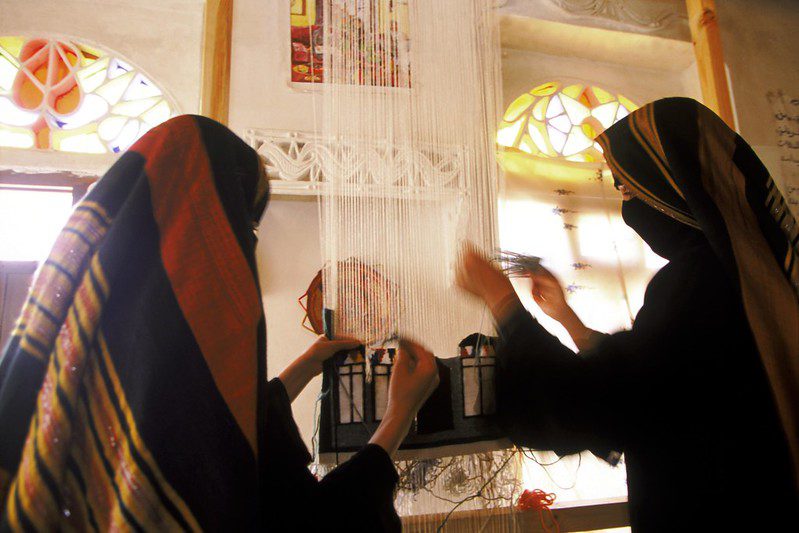
Women in Yemen: A Fight for Rights in 3 Major Areas

Women in Yemen
Yemen’s ongoing conflict has driven the nation progressively nearer to socioeconomic disintegration since violence erupted in 2015. Inflationary pressures have put the cost of fundamental needs beyond reach for the majority of people. The conflict in Yemen continues to significantly damage the position of women, resulting in a near-elimination of their safety protocols and increasing their susceptibility to assault and exploitation. Yemen has a deeply ingrained patriarchy that severely limits the quality of life for women. Yemeni women face some of the world’s most heinous despotism and are fighting for their rights in three key areas: workplace possibilities, gender discrimination and political underrepresentation.

Fight for Rights in the Workplace

According to Article 40 of Yemen’s Personal Status Law, a woman cannot acquire employment in the same capacity as a male and “the work must have been agreed by her husband.” The most recent figure from 2019 is the 6.04% employment rate for women in Yemen. In comparison, the global average in 2019 was 51.96% based on 181 nations.

Additionally, there is no legislation prohibiting sexual harassment in the workplace, nor are there legal sanctions or civil recourse for workplace sexual misconduct. Because of the unspoken societal consensus that females are often at fault, women are less likely to submit a sexual misconduct complaint due to concerns around receiving accusations of soliciting men’s attention. Women in Yemen have to fight for rights in the workplace because no law requiring equivalent compensation for the labor of equivalent merit exists.

USAID promotes women’s financial freedom in Yemen by providing career development, allocation and guidance to help women boost competitive engagement in the workforce. Additionally, technological guidance and strategic initiatives aid females in obtaining investment and job options, hence improving take-home pay. In 2020 alone, USAID helped more than 1,300 Yemeni women.

The Fight Against Gender Discrimination

Yemen sees women as secondary to males. Because of that, many women in Yemen cannot make important family decisions. In Yemen, there is no particular statute regarding spousal abuse. Females do not disclose abuse instances because they are afraid of arrest or further abuse.

According to Articles 51-72 of Yemen’s Personal Status Law, men can obtain a divorce with significantly fewer limitations than women. Furthermore, men’s rights to the guardianship of kids exceed that of women in the event of divorce.

According to UNICEF, 80% of the nation is reliant on relief aid. Therefore, impoverished Yemeni households resort to marrying their daughters off young in an attempt to ease the economic burden and obtain bare necessities. Fathers sell their daughters into marriage, and consequently, abruptly end their adolescence. This is a basic breach of human freedoms. In 2020, USAID-funded initiatives aimed to prevent forced child marriages by equipping more than 6,000 girls with essential competencies such as “problem-solving and decision-making.”

The Fight for Women’s Rights in the Political Arena

In the 2011 protest, women were key participants and continued to be throughout the subsequent domestic discourse. When the uprisings’ effect dissolved, the women ultimately experienced abandonment and could not promote their beliefs. Yemen does not have a policy that safeguards women. Instead, Yemeni legislation disparages them if they undermine any political organization.

Women in Yemen have virtually no authority to sway legislation in order to strengthen their roles. They do not have widespread popular political support due to the fact that a disproportionate number of men participate in politics. The men exclude women who promote or show any political interest.

U.N. Women works in Yemen to increase women’s civic involvement. It firmly supports encouraging engagement in community affairs and political judgment. U.N. Women values the significance of equitable participation of both sexes in diplomatic discussions and crisis settlement.

Because of the importance of increasing political dialogue for women in Yemen, U.N. Women established the Yemeni Women’s Pact for Peace and Security platform. U.N. Women advocates for the inclusion of women in all political conversations.

Despite the marginalization of Yemeni girls and women, they are receiving assistance from major global organizations. These efforts have been essential in effectively working to promote women’s rights in Yemen.

– Tiffany Lewallyn
Photo: Flickr

December 23, 2021
https://borgenproject.org/wp-content/uploads/borgen-project-logo.svg 0 0 Jennifer Philipp https://borgenproject.org/wp-content/uploads/borgen-project-logo.svg Jennifer Philipp2021-12-23 01:30:192024-05-30 22:25:36Women in Yemen: A Fight for Rights in 3 Major Areas
Page 26 of 92«‹2425262728›»

Get Smarter

  • Global Poverty 101
  • Global Poverty… The Good News
  • Global Poverty & U.S. Jobs
  • Global Poverty and National Security
  • Innovative Solutions to Poverty
  • Global Poverty & Aid FAQ’s
Search Search

Take Action

  • Call Congress
  • Email Congress
  • Donate
  • 30 Ways to Help
  • Volunteer Ops
  • Internships
  • Courses & Certificates
  • The Podcast
Borgen Project

“The Borgen Project is an incredible nonprofit organization that is addressing poverty and hunger and working towards ending them.”

-The Huffington Post

Inside The Borgen Project

  • Contact
  • About
  • Financials
  • President
  • Board of Directors
  • Board of Advisors

International Links

  • UK Email Parliament
  • UK Donate
  • Canada Email Parliament

Get Smarter

  • Global Poverty 101
  • Global Poverty… The Good News
  • Global Poverty & U.S. Jobs
  • Global Poverty and National Security
  • Innovative Solutions to Poverty
  • Global Poverty & Aid FAQ’s

Ways to Help

  • Call Congress
  • Email Congress
  • Donate
  • 30 Ways to Help
  • Volunteer Ops
  • Internships
  • Courses & Certificates
  • The Podcast
Scroll to top Scroll to top Scroll to top