• Link to X
  • Link to Facebook
  • Link to Instagram
  • Link to TikTok
  • Link to Youtube
  • About
    • About Us
      • President
      • Board of Directors
      • Board of Advisors
      • Financials
      • Our Methodology
      • Success Tracker
      • Contact
  • Act Now
    • 30 Ways to Help
      • Email Congress
      • Call Congress
      • Volunteer
      • Courses & Certificates
      • Be a Donor
    • Internships
      • In-Office Internships
      • Remote Internships
    • Legislation
      • Politics 101
  • The Blog
  • The Podcast
  • Magazine
  • Donate
  • Click to open the search input field Click to open the search input field Search
  • Menu Menu

Tag Archive for: USAID

Information and news about mobile technology

Posts

Global Poverty

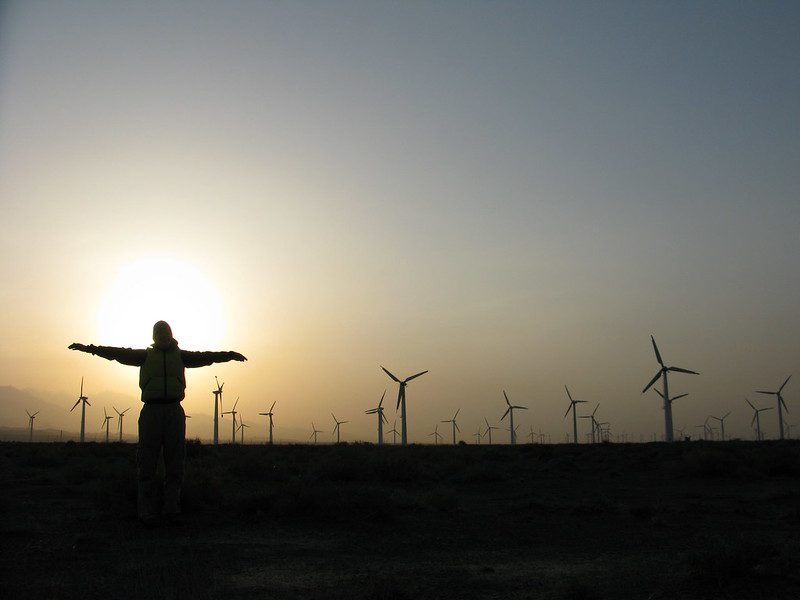
Renewable Energy in Afghanistan   

Renewable Energy in Afghanistan   
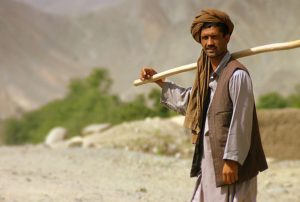
Afghanistan faces an uphill battle in the supply of reliable electricity to rural communities. As of 2016, it produced only 22% of the country’s electricity needs domestically, mainly as hydroelectric (88%). Afghanistan’s rural regions often experience major neglect. In response, the Afghan government, with the help of foreign aid initiatives, is making a proactive shift towards off-grid renewable sources. This implementation of domestic renewable energy sources in Afghanistan will help the country more effectively alleviate poverty.                                                                          

Afghanistan’s Energy Reliance

The import of 78% of Afghanistan’s grid-supplied electricity comes from neighboring Uzbekistan, Tajikistan, Iran and Turkmenistan. However, after the Taliban’s takeover in 2021, the Afghan government has increasingly struggled to pay for imported electricity, due to political instability, dysfunctional public services and the international freeze on overseas assets.

Afghanistan’s dependency only exacerbates its unstable international relations. In 2021, the country faced the daunting prospect of losing power, with only 38% of the 38 million residents having access to electricity. The burden of repaying outstanding bills to neighboring countries weighs heavily on the Taliban government. Meanwhile, independent companies are reliant on international loans to reimburse their neighbors.

Amid the rising insecurity surrounding the availability of electricity, there seems a desperate need for domestically sourced sustainable forms of energy. With this in mind, private organizations and government initiatives have been instrumental in the development and implementation of renewable energy in Afghanistan.

Off-the-Grid Renewable Options

Since much of rural Afghanistan is isolated and mountainous, the cost of transmission to these communities is not always feasible. However, off-grid renewables, that is energy sources that do not have a connection to a central grid system, have proven to be pivotal in electrifying regions without access to reliable power.

In 2002, the Afghan government established the national solidarity program (NSP), and with the help of USAID, managed to implement mini-grid systems powered by micro-hydro and solar projects. These mini-grids allow local communities to manage and take ownership of renewable energy.

Independently-sourced renewable energy can have a myriad of benefits to Afghan society, economy and environment. Organizations like the nonprofit Mercy Corps, with help from the U.K. Department for International Development, have worked with locals in establishing affordable renewable energy. Using a unique funding model, the organization helped bring solar power to a hospital in Lashkargah, Helmand Province, that now has access to electricity 24/7. By merging business incentives and humanitarian objectives, the hospital has been able to repay the initial start-up costs of solar implementation, and now has unlimited access to cheap, reliable off-grid electricity.

A Substantial Cause for Optimism

These initiatives benefit the country’s energy independence while also minimizing the impact on the environment. Mercy Corps has managed to install more than 300 solar systems across the country, and they strive to further integrate these technologies into programs that supply renewable energy in Afghanistan.

Investments in off-grid renewables like solar or micro-hydro can have an important effect on Afghanistan’s development. Access to consistent and clean energy helps alleviate poverty since more people have access to better health care, education and amenities. Furthermore, reliable electricity for water distribution centers and cold-storage facilities helps to sustain the basic needs of rural communities.

– Namra Tahir
Photo: Flickr
October 12, 2022
https://borgenproject.org/wp-content/uploads/borgen-project-logo.svg 0 0 Jennifer Philipp https://borgenproject.org/wp-content/uploads/borgen-project-logo.svg Jennifer Philipp2022-10-12 07:30:372022-10-07 19:21:18Renewable Energy in Afghanistan   
Aid, Aid Effectiveness & Reform, Global Poverty

Localized Aid Efforts in Haiti

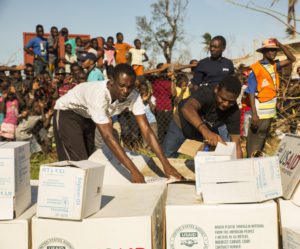
Localized Aid Efforts in HaitiA 2021 survey found that Haitians want to play a bigger decision-making role in the delivery of humanitarian aid to ensure its effectiveness. The majority of respondents not only want to see more localized aid in Haiti but greater transparency in aid distribution.
More Aid Needed Amid Latest Natural Disaster in Haiti

In August 2021, a 7.2 magnitude earthquake hit Haiti in the southern peninsula, leaving hundreds of thousands needing emergency assistance. A month after the earthquake struck, Ground Truth Solutions conducted a survey in partnership with The New Humanitarian. Their goal was to interview locals grievously affected by the disaster and their response to foreign aid and humanitarian efforts. After gaining feedback from 1,251 local Haitians, data found that those surveyed felt humanitarian aid “fell short of their expectations.”

Long-Term Needs for Localized Aid

The survey found that humanitarian aid for emergencies and other dire disasters often does not align with locals’ “long-term (or even medium-term) priorities.” Only 14% of respondents said they understood how decisions were made regarding who would receive aid and who would not. Additionally, 64% of respondents said that this type of emergency aid does not help their communities sustain an independent development pathway.

Additional responses affirm that Haitians want autonomous development and decision-making in the form of localized aid. They prefer programs that support the independent growth of their communities and oppose the idea of becoming overly dependent on foreign aid. While the survey showed that respondents overwhelmingly support the belief that “Haitians themselves, not foreign aid, should help each other in future disasters,” respondents concurrently felt that foreign assistance does little to prepare local communities for autonomous development.

The Atteindre (Attain) Project

One of the projects already implemented by the U.S. Agency for International Development that prioritizes community inclusion and localized aid in Haiti is the Atteindre (Attain) Project. In partnership with Mennonite Economic Development Associates, this project intends to help empower small local businesses in Haiti; funds will go toward supporting small businesses “develop business plans, access bank loans, [and] become formalized,” which will help increase their profits and Haiti’s overall economy. The Atteindre Project aligns with efforts for localized aid by working directly with Haitian organizations and helping business service providers. With support from USAID and MEDA, grants will be awarded to Haitian providers such as STRATÈGE, Agence d’Investissement et de Développement d’Entreprises, and Centre d’Entrepreneurship et de Leadership en Haïti to help support thousands of small, underserved businesses across Haiti with assistance, training and technical support.

USAID’s Commitment to Inclusion and Localized Aid Efforts

USAID recently announced its broader commitment to greater inclusivity and diversity in aid delivery across the globe. In a speech delivered on Nov. 4, 2021, Samantha Power, the administrator of USAID, vowed that the agency’s new path to “inclusive [international] development” focuses on making aid more accessible, equitable and responsible. In doing so, USAID commits to making international aid more responsive to local communities and prioritizing “listen[ing] to what our partners in the countries where we work are asking of us.”

Power says that moving forward, USAID commits to allocating at least one-fourth of its funds directly to local partners over the next four years and that by the end of the decade, at least 50% of their funds will help “place local communities in the lead to either codesign a project, set priorities, drive implementation or evaluate the impact of [their] programs.”

Localized aid efforts in Haiti, including working with local leaders and organizations, will serve communities’ needs by offering clearer, more poignant solutions. USAID’s commitment to amplifying local voices and organizations through partnering with local organizations and providers is exactly the promise Haitians are asking for.

– Ashley Kim
Photo: Flickr

October 2, 2022
https://borgenproject.org/wp-content/uploads/borgen-project-logo.svg 0 0 Naida Jahic https://borgenproject.org/wp-content/uploads/borgen-project-logo.svg Naida Jahic2022-10-02 01:30:302022-09-30 11:47:30Localized Aid Efforts in Haiti
Global Poverty, Hunger

The Fight Against Hunger in Bangladesh

bangladesh-a-leader-in-fighting-hunger
Bangladesh, a country long associated with malnutrition and chronic hunger, has made incredibly noteworthy strides in its fight against hunger. Furthermore, it serves as an inspiration to other countries that struggle with the same problems. Bangladesh is the most densely populated country in the world, with a population of more than 165 million people and a projected population of more than 200 million people by 2050. This poses clear challenges, as it places economic, social and environmental strains on the country and drastically affects its ability to provide for its citizens.

How Bangladesh is Transforming into a Food Secure Country

In the last 40 years, Bangladesh has transformed from a country with chronic food shortages and poverty into a food basket that even serves the international community; food production has quadrupled in the last 40 years, and Bangladesh now exports food to other nations. Overall, hunger in Bangladesh has lessened.

This upward trend began in 1971 when Bangladesh gained its independence. This freed the country from economic strangulation and consequently high levels of poverty and extreme hunger. Initially, it struggled with extreme, devastating floods, which destroyed fertile farmland and resources. Bangladesh also did not initially receive adequate aid for food production. However, Bangladesh is now a model for other countries seeking to mitigate issues of hunger, as it has made notable strides in reducing malnutrition. A recent U.N. report even highlighted Bangladesh as a “bright spot” in the global movement to end global hunger before 2030. Since 2000, Bangladesh has lowered its hunger level by more than half and reduced the number of underweight children by 25%. In addition, it has decreased the infant mortality rate by 50%, an achievement that it shares with only five other countries.

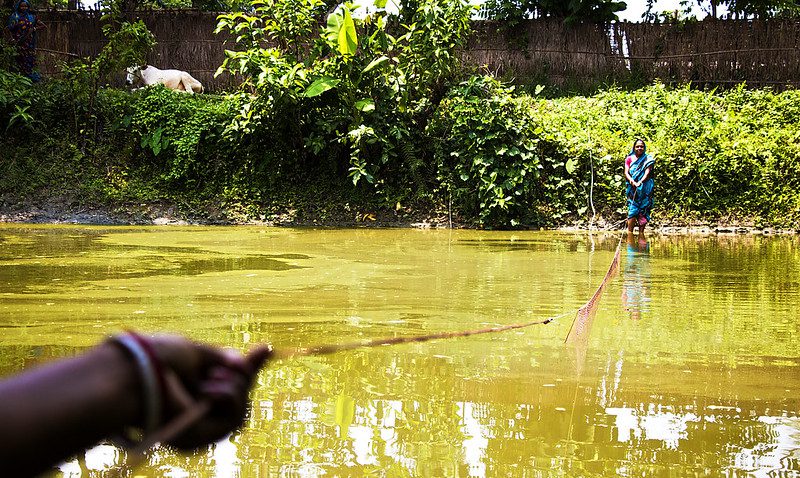
To succeed in these ways, Bangladesh had to prioritize its development by promoting economic and food security. In the late 90s, improvements in rice varieties allowed for a revolution in rice production. This also combined with developments in aquaculture — 150,000 shallow ponds are now sustainable fish farms, for example. This also promotes women’s rights and development, as more than 60% of the nation’s fish farmers are women.

The Work of USAID

Many organizations have assisted Bangladesh in its efforts. USAID has been an incredibly active partner to Bangladesh in this effort, as it trained 67,000 women in aquaculture techniques. It works with the Bangladeshi government on various development activities that help improve availability and access to domestically produced, nutritious foods. Additionally, USAID assistance provides funding for research, monitoring, and training within Bangladeshi government agencies.

U.S. State Department funding helped establish the Food for Education program, which provided food vouchers and cash for poor families in exchange for their promises to send their children to school and help educate the next generation. This initiative, which started in Bangladesh, proved so successful that it was implemented in other countries; according to the U.N., the initiative was crucial in reducing global malnutrition. Bangladesh has also implemented microfinance programs to combat hunger and poverty, especially for women. Small loans enable small businesses to start and produce income that helps families around the country.

Feed the Future

Another essential initiative is Feed the Future, which the U.S. government funds. Bangladesh receives the third highest amount of any country. This initiative helps improve productivity and agricultural diversity in specific areas of southern Bangladesh; this enhances private sector competition by promoting economic growth, corporate practices and supply chain developments that assist poor farmers and struggling businesses. Additionally, the government consistently demonstrates its commitment to mitigating the issue of food insecurity, as its enthusiasm to work with these initiatives has proven.

All of these efforts are imperative because they help diversify sources of income for Bangladeshi farmers. The focus on aquaculture also broadens the variety of plants, fish and livestock. In addition, it encourages the adoption of post-harvest practices and promotes off-farm income. Bangladesh’s progress also shows the importance of coordinating with private and public sectors to identify market opportunities and strategies. Through improved collaboration, these efforts supported more than 225,000 farmers, who applied improved technologies in agronomic practices, such as irrigation, pest and disease management and livestock management.

Bangladesh is now completely food secure in rice production and produces sufficient amounts to feed its population of 165 million. This is a very noteworthy accomplishment, especially given the struggles with changing weather. According to household surveys that USAID and Feed the Future conducted, there has been a 16% decrease in poverty levels in areas that receive USAID and Feed the Future assistance. It is difficult to precisely pinpoint how much of this reduction in the poverty level is due to USAID programming, but this initial data is certainly encouraging.

Moving Forward and Ensuring Long-Term Prosperity

Going forward, these initiatives can improve by encouraging more nutritional diversity. Since most of the typical Bangladeshi diet is rice, young children may be prone to stunting or chronic malnutrition. About four-fifths of children do not receive a sufficient diet for their age range; on a national scale, 36% of children below 5 years of age experience stunting. Meanwhile, less than one-fifth of Feed the Future’s budget, for example, goes toward eliminating malnutrition. With more balanced programs, initiatives that Feed the Future and USAID run can better target this problem. Meanwhile, the country will continue to be an example of how implementing better agricultural practices and working with various initiatives can assist in mitigating poverty and hunger in Bangladesh.

 – Shiloh Harrill
Photo: Flickr

September 28, 2022
https://borgenproject.org/wp-content/uploads/borgen-project-logo.svg 0 0 Naida Jahic https://borgenproject.org/wp-content/uploads/borgen-project-logo.svg Naida Jahic2022-09-28 07:30:412022-09-26 10:23:06The Fight Against Hunger in Bangladesh
Food Insecurity, Food Security, Global Poverty

US Pledges $55 Million Following Earthquake in Afghanistan

Earthquake in AfghanistanU.S. Secretary of State, Anthony Blinken, announced that the U.S. would provide $55 million in aid after a fatal 5.9 magnitude earthquake in Afghanistan on June 21, 2022. The disaster destroyed more than 10,000 houses and killed more than 1,000 people, making it the deadliest earthquake to hit Afghanistan in two decades. The earthquake poses a challenge for the Taliban, who have since asked the international community for aid.

Distribution of Funds

The United States Agency for International Development (USAID) announced on June 28, 2022, that it will allocate $55 million in aid for emergency relief resources such as shelter, food, water, clothing and hygiene products in Afghanistan. A portion of the aid will go toward sanitation measures to limit the spread of waterborne diseases. Funds will go directly to partner civil societies and nonprofit organizations operating in the region as the U.S. does not have official diplomatic or humanitarian ties with the ruling Taliban.

Additional Aid Efforts in Afghanistan

The devastating earthquake exacerbates the economic and humanitarian crises that have pummeled Afghanistan since the Taliban first rose to power in August of 2021. Afghani citizens already face food insecurity, with national hunger rising from 14 million in July 2021 to 23 million in March 2022.

With more than half of the population facing food insecurity, international assistance narrowly managed to avoid full-scale famine in the country in the winter of 2022. Poverty rates in the country are estimated to stand at almost 97% as of 2022 due to prolonged drought and instability caused by recent political upheaval and the lingering effects of the COVID-19 pandemic.

On June 25, 2022, the United Nations initiated an emergency appeal for $110 million in aid to help the provinces most affected by the disaster. The U.N. will disseminate the funds in the next three months in order to help 360,000 Afghanistan citizens. This emergency appeal is integral to the U.N.’s Humanitarian Response for Afghanistan, which calls for a total of $4.4 billion in emergency aid.

Barriers to Aid

Unfortunately, the Taliban’s strict control over the country complicates all international humanitarian efforts. In late March 2022, the Taliban’s Prime Minister Mullah Hassan Akhund announced to all foreign aid agencies in Afghanistan that all humanitarian projects must be done in close coordination with Kabul’s authorities. This announcement came a week after the governor of the province of Ghor, Ghulam Naser Khaze, attempted to exert total control over several local NGOs.

Governor Khaze insisted that the NGOs turn over their funds and only adopt projects chosen by the local government. Prime Minister Mullah’s directives and Governor Khaze’s actions in Ghor represent a policy framework known as the “Monitoring and Control Plan of NGOs.” Kabul’s Taliban government formulated this plan in the fall of 2021 to consolidate all NGO activities under the Taliban’s authority.

Sanctions and other measures aim to prevent the Taliban from fully implementing its NGO-control framework. As a result, international financial systems are especially diligent, making it difficult for humanitarian groups to access the funds efficiently. The Taliban continues to actively insert itself between nonprofit organizations and the aid they seek to provide via various formal and informal decrees, further frustrating the fund distribution process.

How to Help

As a result of international sanctions on the Taliban, online fundraising sites cannot be transferred to Afghanistan banks. The best way to help those affected by the earthquake is to donate directly to NGOs in the region. Below is a list of NGOs helping those struggling in Afghanistan.

  • The World Food Programme: The earthquake exacerbated the food crisis that has gripped Afghanistan for months. The World Food Programme mitigates the issue of food insecurity in Afghanistan by delivering food to those in need within just a few hours.
  • The Red Cross and Red Crescent: The Red Cross and Red Crescent have been working in Afghanistan since the U.S. evacuated the country in the summer of 2021. These programs are already organized to deliver food, other critical supplies and mental and health services to those affected by the earthquake.
  • Islamic Relief: Islamic Relief is a Muslim aid network founded in the U.K. in 1984. The organization operates various humanitarian relief programs in more than 45 countries. It already has a fund to help supply food aid, cash and emergency shelter to those facing the impacts of the earthquake.
  • International Medical Corps: The International Medical Corps stood as one of the first organizations to respond to the disaster. It immediately began coordinating with domestic emergency responders and providing trauma care to affected communities.

The international community is rushing to help those affected by the crisis. Still, everyone can help in their own small way. Be sure to remain an active and informed global citizen by vocalizing the importance of foreign aid funds to local government representatives. Through the efforts of nations, NGOs and ordinary citizens, Afghanistan can look to a brighter tomorrow.

– Mollie Lund
Photo: Flickr

September 19, 2022
https://borgenproject.org/wp-content/uploads/borgen-project-logo.svg 0 0 Kim Thelwell https://borgenproject.org/wp-content/uploads/borgen-project-logo.svg Kim Thelwell2022-09-19 07:30:202022-09-19 03:34:17US Pledges $55 Million Following Earthquake in Afghanistan
Developing Countries, Economy, Education, Gender Equality, Global Poverty

World Bicycle Relief: Switching Gears on Rural Development

World Bicycle Relief
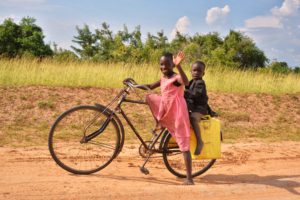
In 2018, sub-Saharan Africa accounted for two-thirds of the global population living in extreme poverty. Although the poverty rate across the region decreased by 1.6% from 2015 to 2018, the benefits of improved infrastructure, education and health care have not reached those living in rural areas without safe and easy transport systems to access essential services and opportunities. World Bicycle Relief works to lessen this disadvantage by providing bicycles to members of rural communities in sub-Saharan Africa. Founded in 2005 by F.K. Day and Leah Missbach Day, the organization empowers millions to pull themselves out of poverty.

Gender Equality

World Bicycle Relief places priority on women and girls, with the organization striving for females to account for 70% of bicycle beneficiaries. Girls in sub-Saharan Africa often find that traditional gender expectations for them to take long walks for water and firewood daily, journeys that are sometimes unsafe and increase the risk of assault and harassment, stunt their personal agency. Riding bicycles not only cuts down on time taken for domestic chores but also allows girls to travel to school safely and quickly.

Over the last 10 years, World Bicycle Relief has worked in partnership with the Ministry of Education in Zambia to provide almost 37,000 rural girls with bicycles. A controlled trial found that the bicycles reduced the likelihood of girls dropping out of school by 19%, decreased school absenteeism rates by 28% and reduced school commute times by 33%. Furthermore, experiences of sexual harassment while journeying to school decreased by 22%.

In Kenya, health care workers using World Bicycle Relief-provided bicycles served “88% more patients,” highlighting the importance of effective transport in health and well-being in rural communities.

In a USAID-funded project from 2006-2009, World Bicycle Relief partnered with RAPIDS (Reaching HIV/AIDS Affected People with Integrated Development and Support) to tackle the AIDS crisis in Zambia. The organization gave more than 18,000 bicycles to RAPIDS caregivers, allowing RAPIDS to reach more people and deliver higher quality care due to more frequent visits. Since World Bicycle Relief’s participation in RAPIDS, caregiver retention has risen to 66%, a marked increase from earlier stages.

Rural Economic Development

To ensure that users utilize the bicycles to their best potential, World Bicycle Relief gives each community the responsibility to design and adapt its own bicycle program. The organization’s “field team also helps local leaders establish a Bicycle Supervisory Committee,” which selects each individual bicycle recipient based on factors such as commute time and potential for improved service with a bicycle. Each bicycle recipient “enters into a time-bound term agreement” with the Committee and officially owns the bike upon attainment of specific requirements, such as completing their education, helping to further community development or supplying health or financial services.

In October 2021, USAID announced an allocation of funding of $3.5 million to the Bicycles for Growth Initiative, helping J.E Austin Associates and World Bicycle Relief expand mobility in rural sub-Saharan Africa by facilitating transport through bicycles.

The initiative will support research on “access to bicycles in Ghana, Malawi, Rwanda, Uganda and Zambia,” giving more people the chance to access education, health care services and opportunities for income generation.

– Imogen Scott
Photo: Flickr

September 14, 2022
https://borgenproject.org/wp-content/uploads/borgen-project-logo.svg 0 0 Naida Jahic https://borgenproject.org/wp-content/uploads/borgen-project-logo.svg Naida Jahic2022-09-14 07:30:292024-05-30 22:30:08World Bicycle Relief: Switching Gears on Rural Development
Global Poverty

Myanmar’s Internet Shutdowns Exacerbate Poverty

Myanmar’s Internet Shutdowns
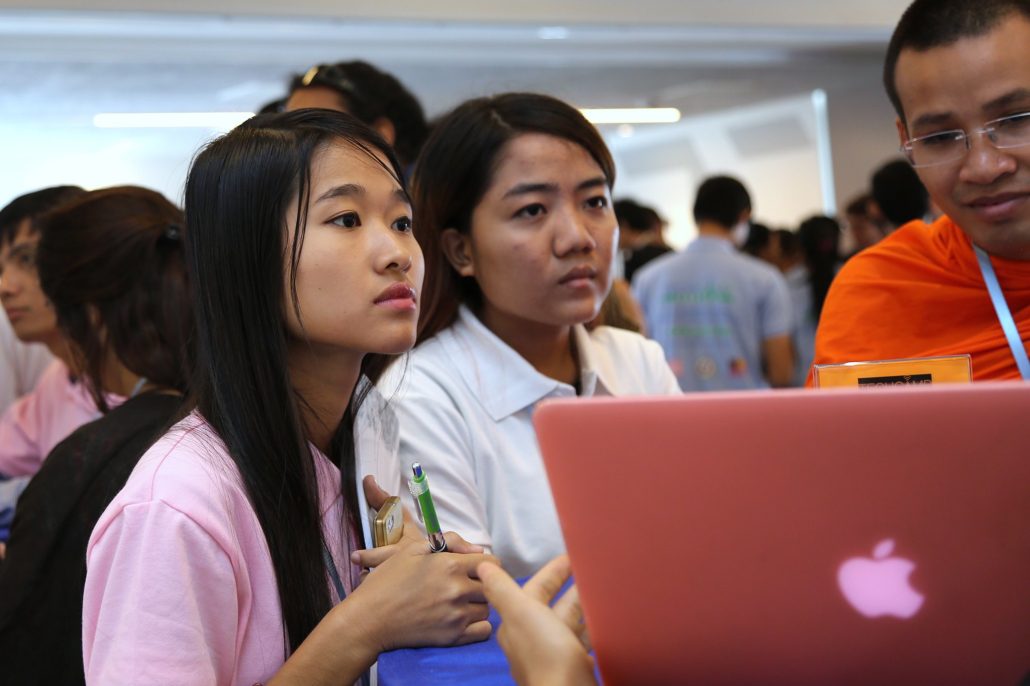
Myanmar’s community and economy suffer from the ongoing impacts of the military coup that occurred on February 1, 2021. Since 2021, Myanmar has imposed internet shutdowns in the country. In 2021, internet shutdowns across the world led to a global loss of $5.45 billion. Myanmar accounts for a significant portion of this loss, as Myanmar’s internet shutdowns in 2021 cost $2.8 billion. The junta regime established changes to the legal code that negate basic international human rights protections. This includes the amendment of the Electronic Transaction Law. With this, the current government in Myanmar prevents the “free flow of information and criminalizes the dissemination of information through cyberspace.”

Myanmar’s Internet Shutdowns

To curb protests, the military junta instigated total internet blackouts and social media blocks as well as slowed internet speeds to levels where only simple text-based communication was possible. The enforced shutdowns impacted several networks, “including international operators and cellular services.” As a result, people cannot access important COVID-19 information, businesses that rely on the internet cannot operate and reporters cannot give news updates. 

Considering the imposed internet outage cost Myanmar $2.8 billion in 2021, this amounts to the greatest economic loss worldwide in this category. The nation’s weak economy is “30% smaller than it might have been in the absence of COVID-19 and the February 2021 coup,” according to the World Bank.

Effect on Poverty

The International Labour Organization (ILO) estimated the decline of 1.6 million jobs in 2021. The situation has led some Myanmarese people to resort to exchanging their mobile phones for food. The regime increased internet prices, making online schools and digital medical services financially burdensome or unaffordable.

Business Repercussions

Businesses rely on the internet to maximize sales and remain competitive. In Myanmar, however, the disrupted, costly and slow internet contributes to the decline in overall income and employment. For example, internet outages prevented farms from researching prices online and devastated thousands of small internet businesses. Low income and unemployment perpetuate low domestic demand. An insufficient consumer base feeds the stagnation or failure of local industries. The overall instability in Myanmar has affected businesses‘ “operations, logistics, confidence and appetite to invest.”

USAID’s Contributions

Despite restrictions, Myanmar’s internet penetration continues to grow in part due to international efforts. The U.S. has provided close to $500 million in aid to struggling citizens within Myanmar as well as Myanmarese refugees in other nations. This assistance also involves $24 million worth of COVID-19-related aid. 

Through USAID, the U.S. is helping communities in Myanmar. To help alleviate the repression of basic freedoms, “USAID has trained 255 independent media outlets on unbiased reporting [and] strengthened the capacity of 235 civil society organizations to advocate for democratic reforms.”

In addition, USAID’s new Digital Strategy aims to empower millions to rise out of poverty by leveraging digital technology to ignite economic development in countries. The Digital Strategy aims to “improve development and humanitarian assistance outcomes through the use of digital technology” while encouraging “inclusive growth, [fostering] resilient and democratic societies and [empowering] all, including the most vulnerable.”

Remedial social investment is necessary for Myanmar’s sharply contracting economy. Self-sustainable poverty reduction is not yet a reality as military leadership reversed efforts toward democratic reforms and expelled freedoms to the internet.

– Anna Zawistowski
Photo: Flickr

September 12, 2022
https://borgenproject.org/wp-content/uploads/borgen-project-logo.svg 0 0 Jennifer Philipp https://borgenproject.org/wp-content/uploads/borgen-project-logo.svg Jennifer Philipp2022-09-12 07:30:122022-09-08 13:36:51Myanmar’s Internet Shutdowns Exacerbate Poverty
Global Poverty, Poverty Reduction

Politics and Poverty Reduction in Bolivia

Poverty Reduction in Bolivia
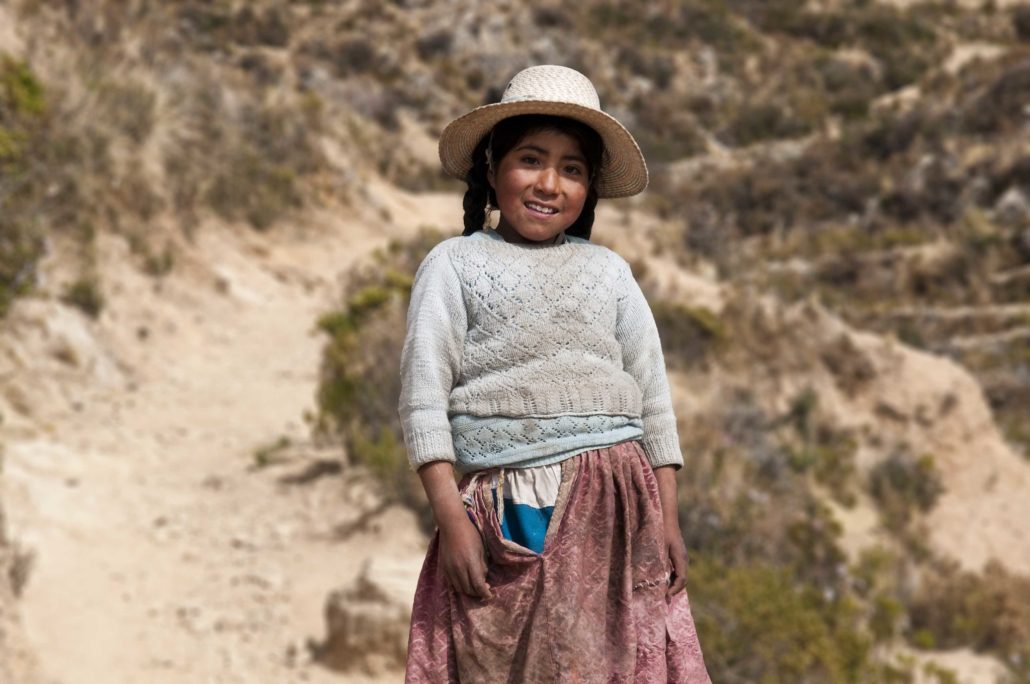
Although Bolivia does show signs of growth, economic and political difficulties have marred its few successes. In addition to having one of the highest rates of poverty in South America, corruption, political persecution and the ongoing COVID-19 pandemic hamper Bolivia. These issues distract from efforts to improve the lives of the nearly 4 million Bolivians living in poverty in 2018, politicizing programs like the “Patriotic 2025 Bicentennial Agenda” which is supposed to work toward the 2030 Sustainable Development Goals (SDGs). Thus, the very people who should be ending poverty are hampering poverty reduction in Bolivia.

Corruption in Bolivia

With Bolivia experiencing political turmoil, its politicians have often squandered the limited resources available to the nation. In 2017, ex-president Evo Morales built a $7 million museum dedicated to himself in the town of Orinoca, where 90% of the population lives below the poverty line. Interim-president Jeanine Añez’s brief administration included several examples of corruption, with both her Interior Minister and Health Minister receiving a charge of graft, the latter making a profit off of government-bought ventilators during the pandemic.

This has meant that funds intended to fight poverty in Bolivia have disappeared. A 2021 evaluation of the previous year’s government budget found that actual spending on public programs was always significantly lower than the expected amount, suggesting widespread corruption. The budget has also seen a decrease in funds appropriated for public services, further hampering anti-poverty efforts. Given this, Bolivia has been incredibly fortunate to see its poverty rate decline as dramatically as it has over the last 10 decades, but this is mostly due to an unsustainable boom in oil and natural gas. Institutional weaknesses thus present a major challenge to an economy reliant on volatile resource extraction.

Protests in Bolivia

Deepening Bolivia’s woes are the ongoing dispute between Bolivia’s socialist party, Movimiento al Socialismo (MAS), and the country’s opposition parties. In 2019, protests erupted over whether incumbent socialist president Evo Morales could run for an unconstitutional fourth term, as well as the fraudulent nature of the election which gave him a sweeping victory. Following MAS’ return to power in 2020 after an interim government, and the election of Morales’ ally Luis Arce as President, many of those that participated in the interim government received charges of sedition. This includes President Jeanine Añez, who received a 10-year sentence in prison for staging a “coup” despite not having involvement with the 2019 protests. The upheaval and resources wasted on these political fights have ground Bolivia’s economic growth to a halt, with the pandemic only accentuating the country’s dire situation.

The International Response

These breaches of democracy have also drawn the attention of other international actors, straining Bolivia’s already tense geopolitical situation. President Arce attacked the Organization of American States (OAS) for interfering with the 2019 elections, to which the OAS responded by reaffirming it only documented instances of fraud and was concerned about the persecution of MAS’ political opponents. Similarly, the European Union and the U.S. State Department have expressed disapproval over the politically motivated imprisonments.

All of this prevents international aid from reaching the struggling nation, handicapping efforts to fight poverty in Bolivia. Following President Morales’ election in 2005, he expelled the U.S. ambassador and rejected assistance from USAID, permanently removing the latter by 2013. Morales chose to focus on short-term economic growth and reducing inequality, leveraging the country’s oil and gas resources to make significant reductions in the poverty rate by 2015. However, it is uncertain whether Bolivia’s extraction-based economy will be successful in the long run, or whether it made a mistake in shutting the door to aid.

Poverty Reduction in Bolivia

Even amid economic and political uncertainty, progress is occurring to promote poverty reduction in Bolivia. President Luis Arce’s government has seen a reduction in the extreme poverty rate from 13.7% to 11.1% in 2021, suggesting the economy might be rebounding after the pandemic. In addition, the yearly ‘National Report’ emphasizes Bolivia’s commitment to 13 ‘pillars’ of development, including the end of extreme poverty and investment in public health. With the report stressing Bolivia’s commitment to the 2030 Sustainable Development Goals (SDGs), fighting poverty may be making a comeback in public policy.

– Samuel Bowles
Photo: Unsplash

September 12, 2022
https://borgenproject.org/wp-content/uploads/borgen-project-logo.svg 0 0 Naida Jahic https://borgenproject.org/wp-content/uploads/borgen-project-logo.svg Naida Jahic2022-09-12 01:30:192024-05-30 22:30:06Politics and Poverty Reduction in Bolivia
Global Poverty

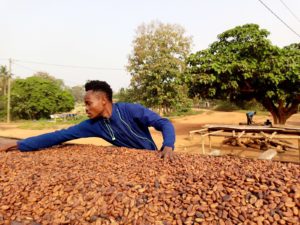
Food Systems in Ghana

Food Systems in Ghana
Around 12% of Ghana’s population lives in poverty, according to the World Bank. For many Ghanaians, including those in poverty, food security is a pressing issue. Ghana, a country of more than 31 million people on Africa’s west coast, is currently in the midst of a food crisis. Food systems in Ghana have experienced strain due to recent global crises like the COVID-19 pandemic and the Russia-Ukraine War, leading to supply chain and food system shortages.

The 2020 Comprehensive Food Security and Vulnerability Analysis report for Ghana said that 63.8% of Ghanaians experienced a shock from COVID-19 that contributed to food insecurity. That same report concluded that in 2020, 11.7% of households in Ghana were food insecure.

War’s Impact

Despite occurring on a different continent, the war between Russia and Ukraine has had a devastating impact on Ghana. Agriculture is one of the pillars of Ghana’s economy, with half of the workforce being in the agriculture sector.

Food systems in Ghana are highly reliant on nitrogen fertilizer, which it has imported from Russia. Due to sanctions following the invasion of Ukraine, prices for Russian exports have skyrocketed and fertilizer was no exception. New York 1 reported that Ghana relies on Russia for one-fifth of its imports of fertilizer.

The Northern Development and Democratic Institute released a grim report with projections for the remainder of 2022. Ghana is likely to see an increase in hunger and a worsening food insecurity crisis in the final two quarters of the year, heading into 2023.

This problem is not unique to Ghana, though. Many countries are suffering the effects of supply chain issues and price hikes for fertilizer and other imports. In August 2022, the United States Ambassador to the U.N. Linda Thomas-Greenfield warned of a worsening food insecurity crisis as an effect of the war in Ukraine.

“That would mean that more than 40 million people will have become food insecure since [Russian] President [Vladimir] Putin chose to invade his neighbor and steal their land. That is more people than the entire population of Ghana,” said Thomas-Greenfield.

Looking Ahead

The future is not bleak for food systems in Ghana, though. The United States Agency for International Development (USAID) announced on August 5 that they are committing $2.5 million in aid to Ghana to alleviate the food crisis.

According to the press release, the aid money will go toward:

  • Developing new fertilizer products both organic and inorganic
  • Working with fertilizer companies and manufacturers to export fertilizer into Ghana
  • Making sure farms in Ghana receive sufficient amounts of fertilizer

In addition to the money from USAID, the World Bank will contribute to efforts to stabilize the food systems in Ghana. The Food Systems Resilience Program (FSRP-2) recently received approval for an additional $315 million in funding from the International Development Association. FSRP-2 will provide aid to three Western African countries: Sierra Leone, Chad and Ghana. The efforts that FSRP-2 funded should reduce food insecurity in the region by 25%.

Overall, food systems in Ghana are struggling but not entirely broken. Outside factors like the war in Ukraine and supply chain shocks that the COVID-19 pandemic caused hampered food security in the West African nation, but the existing strength of the agricultural sector as well as foreign aid should stabilize and revitalize Ghana’s food systems.

– Emma Rushworth
Photo: Flickr

September 11, 2022
https://borgenproject.org/wp-content/uploads/borgen-project-logo.svg 0 0 Jennifer Philipp https://borgenproject.org/wp-content/uploads/borgen-project-logo.svg Jennifer Philipp2022-09-11 01:30:072022-09-08 08:50:56Food Systems in Ghana
Global Poverty

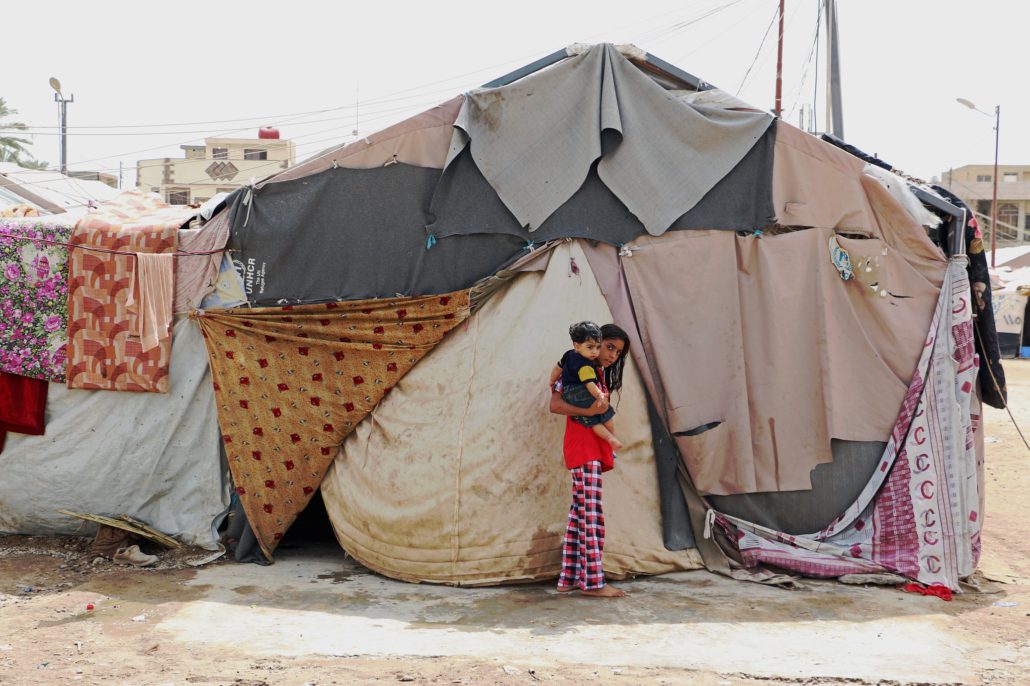
How Droughts in Iraq Impact the Impoverished

Droughts in Iraq
The United Nations reported in August 2022 that Iraq stood as one of the top five countries most susceptible to the impacts of extreme weather events. In 2022, Iraq experienced some of the most severe droughts reported in the last 40 years. These droughts in Iraq also cause an increase in both frequency and severity of large dust storms across Iraq. These massive dust storms, while relatively a common occurrence in Iraq, nevertheless pose serious problems for the more vulnerable impoverished farmers. Additionally, in the wake of the outbreak of the COVID-19 pandemic, Iraq has lost much of its exporting and importing capabilities. These two major factors, along with the conflict in Ukraine causing food prices to rise worldwide, have led to severe repercussions for impoverished farmers living in the “breadbasket” of Iraq.

The Impact of Droughts in Iraq

In April 2022, an expert from the Iraqi Water Resources Ministry gave a warning that Iraq’s water reserves have shrunk by 50% since the year prior due to cumulative impacts of the “drought, lack of rainfall and declining river levels,” says the International Federation of Red Cross. A report by the Ministry at the close of 2021 predicted that “unless urgent action is taken to combat declining water levels, Iraq’s two main rivers will be entirely dry by coming years.” The drought is causing long-term issues such as “shortages of drinking water and poor-quality drinking water” along with impacts on “sanitation, hygiene and food and nutrition,” aggravating the humanitarian situation in Iraq.

The Iraq Ministry of Trade reports that, due to the droughts in Iraq, wheat production yields have decreased from 5 million metric tonnes in 2020 to 3.37 million in 2021. By 2022, these yields decreased further to just 1.34 million metric tonnes.

Additionally, “between October 2020 and November 2021, the price of 50 kilograms of wheat flour went up from 41,100 dinars ($28) to 50,000 dinars ($34),” an increase of about 25%, The New Humanitarian reports. Another systemic problem lies in the Iraqi farmers’ reliance on outdated farming techniques and technologies that do not factor in climate resilience.

Between June and December 2021, just under 2,000 people in the province of Nineveh alone had to leave their homes because of the droughts, the International Organization for Migration highlighted. The U.N. reported that, as of July 2020, about 33% of Iraq’s people lived below the poverty line.

Taking Action to Address the Impacts of Multiple Events

USAID reports that, as of March 2022, the World Food Programme (WFP) has reached more than 700,000 people in Iraq with food assistance, including vulnerable school children through the WFP-supported national school feeding program. Also, as many experienced displacements due to the increased cost of living caused by the conflict in Ukraine, the droughts in Iraq and the conflict within Iraq, USAID reports that three USG partners have funded the distribution of temporary shelter as well as other relief measures. Additionally, several USAID partners have worked to put into place water, sanitation and hygiene (WASH) measures.

Organizations have made significant efforts to provide short-term resolution for Iraqis amid the drought, however, long-term solutions are essential for a sustainable future as these issues persist and evolve.

– Chris Dickinson
Photo: Flickr

September 10, 2022
https://borgenproject.org/wp-content/uploads/borgen-project-logo.svg 0 0 Kim Thelwell https://borgenproject.org/wp-content/uploads/borgen-project-logo.svg Kim Thelwell2022-09-10 03:11:272023-03-10 16:22:09How Droughts in Iraq Impact the Impoverished
Food Security, Global Poverty

The Crises Threatening Global Food Security

Global Food Security
In June 2022, Dr. Cary Fowler, Special Envoy for Global Food Security highlighted in a call with Jim O’Brien, head of the Office of Sanctions Coordination, that extreme weather conditions, conflict and the COVID-19 pandemic threaten global food security. The recent war in Ukraine is also exacerbating global food insecurity, particularly affecting the world’s poor, with its distinctive multicausal nature.

The 3 Cs Impacting Global Food Security

  1. COVID-19: The onset of the COVID-19 pandemic disrupted the global food supply.
  2. Climate: Extreme weather conditions, such as drought, had implications in the U.S. and around the world.
  3. Conflict: The conflict in Ukraine has reduced the country’s production capacity and blockades make the Black Sea inaccessible for export, resulting in the scarcity of food, price inflation and severe disruption in the food supply chain. This is ultimately forcing millions into acute hunger.

The Impacts of the Russian Invasion

The Russian invasion has caused Ukraine’s exports to collapse as the conflict has cut off supplies from Ukraine’s ports. Before the conflict, Ukraine stood as a large exporter of key food supplies such as cooking oils, maize and wheat. As a result of the conflict, 20 million tons of grain are stuck in Ukraine from the previous harvest in 2021, said Reuters in an August 2022 article. To compensate, others, such as India and the EU, have ramped up exports, but this compensation only partly covers export losses from Ukraine.

Fears of food shortages have prompted some countries to implement export restrictions disrupting the free flow of goods to keep key food products for their own nations to deal with surging prices and food shortages. The European Union is an example, placing export restrictions on some cereals.

The chaos caused by the conflict is far-reaching due to the vital role that both Russia and Ukraine play in global commodity markets. Russia and Ukraine produce 30% of the world’s wheat supply and 18% of global corn exports. Before the war, Ukraine exported roughly “4.5 million tonnes of agricultural produce per month through its ports.” Therefore, it is no surprise that lower-income countries that are heavily reliant on commodity exports from these countries face detrimental impacts.

Dependency Issues

The threat that the conflict poses to global food security is notable. Food prices have surged, especially affecting the world’s poor. The issue here is dependency as certain countries are close to wholly dependent on exports from Ukraine and Russia for products such as wheat, maize and oilseeds.

Countries such as “Turkey, Egypt, Eritrea, Somalia, Madagascar, Tanzania, Congo and Namibia” are highly dependent on wheat imports from Ukraine and Russia. Brazil, Argentina and Bangladesh rely on Russian fertilizer for their crops, as do the African countries of Cameroon, Ghana and Ivory Coast. These countries are vulnerable and in need of finding new suppliers during this time of conflict.

The United States Responds

The U.S.’s response to the Ukraine crisis and the subsequent rise in food insecurity has been primarily geared toward restoring global food security. In June 2022, the U.S. government invested $760 million in humanitarian aid to “mitigate further increases in poverty, hunger and malnutrition in vulnerable countries impacted by high prices of food, fertilizer and fuel.”

Via USAID, the U.S. will mobilize $640 million worth of economic assistance “to support bilateral targeted agriculture and food security programs to strengthen agricultural capacity and resilience in more than 40 of the most vulnerable countries.” These programs will be customized according to each country’s specific needs. The White House has said that solutions will “tackle urgent global fertilizer shortages, purchase resilient seeds, mitigate price shortages for fertilizer, scale-up social safety nets for families suffering from hunger and malnutrition and avert food and humanitarian crises in the most vulnerable countries.”

The crisis in Ukraine is challenging global food security, resulting in reduced production in Ukraine, inaccessibility of the Black Sea ports and an increase in food prices. It comes at a time when countries are still recovering from the COVID-19 pandemic and climate-related issues. Hence, the U.S. has stepped in to provide aid to combat the crises that threaten global food security and affect lower-income countries that are heavily dependent on food imports from Russia and Ukraine.

– Claudia Efemini
Photo: Flickr

September 10, 2022
https://borgenproject.org/wp-content/uploads/borgen-project-logo.svg 0 0 Kim Thelwell https://borgenproject.org/wp-content/uploads/borgen-project-logo.svg Kim Thelwell2022-09-10 01:30:392022-09-07 08:50:59The Crises Threatening Global Food Security
Page 22 of 92«‹2021222324›»

Get Smarter

  • Global Poverty 101
  • Global Poverty… The Good News
  • Global Poverty & U.S. Jobs
  • Global Poverty and National Security
  • Innovative Solutions to Poverty
  • Global Poverty & Aid FAQ’s
Search Search

Take Action

  • Call Congress
  • Email Congress
  • Donate
  • 30 Ways to Help
  • Volunteer Ops
  • Internships
  • Courses & Certificates
  • The Podcast
Borgen Project

“The Borgen Project is an incredible nonprofit organization that is addressing poverty and hunger and working towards ending them.”

-The Huffington Post

Inside The Borgen Project

  • Contact
  • About
  • Financials
  • President
  • Board of Directors
  • Board of Advisors

International Links

  • UK Email Parliament
  • UK Donate
  • Canada Email Parliament

Get Smarter

  • Global Poverty 101
  • Global Poverty… The Good News
  • Global Poverty & U.S. Jobs
  • Global Poverty and National Security
  • Innovative Solutions to Poverty
  • Global Poverty & Aid FAQ’s

Ways to Help

  • Call Congress
  • Email Congress
  • Donate
  • 30 Ways to Help
  • Volunteer Ops
  • Internships
  • Courses & Certificates
  • The Podcast
Scroll to top Scroll to top Scroll to top