• Link to X
  • Link to Facebook
  • Link to Instagram
  • Link to TikTok
  • Link to Youtube
  • About
    • About Us
      • President
      • Board of Directors
      • Board of Advisors
      • Financials
      • Our Methodology
      • Success Tracker
      • Contact
  • Act Now
    • 30 Ways to Help
      • Email Congress
      • Call Congress
      • Volunteer
      • Courses & Certificates
      • Be a Donor
    • Internships
      • In-Office Internships
      • Remote Internships
    • Legislation
      • Politics 101
  • The Blog
  • The Podcast
  • Magazine
  • Donate
  • Click to open the search input field Click to open the search input field Search
  • Menu Menu

Tag Archive for: Technology

Posts

Agriculture, Global Poverty, Technology

Modernizing Agriculture in Kenya: Technology and Tools

Agriculture in KenyaKenya, a country in East Africa with a population exceeding 50 million, relies heavily on its agriculture sector for economic stability. The agriculture sector in Kenya employs more than 70% of rural citizens. It is responsible for 33% of the country’s GDP, with an additional 27% through connections with other sectors.

While Kenya remains heavily reliant on its farmland, the population is growing rapidly. It is predicted to hit 81 million by 2039. The increasing population has caused farmers to relocate to make room for new residents. As a result, many farmers have moved to less ideal farmland, facing various climate challenges.

Challenges Facing Kenya’s Agriculture Sector

Most regions within Kenya are arid, with 80% of the country’s climate ranging between arid and semi-arid. The nation has been experiencing intense droughts followed by torrential rain for nearly a decade. This has caused a strain on many rural farming communities, as 95% of their crops rely on rainfall for adequate production. In March 2025, an estimated 2.2 million Kenyans experienced food insecurity, while more recent predictions in June 2025 approximate the number to be closer to 2.8 million.

Due to the rising population and food insecurity rates, integrating technology tools and new scientific developments for agriculture in Kenya can be key to ensuring an adequate food supply. This could benefit those in Kenya and other countries plagued by food insecurity. Agricultural technology in Kenya involves a wide array of approaches, ranging from digital services to climate-smart farming techniques advanced by science. These tools address many common agricultural concerns in Kenya, including climate-related struggles, product yields and overall knowledge of farmland and crops.

Digital Services and Platforms

In partnership with the World Bank, Kenya’s Ministry of Agriculture implemented the Kenya Climate-Smart Agriculture Project and the National Agriculture & Rural Inclusive Growth Project. These gave Kenyan farmers access to various online support services in hopes of increasing production and profit. In addition, the collaboration led to the development of the Big Data Platform and the Kenya Agricultural Observatory Platform (KAOP). The Ministry also introduced the One Million Farmer Platform, which fostered collaboration between 24 AgTech startups and 27 county governments, connecting 1.1 million farmers.

The platforms have been vital in sharing high-resolution geospatial data with farmers and employees within the agriculture sector. These tools work by assessing specific coordinates to a location and delivering information about the geography, which has helped optimize land usage. The online services also provide advice to farmers tailored to their specific needs, such as seed and fertilizer suggestions. In addition to geographic data, the KAOP is notable for its weather forecast accuracy. The platform uses satellite-based information and shares weather advisories and patterns with the public via online messaging. This has allowed farmers to better prepare their farmland for inconstant weather events like heavy rain.

A popular app in Kenya tailored to smallholder farmers is iCow. The service works by utilizing SMS to better inform farmers on how to care for livestock, for example, providing information on disease management. In addition to SMS, iCow provides search engines to help farmers find experts nearby and also shares an online database full of information ranging from crops and soils to climate instability. Currently, 1.6 million individuals in Kenya utilize iCow and the service has sent more than 110 million messages to farmers.

Climate-Smart Farming

The joint effort between scientists at the Kenya Agricultural and Livestock Research Organization (KALRO) and the Alliance of Bioversity International and CIAT introduced a new bean for farmers in Kenya. Nyota beans are genetically modified to thrive in droughts and grow within shorter periods. Farmers who have grown Nyota beans have reported increased crop yields and profits. In Kenya, the bean consumption rate outweighs the bean production rate by 155,000 metric tons. However, the Nyota bean could decrease the deficit in the coming years.

New developments have allowed scientists to detect nutrient, water and carbon levels throughout Kenya to determine the most efficient technique for planting and growing crops in a certain area. They also observe the best soil and watering techniques in regions with frequent drought and water scarcity. Scientists share the information with farmers through hundreds of “farmer field schools” administered by KALRO. The farmers who used the farming techniques reported a crop yield increase of 20% and a 20% decrease in fertilizer use.

Conclusion

With shifting climate patterns and a growing population facing food insecurity, Kenya’s agricultural sector faces mounting pressure. In response, integrating modern technologies has become a significant step forward. From digital platforms that deliver localized weather forecasts and farming guidance to climate-smart innovations, modern technologies are addressing many of the top concerns of individuals living in Kenya. The success of these initiatives emphasizes the growing potential of agriculture technology and sustained investment and collaboration are crucial to expanding these accomplishments.

– Grace Johnson

Grace is based in Chicago, IL, USA and focuses on Technology and Global Health for The Borgen Project.

Photo: Freepik

July 29, 2025
https://borgenproject.org/wp-content/uploads/borgen-project-logo.svg 0 0 Hemant Gupta https://borgenproject.org/wp-content/uploads/borgen-project-logo.svg Hemant Gupta2025-07-29 01:30:122025-07-29 01:17:19Modernizing Agriculture in Kenya: Technology and Tools
Child Poverty, Global Poverty, Technology

Rwanda CHWs Child Survival: Volunteers Reduce Child Deaths

Rwanda CHWs child survivalRwanda’s community health worker model, widely known as “Rwanda CHWs child survival,” drove the nation’s under-5 mortality rate to plummet from 158 deaths per 1,000 live births in 2000 to about 40 in 2023, a drop exceeding three-quarters. That feat makes Rwanda one of only four low-income nations to clear the 75 % benchmark since 2000.

Life-Saving Trios in Every Village

At the core of Rwanda’s child survival strategy is a network of about 45,000 CHWs, three elected volunteers in each of the country’s nearly 15,000 villages. The “binôme,” a male-female CHW pair, treats common childhood illnesses such as malaria, diarrhea and pneumonia, diseases that pose serious risks to young children. Meanwhile, a female maternal health worker monitors every pregnancy from the first trimester to postpartum.

Most recruits complete about three months of intensive classroom and hands-on instruction in integrated community case management, maternal-newborn care, nutrition counseling and family-planning services. They must score at least 80 % on a post-course exam before being certified; brief refresher modules update drug protocols and data-reporting skills each year.

Cash for Results Keeps Quality High

Since 2009, Rwanda’s Ministry of Health has operated a community performance-based financing (cPBF) scheme that sends group bonuses directly to legally registered CHW cooperatives. These quarterly bonuses, wired through the Ministry of Economy and Finance, are released only after each group meets specific maternal and child health targets.

Under the original split, 30% of every payment went to individual workers and 70% stayed in the co-op account to build capital. Co-ops invest that reserve in income ventures and about 52.7% choose livestock projects such as dairy goat or poultry sheds. In contrast, others buy bicycles, maize mills, or seeds for micro-loan funds.

Profits boost household income and keep attrition low, while the promise of the next bonus keeps each village team laser-focused on service coverage and timely referrals.

RapidSMS: A Text That Saves a Life

A 2018 nationwide evaluation reported that Rwanda’s CHWs fired 9.3 million RapidSMS messages between 2012 and 2016, flagging births, danger signs and supply gaps in real-time. Those real-time alerts let supervisors dispatch antibiotics, restock bed nets and organize ambulances faster, raising antenatal care, facility delivery and post-natal rates in the districts studied.

Scaling Up Again

Rwanda is digitizing its frontline workforce by formulating an electronic Community Health Information System (eCHIS). It was built in 2023 and a pilot has already helped train 600 community health workers across three districts to capture visits on a smartphone app.

Also, on May 30, 2025, Rwanda’s Health Ministry rolled out a new AI-powered mobile platform to train and support all 58,567 CHWs on their smartphones, replacing costly face-to-face workshops. The system links each visit to the community electronic medical records (cEMR) database so supervisors can track patient trends and drug stocks in real-time.

Conclusion

Rwanda’s experience proves that community trust, modest pay for performance and real-time data can significantly reduce child deaths. Health ministries that are struggling with high under-5 mortality now have hope to combat it, especially with the Rwanda CHWs child survival model.

– Arabella D’Aniello

Arabella is based in The Hague, Netherlands and focuses on Good News for The Borgen Project.

Photo: Wikimedia Commons

July 27, 2025
https://borgenproject.org/wp-content/uploads/borgen-project-logo.svg 0 0 Hemant Gupta https://borgenproject.org/wp-content/uploads/borgen-project-logo.svg Hemant Gupta2025-07-27 03:00:442025-07-27 03:01:17Rwanda CHWs Child Survival: Volunteers Reduce Child Deaths
Education, Global Poverty, Technology

Ghana’s Tech Innovation in Education

Ghana’s Tech Innovation in EducationGhana has embarked on a transformative journey to digitize its education system in recent years. Ghana’s shift aims to improve tech innovation in education and learning outcomes, bridge educational disparities and equip students for a technology-driven global economy. While significant progress has been made, challenges persist, particularly in ensuring equitable access across urban and rural communities.

Background

As Ghana works toward this next chapter of future learning, it is essential to note that the digitalization of education is a global reform trend. As Olga N. Machekhina describes in Revista Espacios, it is a powerful force for modernizing educational systems. Ghana has embraced this wave through various national strategies. The Education Strategic Plan (2018–2030) and the ICT in Education Policy Framework (2015) illustrate this commitment, emphasizing teacher training, curriculum reform and early school ICT exposure.

A notable step came in 2023 to include tech innovation in education with the launch of the ICT Competency Framework for Teachers. Developed by the Ministry of Education, the National Council for Curriculum and Assessment (NaCCA) and other stakeholders, this framework supports educators in integrating technology effectively into their teaching practices. Higher education institutions like the University of Cape Coast also support digitalization through platforms such as Moodle, streamlining learning for students and lecturers.

Government Initiatives

The National Digital Literacy Program, launched in 2013, seeks to train 10 million Ghanaians in digital skills by 2030. It focuses on equipping individuals with essential digital skills to participate effectively in the digital economy. Furthermore, in 2015, Ghana released its ICT in Education Policy Framework, emphasizing teacher training in digital skills and introducing ICT as a topic beginning in primary school. The policy sought to transform the educational system to improve the quality of teaching and learning at the various levels of education and expand access to education, training and research resources and facilities to produce a cutting-edge and skilled workforce for the growth of the country’s economy.

The government’s efforts intensified during the COVID-19 pandemic through platforms like Ghana Learning TV and iCampus. Despite good intentions, accessibility remained a significant issue. Key findings from a report titled “Ghana’s E-Learning Program During the Pandemic Presents Access Challenges for Many Students” highlight significant barriers to digital learning. Fewer than three in 10 Ghanaian households (28%) own a computer, with access even lower among rural and low-income families, only about one in seven (14%).

While 71% of households nationwide have reliable electricity from the national grid, this figure drops to 59% in rural areas and 55% among impoverished households. An additional 5% of households rely on alternative electricity sources such as solar panels, batteries or generators. In response, in 2024, Ghana launched the Smart Schools Project to distribute 1.3 million free tablets to high school students nationwide. The initiative began with 15 schools and reflects the government’s ongoing push toward digital inclusivity.

Grassroots Innovation: Lemvon’s Story

However, government programs are not the only drivers of change. An 18-year-old developer, Lemuel Grigsby, created Lemvon, a school management system that uses AI to personalize learning. In an interview with The Borgen Project, Grigsby shared that he turned to app development to heal after losing his older brother in 2020. Grigsby, motivated by his educational struggles, developed a comprehensive platform that manages everything from exam records to fee processing.

His AI-powered Learning Management System (ALM) adapts to each student’s pace, learning style and language. He also notes that the system allows parents to track their children’s academic performance and attendance. In partnership with the Ghana Association of Private Schools, Lemvon is now available through a 92-day free trial, allowing schools to evaluate its impact. Grigsby hopes these free trials will produce strong results and expand to rural communities.

Other Nonprofits Bridging the Gap

Other startups and nonprofits are contributing significantly to Ghana’s tech innovation in education. Street Library Ghana is a volunteer-driven social enterprise that provides library services in rural communities through mobile vans, book kiosks and digital access. It aims to improve literacy and education among children and youth in underserved areas.

The Ghana Code Club is an after-school program teaching children computer programming skills. Since its inception, it has trained more than 100,000 students, 3,5,00 teachers and several computer centers in Ghana.

Challenges in Digital Education

Despite these positive developments, gaps remain. According to the Ghana Living Standards Survey (2020), only 39.7% of Ghanaians had internet awareness, with a stark urban-rural divide (51.6% vs. 27.4%). Africa Education Watch (2024) reports that just 15% of public primary schools and 13% of junior high schools had functioning ICT labs by the end of the 2022/2023 academic year.

Infrastructure challenges are acute. Although national electricity coverage exceeds 80%, only 44% of primary schools and 63.9% of junior high schools had access to electricity as of 2020. Teacher preparedness is another hurdle: only 53% have received ICT training and 22% of students have basic ICT skills. According to Grigsby: “These issues not only create barriers but impede results for startups like Lemvon and others trying to help.”

Conclusion

Both national strategies and youth-led innovation are powering Ghana’s tech innovation in education. From free tablets to AI-driven learning platforms, the landscape is evolving. However, systemic issues like poor infrastructure, teacher training gaps and data literacy have to be addressed to ensure lasting impact.

Dr. Peter Anti of the Institute of Education Studies noted, “Instead of focusing on unnecessary projects in Accra, we need to address the actual issues in schools where the data shows there are urgent needs.” Grigsby echoes that sentiment: “The fact that we continue to face these basic issues is a sign that our policies have been poorly planned and targeted. We must use data more effectively to direct our efforts and solve the problems head-on.”

– Dela Michel 

Dela is based in Rockville, MD, USA and focuses on Technology and Solutions for The Borgen Project.

Photo: Unsplash

July 25, 2025
https://borgenproject.org/wp-content/uploads/borgen-project-logo.svg 0 0 Hemant Gupta https://borgenproject.org/wp-content/uploads/borgen-project-logo.svg Hemant Gupta2025-07-25 07:30:572025-07-25 03:26:01Ghana’s Tech Innovation in Education
Global Health, Global Poverty, Technology

Radio and Public Health in Africa: Still a Critical Voice

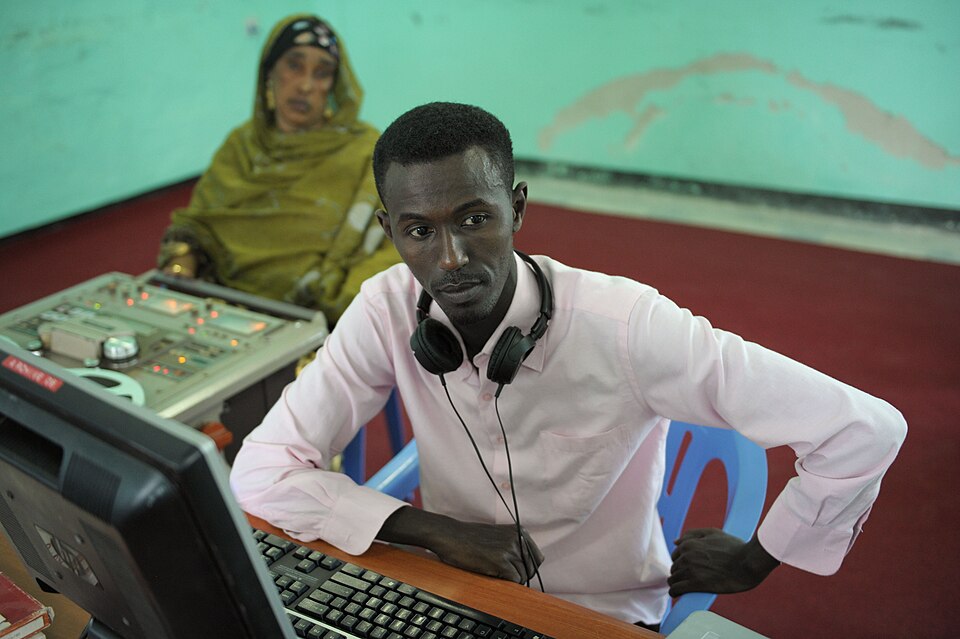
radio and public health in africaInformation is power—especially when it comes to health. The problem is that reliable information is not always easy to come by. For example, as of 2024, internet penetration in Uganda is 27%. The main source of information for Ugandans is radio at 38%, including word of mouth at 21%, phone calls at 15% and television at 14%. When health concerns arise, the internet connects experts with new findings and patients with treatment paths—but it is not the only technology leading to healthy outcomes. As pandemics, stigma and misinformation continue to affect the global population, communities are shaping public health in Africa with the proven power of radio.

Engagement between Health Care Workers and the Public

Research in the medical field is always evolving, bringing new information to light surrounding important issues. Malawi Liverpool Wellcome Trust designed a participatory radio program Umoyo Nkukambirana or “Let’s Talk About Health,” which hosted medical researchers, presenting health topics and current research in Chichewa—the local language.

The radio would advertise the program in advance, encouraging listeners to raise questions via SMS text and local radio listening clubs with the researchers responding. Indeed, topics ranged from diabetes to vaccines, with roughly 500 citizens sending in questions, primarily from rural areas.

By creating a conversation and opening the floor to citizens without alternative access to information, engagement increased, and education followed.

Radio and Public Health in Africa during COVID-19

Throughout the pandemic, community radios played a pivotal role in the spread of life-saving information. Koch FM from Kenya broadcasted public health advice along with songs advising people on preventative measures; Radio Dondo in Mozambique hosted debates, interviews, and reports on the ongoing crisis; and Argoba Community Radio in Ethiopia contributed to the fight against misinformation as it spread from social media channels.

Various global organizations noticed these actions, with UNESCO, the EU and the African Center for Disease Control partnering in 2022 to offer a program to four African regions and their community radio journalists. The program focused on research and presentation processes in journalism, with UNESCO stressing “the unique power of the radio in reaching the grassroot communities with the right information.”

Fighting Ebola Misinformation

Even as technologies improve across developing countries, radio can be seen as a well of historic information. In Uganda, AI is using this information to gain insight into public opinion and misinformation. In 2022, when the country declared an Ebola outbreak, polarizing discourse and misinformation followed. To learn about how public sentiment was being shaped, Jonathan Mukiibi at Makerere University developed a program that transcribed recordings from community radio shows, then analyzed them for data points. He sought to add the voices of those who did not have access to the internet. In a country where political parties are often viewed with distrust, many of the country’s inhabitants believed that the declared Ebola outbreak was just a political move to undermine the recently elected party. With the help of Mukiibi’s new program, policymakers could make better decisions in current and future outbreaks.

In an age increasingly defined by smartphones and the internet, the threads weaved between radio and public health in Africa continue to connect people effectively. This decades-old technology serves as a sturdy platform and a wellspring of data. When it comes to the health of the people, it does not matter how the information is getting out; it just matters that people receive it.

– Levi Ravnsborg

Levi is based in Summerland, BC, Canada and focuses on Technology and Solutions for The Borgen Project.

Photo: Wikimedia Commons

July 15, 2025
https://borgenproject.org/wp-content/uploads/borgen-project-logo.svg 0 0 Naida Jahic https://borgenproject.org/wp-content/uploads/borgen-project-logo.svg Naida Jahic2025-07-15 01:30:012025-07-15 02:03:20Radio and Public Health in Africa: Still a Critical Voice
Developing Countries, Global Poverty, Health

5 Ways M-TIBA Kenya Transforms Health Care

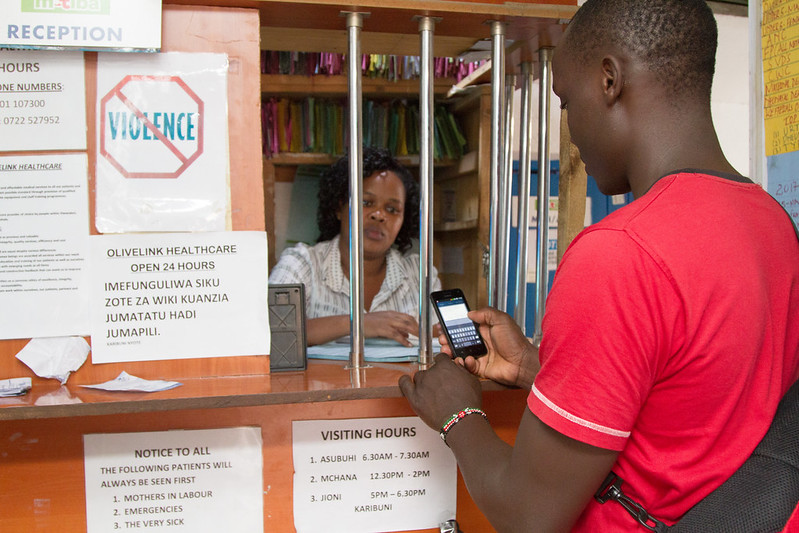
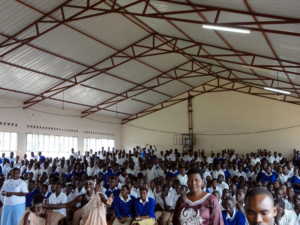
5 Ways M-TIBA Kenya Transforms Health Care for Low-Income Communities In Kenya, high out-of-pocket costs and limited insurance coverage continue to make health care unaffordable for millions. But a mobile platform called M-TIBA is changing that by helping users save, manage and spend health funds directly from their phones. Through partnerships with government programs, nongovernmental organizations (NGOs) and local providers, M-TIBA Kenya has become a model for digital health financing in lower-income settings. 

5 Ways M-TIBA Kenya Transforms Health Care

  1. Mobile Health Wallet for Everyday Use. The development of M-TIBA happened through a partnership between Safaricom, CarePay and the PharmAccess Foundation. It functions as a mobile health wallet, allowing users to save funds specifically for medical expenses. Accessible through even basic mobile phones, the platform helps individuals make payments at nearly 5,000 health care providers, hospitals and pharmacies across Kenya. Users can receive funds from relatives, employers or NGOs and use them to pay for consultations, tests, prescriptions or treatment. The wallet ensures transparency and prevents misuse by restricting the funds for health care only.
  2. Widening Reach Through Public Programs. The Kenyan government and the National Health Insurance Fund have integrated M-TIBA into local health initiatives. In Kisumu County, a pilot program helped more than 270,000 households enroll in community-based health coverage, providing access to maternal care, immunizations and chronic disease management. By digitizing enrollment and payment systems, the platform improves efficiency and reduces paperwork for both patients and clinics. These programs often include subsidies deposited directly into M-TIBA wallets, removing financial barriers to care.
  3. Community Support from NGOs. Organizations like Amref Health Africa have played a critical role in making M-TIBA accessible to underserved populations. Amref supports the initiative by training community health workers to teach families how to use the platform. They also run awareness campaigns to promote health savings and encourage regular medical visits. In areas where digital literacy is low, NGOs have helped distribute phones to trained volunteers, who assist residents with registration, deposits and navigation of health services.
  4. Faster Claims and Transparent Spending. In 2024 and early 2025, M‑TIBA introduced AI-driven processes for claims review and approvals. As of April 2024, the system began auto-processing 40% of claims, cutting approval times to less than 12 hours. By September 2024, approval times dropped by 95% due to automation and real-time analytics. As of February 2025, industry leaders gathered at the Digital Pulse CEO Roundtable in Nairobi acknowledged that AI integration shortened payment cycles by up to 95% and reduced health care costs by as much as 15%.
  5. Building Toward Universal Health Coverage. With more than 4.8 million users, M-TIBA has become a key part of Kenya’s progress toward universal health care. While challenges remain—especially in remote areas lacking mobile coverage or financial access—the platform continues to expand. 

Looking Ahead

M-TIBA Kenya demonstrates how mobile technology, when supported by government and nonprofit partners, can bridge gaps in health access. Furthermore, it can empower individuals to manage their own care. The continued rollout of AI, combined with strong public‑private‑community partnerships, positions M‑TIBA as a key player in Kenya’s push for universal health coverage. The scaling of digital health wallets offers a replicable model for other lower‑income countries seeking to close care gaps and empower individuals to manage their health funds effectively.

– Hayden Chedid

Hayden is based in Parker, CO, USA and focuses on Technology and Global Health for The Borgen Project.

Photo: Flickr
July 12, 2025
https://borgenproject.org/wp-content/uploads/borgen-project-logo.svg 0 0 Precious Sheidu https://borgenproject.org/wp-content/uploads/borgen-project-logo.svg Precious Sheidu2025-07-12 01:30:502025-07-11 11:32:035 Ways M-TIBA Kenya Transforms Health Care
Disease, Global Poverty, Technology

Fighting Diseases in Mozambique With an App

Diseases in MozambiqueMozambique, a country in southeastern Africa, has implemented a new digital system and app that helps community health workers in poor and rural areas fight diseases.

Community Health Workers in Mozambique

To ensure access to health care for everyone in the country, community health workers serve Mozambique’s more rural and impoverished areas. Community health workers diagnose and treat many diseases in Mozambique, including malaria, pneumonia, malnutrition and diarrhea.

They also provide family planning services, antenatal care, postpartum care and pregnancy tracking. Further, they give healthy children check-ups and follow-up care for patients with tuberculosis and HIV.

What is upSCALE?

upSCALE consists of two different applications. One is an app for supervisors of community health workers. The app allows them to monitor health care workers’ performance and monitor the stock levels of medical and health care supplies. It also allows them to schedule and follow up on supervisory visits.

The second application is designed for community health workers themselves. It features the Mozambique Ministry of Health’s official curriculum. It guides users through treatment, diagnosis, patient referrals, follow-ups, registration and routine health checks.

The program provides community health workers with mobile phones and supervisors with tablets to access the apps. Community health workers receive an initial five-day training on using the app, followed by a two-day refresher each year. Supervisors receive additional training tailored to their role. Between 2017 and 2022, the upSCALE app registered approximately 650,000 patients and supported health care services for more than 200,000.

How upSCALE Helps Fight Diseases in Mozambique

The app was originally developed to improve the quality and coverage of local health care. It aims to address community health workers’ inconsistent adherence to clinical guidelines and the inadequate supply of medications and health supplies. The app has largely been successful in both of these goals. By allowing supervisors to monitor the real-time stock of medication and health supplies, they can ensure that the stock never runs out.

Both apps have also helped the Ministry of Health fight diseases in Mozambique by giving the sector accurate and up-to-date information about the spread of diseases in the country. The information is also disease-specific, allowing the government to make informed decisions about community health interventions.

On a local level, the information enables supervisors to target their interventions and allocate resources more effectively. It has also been valuable for malaria treatment, helping to fill key knowledge gaps in malaria research.

Conclusion

The upSCALE app has proven to be a game-changer in Mozambique’s fight against disease. The country has strengthened health care delivery in underserved areas by equipping community health workers and their supervisors with essential digital tools. With improved adherence to clinical guidelines, real-time data sharing and better resource allocation, upSCALE saves lives and shapes the future of public health in Mozambique.

– Axtin Bullock

Axtin is based in Georgetown, MA, USA and focuses on Technology and Global Health for The Borgen Project.

Photo: Unsplash

July 8, 2025
https://borgenproject.org/wp-content/uploads/borgen-project-logo.svg 0 0 Hemant Gupta https://borgenproject.org/wp-content/uploads/borgen-project-logo.svg Hemant Gupta2025-07-08 07:30:412025-07-08 02:14:06Fighting Diseases in Mozambique With an App
Development, Global Poverty, Technology

Hakainde Hichilema’s Push for Digital Inclusion in Zambia

Hakainde Hichilema’s Push for Digital Inclusion in Zambia At the start of 2024, roughly two-thirds of Zambia’s population lacked reliable access to the internet, highlighting a critical barrier to national development. In light of this issue, Hakainde Hichilema, the president of Zambia, has established ambitious goals to connect his nation to the internet and bring Zambia into the digital age. President Hichilema and his government aim for 80% digital inclusion in Zambia by 2026.

What is Digital Inclusion?

Digital inclusion encompasses more than just internet access. It integrates digital literacy training to navigate the internet, high-quality tech support and access to applications that maximize the utility of internet access. Digital inclusion also incorporates measures that combat poverty. For example, easier access to job opportunities that someone without internet access might not discover. President Hichilema has diligently worked to tackle poverty in Zambia by enhancing digital connectivity through a variety of measures.

Hakainde Hichilema and Key Government Initiatives

Hakainde Hichilema has been the leader of Zambia’s United Party for National Development since 2006. He grew up in a rural community in the Monze District of Zambia, a region that he is now helping gain widespread access to reliable internet. His presidency is committed to pioneering how Zambia’s government can fight poverty by improving digital connectivity.

While running for president, he focused on education, jobs and digital inclusion in Zambia. His plan to improve digital inclusion in Zambia includes tax incentives, improvements to digital infrastructure, partnerships with companies for access to satellites, foreign partnerships with wealthier nations and building a free wi-fi network that all Zambians, including the poor, can take advantage of.

The details of these initiatives are as follows:

  • Taxes. President Hichilema has instituted tax waivers on ICT equipment to spur private sector investment. This has yielded $54 million in investment. As companies invest capital in the country, it stimulates the economy. In the long term, it fosters a tax base that can subsequently fund various social programs that address poverty and assist those most in need.
  • Infrastructure. Zambia’s government plans to link itself to all eight of its neighboring countries via high-capacity optic fiber cables. This is in addition to the 379 communication towers Zambia plans to erect, primarily in rural areas. Zambia has also launched a 5G network through collaboration with MTN and Huawei. These measures will greatly improve Zambia’s Wi-Fi network infrastructure, linking every citizen nationwide to the internet and enabling them to obtain information that was once inaccessible.
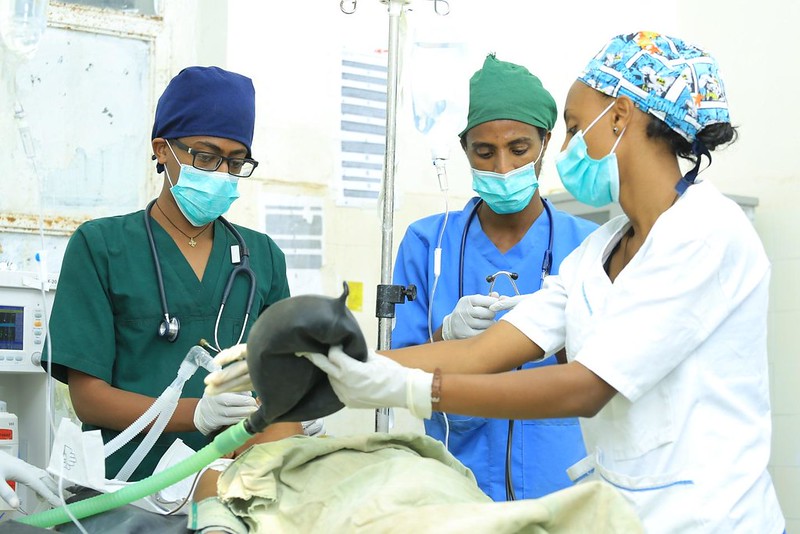
  • Satellites. Zambia has collaborated with Starlink to deliver affordable internet services to underserved communities. Through this collaboration, many rural communities now access the internet at public libraries, schools and hospitals. Starlink’s satellites provide internet access to hospitals, empowering them to acquire up-to-date information regarding medications or new health guidelines. Doctors can communicate with patients via online communication platforms. This allows them to support their patients should any issues arise after visits. This system closely mirrors practices in the United States (U.S.), where a doctor remains accessible weeks after a visit if issues emerge.
  • National Free Wi-Fi. ZamFree is an initiative to extend free Wi-Fi to Zambians in key public spaces, including markets, schools, airports and hospitals. Liquid Telecom, another organization working to broaden Wi-Fi access in Zambia, champions Hichilema’s plan to link 1,291 secondary schools to the internet. Free Wi-Fi narrows the divide between the rich and the poor. Individuals experiencing poverty can leverage the internet to participate in job training programs or enroll in school. As their skillset grows, they can secure employment and address workforce gaps more easily.
  • International Partnerships. The African Development Bank has considered establishing its headquarters in Zambia. This would not only generate jobs but also transform Zambia into a major hub for expanding internet access across much of Africa. President Hichilema has also initiated collaboration with the Czech Republic. The aim is to establish scholarships for professionals specializing in IT, AI and cybersecurity. These partnerships strengthen Zambia’s relationship with countries worldwide, enhancing diplomacy.

Ending Poverty with the Use of Digital Tools

Improvements to internet infrastructure in Zambia carry the potential to fight poverty by improving digital connectivity and empowering more people to utilize the internet. Indeed, doctors in hospitals can leverage the internet to reach patients, extending health care access to those facing unreliable transportation or mobility issues. Teachers can engage students across all levels of education, from pre-K through college. Overall, these examples, among many others, highlight the potential to fight poverty through improved digital inclusion in Zambia.

– Jeff Mathwig

Jeff is based in Philadelphia, PA, USA and focuses on Global Health and Politics for The Borgen Project.

Photo: Flickr
June 30, 2025
https://borgenproject.org/wp-content/uploads/borgen-project-logo.svg 0 0 Precious Sheidu https://borgenproject.org/wp-content/uploads/borgen-project-logo.svg Precious Sheidu2025-06-30 01:30:532025-06-30 01:08:19Hakainde Hichilema’s Push for Digital Inclusion in Zambia
Agriculture, Development, Global Poverty

Ambitious Goals and Quick Results: Mongolia’s Vision 2050

Mongolia’s Vision 2050 Vision 2050 is a long-term policy plan that focuses on a country’s growth by setting up milestones and windows of time to devote resources for specific projects. Multiple countries have a Vision 2050 policy, including Papua New Guinea, Lithuania, and India. Specifically, the policy generally involves making more eco-friendly use of resources, creating more ideal uses of social services, and reducing poverty significantly.

Mongolia’s Vision 2050 was first introduced as a response to the COVID-19 pandemic in May 2020. During 2020, Mongolia experienced an economic reduction of 10%, strikingly fast, unlike previous years. The lockdown on homes also revealed the vulnerability of citizens to poverty, with food insecurity, easy job loss, and a decrease in agricultural products. The policy has three phases: phase one from 2021 to 2030, phase two from 2031 to 2040, and finally from 2041 to 2050.

Mongolia’s Poverty Goals for 2050

Mongolia’s Vision 2050 has many objectives for different parts of the culture and government. For poverty specifically, Mongolia plans to reduce national poverty to 15% by 2030 and 5% by 2050. The first phase, 2021-2030, involves bolstering an economic environment that supports entrepreneurship, expanding the job market by moving many financially unstable citizens to the middle class, and providing at least 75% of herders and farmers with decent equipment and technology to support a stable business flow. On top of this, Mongolia plans to resolve any overdue external debt the government owes while maintaining a stable economy.

By resolving external debt, foreign trade and investment are stronger and less risky, which in turn helps create a steady stream of employment for citizens. If the country improves job opportunities, many Mongolian citizens could transition from poverty into the middle class. One of Mongolia’s Vision 2050 goals is to make the middle class a predominant economic group to encourage job creation and innovation.

The second and third phases, 2031-2050, will foster a competitive nature in business to keep cash flows going smoothly and to prompt innovation among citizens to improve the culture and economy. Alongside these goals is to improve credit ratings and increase national savings. In the last phase, 2041-2050, Mongolia hopes to make the middle class a predominant economic group. With many citizens transitioning to the middle class with a lucrative job environment and encouraging entrepreneurship, inflation should drastically decrease, while employment skyrockets. One of the most ambitious goals in this final stage of Mongolia’s Vision 2050 is to create at least one city completely free of poverty.

Strides in Progress

One of the fastest results that Mongolia’s Vision 2050 accomplished was improved air quality in 2020. This problem partly predated the implementation of Vision 2050, where in 2019, Mongolia’s Voluntary National Review raised the question of growing air pollution, and started taking steps to reduce it. However, thanks to the urgency and efforts of Mongolia’s Vision 2050, in 2020, Mongolia cut air pollution down by 40%.

Halfway through phase one, Mongolia’s Vision 2050 has already yielded some promising results for the rest of the policy plan. The creation of the E-Mongolia app is an e-government service that has been designed for public use. Essentially, the app allows citizens to look up vehicles and property for purchase in a given area. The app also allows citizens to look at personal medical records, prescriptions, and accurate data on floods. The app has made strides in making data, accessibility, and communication easier for citizens and political officials in Mongolia. In other words, the app has improved the quality of life through access and clarification while making political dealings faster and easier.

Value chains for livestock have also improved drastically from 2020 to 2025. Animal husbandry has experienced increases in quality, which has driven down price volatility in Mongolia, specifically for products like cashmere, meat and dairy. The economic potential for livestock bolstering is promising, with many more Mongolian politicians showing an interest in the sector in recent years, and continuing to pour resources and effort into the chain to create a stable pillar of economic income.

The Future

Mongolia’s Vision 2050 continues to work towards the ambitious goals of reducing national poverty to 5% and creating a poverty-free city by 2050. With the swift result of decreased air pollution, the growing focus on the farming economy, and the ease and quality of life improvement brought about by the E-Mongolia app, future success looks tangible and bright for Mongolia.

– Russell Bivins

Russell is based in Phoenix, AZ, USA and focuses on Good News for The Borgen Project.

Photo: Flickr

June 23, 2025
https://borgenproject.org/wp-content/uploads/borgen-project-logo.svg 0 0 Naida Jahic https://borgenproject.org/wp-content/uploads/borgen-project-logo.svg Naida Jahic2025-06-23 07:30:342025-06-23 01:02:26Ambitious Goals and Quick Results: Mongolia’s Vision 2050
Global Poverty, Technology

Reducing Poverty with Emerging Technologies in Sub-Saharan Africa

emerging technologies in sub-saharan africaSub-Saharan Africa is experiencing a discreet but profound digital revolution. The region has long been seen as being on the fringes of global innovation but is now experiencing rapid connectivity and technological development growth. Between 2005 and 2011, mobile phone subscriptions rose by 400% and internet access increased from 2.1% to 24.4% of the population between 2005 and 2018. Additionally, the 2022 Global Innovation Index ranks five countries in sub-Saharan Africa, including Kenya, Ghana and Senegal, among the world’s 100 most innovative countries. This dynamic is not just a question of infrastructure; it also reflects the rise in power of a local ecosystem of innovators, entrepreneurs and social startups that design solutions adapted to the realities on the ground. In this context, emerging technologies in sub-Saharan Africa, such as blockchain, artificial intelligence (AI) and the Internet of Things (IoT) are becoming concrete levers for poverty reduction.

Blockchain: A Tool for Financial Inclusion

In a region where a large part of the population remains excluded from traditional banking systems, blockchain offers a secure, transparent and decentralized alternative. In East Africa, the startup AZA Finance (formerly BitPesa) enables companies and individuals to make cross-border transactions faster and cheaper than traditional banking services.

Blockchain technology is also used to track the distribution of humanitarian aid, reduce the diversion risk and digital identities to populations lacking official documents and denied access to basic services. Thanks to these identities, millions can now open a mobile account, access microcredit or sign up for a health program.

AI for Health, Agriculture and Education

AI offers new perspectives in key areas of poverty reduction. In health, AI-based programs analyze X-rays for diseases such as tuberculosis, filling the acute shortage of doctors in rural areas. In agriculture, tools like UjuziKilimo in Kenya use sensors and algorithms to recommend the most profitable crops for farmers based on soil composition and climate forecasts.

On the education side, the M-Shule platform combines artificial intelligence and SMS to offer personalized educational content to primary school students. Each lesson adapts to the pace and level of the student, which is particularly useful in educational systems where class overcrowding and teacher shortages hinder learning.

IoT: Connecting Isolated Areas

The Internet of Things (IoT) is also transforming critical infrastructure. In areas not served by the national electricity grid, smart mini-solar grids managed remotely through connected sensors allow populations access to reliable electricity. IoT devices also monitor tank water levels or alert when a pump fails.

According to 360 Mozambique, these technologies are profoundly changing access to essential services and foreshadowing a new way of thinking about development centered on autonomy and local resilience.

M-Pesa: A Kenyan Success Story

Among the most emblematic examples of technological innovation against poverty, M-Pesa is central. Launched in 2007 by the operator Safaricom in Kenya, this mobile payment system allows its users to send, receive and save money via a basic mobile phone without a bank account.

According to a Massachusetts Institute of Technology study, M-Pesa helped lift some 194,000 Kenyan households out of extreme poverty between 2008 and 2014, including facilitating cash transfers, saving and access to microcredit. Many women, in particular, have used M-Pesa to create small businesses and gain economic autonomy.

The Case of Togo: When AI Helps to Target Emergency Aid

Beyond the private sector, African governments are also beginning to integrate emerging technologies into their social policies. The Novissi program, launched by the Togolese government in 2020, is a striking example. Using satellite data and artificial intelligence models, this program has automatically targeted the most vulnerable populations without requiring them to register manually.

Recipients received money transfers directly to their phones through the mobile money system. This device, deployed in a few weeks, helped more than 500,000 people affected by the COVID-19 crisis while limiting fraud and bureaucratic delays.

An Opportunity To Transform the Fight Against Poverty

The emergence of technology hubs, social incubators and public-private partnerships across Africa shows the potential. Organizations like the World Bank, the United Nations Development Programme (UNDP) and private foundations actively support this inclusive digital transition.

Emerging technologies alone cannot eradicate poverty in sub-Saharan Africa, but in a context where traditional solutions are reaching their limits, they represent a powerful lever to strengthen resilience, promote empowerment and improve access to basic services. In sub-Saharan Africa, they empower millions of marginalized people to build a more just, dignified and sustainable future.

– Eléonore Bonnaterre

Eléonore is based in London, UK and focuses on Technology and Solutions for The Borgen Project.

Photo: Flickr
June 8, 2025
https://borgenproject.org/wp-content/uploads/borgen-project-logo.svg 0 0 Hemant Gupta https://borgenproject.org/wp-content/uploads/borgen-project-logo.svg Hemant Gupta2025-06-08 03:00:042025-06-07 13:41:42Reducing Poverty with Emerging Technologies in Sub-Saharan Africa
Gender Equality, Global Poverty, Technology

Women Coders: Empowering Women in Ethiopia

SheCodes: Empowering Women in Ethiopia Through CodingIn 2025, women in Ethiopia continue to face steep barriers in escaping poverty. This reality spurred the Federal Democratic Republic of Ethiopia to adopt the National Policy on Women in 1993, aimed at addressing gender inequities in access to resources and social opportunities. Despite good intentions, this legislation fell short in eliminating the structural and cultural disadvantages that keep many women in poverty.

Fast forward to the global tech boom of the 2000s and Africa now represents the fastest-growing region for technology worldwide—an enormous opportunity for poverty alleviation through economic growth and increased market access. But as the tech sector grows, gender disparities also widen. In Ethiopia, the digital economy has magnified decades-old inequalities in income, leadership and opportunity.

The Feminization of Poverty

With a population nearing 127 million, Ethiopia ranks as Africa’s second most populous country and one of its fastest-growing economies. Yet, approximately 69% of the population—about 82 million people—live in multidimensional poverty. Additionally, 18.4% or more than 22 million Ethiopians remain vulnerable to poverty.  Women in Ethiopia are particularly affected, facing a unique phenomenon known as the feminization of poverty, a concept representing the disproportionate number of women facing debilitating barriers to personal development. The following statistics reflect systemic barriers:

  • Only 21.9% of girls complete lower secondary school.
  • Women face an 18.9-point adult literacy gap compared to men, higher than the Sub-Saharan Africa average of 12.4 points.
  • Vulnerable employment affects 87.4% of women.
  • The account ownership gap between men and women is 15.9 points.
  • Roughly 50% of women are not homeowners.
  • About 37% of women experience intimate partner violence, 10% above the global average.
  • Women trail 44% behind men in hourly wages.
  • Only 30% of women receive STEM training or work in tech.

These gaps cost the country an estimated $3.7 billion annually, underscoring the economic consequences of gender inequality.

Tech Training for a New Generation

In Ethiopia, where only half of all primary school girls reach fifth grade, forging a new path to sustainability and financial independence for future generations of women is critical. SheCodes, in partnership with the Delac Foundation, provides a tech-based solution to these ongoing challenges.

The initiative offers coding education to 5,000 Ethiopian women, delivering free online workshops in front-end development, product design and project management. Indeed, with every purchase at SheCodes, one Ethiopian woman receives free coding education through online workshops focusing on product development, design and management.

Founded in 2017 by Matt Delac, SheCodes initially started as an idea supporting only 10 female students. Almost a decade later, SheCodes has provided online training to more than 235,000 women, of whom 2,257 reside in Ethiopia and across 191 developing countries.

Closing the Gender Gap Through Technology

The program’s work includes growing the number of women coders seeking professional and career development by boosting female participation in technology. This increased involvement is pivotal in poverty reduction, driving economic growth and the continued ascent of women and their families.

Research from the World Bank demonstrated how helping women break into the male-dominated digital and tech sector improves income, raises employment and creates new opportunities for all. The Harvard University Center for  African Studies demonstrated how women-led tech firms experienced a 34% higher return on investment than those led solely by men. With one coding class at a time, SheCodes bridges the employment and wage gap, equipping aspiring women coders in Ethiopia with the skills to build a better future. 

Looking Ahead

Efforts to address gender-based poverty in Ethiopia increasingly intersect with opportunities in the digital economy. Initiatives empowering women coders like SheCodes demonstrate how targeted training and inclusive tech education can equip women with marketable skills and access to emerging job sectors. While challenges remain, expanding such programs may contribute to broader development goals. Additionally, this could lead to improved economic resilience and support more equitable growth in Ethiopia.

– Marcus Villagomez

Marcus is based in Galveston, TX, USA, and focuses on Technology and Solutions for The Borgen Project.

Photo: Flickr
May 24, 2025
https://borgenproject.org/wp-content/uploads/borgen-project-logo.svg 0 0 Precious Sheidu https://borgenproject.org/wp-content/uploads/borgen-project-logo.svg Precious Sheidu2025-05-24 07:30:292025-05-24 04:02:21Women Coders: Empowering Women in Ethiopia
Page 9 of 29«‹7891011›»

Get Smarter

  • Global Poverty 101
  • Global Poverty… The Good News
  • Global Poverty & U.S. Jobs
  • Global Poverty and National Security
  • Innovative Solutions to Poverty
  • Global Poverty & Aid FAQ’s
Search Search

Take Action

  • Call Congress
  • Email Congress
  • Donate
  • 30 Ways to Help
  • Volunteer Ops
  • Internships
  • Courses & Certificates
  • The Podcast
Borgen Project

“The Borgen Project is an incredible nonprofit organization that is addressing poverty and hunger and working towards ending them.”

-The Huffington Post

Inside The Borgen Project

  • Contact
  • About
  • Financials
  • President
  • Board of Directors
  • Board of Advisors

International Links

  • UK Email Parliament
  • UK Donate
  • Canada Email Parliament

Get Smarter

  • Global Poverty 101
  • Global Poverty… The Good News
  • Global Poverty & U.S. Jobs
  • Global Poverty and National Security
  • Innovative Solutions to Poverty
  • Global Poverty & Aid FAQ’s

Ways to Help

  • Call Congress
  • Email Congress
  • Donate
  • 30 Ways to Help
  • Volunteer Ops
  • Internships
  • Courses & Certificates
  • The Podcast
Scroll to top Scroll to top Scroll to top