• Link to X
  • Link to Facebook
  • Link to Instagram
  • Link to TikTok
  • Link to Youtube
  • About
    • About Us
      • President
      • Board of Directors
      • Board of Advisors
      • Financials
      • Our Methodology
      • Success Tracker
      • Contact
  • Act Now
    • 30 Ways to Help
      • Email Congress
      • Call Congress
      • Volunteer
      • Courses & Certificates
      • Be a Donor
    • Internships
      • In-Office Internships
      • Remote Internships
    • Legislation
      • Politics 101
  • The Blog
  • The Podcast
  • Magazine
  • Donate
  • Click to open the search input field Click to open the search input field Search
  • Menu Menu

Tag Archive for: Technology

Posts

Education, Global Poverty, Technology

How Mobile Libraries Fight Poverty Through Global Literacy Access

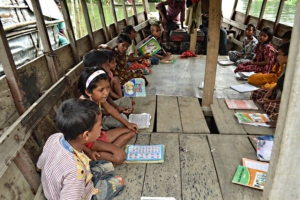
Mobile LibrariesMobile libraries are breaking barriers to education and aiding in the fight against poverty in underserved regions. From floating schools in Bangladesh to digital hubs in Ukraine, these initiatives prove that literacy is a powerful tool to fight poverty and build resilience.

Floating School Boats and Libraries in Bangladesh

Operating 111 floating school boats and libraries, Shidhulai Swanirvar Sangstha in Bangladesh serves more than 100,000 people in flood-prone areas. These boats do more than carry books; they are also equipped with solar-powered technology and classrooms, allowing for the assurance of the continuation of education during floods.

Each vessel teaches lessons in literacy, mathematics and other more specific topics like environmental awareness. In countries where flooding can disrupt thousands, innovations like these allow for education not to come to a standstill.

UNDP-Supported Digital Literacy Hubs in Ukraine

Repurposed libraries supported by the United Nations Development Program (UNDP) have become digital literacy hubs benefiting several Ukrainians. The program swiftly grew, beginning with 52 trainers who trained 235 administrators to host 135 events for 2,109 participants. It reached 25,391 people in 22 regions and Kyiv by the end of 2024 and 82% of them reported having strong digital skills following training, compared to just 17% previously.

Today, more than 3,000 libraries offer courses designed for senior citizens that cover everything from using e-services to cyber hygiene, AI tools and smartphone fundamentals. In 2025, new coordinators will receive Diia, AI and event planning training. By ensuring these abilities continue proliferating, educational tools turn libraries into centers of social resilience and economic opportunity. Besides mobile initiatives, UNDP’s impact is transforming library access into bridges for economic development.

Why Mobile Libraries Matter for Poverty Reduction

Mobile libraries are effective instruments for ending the cycle of poverty and offer more than just book delivery services. Research shows that access to mobile libraries significantly boosts reading comprehension, raising literacy scores by 3.3 points on standard scales and explaining 46% of literacy and reading ability variation.

This improvement goes beyond academics; literacy is a key tool in reducing poverty because it is directly associated with increased earning potential, better health outcomes and better employment opportunities. Mobile libraries remove barriers such as distance, cost and poor infrastructure, often preventing people in rural or disaster-affected areas from accessing education. They deliver books, learning materials and internet access directly to underserved communities.

Mobile classrooms and floating libraries guarantee that education continues even in the face of floods or other disruptions in vulnerable climate areas and they offer secure spaces for learning and socializing in regions affected by conflict. By making literacy attainable for all, mobile libraries promote long-term community development globally and empower individuals.

Moving Forward

These programs have repeatedly shown that people can change their lives when they have direct access to books, technology and learning spaces. This is especially true for those who live in remote, underserved or crisis-affected areas. The current challenge is to increase this reach. In addition to scaling up current programs, further funding would support innovative delivery strategies, the creation of locally relevant content and the incorporation of digital tools that equip communities to meet the demands of the contemporary economy.

Through universal literacy access, mobile libraries fight poverty by transforming reading into a domino effect of social resilience, economic opportunity and educational advancement. 

– Kyra Cribbs

Kyra is based in Charleston, SC, USA and focuses on Good News for The Borgen Project.

Photo: Flickr

September 11, 2025
https://borgenproject.org/wp-content/uploads/borgen-project-logo.svg 0 0 Hemant Gupta https://borgenproject.org/wp-content/uploads/borgen-project-logo.svg Hemant Gupta2025-09-11 01:30:392025-09-11 00:12:36How Mobile Libraries Fight Poverty Through Global Literacy Access
Development, Global Poverty, Technology

A New Era Begins: Google’s $37 Million AI Fund to Africa

 A New Era Begins: Google’s $37 Million AI Fund to AfricaArtificial Intelligence (AI) has skyrocketed throughout the world in recent years. AI focuses on completing tasks with human-like intelligence, such as reasoning, problem-solving, and language understanding. AI can also use its problem-solving skills to help communities around the world tackle their biggest challenges. Google has recently approved a $37 million AI fund for Africa to aid the fight against poverty. 

Food Security Initiative

Out of the $37 million, Google committed $25 million to the AI Collaborative: Food Security Initiative. The AI collaborative funds will support AI tools designed to improve hunger forecasting, support smallholder farmers and strengthen crop resilience. In many countries, the population depends on farming to survive. This initiative will develop tools that will predict hunger, enhance cropping systems, climate-related crop threats and help address farming inefficiencies. This AI fund for Africa aims to strengthen food systems and improve the livelihood of farmers in the face of worsening economic and environmental shocks. With the AI Collaborative initiative, communities and farmers can have an increased income and malnutrition reduction.

AI Education and Safety Programs

Google is also committing $7 million toward AI education and safety programs across Ghana, Kenya, Nigeria and South Africa. AI education for young people could prepare them for higher-paying jobs. Not only is Google donating to AI education, but it is also offering 100,000 Google Career Certificate scholarships for students. The program expands access for Africans to participate in the digital economy. 

Masakhane African Languages AI Hub

The Masakhane African Languages AI Hub is receiving $3 million for enhancement. The AI Hub will use the funding to create databases, translation models and voice technologies to ensure that AI systems represent African languages in the digital world. This new processing tool will support more than 40 African languages. Language barriers are a challenge for some African communities and often exclude them from opportunities. This translation method will allow for better communication for Africans looking into education, health care and finance. 

AI Research

Google is also giving $1 million each to two institutions for AI research. The University of Pretoria’s AfriDSAI and Wits MIND Institute in South Africa will receive funding for advanced AI studies. The grants to the institutes will support graduate students and researchers in contributing to shaping global AI development. The initiative positions Africa to play a greater role in the global AI conversation.

Road Ahead

Google’s recent donation expands the tools available to address poverty in Africa. This technological advancement provides a road to systematic change. The use of AI could help address some of Africa’s biggest issues, like food insecurity, unemployment and underrepresentation. While poverty remains a significant challenge, AI initiatives supported by Google represent a step toward long-term solutions.

– Emily Herlehy

Emily is based in Denton, TX, USA and focuses on Technology and Solutions for The Borgen Project.

Photo: Pixabay

September 8, 2025
https://borgenproject.org/wp-content/uploads/borgen-project-logo.svg 0 0 Precious Sheidu https://borgenproject.org/wp-content/uploads/borgen-project-logo.svg Precious Sheidu2025-09-08 14:00:052025-09-08 10:43:50A New Era Begins: Google’s $37 Million AI Fund to Africa
Development, Global Poverty, Technology

Seed Ball Technology Reforestation in the Sahel is Restoring Land

Seed Ball TechnologyCommunities across the Sahel face desertification, declining soil fertility and disappearing livelihoods. Seed ball technology in the Sahel offers a low-cost, scalable solution that combines local knowledge with nature-based restoration. This method delivers native seeds embedded in clay and compost directly to degraded terrain, encouraging plant growth and supporting communities in rebuilding land and livelihoods.

How Seed Ball Technology in the Sahel Works

Seed ball technology involves encasing seeds in clay, compost and sometimes natural fertilizers. These balls protect seeds from pests, birds and harsh environmental conditions until they germinate. When scattered on land, seed balls absorb rainwater, enabling seeds to sprout without intensive farming or irrigation.

Locals mix native seeds, such as pearl millet or sorghum, with clay and compost to form seed balls. They scatter these balls across barren land during the rainy season. The seed ball protects seeds and retains moisture long enough for germination. Researchers in Senegal reported more than 95% emergence rates in on-station trials for pearl millet seed balls.

Supporting Smallholder Farmers and Boosting Yields

Development projects in the Niger Republic use seed ball technology to help subsistence farmers. Programs reduce crop failure risk by improving seedling survival with minimal seed use. Trials revealed that mineral-enhanced seed balls boosted root growth by 227%. It also increased shoot biomass, laying the foundation for improved panicle yield in staple crops.

Partnerships Driving Adoption and Scaling

Organizations such as farmer federations, like the Gaskiya Federation of Maradi Farmers Unions in the Niger Republic, help disseminate seed ball technology, supported by research teams funded by groups like the McKnight Foundation. The approach relies on simple local inputs, making it affordable and appropriate for remote areas.

The Great Green Wall initiative aims to restore millions of hectares across the Sahara-Sahel. While large-scale tree planting faces logistical hurdles, seed ball methods offer a complementary and rapid restoration option. The technology helps deliver vegetation in tough terrain and reinforce ecosystem resilience.

Empowering Youth and Community Engagement

In Ethiopia, social enterprises led by young innovators apply seed ball dispersal methods to restore degraded lands and promote sustainable agriculture. These efforts engage local communities, boost vegetation cover and create green livelihoods in arid zones.

Seeding Hope Across the Sahel

The success of seed ball technology in the Sahel is not only about germinating plants but about shifting what’s possible for communities living on the edge of the desert. Turning degraded land into productive fields helps farmers secure food, preserve biodiversity and reduce migration pressures.

Its simplicity allows it to spread quickly without heavy machinery or expensive inputs, making it a practical tool in the fight against desertification. Governments, NGOs and research teams are investing in scaling this approach. Seed balls could become a cornerstone for ecological resilience and economic stability across the Sahel’s most vulnerable regions.

– Hayden Chedid

Hayden is based in Parker, CO, USA and focuses on Technology and Global Health for The Borgen Project.

Photo: Flickr

September 8, 2025
https://borgenproject.org/wp-content/uploads/borgen-project-logo.svg 0 0 Hemant Gupta https://borgenproject.org/wp-content/uploads/borgen-project-logo.svg Hemant Gupta2025-09-08 01:30:242025-09-08 01:28:41Seed Ball Technology Reforestation in the Sahel is Restoring Land
Entrepreneurship and Business, Global Poverty, NGOs, Nonprofit Organizations and NGOs

Maya Pedal: Bikes Transforming Lives in Guatemala

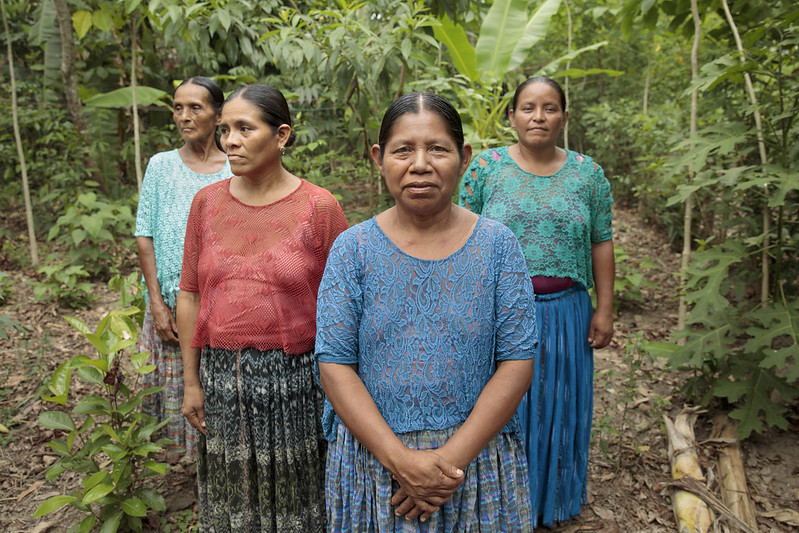
maya pedalIn a small, rural and predominantly Indigenous town in Guatemala, one NGO has found a new way to generate electricity whilst keeping costs low and fitness levels high. Maya Pedal began in 1997 in San Andrés Itzapa, 50 kilometres from Guatemala City, and takes old bikes which have been donated from the US and Canada and either sells them or repurposes them into bicimaquinas (bike machines). Local people and businesses then use these machines as makeshift water pumps, corn degrainers and blenders, among other things.
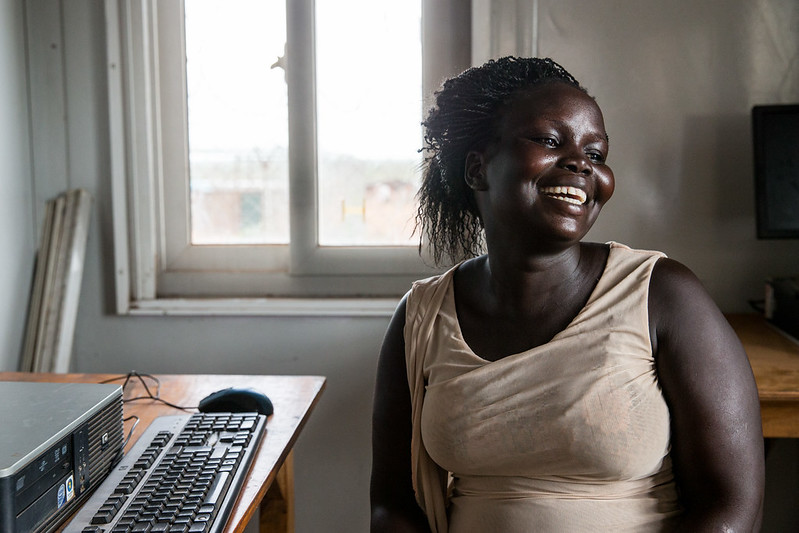
The name refers to the significant Indigenous population in Guatemala, who are primarily of Mayan descent, whilst ‘pedal’ has the same meaning in English. Mayans made up just under half of the national population, but studies suggest they remain one of the poorest and most oppressed groups in the country.

Local Projects

Not only do the bicimaquinas save local people money, time and effort, they also help some of the poorest and most vulnerable people in the area by providing work and a sense of purpose.

Women for Development in Action is a local organization that enables women to grow their own aloe plants before using the bicimaquina as a blender and producing shampoo. As Ana María Guch explains, “First, we cut the aloe, then we take off the skin, cut it into little pieces and put it in the blender. Next, we pedal!” The profits they make from selling their shampoo go towards supporting their families and funding their reforestation project.

Another organisation, Women’s Group for AZUCENA, supports women as they produce their own animal feed by using the bicimaquina as a corn degrainer. Aside from their agricultural projects, the organisation also runs Spanish literacy classes for Indigenous women, giving them a better chance of integrating into society and improving their social mobility, Maya Pedal reports on its website.

Mario Juarez, Director of Maya Pedal, also explains the environmental benefits of creating the bicimaquinas: “I believe with what we do we contribute a little to reduce the damage that as human beings we do to the planet.”

International Impact

Maya Pedal has received international acclaim for its innovative bicimaquinas – as Carlos Enrique Marroquin, Head of Maya Pedal, outlines: “We do not have to do any advertising, because the machine speaks for itself – and as such, the NGO receives volunteer engineers, translators and bike mechanics from all over the world.”

It has also made its machine designs free and available to download anywhere in the world, so that anyone can access them and learn to build and use them themselves, creating a brighter, more environmentally friendly future for everyone, starting with the Maya community in San Andrés Itzapa.

– Elsa Tarring

Elsa is based in London, UK and focuses on Good News and Global Health for The Borgen Project.

Photo: Flickr

September 5, 2025
https://borgenproject.org/wp-content/uploads/borgen-project-logo.svg 0 0 Naida Jahic https://borgenproject.org/wp-content/uploads/borgen-project-logo.svg Naida Jahic2025-09-05 03:00:472025-09-05 03:10:04Maya Pedal: Bikes Transforming Lives in Guatemala
Global Poverty, Health, Innovations

How Telemedicine in Sudan is Supporting Health care Workers

Telemedicine in SudanThe people of Sudan are enduring one of the most severe humanitarian catastrophes of modern times. After two years of a brutal war, this article explores how telemedicine initiatives in Sudan support health care workers at a time of untold struggle.

The Forgotten War

Following a legacy of colonialism, deep fragmentation and internal conflict, numerous disasters and political insecurities have ravaged Sudan’s public health infrastructures.

Despite being the second-largest producer of gold in Africa, the systemic leveling of homes, schools and hospitals, alongside climate shocks and desertification, are creating a complex crisis where 30.4 million Sudanese civilians are now in dire need of aid.

Here, overseas arms flows perpetuate networks of geopolitical competition and the extraction of natural resources at the cost of innocent human lives, all while Sudan’s health care system is on the verge of collapse.

In the shadows of ethnic cleansing in Darfur and the fall of Al-Bashir’s 30-year dictatorship, the conflict between the Sudanese Armed Forces (SAF) and the Rapid Support Forces (RSF) emerged as a fatal and multi-dimensional struggle.

Reports estimate that up to 150,000 civilians may have died directly or indirectly due to the conflict. As famine spreads, 12 million people had to flee their homes resulting in the largest displacement emergency of the 21st century.

A Health care System in Disarray

At a time when RSF allegedly targets doctors and medical workers for providing care for opposition soldiers, around 80% of health care facilities are out of service in the areas most impacted by the war.

According to Doctors Without Borders (MSF), a child died of hunger or malnutrition every two hours in the Zamzam refugee camp in North Darfur last year. These immense challenges have left a struggling health care system overburdened by the conflict, with patients in need of assistance.

Further restrictions and bureaucratic impediments imposed on Sudanese hospitals also highlight the need for rapid interventions and more robust long-term solutions, particularly due to the dramatic increase in reports of sexual and gender-based violence since the conflict began.

In the face of these intersecting challenges, Telemedicine initiatives are helping to support Sudan’s health care systems at a time of growing struggle.

Educast and Telemedicine Initiatives in Sudan

Today, telemedicine offers a wide range of practices such as consultations, triaging, prescriptions, counselling and other referrals. Initiatives like Educast facilitate virtual consultations through hotlines that are accessible to people living across the country.

During the COVID-19 pandemic, a network of remote doctors provided consultations for displaced populations, as well as disease surveillance support for clinics in war-affected areas. They also use WhatsApp to help provide information on patient health and well-being through the exchange of medical reports and analysis.

According to the World Health Organization (WHO), the Sudanese government focuses on expanding its telemedicine capabilities, while recognizing its growing potential to revolutionise and sustain healthcare delivery, particularly during moments of crisis.

The Future of Telemedicine

While there is still an existential need for aid intervention from the international community, the Sudanese government has taken proactive measures to implement programmes like the Gezira Family Medicine Project (GFMP).

The GFMP project trained qualified family physicians to provide accessible health care services by utilising E-Learning platforms. A two-year curriculum aims to train students to provide service provision within their communities.

Despite the progress of Telemedicine programmes, the people of Sudan are still facing untold challenges. Greater attention now goes to address the inequalities that inhibit access to online services, narrowing the digital divide in a nation with one of the lowest rates of mobile access on the planet.

In spite of these obstacles, the early implementation of telemedicine in Sudan is laying foundations for future initiatives, showing promising signs that it can assist health care professionals, facilitate future training and digital campaigns that can support Sudan’s struggling health care system at a time of great need.

Conclusion

While the survival of a nation hangs in the balance, telemedicine initiatives in Sudan offer a small step towards the integration of new and innovative health developments that can improve its emergency response mechanisms, while fostering a more resilient public health system for a people ravaged by war, instability and corruption.

– Gabriel John Gunn

Gabriel is based in Paisley, Scotland and focuses on Technology and Global Health for The Borgen Project.

Photo: Flickr

September 4, 2025
https://borgenproject.org/wp-content/uploads/borgen-project-logo.svg 0 0 Naida Jahic https://borgenproject.org/wp-content/uploads/borgen-project-logo.svg Naida Jahic2025-09-04 03:00:492025-09-04 03:06:00How Telemedicine in Sudan is Supporting Health care Workers
Agriculture, Global Poverty, Water

Solar Water Pumps in Nepal: A Lifeline for Farmers

Solar-Powered Water Pumps in Nepal: A Lifeline for Farmers Solar-powered water pumps in Nepal are transforming rural farming communities by providing reliable irrigation and clean water access, boosting incomes and resilience against climate challenges. In a country where the population relies on agriculture, these innovative systems help smallholder farmers overcome water scarcity, increase crop yields and escape poverty traps.

Empowering Farmers with Sustainable Irrigation

Amongst remote Himalayan foothills and arid plains, solar-powered water pumps in Nepal are enabling farmers to irrigate fields efficiently without relying on costly diesel or unreliable electricity. For instance, in Shikharpur village, a solar pump installed by Renewable World delivers 40,000 liters of water daily to about 120 households and a school. This has allowed farmers like Daley Sarki to grow vegetables year-round, doubling her income through market sales and additional off-season crops like tomatoes and cauliflowers.

These pumps also promote efficient water use through training on techniques like growing produce under plastic sheets, fostering long-term sustainability. By reducing the time spent fetching water — previously up to three hours daily — women farmers can take on secondary jobs, enhancing household economic stability.

Boosting Incomes and Community Resilience

Solar-powered water pumps in Nepal are not only cutting costs but also creating new revenue streams for farmers. In Madhesh Province, Renu Devi Sah replaced her diesel pump with a 1.425-kilowatt solar system, slashing daily irrigation expenses from NPR 3,875 to just NPR 265. She now supplies water to eight neighboring farms at affordable rates, while expanding her own cultivation to include high-value vegetables like cauliflower and onions. Similarly, Jitendra Das in Janakpurdham uses his solar pump for a fish hatchery, saving 60% on water costs over five years and planning to supply fingerlings to local farmers.

These initiatives, supported by organizations like the Alternative Energy Promotion Centre (AEPC) and funded through the Sustainable Energy Challenge Fund (SECF), emphasize commercial viability and social impact. By integrating microfinance loans with technical assistance, they empower marginalized groups, particularly women, to achieve financial independence.

Addressing Climate Challenges with Eco-Friendly Solutions

Amid erratic rainfall and droughts exacerbated by climate change, solar-powered water pumps in Nepal are proving vital in regions like Bajhang and Bajura. Practical Action’s installations lift water from rivers to reservoirs, supplying multi-use systems for irrigation, drinking and livestock. Farmer Tek Bahadur Thapa reports sufficient water for year-round crops, enabling him to expand apple orchards and improve family nutrition.

These systems reduce drudgery, especially for women who once trekked hours for water and promote environmental sustainability by avoiding diesel emissions. Community-managed “Pay for Water” schemes ensure maintenance, while avoiding overextraction through efficient designs. The International Centre for Integrated Mountain Development (ICIMOD) highlights Nepal’s high solar potential — up to 2,100 MW for grid and off-grid use — making these pumps a scalable solution for poverty reduction.

Global Lessons and Expanding Impact

Drawing from successful models in countries like Yemen and Australia, solar-powered water pumps in Nepal demonstrate how renewable technology can replace burdensome diesel systems. In Yemen, farmers like Mufrih Saleh have adopted solar pumps to irrigate 405,000 acres, cutting fuel dependency amid shortages. Nepal’s efforts, backed by the World Bank, focus on groundwater governance to prevent overuse while promoting adoption in the Eastern Gangetic Plains.

The World Bank’s initiatives emphasize subsidies for small farmers and awareness of efficient water management, ensuring equitable access. With partnerships involving AEPC, Practical Action and international funders like the British government, these pumps are building drought resilience and fostering inclusive growth.

Looking Ahead

As solar-powered water pumps in Nepal continue to expand, they offer a beacon of hope for millions, turning climate vulnerabilities into opportunities for prosperity. By harnessing the sun’s energy, farmers are not only securing their livelihoods but also paving the way for a more resilient, poverty-free future.

– Robert Darke

Robert is based in London, UK and focuses on Technology and Solutions for The Borgen Project.

Photo: Pexels

September 1, 2025
https://borgenproject.org/wp-content/uploads/borgen-project-logo.svg 0 0 Precious Sheidu https://borgenproject.org/wp-content/uploads/borgen-project-logo.svg Precious Sheidu2025-09-01 07:30:052025-08-31 14:32:18Solar Water Pumps in Nepal: A Lifeline for Farmers
Agriculture, Global Poverty, Technology

Cocoa Blockchain in Ghana: Technology Tracks Supply Chains

Cocoa Blockchain in GhanaEvery cocoa bean leaving a farm in Ghana can now be tracked through a digital ledger that all authorized supply chain participants can view. This cocoa blockchain in Ghana allows farmers, cooperatives, exporters and retailers to verify cocoa products’ origin, ethical sourcing and fair compensation. This creates a level of transparency and trust that has never existed before.

Cocoa Blockchain in Ghana

The United Nations Industrial Development Organization (UNIDO), through the Global Quality and Standards Project (GQSP), is leading a project for cocoa blockchain in Ghana. They aim to explore how blockchain technology can improve transparency, traceability and sustainability in the cocoa supply chain.

Through funding from the Swiss State Secretariat for Economic Affairs (SECO) and implementation with Supply Chain Information Management B.V. (SIM), the project assesses the readiness of Ghana’s cocoa value chain to adopt blockchain. It maps key transactions and identifies potential challenges and benefits.

By securely recording and sharing data across the network, blockchain enables real-time monitoring of provenance, quality, environmental compliance and social standards from Ghanaian farmers to European chocolate producers.

In the long run, this digital infrastructure has the potential to attract investment, expand access to global markets and equip Ghana’s cocoa sector to compete more effectively in an increasingly sustainability-driven economy.

Ghana Coca Sector

Ghana’s cocoa and agriculture sectors are a big deal, employing some 800,000 farm families in Ghana and generating some $2 billion in foreign exchange annually. The sector makes up much of Ghana’s gross domestic product (GDP). Issues like fraud, unethical sourcing and a lack of supply chain transparency still plague this thriving industry, jeopardizing fair farmer compensation and hurting Ghana’s reputation abroad.

By establishing an unchangeable, transparent ledger that records every step of production, guarantees that farmers receive payments, confirms moral labor practices and lowers fraud through real-time traceability, blockchain technology solves these problems.

Blockchain for Fair Cocoa Trade

European retailers and chocolate manufacturers are investing in blockchain to verify sustainable sourcing. This ensures that premiums for certified, high-quality cocoa reach the right farmers. Indeed, the goal is to improve incomes and support living wages.

The pilot represents a first milestone in applying blockchain to Ghana’s cocoa sector. It builds on more than a decade of UNIDO-supported quality infrastructure and trade capacity projects. Additionally, it is laying the foundation for scaling digital traceability, empowering smallholder farmers and promoting ethical sourcing.

Conclusion

As a cocoa blockchain in Ghana becomes embraced, the benefits extend far beyond technology. Smallholder farmers can receive fairer compensation and increased sales by creating stronger transparency and reliability of ethically sourced cocoa from Ghana. Chocolate companies (especially European ones with stronger ties to Ghana’s cocoa products) can buy more reliably from Ghanaian farmers. Furthermore, consumers will be happy to have that stronger trust and transparency in sourcing the chocolate they enjoy.

– Isaac Nelson

Isaac is based in Florianópolis, Santa Catarina, Brazil and focuses on Technology and Solutions for The Borgen Project.

Photo: Flickr

August 30, 2025
https://borgenproject.org/wp-content/uploads/borgen-project-logo.svg 0 0 Hemant Gupta https://borgenproject.org/wp-content/uploads/borgen-project-logo.svg Hemant Gupta2025-08-30 07:30:042025-08-29 14:03:04Cocoa Blockchain in Ghana: Technology Tracks Supply Chains
Global Poverty, Natural Disaster, Technology

Early Warnings for All (EW4All): Global Alert Systems

ew4allIn February 2025, a grandmother in Bua, Fiji, received a single text message: “Evacuate to higher ground.” She gathered her grandchildren and left just hours before a flash flood consumed the riverbanks. That text saved five lives. Fiji secured a grant of FJ$29 million ($12.9 million) from the Green Climate Fund in support of the Early Warnings for All initiative (EW4All), bringing life-saving alerts within reach of the most vulnerable

What is Early Warnings for All

Launched by U.N. Secretary-General António Guterres in 2022, the EW4All seeks to ensure that every person on Earth is safe thanks to a life-saving multi-hazard early warning system by the end of 2027.

The effort is a direct response to the growing frequency and severity of climate-related disasters. Indeed, from cyclones in the Pacific to droughts in East Africa, communities on the frontlines of natural disasters often have little or no time to prepare. By combining meteorological science, technology, and local preparedness, EW4All aims to close this protection gap worldwide.

A Comprehensive, Multi-Pillar Approach

The initiative is co-led by the World Meteorological Organization (WMO) and the United Nations Office for Disaster Risk Reduction (UNDRR), with support from the International Telecommunication Union (ITU) and the International Federation of Red Cross and Red Crescent Societies (IFRC)

Together, these organizations oversee four essential, end-to-end pillars:

  • Disaster risk knowledge (UNDRR) — mapping hazards and vulnerabilities so communities understand their risk.
  • Detection, observation, monitoring, analysis, and forecasting (WMO) — ensuring accurate, timely climate and weather predictions.
  • Warning dissemination and communication (ITU) — ensuring alerts reach people through mobile networks, radio, and other channels.
  • Preparedness and response capabilities (IFRC) — enabling communities to take action before a hazard strikes.

These pillars work together. Without accurate data, forecasts lose precision. Without effective communication, warnings go unheard. And without preparedness, even the best warnings cannot save lives.

Tangible Progress: Funding and Country-Level Action

In February 2025, the Green Climate Fund (GCF) approved a groundbreaking $103.2 million in grant financing to bolster EW4All systems in seven climate-vulnerable countries—Antigua and Barbuda, Cambodia, Chad, Ecuador, Ethiopia, Fiji, and Somalia—benefiting more than 26 million people.

This project, led by the United Nations Development Programme (UNDP), carries a total investment of $114.6 million, including $11.3 million in co-financing from IFRC, ITU, WMO, and national governments

In Fiji, the FJ$29 million ($12.9 million) grant focuses on expanding early warning coverage in remote areas, integrating hazard monitoring with local communication systems and providing training for

Why Early Warnings Matter and Deliver Impact

Early warning systems are among the most cost-effective tools in disaster risk reduction. The Global Status Report (2022) shows that countries with substantive-to-comprehensive early warning coverage experience eight times lower disaster mortality than countries with limited coverage.

Providing just 24 hours’ notice before a hazardous event can reduce damage by about 30% and investing $800 million in early warning systems in developing countries could avoid losses of $3–16 billion annually

Scaling Impact Through Partnerships

The EW4All initiative not only coordinates funding but also drives technical assistance and national policy support. The EW4All Advisory Panel, co-chaired by the heads of WMO and UNDRR, meets twice a year to assess progress, address gaps, and align resources.

On the technology front, ITU has mobilized partnerships with mobile operators such as GSMA, Safaricom and Telefónica to deploy cell-broadcast and location-based SMS in at-risk countries, ensuring alerts are not dependent on internet access.

In parallel, the IFRC works directly with communities to run evacuation drills, distribute preparedness kits, and ensure that warnings lead to action.

A Positive Forward Outlook

As natural disaster risks intensify, EW4All out as a global solution that saves lives while protecting livelihoods. By preventing deaths, reducing asset loss and maintaining community stability, EW4All indirectly supports poverty reduction. Disasters often push vulnerable households deeper into poverty; effective early warning systems break that cycle by enabling people to protect their homes, crops and sources of income.

With two years remaining until the 2027 deadline, progress is accelerating. From the Pacific Islands to the Horn of Africa, EW4All is laying the groundwork for a safer, more resilient future—where no one faces disaster without warning.

– Prayosha Patel

Prayosha is based in Gujarat, India and focuses on Technology and Solutions for The Borgen Project.

Photo: Flickr

August 22, 2025
https://borgenproject.org/wp-content/uploads/borgen-project-logo.svg 0 0 Naida Jahic https://borgenproject.org/wp-content/uploads/borgen-project-logo.svg Naida Jahic2025-08-22 07:30:102025-08-21 17:19:16Early Warnings for All (EW4All): Global Alert Systems
Education, Global Poverty, Technology

SuaCode and NaijaCoder: Tech Education Breaking Barriers

SuaCode All around the world, poverty limits access to quality education and job opportunities. However, technology in the Global South is creating new paths. More than 80% of Africans access the internet via mobile phones instead of desktops. In Ghana and Nigeria, two innovative programs, SuaCode and NaijaCoder, are showing how leveraging technology can bridge the poverty gap.

By providing tech education through smartphones, these initiatives help young people, specifically those in low-income and rural areas, gain the skills they require to escape poverty and build a better future. Coding on your phone can reduce barriers such as cost, electricity and location.

Accessibility Through Mobile-First Learning

Learning coding has proved to be challenging as it often requires laptops, stable internet and electricity, all of which are expensive. Students in impoverished communities do not have access to these costly resources. SuaCode and NaijaCoder have successfully changed by offering programming lessons through smartphones, which are devices that are far more accessible across the Global South.

SuaCode in Ghana teaches Python programming through an Android app that is accessible on smartphones. The lessons can also be accessed offline. Similarly, NaijaCoder in Nigeria offers hands-on training through phones and remote workshops. These models make coding more inclusive and realistic for students who might otherwise be left behind.

Tech Skills Reduce Poverty and Boost Job Access

Learning to code opens up a range of economic opportunities for students all over the world. Students gain skills that make them eligible for various employment opportunities such as freelancing, remote work and launching a startup. As of 2023, Ghana’s youth unemployment rate among those aged 15 to 24 stood at 23.7%. This demonstrated roughly 754,00 youths actively seeking work but unable to find it. While in Nigeria, the youth unemployment rate for the age bracket reached 8.6% in 2023. Therefore, for many in Ghana and Nigeria, gaining digital literacy can mean the difference between being stuck in a cycle of poverty or breaking free from it.

Initiatives like SuaCode and NaijaCode help bridge the digital divide by providing accessible programs for individuals regardless of their financial situation. The skills gained from these training directly boost employability in the expanding global tech market, enabling more young people to earn higher incomes, support their families, and reinvest in their communities.

Empowering Girls and Rural Youth

Poverty disproportionately affects girls and rural communities. In low-income countries, around 90% of teenage girls and young women are offline. Moreover, girls are 35% less likely than boys to possess basic digital skills such as emailing or file management. These statistics highlight how limited school resources, long travel distances, and social barriers keep many girls out of classrooms or tech spaces.

SuaCode and NaijaCoder change this by offering flexible, remote learning opportunities that break geographical barriers. Thus, by equipping girls and rural students with digital skills through coding on their phones, these programs help improve gender equity and help families build financial resilience. When one child gains the ability to work in tech, it can uplift an entire household out of poverty.

Conclusion

Coding via phone with SuaCode and NaijaCoder proves that with innovation and commitment, poverty can be tackled through tech education. As the world becomes increasingly reliant on technology, expanding access to tech education in underserved communities is both innovative and essential for building a more equal and empowered future.

– Anagha Rajithkumar

Anagha is based in Charlottetown, Canada and focuses on Business and Technology for The Borgen Project.

Photo: Unsplash

August 20, 2025
https://borgenproject.org/wp-content/uploads/borgen-project-logo.svg 0 0 Hemant Gupta https://borgenproject.org/wp-content/uploads/borgen-project-logo.svg Hemant Gupta2025-08-20 01:30:082025-08-19 12:59:56SuaCode and NaijaCoder: Tech Education Breaking Barriers
Education, Global Poverty, Nonprofit Organizations and NGOs

STEMINC Transforming STEM Education in Ghana

STEM Education in GhanaScience and technology shape everything from communication to combating disease and building resilient economies. Yet, in many parts of Ghana, access to quality Science, Technology, Engineering and Mathematics (STEM) education remains deeply unequal. Despite the government’s push to prioritize STEM through policies like the Education Strategic Plan (2018–2030) and the rollout of STEM-designated senior high schools, interest remains low. In 2023, only 9.4% of candidates from public basic schools in the Prestea Huni‑Valley Municipality opted for STEM-related programs in the BECE exam. These figures reveal a gap between policy and participation. 

The Significance of STEM

Around the globe, STEM fields are engines of innovation, economic growth and job creation. For developing countries like Ghana, investing in STEM is not just about keeping up with the digital age, it’s about tackling youth unemployment, improving health care, strengthening infrastructure and reducing poverty. According to the World Bank, enhancing STEM skills across Africa can power economic growth and innovation in sectors like green energy, climate resilience, cybersecurity and health systems.

The Ghanaian government has recognized this through recent policy reforms, including the construction of STEM-focused senior high schools and curriculum upgrades that integrate coding and robotics. However, access to quality STEM education is still a privilege, not a guarantee, especially for students in underserved and rural areas. According to Africa Education Watch, only 2% of deprived basic schools in Ghana have functioning ICT labs, compared to just 8% in better-endowed schools, severely limiting students’ ability to engage with STEM subjects.

According to the United Nations Educational, Scientific and Cultural Organization’s (UNESCO) 2023 Global Education Monitoring Report, only about 47% of primary schools, 50% of lower-secondary schools and 65% of upper-secondary schools in Sub‑Saharan Africa have internet access. This highlights significant gaps in basic Information and Communication Technology (ICT) infrastructure in the region. Even in urban areas, disparities persist along gender and socio-economic lines, with girls and low-income students often left behind.

The Role of STEMINC: Equity Through Innovation

Founded to address ongoing challenges, STEM Inclusion Ghana (STEMINC) is a nonprofit on a mission: to democratize STEM education for all Ghanaian students regardless of background, gender, or location. Through a growing number of projects, STEMINC offers hands-on training in coding, robotics and Internet of Things (IoT) technologies. It provides teacher support and digital resources to build classroom capacity, hosts community workshops to demystify STEM and inspire student curiosity and runs gender-inclusive programs to ensure girls have equal opportunities to explore and succeed in STEM fields.

The organization’s model brings STEM to the student, rather than the student to STEM. Whether it’s hosting robotics competitions in underserved districts or providing offline coding kits for schools with no internet, STEMINC meets learners where they are. STEMINC staff emphasize that STEM initiatives can be life-changing for students who previously had no exposure to computing, many go on to build websites or code robots, illustrating real transformation

The Challenge Beneath the Progress

Despite the momentum so far, systemic barriers remain. According to the 2024 Africa Education Watch Policy Brief, just 13% of public junior high schools in Ghana have functional ICT facilities and many teachers still lack formal training in digital tools. Electricity access in schools remains below 50% in a deprived district. For students, a lack of role models, peer encouragement or even access to basic tools like calculators or computer labs can discourage continued STEM participation, especially for girls. Cultural expectations and economic pressures add another layer, making early dropout rates and career redirection common among even promising young learners.

Looking Ahead

“The African continent holds a huge potential to transform its education sector and labour market through science, technology and innovation. We need to unlock the potential of STEM education across Africa. And African girls represent the greatest untapped population to become the next generation of innovators,” said Stefania Giannini, UNESCO Assistant Director-General for Education.

According to UNESCO’s 2023 Global Education Monitoring (GEM) Report on Technology in Education, equitable access to technology in schools is essential to progress toward SDG 4 and broader educational outcomes. Speaking at the Ghana Philanthropy Conference in 2023, the Country Director of the Global Volunteers Corps (GVC), Ms. Ackah, emphasized the need for grassroots efforts. “We believe that every action, no matter how small, can have a ripple effect, touching the lives of individuals and communities far beyond our immediate reach. When we volunteer, we become agents of change,” Ackah said.

– Dela Michel

Dela is based in Rockville, MD USA and focuses on Technology and Solutions for The Borgen Project.

Photo: Flickr

August 19, 2025
https://borgenproject.org/wp-content/uploads/borgen-project-logo.svg 0 0 Precious Sheidu https://borgenproject.org/wp-content/uploads/borgen-project-logo.svg Precious Sheidu2025-08-19 01:30:402025-08-18 10:18:37STEMINC Transforming STEM Education in Ghana
Page 7 of 29«‹56789›»

Get Smarter

  • Global Poverty 101
  • Global Poverty… The Good News
  • Global Poverty & U.S. Jobs
  • Global Poverty and National Security
  • Innovative Solutions to Poverty
  • Global Poverty & Aid FAQ’s
Search Search

Take Action

  • Call Congress
  • Email Congress
  • Donate
  • 30 Ways to Help
  • Volunteer Ops
  • Internships
  • Courses & Certificates
  • The Podcast
Borgen Project

“The Borgen Project is an incredible nonprofit organization that is addressing poverty and hunger and working towards ending them.”

-The Huffington Post

Inside The Borgen Project

  • Contact
  • About
  • Financials
  • President
  • Board of Directors
  • Board of Advisors

International Links

  • UK Email Parliament
  • UK Donate
  • Canada Email Parliament

Get Smarter

  • Global Poverty 101
  • Global Poverty… The Good News
  • Global Poverty & U.S. Jobs
  • Global Poverty and National Security
  • Innovative Solutions to Poverty
  • Global Poverty & Aid FAQ’s

Ways to Help

  • Call Congress
  • Email Congress
  • Donate
  • 30 Ways to Help
  • Volunteer Ops
  • Internships
  • Courses & Certificates
  • The Podcast
Scroll to top Scroll to top Scroll to top