• Link to X
  • Link to Facebook
  • Link to Instagram
  • Link to TikTok
  • Link to Youtube
  • About
    • About Us
      • President
      • Board of Directors
      • Board of Advisors
      • Financials
      • Our Methodology
      • Success Tracker
      • Contact
  • Act Now
    • 30 Ways to Help
      • Email Congress
      • Call Congress
      • Volunteer
      • Courses & Certificates
      • Be a Donor
    • Internships
      • In-Office Internships
      • Remote Internships
    • Legislation
      • Politics 101
  • The Blog
  • The Podcast
  • Magazine
  • Donate
  • Click to open the search input field Click to open the search input field Search
  • Menu Menu

Tag Archive for: Technology

Posts

environment, Global Poverty, Technology

How Atmospheric Generators Are Transforming Arid Communities 

How Atmospheric Generators Are Transforming Arid Communities In drought-stricken regions, access to clean water remains a critical challenge. The lack of water affects health, agriculture and everyday life. A technology is offering a new path forward: atmospheric water generators (AWGs). Companies such as Majik Water in Kenya are using this innovation to extract moisture from the air, creating a reliable water source where traditional systems fail. Here is how AWGs function, highlighting real-world success stories and examining their potential for reshaping water access in vulnerable regions.

Atmospheric Water Generators

AWGs are machines that produce water by extracting humidity from the air. The system draws in air and cools it to trigger condensation. After condensation, the water passes through multiple filters that purify it for safe human consumption. These machines come in different sizes. Some are designed for households or small communities. Others, particularly industrial-scale units, generate several thousand liters of water daily—enough to support entire villages or farming operations.

The Impact on Arid Communities

Atmospheric generators have a profound impact on communities living in arid areas. First, regular access to safe drinking water significantly improves public health by reducing water-related diseases, especially among children. The water produced can also be used to irrigate small local crops, allowing families to grow their fruits and vegetables, thus enhancing food security.

Economically, these generators create new jobs related to their maintenance, supervision and water distribution. This stimulates local economies, often constrained by scarce natural resources. By providing a water source independent of rainfall, the generators are strengthening the resilience of villages to changing weather patterns and prolonged droughts.

For example, in Kenya, Majik Water uses air generators to provide drinking water to drought-affected rural communities. This project has improved the living conditions of many families, proving that this technology can be a real lifeline in even the most hostile environments.

Challenges to Overcome

Despite their potential, AWGs present several challenges. The machines require an initial capital investment that is beyond the reach of many communities. In areas without reliable electricity, powering the machines can become a problem. In addition, their efficiency drops in environments with extremely low humidity, limiting water output in the driest areas. These obstacles highlight the need for supportive infrastructure and financing mechanisms. Solar-powered AWGs could offer one possible solution to the energy constraint. Government subsidies or nonprofit funding may also be necessary to make these systems accessible in low-income regions.

Looking Ahead

Atmospheric generators represent a promising innovation to address water scarcity in arid regions. By providing an independent and reliable source of drinking water, they improve the quality of life, support local agriculture and empower communities in the face of climate change. However, widespread adoption potentially depends on efforts to lower costs, increase energy efficiency and integrate AWGs into broader development policies. With the support of public policies and private initiatives, this technology could play a key role in the future of sustainable water management.

– Eléonore Bonnaterre

Eléonore is based in London, UK and focuses on Technology and Solutions for The Borgen Project.

Photo: Flickr

May 14, 2025
https://borgenproject.org/wp-content/uploads/borgen-project-logo.svg 0 0 Precious Sheidu https://borgenproject.org/wp-content/uploads/borgen-project-logo.svg Precious Sheidu2025-05-14 07:30:582025-05-14 01:05:26How Atmospheric Generators Are Transforming Arid Communities 
Global Poverty, Health, Nonprofit Organizations and NGOs

How Living Goods is Saving Lives in Sub-Saharan Africa

Living GoodsSub-Saharan Africa is the region of Africa located south of the Sahara Desert. The area has a population of 1.3 billion and a vivid culture dating back thousands of years. However, a 2019 study showed that 35% of the region’s population lives in poverty. Destitution often leads to adverse health, primarily due to poor living conditions and a lack of complete nutrition, resulting in further exacerbated conditions. Despite all these challenges, many contrasting forces have risen to make the lives of Africans easier. One of these initiatives is Living Goods, a nonprofit that employs community workers to deliver patient healthcare services. It started its operations in Uganda and has since spread its wings to Kenya and Burkina Faso.

The Story of Living Goods

Established in 2007, Living Goods is the brainchild of businessman Chuck Slaughter. In 1987, Slaughter’s interest in creating social impact was sparked by a newspaper article about the microfinance organization Trickle Up. Eager to make a difference, he gained employment in the company as a program officer, visiting India, Nepal and Indonesia, where he saw firsthand how small-scale entrepreneurship could change lives.

After earning his Master’s degree at Yale, Slaughter took his business acumen to the travel industry, launching TravelSmith. This mail-order travel gear company skyrocketed to $100 million value in sales. After the company was bought in 2004, a chance encounter stumbled Slaughter onto The Health Store/CFW shops, a chain of franchised drug stores in Kenya. Intrigued by the idea of bringing healthcare directly to underserved communities, he envisioned a new model that empowered community health workers to deliver essential care right to people’s doorsteps.

Use of Technology

Living Goods integrates its services with technology to provide the best utilities. Each community health worker has access to a mobile app that helps them organize their daily tasks and responsibilities. It also includes information on what treatments to provide, eliminating the need for hefty medical training and allowing the charity to employ as many workers as possible.

The app also allows patients to connect with nearby workers and call on them for a service. This system addresses citizens’ medical needs, especially in countries like Uganda, where the NGO operates, where there is only one doctor for every 25,000 people, far below the recommended ratio of one healthcare professional per 1,000 individuals.

Programs

Living Goods boasts several programs, including vaccinations, healthy pregnancies and emergency response to outbreaks. Using their health app, community workers can track what children need immunizations and who are up-to-date. The software also sends mothers reminders when their children’s vaccinations are expiring. Community workers also help educate parents. After Living Goods’ vaccination program started in 2019, more than 80% of parents stated that they gained new knowledge about immunization from their employees.

Living Goods community health workers regularly go on home visits for pregnant women. They aim to make sure future mothers attend all necessary antenatal check-ups and deliver their babies in healthcare facilities. They play a key role in early pregnancy identification, provide maternal health and nutrition education and enroll women to receive automated text messages with timely, pregnancy-related guidance.

During the Ugandan Ebola outbreak of 2022, Living Goods took many preventive measures to ensure the virus didn’t spread further. The nonprofit conducted specialized training sessions for field staff and community health workers to identify Ebola symptoms and implement prevention strategies. Workers also received SMS notifications every two days, reinforcing key information about the virus. It also gave out protective equipment such as soaps, gloves, aprons and masks to areas facing the highest exposure. Living Goods also created and delivered more than 110,000 leaflets regarding the virus to increase public awareness.

Final Remarks on Living Goods

Living Goods is making a real difference in healthcare across sub-Saharan Africa. The organization helps deliver essential services directly to people’s homes by equipping community health workers with simple digital tools. Its efforts have expanded access to care in areas with limited medical infrastructure. With a focus on practical solutions and local impact, Living Goods is helping build healthier futures in some of the region’s most underserved communities.

– Mustafa Tareen

Mustafa is based in Lahore, Pakistan and focuses on Global Health and Celebs for The Borgen Project.

Photo: Flickr

April 24, 2025
https://borgenproject.org/wp-content/uploads/borgen-project-logo.svg 0 0 Hemant Gupta https://borgenproject.org/wp-content/uploads/borgen-project-logo.svg Hemant Gupta2025-04-24 01:30:482025-04-24 00:29:19How Living Goods is Saving Lives in Sub-Saharan Africa
Child Poverty, Children, Global Poverty

Little-Known Facts About Child Poverty in Iraq

Child Poverty in IraqAccording to Humanium, around 3.5 million children are affected by poverty in Iraq. Child poverty in Iraq has caused several problems, as it denies children their most basic human rights. These children face multidimensional poverty as they are deprived of education, health care and safety. Here are little-known facts about child poverty in Iraq.

Health

According to the United Nations Children’s Fund (UNICEF), one in five children in Iraq suffers from stunted growth due to chronic malnutrition, a serious issue with long-term impacts. Malnourishment not only threatens children’s survival and physical development but also poses lasting risks to their cognitive abilities and academic performance.

Postnatal breastfeeding practices are extremely low and stand at 19.6%, with most infants receiving additional milk and other liquids shortly after birth. Continuation of breastfeeding is poor, with only 22.7% of mothers reporting offering breast milk until the child reaches 24 months. In Iraq’s previous state of insecurity and population displacement, good child-feeding practices are in even more jeopardy.

Education

Education in Iraq is free and mandatory until the age of 12. However, inadequate facilities and overcrowded classrooms hinder children from receiving a quality education. Additionally, children with disabilities and those who are displaced often lack access to schooling altogether.

Ongoing instability in the country has further undermined the right to education, with several primary and secondary schools forced to shut down and more than 20 schools reportedly demolished. Furthermore, out-of-school children are more vulnerable to exploitation and abuse, including child labor, recruitment by armed actors and early marriage.

Technology

In partnership with the Government of Iraq (GoI) and UNICEF’s Office of Innovation, UNICEF Iraq is exploring innovative approaches to measure poverty beyond traditional methods. This includes analyzing alternative data sources such as mobile phone data and satellite imagery and incorporating high-frequency surveys.

The goal is to determine whether call detail records (CDRs) and satellite images can effectively predict poverty levels. Once a reliable model is developed, it can be used to monitor and update child poverty estimates across Iraq regularly.

COVID-19

A global consensus emerged recognizing the devastating socioeconomic impact of the COVID-19 crisis and Iraq was no exception. The country experienced widespread job losses and rising prices, which led to increasing poverty levels. In addition, disruptions to essential services further deepened household deprivation and vulnerability.

Children and adolescents, who accounted for more than half of Iraq’s population, were particularly affected. They bear the brunt of growing poverty, service interruptions and heightened family stress caused by the pandemic.

In response to the pandemic outbreak in Iraq, the World Bank approved more than $33 million to support the country’s effort in ” preventing, detecting and responding to the COVID-19 pandemic.” Additionally, the United Nations World Food Program (WFP) launched new programs to support Iraq’s vulnerable population, especially women and children.

Conclusion

Child poverty in Iraq remains a significant and complex challenge, exacerbated by economic instability and disruptions to essential services. While efforts are being made to address these issues, such as innovative data collection methods and initiatives to improve education and health care, the road to meaningful progress is long. Nonetheless, step by step and in collaboration with international organizations such as the World Bank and WFP, Iraq can effectively tackle its child poverty challenge.

– Dania Kerim

Dania is based in London, UK and focuses on Good News for The Borgen Project.

Photo: Pexels

April 21, 2025
https://borgenproject.org/wp-content/uploads/borgen-project-logo.svg 0 0 Hemant Gupta https://borgenproject.org/wp-content/uploads/borgen-project-logo.svg Hemant Gupta2025-04-21 01:30:402025-04-21 00:30:07Little-Known Facts About Child Poverty in Iraq
Global Poverty, Refugees, Technology

Emerging Technology Solutions for Refugees

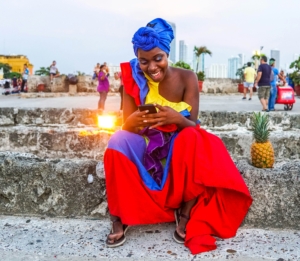
Technology for RefugeesMore than 120 million individuals worldwide currently face forced displacement due to persecution, conflict, violence or human rights violations. This record-high displacement leaves millions of refugees struggling to access basic necessities, education, health care and economic opportunities. However, technology solutions for refugees are reshaping lives by building resilience and creating pathways toward secure and dignified futures.

3D Printing

Additive manufacturing or 3D printing, is transforming health care access for underserved communities by providing highly customizable, cost-effective and lightweight prosthetics for refugee patients who have lost limbs while fleeing conflict. This technology enables refugees to regain mobility, independence and hope for a better future.

e-NABLE, a global network of 40,000 volunteers, has provided 10,000–15,000 free 3D-printed prosthetic hands and arms through open-source design for those lacking medical access. Similarly, the nonprofit 3DP4ME has revolutionized hearing care, delivering 52 3D-printed hearing aids to children in Jordanian refugee camps.

E-Learning Platforms

More than 50% of the world’s 14.8 million school-aged refugee children lack formal education, limiting their future opportunities and slowing global development progress. In response, the International Rescue Committee (IRC) has successfully piloted aprendIA.

This AI-powered platform delivers accessible and interactive learning through high-quality materials, including text, audio, video, gamified assessments and PDFs, via widely used messaging platforms like SMS and WhatsApp.

By leveraging artificial intelligence and natural language processing, aprendIA offers personalized feedback and learning support, ensuring continuous education for children with limited resources.

GeoMatch

GeoMatch is an AI-driven tool developed by Stanford’s Immigration Policy Lab and ETH Zurich to help governments place refugees in optimal locations for successful integration. It analyzes refugees’ background characteristics, resettlement locations and employment data to predict employment outcomes. It also provides data-driven insights to enhance overall refugee well-being.

Translation Apps

Refugees facing resettlement often struggle with the limitations of machine translations and the scarcity of interpreters for some languages. These obstacles hinder their ability to access vital services, comprehend their rights and successfully integrate into their new communities.

Tarjimly, a nonprofit organization, is tackling this issue by connecting refugees with on-demand interpreters, enabling smoother communication during interactions with social workers, immigration officials and medical professionals.

Through a new AI partnership, Tarjimly records these interactions to help train large language models. This groundbreaking feedback loop allows humans to teach machines the nuances and cultural contexts of different languages by sharing data and correcting automated translations.

Video Games

The United Nations High Commissioner for Refugees (UNHCR) research on the digital leisure divide highlights the crucial role of digital access in refugee well-being, fostering rest, community building and access to essential information.

Video games, in particular, hold untapped potential as powerful tools for social and economic empowerment. Therefore, Project Hope, an online game-based initiative for Syrian refugee children in Türkiye, has positively influenced education, cognitive development, language acquisition and mental health.

Similarly, Refjam in North Macedonia has helped 500 displaced and stateless gaming enthusiasts to develop digital literacy and enhance employability through game-design workshops and festivals.

Blockchain

According to the World Bank, approximately 850 million people lack official identification, leaving many, especially children, refugees and stateless persons, without access to health care, education, banking and voting, heightening their risk of displacement and human trafficking.

Decentralized blockchain-based identity technology offers innovative solutions to address the global ID crisis. It provides marginalized populations with a secure, portable and immutable means of digital identification. This technology enables refugees to access vital resources and services, including the ability to seek asylum, with greater ease and efficiency.

Satellite Imagery

The integration of satellite imagery and AI is enabling planners to optimize resource allocation, enhance camp designs, track refugee movements and assess environmental impacts. For instance, AI tools were utilized to analyze migration patterns of Syrian refugees escaping conflict.

By combining satellite imagery with anonymized mobile phone data, the UNHCR could forecast the locations where new refugee camps would be needed. This proactive strategy greatly accelerated response times for humanitarian relief and enhanced living conditions for displaced families.

Makazi

More than 90% of displaced refugees are forced to remain in shelters that eventually become their long-term or semi-permanent residences. These shelters are typically inadequate, environmentally harmful and neglect the social, cultural and traditional values of the people they house.

To address this problem, Edinburgh Napier University’s SHELTERs project has developed a new prototype for temporary shelters called Makazi (Swahili for “home”). Winner of the U.K. 2019 RISE Awards, Makazi features a hexagonal design that enhances the UNHCR’s steel box-like shelters.

It is adaptable to varying temperatures and scalable to accommodate changing needs. It can also be assembled in seven days using locally available materials. Additionally, it includes water harvesting capabilities and an efficient sewage collection system.

Conclusion

Emerging technology solutions for refugees provide transformative approaches to enhance access to critical resources and improve living conditions. However, these innovations face significant challenges, including scalability, funding and infrastructure limitations, as many are still in the early development stages.

While technology solutions can play a pivotal role in supporting refugees, it cannot resolve displacement’s fundamental political, social and economic drivers. Nevertheless, ongoing advancements and integration of these technologies hold substantial promise for improving refugee outcomes and fostering more sustainable and effective humanitarian responses.

– Charlotte Codd

Charlotte is based in Waterford, Ireland and focuses on Technology and Solutions for The Borgen Project.

Photo: Flickr
April 2, 2025
https://borgenproject.org/wp-content/uploads/borgen-project-logo.svg 0 0 Hemant Gupta https://borgenproject.org/wp-content/uploads/borgen-project-logo.svg Hemant Gupta2025-04-02 01:30:392025-04-01 16:59:29Emerging Technology Solutions for Refugees
Financial Instruments, Global Poverty, Technology

JazzCash: How Fintech Innovations in Pakistan Reduce Poverty

JazzCashPakistan faces significant economic challenges, with a substantial portion of its population living in poverty. As of 2024, the poverty rate stood at 25.3%, marking a sharp increase from the previous year and adding approximately 13 million people to the impoverished population. Financial exclusion exacerbates this issue, particularly among women. In 2021, only 13% of women had access to formal bank accounts compared to 34% of men, highlighting a significant gender gap in financial inclusion. ​

JazzCash’s Role in Financial Inclusion

With 44.4 million customers, JazzCash stands as one of Pakistan’s largest digital financial services platforms. Launched in 2012 by the Pakistani mobile operator Jazz, JazzCash has played a pivotal role in digitalizing Pakistan’s economy, promoting financial inclusion, expanding economic participation and reducing poverty.

Through partnerships with institutions such as the United Nations (U.N.) Women and the Sindh Flood Emergency Rehabilitation Project, JazzCash has introduced microloans, mobile banking and digital finance solutions that support economic activity and empower underserved communities. By leveraging fintech innovations, JazzCash provides secure, efficient and accessible financial services to millions of Pakistanis who previously lacked access to banking.

Here are four key JazzCash initiatives that demonstrate how fintech innovations in Pakistan reduce poverty through economic growth and financial inclusion:

Empowering Women Through Digital Finance

A 2022 partnership with U.N. Women enabled JazzCash to support 10,000 women micro-entrepreneurs by providing mobile wallets, free SIMs, data, calls and SMS bundles by 2025. In addition to digital tools, the initiative offers financial literacy training, ensuring that women gain the knowledge and confidence to effectively use fintech services for business growth and financial independence. With women making up only 21% of Pakistan’s workforce, increasing their participation in the economy is essential for both gender equality and overall economic growth.

The initiative aligns with U.N. Sustainable Development Goal 5 (Gender Equality) and fosters broader poverty reduction by expanding economic opportunities for women. In November 2024, JazzCash announced plans to expand its reach, setting a target to increase the number of women-led businesses using JazzCash from 100,000 to 300,000 by 2027. By integrating women into the digital economy, JazzCash helps close the financial gender gap and provides greater economic independence for female entrepreneurs.

Supporting Disaster Relief Through Fintech

The Sindh Flood Emergency Rehabilitation Project (SFERP), a collaboration between JazzCash and the Government of Sindh, has helped deliver financial assistance to families affected by the 2022 and 2024 floods. As of May 2024, JazzCash has disbursed PKR 2 billion to flood-affected families, with a goal of reaching PKR 15 billion and assisting 1 million households. Additionally, 80,000 new mobile wallet accounts have been created, ensuring that 45% of account holders are women. Traditional relief programs often rely on cash-based assistance, which can lead to delays, inefficiencies and security risks. By offering direct digital transfers, JazzCash provides a more inclusive, transparent and secure alternative, enabling families to rebuild independently and participate in the economy after disasters.

Expanding Social Protection Through Digital Payments

In February 2024, JazzCash became a key partner in the Benazir Income Support Program (BISP), Pakistan’s largest poverty reduction initiative. BISP provides unconditional cash transfers to underserved communities, including 9 million women, serving as a critical social safety net for Pakistan’s most vulnerable populations. JazzCash’s digital disbursement system ensures secure and efficient delivery of PKR 78 billion in cash payments to 1.3 million women by the end of 2025. By November 2024, JazzCash had already successfully transferred PKR 15 billion, demonstrating the effectiveness of fintech in expanding financial accessibility. Beyond facilitating direct aid, this initiative promotes long-term financial inclusion, encouraging women to open digital bank accounts, save money and engage in economic activities that lead to greater financial independence.

Microfinance and Entrepreneurship

JazzCash continues to promote economic inclusion through microfinance, enabling entrepreneurs and small businesses to access capital, process digital payments and expand their operations. Small business owners, particularly in rural and underserved communities, often face significant barriers to accessing credit and banking services. The organization’s microfinance solutions provide secure and efficient financial services, allowing entrepreneurs to scale their businesses, create jobs and contribute to economic growth.

Looking Ahead: The Future of Fintech in Pakistan

As fintech adoption expands, JazzCash remains committed to bridging financial gaps and empowering underserved communities. CEO Aamir Ibrahim has set a target to increase the female customer base from 30% to 50%, ensuring that women gain equal access to financial tools. With the continued integration of financial services into daily transactions, JazzCash is shaping a more inclusive economy where digital finance drives economic participation and poverty reduction in Pakistan.

Expanding financial literacy programs—such as those introduced through the U.N. Women partnership—could be essential in helping more Pakistanis navigate digital finance effectively. By leveraging fintech for economic empowerment, JazzCash is paving the way for sustainable economic growth and greater financial inclusion across Pakistan.

– Oliver Tanner

Oliver is based in London, UK and focuses on Technology and Politics for The Borgen Project.

Photo: Flickr

March 18, 2025
https://borgenproject.org/wp-content/uploads/borgen-project-logo.svg 0 0 Precious Sheidu https://borgenproject.org/wp-content/uploads/borgen-project-logo.svg Precious Sheidu2025-03-18 07:30:352025-03-18 01:35:52JazzCash: How Fintech Innovations in Pakistan Reduce Poverty
Aid, Global Poverty, Technology

Tech Herfrica Bridging Digital Divide Empowering Women in Africa

Tech Herfrica Bridging Digital Divide Empowering Women in AfricaEmpowering women in Africa through digital and financial inclusion is at the heart of Tech Herfrica’s mission. Founded in 2023 by Nigerian public policy advisor Imade Bibowei-Osuobeni, this social impact organization provides digital literacy training, internet-enabled devices and access to e-commerce platforms. Programs such as EquipHer4Growth and HerLocal Market have helped more than 4,000 women increase their incomes and livelihoods.

EquipHer4Growth

Tech Herfrica’s core programs, EquipHer4Growth and HerLocal Market, equip rural women with digital skills, financial literacy and access to new markets. The EquipHer4Growth program offers hands-on training in digital literacy and business management. Participants learn to operate computers and smartphones, navigate the internet, manage digital payments and leverage online marketing tools to expand their businesses.

The program provides financial literacy training to help women make informed financial decisions. Each participant receives an internet-enabled device, ensuring they have the necessary tools to compete in the current digital economy.

Graduates of EquipHer4Growth have successfully launched online businesses, expanded existing enterprises and improved their families’ quality of life. Tech Herfrica fosters economic independence and contributes to local development by empowering women in Africa with essential digital skills.

HerLocal Market

Complementing EquipHer4Growth, HerLocal Market connects rural female farmers and traders to local and international buyers. This e-commerce platform addresses one of the biggest challenges for women in rural areas, limited access to markets, by providing a digital space where they can showcase and sell their products.

Through HerLocal Market, women sell agricultural produce, handmade crafts and locally sourced goods. The platform reduces post-harvest waste, maximizes profits and provides logistics support and marketing tools. By reaching wider audiences, these women create sustainable income streams, directly contributing to local and regional economic growth.

Together, EquipHer4Growth and HerLocal Market represent a comprehensive approach to empowering women in Africa by equipping them with digital skills and connecting them to broader markets.

SDG Goals and Progress

Tech Herfrica’s work aligns closely with Sustainable Development Goal One (End Poverty Everywhere), SDG Four (Quality Education), SDG Five (Gender Equality) and SDG Eight (Decent Work and Economic Growth). According to Tech Herfrica’s SDG Action Dashboard, the organization has already made measurable progress toward these goals by creating new economic opportunities and providing critical digital training for women and girls in rural communities. Access to technology, combined with digital literacy and market linkages through HerLocal Market, creates new income-generating opportunities for rural women, directly addressing the root causes of poverty by empowering women in Africa by eliminating barriers to economic independence. 

A Global Recognition and Future Expansion

Among many other awards, in 2023 Tech Herfrica was selected for the Chat for Women’s Livelihood Accelerator program, funded by the Bill & Melinda Gates Foundation. This 18-month initiative focuses on using chat-based technology, AI and large language models to enhance learning and boost women’s livelihoods in rural communities. By leveraging AI-driven solutions, Tech Herfrica aims to improve digital engagement and provide personalized support for women as they build skills and grow their businesses.

Through this accelerator program, Tech Herfrica collaborates with five other global organizations to develop innovative chat services on platforms such as WhatsApp, enabling more women to access essential resources, skills and mentorship opportunities. This partnership marks a significant step toward scaling Tech Herfrica’s impact and expanding its reach to thousands more women in underserved communities.

Looking Ahead

With a goal to empower 1 million women in Africa by 2030, Tech Herfrica continues to expand its programs, form new partnerships and develop innovative digital solutions. By using technology to break barriers, the organization remains at the forefront of empowering women in Africa through education, entrepreneurship and economic inclusion.

– Gregory Brychta

Gregory is based in Seattle, WA, USA and focuses on Good News and Technology for The Borgen Project.

Photo: Flickr

March 4, 2025
https://borgenproject.org/wp-content/uploads/borgen-project-logo.svg 0 0 Precious Sheidu https://borgenproject.org/wp-content/uploads/borgen-project-logo.svg Precious Sheidu2025-03-04 01:30:112025-03-03 12:47:42Tech Herfrica Bridging Digital Divide Empowering Women in Africa
Global Poverty, Health, HIV/AIDS

Mobile Clinics in Kenya Bring Health Care to the Masai Village

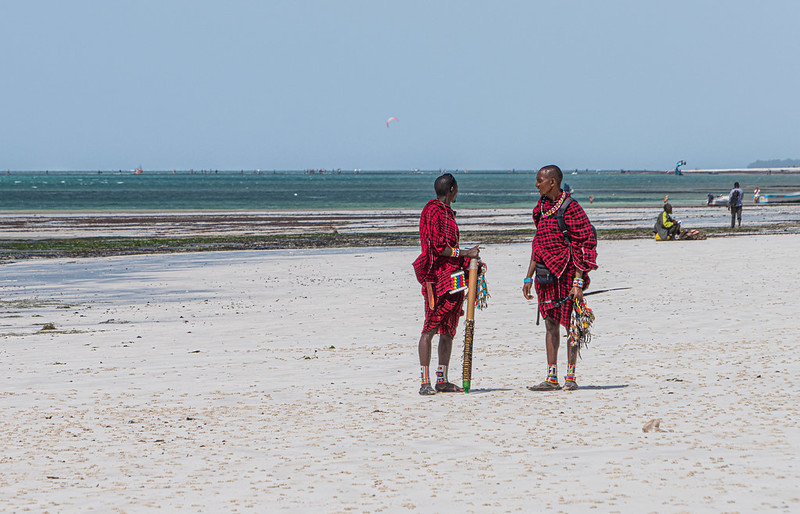
Mobile medical care in kenyaLocated on the east coast of Africa, Kenya is a country of mountains, lakes, savannahs and the Great Rift Valley. With more than 50 million people, Kenya is expected to see a 51% population increase in the next 25 years. Despite this steady growth, the country’s life expectancy remains 66 years—about five years below the global average. HIV/AIDS and tuberculosis are the leading causes of death in Kenya. To curb the spread of these diseases, local governments and organizations have introduced mobile medical care to improve access to health screenings, treatments and health care services.

Targeting HIV/AIDS

A global health issue, the human immunodeficiency virus (HIV) is a virus that attacks the body’s immune system, with acquired immunodeficiency syndrome (AIDS) occurring when the virus advances. More than 40 million people have died of HIV/AIDS globally.

In August 2024, the Military Health and Research Program (MHRP) reported collaborating with local government entities to bring HIV preventative measures and treatment to Masai village in Kenya’s South Rift Valley Region. To bring care to this rural area, the MHRP developed a mobile clinic that could get health care to those who could not access it otherwise.

Utilizing funding from the United States of America’s President’s Emergency Plan for AIDS Relief (PEPFAR), the mobile clinic in Kenya provides patients with HIV testing, preventative education and antiretroviral therapies for those who test positive.

Fighting Tuberculosis

In addition to providing HIV/AIDS treatment, mobile clinics in Kenya also focus on tuberculosis, the leading cause of death among men in the country. This infectious, airborne disease claimed more than one million lives in 2023 alone. Babies, children, malnourished individuals and people with diabetes face a higher risk of contracting tuberculosis. While the disease is both preventable and treatable, many lack access to education about prevention and treatment. Mobile clinics in Kenya are working to bridge this gap and improve health care access.

Before the arrival of the mobile clinic in Masai village, individuals infected with tuberculosis were treated in Tanzania, where there were no closer resources. The MHRP reports that treatment took six months and if an individual died in Tanzania, they were left there. Since the mobile clinic arrived, Masai village had seen no tuberculosis-related deaths for more than a year at the time of the report.

Maurice’s Account

In 2023, the Henry M. Jackson Foundation Medical Research International (HJFMRI) spoke to an individual from Masai village. Maurice, the individual living in the town, acknowledges the benefits of mobile clinics. He explains to HJFMRI that those sent to Tanzania for treatment before the mobile clinics had to walk there on an eight-day trek. Maurice says he and the others from his village are “so happy” and “grateful” for the PEPFAR initiative that allowed the mobile clinics.

Beyond Masai Village

Mobile clinics in Kenya extend well beyond Masai village. CURE, Kenya’s children’s hospital, operates multiple mobile clinics nationwide, bringing health care directly to people where they “work, live and play.” Mobile clinics give health care access to individuals who otherwise have little to none. With funding from PEPFAR and the efforts of MHRP, local governments and other private agencies, mobile clinics bring care to many people in Kenya and work to combat the global health issues of HIV/AIDS and tuberculosis.

– Hannah Pacheco

Hannah is based in Boston, MA, USA and focuses on Good News and Global Health for The Borgen Project.

Photo: Flickr

February 28, 2025
https://borgenproject.org/wp-content/uploads/borgen-project-logo.svg 0 0 Hemant Gupta https://borgenproject.org/wp-content/uploads/borgen-project-logo.svg Hemant Gupta2025-02-28 01:30:412025-02-27 03:14:11Mobile Clinics in Kenya Bring Health Care to the Masai Village
Development, Global Health, Global Poverty

Eco-Friendly Search Engines Fight Poverty and Pollution

Eco-Friendly Search Engines Fight Poverty and PollutionThe internet has revolutionized communication and access to information, but its environmental impact is often overlooked. According to the International Energy Agency, global data centers consumed around 200 terawatt-hours of electricity in 2022—equivalent to the energy use of some mid-sized countries. Search engines contribute to this consumption, with each Google search generating an estimated 0.2 to 7 grams of CO₂, depending on the device used. This environmental strain disproportionately affects low-income communities, where pollution, waste and water scarcity worsen poverty. To address these challenges, eco-friendly search engines like Ecosia, Ekoru and GiveWater have emerged, transforming everyday internet use into a force for environmental restoration and community support.

Ecosia

Ecosia, an eco-friendly search engine with the same functionality as Google, offers users a greener alternative. Its tagline, “familiar search, greener impact,” reflects the company’s commitment to sustainability. Ecosia has planted more than 225 million trees and dedicated approximately €92 million to climate action.

The Ecosia team channels 100% of its profits into climate initiatives, with a significant portion supporting its global tree-planting program. Working with local organizations in more than 35 countries, Ecosia’s efforts yield widespread benefits. In Brazil, reforestation protects endangered species, while in Senegal, it restores land fertility.

In Senegal, Ecosia collaborates with Trees for the Future to establish forest gardens, where trees and shrubs grow alongside fruits and vegetables. These gardens improve soil water retention, increase crop diversity and create new income opportunities for small farmers. As a result, farmers can cultivate produce previously unsuited to dry soil while expanding their agricultural capacity. This initiative generates sustainable income for low-income rural communities. Since 2018, Ecosia has planted more than 17 million trees and restored 5,909 hectares of land across Senegal.

Ekoru

Ekoru operates as an eco-friendly search engine that generates revenue through clicks. Unlike traditional platforms, each click on a sponsored link supports ocean restoration efforts. Founders Ati Bakush and Alison Lee allocate 60% of Ekoru’s profits to initiatives like Big Blue Ocean Cleanup and Operation Posidonia. These organizations possess the labor and resources needed to advance Ekoru’s mission of restoring ocean health.

Ekoru’s impact extends across its partnerships, facilitating beach cleanups and microplastic research. Plastic waste and nonrecyclable materials pose significant threats to low-income countries, where limited infrastructure prevents proper disposal. When plastic washes ashore, it disrupts local ecosystems and undermines fishing enterprises.

Recognizing the potential for change, Ekoru aims to counteract ocean pollution and broader environmental harm. The platform operates on hydroelectric power, while its data centers rely on convection cooling instead of traditional air conditioning. This approach ensures that every Ekoru search promotes sustainability from the outset.

Give Water

GiveWater offers a search engine alternative designed to improve global health by expanding access to clean water. The platform tackles the impact of drought and environmental challenges that limit water availability. Safe, clean water not only provides hydration but also supports sanitation and hygiene. According to GiveWater, 844 million people lack access to clean water, exposing communities to illness and even death. In many remote villages, families must travel long distances to fetch water, wasting time and facing health risks that deepen poverty in low-income areas.

GiveWater channels a portion of its profits from sponsored clicks to partners like Water.org and Living Water International. Water.org bridges the financial gap for impoverished families lacking access to safe drinking water. Living Water International installs water systems tailored to community needs, guided by regional experts who understand local cultures and landscapes.

Janaki, a South Asian resident, highlighted the impact of these ongoing efforts, explaining how a nearby water source has transformed her community’s outlook. The convenience allows more time for school and work, eliminating the need for long journeys to secure basic needs. This increased access to water fosters educational and professional advancement, reducing poverty in vulnerable communities.

Small Changes Make a Big Difference

By choosing eco-friendly search engines, internet users could transform routine web browsing into meaningful action. These platforms fund tree planting, ocean cleanup and clean water initiatives, tackling both environmental degradation and poverty. As digital consumption continues to rise, such innovations reveal that small changes in technology use can potentially drive sustainable development and improve lives worldwide.

– Sarah Lang

Sarah is based in Pittsburgh, PA, USA and focuses on Technology and Politics for The Borgen Project.

Photo: Pexels

February 26, 2025
https://borgenproject.org/wp-content/uploads/borgen-project-logo.svg 0 0 Precious Sheidu https://borgenproject.org/wp-content/uploads/borgen-project-logo.svg Precious Sheidu2025-02-26 01:30:062025-02-25 23:25:56Eco-Friendly Search Engines Fight Poverty and Pollution
Global Poverty, Natural Disaster, Water Crisis

New Data Center Threatens Further Water Scarcity in Uruguay

Water Scarcity in UruguayUruguay, a republic located in South America, has spent the past several months recovering from a drought that lasted more than three years. The drought was severe, to the point where authorities were mixing seawater with freshwater to try and amend the problem— accidentally rendering it completely undrinkable in the process. While things have gotten much better amid more rainfall and administration changes, water scarcity in Uruguay remains a concern for its citizens due to the construction of data centers. These data centers are projected to use unsustainable amounts of water.

What Is a Data Center?

Most internet netizens are familiar with “the Cloud,” where users can remotely store data instead of keeping it on their devices. This data cannot just be nebulously stored on the internet, though; it has to go somewhere physical to be stored. Data centers are the answer to this, containing warehouses of servers that process and house cloud data along with the machines that help make AI technology work.

These computers need lots of water to stay cool with a typical data center using an average of 300,000 gallons of water a day. Some data centers can even use upwards of a million gallons of water a day. Since the process of cooling down computers heats the water, it cannot be dumped back into the systems where it came from since thermal pollution has been known to destroy entire ecosystems.

This process also has the potential to leave chemicals or other impurities that render the water unfit for human consumption. Many worry that the introduction of this technology in Uruguay could prove catastrophic, given the water scarcity in Uruguay.

The Effect on Uruguay

Water scarcity in Uruguay continues to be a prime concern for its citizens and the announcement of a new data center only further exacerbated these concerns. The initial announcement drew so much controversy that many locals took to the catchphrase “It’s not drought, it’s pillage” amid protests. Experts also worry about the long-term ramifications of data centers posing a drain on Uruguay’s very limited water supply.

While the country is still recovering from the prior drought, the insecurity and ecological decimation it brought can still be felt in many areas. A new proposal for the data center was created, with an emphasis on using air conditioning to cool the computers instead of water. Unfortunately, academics conclude this would be just as damaging environmentally. While it is true the amount of water would be lessened, the air pollution and stress on the electrical grid far outweigh any good proposed by the new solution.

Advancements in Technology

Data centers use large amounts of electricity and water to operate, but this does not have to be a negative thing due to recent advancements. Many data centers have turned to using reclaimed wastewater or sewage, to cool their systems instead of relying on drinkable water. Other companies have proposed the idea of recycling the water used in data centers to create a self-sufficient model of water usage.

Advancements such as these would greatly lessen the impact on drinkable water if implemented in Uruguay. Google, the company building and operating the data centers, has been vocal about not wanting to harm Uruguay through the creation of the data center. On the contrary, Google has offered to collaborate with local universities to provide more technology-focused content in their curriculums in order to bolster Uruguay’s tech business and advancements.

Moving Forward

While Uruguay continues to recover from prior droughts, water scarcity in Uruguay continues to be an issue for it. Many worry that the creation of a data center continues to threaten Uruguay’s water supply. However, recent technological advancements and renewed promises for compromise between Google and the Uruguayan people offer a brighter future moving forward.

– Mackenzie Scott

Mackenzie is based in Indianapolis, IN, USA and focuses on Technology and Solutions for The Borgen Project.

Photo: Flickr

February 19, 2025
https://borgenproject.org/wp-content/uploads/borgen-project-logo.svg 0 0 Hemant Gupta https://borgenproject.org/wp-content/uploads/borgen-project-logo.svg Hemant Gupta2025-02-19 07:30:382025-02-19 00:07:23New Data Center Threatens Further Water Scarcity in Uruguay
Electricity and Power, Global Poverty, Technology

Moving Forward: The Electric Vehicle Industry in the DRC

Electric Vehicle Industry in the DRCThe Democratic Republic of the Congo (DRC) is a country in Central Africa known for its rich deposits of copper, cobalt, zinc, lithium, oil and gold— all of which are essential to making the global clean energy transition. As companies globally look toward investing in a green future, particularly in the electric vehicle (EV) industry, mining sites in the DRC have become focal points of the supply chain necessary for constructing the batteries used in these cars.

Rising Demand for Rare Earth Metals

Investment in the DRC and other Central African nations reflects a growing interest in clean energy technologies. It also highlights the potential for increased engagement with the Congolese government to promote global trade of these valuable resources. As the EV and battery storage industries grow, the International Energy Agency (IEA) has predicted that total demand for lithium will rise by close to 90% by 2040. Similarly, nickel and cobalt will increase to between 60-70%.

The push is led by China, whose companies have been systematically buying and constructing refineries for these metals. Effectively this has made China indispensable to the EV supply chain. Approximately 80% of the DRC’s cobalt output is owned by Chinese companies. Many of these companies have recently come under fire for inhumane labor practices regarding the mines. For nations looking to get involved, the challenge now is to formalize the mining and refining processes while aligning labor practices with global standards. Additionally, the task is to distribute the profits from this trade to the Congolese government and its people.

Electric Vehicle Industry in the DRC

The DRC has long struggled with civil conflict. Fighting between the Congolese government and the militia group M23 has displaced millions of citizens. The DRC is considered one of the five most vulnerable countries in the world. The World Bank estimates that 73.5% of Congolese people live on less than $2.15 a day. Despite these challenges, the mining sector plays a vital role in the Congolese economy. In 2023, it grew by 18.2%, contributing to more than 70% of the overall gross domestic product (GDP) growth.

Most laborers, however, do not benefit from this growth. Often compared to modern-day slavery, Congolese freelance miners— referred to as “artisanal”— work in dangerous conditions for little more than a few dollars a day. These artisanal miners manually dig on the peripheries of excavation sites to sell to independent distributors. About 10-20% of Congolese cobalt is produced by artisanal and small-scale mining (ASM). These ASM sites, in particular, are associated with child labor, hazardous conditions and human rights violations.

There has been a surge in pressure on the Congolese government and cobalt-producing companies in the DRC to avoid ASM-produced cobalt entirely. However, others have pointed out that this runs the risk of cutting off the livelihoods of many Congolese workers. Rather, a formalization of the ASM industry is necessary to monitor high-risk situations and prevent human rights violations.

Formalization of the ASM Industry

The Mutoshi mine, located in the Katanga Province, has served as a pilot project to integrate ASM into industrially mined cobalt. Formalization processes include encouraging female participation, eliminating child labor and improving safety conditions. Similarly, directives such as the European Union (EU) Batteries Directive, the African Green Minerals Strategy and the DRC’s Interministerial Commission in Charge of Monitoring Child Labor in Artisanal Mining aim to improve ASM conditions.

Furthermore, negotiations like the U.S.-DRC-Zambia trilateral memorandum of understanding (MoU) aim to strengthen cooperation. Furthermore, they look to develop a cross-border integrated value chain for EV battery production. The MoU also seeks to raise awareness of investment and co-financing opportunities for the EV industry in the DRC.

Looking Ahead

With rising investments and exports in the mining sector, driven by improving mineral prices and growing public investment from the EV and battery industries, the DRC is poised to see continued favorable GDP growth over the next decade. In 2023, GDP growth was recorded at 7.8%. With the continued formalization of ASM and steadfast negotiation, the DRC can improve its global standing greatly as demand for EVs and battery storage techniques continues to grow.

– Sadie Claps

Sadie is based in Seattle, WA, USA and focuses on Business and Politics for The Borgen Project.

Photo: Unsplash

February 16, 2025
https://borgenproject.org/wp-content/uploads/borgen-project-logo.svg 0 0 Hemant Gupta https://borgenproject.org/wp-content/uploads/borgen-project-logo.svg Hemant Gupta2025-02-16 01:30:392025-02-16 01:11:26Moving Forward: The Electric Vehicle Industry in the DRC
Page 10 of 29«‹89101112›»

Get Smarter

  • Global Poverty 101
  • Global Poverty… The Good News
  • Global Poverty & U.S. Jobs
  • Global Poverty and National Security
  • Innovative Solutions to Poverty
  • Global Poverty & Aid FAQ’s
Search Search

Take Action

  • Call Congress
  • Email Congress
  • Donate
  • 30 Ways to Help
  • Volunteer Ops
  • Internships
  • Courses & Certificates
  • The Podcast
Borgen Project

“The Borgen Project is an incredible nonprofit organization that is addressing poverty and hunger and working towards ending them.”

-The Huffington Post

Inside The Borgen Project

  • Contact
  • About
  • Financials
  • President
  • Board of Directors
  • Board of Advisors

International Links

  • UK Email Parliament
  • UK Donate
  • Canada Email Parliament

Get Smarter

  • Global Poverty 101
  • Global Poverty… The Good News
  • Global Poverty & U.S. Jobs
  • Global Poverty and National Security
  • Innovative Solutions to Poverty
  • Global Poverty & Aid FAQ’s

Ways to Help

  • Call Congress
  • Email Congress
  • Donate
  • 30 Ways to Help
  • Volunteer Ops
  • Internships
  • Courses & Certificates
  • The Podcast
Scroll to top Scroll to top Scroll to top