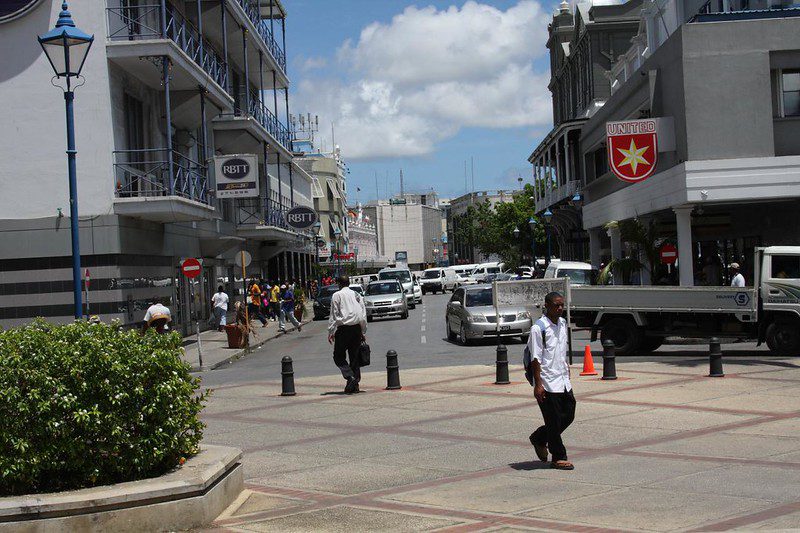
• Link to X
  • Link to Facebook
  • Link to Instagram
  • Link to TikTok
  • Link to Youtube
  • About
    • About Us
      • President
      • Board of Directors
      • Board of Advisors
      • Financials
      • Our Methodology
      • Success Tracker
      • Contact
  • Act Now
    • 30 Ways to Help
      • Email Congress
      • Call Congress
      • Volunteer
      • Courses & Certificates
      • Be a Donor
    • Internships
      • In-Office Internships
      • Remote Internships
    • Legislation
      • Politics 101
  • The Blog
  • The Podcast
  • Magazine
  • Donate
  • Click to open the search input field Click to open the search input field Search
  • Menu Menu

Tag Archive for: Technology

Posts

Development, Electricity and Power, Global Poverty

How Seaweed Biofuel Could Boost Investment in Barbados

Seaweed BiofuelBarbados generates around 95% of its electricity from imported fossil fuels, making energy expensive and environmentally unsustainable for the island nation. At the same time, the invasive Sargassum seaweed has overwhelmed its coastlines, damaging tourism—a sector that contributes nearly 17% of Barbados’s GDP. Researchers in Barbados have found a solution to both challenges: turning Sargassum seaweed into biomethane biofuel, a clean and renewable energy source. Tested successfully in a specially adapted vehicle, this breakthrough could reduce energy costs, restore tourism and position Barbados as a leader in sustainable energy innovation.

Seaweed Power Cars

The process of converting seaweed into fuel combines three key components: wastewater from the rum industry, sheep dung and Sargassum, a type of seaweed commonly found in Barbados. These elements undergo anaerobic digestion, producing a biofuel known as biomethane. This biofuel powers a specially modified Nissan Leaf owned by the Caribbean Centre for Renewable Energy and Energy Efficiency (CCREE). While biofuel is currently limited to a test vehicle, it has the potential to become a mainstream energy source. Rum and Sargassum experts claim a petrol car can be upgraded to run fully on biomethane in just four hours.

Barbados’ Seaweed Challenge

In June 2018, the government declared a national emergency as the invasive plant inundated coastlines, creating significant economic challenges. The sheer volume of seaweed takes a large toll on the tourism industry in Barbados and has plagued its many hotels. According to STR, hotels unaffected by Sargassum experienced a 3% year-over-year increase in revenue per available room (RevPAR) in 2018, while those in affected areas saw declines of 4.4% in RevPAR and 4.7% in occupancy. The sheer volume of seaweed has burdened the country’s infrastructure and harmed its reputation as a pristine travel destination. However, if scaled up, the seaweed biofuel concept could offer a dual solution: powering a new generation of vehicles while removing Sargassum from coastlines.

Driving Investment and Economic Growth

Barbados has set an ambitious goal to become a 100% renewable energy and carbon-neutral island state by 2030. Seaweed-based biofuel aligns perfectly with this vision, positioning the country as a global leader in renewable innovation. Achieving this target would not only bring international recognition but also attract foreign investors eager to support sustainable projects. The country’s pioneering efforts could also open doors for international collaboration and funding in the renewable energy sector. According to the International Renewable Energy Agency (IRENA), investments in clean energy are increasing annually and Barbados’s proactive approach may secure a significant share of this funding.

Boosting Tourism with a New Purpose

The benefits of seaweed biofuel extend beyond energy. By creating value for Sargassum, Barbados can transform a long-standing problem into an economic asset. The incentive to clear beaches will increase, allowing the tourism sector to recover and thrive. Hotels that once struggled with declining occupancy due to the unsightly and smelly seaweed will regain their appeal, attracting visitors and boosting local businesses. For a country with a population of fewer than 300,000 people, this innovation places Barbados on the global stage. What began as a challenge with an invasive plant could now position the island as a leader in renewable technology and sustainable development.

Moving Forward

The development of seaweed-based biofuel in Barbados provides a practical solution to two longstanding challenges: renewable energy production and environmental management. By transforming Sargassum seaweed into a valuable resource, Barbados has an opportunity to lead in sustainable innovation. Furthermore, as the country works toward its carbon-neutral goals, this breakthrough could improve local energy independence, attract investment and restore its vital tourism sector, creating a cleaner and more resilient future.

– Andrew Nicoll

Andrew is based in Long Melford, Suffolk, UK and focuses on Business and Politics for The Borgen Project.

Photo: Flickr
December 22, 2024
https://borgenproject.org/wp-content/uploads/borgen-project-logo.svg 0 0 Precious Sheidu https://borgenproject.org/wp-content/uploads/borgen-project-logo.svg Precious Sheidu2024-12-22 07:30:412024-12-30 12:36:25How Seaweed Biofuel Could Boost Investment in Barbados
Development, Global Poverty, Government

Rwanda Leverages Technology to Become Africa’s Innovation Hub

Africa's Innovation HubRwanda, a landlocked nation in East Africa, is making significant progress toward becoming Africa’s innovation hub. Once defined by the devastation of the 1994 genocide, the country has undergone a remarkable transformation. Indeed, Rwanda has emerged as one of the continent’s most forward-thinking nations. With a clear vision to drive economic growth, the government has partnered with various stakeholders to foster technological advancement, particularly in the fintech sector. By positioning technology and innovation as cornerstones of its development strategy, Rwanda continues to solidify its reputation as a leader in Africa’s digital transformation.

Kigali Innovation City: A Catalyst for Growth

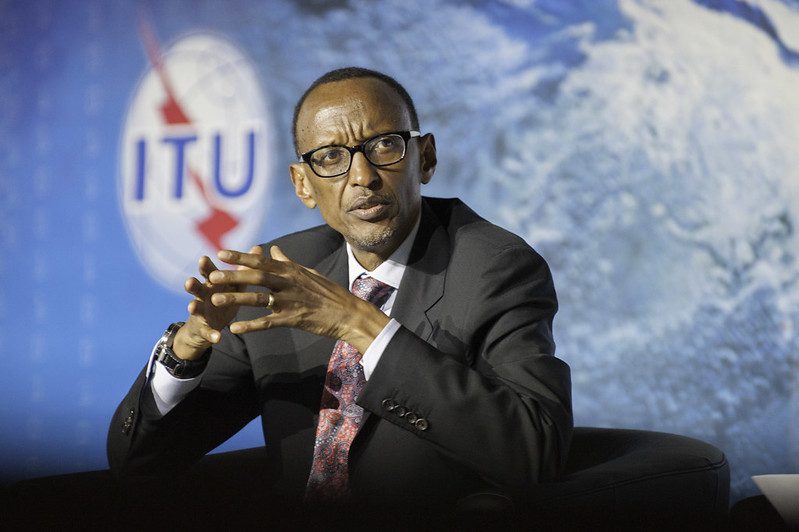
Kigali Innovation City lies at the center of Rwanda’s digital transformation. The city serves as a flagship project under the Smart Rwanda Master Plan. It drives the nation’s efforts to position itself as Africa’s hub for innovation. The City integrates university campuses, research and development facilities and business hotels to accelerate the digital transformation to stimulate regional economic growth. President Paul Kagame’s administration has led advancements in ICT infrastructure, laying the groundwork for Rwanda’s digital revolution.

Startups like Zipline and SafeMotos have become key players in Rwanda’s growing tech hub, revolutionizing health care and transportation. SafeMotos, a ride-hailing platform, provides safe and reliable motorcycle taxi services in Kigali. The startup is improving road safety and transportation efficiency while offering affordable mobility solutions to underserved communities. Zipline, a drone technology company, delivers life-saving blood and medical supplies to remote areas, addressing health care gaps worsened by poverty. These innovations highlight the role of technology in solving societal challenges and improving living standards, revealing Rwanda’s success in becoming a hub for innovation in Africa.

Technology’s Role in Poverty Reduction

The rapid growth of Rwanda’s ICT sector has had profound impacts on poverty alleviation, with tangible benefits across multiple areas: 

  • Job Creation. The ICT sector is a significant employer, directly providing thousands of jobs. As of 2020, the sector contributed 3% to Rwanda’s GDP, a figure projected to triple within the next decade. ICT developments have helped to increase productivity in agriculture through the use of mobile phones and drones. These advancements have reduced post-harvest losses and improved crop yields. The changes have increased farmers’ incomes and contributed to national GDP growth, directly addressing rural poverty where it is most acute.
  • Health Care Access. Zipline, a part of Rwanda’s technological transformation, has expanded health care access to essential health care in underserved regions by delivering medical supplies to remote areas of the country. By improving health care outcomes, these innovations reduce the economic burden of disease.
  • Export Diversification. The ICT sector is now Rwanda’s second-largest export contributor, accounting for 17% of total exports. This diversification reduces the country’s reliance on primary commodities such as coffee and tea. Additionally, diversification strengthens Rwanda’s economic stability, creating a more resilient environment for poverty reduction. The revenue generated by ICT exports fuels critical investments in infrastructure like that of the Kigali project, perpetuating a positive multiplier effect. 

A Model for Africa and Beyond

Rwanda’s transformation demonstrates how technology and strategic planning can potentially drive sustainable development and economic resilience. Indeed, by investing in innovation and digital infrastructure, the country has created solutions to address health care gaps, improve transportation and diversify its economy. This success positions Rwanda as a model for other nations seeking to reduce poverty and stimulate growth through technology. Furthermore, its journey highlights the potential for strategic leadership and innovation to create lasting progress across Africa and beyond.

– Edzhe Miteva

Edzhe is based in London, UK and focuses on Global Health and Politics for The Borgen Project.

Photo: Flickr

December 16, 2024
https://borgenproject.org/wp-content/uploads/borgen-project-logo.svg 0 0 Precious Sheidu https://borgenproject.org/wp-content/uploads/borgen-project-logo.svg Precious Sheidu2024-12-16 07:30:442024-12-16 09:44:20Rwanda Leverages Technology to Become Africa’s Innovation Hub
Development, Global Poverty, Technology

The Evolution of Uruguay’s Technological Infrastructure

Uruguay’s technological infrastructureUruguay boasts a technology literacy rate of more than 98%, the highest in South America, with telecommunications networks that are 100% digital. Between 2021 and 2022, Uruguay’s imports of IT and telecommunications equipment surged from $549 million to $706 million. Here are some key factors in Uruguay’s technological infrastructure that have earned it the name “Silicon Valley of South America.”

Expanding Fiber Optic Infrastructure in Rural Areas

In 2021 and 2022, ANTEL, Uruguay’s largest telecommunications company, invested $161 million into the country’s telecommunication sector, with 80% of that allocated to expanding fiber optic infrastructure in rural areas. ANTEL currently holds 57% of the market share, followed by Spain’s Telefónica/Movistar with 26% and Mexico’s Claro with 17%. The company is focused on replacing outdated copper connections with fiber optic technology. This aims to improve and strengthen internet access, particularly in the country’s rural regions.

The 2025 Digital Agenda

In May of 2021, Uruguay approved a guideline for further digital developments called the “2025 Digital Agenda,” which is managed by the Knowledge Management Agency. This will open doors to more opportunities for hardware and software providers, as well as telecommunication and network service companies. The basis of the plan is to expand the “fiber-to-the-home” networks to remote locations.  Additionally, the plan looks to increase the range of 5G networks and new digital health services.

Programa Ibirapitá

This program in Uruguay focuses on the digital inclusion of older adults, aiming to improve social inclusion, participation and equity. Through workshops designed to increase digital literacy and consultations, the initiative empowers elderly individuals. The program specifically targets individuals aged 65 and above whose annual income is at most $30,885. These participants are granted access to mobile devices through the Ibirapitá Mobile Plan, a service provided by ANTEL, which helps bridge the digital divide and fosters greater connectivity and independence for older adults.

Plan Ceibal

In 2007, Uruguay launched a program aimed at promoting nationwide digital literacy and skill development by providing each student with access to a laptop in school. This initiative became a key part of the country’s education strategy. Furthermore, it has been supported by tax incentives for tech companies and significant investments in communications infrastructure. Furthermore, the program has helped bridge the digital divide and enhance technological skills among students across the country.

Looking Ahead

Uruguay’s next step in its technological evolution is focusing on the “Internet of Things” (IoT). Development will be driven by both public and private stakeholders. Indeed, these efforts are taking place in the “Open Digital Lab,” a dedicated test space for IoT technologies and their applications. As the country continues to grow and expand its technological capabilities, discussions around artificial intelligence (AI) and robotics have become more prevalent, reflecting Uruguay’s ongoing push to enhance its telecommunications infrastructure and embrace emerging technologies.

– Isabella Chavez

Isabella is based in Swampscott, MA, USA and focuses on Technology and Solutions for The Borgen Project.

Photo: Wikimedia Commons

November 19, 2024
https://borgenproject.org/wp-content/uploads/borgen-project-logo.svg 0 0 Hemant Gupta https://borgenproject.org/wp-content/uploads/borgen-project-logo.svg Hemant Gupta2024-11-19 01:30:292024-11-18 00:49:31The Evolution of Uruguay’s Technological Infrastructure
Global Poverty, Health, Technology

The Growth of Telemedicine in Peru

Telemedicine in PeruThe COVID-19 pandemic accelerated the global shift to telehealth, enabling health care professionals and patients to connect remotely. However, resource disparities meant some countries faced greater challenges in transitioning. The shift to telemedicine was particularly difficult in Peru, which borders Chile and Bolivia, due to limited infrastructure and internet access, especially in rural areas.

Background of Telemedicine in Peru

Peru’s health system is divided into three practices, the first one being Social Security Hospitals (SSH), the second being the Federal Government Hospitals (FGH) and then private hospitals. The growth of internet access in Peru started in 2005. That year the first regulatory document related to telehealth was approved by the “Supreme Decree No. 028-2005-MTC.” Furthermore, in 2009, the first technical standards were approved to set guidelines for these online services. Later, in 2016, a framework was set for expanding telehealth, such as the ability to fill out prescriptions online.

When the pandemic hit, the full force of telemedicine and telecommunication services was set into motion. However, Peru is divided into three main geographical regions: the Coast, the Peruvian Andes and the Jungle. Internet access remains limited across these areas, with only 63.3% of residents on the Coast, 36% in the Andes and 33% in the Jungle having connectivity. This disparity poses a significant challenge to the advancement of telemedicine, as limited internet access hinders the reach of digital health care services to remote and underserved communities.

What Is Being Done?

“Teleatiendo,” created by the Ministry of Health of Peru, provides online consultations for those seeking virtual health care services. Other online resources, such as the “Cayetano Heredia National Hospital” teleconsultation application, specifically support diabetic patients. Looking toward the future, the incoming candidates for Congress and the presidential seat have promised to work on making the Internet more available nationwide.

Peru has the highest internet costs in Latin America, posing a barrier to equal access, especially in telemedicine advancements. More structured frameworks are being set in motion for mobile health apps (mHealth) based on different evaluations, such as effectiveness and security. Due to 60% of the population being in a lower socioeconomic sphere, accessing these technologies is difficult. However, the “WiLD multihop network” could improve connectivity in underserved areas, making health care access more feasible for those in remote or low-income communities.

Partners in Health

Partners in Health is an organization dedicated to creating “preferential options” for the impoverished in health care. The organization has developed seven telemedicine applications to improve health care access, each tailored to specific needs:

  1. Bienestár: Provides free mental health screenings and connects users to specialized psychologists.
  2. KUSKA: Offers similar mental health support but is available in Quechua, catering to Peru’s indigenous population.
  3. Soy Qhalikay: Detects type 2 diabetes and hypertension, prompting follow-up care from nursing and nutrition teams.
  4. Chatea con tu Nutri: Connects users to health facilities focused on diet and exercise improvements.
  5. ALMA: Supports breast cancer prevention by providing free mammograms to at-risk women.
  6. GESTamor: Assists pregnant individuals with referrals for prenatal care and health monitoring.
  7. CASITA: Offers free screenings and educational resources to detect infant developmental delays, with training and support for caregivers.

Each app is vital in expanding health care access across different demographics in Peru.

The Future of Telemedicine in Peru

As telemedicine expands in Peru, so does the push for broader internet access, ensuring that all citizens can access essential health care. Significant progress has been made in recent years, with the trajectory continuing upward as internet availability increases and telemedicine gains a stronger foothold in the country. These advancements promise a future where health care is more accessible and inclusive for all Peruvians.

– Isabella Chavez

Isabella is Swampscott, MA, USA and focuses on Technology and Global Health for The Borgen Project.

Photo: Flickr

November 1, 2024
https://borgenproject.org/wp-content/uploads/borgen-project-logo.svg 0 0 Hemant Gupta https://borgenproject.org/wp-content/uploads/borgen-project-logo.svg Hemant Gupta2024-11-01 07:30:372024-11-01 02:29:45The Growth of Telemedicine in Peru
Development, Global Health, Global Poverty

Smartphone-Powered Diagnostics in Nepal

Smartphone-Powered Diagnostics: Transforming Health Care in NepalIn the remote regions of Nepal, where geographical and infrastructural challenges often restrict health care access, an innovative wave of smartphone-powered diagnostics is revolutionizing the delivery of medical care. Cutting-edge mobile technology from the United States  (U.S.) is driving these innovations, empowering health care workers with diagnostic tools that transform disease detection, monitoring and management in rural areas. Consequently, these advances are significantly improving efficiency, early disease detection and the overall quality of medical services in Nepal’s health care system.

The Health Care Landscape in Nepal

The health care landscape in Nepal, despite incorporating both public and private sector services, often fails to meet international standards. As of 2019, health-related expenditures constituted 4% of the country’s GDP, with infectious diseases accounting for roughly two-thirds of all health issues. Although Nepal has made considerable progress in enhancing its health care system, significant challenges persist in access and quality of care. Smartphone-powered diagnostics have emerged as a pivotal solution, bridging the gap between patients and health care providers. This mobile health technology enables health care workers to perform medical tests, diagnose diseases and provide care in previously inaccessible areas.

US Innovations Leading the Charge

Researchers at the University of Washington developed a smartphone attachment that enables remote eye exams using optical microangiography, allowing health care providers to conduct vision assessments in underserved areas. Another breakthrough involves using smartphone apps to analyze facial blood flow, aiding in the early detection of stroke risks. These innovations illustrate how medical care in low-resource regions can be transformational. With these tools, health care has become more accessible, portable and affordable, significantly improving health care access.

In Nepal, for instance, a feasibility study reveals how smartphone-powered diagnostics can make a major impact through the use of the General Movement Assessment (GMA) to screen infants for high-risk cerebral palsy. This technology empowers parents with smartphone-based apps, allowing diagnostics once confined to clinical settings to be available in remote regions. The integration of smartphone-powered diagnostics in Nepal marks a major milestone that overcomes resource barriers and extends quality care to all as a result of global technological advancements.

Empowering Rural Health Workers

Smartphone-powered diagnostics are revolutionizing health care by empowering rural health workers, especially in regions of Nepal where medical professionals are scarce. In remote areas, health workers are often the first line of care but have traditionally lacked access to advanced diagnostic tools. With smartphone-based technologies, these workers can perform critical tests without requiring patients to travel to hospitals. For example, a health worker in a remote village can use a smartphone-connected lab-on-a-chip device to conduct blood tests for diseases like malaria or dengue fever. Health workers transmit results electronically to doctors in urban areas who confirm them, enabling swift treatment decisions. This not only enhances patient care but also eases the pressure on overwhelmed health care facilities.

Overcoming Barriers to Health Care Access

Smartphone-powered diagnostics profoundly impact health care access by overcoming geographical barriers that traditionally isolated rural populations. The country’s mountainous terrain and inadequate infrastructure often hinder patients from traveling to hospitals or clinics for routine medical care. Mobile health technology addresses this challenge by delivering diagnostic tools directly to communities, eliminating the need for long journeys to receive medical attention. Furthermore, these innovations not only enhance accessibility but also reduce health care delivery costs. Unlike traditional diagnostic equipment, which is typically expensive, bulky and requires specialized training, smartphone-based tools are affordable, portable and user-friendly, making them ideal for low-resource settings.

The Future of Smartphone Diagnostics in Nepal

Smartphone-powered diagnostics are set to revolutionize developing countries’s health care by empowering local health workers and enhancing diagnostic capabilities. Innovations, such as apps that measure blood oxygen levels using smartphone cameras and deep-learning algorithms, enable patients to monitor their health at home, particularly benefiting those with respiratory conditions. Collaboration between Nepali providers and international tech innovators could be crucial to scaling these technologies, improving health care access and promoting self-reliance in local communities.

– Alaya Laila

Alaya is based in Nigeria and focuses on Technology and Solutions for The Borgen Project.

Photo: Flickr

October 15, 2024
https://borgenproject.org/wp-content/uploads/borgen-project-logo.svg 0 0 Precious Sheidu https://borgenproject.org/wp-content/uploads/borgen-project-logo.svg Precious Sheidu2024-10-15 07:30:552024-10-15 07:16:59Smartphone-Powered Diagnostics in Nepal
Development, Global Poverty, Nonprofit Organizations and NGOs

TECHO: Harnessing Drone Technology to Combat Global Poverty

TECHOAccording to the World Health Organization (WHO), approximately 2 billion people live beyond the reach of essential medicines and quality health care. However, drone technology is helping resolve this “last mile” problem. In Latin America and the Caribbean (LAC), more than 200 million people face poverty, struggling without access to basic needs such as clean water, housing and electricity. The World Bank estimates that as of 2023, one in four people in these regions lives on less than $6.85 per day, a clear reflection of widespread poverty. While there was a slight 1% decrease in poverty rates between 2022 and 2023, projections indicate that without further intervention, progress may stagnate.

TECHO: Housing and Social Programs

Founded in 1997, TECHO is a nonprofit organization that mobilizes youth volunteers to combat extreme poverty in Latin America and the Caribbean. The organization’s mission includes providing housing, clean water and access to social inclusion programs. In the aftermath of the 2010 earthquake in Haiti, TECHO was among the first groups to initiate reconstruction. Indeed, the organization was able to rebuild 10,000 homes. Currently, with the help of more than 500,000 volunteers, the organization has constructed homes for more than 86,000 families across 19 countries.

Advancements Through Drone Technology

In 2019, TECHO and DroneDeploy collaborated to enhance TECHO’s home rebuilding efforts in Brazil through drone technology. This partnership helped 634 communities by employing drone mapping—a technique involving aerial photography that produces comprehensive 3D visual maps. These maps improve visibility in urban settings, helping identify critical areas needing attention and the optimal approaches for intervention. The use of drones enabled TECHO to accurately assess the number of families living in poverty and in substandard conditions, pinpointing risk areas to prioritize for high-quality housing reconstruction.

Enhancing Urban Planning and Infrastructure in São Paulo

In São Paulo, TECHO aimed to introduce various social inclusion programs targeting poverty eradication and community integration. It expanded its partnership with DroneDeploy to use drones for assessing housing needs, a task complicated by often outdated data. Drones provided a precise count of families requiring improved living conditions and basic services like clean water, sewage and electricity. For instance, initial estimates suggested that a community housed 250 families; however, drone surveys revealed the actual number to be at least 520. This accurate data is crucial for TECHO to allocate sufficient resources to these communities effectively.

Looking Ahead

TECHO’s initiatives in Latin America and the Caribbean aim to address the widespread poverty affecting millions in the region. Indeed, by leveraging drone technology, the organization has been able to precisely assess housing needs. Furthermore, drones have been able to identify the most vulnerable areas for targeted intervention. In São Paulo, drones revealed a significant undercount in the number of families living in poor conditions, allowing TECHO to more efficiently allocate resources. These ongoing efforts underscore the importance of innovative approaches to tackling poverty and improving living conditions across the region.

– Charlotte Johnston

Charlotte is based in London, UK and focuses on Good News and Technology for The Borgen Project.

Photo: Flickr

September 30, 2024
https://borgenproject.org/wp-content/uploads/borgen-project-logo.svg 0 0 Precious Sheidu https://borgenproject.org/wp-content/uploads/borgen-project-logo.svg Precious Sheidu2024-09-30 01:30:172024-09-30 01:03:08TECHO: Harnessing Drone Technology to Combat Global Poverty
Africa, Global Poverty, Women's Rights

African Women in Science: Alleviating Poverty

African Women in ScienceWomen and men are equally capable in the fields of science, technology, engineering and mathematics (STEM), yet external barriers continue to marginalize women, exacerbating the gender gap. These disparities are even more pronounced in Africa, where both access to and completion of higher education are limited, with less than 30% of women graduating in STEM fields in sub-Saharan Africa. They are also significantly underrepresented in leadership roles – globally, women hold only 24% of leadership roles in the tech industry.
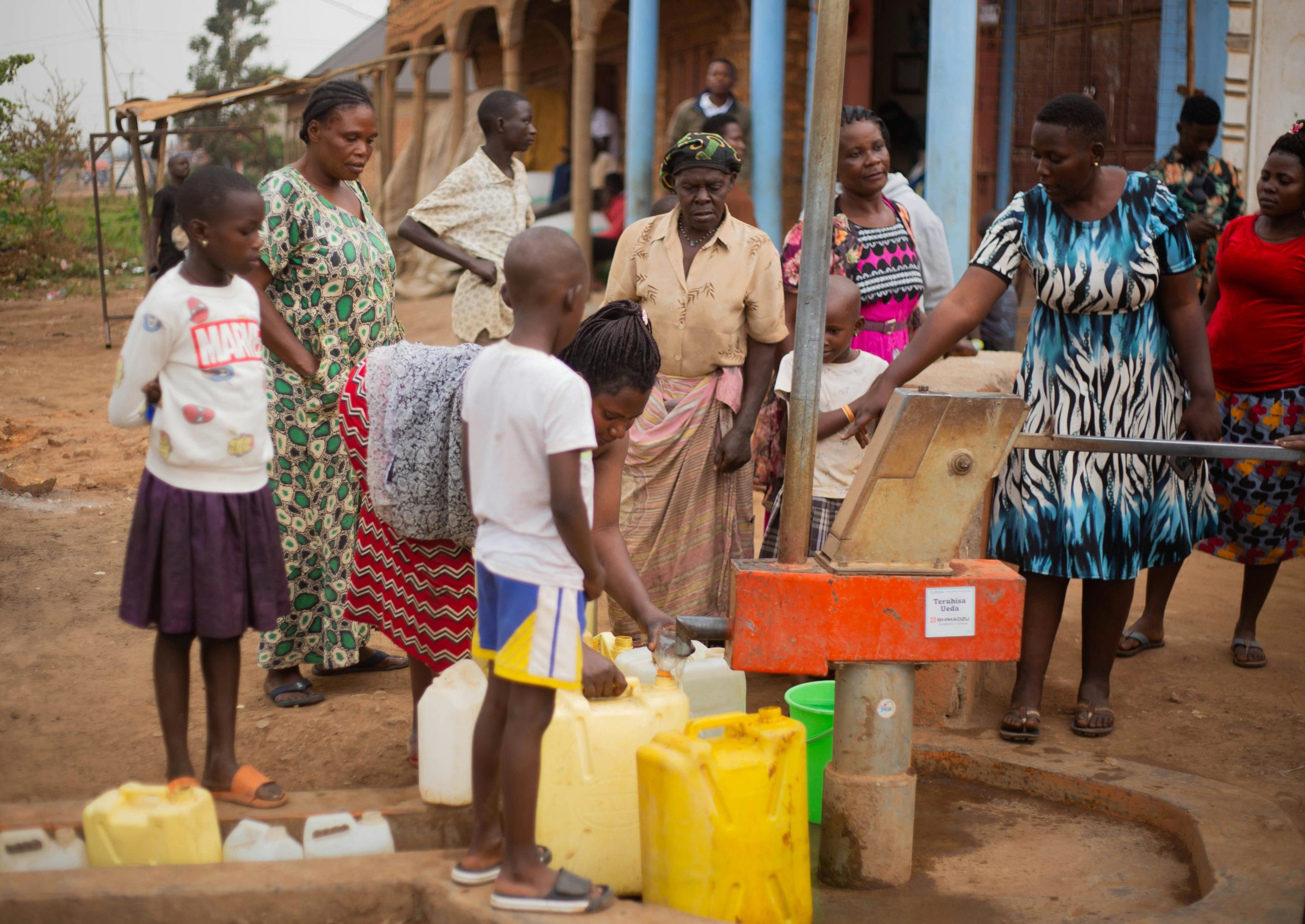
Despite these challenges, many African women in science work on innovations to alleviate poverty and improve public health. Their efforts highlight the role of women in science and show how scientific advancements can drive social and economic progress. Here are three inspiring examples of women and organizations making a significant impact in the fight against poverty.

Corine Ngufor

Each year, Cameroon reports more than 2.7 million cases of malaria, according to USAID. For its people, this means missing work and school often – significantly impacting both economic and educational opportunities. The fight to eradicate malaria has become a priority for the Cameroonian Government. Corine Ngufor’s work – inspired by her personal experience with malaria growing up in Cameroon – is a remarkable step forward.

As a medical entomologist with a PhD from the London School of Hygiene and Tropical Medicine, Ngufor has innovated mosquito net fabrication. While insecticide-treated nets have saved millions of lives in the past decades, mosquito resistance has diminished their effectiveness. To combat this, many researchers have advocated for dual-insecticide nets. Ngufor’s lab identified chlorfenapyr as the effective second insecticide to pair with pyrethroid, a product already used on nets.

Her improved mosquito nets – officially named Interceptor G2 – have prevented 13 million malaria cases and saved 25,000 lives between 2019 and 2022, as reported by STAT News. Corine Ngufor’s work in reducing malaria cases is also crucial in poverty alleviation because healthier communities lead to increased productivity and less financial strain due to medical expenses.

Revital Healthcare

While vaccines for polio and measles are effective in combating these diseases, many African countries face challenges due to a shortage of syringes, leading to the reuse of needles and the transmission of “blood-borne pathogens” such as HIV and hepatitis B. Additionally, the COVID-19 pandemic exacerbated this issue by creating a shortage of syringes in Africa – where 80% come from Asia – disrupting routine vaccinations for children across the continent. It highlighted the need to improve Africa’s self-reliance in syringe production, an indispensable medical tool.

Thus, to prevent the reuse of needles and ensure the availability of syringes on the continent, Revival Healthcare – Africa’s largest medical device manufacturer based in Kenya – started manufacturing auto-disable syringes in 2021 with a $4 million grant from the Gates Foundation. These syringes become inoperative after the plunger has been used, preventing reuse, and they aim to produce 300 million of them annually.

Beyond providing life-saving medical equipment, Revival Healthcare also supports women in science. With an 80%  female workforce, the company creates job opportunities that help reduce poverty by improving families’ financial stability and access to vital resources. Revival Healthcare empowers women economically and encourages them to pursue education and careers in the medical field.

Rachel Sibande and mHub

According to the 2023 UNESCO Global Education Monitoring Report, 89% of learners in sub-Saharan Africa still lack access to a computer and 82% do not have an Internet connection at home. This digital gap limits young people’s ability to gain the skills needed in today’s world, further hindering their employability prospects.

To address this challenge, Malawian computer scientist Rachel Sibande founded mHub in 2014. As Malawi’s first technology and innovation center, mHub has been instrumental in reducing poverty across Africa by empowering young innovators and promoting local technology solutions. As of 2023, mHub has trained more than 40,000 young people in technology, technical and business skills.

In 2020, the hub launched the Digital Malawi project, providing digital skills and business opportunities to youth across the country – supporting more than 500 young people, with some receiving $2,500 in seed capital.

mHub also champions African women in science and technology through its Girls for Code program, which equips young girls with skills in robotics, machine learning, and mobile application development – reaching 323 girls across 15 schools. By advancing technological proficiency and promoting gender equality in STEM fields, mHub fosters innovation and drives economic growth throughout Africa.

Africa Women in Science: Making a Change

African women in science are making a significant impact on reducing poverty through innovation. Despite facing challenges like limited access to education and underrepresentation in STEM, women such as Corine Ngufor, the team at Revital Healthcare and Rachel Sibande are leading the way. Their work in health, technology and medical improvement is bettering lives, boosting economies and promoting gender equality. As they continue to inspire future generations, the role of African women in science will grow, contributing to a better future for the continent.

– Alissa Naydenova

Alissa is based in Colchester, Essex, UK and focuses on Technology and Global Health for The Borgen Project.

Photo: Flickr

September 16, 2024
https://borgenproject.org/wp-content/uploads/borgen-project-logo.svg 0 0 Naida Jahic https://borgenproject.org/wp-content/uploads/borgen-project-logo.svg Naida Jahic2024-09-16 01:30:462024-09-16 01:21:06African Women in Science: Alleviating Poverty
Developing Countries, Global Poverty, Water

Reverse Osmosis: A Path to Clean Water in Jamaica

Clean Water in JamaicaAccess to clean, safe drinking water is integral for maintaining the health and everyday life of any human being, with the World Bank stating that it is “essential for human and economic development.” However, with less than 1% of the water on Earth being drinkable, not everyone has access to clean, safe water.

Access to Clean Water in Jamaica

The anthropogenic change in the climate is placing further stress on natural freshwater sources due to increasingly irregular rain patterns and more frequent extreme weather, such as droughts and flooding. This affects access to safe drinking water and damages water infrastructure, further limiting availability. In Jamaica, this has led to indefinite water restrictions in some areas as reservoirs like the Hermitage System and Mona Reservoir operate well below capacity, at 37% and 33%, respectively.

In recent years, Jamaica has even had to resort to water shutoffs where water is only accessible at certain times. This demonstrates that although Jamaica is known as “the land of wood and water,” access to clean and safe water remains an important issue and is only predicted to worsen if no intervention is undertaken to combat the impact of climate emergency.

Increasing Access to Clean Water in Jamaica

Jamaica’s National Environment and Planning Agency (NEPA), in response to the nation’s worsening clean water situation and the threat posed by adverse climate conditions, signed a grant agreement with the U.S. Trade and Development Agency (USTDA) on July 31, 2024. The grant “will support the development of reverse osmosis technology” by facilitating a study undertaken by the NEPA into 13 different national reverse osmosis sites and four international sites “that are environmentally responsible and reduce the impact on groundwater and marine life.”

Advancements in Reverse Osmosis Technology

Reverse Osmosis (RO) “is a multistage water filtration process that is used to remove up to 99.9% of contaminants.” This could simply be removing salt from seawater and turning it into safe and clean potable water for households or industries. However, it can also have other less obvious applications, such as removing heaving metals and dangerous chemicals from industrial wastewater, allowing it to be reused or distributed to the public. Both these applications of RO technology can help reduce water insecurity and help provide greater access to clean water in Jamaica.

Current developments in RO technology are also promising, offering increased efficiency at lower energy costs through a new pressure exchange system that fully automates the RO process. These new technological developments, combined with the implementation of RO systems made possible by the USTDA grants, can reduce Jamaica’s water insecurity while reducing the operation costs of such technology, making these services much more cost-effective and viable for a developing economy such as Jamaica’s.

Safe Water, Health and Poverty

While most people intuitively understand the importance of access to safe and clean water because it’s used copiously in daily life, it is also inextricably linked to health and, by extension, poverty. Clean water is essential not only for drinking and basic sanitation but also for many industries, including agriculture, which accounts for about one-twentieth of Jamaica’s gross domestic product (GDP). Therefore, a lack of access to clean and safe water can cause diseases such as cholera or diarrhea and reduce economic growth by impacting and limiting industries such as agriculture, which accounts for 29% of GDP and 65% of jobs in developing countries.

Poor health is a major cause of poverty and a significant barrier to escaping it, as medical treatment often forces those living in or near poverty to cover out-of-pocket expenses. Ill health also prevents the sick individual or those caring for them from working, creating a loss of earnings that “is often larger than that through medical expenses.” Therefore, disease and poor health caused by unsafe water, often resorted to when clean and safe water is unavailable, can directly impact or cause poverty. A lack of safe and clean water can also affect early childhood development due to time spent fetching water and associated illness with poor hygiene and sanitation, leading to disrupted education, another factor directly linked to increases in poverty.

Final Remarks

Achieving 100% access to clean water across Jamaica is essential for reducing poverty-related factors and fostering economic growth. The USTDA’s support will help accelerate progress toward this goal while facilitating the implementation of sustainable, long-lasting infrastructure to meet Jamaica’s ongoing demand for clean water. Advancements in RO technology further support meeting future water demands while lowering energy costs, making RO a more viable long-term solution for Jamaica’s clean water needs. This will help reduce the impact of a lack of clean and safe water as an influencing cause of poverty and its continuation, hopefully paving the way for further poverty reduction measures in the country.

– Archie Day

Archie is based in St Andrews, Scotland and focuses on Technology and Global Health for The Borgen Project.

Photo: Pexels

September 13, 2024
https://borgenproject.org/wp-content/uploads/borgen-project-logo.svg 0 0 Hemant Gupta https://borgenproject.org/wp-content/uploads/borgen-project-logo.svg Hemant Gupta2024-09-13 01:31:112024-09-13 01:31:11Reverse Osmosis: A Path to Clean Water in Jamaica
Developing Countries, Economy, Global Poverty

Project Mano: Ethiopia Uses Bitcoin to Fight Poverty

Project ManoIn Ethiopia, 40% of the population still doesn’t have access to electricity, contributing to high unemployment, particularly among young adults. Without proper technological skills and access to electricity, people are less likely to find jobs. Nearly 4% of the country’s population is unemployed across both rural and urban areas. Ethiopia’s new initiative, Project Mano, aims to address these challenges by utilizing Bitcoin. The project focuses on Bitcoin mining facilities and substations to strengthen the country’s economy.

Project Mano

Project Mano aims to integrate intensive bitcoin mining into Ethiopia’s economy, powered by the country’s renewable energy resources, including the Grand Ethiopian Renaissance Dam (GERD), the largest dam in Africa. Led by the Russian bitcoin mining company Bitcluster, the project will support Ethiopia’s environmental goals of clean energy while also boosting technological infrastructure and growing the nation’s economy. If GERD is repurposed for bitcoin mining, it could generate billions of dollars annually for Ethiopia. At full capacity, the dam could power 200,000 similar machines, potentially yielding more than $2 billion per year.

Project Mano will establish a mining facility in Addis Ababa, strategically located near the GERD. Ethiopia’s climate is also a significant advantage for the facility’s construction. With temperatures ranging from 9°C to 24°C throughout the year, the country provides ideal conditions for bitcoin mining, as facilities are less likely to overheat or freeze. Additionally, Addis Ababa’s Bole International Airport, the largest on the continent, offers direct flights to most global capitals, making it a key transport hub and helping reduce the cost of importing equipment and materials.

The Benefits

Project Mano will offer significant benefits to Ethiopia’s population in the fight against poverty. Inflation remains high and the crises in Ukraine and Gaza have increased pressure on import prices. With 55% of the population unbanked, money circulation is limited, forcing the government to print more money and worsening inflation. One of Project Mano’s initiatives is to adopt Bitcoin as legal tender, allowing it to be used for purchases, employee salaries and taxes. Since bitcoin maintains its value, this could help reduce poverty by stabilizing Ethiopia’s economy and promoting fiscal security.

Furthermore, using the GERD for bitcoin mining will provide 24/7 electricity access, helping Ethiopia combat poverty. The “electrification” of rural areas will lead to the establishment of bitcoin mining substations, allowing remote communities to gain access to electricity while creating new tech-related job opportunities. This increase in employment will boost Ethiopia’s economy and significantly reduce the number of people struggling with food poverty.

Summary

Project Mano proposes bitcoin mining as a solution for securing a stable economy. It plans to establish a facility in Addis Ababa powered by Africa’s largest hydroelectric project and other renewable energy sources. The project aligns with Ethiopia’s renewable energy goals while having the potential to generate billions of dollars for the economy. By expanding technological infrastructure, bitcoin mining will create more employment opportunities, address the high unemployment rate among young adults and help alleviate food poverty. Additionally, the Bitcoin facilities present significant opportunities for foreign investment and access to foreign currency, improving the quality of life for average Ethiopians and stabilizing the economy on a larger scale.

– Chelsey Saya McLeod

Chelsey is based in Southampton, Hampshire, UK and focuses on Good News, Technology and Solutions for The Borgen Project.

Photo: Pexels

September 7, 2024
https://borgenproject.org/wp-content/uploads/borgen-project-logo.svg 0 0 Hemant Gupta https://borgenproject.org/wp-content/uploads/borgen-project-logo.svg Hemant Gupta2024-09-07 07:30:122024-09-07 00:52:43Project Mano: Ethiopia Uses Bitcoin to Fight Poverty
Artificial Intelligence (AI), Global Poverty, Technology

Alleviating Poverty With Microsoft’s AI for Good Lab

Microsoft’s AI for Good LabArtificial Intelligence (AI) holds significant potential in addressing global challenges, including poverty and hunger. By harnessing vast amounts of data, AI technologies can offer innovative solutions to complex problems faced by vulnerable populations. Microsoft’s AI for Good Lab is at the forefront of these efforts, providing critical tools and insights to mitigate the impacts of poverty and hunger around the world.

Using AI to Predict and Prevent Food Insecurity

Food insecurity remains one of the most significant challenges in poverty alleviation. In collaboration with Catholic Relief Services (CRS), Microsoft’s AI For Good Lab conducted a study that applied machine learning to address food insecurity. The study utilized data from household surveys collected by CRS teams on the ground in southern Malawi. By integrating this data with advanced machine learning algorithms, the research developed a model capable of predicting food insecurity at the household level.

The model achieved an 83% accuracy rate in forecasting food security outcomes, providing accurate predictions up to four months in advance, demonstrating the potential of combining ongoing survey data with machine learning to offer near real-time predictive insights. With such technologies continuing to develop further, early warnings and AI predictions could help allow governments and nongovernmental organizations (NGOs) to take preemptive actions, such as distributing food supplies or providing financial assistance to vulnerable populations.

Enhancing Agricultural Productivity Through AI

Agriculture is a critical sector for poverty alleviation, particularly in developing countries where a significant portion of the population depends on farming for their livelihood. Microsoft’s AI for Good initiative has made substantial contributions to enhancing agricultural productivity through the use of AI-driven technologies. One prominent initiative involves the use of AI to provide precision farming solutions. Microsoft has developed AI tools that analyze a wide range of data, including soil health, crop conditions and local weather forecasts, to offer tailored advice to farmers.

For example, the AI platform FarmBeats, developed by Microsoft, collects and analyzes data from sensors placed in fields, drones and satellites. This information is then used to give farmers specific recommendations on when to plant crops, how much water and fertilizer to use and when to harvest. Moreover, Microsoft’s AI tools are designed to be accessible even in low-resource settings. The platform works with low-bandwidth connections and integrates with affordable sensors, making it a viable solution for farmers in remote areas. This democratization of technology is a key factor in its effectiveness, ensuring that even the most marginalized farmers can benefit from AI advancements.

Mapping Vulnerable Populations With AI

Understanding the geographical distribution of vulnerable populations is crucial for effective poverty alleviation efforts. Microsoft’s AI for Good Lab, in collaboration with organizations like Planet and IHME, has developed advanced AI models to map these populations with precision. These AI models can detect patterns that indicate where populations are at the greatest risk of disasters, allowing NGOs and governments to effectively prioritize regions for infrastructure development, disaster preparedness and resource allocation.

Moreover, these AI-powered maps are not only valuable for disaster response but also for long-term planning. By identifying trends in population movement and environmental changes, policymakers can develop more sustainable poverty alleviation strategies that account for future risks and changes that may have disproportionate impacts on vulnerable populations. This proactive approach is essential in ensuring that poverty reduction efforts are resilient to the impacts of rising temperatures and an ever-changing world.

The Future of AI in Poverty Alleviation

Microsoft’s AI for Good Lab is leading the charge in using AI to address some of the most significant challenges in poverty alleviation. From predicting food insecurity and enhancing agricultural productivity to mapping vulnerable populations, AI is playing a transformative role in creating a more equitable world.

– Sophia Lee

Sophia is based in Media, PA, USA and focuses on Technology and Solutions for The Borgen Project.

Photo: Flickr

September 5, 2024
https://borgenproject.org/wp-content/uploads/borgen-project-logo.svg 0 0 Hemant Gupta https://borgenproject.org/wp-content/uploads/borgen-project-logo.svg Hemant Gupta2024-09-05 01:30:272024-09-04 14:30:46Alleviating Poverty With Microsoft’s AI for Good Lab
Page 11 of 29«‹910111213›»

Get Smarter

  • Global Poverty 101
  • Global Poverty… The Good News
  • Global Poverty & U.S. Jobs
  • Global Poverty and National Security
  • Innovative Solutions to Poverty
  • Global Poverty & Aid FAQ’s
Search Search

Take Action

  • Call Congress
  • Email Congress
  • Donate
  • 30 Ways to Help
  • Volunteer Ops
  • Internships
  • Courses & Certificates
  • The Podcast
Borgen Project

“The Borgen Project is an incredible nonprofit organization that is addressing poverty and hunger and working towards ending them.”

-The Huffington Post

Inside The Borgen Project

  • Contact
  • About
  • Financials
  • President
  • Board of Directors
  • Board of Advisors

International Links

  • UK Email Parliament
  • UK Donate
  • Canada Email Parliament

Get Smarter

  • Global Poverty 101
  • Global Poverty… The Good News
  • Global Poverty & U.S. Jobs
  • Global Poverty and National Security
  • Innovative Solutions to Poverty
  • Global Poverty & Aid FAQ’s

Ways to Help

  • Call Congress
  • Email Congress
  • Donate
  • 30 Ways to Help
  • Volunteer Ops
  • Internships
  • Courses & Certificates
  • The Podcast
Scroll to top Scroll to top Scroll to top