• Link to X
  • Link to Facebook
  • Link to Instagram
  • Link to TikTok
  • Link to Youtube
  • About
    • About Us
      • President
      • Board of Directors
      • Board of Advisors
      • Financials
      • Our Methodology
      • Success Tracker
      • Contact
  • Act Now
    • 30 Ways to Help
      • Email Congress
      • Call Congress
      • Volunteer
      • Courses & Certificates
      • Be a Donor
    • Internships
      • In-Office Internships
      • Remote Internships
    • Legislation
      • Politics 101
  • The Blog
  • The Podcast
  • Magazine
  • Donate
  • Click to open the search input field Click to open the search input field Search
  • Menu Menu

Tag Archive for: Technology

Posts

Global Poverty, Refugees, Technology

UNHCR and TECNO: Empowering Young Refugees

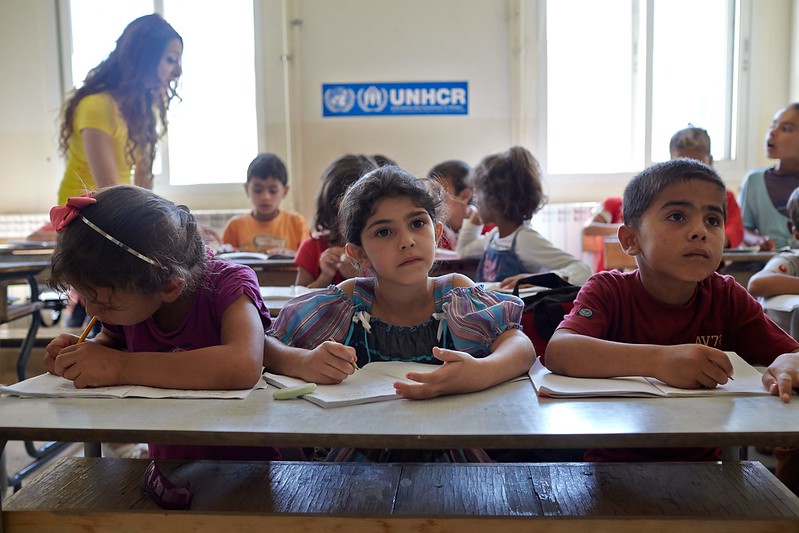
UNHCR and TECNOUNHCR has recently announced a three-year expanded partnership with Tecno, a leading technology brand, to address pressing gaps in education for refugee children and youth across Africa. Adding on to five years of successful partnership, the parties launched their new project “Together We Can Bring Education to African Children and Youth”, which supports two UNHCR initiatives: the DAFI (Albert Einstein German Academic Refugee Initiative) Tertiary Scholarship Program and the Primary Impact Program.

UNHCR Initiatives

The UNHCR aims to inspire disadvantaged students to achieve their true potential through its two successful initiatives. The Primary Impact Initiative focuses on increasing access to primary education, ensuring a safe and supportive learning environment, improving education quality and promoting inclusive education policies. Indeed, since 2023, the program has supplied primary education access to 431,000 displaced children, of whom nearly half were female. In both camps and urban areas, the initiative reached 1,029 primary schools.

The DAFI program offers qualified refugee students an opportunity to earn an undergraduate degree in their country of asylum or home country. The program, which has been ongoing for three decades, remains the foundation of the UNHCR’s strategy to achieve more enrolment of refugees in higher education.

In 2023, 7,890 refugees from 54 countries of origin were enrolled in higher education. Since 1992, the program has supported more than 27,200 young refugees.

Impact of the Partnership

The partnership between TECNO and UNHCR first began in 2020, focusing on providing quality education to refugee children and young people in Africa. However, over the past years, the partnership has reached 40 DAFI scholars and 17,370 refugee children. With this collaboration, the UNHCR focuses on enrolling more than 55,000 children in primary schools in camps located in Dadaab and Kakuma over the next four years.

Kenya is the fifth-largest refugee-hosting country in Africa, with 774,370 refugees and asylum seekers as of May 2024, according to African Business. Kenya’s refugee camps, Dadaab and Kakuma, house more than 217,000 school-aged refugee children. TECNO’s support will benefit over 7,000 children in Kenya, helping them achieve their potential. It is already helping the UNHCR’s efforts to improve educational outcomes for children in Kenya with the financial support from TECNO, which goes into hygiene kits, infrastructure construction, scholastic materials and resources for teachers.

Conclusion

“TECNO is dedicated to giving back to local communities in Africa …. We believe that education is the key to changing the destiny for refugee children,” said Jack Guo, general manager of TECNO, showing that the initiatives have a true impact with the aid of a leading technology brand like TECNO.

This extended partnership between UNHCR and TECNO showcases the power of investing in education for refugees, offering them a chance to achieve their potential like any other young person in the world. Additionally, it shows a commitment to shaping the world into a more accessible place for people of all ages, backgrounds, and nationalities, which is encouraging for other organisations that take inspiration from the works of UNHCR and use it to motivate more positive change in the world.

– Amaira Katyal

Amaira is based in London, UK and focuses on Technology and Global Health for The Borgen Project.

Photo: Flickr

August 16, 2025
https://borgenproject.org/wp-content/uploads/borgen-project-logo.svg 0 0 Naida Jahic https://borgenproject.org/wp-content/uploads/borgen-project-logo.svg Naida Jahic2025-08-16 01:30:262025-08-15 10:58:28UNHCR and TECNO: Empowering Young Refugees
Agriculture, environment, Global Poverty

How Enhanced Rock Weathering in Africa Is Turning Heads

Enhanced Rock Weathering in AfricaIn Africa and the global south, a new process is gaining the attention of agriculture and environmental initiatives. Smallholder farmers are witnessing their maize harvests flourish while simultaneously removing carbon from the atmosphere. This is not the result of a new fertilizer or a genetically modified seed. It comes from a novel climate technology that turns ordinary volcanic rock into a powerful tool for poverty reduction and environmental renewal.

The new technology, Enhanced Rock Weathering (ERW), offers a dual solution to two of Africa’s most pressing challenges: unstable climatic conditions and food insecurity. ERW captures carbon dioxide (CO2) directly from the atmosphere by accelerating a natural geological process. At the same time, minerals from the rock revitalize depleted, acidic soils, leading to dramatic increases in crop yields and farmer incomes.

How It Works

The science behind ERW is surprisingly simple. The natural weathering of rocks regulates Earth’s climate by pulling CO2 from the air. ERW turbocharges this process by increasing the surface area of available rock. Finely crushed silicate rock, typically basalt, is spread across agricultural fields.

When rainwater mixes with CO2 in the atmosphere, it forms a weak acid that inevitably falls to the ground and reacts with the rock dust. This reaction converts the CO2 into stable bicarbonate ions that are eventually washed into rivers and oceans, where the carbon is locked away for a projected 10,000 years.

Initial Outcomes of Enhanced Rock Weathering in Africa

While the climate benefits are global, the local impact is life-changing. Many African farmers have struggled with degraded, acidic soils that reduce crop growth for years. With ERW, the basalt dust acts as a slow-release natural fertilizer, replenishing the soil with essential nutrients like calcium, magnesium and phosphorus. It also raises the soil’s pH, making it less acidic and more fertile.

The results are starting to turn heads. In collaboration with ERW company Mati Carbon, farmers in India are reporting increased rice yields “in excess of 20%” with Mati Carbon’s CEO, Shantanu Agarwal, stating that results will be even more pronounced on the most degraded soils.

A recent pilot study in Kenya conducted by the climate-tech startup Flux in collaboration with the United Nations Convention to Combat Desertification proves Mati Carbon right. The study found that applying basalt dust to maize fields increased grain yields by an average of 47.5%, with some farms noting a yield increase of more than 200%. For the participating farmers, this translated into an economic gain of more than $326 per hectare, per harvest, a transformative sum for families living in subsistence conditions.

The Carbon Credit Connection

Another beautiful aspect of these new programs is their business model. All the profits from increased crop yield go straight to the farmers. Companies like Flux and Mati Carbon sell the carbon credits to climate-conscious corporations, then provide the rock dust to farmers free of charge.

The farmers benefit immediately from healthier soils and bigger harvests and credit purchasers solidify their commitment to the environment. Enhanced rock weathering is gaining traction with a sustainable business model, concrete outcomes and increasing interest from the corporate sector.

Into the Future

Mati Carbon, the company that recently won the $50 million XPRIZE for Carbon Removal, aims to support 30,000 smallholder farmers by the end of 2025. Nairobi-based Flux has also set an ambitious goal of generating $300 million in additional income for African farmers by 2030. Early indicators of enhanced rock weathering in Africa point to a win-win situation. However, there are still concerns about the cost of crushing and spreading.

As the technology scales from pilot projects in Kenya, Zambia and Tanzania to larger initiatives across the continent, it promises to turn millions of hectares of African farmland into catalysts for both environmental restoration and human prosperity.

– Levi Ravnsborg

Levi is based in Summerland, BC, Canada and focuses on Good News and Technology for The Borgen Project.

Photo: Pixabay

August 11, 2025
https://borgenproject.org/wp-content/uploads/borgen-project-logo.svg 0 0 Hemant Gupta https://borgenproject.org/wp-content/uploads/borgen-project-logo.svg Hemant Gupta2025-08-11 07:30:322025-08-11 02:28:47How Enhanced Rock Weathering in Africa Is Turning Heads
Artificial Intelligence (AI), Disease, Global Poverty

How Zzapp Malaria Uses AI Technology To Fight Malaria in Africa

Zzapp MalariaEvery year, malaria sickens millions and kills hundreds of thousands worldwide, with most cases concentrated in Africa. In 2023 alone, there were an estimated 263 million malaria cases and nearly 600,000 deaths, with children aged 5 and less accounting for about 76% of those deaths.

Despite decades of progress, including a 38% reduction in malaria incidence and a 60% drop in mortality from 2000 to 2022, gains have stalled. Challenges such as drug and insecticide resistance, underfunding and changing climatic conditions continue to hamper efforts. As traditional tools fall short, technology to fight malaria is becoming increasingly vital.

AI as a Solution

Malaria has been eliminated in several countries that are able to carry out comprehensive control operations, particularly by targeting mosquito breeding grounds in stagnant water bodies. However, such interventions require significant investment.

To overcome these barriers, innovative initiatives like Zzapp Malaria are using technology to fight malaria. They are transforming control operations with AI and mobile tools to offer scalable, cost-effective solutions to one of Africa’s most persistent public health threats.

How Zzapp Malaria Works

Zzapp Malaria is an Israeli nonprofit startup. It uses AI-driven software to plan and execute malaria control operations, particularly larviciding and house spraying, in low-resource and urban settings across Africa.

Its approach combines several key steps:

  • Planning and mapping. Neural networks analyze satellite images to detect homes, stagnant water areas and breeding hotspots, incorporating climate and topographic data to determine optimal intervention timing.
  • Task allocation. The platform segments areas into grids and assigns them to field workers through its mobile app.
  • Field operations. App-guided teams map, sample and treat water bodies with larvicides or sprays, with real-time data optimizing interventions.
  • Monitoring. The system flags areas with insufficient treatment or high mosquito levels for rapid response.

The app works offline, supports low-end smartphones and uses icons for low-literacy users. It recognizes traditional huts and modern homes and training is simple. For many field workers, using the app is their first digital experience, empowering them with new skills.

Proven Impact and Cost-Effectiveness

  • Obuasi, Ghana. In partnership with the AngloGold Malaria Control Program (AG­AMaL), Zzapp Malaria piloted its system in 2017. A 2018 randomized controlled trial showed app-guided teams detected 28% more breeding sites with more than 90% coverage than standard methods. By 2020, a full-scale operation reduced mosquito populations by 60% in less than four months at $0.20 per person protected, compared to about $5 for traditional spraying.
  • São Tomé and Príncipe. In collaboration with the Ministry of Health, Zzapp Malaria conducted an eight month-long larviciding operation covering 166,000 people across 240 square kilometers. Results included a 75% reduction in mosquitoes, malaria cases cut by more than half and an average cost of $0.86 per person protected, dropping to $0.44 in urban areas — about twice as cost-effective as bed nets.

Zzapp Malaria remains active in Ghana, São Tomé and Príncipe and has expanded to Mozambique, Zanzibar in Tanzania, Ethiopia and Kenya. Its pilots have reached 500,000 people, with expansion agreements aiming for at least five million.

Recent Developments

  • Ghana. In April 2025, The Ghanaian Times reported that AGAMal and Zzapp Malaria’s tools reduced malaria prevalence to about 1% in Obuasi East.
  • Mozambique. Following a successful pilot in Maputo with Mozambique’s National Malaria Control Program (NMCP) and Goodbye Malaria, Zzapp Malaria is preparing a nationwide urban rollout.
  • Zanzibar. Drone integration trials are underway, using drone maps and LiDAR to identify breeding sites. Zanzibar’s Ministry of Health has implemented this project as part of the spatial intelligence system funded by the Bill and Melinda Gates Foundation through the Innovative Vector Control Consortium (IVCC).

Why Zzapp Malaria’s Solutions Matter

Despite large global investments, conventional tools often fall short and progress has stalled. Technology to fight malaria, like Zzapp Malaria, enables task-shifting to community health workers while enhancing surveillance, diagnosis and treatment. Its AI-powered mapping, targeted larviciding and drone-assisted detection fill key gaps:

  • Cost-effective interventions. Optimize resources where funding is limited.
  • Complementary strategies. Strengthen existing interventions facing resistance.
  • Enhanced operations. Improve data-driven decision-making in challenging contexts.

Zzapp Malaria exemplifies the transformative potential of technology to fight malaria through digital health solutions:

  • Technology as a solution. AI and drones directly reduce mosquito populations and malaria cases.
  • Scalability and cost-effectiveness. Proven impact at minimal cost.
  • Empowerment. Tools designed for low-literacy, low-infrastructure settings democratize access.
  • Evidence-based results. Peer-reviewed studies and credible media confirm its effectiveness.

In a world where malaria continues to claim hundreds of thousands of lives each year, Zzapp Malaria shows how technology to fight malaria can provide scalable, cost-effective solutions to one of the world’s most persistent health challenges.

– Jacobo L. Esteban

Jacobo is based in Cali, Colombia and focuses on Technology and Politics for The Borgen Project.

Photo: Flickr

August 10, 2025
https://borgenproject.org/wp-content/uploads/borgen-project-logo.svg 0 0 Hemant Gupta https://borgenproject.org/wp-content/uploads/borgen-project-logo.svg Hemant Gupta2025-08-10 07:30:412025-08-10 00:05:08How Zzapp Malaria Uses AI Technology To Fight Malaria in Africa
Disease, Global Poverty, Health

Combating Dengue Fever in Indonesia

Dengue Fever in IndonesiaDengue fever, a mosquito-borne illness, causes severe muscle and joint pain, nausea, vomiting and in extreme cases, death. This disease, often simply called dengue, is endemic in Indonesia, where it kills hundreds of people annually. Dengue cases spiked in 2024, forcing Indonesia to address the growing public health issue.

According to the Indonesian Health Ministry, nearly 250,000 Indonesians contracted dengue in 2024. The virus claimed 1,418 lives that year. Despite a swift government response that continues through today, dengue remains a serious public health threat. By examining how Indonesia is combating dengue fever in impoverished communities, we can also learn how to fight it in other countries.

How Dengue Fever Impacts Impoverished Communities in Indonesia

Mosquitoes easily infiltrate the porous, open housing common in Indonesia’s low-income communities, making it easier for dengue to spread. Families in these areas are also more likely to work outdoors, increasing their exposure to mosquitoes, unlike higher-income earners who often work in air-conditioned offices. Although Indonesian law mandates paid sick leave for all workers, including those with dengue, deaths still occur.

For struggling families, the loss of income from illness can be financially devastating and the death of a loved one brings intense emotional pain. Severe dengue cases often come with high out-of-pocket medical costs. When hospitalizations surge, public hospitals, relied on by low-income communities, can become overcrowded. This strains medical staff and reduces their ability to treat other life-threatening conditions, leading to increased deaths even when dengue itself is under control.

What Indonesia Did To Combat Dengue Fever in 2024

  1. Multisource Collaborative Surveillance. This sophisticated system enables public health professionals to collect and analyze diverse data sources. It allows for a more accurate prediction of where disease outbreaks, like dengue fever, may occur. This approach plays a critical role in Indonesia’s efforts to fight dengue, especially in low-income communities.
  2. Wolbachia Mosquito Technology. The government of Indonesia has begun using Wolbachia-infected Aedes aegypti mosquitoes that carry a bacterium that reduces the virus’s ability to replicate. This initiative is part of a broader government plan to achieve zero dengue deaths by 2030.
  3. The 3 Ms Program. The Indonesian government continues to promote this strategy as a practical way for communities to help control the spread of dengue. Citizens are encouraged to drain water containers regularly, cover water storage and recycle items that can collect standing water, which serves as a mosquito breeding ground.
  4. Vaccination. Indonesia has rolled out dengue vaccinations in local schools, targeting children as a key prevention group. Vaccination remains one of the safest and most effective ways to prevent severe dengue infections. The QDENGA vaccine, used in the country’s efforts, is developed by Takeda, a Japanese biopharmaceutical company with more than 70 years of industry experience.

Summary

Indonesia is tackling dengue fever in low-income communities through advanced technology and community-based solutions. From Wolbachia-infected mosquitoes and data-driven surveillance to school vaccinations and the 3 Ms Program, the country targets the virus and the conditions that allow it to spread. Though challenges persist, these efforts offer a practical model for other countries battling dengue.

– Jeff Mathwig

Jeff is based in Philadelphia, PA, USA and focuses on Global Health, Politics for The Borgen Project.

Photo: Unsplash

August 9, 2025
https://borgenproject.org/wp-content/uploads/borgen-project-logo.svg 0 0 Hemant Gupta https://borgenproject.org/wp-content/uploads/borgen-project-logo.svg Hemant Gupta2025-08-09 03:00:362025-08-08 05:39:07Combating Dengue Fever in Indonesia
Agriculture, Global Poverty, Technology

Agricultural Technology: Food Systems in Vietnam

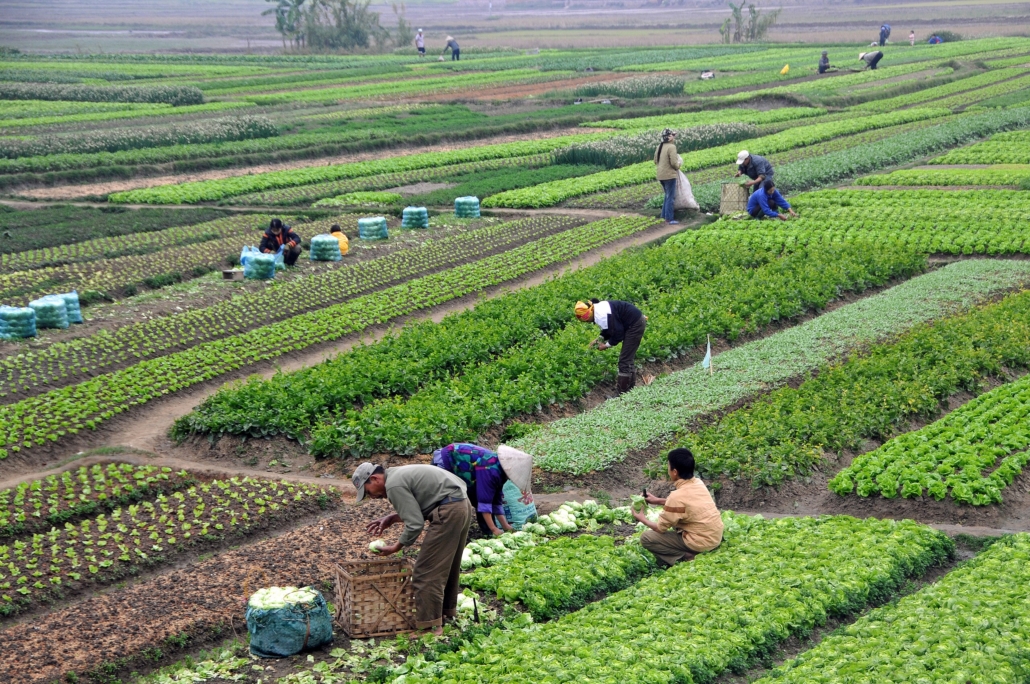
Food Systems in VietnamFood systems in Vietnam have seen massive change in recent history. The country has witnessed significant agricultural growth over the last 30 years, which has undoubtedly alleviated the nation’s socioeconomic status. It has massively reduced food insecurity, contributed to a decline in poverty and also fostered an increasingly export-oriented economy – a major source of labor opportunities for the wider population. That said, food systems in Vietnam are not immune to the general plights of global agriculture in today’s world.

About Food Insecurity in Vietnam

Although Vietnam is a major food exporter, around 10–11% of its population still faces moderate or severe food insecurity, mainly in rural and ethnic minority communities. The impact of changing weather patterns – causing fluctuating weather, saltwater intrusion and exposure to floods or droughts – is a culprit guilty of destabilizing Vietnamese agricultural production.

An aging workforce and declining productivity among its labor pool. In Vietnam, the average age of farmers has risen significantly in recent years, and its general agricultural labor force has been shrinking.

Challenges in supply chain issues, which the agricultural industry is particularly susceptible to due to fragmented production, frequent changes in season or weather, issues with storage and food maintenance, etc. This is especially true in Vietnam where, in 2017, the World Bank put out a report detailing the weaknesses of Vietnam’s agricultural supply chains and the costly consequences for the nation’s GDP. The report stated that, “the main constraint on Vietnam’s agriculture supply chains is the lack of an integrated, end-to-end supply chain model, according to Mr. Julien Brun, Managing Partner at CEL Consulting.” These all disrupt production and access to nutritious food, leaving vulnerable groups at risk despite the nation’s agricultural growth.

The Rise of AgTech

What the World Bank recommends – and what is generally becoming not simply a need, but a requirement for a competitive agricultural market – is a rise in agricultural technology: to increase productivity, to keep track of and forewarn of market or natural fluctuations and to facilitate logistical efficiency.

Fortunately for Vietnam, while it is not immune to global agricultural issues, it is also not immune to global agricultural solutions. Agrifoodtech investment in developing markets reached $3.7 billion in 2024, surging a remarkable 63% year-over-year (YoY) and bucking the 4% decline observed in the agrifoodtech sector at the global level.

Techcoop

One of the leading firms in this Agtech revolution is a small startup by the name of Techcoop, which sees 2025 as its year of stardom—both in terms of funding and public recognition. According to the website TechInAsia, “This Series A round is one of the largest in Vietnam’s agritech sector, reflecting the growing demand for tech-driven agriculture solutions.”

What Techcoop does is address one of the main hindrances to supply chain issues in Vietnam’s agricultural industry, which, as aforementioned, the World Bank reported to be one of the sector’s major issues: namely supply chain and logistics inefficiency. Techcoop enables an integration of data into the agrarian world of farming through, among other things:

  • Codifying purchase agreements between the agribusiness, farmer-owned cooperatives, and the farmers, including key clauses such as advance payment, payment terms, committed volumes, price, quality standards, etc.
  • Facilitating fund distribution from partner financial institutions to agribusinesses, cooperatives and farmers for specific purposes.
  • Monitoring and enforcing contractual commitments through field and transactional data collection.

Techcoop is on the forefront not simply of Agtech, but also operates at its intersection with financial and legal technology facilitating the movement of financial funds and the drafting of contracts. 

Supply Chain Efficiency

This work of easing and improving supply chain efficiency has allowed Techcoop to address Vietnam’s logistical shortcomings. With how small-scale farming can be, agribusiness and local farmers have often been fragmented or lacking in their communication. Techcoop offers data analytics and tracking to mediate between them – allowing for a quantification of production to track the progress of contractual obligations, with data offered as an efficient and understandable language between various actors in the supply chain. This is increasingly important to consumers who more and more want greater farm-to-shelf traceability. Techcoop enables this through allowing for easier tracking of actors and processes within the complex agricultural supply chain. 

AgTech’s Role in Vietnam’s Trading Shifts

Startups like Techcoop that are participating in and forming this agritech revolution are going to be increasingly vital given the global shock to trade that Trump’s “Liberation Day” tariffs represented. Vietnam, having recently made a deal with Trump, opted to reduce U.S. tariffs on most goods to 20%, down from the previous 46% – but only in exchange for a 0% tariff on U.S. exports to Vietnam. This represents a major shift in Vietnam’s agricultural sector, which now has to compete with U.S. agricultural goods on home turf. Now, more than ever, Agtech matters in ensuring Vietnam’s agricultural productivity remains at a competitive level – particularly when facing U.S. goods paired with their own surge in agricultural technological innovation. Techcoop and companies like it will increasingly become the go-to solution for sustaining food systems in Vietnam – one of the nation’s most vital sectors.

– Inaam Munsoor

Inaam is based in Edinburgh, Scotland and focuses on Business and Politics for The Borgen Project.

Photo: Wikimedia Commons

August 7, 2025
https://borgenproject.org/wp-content/uploads/borgen-project-logo.svg 0 0 Jennifer Philipp https://borgenproject.org/wp-content/uploads/borgen-project-logo.svg Jennifer Philipp2025-08-07 07:30:522025-08-06 16:44:14Agricultural Technology: Food Systems in Vietnam
Food Insecurity, Global Poverty, Hunger

Tackling Food Waste In Indonesia

Food Waste In IndonesiaAccording to the 2025 International Database Census, Indonesia has the fourth-largest population globally, with more than 283 million people living in the lush “Emerald of the Equator.” Compared to other populated nations in Asia, like India or Bangladesh, Indonesia has a relatively low population density—aside from the island of Java—with civilians spread across the different provinces of the archipelago. That said, Indonesia still has the highest population among the member states of the Association of Southeast Asian Nations (ASEAN), creating both challenges and opportunities for sustainable living.

Historically, Indonesia has had difficulty maintaining a sustainable relationship with food consumption, as well as with lumber, fossil fuels, land use and water. Even though Indonesia may appear to have enough resources to provide for everyone, more than 8% of its population—about 24 million people—lives in poverty. While facing numerous ecological issues and overconsumption, Indonesian federal policymakers have attempted to address these problems while managing other environmental challenges that have arisen in recent years.

Causes of Food Waste in Indonesia

On the surface, food waste may seem like an issue that can be tackled easily. However, many developed nations, especially the most populated ones, have had continuous trouble adapting to cultural factors, logistical issues and faulty manufacturing. For Indonesia specifically, these issues, along with harvest losses and the country’s climate, speed up the process of food waste compared to other nations.

Harvest loss is a detrimental issue for Indonesian produce farmers because significant amounts of their crops are lost before reaching the market due to a lack of access to modern technologies for harvesting, processing and storing crops. When these crops face exposure to Indonesia’s constant humid climate, the conditions quickly cause spoilage, either before or after they reach a retailer.

When citizens of Indonesia search for produce at vendors or markets, perceptions of food quality often influence high food waste. Much of consumer behavior has progressively been influenced by Western consumption patterns that suggest a lack of interest in food that may not appear aesthetically pleasing, leading to the discarding of large amounts of food. Unfortunately, this cultural phenomenon of waste does not only reside on the individual level.

According to information reported by news portal Tempo, the biggest contribution to wasted food comes from hotels, restaurants, catering, supermarkets and the behavior of people who like to leave their food. Aksamala Foundation research results in 2016 showed that 35% of restaurants in Jakarta throw away excess unsold food per day, with an average of 2-3 kilograms per restaurant. 

Consequences of Food Waste

Plenty of consequences have emerged from overconsumption, most notably food insecurity. When retailers have limited access to fresh produce or when produce spoils quickly, prices can rise due to supply issues. Although Indonesia may remain one of the world’s largest food producers, the amount of waste, if managed properly, can meet the food needs of more than 3 billion people; it still faces challenges within its supply chain when delivering food to those in impoverished areas who require immediate access to quality nourishment. Environmental and economic impacts are the two other major consequences of food waste.

The World Bank assessed in 2019 that Indonesia lost $29 billion in one year due to food waste. Furthermore, the Food and Agriculture Organization (FAO) has conducted a study that food waste accounts for 8% of greenhouse gas emissions, not to mention the amount of natural resources that go to waste when growing produce that immediately gets thrown out.

Spearheading a Sustainable Change

As of 2024, Indonesia has lowered its food waste per capita to 51.95 kg, compared to 2021 when the waste per capita was 75.66 kg. When tackling these issues, Indonesia relied on technological and digitalization methods, including artificial intelligence (AI) networks that can identify patterns, predict the molecular structure of bioactive compounds and predict the expiration of a commodity.

Other methods, such as data systems, have proven useful when tracking produce in transport from rural to urban areas, ensuring appropriate preservation. If an issue arises in the supply chain, it becomes easier to isolate and resolve. Many other traditional strategies carried out among the public consist of encouraging community efforts toward upcycling organic and non-organic waste through individual efforts or organizations like Waste4Change, supporting the country’s goals for a more sustainable future.

– Sam Barbagallo

Sam is based in Tewksbury, MA, USA and focuses on Good News and Technology for The Borgen Project.

Photo: Flickr

August 7, 2025
https://borgenproject.org/wp-content/uploads/borgen-project-logo.svg 0 0 Precious Sheidu https://borgenproject.org/wp-content/uploads/borgen-project-logo.svg Precious Sheidu2025-08-07 03:00:312025-08-06 16:19:08Tackling Food Waste In Indonesia
Disability, Global Poverty, Technology

SmartCane: Technology Empowers Blind Communities in India

SmartCaneIn India, visual disability affects approximately 0.23% of the population, with significantly higher rates, up to 1.53%, among older adults. Despite efforts to improve access, about 15% of people with visual disabilities still lack access to health care for their condition.

Barriers such as affordability, low literacy and geographic isolation disproportionately affect women, marginalized communities and people with low incomes. These challenges limit access not only to treatment but also to assistive devices like canes or glasses.

Smart cane technology in India is addressing this gap by using sensor-based innovation to improve mobility, independence and safety for people who are blind or visually impaired.

The Limits of Traditional Mobility Tools

An estimated 4.95 million people in India are blind and another 35 million are visually impaired. Cataracts and uncorrected refractive errors remain the leading causes of blindness and low vision, respectively.

Many of these individuals rely on traditional white canes for mobility. While helpful for detecting objects on the ground, conventional canes fail to detect obstacles above waist height, such as low-hanging signs or open windows.

This limitation increases the risk of accidents and discourages independent travel, especially in crowded or unfamiliar environments.

SmartCane Solution for Safer Navigation

Smart cane technology aims to overcome these limitations. The SmartCane was developed by the Indian Institute of Technology (IIT) Delhi in collaboration with Phoenix Medical Systems and Saksham Trust, with funding from the Wellcome Trust.

It is an electronic mobility aid that uses ultrasonic sensors to detect obstacles up to three meters away and at varying heights. The device sends tactile feedback through vibrations to alert users before impact. The SmartCane retails for around $34 and has reached more than 20,000 users across India and internationally.

Implementation and Impact

SmartCane’s distribution has primarily occurred through partnerships with NGOs, schools for the blind and regional disability centers in India. Saksham Trust, a key implementing partner, has helped train users to integrate the device into their daily routines. Instruction includes mobility training, orientation sessions and guidance on interpreting haptic feedback.

A study led by Rohan Paul, one of SmartCane’s innovators and a Rhodes Scholar, found a 93% reduction in collisions during a structured obstacle course compared to users of traditional canes. Another U.S.-based study of older adults evaluating smart mobility devices found that 83% supported the idea. Similarly, 100% believed they could learn to use it effectively with training. However, some raised concerns about accessibility, appearance and tech support.

Real Benefits Beyond Navigation

Smart canes give users greater independence, allowing them to move through public spaces and explore new places more confidently. Enhanced obstacle detection reduces the risk of injury and supports safer commuting. Integration with smartphones and other devices opens access to apps, navigation tools and public services.

However, affordability remains a barrier, especially for low-income users. About half of the people with visual disabilities can access recommended aids or appliances. Government subsidy programs and increased awareness could help scale the device’s reach and close these access gaps.

Looking Ahead

Smart cane technology in India illustrates how low-cost, scalable innovation can reshape the lives of people with disabilities. With further investment and inclusion in national disability programs, smart canes could empower millions to navigate their environments safely, independently and with dignity.

– Hayden Chedid

Hayden is based in Parker, CO, USA and focuses on Technology and Global Health for The Borgen Project.

Photo: Flickr

August 5, 2025
https://borgenproject.org/wp-content/uploads/borgen-project-logo.svg 0 0 Hemant Gupta https://borgenproject.org/wp-content/uploads/borgen-project-logo.svg Hemant Gupta2025-08-05 03:00:132025-08-04 15:09:40SmartCane: Technology Empowers Blind Communities in India
Education, Global Poverty

Education Reform in Rwanda

Education Reform in RwandaLearning poverty, as defined by the World Bank, is the inability of a child to read and comprehend an age-appropriate text by age 10. This has been a long-standing issue across Africa, with 89% of children experiencing learning poverty throughout Eastern and Southern Africa alone, an issue that was worsened due to the pandemic. However, education reform in Rwanda has helped improve the chances of students to thrive, from creating a more inclusive space to adding training to prepare students for real-world challenges.

Reform: A Little Means a Lot

One approach to education reform in Rwanda is a targeted strategy. Educational reform is a complex process that often attempts to address multiple issues simultaneously. As a result, progress tends to happen gradually and in small increments. However, with help from Educate!, a youth employment and skill-building organization founded by Eric Glustrom and Boris Bulayev, Rwandan schools have focused their efforts on one change in the curriculum: Entrepreneurship. A mandatory class for the upper-secondary school level, Educate! focused its efforts on practical learning rather than memorization and theory.

As of May 16, 2024, the reform has reached every secondary school in Rwanda, impacting 165,000 students annually. Teachers who incorporated the curriculum change and utilized student-centered techniques saw improvement in their students’ soft skills, which are closely linked to workplace success, such as patience and perseverance. In short, narrowing the scope of reform and focusing on one change at a time might sound like a short-term plan, but its benefits can be seen in the long term.

Expansion: Accessibility Is Key to Attendance

Educational reform is an excellent start, but another problem within Rwandan schools is the overcrowding. A typical primary classroom in Rwanda held an average of 73 students. Keeping that many students in one classroom, it becomes clear that not every student will receive the necessary attention they deserve to succeed.

However, thanks to a team-up with the World Bank, Rwanda has added more than 22,500 new classrooms across the country, decreasing the average from 73 students per class to 49. Another bonus of the expansion efforts is that an additional 68,000 students between the ages of 5 and 14 can now access school within a two-kilometer radius, which significantly aids their attendance and energy to learn.

Inclusivity: No Child Will Be Left Behind

Another important step in improving Rwanda’s education has been to sustain a more inclusive environment. This includes adding wheelchair ramps to the newly added schools and gender-segregated bathrooms, which gives students easier access to sanitation and a safe school environment.

In addition to physical changes within the school, Rwanda is also taking measures to introduce early identification of disabilities among students so that they can get the help they need. The Global Partnership for Education has helped Rwanda digitalize educational content and support technology‑based teaching, improving children’s reading and pronunciation skills.

Conclusion

Education reform in Rwanda has come a long way in the past couple of years. Efforts to improve education across Africa have had their fair share of successes and setbacks. However, with the help of global organizations, Rwanda is seeing incredible improvement in keeping up with an ever-evolving environment.

– Matthew Perduk

Matthew is based in Chantilly, VA, USA and focuses on Good News, Global Health for The Borgen Project.

Photo: Wikimedia Commons

August 1, 2025
https://borgenproject.org/wp-content/uploads/borgen-project-logo.svg 0 0 Hemant Gupta https://borgenproject.org/wp-content/uploads/borgen-project-logo.svg Hemant Gupta2025-08-01 03:00:142025-08-01 04:43:43Education Reform in Rwanda
Global Health, Global Poverty, Technology

Virtual Reality Surgical Training in Low-Resource Countries

5 Ways Virtual Reality Surgical Training Transforms Low-Resource CountriesIn many low-resource countries, surgical training faces limitations due to a lack of equipment, mentors and opportunities for hands-on practice. Virtual reality (VR) technology has emerged as an affordable and scalable solution to bridge these gaps. Here are five ways VR is transforming surgical education in these regions.

5 Ways VR Surgical Training Transforms Countries

  1. Teaching Without Cadavers or Overseas Travel. Virtual reality surgical training allows surgeons to practice complex procedures without cadavers or international fellowships. In a joint session between Bahir Dar, Ethiopia and the United Kingdom (U.K.), 13 Ethiopian and 30 U.K. participants viewed 360° VR-recorded orthopedic operations with live commentary; nearly all delegates reported that VR training enhanced learning value, aided surgical performance and surpassed conventional resources. In a separate randomized controlled trial involving surgical residents, immersive VR significantly boosted self-confidence compared to traditional instruction. These results demonstrate that VR training yields measurable confidence gains in settings where cadaver access remains scarce.
  2. Training Surgeons in Nepal for Emergency Procedures. Oxford Medical Simulation (OMS) has partnered with global health educators to deliver VR-based emergency medical training scenarios in low-resource hospitals, including settings like Patan Hospital in Nepal. These applications let users practice decision‑making under pressure for emergencies such as trauma and obstetric crises. A pilot study showing that VR simulation is at least as effective as traditional simulation in acute care scenarios referenced Oxford’s platform and underscored its decision‑making training capabilities. At least 150 students showed that self-assessed competence was significantly higher in VR-based courses compared to e-learning alone, though similar to tutor-led sessions. Course suitability ratings favored tutor-led training, with VR ranked in the middle. Researchers concluded that while VR enhances the learning experience, the number of sutures performed during practice remains the strongest predictor of skill.
  3. Reducing Training Costs Dramatically. Traditional cadaver labs cost schools up to $10,000 per cadaver and limit how many students can train at once. Synthetic cadavers like SynDaver’s models cost around $70,000 but avoid tissue decay and pay for themselves within a few years. Virtual reality surgical training is even more affordable. VictoryXR’s virtual cadaver labs cost about $15,000 and let multiple students study photorealistic anatomy simultaneously. Though haptic feedback remains limited, VR reduces costs and expands access to advanced surgical training for schools with fewer resources.
  4. Enhancing Cataract Surgery Skills in Ethiopia. Orbis International teamed with FundamentalVR in 2025 to deliver virtual reality surgical training for cataract surgery to ophthalmologists across Ethiopia. The new tool uses affordable gaming hardware and focuses on manual small-incision cataract surgery, the technique most commonly performed in low-resource countries. It enables independent learning through automated performance monitoring and feedback, helping residents build skills in a realistic simulation before entering the operating room. The VR platform integrates with Orbis’s telemedicine and e-learning platform, Cybersight and is already in use at partner hospitals in Ethiopia, Bangladesh, China, Mongolia and India. By targeting local surgical methods and offering affordable, portable training, this program aims to grow the number of skilled cataract surgeons and improve patient outcomes in underserved communities.
  5. Improving Competency for Laparoscopic Surgeries. OMS launched VR training for laparoscopic cholecystectomy in partnership with local medical universities in countries like Nepal and Ethiopia. Trainees practiced precision skills such as bead placement, bead transfer, balloon cutting and intracorporeal suturing. Post-training assessments showed significant improvements, with task completion times reduced by up to 137.8 seconds for suturing exercises. The mean workshop score increased from 8.15 to 9.3, reflecting greater surgical proficiency and confidence. Sentiment analysis also found that 88% of participants reported an increased interest in pursuing surgery as a career.

Strengthening Surgical Training Systems

Virtual reality surgical training is revolutionizing how surgeons gain critical skills in low-resource nations. By eliminating reliance on cadavers, costly labs and overseas fellowships, these programs empower countries to build strong surgical workforces locally. Early results show marked gains in surgeon competency, speed and confidence. As this technology continues to expand, it holds the potential to transform patient outcomes and strengthen health systems where surgical care has long been out of reach.

– Hayden Chedid

Hayden is based in Parker,CO, USA and focuses on Technology and Global Health for The Borgen Project.

Photo: Flickr

July 31, 2025
https://borgenproject.org/wp-content/uploads/borgen-project-logo.svg 0 0 Precious Sheidu https://borgenproject.org/wp-content/uploads/borgen-project-logo.svg Precious Sheidu2025-07-31 03:00:072025-07-31 02:03:30Virtual Reality Surgical Training in Low-Resource Countries
Children, Education, Global Poverty

WhatsApp Tutors in Lebanon Are Educating Refugee Children

WhatsApp Tutors in LebanonIn Lebanon, Syrian refugee children often face unreliable internet and little access to formal education due to the conflict that recently happened in the area. Early this year, after a ceasefire took effect in Lebanon, much of the infrastructure remains in ruins. As a result, the region’s education suffered a large toll and it lost opportunities. However, a small but mighty resolution began with an unexpected platform: WhatsApp.

The Problem in Lebanon

Education is highly dependent on the infrastructure it lies on. Proper facilities, strong internet and a safe region determine the quality of education. However, in Lebanon, many children, especially those affected by the recent conflict, are facing a lack of access due to overcrowding, cost and legal barriers.

The lack of a strong digital infrastructure primarily explains this, underscoring the importance of education facilities. Regarding Lebanon’s education sector, the system has faced multiple issues, from the refugee influx to a significant port explosion and the COVID-19 pandemic. As a result, public education opportunities began to dwindle as the infrastructure started to collapse. This is where WhatsApp tutors in Lebanon began to change the picture.

WhatsApp Tutors in Lebanon Comes to the Rescue

When the state cannot provide education, WhatsApp tutors in Lebanon rise to the challenge by creating virtual classrooms. On WhatsApp, peer tutors share voice notes containing lessons on various subjects, including math and science.

In the absence of physical classrooms, teachers and tutors use WhatsApp to distribute assignments and collect submissions. A nonprofit called Jusoor has started providing $25 grants to refugee families to help them afford phones and data packages, enabling their participation in virtual education.

To save data and prevent potential outages, educators conducted lessons through chat and audio, which created a community where students began to support other students. To save data and avoid potential outages, educators delivered lessons through chat and audio, fostering a community where students began supporting one another.

The biggest life-saver for many families was that WhatsApp only requires a smartphone. Many other online platforms require a computer or other expensive hardware. WhatsApp allowed tutors in Lebanon to reach more students simply through mobile access.

The Digital Future

Research has found that conducting education through online platforms such as WhatsApp is not as effective as the physical classroom. However, in Lebanon, it is important to understand that WhatsApp and other similar platforms are the only opportunities many kids have.

Learning does not require a building or sophisticated technology. In areas devastated by war and conflict, such as Lebanon, tutors are creating makeshift classrooms using only mobile phones, chat messages and voice notes.

Despite limited resources and unstable conditions, they built a space where education continues, proving that determination and creativity can overcome even the harshest barriers to learning.

– Kallen Zhou

Kallen is based in Hattiesburg, MS, USA and focuses on Business and Technology for The Borgen Project.

Photo: Wikimedia Commons

July 29, 2025
https://borgenproject.org/wp-content/uploads/borgen-project-logo.svg 0 0 Hemant Gupta https://borgenproject.org/wp-content/uploads/borgen-project-logo.svg Hemant Gupta2025-07-29 03:00:492025-07-29 01:21:58WhatsApp Tutors in Lebanon Are Educating Refugee Children
Page 8 of 29«‹678910›»

Get Smarter

  • Global Poverty 101
  • Global Poverty… The Good News
  • Global Poverty & U.S. Jobs
  • Global Poverty and National Security
  • Innovative Solutions to Poverty
  • Global Poverty & Aid FAQ’s
Search Search

Take Action

  • Call Congress
  • Email Congress
  • Donate
  • 30 Ways to Help
  • Volunteer Ops
  • Internships
  • Courses & Certificates
  • The Podcast
Borgen Project

“The Borgen Project is an incredible nonprofit organization that is addressing poverty and hunger and working towards ending them.”

-The Huffington Post

Inside The Borgen Project

  • Contact
  • About
  • Financials
  • President
  • Board of Directors
  • Board of Advisors

International Links

  • UK Email Parliament
  • UK Donate
  • Canada Email Parliament

Get Smarter

  • Global Poverty 101
  • Global Poverty… The Good News
  • Global Poverty & U.S. Jobs
  • Global Poverty and National Security
  • Innovative Solutions to Poverty
  • Global Poverty & Aid FAQ’s

Ways to Help

  • Call Congress
  • Email Congress
  • Donate
  • 30 Ways to Help
  • Volunteer Ops
  • Internships
  • Courses & Certificates
  • The Podcast
Scroll to top Scroll to top Scroll to top