Parent Education Improving Childcare in Rwanda
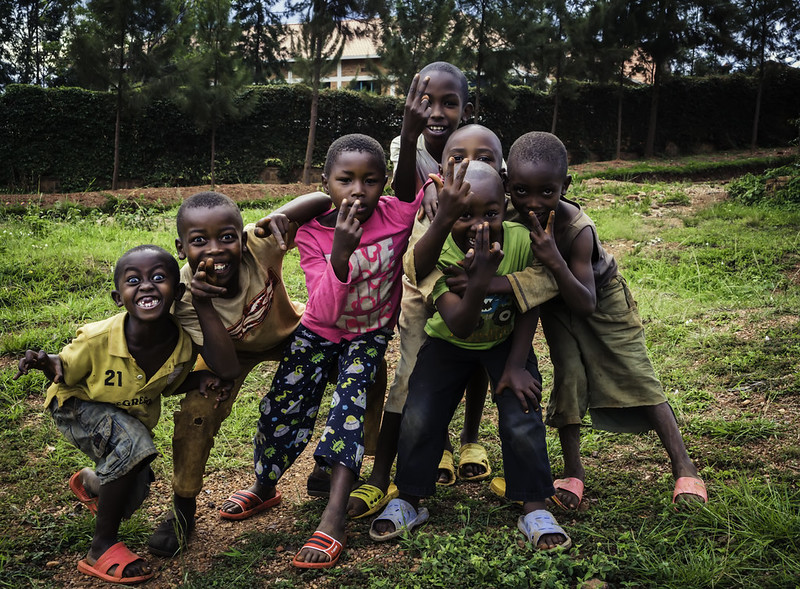 Children are among the most vulnerable, often suffering from life-threatening conditions as a result of a severe lack of economic and social resources. Consequences include malnourishment and limited learning opportunities, all related to poverty. Research has shown a link between children’s poverty and their childhood health as well as later health outcomes as adults.
Health Impact and Stunting
According to the United Nations Children’s Fund (UNICEF), approximately 38% of Rwandan children are stunted, meaning their cognitive, motor and language abilities are severely impaired. This is a direct result of a child’s early development in life, which plays a crucial role in determining long-term educational outcomes. Children who come from low-income households are three times as likely than those in wealthier households to experience stunting. This significant disproportion showcases poverty as playing an important role.
Home Environment and Childhood Development
The home environment and parents are significant in shaping early childhood development. According to UNICEF, only one in five parents in Rwanda engages in early childhood learning activities in the home. Children are also limited in their opportunities to attend preschool or engage in other educational learning opportunities. Malnourished children are at a higher risk of becoming stunted, limiting their learning ability in the future.
Government Action
To assist parents, UNICEF and the Rwandan government worked together to implement initiatives to improve childcare. In 2019, in collaboration with the Ministry of Gender and Family Promotion, The National Parenting Curriculum was commissioned, aiming to enhance parent education and familial support.
The National Parenting Curriculum also outlines initiatives to reduce stunting and malnutrition among Rwandan children. It emphasizes the need for childhood development to begin long before school starts. The document also stresses the role of parents in helping to support children further.
Parental education can help keep children engaged and improve their quality of life to keep them sustained and out of poverty.
On-The-Ground Solutions
Extensive strategies from the Rwandan government and advocacy organizations are helping to mitigate the dangerous impact of poverty on childcare in Rwanda. One such initiative fighting on the ground is the Children of Rwanda.
Children of Rwanda is a nonprofit supporting children unable to attend school in Western Rwanda. The organization works directly with local schools to provide bursaries to children struggling with education costs. In addition, families also receive health insurance. The foundation has empowered more than 250 children to return to their local schools.
Looking Ahead
According to a policy research paper published by the World Bank examining global trends in poverty among children in international poverty lines, the extreme child poverty rate was reduced from 20.7% to approximately 16% between 2013 and 2022. This underscores the importance of government collaboration with humanitarian aid organizations in improving early childhood development and eradicating child poverty.
Recognizing the need for reform and support can help increase awareness of the dangerous effects of poverty on the well-being of children. We can prevent poverty and it all starts with supporting the children of the future.
– Dominic Samaniego
Dominic is based in Fullerton, CA, USA and focuses on Good News and Technology and Solutions, Global Health for The Borgen Project.
Photo: Flickr
