Radio and Public Health in Africa: Still a Critical Voice
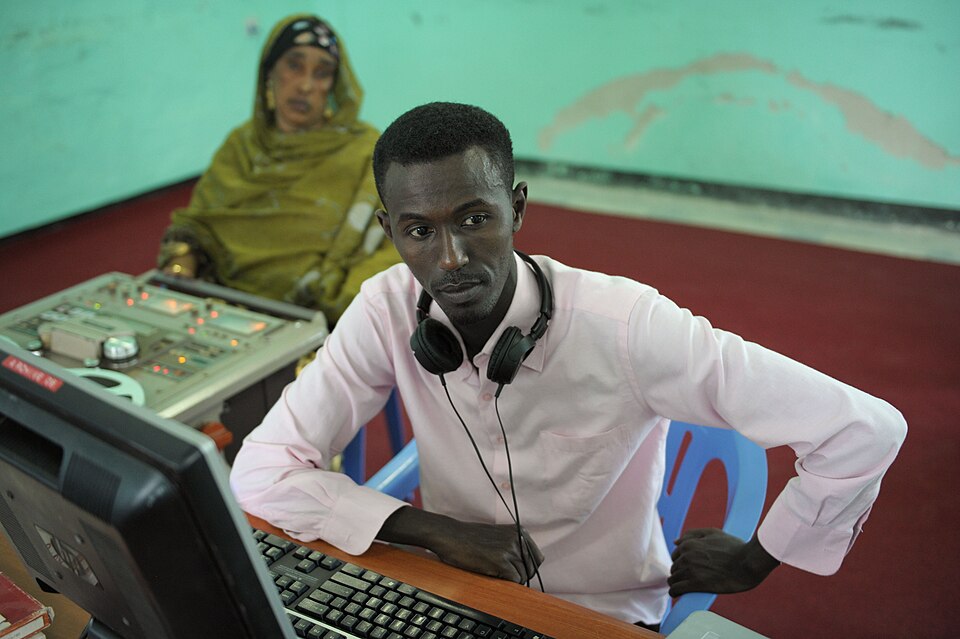 Information is power—especially when it comes to health. The problem is that reliable information is not always easy to come by. For example, as of 2024, internet penetration in Uganda is 27%. The main source of information for Ugandans is radio at 38%, including word of mouth at 21%, phone calls at 15% and television at 14%. When health concerns arise, the internet connects experts with new findings and patients with treatment paths—but it is not the only technology leading to healthy outcomes. As pandemics, stigma and misinformation continue to affect the global population, communities are shaping public health in Africa with the proven power of radio.
Engagement between Health Care Workers and the Public
Research in the medical field is always evolving, bringing new information to light surrounding important issues. Malawi Liverpool Wellcome Trust designed a participatory radio program Umoyo Nkukambirana or “Let’s Talk About Health,” which hosted medical researchers, presenting health topics and current research in Chichewa—the local language.
The radio would advertise the program in advance, encouraging listeners to raise questions via SMS text and local radio listening clubs with the researchers responding. Indeed, topics ranged from diabetes to vaccines, with roughly 500 citizens sending in questions, primarily from rural areas.
By creating a conversation and opening the floor to citizens without alternative access to information, engagement increased, and education followed.
Radio and Public Health in Africa during COVID-19
Throughout the pandemic, community radios played a pivotal role in the spread of life-saving information. Koch FM from Kenya broadcasted public health advice along with songs advising people on preventative measures; Radio Dondo in Mozambique hosted debates, interviews, and reports on the ongoing crisis; and Argoba Community Radio in Ethiopia contributed to the fight against misinformation as it spread from social media channels.
Various global organizations noticed these actions, with UNESCO, the EU and the African Center for Disease Control partnering in 2022 to offer a program to four African regions and their community radio journalists. The program focused on research and presentation processes in journalism, with UNESCO stressing “the unique power of the radio in reaching the grassroot communities with the right information.”
Fighting Ebola Misinformation
Even as technologies improve across developing countries, radio can be seen as a well of historic information. In Uganda, AI is using this information to gain insight into public opinion and misinformation. In 2022, when the country declared an Ebola outbreak, polarizing discourse and misinformation followed. To learn about how public sentiment was being shaped, Jonathan Mukiibi at Makerere University developed a program that transcribed recordings from community radio shows, then analyzed them for data points. He sought to add the voices of those who did not have access to the internet. In a country where political parties are often viewed with distrust, many of the country’s inhabitants believed that the declared Ebola outbreak was just a political move to undermine the recently elected party. With the help of Mukiibi’s new program, policymakers could make better decisions in current and future outbreaks.
In an age increasingly defined by smartphones and the internet, the threads weaved between radio and public health in Africa continue to connect people effectively. This decades-old technology serves as a sturdy platform and a wellspring of data. When it comes to the health of the people, it does not matter how the information is getting out; it just matters that people receive it.
– Levi Ravnsborg
Levi is based in Summerland, BC, Canada and focuses on Technology and Solutions for The Borgen Project.
Photo: Wikimedia Commons
