• Link to X
  • Link to Facebook
  • Link to Instagram
  • Link to TikTok
  • Link to Youtube
  • About
    • About Us
      • President
      • Board of Directors
      • Board of Advisors
      • Financials
      • Our Methodology
      • Success Tracker
      • Contact
  • Act Now
    • 30 Ways to Help
      • Email Congress
      • Call Congress
      • Volunteer
      • Courses & Certificates
      • Be a Donor
    • Internships
      • In-Office Internships
      • Remote Internships
    • Legislation
      • Politics 101
  • The Blog
  • The Podcast
  • Magazine
  • Donate
  • Click to open the search input field Click to open the search input field Search
  • Menu Menu

Tag Archive for: Technology

Posts

Refugees, Technology, United Nations

Biometric Identification in Refugee Camps

Biometric Identification in Refugee Camps
The U.N. High Commissioner for Refugees (UNHCR) estimates that more than 65 million people are displaced because of armed conflict and persecution. More than 21 million are classified as refugees, which means they are protected by international law and cannot be forced to return to places where their lives and freedom are at risk. The UNHCR is using biometric identification technology in an attempt to keep track of so many people.

The logic for protecting and helping refugees through global humanitarian networks seems simple. People who travel thousands of miles to escape dangerous conflicts should have a safe place to work, raise their children and live their lives in peace. Yet the global refugee crisis shows us that many nations continue to struggle to meet the needs of refugees at their borders and efficiently deliver social services.

For instance, consider the rapid increase of Syrian refugees in response to the country’s ongoing civil war. Amnesty International reports that, as of February 2016, more than half the nation’s population is displaced. Over 4.5 million refugees have poured into the neighboring countries of Jordan, Turkey, Lebanon, Iraq and Egypt. However, global resettlement efforts have only managed to successfully resettle 162,151 people, a mere 3.6% of the total refugee population.

While resettlement is the ultimate goal of refugee relief efforts, Syria’s neighbors lack the resources and capacity to do it all themselves. Until other nations agree to take in more refugees, one way to help refugees living in border camps is to register them with the UNHCR.

Once registered, refugees are eligible to receive social and medical assistance from various humanitarian organizations. Refugee status protects adults from refoulement (forced return to their war-torn place of origin) and protects children from military recruitment. Registration also helps keep families together and gives them opportunities to contact other friends and loved ones.

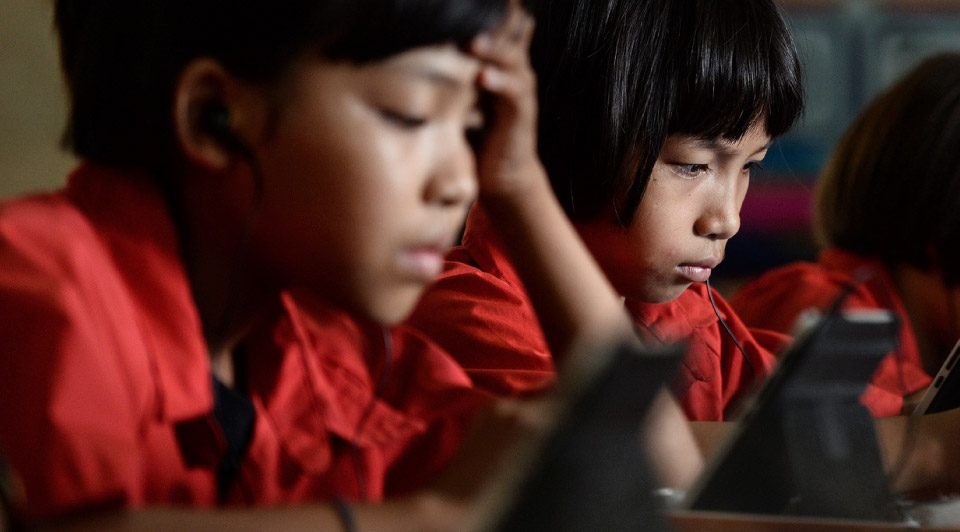
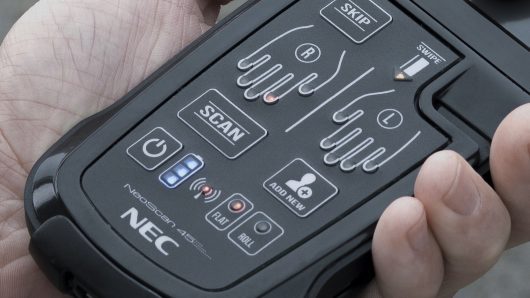
The UNHCR is working to deliver faster assistance to refugees by implementing a biometric identification registration system. Currently, refugee camps employ a combination of methods to register refugees, usually involving time-consuming paperwork and fingerprinting. Not only are paper records increasingly difficult to archive as the refugee population steadily climbs, but fingerprinting requires training. The UNHCR hopes biometric identification, designed in partnership with Accenture, will drastically expedite the registration process and help refugees receive faster care after making the life-threatening journey out of dangerous regions.

Biometrics refer to a set of measurements and analyses of physical characteristics to verify personal identity. In the context of refugee registration, biometrics refer to digitally stored fingerprints, iris data and facial images. Once collected, the data gets encoded into a personal ID, which refugees can use throughout UNHCR facilities. Many refugees are forced to leave home on a moment’s notice, without enough time to collect important personal documents. Biometric ID cards can provide them with a secure form of personal identification to use as they build a new life.

The Biometric Identity Management System (BIMS) is designed to endure rugged field conditions like extreme heat, dust, humidity, power and connectivity outages. It’s relatively easy to operate, which is necessary in refugee camps where workers come and go on a regular basis and have varying levels of technological experience.

Accenture’s BIMS has already seen incredible success. The UNHCR piloted the technology at the Dzaleka Refugee Camp in Malawi, where it rapidly enrolled and verified 17,000 of the camp’s refugees. Then, in Thailand, the BIMS added another 120,000 individuals to the international database of refugees.

The UNHCR has proved how an integrated database of biometric identification information can meet the growing demand for greater security and efficiency in the registration process. Once fully launched, the system can be used remotely or in high-risk areas to register refugees, verify their identity and improve the UNHCR’s ability to keep track of their needs.

– Jessica Levitan

Photo: Flickr
October 27, 2016
https://borgenproject.org/wp-content/uploads/borgen-project-logo.svg 0 0 Borgen Project https://borgenproject.org/wp-content/uploads/borgen-project-logo.svg Borgen Project2016-10-27 01:30:232024-12-13 17:55:44Biometric Identification in Refugee Camps
Hunger, Refugees

WFP ShareTheMeal App Supports Food Relief in Malawi

ShareTheMeal
The World Food Program (WFP) is the world’s largest organization dedicated to fighting hunger and promoting food security. As a branch of the U.N. the WFP is funded solely through voluntary donations which allow the organization to reach around 80 million people annually in 80 countries.

Though the WFP has a strong impact on the battle against world hunger, over 795 million people remain undernourished globally. Often people in developing countries become undernourished when faced with external factors like natural disasters or political instability. These factors can cause entire communities to lose access to necessities like food and water.

Currently, southern Africa is experiencing drought due to the year’s El Nino weather pattern — it is believed that Malawi was hit the hardest of the countries affected. The drought coupled with severe flash floods has devastated the country’s crops.

Up to 40 percent of the population of Malawi may need emergency assistance. In an attempt to provide food relief to vulnerable populations like those in Malawi, the WFP created an app called ShareTheMeal.

ShareTheMeal allows users to help those in need with the touch of a button. By choosing to share a meal, users donate 50 cents, the cost to feed one child for one day, to school children in Malawi. Of course, more than one meal can be donated at a time, but allowing users to donate as little as 50 cents makes food relief an affordable act for all.

At this time, WFP is focusing ShareTheMeal towards food relief in Malawi, but the app has been used to help several other vulnerable communities since its inception in the summer of 2015. In fact, the ShareTheMeal website states that donations on the app have provided over 7.5 million meals to those in need.

Recently, between June and July of 2016, all donations on the app went to feeding Syrian refugee children in Lebanon. The donations from those two months were enough to provide one year worth of food to 1,500 children.

While these numbers may seem impressive, the WFP is setting the bar even higher for relief in Malawi. Through ShareTheMeal, the WFP’s goal is to provide 58,000 school children with food for an entire year. If the goal is reached, those 58,000 children will have better chances of staying in school and learning the essential skills that could one day lift them out of poverty.

– Weston Northrop

Photo: Flickr

October 21, 2016
https://borgenproject.org/wp-content/uploads/borgen-project-logo.svg 0 0 Borgen Project https://borgenproject.org/wp-content/uploads/borgen-project-logo.svg Borgen Project2016-10-21 01:30:362024-06-07 05:07:37WFP ShareTheMeal App Supports Food Relief in Malawi
Global Poverty, Technology

10 Technological Innovations for Developing Countries

Technological Innovations for Developing CountriesNew technological innovations for developing countries make it possible for individuals to survive and thrive in a world that is constantly advancing. Technological innovations for developing countries can provide low-cost methods to keep people safe, connected and informed, all of which are important steps in the path out of poverty. Ahead are 10 technological innovations for developing countries.
  1. Kenya’s M-PESA app allows cellphone owners to easily and securely transfer money using their phones, and is mostly used for staff salaries and child support. Launched in 2007 by Safaricom, the country’s largest mobile-network operator, the app is now used by more than two-thirds of Kenya’s adult population.
  2. The LifeStraw is a technological innovation that could solve one of the biggest challenges that impoverished countries face – access to clean water. Originally introduced in 2005, LifeStraw is a series of water purification systems capable of killing up to 99.9% of bacteria. LifeStraw’s Follow the Liters program delivers water purification systems to schools in developing countries.
  3. The world’s cheapest tablet, Aakash, is priced at $35 for students with government subsidies, or $60 in stores. The device was launched with the idea that “[t]he rich have access to the digital world; the poor and ordinary have been excluded. Aakash will end that digital divide,” according to Kapil Sibal, India’s minister of communications and information technology. Affordable and effective, the device operated perfectly under a two-hour video test in 118-degree heat that replicated the harsh summer weather in northern India.
  4. One Laptop Per Child (OLPC) seeks to empower the world’s disadvantaged children with education, distributing rugged, low-cost and low-power laptops to kids across the developing world. The little blue device costs between $400 and $500 each to distribute and enables teachers to communicate with their students through web-based applications.
  5. The world’s cheapest cellphone, developed by British carrier Vodafone, sells for just under $15. While the phone is not feature-rich, it offers the basic operations necessary — voice calling, text messaging and mobile payments. The phone launched in 2010 in India, Turkey and eight African nations.
  6. Eden Full, a mechanical engineering undergraduate at Princeton University, developed solar panels that optimize energy collection by rotating to face the sun for as much time as possible each day. The technology, known as SunSaluter, is cheap and efficient. It costs just $10 for the system, which uses 40% fewer panels than typical solar energy. Its aim is to bring solar panels to places in the developing world that have never had access to electricity.
  7. India released the Tata Swach, a $21 water filter that uses nanotechnology, requires no electricity and meets sanitation standards set by the U.S. Environmental Protection Agency. Made of rice husk ash and silver nanoparticles, the device prevents the growth of bacteria and protects against waterborne illness and viruses.
  8. Text to Change (TTC) engaged thousands of young people in Africa in politics, economics and social issues through the Voice Africa’s Future project. The project’s goal was to mobilize 150,000 young people in Africa to text their thoughts and input on the future state and actions of their nations.
  9. Dell’s computer hardware and literacy program, Youth Learning, initially launched in India but now operates in 15 countries across the world to provide grant funding and the latest technology to address the lack of basic needs that may hinder a child’s ability to learn, such as food or security.
  10. Researchers have found that providing a safe, energy-efficient wood-burning cookstove to those in the developing world can directly improve health by reducing smoke inhalation, and alleviate poverty by reducing the amount of time needed to gather wood every day. The Berkeley-Darfur Stove accomplishes this with an enhanced design featuring a tapered wind collar, small fire box opening and nonaligned air vents and ridges. Potential Energy, a nonprofit organization that specializes in adapting technology for developing countries, has distributed more than 25,000 Berkeley-Darfur Stoves in Darfur and Ethiopia.

The use of technology in developing countries is becoming more widespread and has the potential to improve basic conditions of daily life in struggling regions. Technological innovations for developing countries can also promote intellectual growth by providing unique educational services.

– Mikaela Frigillana

Photo: Flickr

October 15, 2016
https://borgenproject.org/wp-content/uploads/borgen-project-logo.svg 0 0 Borgen Project https://borgenproject.org/wp-content/uploads/borgen-project-logo.svg Borgen Project2016-10-15 01:30:162024-05-27 23:53:5310 Technological Innovations for Developing Countries
Global Poverty

Feeding the World: Sustainability Through Technology

Feeding the World

About 800 million people (one in nine) worldwide are still undernourished. Creating food sustainability is a growing need across the globe. In recent reports by the Guardian, Africa could face the worst food crisis since 1985, with 50 million people going hungry.

Continued droughts have spread across Malawi, Mozambique, Lesotho, Zimbabwe, Namibia, Madagascar, Angola, Swaziland and South Africa, causing the season’s crops to fail.

Even worse, unsustainable farming practices have been destroying fertile lands necessary for food production. Soy production, for example, destroys 55 million tons of topsoil in Brazil each year. Similarly, destructive crops are coffee, palm oil, tobacco, wheat and corn. According to the World Wide Fund for Nature, 30 percent of global arable land has already been degraded.

While nearly a billion people still need proper access to food, expensive appetites and irresponsible corporations have been abusing land and practicing unsustainable farming methods.

The practice of raising livestock for meat has contributed to global warming by deforesting areas that would otherwise cleanse the air of carbon dioxide, and by adding methane to the air. Raising livestock also requires the use of massive amounts of water. Agriculture accounts for one-third of global greenhouse emissions and 80 percent of water usage in the US.

Because of the lack of sustainability of many current farming practices, and the need to feed much of the developing world, scientists have proposed new technologies to tackle these challenges. One proposed controversial method of sustainability is in vitro meat production — producing meat in a laboratory.

In theory, the practice would rid the food production industry of all the traditional worries of raising livestock and handling the waste produced. However, the procedure may be extremely energy-intensive in keeping the meat sterile and the process may eventually also contribute to global warming. Once optimized, the world’s growing desire for meat may have the chance to shift to this laboratory product.

Another technology currently under development by NASA is 3D food printing, which would convert basic proteins, carbohydrates and fats into actual foods. The technology could utilize alternative ingredients like insects or algae to source sustainably but also satisfy our specific appetites.

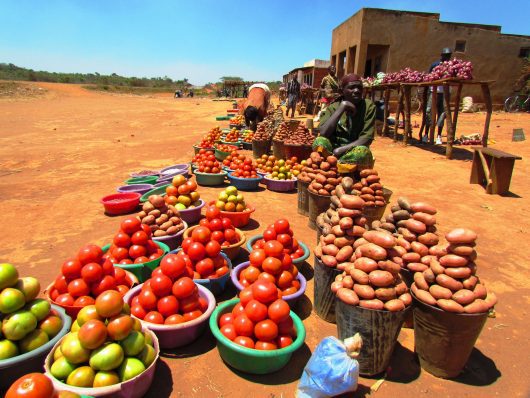
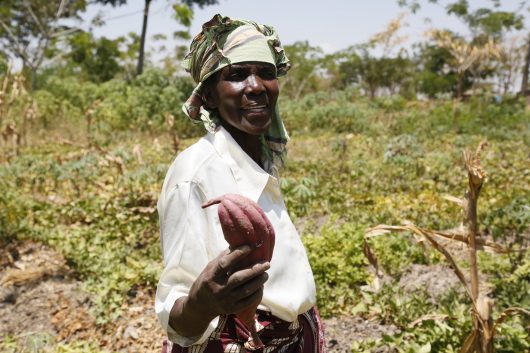
Genetically modified foods (GMOs) have the potential to be sustainable  and help end hunger, although they are also very controversial. In Uganda, the World Bank has helped introduce a non-native, biofortified sweet potato that would combat the stunting of children’s growth and help empower women farmers with economic independence. The sweet potato provides a child’s daily dose of Vitamin A in less than two ounces and gives women the opportunity to grow and sell the food.

While scientists have proposed many ideas for feeding the world in a sustainable manner, public opinion has been the crux to progress. With such bitter backlash to GMOs and other non-natural foods, funding will always be limited. These technologies will have to be supported and developed in the richest nations before they can safely and effectively be implemented for the poorest.

– Henry Gao

Photo: Flickr

October 4, 2016
https://borgenproject.org/wp-content/uploads/borgen-project-logo.svg 0 0 Borgen Project https://borgenproject.org/wp-content/uploads/borgen-project-logo.svg Borgen Project2016-10-04 01:30:162024-05-27 23:53:45Feeding the World: Sustainability Through Technology
Health, Technology

Call Records Can Predict Outbreaks of Deadly Dengue Fever

Dengue Fever
Dengue fever is a rapidly spreading viral disease in the developing world. Thankfully, though, a new method of analyzing cell phone call records to health clinics is proving successful at predicting the next outbreak locations of the disease.

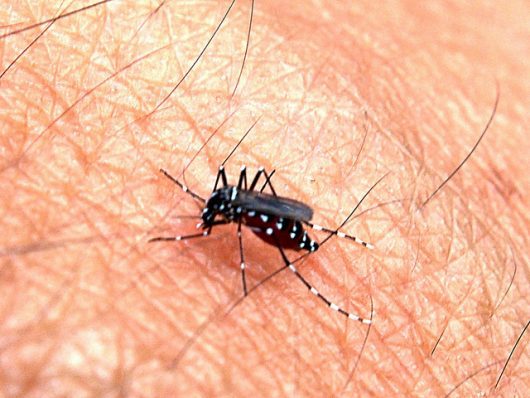
This disease is mosquito-borne and results in flu-like symptoms that can persist until a fatality occurs, especially in children or others who do not have access to swift and proper medical care.

Dengue fever infects 390 million people worldwide every year, and many more are at risk. The illness is found mostly in tropical and sub-tropical climates and acts a leading cause of serious illness and death among children in Asian and Latin American countries.

In the United States, information on the spread of diseases is gathered by looking at road usage and other travel patterns. However, this kind of information proves often unavailable and unreliable in developing countries. Furthermore, dengue fever is the fastest-spreading mosquito-borne disease in the world, and many places are exposed to this disease for the first time and unprepared to effectively deal with such a health crisis.

According to a study published in Science Advances journal, researchers found that by studying cell phone call records in the Punjab region of Pakistan, they were able to pinpoint where dengue fever cases occurred and predict where they might occur next.

This new method looks at the patterns of calls to a local health hotline in conjunction with weather information. This combination provides real-time data of when and where the disease is likely to spread geographically.

The phone records are collected on a large-scale and anonymous basis to protect the personal privacy of the callers.

Dengue fever is often seen in areas of rapid urbanization, which commonly occurs in developing countries. This method of monitoring the disease is particularly useful in these developing countries because it is a low-cost method. Call pattern statistics provide an effective low-cost alternative in many nations that lack the resources to closely monitor the spread of disease.

Additionally, there is no specific globally-recognized treatment for dengue fever. Early detection has proven critical in helping those afflicted with the disease. Receiving medical care early on reduced mortality for this disease from more than 20 percent to less than one percent. Since call analysis can predict where outbreaks may occur in the future, it is an effective way to stop a disease that is particularly difficult to treat.

While the examination of call patterns does not currently account for international travel, which does play a role in the transmission of dengue fever, this transport avenue could certainly be in the future for statistical call analysis. Even the current iterations of this method provide important real-time data that can help reduce the spread of a dangerous disease, especially in developing countries.

– Nathaniel Siegel

Photo: Flickr

September 15, 2016
https://borgenproject.org/wp-content/uploads/borgen-project-logo.svg 0 0 Borgen Project https://borgenproject.org/wp-content/uploads/borgen-project-logo.svg Borgen Project2016-09-15 01:30:462020-06-06 09:22:26Call Records Can Predict Outbreaks of Deadly Dengue Fever
Development, Technology

Cell Phones in Africa Transform Banking

Cell Phones in AfricaIt is fair to say that cell phones have officially infiltrated Africa’s countries and completely transformed people’s methods of banking and agriculture. The increase of ease for both of these professions have factored into poverty reduction and the betterment of African lives. When it comes to banking, having access to cell phones in Africa is both useful and productive.

Cell Phones and Personal Finances

Cellular devices can easily be used to keep track of funds, to store funds in a safe location and to transfer funds. In 2007, Safaricom–Kenya’s largest mobile operator–and Vodafone developed a money transferring service called M-PESA. By 2012, M-PESA obtained 15 million Kenyan users–more than a third of the population. This newfound access to portable technology has also been extremely helpful in pulling people out of poverty-stricken situations.

For example, many users transfer their funds to individuals who are still trapped in severely impoverished rural areas. M-PESA provides a safer way to send someone money, so it cannot be stolen easily. The individuals who use M-PESA to store their funds also benefit. Their funds can be easily managed, which has caused an increasing amount of families to adopt this technology.

“One study found that in rural Kenyan households that adopted M-PESA, incomes increased by 5-30 percent,” according to The Economist. This proves that mobile phones help people climb the financial ladder to live better lives. There are also many African startup companies who have used M-PESA as a platform to initially pave their way in the business world.

Cell Phones and Agriculture

As previously stated, mobile phones have changed Africans’ way of agriculture as well. Farmers, the largest employers in Africa, now rely on their mobile phones for critical informational tips. “By serving as platforms for sharing weather information, market prices, and micro-insurance schemes, mobile phones are allowing Africa’s farmers to make better decisions, translating into higher-earning potentials,” according to CNN.

Farmers can figure out distant crop prices faster than ever before and effectively track the gestation of their cows. Therefore, the use of cell phones in Africa has allowed farmers to drastically improve their agricultural methods, which makes it easier to sustain their livelihood. The Borgen Project advocates for the world’s poor and knows how essential it is for developing countries to be able to sustain themselves. The use of cell phones in Africa have only helped in that regard, and it looks as if the technology is here to stay.

Cell Phones and Technological Advancements

Due to the technologically advanced world surrounding Africa, most Africans can enjoy the today’s “tech” nuances and pass over the dying technology of the past (such as landlines). In the year 2002, around one-in-10 Africans owned a mobile phone. In 2006, “There were 50 million new mobile subscribers… and in 2007 the total number of mobile subscriptions reached an estimated 200 million.” On average, that adds up to 20-plus active mobile phones for every 100 people.

The decline in cost and simplistic nature of mobile technology are the reasons why so many Africans have chosen to use portable tech. A report by the UNCTAD stated, “A decline in the cost of information and communication technology (ICT) has extended its use by the poor, who capitalize especially on information obtained by telephone to support livelihoods in agriculture and various small businesses.”

It is incredible to see how the proliferation of cell phones in Africa have so positively impacted the continent in such a short amount of time.

– Terry J. Halloran

Photo: Flickr

August 18, 2016
https://borgenproject.org/wp-content/uploads/borgen-project-logo.svg 0 0 Borgen Project https://borgenproject.org/wp-content/uploads/borgen-project-logo.svg Borgen Project2016-08-18 01:30:192024-12-13 17:54:44Cell Phones in Africa Transform Banking
Health, Technology

Drones Now Delivering Lifesaving Vaccines

DroneDeploying unmanned drones in low and middle-income countries could save money and increase vaccination rates, according to new research conducted by the Johns Hopkins Bloomberg School of Public Health and the Pittsburgh Supercomputing Center.
Many low- and middle-income countries struggle to deliver lifesaving vaccines to sick people who are fighting preventable diseases.

Bruce Y. Lee, director of operations at the International Vaccine Access Center at the Bloomberg School says “[We] make all these vaccines but they’re of no value if we don’t get them to the people who need them. So there is an urgent need to find new, cost-effective ways to do this.”

Currently, vaccines such as hepatitis B, tetanus, measles and rotavirus are typically transported by road through two to four storing sites before they reach clinics where the doses are finally administered to patients. The majority of vaccines require refrigeration until they are used or else they will spoil.

In addition, non-vaccine costs of routine immunization are expected to rise between 2010 and 2020, mostly derived from supply chain logistics.

In the meantime, unmanned drones have proliferated. They can traverse all land and topography, decrease labor costs and substitute the need for vehicle transportation. They have been heavily used for surveillance and in humanitarian aid delivery.

A study conducted at Johns Hopkins University found that utilizing drones to transport vaccines to their final destination could slightly increase the rate of immunization, immunizing 96 percent of the target population as compared to 94 percent using land-based transport. This simultaneously produced significant savings, eight cents for every dose administered (roughly 20 percent savings).

“Assuming the drones are reliable, are capable of making the necessary trips and have properly trained operators, they could be a less expensive means of transporting vaccines, especially in remote areas,” says Lee. He adds, “They could particularly be valuable for urgent orders.”

An initiative led by the United Parcel Service Foundation and Gavi, the Vaccine Alliance, has raised $800,000 grant to support the launch of a zip line drone project in Rwanda that will commence later this year. The government of Rwanda will use zip line drones to make 150 life-saving blood deliveries per day to 21 transfusing facilities in western part of the country.

According to Dr. Seth Berkley, CEO of Gavi, the Vaccine Alliance, “It is a totally different way to deliver vaccines to remote communities and we are extremely interested to learn if UAVs can provide a safe, effective way to make vaccines available for some of the hardest-to-reach children.”

The Rwanda drone network has been initially focused on delivering blood supplies, but plans to expand to include vaccines and treatments for HIV/AIDS, malaria and tuberculosis.

In rural Virginia, Bhutan and Papua New Guinea, drones are currently being tested for medical supply deliveries. UNICEF is also testing their viability of use in Malawi and in Tanzania.

– Sarah Poff

Photo: Pixabay

August 10, 2016
https://borgenproject.org/wp-content/uploads/borgen-project-logo.svg 0 0 Borgen Project https://borgenproject.org/wp-content/uploads/borgen-project-logo.svg Borgen Project2016-08-10 01:30:592024-12-13 17:54:44Drones Now Delivering Lifesaving Vaccines
Global Poverty

The Hidaya Foundation: Guiding to Education

EducationIn the Arabic language, the word ‘hidaya‘ means “to lead and to guide.” This is a central theme of the Hidaya foundation as it seeks to perpetually guide orphans and disadvantaged individuals to an educated life.

Since its official launch in 1999, the Hidaya Foundation has participated in solutions to a wide range of global issues: making potable water accessible, planting trees, helping individuals create small businesses and more. The foundation also addresses public health issues through a dissemination of healthcare programs and medical camps to regions where treatments are difficult to obtain or simply not to be found.

Though it participates in many facets of humanitarian work, the principal aim of the Hidaya Foundation is to create educational opportunities in remote and impoverished areas. However, Hidaya’s founder, Waseem Baloch has pointed out that the promotion of education by itself in impoverished regions can be futile without other methods of support. “We realized that when people don’t even have one proper meal, how can they worry about education? Hence we support social welfare and health care as well.” Baloch said.

The Hidaya Foundation achieves its objectives by providing subsidies for orphans, operating and maintaining schools, funding education for impoverished individuals and even providing education courses to adults. In addition, the organization diverts at least half of its resources towards projects that center around agriculture, farming, science and technology.

The “No Orphan Without Education” project provides food, medicine, water and other commodities to ensure that the orphan has to worry about only his or her schooling. The foundation removes all obstacles that could impede the educational progress of involved orphans, and simply requires that the orphan is continuously attending school. All these services are provided based on need with a cost to the foundation of $10 per month for each orphan.

Impoverished students, from primary education to university levels, are able to receive support from the foundation to continue their education. The foundation is currently offering support to over 11,000 individuals. Support comes in the form of tuition fees, school supplies, housing costs etc. The foundation is able to support these students with anything from $5 to $50 a month depending on individual circumstances.

Through funds that are largely received from individual donors, hundreds of thousands of dollars are provided monthly to the Hidaya Foundation’s various humanitarian programs across Africa, Asia, and North America.

Financial support for the foundation has grown exponentially since 1999. In that year the organization fell just short of $112,000 in donations. Six years later, the foundation had raised over $4 million in support of its cause. This rapid growth has given the foundation the ability to begin hiring employees overseas and to develop teams that can respond efficiently to natural disasters when they strike.

Aamir Malik, the foundation’s IT and Advertising Director, and a long-time volunteer for the organization, commented on the rapid success of the foundation, “Donations have increased because Hidaya Foundation has been able to make an impact as it is quick to respond to calamities. Hidaya Foundation always backs up its work by updating the public about what it’s doing.”

The associates of the Hidaya Foundation are very optimistic about the future of the organization. They have confidence that the growth they have experienced will continue, and that they will be able to replicate their efforts in many more locations throughout the world.

– Preston Rust

Photo: Flickr

June 30, 2016
https://borgenproject.org/wp-content/uploads/borgen-project-logo.svg 0 0 Borgen Project https://borgenproject.org/wp-content/uploads/borgen-project-logo.svg Borgen Project2016-06-30 01:30:392020-06-11 16:01:58The Hidaya Foundation: Guiding to Education
Global Poverty, Humanitarian Aid, Hunger

How to Solve World Hunger in 10 Steps

How to Solve World Hunger

In 2010, former World Food Programme (WFP) Executive Director Josette Sheeran boldly stated, “We can end hunger. Many hungry nations have defeated hunger. It doesn’t require some new scientific breakthrough. It’s not rocket science.” Sheeran’s proposal on how to solve world hunger in 10 steps is still relevant today:

  1. Humanitarian action: Natural disaster impacts the world annually. According to World Vision, in 2015, the worst natural disasters recorded were (i) An earthquake — Nepal, (ii) A flood — Chennai, India, (iii) A heat wave — southern India, (iv) Typhoon and monsoon rains — Myanmar, Bangladesh and India (v) Floods — Malawi and Mozambique and (vi) A drought — Ethiopia. In 2016, the American Red Cross and other organizations are still providing direct relief for the survivors. Sheeran advocates for volunteerism in communities affected by natural disasters to help with relief and reduce world hunger.
  2. School meals: This is an affordable approach to promoting development and reducing malnutrition. Individuals can donate online to organizations that provide school meals or they can provide direct relief.
  3. Safety nets: A “safety net” is comparable to a backup plan for when natural disasters strike. For example, the Red Cross is considered a safety net based upon their annual direct relief efforts. Safety nets should be linked to schools and farmers in case of an emergency such as a famine or flood.
  4. Connect small farmers to markets: According to the U.N. Food and Agriculture Organization (FAO), small farmers produce 80 percent of the world’s food supply. However, the majority barely make enough income to survive. By connecting small farmers to markets, they can increase their income potential and learn best practices such as drip irrigation and soil tillage.
  5. Nourish children during their first 1,000 days: The first 1,000 days of a child’s life are the most important for development and growth. Nourishing children is an investment that can help to increase trade and expand job creation.
  6. Empower women: Women in South America and Asia are more likely to go hungry than men. When hunger affects women, hunger affects children. Women make up the majority of agricultural manual workers, therefore empowering women creates greater food security for the entire household.
  7. Technology revolution: Iraq refugees began to use text messages on mobile phones in 2010 as a means to get food by WFP food vouchers saving money and travel time. Now, refugees do not have to journey to a distribution center and return with over a month’s worth of food.
  8. Build resiliency: Hunger is highly correlated with disaster. According to the WFP, “It is essential to help build the resiliency of vulnerable communities so that when emergencies strike, they are strong enough to cope.” The organization provides disaster relief for over 80 million people in over 60 different countries.
  9. Make a difference as an individual: Social media is booming in today’s world. Anyone can help bring awareness to global hunger by accessing these tools. For example, people can tweet, Instagram or Facebook post about their favorite global poverty awareness organizations to get their friends to donate. Awareness is a powerful first step to solving world hunger.
  10. Show leadership: WFP honored President of Brazil Luiz Inácio Lula da Silva as a “Global Champion for the Fight Against Hunger” award. “President Lula has shown leadership in the fight against hunger by pushing the needs of the poor and the undernourished to the very top of the international agenda,” stated Sheeran.The above steps provide an excellent guideline on how to solve world hunger. The WFP continues to encourage individuals and organizations globally to take a stand now in order to end the hunger crisis for future generations.
  • – Rachel Hutchinson


May 22, 2016
https://borgenproject.org/wp-content/uploads/borgen-project-logo.svg 0 0 Borgen Project https://borgenproject.org/wp-content/uploads/borgen-project-logo.svg Borgen Project2016-05-22 01:30:262024-12-13 17:54:30How to Solve World Hunger in 10 Steps
Development, Foreign Relations, Global Poverty

What is the Global Development Lab Act?


Global Development Lab Act
The Senate Committee on Foreign Relations announced the introduction of the Global Development Lab Act. It was introduced by Senators Ben Cardin and Johnny Isakson on March 4, 2016. This bipartisan legislation states that the effectiveness of U.S. foreign aid could be significantly enhanced through the use of scientific and technical innovations and by involving the private sector. As a result, there would be more low-cost and common-sense solutions to development challenges such as improved health outcomes and reduced global poverty.

Established in April 2014, USAID’s Global Development Lab builds upon the belief that innovation, technology and partnership can accelerate development impact fast, cheap and sustainably.

“The Lab’s role is to rethink assumptions and harness the power of the crowd and America’s leading research institutes and universities, coupled with the democratization of science and technology, to lead to new breakthroughs that it can bring to scale,” Alex Dehgan, USAID’s former chief scientist said interviewing with Center for Global Development. “If the Lab isn’t pushing boundaries, it isn’t creating discomfort, it isn’t attracting new solvers (including from the developing world), it will fail to achieve its promise.”

The Global Development Lab Act (S. 2629) establishes five key duties: (1) increase the application of science, technology, innovation and partnerships to cultivate and gauge new ways to end extreme poverty; (2) discover, test and scale development innovations to increase cost-effectiveness and support U.S. foreign policy and development goals; (3) leverage the expertise, resources and investment of businesses, private organizations, science and research organizations, and universities to increase program impact and sustainability; (4) utilize innovation-driven competitions to expand the number and diversity of solutions to challenges of development; and (5) support USAID missions and bureaus in applying science, technology, innovation, and partnership approaches to decision-making, obtainment and program design according to the legislation.

On March 4, 2016, in a press release, Senator Isakson stated: “The Global Development Lab Act would provide the integration of science, technology into our development solutions for eradicating poverty. The USAID Global Development Lab has created cost-effective solutions to solve challenges around the world. Through public and private coordination, we are leveraging the resources of business, non-governmental organizations, science and research to advance greater global health and economic development.”

The House version of this legislation (H.R. 3924) was introduced by Reps. Joaquin Castro, D-TX, and Michael McCaul, R-TX, on Nov. 4, 2015. The House Foreign Affairs Committee held a consideration and mark-up session for this legislation on Feb. 24, 2016.

– Summer Jackson
Photo: USAID

April 20, 2016
https://borgenproject.org/wp-content/uploads/borgen-project-logo.svg 0 0 Borgen Project https://borgenproject.org/wp-content/uploads/borgen-project-logo.svg Borgen Project2016-04-20 01:30:152024-12-13 18:05:56What is the Global Development Lab Act?
Page 20 of 29«‹1819202122›»

Get Smarter

  • Global Poverty 101
  • Global Poverty… The Good News
  • Global Poverty & U.S. Jobs
  • Global Poverty and National Security
  • Innovative Solutions to Poverty
  • Global Poverty & Aid FAQ’s
Search Search

Take Action

  • Call Congress
  • Email Congress
  • Donate
  • 30 Ways to Help
  • Volunteer Ops
  • Internships
  • Courses & Certificates
  • The Podcast
Borgen Project

“The Borgen Project is an incredible nonprofit organization that is addressing poverty and hunger and working towards ending them.”

-The Huffington Post

Inside The Borgen Project

  • Contact
  • About
  • Financials
  • President
  • Board of Directors
  • Board of Advisors

International Links

  • UK Email Parliament
  • UK Donate
  • Canada Email Parliament

Get Smarter

  • Global Poverty 101
  • Global Poverty… The Good News
  • Global Poverty & U.S. Jobs
  • Global Poverty and National Security
  • Innovative Solutions to Poverty
  • Global Poverty & Aid FAQ’s

Ways to Help

  • Call Congress
  • Email Congress
  • Donate
  • 30 Ways to Help
  • Volunteer Ops
  • Internships
  • Courses & Certificates
  • The Podcast
Scroll to top Scroll to top Scroll to top