• Link to X
  • Link to Facebook
  • Link to Instagram
  • Link to TikTok
  • Link to Youtube
  • About
    • About Us
      • President
      • Board of Directors
      • Board of Advisors
      • Financials
      • Our Methodology
      • Success Tracker
      • Contact
  • Act Now
    • 30 Ways to Help
      • Email Congress
      • Call Congress
      • Volunteer
      • Courses & Certificates
      • Be a Donor
    • Internships
      • In-Office Internships
      • Remote Internships
    • Legislation
      • Politics 101
  • The Blog
  • The Podcast
  • Magazine
  • Donate
  • Click to open the search input field Click to open the search input field Search
  • Menu Menu

Tag Archive for: Technology

Posts

Activism, Global Poverty, Technology, Women, Women and Female Empowerment

Why Every Woman in Africa Should Have Access to a Cell Phone

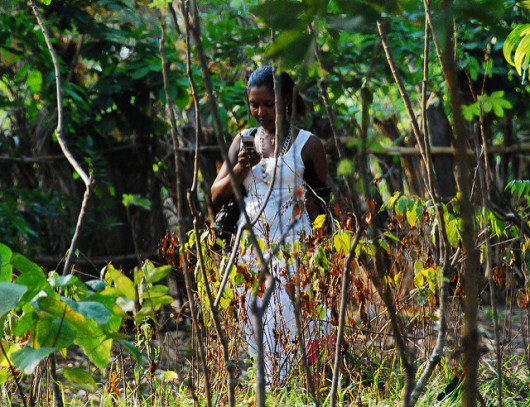
Cell PhoneAs technology continues to advance and grow more accessible, women around the world are increasingly gaining access to a cell phone for the first time. Though it is taken for granted in much of the developed world, cell phone use opens multiple doors that were not there before. According to Africa in Focus, technology can be thought of as a tool that creates opportunities for women. Specifically, technology has permitted women entry into the realms of finance, education and health and employment, thereby encouraging female empowerment and democratization in low-income countries.

Firstly, cell phone ownership gives women the ability to be financially independent, because they can open an online bank account separate from their husbands’. Impatient Optimists claims that “A private account gives women in developing nations control over their money as well as the ability to put food on the table.”

Currently, 1.7 million women in low-income countries don’t own a cell phone, according to the GSMA (an association representing mobile operators worldwide). Women are also 14 percent less likely to own a phone than men. Therefore, technology is a vital component of big-picture solutions to gender inequality and female disempowerment.

Secondly, cell phones are beneficial in the realm of women’s education and health. Impatient Optimists notes that “The East African nation has rolled out an ambitious program allowing parents to register their child’s birth via mobile phone. Under the program, midwives can request a child’s birth certificate by sending a text message.”

The East African program will save women time and money because they will not have to travel to the capital to acquire a birth certificate for their child. The Millennium project reported that most women live on less than 1 dollar per day. Under such conditions, the option of an online birth certificate can have a dramatic impact. Significantly, children in Africa need a recorded birth certificate in order to access schools, medical care, and, eventually, a bank account.

Thirdly, cell phone access can increase employment for women in Africa. Impatient Optimists points out that having a mobile phone allows women to open their own businesses in remote villages, as opposed to walking a great distance in order to register the business.

The New York Times recognizes that, “economically empowered women are one of the most important engines of growth in developing countries, and they play a central role in building prosperous communities.” That is why women in Africa must have their own phones, instead of sharing with family members.

When women have access to their own phones, bank accounts, and financial situations, they often invest in health-care, nutritious food and education. In fact, The New York Times reports that, “A child born in a household where the mother controls the family budget is 20 percent more likely to survive and much more likely to thrive.”

Women in Africa should be given the power and authority to make financial decisions for their family, given that they tend to prioritize moral and just causes. A mobile phone in the hands of a determined woman could benefit not only the economy, but the daily lives of families across Africa.

– Megan Hadley

Photo: Flickr
April 17, 2016
https://borgenproject.org/wp-content/uploads/borgen-project-logo.svg 0 0 Borgen Project https://borgenproject.org/wp-content/uploads/borgen-project-logo.svg Borgen Project2016-04-17 01:30:582020-06-19 14:05:23Why Every Woman in Africa Should Have Access to a Cell Phone
Global Poverty

Empowering Women Through Technology

Empowering Women

Information and communications technology is a thriving industry with several opportunities for women. Yet according to Judith Owigar, a founding member of Akirachix, a training and mentorship program aiming to increase the number of girls in the technology sector, women in the developing world don’t seek this industry due to reasons like cultural barriers.

“ICT is a growing industry and it’s hiring a lot of people,” she told Africa Renewal’s Jocelyne Sambira in an interview. “Many girls have not taken advantage of this opportunity due to various reasons such as cultural barriers. Others do not have the minimum education required or they just don’t think ICT is their thing. We need more women to seize these opportunities because it can improve their lives.”

Akirachix prepares many women to start their own businesses. The organization states, “technology empowers the people who use it to create solutions for themselves.”

Not only is it important for gender-equality purposes to encourage women’s participation in ICT, but also for working women to invest their incomes in areas that have fundamental implications for development.

For instance, ONE is an organization advocating for poverty eradication and claims that women invest 90 percent of their earned income on their families. The organization also writes that a survey of women in the developing world showcases that 75 percent of women use the Internet to further their education.

Helena Contes of One policy claims that providing training in technology skills for women is vital to diminishing the digital divide. She states that empowering women begins with a holistic approach to the problem, and by introducing women to technology at a younger age.

Addressing the digital divide can help when dealing with social and economic inequalities and accelerating development. Technology provides a channel for learning and creativity, and is an essential tool for ensuring women’s progress in all spheres of daily life.

– Mayra Vega

Sources: U.N., Pew Global, Akirachix
Photo: Flickr

April 7, 2016
https://borgenproject.org/wp-content/uploads/borgen-project-logo.svg 0 0 Borgen Project https://borgenproject.org/wp-content/uploads/borgen-project-logo.svg Borgen Project2016-04-07 01:30:342024-12-13 18:05:57Empowering Women Through Technology
Global Poverty

Smartphone App to Detect Blindness in Kenya

Smartphone App Blindness Kenya
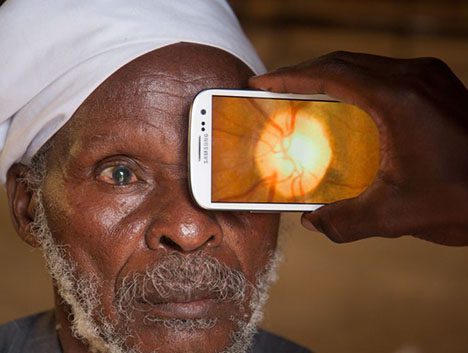
The product of collaboration between The London School of Hygiene and Tropical Medicine and a group of Kenyan doctors, The Portable Eye Examination Kit (or PEEK), is a smartphone app that promises to help deal with blindness in Kenya, Business Daily Africa reports.

According to PEEK’s official website, any smartphone equipped with the app can provide accurate eye tests by taking high quality photos of the retina. Such photos will enable an ophthalmologist to “view cataracts clearly enough for treatment classification, detect signs of glaucoma, macular degeneration, diabetic retinopathy and signs of nerve disease.” The app displays its versatility in that it will also help doctors with identifying other health problems including “severe high blood pressure and diabetes.”

According to their website, PEEK’s developers believe that this advanced technology simplifies the process of retinal analysis, saving users considerable time and effort, compared to the traditional method of using an ophthalmoscope.

In a March 3 article, Ventures Africa reported that PEEK has recently been launched in the Trans-Nzoia county in Kenya. As it is explained later in the article, this particular county was chosen due to its high rate of vision problems. In an interview with Ventures Africa, one of the co-founders of the app Dr. Hillary Rono said that “out of the 2.5 million people in the region, 80 percent have eye problems that, if not checked, would lead to avoidable blindness.” More surprisingly, “five in every 1,000 people in the region are blind,” Dr. Rono continued.

PEEK has been brought to use in up to 350 schools in Trans-Nzoia, as reported by Business Daily Africa. Ventures Africa reports that “21,000 school children in the district and 900 were found visually impaired and were referred to the Kitale County Hospital Eye Unit for treatment.”

PEEK has already made considerable strides in combatting blindness in Kenya, and its developers hope to expand the project in the future. According to Business Daily Africa, the app is in line with Operation Eyesight and Christian Blind Mission, sponsored by the Standard Chartered Bank. The project has “helped to restore sight to more than 8,000 children,” said the bank’s chief executive Lamin Manjang. “The project has a target to reach 120 million people globally.”

Although considerable progress has been made in the fight against blindness in Kenya, much work remains to be done. “With around 1 in 10 men and 1 in 20 women color-blind, it’s important to be aware of what you can and can’t see,” says PEEK’s website. Developers are still exploring ways to add new capabilities to the app, including a wider range of color blindness and contrast tests.

– Hoa Nguyen

Sources: Peek Vision, Business Daily Africa, Ventures Africa
Photo: TechIslet

April 4, 2016
https://borgenproject.org/wp-content/uploads/borgen-project-logo.svg 0 0 Borgen Project https://borgenproject.org/wp-content/uploads/borgen-project-logo.svg Borgen Project2016-04-04 01:30:222024-12-13 18:05:52Smartphone App to Detect Blindness in Kenya
Global Poverty, Technology

Four Reasons to be Excited About Nanosatellites

Nanosatellites
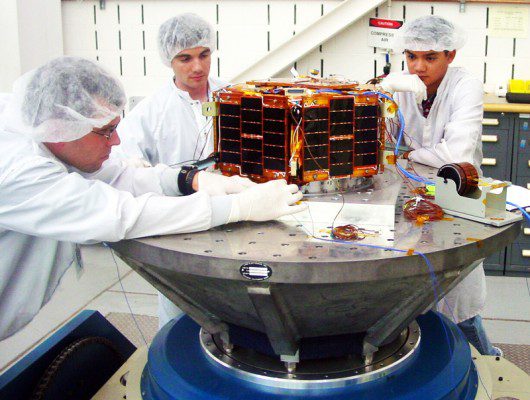
Recently, there has been a lot of hype surrounding nanosatellites. These satellites are an emerging technology in space development and offer the potential for more developing countries to reap the benefits of traditional satellites without the hefty costs associated with them.

Nanosatellites are small satellites weighing between 1kg and 10kg. CubeSats are box-shaped versions of nanosatellites and are currently one of the most widely-used forms. They are very light compared to traditional satellites, which can weigh up to several tons.

Why are nanosatellites so exciting? The reasons range from their cost and convenience to unique benefits that they can bring to the table. Here are four of the main reasons:

1. They are cheap and convenient. Compared to traditional satellites, nanosatellites retain the same or similar capabilities, while costing significantly less. According to the online publication The Conversation, while the cost of traditional satellites can be hundreds of millions of dollars, a CubeSat can be built for around $100,000 and can be launched for many of the same missions that their traditional counterparts can. “Including the launch, a nanosat of CubeSat dimensions might cost $150,000-1m, rather than $200m-1 billion for a full-sized one,” an article in the Economist corroborates.

Furthermore, nanosatellites are more convenient to build. According to the Economist, due to their low cost and less stringent standards of regulation, they can be built faster. Nanosatellites also have a relatively short lifespan of perhaps no more than a year or two in low-Earth orbit before re-entering the atmosphere and burning up. This allows for less risk-management during the building and launch phases.

2. They will help the space programs of developing countries. Funding is often a big problem for these programs; they are constrained by the high cost of traditional satellites and supporting infrastructure. The low costs of nanosatellites, however, offer a solution.

“From being cheaper to build and launch into space, they provide a cost-effective platform for training and research, especially for countries where heavy investment in a space industry has to be weighed against more immediate needs such as health and welfare,” the article on The Conversation says.

In addition, nanosatellites will encourage more youth to enter the space industry. Speaking about Africa, the Conversation notes that young people are entering careers in STEM at low rates. Nanosatellites, though, can be integrated into training at a lower cost and will thus give young people more first-hand exposure to the technology. They also have a “cool” factor: “Combining the vibrant ingenuity and creativity of this generation with an equally ingenious and cool space technology can no doubt have a profoundly positive socioeconomic impact on Africa,” says the Conversation.

3. They are closely integrated with modern, advanced technology. According to the Economist, small satellites benefit from the constant improvements in price and performance being achieved by the consumer-electronics industry, particularly in smartphone technology.

A modern phone is equipped with technologies such as an accelerometer to measure how fast it is moving, a magnetometer to detect magnetic fields and provide a compass reading, a gyroscope to measure its position, a barometer to detect pressure and much more. These technologies provide nanosatellites with a wealth of resources to work with.

4. They provide unique benefits. Though traditional satellites are able to certain complex tasks that nanosatellites cannot, nanosats have their own unique advantages.

According to the Conversation, because they are low cost, multiple nanosatellites can be launched into low-Earth orbit. The satellites in these constellations pass over a specific geographic area more frequently than single, big-satellite missions. This allows nanosatellites to be used for rapid responses to disasters or to gather timely information relating to telemedicine, environmental management and asset tracking.

The unique potential of nanosatellites is also being seen in other projects. According to the online publication Inverse, the company SkyFi is working on creating a nanosatellite network to provide the entire world with free internet access. The cheap costs and flexibility of nanosatellites would allow them to circumvent the problems preventing traditional satellites from providing reliable wifi.

“The high flexibility of our nanosatellites and the ability to provide multiple services to different customers enables us to offer free internet access to the whole planet in the same manner as GPS services are free. We think this has the potential to bridge great divides and give everyone worldwide a part in the great global connected community,” Raz Itzhaki Tamir, Co-Founder and CEO of SkyFi, said in a press release.

– Anton Li

Sources: The Conversation, The Economist, Inverse, PRWeb
Photo: Kirtland Air Force Base

March 30, 2016
https://borgenproject.org/wp-content/uploads/borgen-project-logo.svg 0 0 Borgen Project https://borgenproject.org/wp-content/uploads/borgen-project-logo.svg Borgen Project2016-03-30 01:30:202020-06-20 23:18:50Four Reasons to be Excited About Nanosatellites
Global Poverty, Women, Women and Female Empowerment

Empowering Women Through Technology

Empowering Women Technology
Women around the world experience poverty at higher rates than men because of certain customs and cultural norms. In many developing countries, women are confined to traditional roles and have limited access to capital, training and technology that could enrich their lives. Such inequality has broad consequences that affect not just women, but the entire community in impoverished regions. Empowering women and ensuring their health and safety correlates directly with ensuring food security for the whole community. The health and financial stability of mothers, in particular, has a huge influence on the welfare and nutrition of children.

The International Center for Research on Women (ICRW) has studied the ways in which the improved economic status of women positively affects children, families and societies.

Places where women have more social mobility and control over their finances also have lower child mortality rates, more transparent businesses and faster economic growth. In addition, children’s educational opportunities and job prospects are largely contingent upon their mothers’ incomes and financial stability.


The Role of Technology in Empowering Women


Access to technology also plays a large part in cementing gender inequality, especially in developing countries. For example, even though women constitute the majority of the agricultural workforce in developing countries, it is common for tools to be designed for men’s use, which makes them more difficult for women to use and also limits women’s productivity.

Women in these countries also have less access to information and communication technologies (ICTs), such as radio and mobile phones, that could facilitate better education and strengthen economic participation. When it comes to energy services in the home, many women struggle to find products that are clean, efficient, safe and affordable.

However, global efforts are being made to empower women and facilitate income-generating activities. In Kenya, the production of fuel-efficient cookstoves has created jobs for women and saved them money on energy. In China, India, Malaysia and Thailand, motorized scooters have increased safety for urban women and expanded employment and educational opportunities. Cisco Systems and UNIFEM have promoted ICT educational academies in the Middle East to give women more power and opportunities in the labor market.

The International Fund for Agricultural Development (IFAD) supports the efforts of nongovernmental organizations, the private sector and developed countries’ governments to empower women through technology. But they stress that women in developed countries must be included in such efforts. Specifically, they should be assisted to act collectively and be allowed to participate in the design process of new technologies.

This message has been heard by Congress. In November 2015, the House Committee on Foreign Affairs held a hearing on increasing opportunity for women through technology as a way of driving international development.

At the hearing, Sonia Jorge, executive director of the Alliance for Affordable Internet, advocated for policy reforms and investments that would expand women’s access to the Internet and other ICTs. Geena Davis, founder and chair of the Geena Davis Institute on Gender and Media, stated that such expansions ought to be crucial to U.S. foreign policy, since they would help “boost economic growth, empower democratic governance and advance global development.”

– Joe D’Amore

Sources: House Committee, ICRW, IFAD, Practical Action
Photo: Sameday Papers

March 9, 2016
https://borgenproject.org/wp-content/uploads/borgen-project-logo.svg 0 0 Borgen Project https://borgenproject.org/wp-content/uploads/borgen-project-logo.svg Borgen Project2016-03-09 01:30:482024-12-13 18:05:36Empowering Women Through Technology
Children, Development, Education, Global Poverty, Technology

Remote Learning as Key to Expanding Global Education

Remote-Learning
Remote learning, or the process of acquiring knowledge and skills through a program accessible through mobile or computer technologies, has the ability to expand access to education throughout the developing world.

Provided in the form of online lectures, quizzes and projects, online course material may allow large numbers of students worldwide to gain access to a world-class education that would otherwise be unavailable to them.

The number of students not enrolled in school has been rising in recent years, often due to poverty, conflict or financial issues. According to the United Nations Educational, Scientific and Cultural Organization (UNESCO), 124 million children between the ages of six and 15 were not enrolled in school as of 2013, up from 122 million in 2011. One out of every 11 primary-school-age children continues to be denied the right to education across the globe.

According to the Gates Foundation’s 2015 annual letter, remote learning will revolutionize education for people around the world by 2030 by giving citizens in impoverished areas educational opportunities that were previously inaccessible.

“Before a child even starts primary school, she will be able to use her mom’s smartphone to learn her numbers and letters, giving her a big head start,” Bill Gates said in the letter. “She will collaborate with teachers and other students in a much richer way. If she is learning a new language, she’ll be able to speak out loud and the software will give her feedback on her pronunciation.”

Educational access has always been a significant issue in developing and poverty-stricken areas. Students are limited when it comes to the classes and materials offered at the schools in their own communities. Digital education gives students within these developing or conflict-marred regions the ability to access educational materials.

In areas without significant funding for building heavy infrastructure, children would still be able to access education without traveling hours to schools in nearby communities. A shift to digital materials for use in learning courses also saves a significant amount of money for communities that may be struggling to provide educational materials such as textbooks.

Due to the lowering cost of mobile phones and tablets with online connectivity, technology is connecting students with teachers like never before. While many areas still lack service, Internet access and communications technologies have rapidly been emerging and expanding in developing nations over the last several years. Google Inc. is currently planning to spend more than $1 billion to bring service to these communities and expand Internet access to unwired regions of the globe via small, high-capacity satellites orbiting the earth, according to the Wall Street Journal.

The challenge of keeping children in school after primary school is tremendous, as the costs associated with secondary schooling are much higher, which is often difficult for families with lower income levels to afford. Also, secondary schooling facilities are often located farther away from rural communities, making transportation a challenge. Though online classes will never be able to replace a teacher, the technology may give children the ability to continue their education after primary school, while also pursuing other commitments.

Online education also has the ability to impart literacy skills and market-worthy training to adults who missed out on formal schooling opportunities when they were younger. It allows these individuals to pursue their education in their spare time by fitting in learning after they work a day job, provide for their families or while they are in between jobs or unemployed.

One organization, Lynda.com, an online education site providing e-learning platforms to more than two million subscribers worldwide, currently provides access to over 80,000 instructional videos relating to job skills in areas such as retail, construction and graphic design.

Many concerns remain about the challenges mobile education may pose. The cost of electricity in developing areas, the cost of network use, and the constant risk of theft or damage to the devices the children use are all threats to the sustainability of remote learning. Though these challenges in the current implementation of online education in these communities persist, technological advancement in the field continues to progress.

– Lauren Lewis

Sources: Business Insider, CNBC, CNN, Gates Notes, The Verge, The Wall Street Journal, UNESCO 1, UNESCO 2
Photo: Google Images

February 22, 2016
https://borgenproject.org/wp-content/uploads/borgen-project-logo.svg 0 0 Borgen Project https://borgenproject.org/wp-content/uploads/borgen-project-logo.svg Borgen Project2016-02-22 01:30:082020-06-23 08:29:03Remote Learning as Key to Expanding Global Education
Global Poverty, Technology

Knight Foundation: Welfare Benefits for Chicago’s Poor

Knight FoundationOn Jan. 26, the Knight Foundation announced the winners of its annual contest, the Knight News Challenge on Data. The challenge, which was inaugurated in 2007 amid the disruption that the digital age brought to journalism and news generally, grants select winners a share of $3 million.
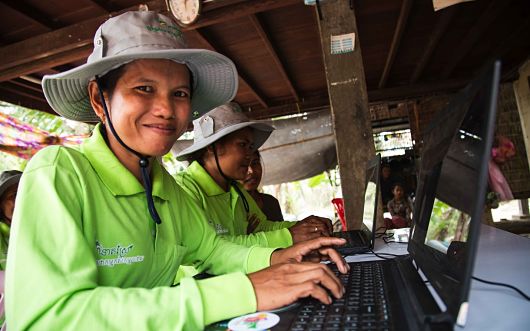
Knight News Challenge winners can receive substantial funding to carry out their projects, said Anusha Alikhan, Knight Foundation Communications Director in an email.

“For example, eight of the Knight News Challenge on Data winners received investments of $237,589 to $470,000,” she said. “Nine early-stage ideas received $35,000 each through the Knight Prototype Fund, which helps innovators take media and information projects from idea to demo.”

This year’s challenge was the most competitive to date, capping at 1,060 submissions.

“The project unlocks information about how data can be used for community problem solving,” said Nina Zenni, the foundation’s Media Innovative Associate. “It makes data easier to interact with.”

Among the 17 winners this January was mRelief’s Documents Empowerment Project, a project that helps low-income users prove eligibility for public benefits programs. The project was established in September 2014 by a Chicago-based, all-female software development team. It received $250,000 as a winner of the Knight News Challenge on Data.

mRelief began as a medium through which those eligible for public assistance – including food stamps, free public transit and family health care – could bypass long lines and receive fast information about whether they qualify for state and nation-wide welfare programs.

Through a series of questions, the web application determines a user’s eligibility, local resources and the next steps to take in procuring the provided public benefits. Since its founding, mRelief says that its tool has reduced eligibility determination time by 75 percent.

The project has also evolved to include a wide variety of programs, partnering with the Chicago Public Library and Catholic Charities and expanding to a larger user base.

Through a partnership with Purple Binder, an application that refers to low-income communities to local services like food pantries or homeless shelters, mRelief was able to extend its reach beyond those who qualify for welfare benefits. mRelief is now accessible in a number of Chicago-based community centers, having created an eligibility tool capable of multi-program screening.

The mRelief project previously received funding from Knight Foundation as part of its Knight Prototype Fund in May 2015.  During its prototype stage, the mRelief board participated in a Knight Foundation-sponsored human-centered design workshop, becoming familiar with a wider user base to understand its needs.

They found, for example, that 54 percent of Illinois residents are not smartphone users, and would therefore not benefit from a smartphone application. Hence the creation of the SMS-functionality, allowing non-smartphone users to type “hello” to a number and fill out a text-delivered questionnaire.

This modernization of public assistance allows underprivileged populations streamlined access to welfare benefits within the area — in this case, the greater Chicago area. How such data usage could expand to an international level, however, remains on the horizon.

The Knight News Challenge on Data supports ideas that make data work for individuals and communities. A growing number of applicants begets a growing number of entrepreneurial projects seeking to merge data usage for increased impact.

As Jonathan Sotsky, Knight Foundation Director of Strategy and Assessment, writes: “Data provides an opportunity for fundraisers to allocate resources to the most effective nonprofits and increase the impact of programs they support.”

If this were to happen on an international level, it might change the landscape of global philanthropy for the better.

– Nora Harless

Sources: The Knight News Challenge on Data, The Knight Foundation, mRelief
Photo: StockMedia

February 20, 2016
https://borgenproject.org/wp-content/uploads/borgen-project-logo.svg 0 0 Borgen Project https://borgenproject.org/wp-content/uploads/borgen-project-logo.svg Borgen Project2016-02-20 01:30:462024-12-13 18:05:43Knight Foundation: Welfare Benefits for Chicago’s Poor
Development, Global Poverty, Technology

The Digital Divide

Digital Divide
A report released by the World Bank shows that while technology has expanded, more people have remained poor. This phenomenon is often referred to as the digital divide.

The World Bank finds that more households in developing countries own a mobile phone than have access to electricity or clean water, according to “Digital Dividends,” its 2016 World Development Report.

The digital divide is created because most benefits for private enterprises arrive instantly, such as streamlined communication and information, online convenience and social connectivity throughout the global community.

The investments from these enterprises would ideally generate employment growth and services for those in the developing world — but progress there is more stagnant.

According to the World Bank report, digital dividends have not grown at the same rate as digital technologies because 60 percent of the world’s population does not have Internet access and are therefore unable to participate in the digital economy.

There are also emerging risks – such as polarized labor markets and inequality – that contribute to the digital divide. Routine jobs are replaced when technological advancements are made, which means more unskilled individuals compete for fewer low-wage jobs.

To combat these effects, solutions include infrastructure investment, providing worldwide Internet access and monitoring offline factors of technologies by region.

“While technology can be extremely helpful in many ways, it’s not going to help us circumvent the failures of development over the last couple of decades. You still have to get the basics right: education, business climate and accountability in government,” said Digital Dividends Co-Director Uwe Deichmann.

Education in the developing world can provide people with the skills needed to utilize digital technologies and become more productive in the workplace, which reduces polarity within the job market, according to the World Bank.

Accountable government agencies should implement policies and regulations that create a competitive digital market so that information costs go down and societies have the opportunity to become more inclusive.

Though growth has slowed in the developing world, organizations have found ways for the poor to benefit from the information and communication technology sector.

Question Box exists as a telecommunications network that provides populations suffering from high illiteracy rates and social or technical barriers with access to information.

According to the Guardian, Question Box has installed a series of ‘call boxes’ in areas of Uganda, that connect disconnected communities to someone with Internet access who can relay answers to questions regarding health, employment or other related issues.

Otherwise disconnected communities have the ability to create successful societies if given access to the digital information many of us take for granted.

– Kelsey Lay

Sources: The Guardian, Question Box, World Bank 1, World Bank 2
Photo: Google Images

February 19, 2016
https://borgenproject.org/wp-content/uploads/borgen-project-logo.svg 0 0 Borgen Project https://borgenproject.org/wp-content/uploads/borgen-project-logo.svg Borgen Project2016-02-19 01:30:112020-06-23 13:17:08The Digital Divide
Global Poverty

Innovation Building Resilience and Prosperity for the Poor

Prosperity for the PoorTechnology and partnerships are crucial when it comes to poverty eradication. According to the Global Resilience Partnership, investing in innovation and cooperation is not only a game-changer but also the key to building resilience and prosperity for the poor.
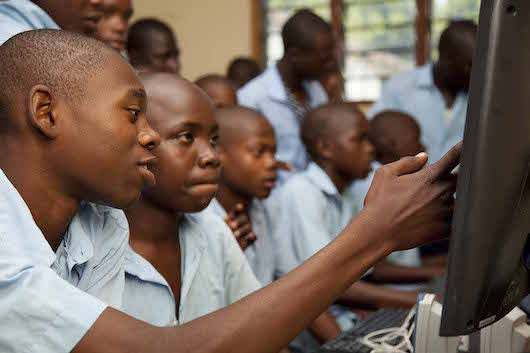
Using its network to bring the public and private sectors together to work toward resilience and high impact innovations, the Global Resilience Partnership intends to put an end to vulnerability creating community issues through multi-sectoral collaboration.

With cooperation between the organization’s partners – the Rockefeller Foundation, USAID and the Swedish International Development Cooperation Agency (Sida) – the organization is currently engaged in eight projects to build long-term resilience in the Horn of Africa, the Sahel and Southeast Asia.

Global Resilience Partnership is hoping to foster the capacity to recover quickly from issues such as climate change, food insecurity and population growth in impoverished communities through technological innovation and multi-sectoral resource sharing.

Countless aid organizations have observed the devastating impact on development that communities face after a disruptive event. It has also been seen that the ability of a community to bounce back from a disaster or crisis is time-sensitive. The longer that a community remains disrupted, the more difficult it is to get back on track.

The theory behind this drive for partnership is that each sector holds a piece of the puzzle to creating resilience and prosperity for the poor. Individually, efforts are only a fraction of the solution. It’s when the pieces are put together that the bigger picture of a lasting solution is achieved.

Executive Director Dr. Luca Alinovi stressed the importance of this theory even more in a letter calling for continued investment in resilience in 2016: “We will only make progress when we start to ‘join the dots’ and activate different stakeholders to talk to each [other], work together and make each other stronger.”

Connecting the dots must be done on three levels: global, regional, local.

Globally, the Rockefeller Foundation, USAID and Sida have collectively invested $150 million to increase global resilience and establish regional collaborations.

Regionally, partnerships are developed, utilizing and supporting collaboration between local level connections. Currently, the organization is still focusing heavily on this phase of regional partnership development, which is arguably the most critical phase in establishing a lasting and impactful local level solution.

Once at a local level, the organization will mobilize and encourage local and regional institutions, the private sector, governmental development agencies, nongovernmental organizations and humanitarian organizations to work together on the behalf of local communities to help increase prosperity for the poor.

“When we foster resilient livelihoods, men, women and families are better able to cope with chronic stresses and acute disasters,” wrote Alinovi. “A resilience mindset is proactive, focused on root causes, systematic changes and long-term impacts. Resilience is critical to achieving all of our ambitious global goals from eradicating hunger to ending extreme poverty.”

But the establishment of resilience solutions and multi-sectoral cooperation is easier said than done and requires a strategic plan to accomplish its goals. As Henry Ford, founder of the Ford Motor Company, said, “Coming together is a beginning; keeping together is progress; working together is success.”

The Global Resilience Partnership clearly agrees with this sentiment. The organization’s formula for success hinges on “programs that help surface innovation and long-term collaboration amongst the region-wide ecosystem of diverse local actors.”

Starting with a foundation of analytic diagnosis of a region’s problems, followed by the mobilization of a collaborative team to address the identified problems, solutions are developed to meet the unique circumstances. These solutions are then shared with the network and beyond to inspire free and radical change.

Through Global Resilience Partnership’s commitment to creating resilience and prosperity for the poor and vulnerable, the organization is paving the way for a new way of thinking about aid and development. As Alinovi put it, “Technology is a problem-solver, and the acceleration it provides is giving us the chance to make the difference.”

– Claire Colby

Sources: Global Resilience Partnership, The Guardian
Photo: CGIAR

February 16, 2016
https://borgenproject.org/wp-content/uploads/borgen-project-logo.svg 0 0 Borgen Project https://borgenproject.org/wp-content/uploads/borgen-project-logo.svg Borgen Project2016-02-16 18:23:262020-06-23 07:59:56Innovation Building Resilience and Prosperity for the Poor
Education, Global Poverty, Technology

Etisalat Raise ICT Literacy Through Donations

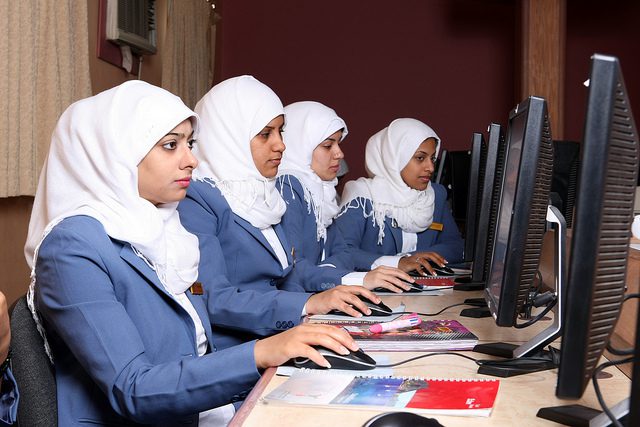
EtisalatEtisalat contributed 30 desktop computers in an attempt to improve Information Communication Technology (ICT) education at the Nuhu Bamali Primary School in Kano State. Etisalat hopes the computer donations will raise ICT literacy at the primary school.

The computers were presented to the school during a commissioning of facilities ceremony where Etisalat also unveiled school renovations, according to It News Africa.

The Vice President of Government and Regulatory Affairs for Etisalat, Ibrahim Dikko, said the donation was in line with their commitment to improving education in Nigeria through partnerships with the government.

ICT education has become a basic component of learning and will provide a greater benefit if students in primary and secondary schools are exposed to it early on. The company is dedicated to creating an improved and conducive learning environment for Nigerian children, according to Dikko.

Headmistress of Nuhu Bamali Primary School, Hajia Asmau Mohammed Lawan, hopes the computers will go a long way in giving pupils the cutting edge education to prepare them for their individual career paths according to It News Africa.

In October 2015, Etisalat donated desktop computers to the ICT center of Girls’ Government College in Nigeria, which is also located in Kano State.

According to Etisalat’s Head of Government and Community Relations, Mohammed Suley-Yusuf, “Etisalat is proud to be able to contribute positively to achieving the government’s objective of improving Kano State, especially in the area of education.”

Etisalat Group is a telecommunications provider who offers services to 18 countries throughout the Middle East, Asia and Africa. It is one of the world’s leading telecom groups and ranks among the most profitable telecom groups in the world. They work with the British Council to provide a Pan-Nigerian teacher training program and they continue to focus on improving education through their Adopt-a-School program.

The company is currently working on an initiative to create an Etisalat Telecommunications Engineering Postgraduate Program within the education sector.

– Jordan Connell

Sources: Etisalat, It News Africa, Prompt News Online
Photo: Manic

February 1, 2016
https://borgenproject.org/wp-content/uploads/borgen-project-logo.svg 0 0 Borgen Project https://borgenproject.org/wp-content/uploads/borgen-project-logo.svg Borgen Project2016-02-01 01:30:342024-05-27 09:28:46Etisalat Raise ICT Literacy Through Donations
Page 21 of 29«‹1920212223›»

Get Smarter

  • Global Poverty 101
  • Global Poverty… The Good News
  • Global Poverty & U.S. Jobs
  • Global Poverty and National Security
  • Innovative Solutions to Poverty
  • Global Poverty & Aid FAQ’s
Search Search

Take Action

  • Call Congress
  • Email Congress
  • Donate
  • 30 Ways to Help
  • Volunteer Ops
  • Internships
  • Courses & Certificates
  • The Podcast
Borgen Project

“The Borgen Project is an incredible nonprofit organization that is addressing poverty and hunger and working towards ending them.”

-The Huffington Post

Inside The Borgen Project

  • Contact
  • About
  • Financials
  • President
  • Board of Directors
  • Board of Advisors

International Links

  • UK Email Parliament
  • UK Donate
  • Canada Email Parliament

Get Smarter

  • Global Poverty 101
  • Global Poverty… The Good News
  • Global Poverty & U.S. Jobs
  • Global Poverty and National Security
  • Innovative Solutions to Poverty
  • Global Poverty & Aid FAQ’s

Ways to Help

  • Call Congress
  • Email Congress
  • Donate
  • 30 Ways to Help
  • Volunteer Ops
  • Internships
  • Courses & Certificates
  • The Podcast
Scroll to top Scroll to top Scroll to top