How Are Smartphones Driving Financial Inclusion in South Asia?
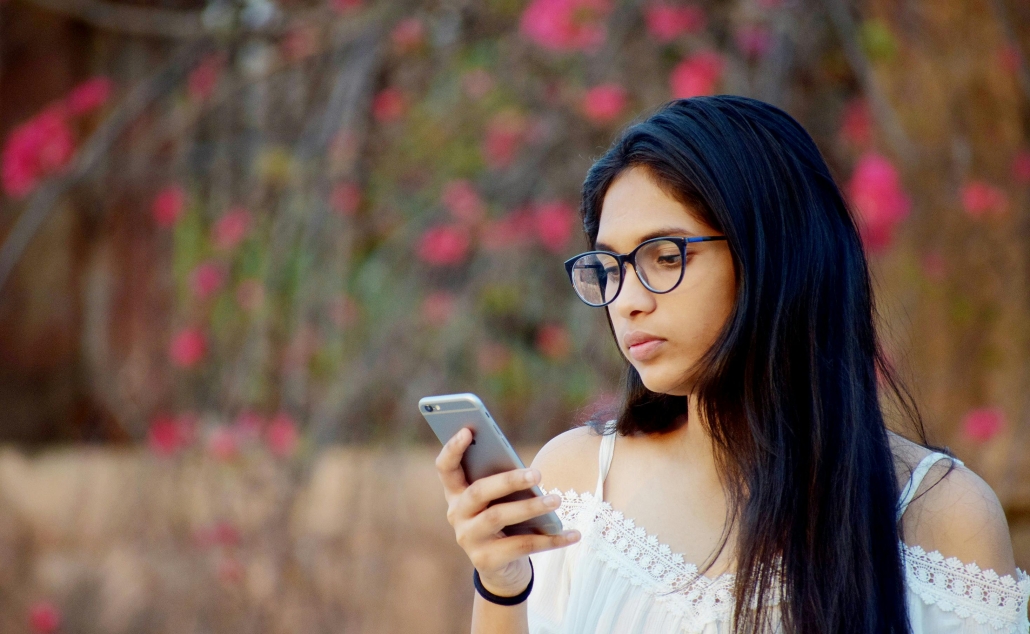 A silent revolution is taking place in South Asia’s markets and rural areas, where the digital gender gap is being challenged significantly. Recent studies show that despite women being 32% less likely than men to use mobile internet in South Asia, those who have access use smartphones as an all-in-one financial and educational hub, effectively avoiding traditional banking systems that have historically excluded them. Here is some information about how smartphones are driving financial inclusion in South Asia.
The Rise of the “Portable Bank Branch”
In South Asia, women in rural areas often face challenges in accessing physical banks. Women are compelled to rely on cash, which increases the risk of theft and prevents them from building a credit history. This lack of formal financial access traps women in a cycle of poverty. Women cannot access the capital required to grow a small business or save for investments.
In countries like India and Pakistan, the smartphone has transitioned from a communication device to a portable bank. The rise of India’s Unified Payments Interface (UPI) has become essential for women entrepreneurs as it processes more than 20 billion transactions per month. In Bangladesh, women manage their earnings using digital wallets such as PhonePe or bKash, without needing to visit a bank in person. Visiting a bank was a significant hurdle for women in remote areas where social norms or distance often restricts mobility.
This shift helped the rise of the micro- entrepreneur. In Pakistan, initiatives like Benazir Income Support Program (BISP) have successfully migrated to digital wallets such as JazzCash to ensure that the aid and business earnings reach women directly. This digital advancement enables women to maintain control over their financial assets, often using their savings for critical life improvement areas such as their children’s education or their own growth.
Financial Inclusion and the Poverty Gap
Poverty disproportionately affects women in South Asia. In Pakistan, the poverty rate among women is often higher because of a lack of property ownership and formal employment. Women are restricted to the household and often face hurdles to achieving financial freedom. Women with no control over income and finances are more likely to have less influence over household spending.
Cultural, economic and systemic barriers often constrain women’s autonomy in South Asia. In many rural areas, women require permission to leave home, and in some regions, women are restricted from stepping out of their homes. Women in rural areas are often dependent on male relatives for basic needs. People in those areas often see financial independence as rebellion.
Lack of access to technology does not limit digital inclusion; it is more about autonomy, according to the GSMA Mobile Gender Gap Report. The research findings indicate that while the overall gender gap in South Asia remains wide, the frequency of use among connected women is rapidly increasing. Women in this region are increasingly tech savvy, as they are not using these devices for just entertainment but to increase their awareness, access property rights information and health services. Utilization of mobile internet for e-learning is also becoming very popular.
Organizations are further working to improve women’s experience by creating safe, digital-first spaces where women can learn to invest and save. Organizations like India’s LXME, founded in 2018, further accelerate this trend. LXME created a women-only digital community. Women can learn about mutual funds, insurance, saving in a jargon-free environment and in local languages. Since its establishment, LXME has empowered more than 1000,000 women to decide their financial future. Making financial literacy accessible in local languages and easy-to-manage interfaces is bridging the gap between having a phone and having financial power.
Closing the Final Gap
While this silent transition is improving, challenges persist. Significant efforts are required to improve the situation, as 60% of the world’s unconnected women live in South Asia and sub-Saharan Africa. Millions of women risk being left behind in a rapidly digitalizing global economy, and aggressive investment in digital literacy and affordable information and communication can mitigate the risk.
As access to mobile internet is increasing, South Asian women’s situation is moving from helplessness to innovation. Financial inclusion in South Asia has improved as millions of women can make transactions via QR codes and manage business from their palms. A smartphone is not just a gadget; it is a new factor contributing to an equitable economy.
– Noor Ul Ain Ameer
Noor is based in Islamabad, Pakistan and focuses on Technology and Solutions for The Borgen Project.
Photo: Pexels
