Using AI to Support Maternal Health in Pakistan
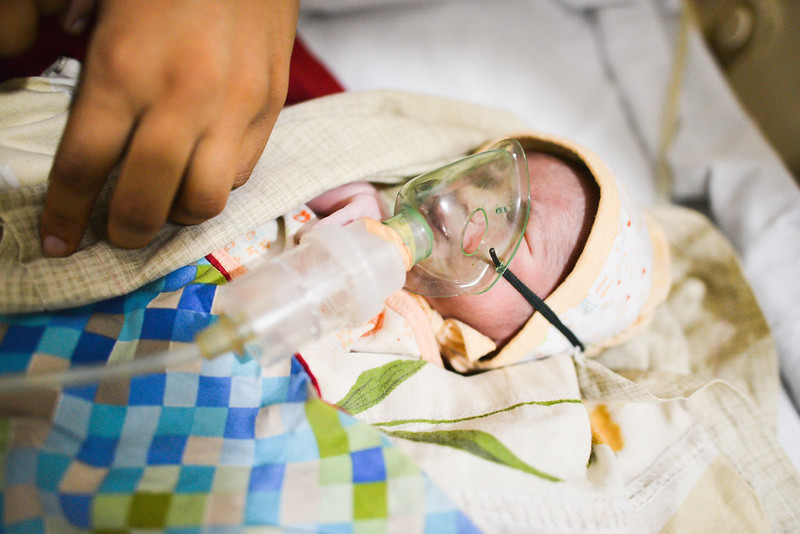 Pakistan has one of the highest maternal mortality rates in South Asia. Despite being a signatory to Agenda 2030, the country still lags considerably behind in achieving the Sustainable Development Goals (SDGs). Approximately 20% of the deaths that occur among women of childbearing age are related to maternal complications.
Dr. Maryam Mustafa, assistant professor of computer science at Lahore University of Management Sciences and co-founder of Awaaz-e-Sehat (“Voice of Health”), is harnessing speech-based artificial intelligence to revolutionize maternal health in Pakistan. Funded by the Gates Foundation’s Grand Challenges, her AI app enables under-resourced frontline maternal health workers to record and assess patient information by talking into a smartphone.
Maternal Health Challenges in Rural Pakistan
Maternal health in Pakistan faces serious obstacles, especially in rural areas where women lack access to skilled care. Pakistan Maternal Mortality Survey 2019, conducted by the National Institute of Population Studies and funded by the United States Agency for International Development (USAID), reveals considerable demographic differences between rural and urban areas of Pakistan.
The maternal mortality ratio (MMR) is nearly 26% higher in rural areas than in urban areas due to a major difference in health care services provided to people living in urban areas as compared to those living in distant regions. In addition, delays in medical care during obstetric complications are another factor that leads to maternal deaths. Every year, thousands of women die from causes like bleeding, infections and high blood pressure during pregnancy. In Pakistan, an estimated 154 women die per 100,000 live births. Globally, maternal mortality has decreased by approximately 40% since 2000; however, this progress has slowed.
How Awaaz-e-Sehat Works
In many clinics, doctors and nurses only have a few minutes to spend with each patient. Symptoms, like swelling, headaches or blurred vision, can go unnoticed. Awaaz-e-Sehat helps by guiding health workers through structured questions in Urdu or other local languages before digitally saving each response. The app also analyzes responses for warning signs, such as high blood pressure or anemia and sends automatic alerts if a patient is at risk. The tool was tested at Shalamar Hospital in Lahore, where it supported care for 500 pregnant women in its early phase.
Helping Women at Home
Not all women in Pakistan can regularly travel to clinics for checkups. To help bridge this gap, Awaaz-e-Sehat also works through WhatsApp. Pregnant women can respond to voice messages from home, answering simple health questions. Artificial Intelligence (AI) reviews their responses and if something seems wrong, a health worker receives a prompt to follow up.
Making a Difference
After several months of use, the Awaaz-e-Sehat team saw a clear improvement in early risk detection. The tool helped identify health concerns in about 40% of patients, compared to only 7% in traditional short visits, highlighting a notable step forward in maternal health in Pakistan.
What Comes Next
Dr. Mustafa and her team plan to expand Awaaz-e-Sehat across more clinics and provinces. By collaborating with hospitals, health organizations and the government, they aim to provide AI-powered support to a broader range of health workers and expectant mothers. Their goal is to help Pakistan reach the United Nation’s (U.N.) target of fewer than 70 maternal deaths per 100,000 live births by 2030.
– Anna Chiaradonna
Anna is based in Philadelphia, PA, USA and focuses on Good News and Politics for The Borgen Project.
Photo: Flickr
