• Link to X
  • Link to Facebook
  • Link to Instagram
  • Link to TikTok
  • Link to Youtube
  • About
    • About Us
      • President
      • Board of Directors
      • Board of Advisors
      • Financials
      • Our Methodology
      • Success Tracker
      • Contact
  • Act Now
    • 30 Ways to Help
      • Email Congress
      • Call Congress
      • Volunteer
      • Courses & Certificates
      • Be a Donor
    • Internships
      • In-Office Internships
      • Remote Internships
    • Legislation
      • Politics 101
  • The Blog
  • The Podcast
  • Magazine
  • Donate
  • Click to open the search input field Click to open the search input field Search
  • Menu Menu

Tag Archive for: Poverty In Pakistan

Posts

Gender Equality, Global Poverty

Aurat Foundation: Fighting Poverty in Pakistan

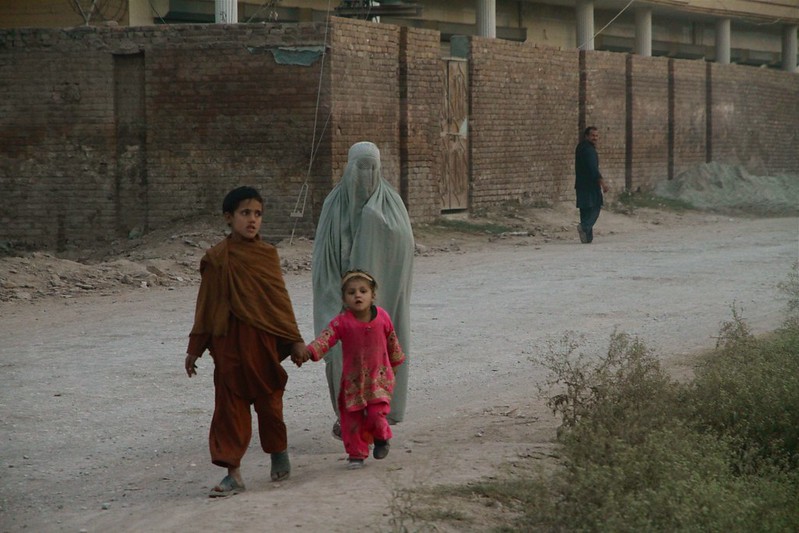
Aurat FoundationIn a 2023 report, the World Bank expected poverty level in Pakistan to reach 37.2%. This percentage is slightly below the previous rate of 39.8% in 2018, however, when adjusting for population growth, the number of Pakistanis living in poverty has grown by nearly 3 million since 2018. Considering these rates, this article will outline three factors that are contributing to individuals being poor in Pakistan today.

Deeply Rooted Inequalities in Pakistan

Social inequalities, specifically those rooted in gender workplace discrimination, are the first factor leading to individuals being poor in Pakistan. According to the World Bank, gender inequalities remain persistent in Pakistan, with only one out of four working-age women participating in the labor force and 80% of these women working in agriculture. The majority of women therefore find themselves concentrated in low-paid jobs and have limited opportunities for upward mobility in the formal sector of the economy, making these social inequalities a primary factor of being poor in Pakistan.

Environmental Degradation in Pakistan

Environmental Degradation is the second factor contributing to being poor in Pakistan today. Asian Development Bank (ADB) outlines a clear connection existing between environmental degradation and poverty, with both factors continually reinforcing each other. “Increasing air pollution and contamination of ground and surface water,” for example, are “the most commonly cited indicators of environmental degradation in Pakistan” and ones that those living in poverty are especially vulnerable to. Long-term exposure to these pollutants has significant effects on the health of impoverished individuals, who must then devote significant portions of their already limited incomes to health costs.

Limited Poverty Reduction Programs

The final factor contributing to being poor in Pakistan is the insufficient poverty reduction programs that the country has implemented. Although Pakistan indeed has a long history of poverty reduction programs, these programs tend to focus on only one measure of poverty and thus often fall short of reducing overall poverty levels. These programs also account for only about 2% of GDP and have a limited outreach, thus making them the third factor that is contributing to poverty in Pakistan.

The Good News: Aurat Foundation

Established in 1986, the Aurat Foundation focuses on spreading awareness and creating a society where men and women are coequal, both possessing the right to lead their lives in whichever ways they decide. This right extends to the formal sector of the economy, a sector that with a current male domination. Throughout its many years of operation, the Aurat Foundation has therefore established itself as a prominent NGO in Pakistan, specifically focusing on “providing grants, undertaking advocacy for women’s economic empowerment through gender-responsive budgetary allocations and incorporating of women’s concerns into the macro-economic policy framework and social protection programs.”

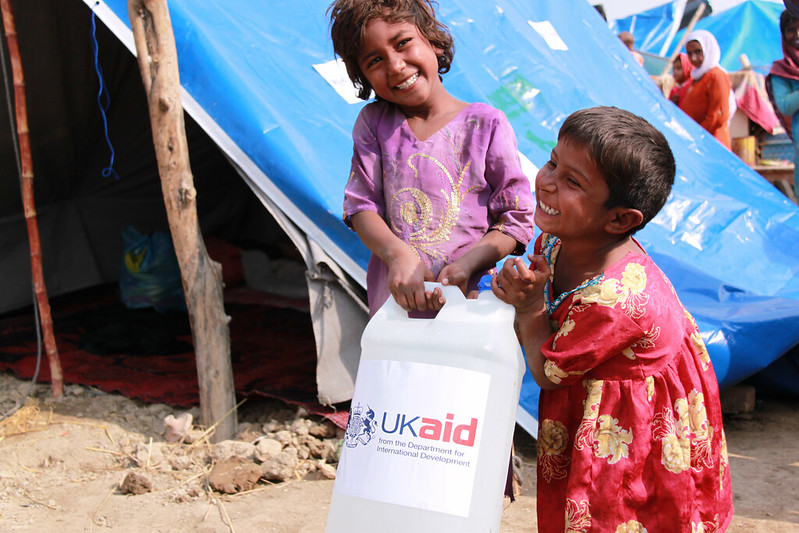
In addition to women’s political and economic empowerment, the Aurat Foundation contributes to disaster relief, particularly in launching the Motherland Flood Relief Campaign which responded to “Pakistan’s worst-ever floods in 2010.” These floods are ones that disproportionately affect the poor in Pakistan as these individuals lack the resources necessary to rebuild their lives after such a disaster.

In understanding these deeply rooted inequalities, the effects of environmental degradation and limited poverty reduction programs, the detrimental effects of being poor in Pakistan become clear. However, looking at the Aurat Foundation’s work, people can learn how to mediate these effects for each impoverished individual in Pakistan for a better future.

– Staff Reports
Photo: Pixabay

February 21, 2024
https://borgenproject.org/wp-content/uploads/borgen-project-logo.svg 0 0 Jennifer Philipp https://borgenproject.org/wp-content/uploads/borgen-project-logo.svg Jennifer Philipp2024-02-21 01:30:032024-06-11 00:18:07Aurat Foundation: Fighting Poverty in Pakistan
Children, Global Poverty, Health

On the Brink of Eradication: Polio in Pakistan

Pakistan and Polio: On the Brink of Eradication Polio was once a disease that threatened children across the world, its outbreak was a constant cause of worry among communities in every country. However, thanks to successful worldwide immunization, more than 2.5 billion children have received a polio vaccination since the late 1980s and polio is largely a disease of the past. However, children still face the threat of polio in Pakistan, Afghanistan and Nigeria, where the disease remains endemic.

Polio is an extremely infectious viral disease, largely affecting young children under five. Symptoms can range widely from flu-like illness to paralysis or even death, with paralysis victims often permanently losing use of their legs or arms. This life-altering virus spreads via fecal-oral transmission or occasionally through contaminated food or water and can spread rapidly through communities if not managed carefully.

Eradicating Polio in Pakistan

In an effort to tackle the persisting threat of the virus, Pakistan launched its Polio Eradication Programme in 1994 and has since seen a significant decline in polio cases, with cases dropping from 20,000 annually in the 1990s to only eight cases in 2018.

The country’s eradication strategy prioritizes:

  • Quick and early detection, containment and elimination of outbreaks
  • Efficient and widespread vaccination
  • Dedicated and properly trained frontline workers
  • Continued government attention and support
  • Coordinating their efforts with neighboring Afghanistan, where polio is also a pressing health issue.

Vaccine Home Delivery

In 2000, the year Pakistan launched home delivery of the oral polio vaccine (OPV), there were a reported 119 cases of polio in Pakistan. Although figures were initially on the decline, with only 32 cases reported less than a decade later, these figures have been steadily increasing since 2008. In 2019, there were 146 cases of polio in Pakistan reported.

Many parents and carers are beginning to refuse the vaccine for their children, proving to be a critical factor in polio’s resurgence. In polio-endemic countries such as Pakistan, children require multiple doses of the vaccine in order to build up sufficient immunity from the disease.

Tracking Reasons for OPV Rejection

In an attempt to address the rising rejection of OPV, the World Health Organisation (WHO) developed a tally sheet for frontline workers to make a record of the various reasons for vaccine refusal.

Here are some of the notable reasons for rejection:

  • Religious beliefs
  • Children unavailable to receive OPV (such as being unwell or sleeping)
  • Demand of compensation
  • “Campaign fatigue”, whereby parents had lost patience with repeated OPV campaigns

However, despite this regression in the 2010s, polio in Pakistan has been back on the decline in recent years. Cases dropped by 36% from 2019 to 2020, with numbers continuing to drop in 2021. This is reassuring progress for Pakistan and all the more impressive when considering the additional challenges the Coronavirus pandemic posed to the safety and efficiency of successful OPV rollout.

Polio in Pakistan: The Future

In 2023, there were six reported cases of polio in Pakistan. As the country continues to press on with its fight against this life-altering virus, there seems reason for optimism for the future. Consistent and thorough vaccination campaigns continue to be carried out across Pakistan, but it seems that successfully and thoroughly eradicating polio relies upon both the continued efforts from the government and health care workers in hand with consistent cooperation from parents.

– Rose Williams
Photo: Flickr

February 17, 2024
https://borgenproject.org/wp-content/uploads/borgen-project-logo.svg 0 0 Precious Sheidu https://borgenproject.org/wp-content/uploads/borgen-project-logo.svg Precious Sheidu2024-02-17 01:30:052024-02-15 04:41:01On the Brink of Eradication: Polio in Pakistan
Global Poverty

The Khair App: Ending Period Poverty in Pakistan

Period Poverty in PakistanPeriod poverty is a pressing issue affecting more than 30 million women in Pakistan, depriving them of access to menstrual hygiene products. The repercussions are profound, with girls often dropping out of school upon reaching puberty and women feeling compelled to take days off work. This unfortunate reality hinders women’s educational and professional progress, emphasizing the urgent need for intervention. In response, the Khair App has emerged as a transformative tool, aiming to tackle period poverty head-on and empower Pakistani women and girls through health literacy.

About Khair

Khair’s journey began as a preventative health blog during the challenging times of the COVID-19 pandemic. Its growth and popularity prompted the development of the Khair app, driven by three core aims: to make quality health care easily accessible to all Pakistani women, to work toward ending period poverty in Pakistan and empowering women through health literacy.

The Khair app addresses period poverty through a comprehensive approach. Users can purchase a monthly subscription of menstrual hygiene product packages on its shop page. These packages not only contain quality sanitary products but also include additional items such as painkillers and pimple patches, ensuring a holistic approach to women’s health.

For every six packs of pads a user purchases, Khair donates two packs to those who cannot afford them. This initiative has proven instrumental in providing access to quality hygiene products for women and girls suffering from period poverty. Given that 44% of girls lack access to basic menstrual hygiene facilities at home, school or work, Khair’s efforts are pivotal in making a tangible impact.  Khair has donated at least 100,000 packs of pads, exemplifying its commitment to ending period poverty in Pakistan.

Health Literacy Efforts

Khair recognizes that addressing period poverty goes beyond providing hygiene products. Cultural taboos surrounding menstruation contribute to a lack of awareness and education, further exacerbating the issue. According to a study conducted by UNICEF, 49% of young girls had no knowledge of menstruation before their first period. To tackle this, Khair actively promotes health literacy among women and girls.

The Khair app features a menstrual cycle tracker, allowing women to monitor their cycles, ovulation and pregnancy. This tool not only aids in better preparation for periods but also contributes to overall reproductive health awareness. In addition to the cycle tracker, Khair spreads valuable health information through its blog on the app and various social media platforms, reaching more than 1.5 million people. Its social media posts include visually appealing infographics and videos on Instagram to reach and engage with a large audience. Khair covers topics that include myth busters about periods, guidance on checking for signs of breast cancer and FAQs about pregnancy tests. By providing easy access to preventative health information, Khair empowers women to take control of their health and well-being.

Access to Health Care

The app also facilitates direct access to health care professionals, connecting users with doctors through its platform. With more than 200,000 beneficiaries engaged, Khair is making significant strides in increasing health literacy and ensuring women have the agency to manage their health effectively.

Khair also extends its impact beyond the app through various initiatives. More than 100 health sessions have been conducted, fostering direct engagement with communities. Online campaigns, such as #Khairseperiod, further amplify the message and contribute to breaking the silence around menstruation.

Looking Ahead

Khair is actively addressing period poverty in Pakistan, utilizing a two-pronged approach. Through generous donations of menstrual hygiene products and an extensive health literacy platform, Khair is significantly impacting the lives of women and girls. Emphasizing the crucial role of education and awareness, Khair is breaking down cultural taboos that have historically impeded menstrual hygiene practices. The organization’s remarkable achievements serve as a promising model. As Khair continues to expand its outreach, the goal is to achieve increased pad donations and substantial progress in eradicating period poverty.

– Haniya Rahman
Photo: Flickr

January 18, 2024
https://borgenproject.org/wp-content/uploads/borgen-project-logo.svg 0 0 Yuki https://borgenproject.org/wp-content/uploads/borgen-project-logo.svg Yuki2024-01-18 07:30:202026-04-16 10:21:50The Khair App: Ending Period Poverty in Pakistan
Education, Global Poverty

Transforming Education in Pakistan: Innovative Digital Solutions

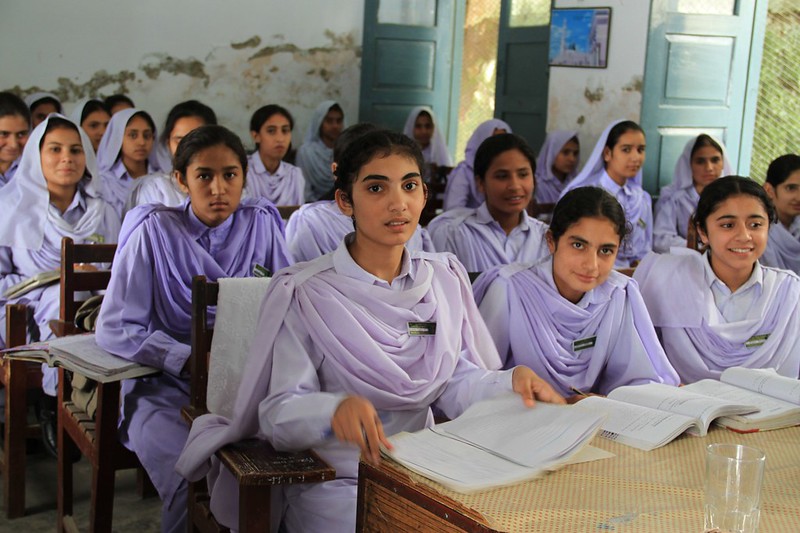
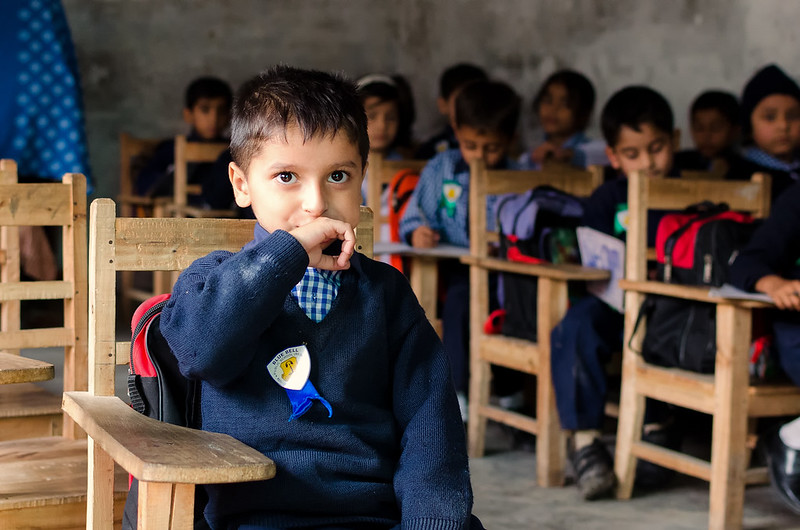
Transforming Education in PakistanEducation is the cornerstone for progress and development in any nation. In Pakistan, an estimated 22.8 million children between 5-16 are out of school, accounting for 44% of the total population in this age range. Even those within the educational system face significant challenges due to a lack of funding, such as low-quality teaching and lack of resources. Education deprivation also unfortunately reinforces class and gender inequality; gender-wise, boys outnumber girls at every stage of education.

Enter the Teach the World Foundation, a nonprofit organization dedicated to transforming education in Pakistan by harnessing the power of technology to advance literacy in developing countries. The Foundation firmly believes that the conventional educational system falls short of providing children from underprivileged backgrounds with the opportunity for a quality education. Recognizing this gap, the Foundation employs innovative digital learning methods demonstrating exceptional efficiency through a proof-of-concept. These digital approaches are carefully curated to promote self-learning, ensuring scalability and cost-effectiveness.

Currently, in Pakistan, the Teach the World Foundation is actively engaged in educational initiatives in Karachi, Islamabad and Lahore, with a strong commitment to expanding its reach. The Foundation’s ongoing programs in Pakistan include in-school initiatives, micro-school programs and smartphone-based learning programs. A closer look into these programs reveals the innovative methods used by Teach the World to tackle poverty through education in Pakistan.

In-School Initiatives

Teach the World Foundation recognizes the power of collaboration in transforming education in Pakistan and has actively formed partnerships with other NGOs and schools in various regions. The foundation has devised innovative solutions to tackle the shortage of proficient English teachers, a key impediment to effective learning. In a world rapidly becoming more globalized, English proficiency appears to be crucial. However, attracting skilled English teachers is challenging due to higher-paying opportunities in alternative job sectors. The foundation introduced advanced educational games featuring “best-in-class” content in English, math and local languages to bridge this gap. Notably, students engaging with these interactive tools demonstrated a remarkable two times improvement in performance compared to control groups. Beyond academic achievement, the initiative nurtures essential modern skills such as digital literacy, self-learning and self-confidence.

An exemplary case in Karachi involves partnering with The Citizens Foundation (TCF) on a pilot program in 2017. The initiative began with 240 kindergarten, first and second-grade children. To date, there has been remarkable progress in 40 students, who have shown proficiency in English and Maths and increased self-confidence. The next steps for this program involve expanding its reach, increasing partnerships with other schools, and extending the curriculum to include Urdu content. For instance, in Islamabad, with the aid of the Moawin Foundation, there are plans to expand from two to 23 schools, potentially benefiting up to 8,700 children.

Micro-schools

Micro-schools, introduced by Teach the World Foundation in 2021, represent a revolutionary approach to education delivery. These one-room schools are powered by digital learning software, providing a scalable and cost-effective solution to the shortage of teachers and schools in Pakistan. There are five micro-schools in Karachi and two in Lahore, with ambitious plans to establish 500-1000 such schools in the next five years. Micro-schools’ power lies in their efficiency – requiring minimal staff, space and no conventional teachers. This scalability has a high potential for positive impact, particularly in rural areas where educational resources are severely lacking. A case in point is the province of Baluchistan, where an alarming 70% of children do not attend school. The potential for micro-schools to address this stark educational disparity in rural regions is promising.

Smartphone Programs

In response to the widespread availability of smartphones among parents of school-going children, Teach the World Foundation has piloted smartphone-based learning programs. This initiative takes advantage of the fact that 24 million parents of school-going children own smartphones. Parents are introduced to the home-schooling initiative and encouraged to download the Foundation’s learning application for their children. Regular check-ins with facilitators and weekly online quizzes reinforce the learning process. This approach addresses logistical challenges, actively involves parents in educating their children and encourages family literacy.

The foundation’s current pilot program involves 1,500 children in Islamabad and Bangladesh. The cost-effectiveness of this program, with only an initial application creation cost, positions it as a highly scalable model. Teach the World continues to explore partnerships and refine its approach, and there is optimism that this smartphone-based program could extend its impact to millions of students, addressing accessibility and cost barriers in education.

Looking Ahead

Teach the World Foundation’s multifaceted approach to education in cities like Karachi, Lahore and Islamabad exemplifies a commitment to innovation and inclusivity. The foundation is transforming education in Pakistan through in-school initiatives, micro-schools and smartphone programs. As these initiatives continue to grow and evolve, the vision of widespread, high-quality education in Pakistan draws closer to reality. The foundation’s success stories show the transformative potential of digital learning in addressing educational challenges and fostering a brighter future for Pakistan.

– Haniya Rahman
Photo: Unsplash

January 18, 2024
https://borgenproject.org/wp-content/uploads/borgen-project-logo.svg 0 0 Yuki https://borgenproject.org/wp-content/uploads/borgen-project-logo.svg Yuki2024-01-18 07:30:092024-06-07 05:08:19Transforming Education in Pakistan: Innovative Digital Solutions
Global Poverty

How An Internet Connection Can Prevent Poverty in Pakistan

Poverty in PakistanPoverty in Pakistan rose to 39.4% in 2023. This implies there are many new reasons to prevent poverty in the country. In the past, Pakistani policymakers were tasked with finding solutions to alleviate poverty. Unfortunately, the challenges posed by economic inequality and the widespread nature of poverty hindered the effectiveness of their efforts, resulting in a limited number of successful solutions.

Fortunately, more than 183 million Pakistanis now own smartphones with preloaded internet access. This signifies that a substantial portion of the population can connect to the internet and engage with billions of other users online. Here are 8 reasons why having an internet connection can help reduce poverty in Pakistan.

Education

The benefits of school pupils having internet access include having trackers on their phones, keeping their school informed about their attendance and online schooling for those unable to access education venues in their local areas. In 2020, the COVID-19 pandemic underscored the crucial role of internet connectivity for young Pakistani students. Lack of access left them in isolation, missing out on valuable educational opportunities.

Terrorism

Poverty in Pakistan does have a link to terrorism because those from poverty-stricken areas are more likely to become involved in terrorist organizations. It is widely acknowledged that many terrorist organizations actively utilize the internet, particularly internet chatrooms, to spread their ideology and identify potential recruits. Given that social media serves as a primary platform for social interaction among young internet users, this presents a significant concern.

Given that social media serves as a primary platform for social interaction among young internet users, this presents a significant concern. Fortunately, the Violent Extremism Prevention Unit (VEPU) is dedicated to identifying potentially dangerous accounts and taking prompt action to eliminate them. In 2023, more than 700 potentially dangerous accounts were removed from the web, thus protecting Pakistani users from danger.

Food

Through a combination of education and access to updated knowledge on farming practices, the people of Pakistan can make significant strides in agriculture. A digital avenue facilitating this is the Kisan Card Scheme, a government initiative providing cards to farmers and information on successful productivity to farmers. This program aims to facilitate registered farmers to “get benefits from various government schemes like subsidies, loans, insurance, etc.”

Financial

To help those struggling financially, the World Bank initiated the Benazir Income Support Program (BISP) to act as a safety net for those struggling with poverty. Through the BISP program, Pakistani people can use their internet connections to perform an online banking interaction, after which funds can be transferred from the World Bank to support them in meeting their essential needs.

Domestic

Women in Pakistan face many issues, such as restricted mobility, limited lifestyle choices and the persistent threat of abuse. In 2013, recognizing the need for a supportive platform, Group Soul Sisters Pakistan was established on the social networking site Facebook. This private group chat serves as a space for women to share their stories and offer mutual support to one another.

Employment

Social networking plays a pivotal role in job or apprenticeship searches and its absence can impede employment opportunities, particularly in rural areas. Those with internet access can create accounts on platforms such as Rozee or Total Jobs to facilitate the exploration of professions that align with their skills and preferences, thereby enhancing their chances of securing employment.

Medicine

Telemedicine is a concept that can help treat those in poverty-stricken areas rurally. This helps prevent the patients from traveling miles to receive medical attention. As of 2022, telemedicine formats include virtual videos and text messages providing medicinal incite for patients, which are distributed out rurally.

Politics

Access to the internet provides an empowering avenue for the disadvantaged people of Pakistan to voice their concerns and challenge their government. Since the internet became widely available in the ’90s, individuals from various social classes have been able to closely monitor their political leaders, enabling a more engaged and informed citizenry.

– Phoebe Vaughan
Photo: Flickr

January 13, 2024
https://borgenproject.org/wp-content/uploads/borgen-project-logo.svg 0 0 Hemant Gupta https://borgenproject.org/wp-content/uploads/borgen-project-logo.svg Hemant Gupta2024-01-13 19:51:062026-04-16 10:22:00How An Internet Connection Can Prevent Poverty in Pakistan
Global Poverty

Poverty Reduction in Pakistan

Poverty Reduction in PakistanPakistan is a country known for its poverty. Pakistan’s poverty rate has gone from 34.2% to 39.4%, with around 95 million Pakistanis in poverty. However, there have been plans and systems being actively implemented to improve the country for the better. This article will focus on some of the strategies for poverty reduction in Pakistan.

Basic Amenities

The root of many problems of poverty-stricken families is the lack of basic amenities. Many Pakistanis do not have access to essential equipment. For example, 79 million people don’t have a toilet. Access to basic amenities has been getting worse, with disasters such as the flood leaving 10 million people without water. This lack of clean water and proper toilets can be dangerous, as it causes diarrhea, which has led to the death of 19,400 children under the age of 5. 

Pakistan has made some investments in this area, as solving this issue can be a big step for poverty reduction in Pakistan. For example, the World Bank contributed $442 million to help 16 districts in Punjab by improving access to clean water. This program was estimated to help around 2,000 villages, totaling 6 million people. These are small steps for establishing a healthy society. 

General Education

Even if a family has access to clean resources, they may not have guaranteed education. The income of many Pakistanis has prevented them from sending their children to school. This has led to 22.8 million children not attending school. Education is a vital part of Pakistan, as it ensures jobs and careers for those who are knowledgeable in certain careers. Because there are not enough children in school, most industries in Pakistan are unemployed, causing a low output rate of certain companies. In 2023, it was found that Pakistan’s industrial production had decreased by 14.55%. 

Increasing education in Pakistan could be beneficial in increasing productivity in various industries. The United States Agency for International Development (USAID) in particular has done a lot. Not only have they built/repaired 1,600 schools in Pakistan, but they have also improved oral reading fluency for 26% of young students. This improvement in education can help students use their knowledge to create better opportunities for themselves and their families. 

Infrastructure

The third issue to address is Pakistan’s infrastructure. Infrastructure has always been a goal for Pakistan, but they have always been held back. The country has nearly 70% of its financial resources going towards paying off its debt, which has come from previous ventures in investing in agriculture. Thankfully, there are multiple projects in the works to ensure an improvement in the infrastructure. 

For example, in terms of energy, Pakistan has made it financially attractive to switch to solar, with net metering, feed-in tariffs and tax incentives. By 2030, the government plans for solar and wind energy to make up around 30% of Pakistan’s overall energy. If Pakistan’s efforts in this area are an indication of their performance in other infrastructure fields, then they should be on a good path. 

A Look Ahead

Pakistan may be a far way from ridding itself of poverty, but it has the potential to change itself. As long as poverty reduction in Pakistan remains a steady goal, the country has a chance to improve the lives of its people for the better.

–Uzair Khan
Photo: Wikimedia

November 13, 2023
https://borgenproject.org/wp-content/uploads/borgen-project-logo.svg 0 0 Yuki https://borgenproject.org/wp-content/uploads/borgen-project-logo.svg Yuki2023-11-13 15:00:562023-11-12 12:48:16Poverty Reduction in Pakistan
Global Poverty

Remittance to Pakistan

Remittance to PakistanAccording to the Ministry of Overseas Pakistanis, more than 9 million overseas Pakistanis send money home to help their family, contributing to the country’s economy. Remittance to Pakistan is a big part of the country’s foreign exchange. Remittance payments made up almost 8.69% of the country’s GDP in 2022. However, recent figures show that remittances are decreasing, which might damage the country’s economy. The following is an examination of how digital methods could help empower Pakistanis living abroad and increase the money they send home.

Remittance and Pakistan’s Economy

Remittance to Pakistan has always played an important part in the economy of the country. Remittances totaled $31.2 billion in the Fiscal Year 2021–2022, which considerably contributed to the economic growth and stability of the country. 

Some have voiced concerns about a fall in inflows in the last quarter of 2022 and the first quarter of 2023. The UAE remittances fell 9.2% from $2.08 billion in July-October 2021 to $1.89 billion in July-October 2022 due to several circumstances, including political turmoil in Pakistan. Saudi Arabia’s remittances fell from $2.785 billion in July-October 2021 to $2.459 billion in 2022. 

Traditional vs. Digital Platforms for Remittance 

Pakistanis living abroad used to send money home through banks and money transfer services. However, these methods come with challenges, like high transaction fees and long processing times. People have also used unregulated channels like Hawala/Hundi, which pose risks while bypassing authorized methods.

However, digital transfer sites have become a quick and easy way for Pakistanis living abroad to send money back home. These systems have benefits like faster transactions, cheaper fees and convenient interfaces. Many mobile apps and websites are there for sending remittances to Pakistan from different countries such as ACE Money Transfer, Tiptap, Remitly, MoneyGram and more. 

Using digital tools, Pakistanis living abroad can maximize the amount of money they are able to send home to loved ones. These money transfer channels are regulated and offer easy, competitive exchange rates and more protection. It helps to ensure that every money transfer goes straight to Pakistan’s economy.

Increased inflows of remittances have far-reaching consequences. They help the economy grow, build up foreign exchange reserves and improve the balance of payments. During the first 10 months of the fiscal year 2022-2023, transfers were worth more than $26 billion, down 13% from the previous year. Higher transfers raise the standard of living, provide financial security and reduce poverty at the individual level. According to the World Bank, worldwide remittances reached $554 billion in 2020, with a large percentage flowing to countries with low or middle incomes. Remittances alleviate poverty and inequality in these nations. 

Remittance-receiving households in developing nations live better and are less likely to be poor, according to the International Funds for Agricultural Development (IFAD) research. The multiplier effect of remittances has a positive impact on the entire community. 

Government Initiatives and the Role of Overseas Pakistanis

The government has taken several steps to encourage people to send money back home. These include premium prize bonds, foreign currency accounts and the Pakistan Remittance Initiative (PRI). The PRI is a joint project of the State Bank of Pakistan, the Ministry of Finance and the Ministry of Overseas Pakistanis. Its goal is to make transferring money back to Pakistan easier, faster, safer and more rewarding. 

Overseas Pakistanis have numerous opportunities to contribute further to the country’s economy. These include investing in Pakistan, participating in crowdfunding initiatives and engaging in government-backed diaspora bonds. When a healthy amount of remittances goes to savings and investment, it will help lessen the dependency of Pakistan on external borrowings. The previous government had encouraged overseas residents of Pakistanis to invest in Pakistan’s debt, equities and mortgage markets through their remittances. 

Between 2001 and 2018, off-farm income opportunities and remittances lifted approximately 47 million Pakistanis out of poverty. But this fast drop in poverty hasn’t fully led to better social and economic conditions. This is because human capital results have stayed poor and flat, with high rates of 75% learning poverty. Therefore, strong cooperation between fiscal and monetary authorities and political stability in the country are necessary for the long-term effectiveness of policies related to remittance. 

– Asia Jamil
Photo: Unsplash

September 3, 2023
https://borgenproject.org/wp-content/uploads/borgen-project-logo.svg 0 0 Lynsey Alexander https://borgenproject.org/wp-content/uploads/borgen-project-logo.svg Lynsey Alexander2023-09-03 07:30:492023-09-01 01:07:15Remittance to Pakistan
Global Poverty

Everything You Need to Know about Higher Education in Pakistan 

Higher Education in PakistanAlthough education is steadily improving in Pakistan, the country still needs to make many changes, especially in higher education. The current target for Pakistan is to improve enrollment and retention in primary and secondary schools. However, it is essential that Pakistan makes improvements in higher education as well, by addressing current obstacles within its education system.

The Importance of Improving Higher Education

Firstly, Pakistan is in an economically precarious situation. The floods in 2022 greatly reduced agricultural output, the main source of income for rural families. Hence, more people need an alternative source of income. This requires education to build skills so that more young people can enter the job market in a variety of sectors.

Pakistan has one of the largest youth populations in the world with nearly a third of the population between the ages of 15-29. The working-age population is expected to rise to 5 million by 2035. All these young people need jobs but currently, nearly 11% are unemployed. With this large working-age population, Pakistan has the potential to boost the economy.

Higher education provides young people with quality employment opportunities that are highly fulfilling, pay well and help to break free from the poverty cycle. The Pakistan National Human Development Report states that compared to the less educated youth, those with tertiary education secure higher earnings. Currently, 48% of the working population falls into the unskilled worker category. Higher education has the power to change that.

Barriers to Accessing Education

Primary and secondary schools have low retention rates and this disproportionately affects those in poverty. For example, in Sindh, 52% of impoverished children are out of school. Of note, 53% have never received formal education in their lives.

Parents and guardians are not able to guide or prepare children on how to complete applications for higher education. In fact, parents are more likely to discuss how children can follow in their footsteps in jobs that are like theirs, instead of breaking free of the poverty cycle. Parents’ perceptions of education for those living in poverty can drastically shape their children’s progress in education. Many young people are taken out of school to work in a variety of industries, from agriculture to hospitality.

Girls face even greater barriers. Due to the patriarchal norms, elderly members of the family regard their further education to be less of an investment than boys, which can even result in child marriage. Women living in rural areas often become victims sexual harassment while traveling to schools in cities.

Improvements

  • Open universities, like the Allama Iqbal Open University, provide a flexible approach to higher education and offer online classes. This allows students who are in remote locations or those who are unable to leave their jobs an opportunity to access higher education. Allama Iqbal Open University currently has a student population of 1 million and 42 % of its students are from rural areas, suggesting that the university has been successful in broadening access to higher education. Notably, 50% of the student body is female. More than 70% of its graduates are employed, suggesting that the curriculum is designed to successfully equip students with skills to enhance their employability.
  • Women’s universities, such as the Fatima Jinnah Women’s University are opening across the country. These institutions empower women and prepare students for professional development. These also provide access to higher education to women whose parents are reluctant to allow them to learn in a co-educational environment. Fatima Jinnah Women’s University provides substantial financial support, finds new donors to fund scholarships and offers its own resources to students.
  • Improving the Technical and Vocational Education (TVET) program helps students who are looking to be employed straight after completing their education and provides an alternative to university for those who feel less suited to academics. Currently, there are only 3,700 technical and vocational institutes and 2,600 are privately run, which is costly. Thus, those from lower-income families are less able to access TVET. The quality of the curriculum also needs to be improved to better equip students with the necessary skills for employment. This can be done through more hands-on experiences as opposed to rote learning.
  • Established in 2013, The Shibli Trust is a nonprofit organization that provides affordable boarding packages to students in Islamabad so that students living in rural areas do not have to travel long distances to attend top universities. They provide three meals a day, gender-separated hostels and free wifi. They also provide scholarships so that lower- and middle-class students can attend high-ranking universities.

It seems that there are many successful schemes being put in place to improve access to higher education in Pakistan. With more young people furthering their education, Pakistan’s economy has the potential to grow exponentially. This change can also create a nation full of successful and fulfilled citizens.

– Sharvari Patil
Photo: Flickr

July 27, 2023
https://borgenproject.org/wp-content/uploads/borgen-project-logo.svg 0 0 Jennifer Philipp https://borgenproject.org/wp-content/uploads/borgen-project-logo.svg Jennifer Philipp2023-07-27 01:30:302024-05-30 22:32:11Everything You Need to Know about Higher Education in Pakistan 
Global Poverty

The Problem of Mental Health in Pakistan

The problem of mental health in PakistanPakistan is home to around 200 million people. Despite such a huge population, the country has “one of the poorest mental health indicators” worldwide and “less than 500 psychiatrists,” according to the Lancet Psychiatry. The discrepancy between the high population and corresponding medical support for mental health in Pakistan raises a need to investigate the causes, statistics and potential solutions regarding mental health in the country.

The Stigma and Spiritualism

Around 90% of the population of Pakistan with common mental health disorders do not have access to treatment. And the British Asian Trust reports that roughly “50 million people in the country suffer from mental health disorders.”  Also, “stigma, awareness and a lack of service” are all potential explanations for the mental health issues in Pakistan.

There is a common stigmatization of mental health and its effects in Pakistan, thus impacting the lack of awareness and support for those in the country struggling with mental health disorders. Along with this, there is also a recurring association between mental health and spiritualism. According to Sehat Kahani, people often use supernatural causes to explain mental health. In addition, communities look to religion as a cure for mental health issues. While religious observance may be able provide contentment for those suffering, an over-reliance on it in place of psychiatric health could actually hinder progress.

Poverty Impacting Mental Health

Sehat Kahani also suggests that as poverty is a prominent issue within Pakistan, mental health support is a “luxury” for many people in the country. As a result, there is a growing inaccessibility to essential mental health support services for a majority of those with mental health disorders.

According to the International Journal of Emergency Mental Health and Human Resilience, there is no political or governmental policy regarding the problem of mental health in Pakistan. An absence of mental health practices within the routines and schedules of trainee doctors bolsters this lack of awareness.

According to the World Bank, poverty in Pakistan could reach 37.2% in 2023. This equates to almost 3 million Pakistani people living in poverty. There is a significant cost to private mental health care in the country. Dr. Shoaib Ahmad, the psychiatric department head at Karachi Dow’s University of Health Sciences, notes that patients have to “pay Rs200,000 to Rs300,000 in advance to a well-known therapist in advance to book an appointment.” For those living in impoverished conditions, this could be massively unaffordable.

Making a Change

The COSARAF foundation, alongside the CareTech foundation and the British Asian Trust, has partnered to invest £1 million to deliver changes in mental health wellbeing and provisions in Pakistan. The program will cover access to clinical mental health services as well as access to mental health support for individuals suffering from mental health issues within their own communities as well as an increase in overall awareness.

According to COSARAF, the program aims to “enable 100,000 people with mental health problems to access mental health support within their communities, provide access to clinical mental health services for 10,000 people and ensure that 500,000 people have increased awareness of issues relating to mental health, leading to reduced stigma around mental health.”

Looking Ahead

In response to the urgent need for improved mental health support in Pakistan, the COSARAF Foundation, the CareTech Foundation and the British Asian Trust have joined forces to implement initiatives that aim to make a positive change. Through increased access to clinical services, community-based support and heightened awareness, these initiatives aim to benefit thousands of individuals and contribute to reducing the stigma surrounding mental health. This collaborative effort holds the potential to create a brighter future for mental health in Pakistan.

– Ibrahim Azam
Photo: Unsplash

June 25, 2023
https://borgenproject.org/wp-content/uploads/borgen-project-logo.svg 0 0 Jennifer Philipp https://borgenproject.org/wp-content/uploads/borgen-project-logo.svg Jennifer Philipp2023-06-25 01:30:082023-06-22 05:24:28The Problem of Mental Health in Pakistan
Global Poverty

Improving Maternal Health in Pakistan: 10 Years On

Maternal Health in PakistanMaternal health in Pakistan has been a major issue over the years and has consistently shown many negative outcomes. This suggests that the women of Pakistan are not receiving the attention they require in their months of pregnancy. In 2020, the maternal mortality rate was 154 per 100,000 live births. And as of 2021, Pakistan’s infant mortality rate was 53 per 1,000 live births. The prevalence of low birth control, alongside a disorganized medical system, creates an atmosphere of risk and danger for expectant mothers.

Norway-Pakistan Partnership Initiative

Established in 2009 by U.N. agencies UNICEF, WHO and the United Nations Population Fund (UNFPA), the Norway-Pakistan Partnership Initiative (NPPI) aimed to reduce barriers that prevented pregnant women from accessing safe and reliable medical care in the province of Sindh. This involved strengthening health care systems through better support and using flexible financial approaches to improve the provision of maternal health care.

The project ended in 2013 with underwhelming research that assessed the impact of the NPPI. The overarching narrative was that the project had an insignificant effect on the participating communities. Although there have been some improvements, the rate at which pregnant women are accessing health care has only increased marginally. Despite this, reports indicated the following successes from the NPPI:

  • Support for female health workers: The NPPI created functional community networks in 80% of the participating villages.
  • Creation of an incentive scheme: The rollout of a successful voucher initiative saw 35% of pregnant women using the vouchers to seek medical care.
  • Provision of support and outreach services: All female and community health workers received full training in newborn, infant and child health care.

A Decade Later

A decade after the end of the NPPI, checking back in to assess how maternal health in Pakistan has weathered the recent years, especially through the pandemic, reveals the following. Approximately 20% of all deaths among women of childbearing age are due to pregnancy complications, specifically hemorrhaging and sepsis. The COVID-19 pandemic has also profoundly impacted maternal health in Pakistan. With a sudden lack of available hospital beds, many women found themselves unable to access the medical attention they required as they carried to term. Delays in emergency services and poor organization in facilities have also directly impacted increased maternal and infant mortality.

Rurality and Education

An intersection between education and location has also been identified. In a 2019 study, researchers with the National Institute of Population Studies linked low education levels and rural localities in Pakistan with poorer maternal health outcomes. Maternal mortality was 26% higher in rural areas compared to urban counterparts. Additionally, significantly more women in rural areas are less educated than women in urban spheres. About 96% of educated women sought medical care during their pregnancy compared to 50% of uneducated women. These recent maternal health indicators and contributing factors suggest that education and rural access to medical facilities need to be targeted in future interventions to improve maternal health in Pakistan.

National Committee for Maternal and Neonatal Health

Established in 1994, the National Committee for Maternal and Neonatal Health (NCMNH) is dedicated to reducing the high maternal mortality rate in Pakistan. Its goal is to advise policymakers on effective policies that reduce and prevent maternal and neonatal deaths. So far, the committee has:

  • Assisted the Ministry of Health in the development of the Maternal Health Section policy in 2001.
  • Introduced WHO technologies, including post-abortion care in Pakistan.
  • Established a skills lab, or a medical facility that conducts skill training, equipped with modern medical technology to complement the abilities of Pakistan’s medical professionals.

Bakhabar Noujawan Course

Currently, the NCMNH is developing a course to promote and educate young girls on reproductive health. This is a crucial factor that directly correlates with poor maternal health indicators. Aimed at women aged 15 to 29, the Bakhabar Noujawan course involves educating students about how to maintain and navigate reproductive health. The vision is that participating in this course will contribute to these women’s credit in their educational institutions while encouraging them to become more involved in their own health.

Looking Ahead

Despite the persisting challenges, efforts to improve maternal health in Pakistan have shown some promising developments. Initiatives like the Norway-Pakistan Partnership Initiative have supported female health workers, implemented successful voucher systems and provided comprehensive training. Also, the establishment of the National Committee for Maternal and Neonatal Health and the upcoming Bakhabar Noujawan course demonstrate an ongoing commitment to reducing maternal mortality and improving reproductive health education. Overall, these initiatives hold the potential to make a positive impact on the well-being of women in Pakistan and pave the way for a healthier future.

– Ariana Mortazavi
Photo: Flickr

June 4, 2023
https://borgenproject.org/wp-content/uploads/borgen-project-logo.svg 0 0 Naida Jahic https://borgenproject.org/wp-content/uploads/borgen-project-logo.svg Naida Jahic2023-06-04 01:30:232023-05-31 16:21:41Improving Maternal Health in Pakistan: 10 Years On
Page 5 of 7«‹34567›»

Get Smarter

  • Global Poverty 101
  • Global Poverty… The Good News
  • Global Poverty & U.S. Jobs
  • Global Poverty and National Security
  • Innovative Solutions to Poverty
  • Global Poverty & Aid FAQ’s
Search Search

Take Action

  • Call Congress
  • Email Congress
  • Donate
  • 30 Ways to Help
  • Volunteer Ops
  • Internships
  • Courses & Certificates
  • The Podcast
Borgen Project

“The Borgen Project is an incredible nonprofit organization that is addressing poverty and hunger and working towards ending them.”

-The Huffington Post

Inside The Borgen Project

  • Contact
  • About
  • Financials
  • President
  • Board of Directors
  • Board of Advisors

International Links

  • UK Email Parliament
  • UK Donate
  • Canada Email Parliament

Get Smarter

  • Global Poverty 101
  • Global Poverty… The Good News
  • Global Poverty & U.S. Jobs
  • Global Poverty and National Security
  • Innovative Solutions to Poverty
  • Global Poverty & Aid FAQ’s

Ways to Help

  • Call Congress
  • Email Congress
  • Donate
  • 30 Ways to Help
  • Volunteer Ops
  • Internships
  • Courses & Certificates
  • The Podcast
Scroll to top Scroll to top Scroll to top