• Link to X
  • Link to Facebook
  • Link to Instagram
  • Link to TikTok
  • Link to Youtube
  • About
    • About Us
      • President
      • Board of Directors
      • Board of Advisors
      • Financials
      • Our Methodology
      • Success Tracker
      • Contact
  • Act Now
    • 30 Ways to Help
      • Email Congress
      • Call Congress
      • Volunteer
      • Courses & Certificates
      • Be a Donor
    • Internships
      • In-Office Internships
      • Remote Internships
    • Legislation
      • Politics 101
  • The Blog
  • The Podcast
  • Magazine
  • Donate
  • Click to open the search input field Click to open the search input field Search
  • Menu Menu

Tag Archive for: Poverty in Afghanistan

Posts

Global Poverty, Natural Disaster, Nonprofit Organizations and NGOs

Earthquakes in Afghanistan: The International Response

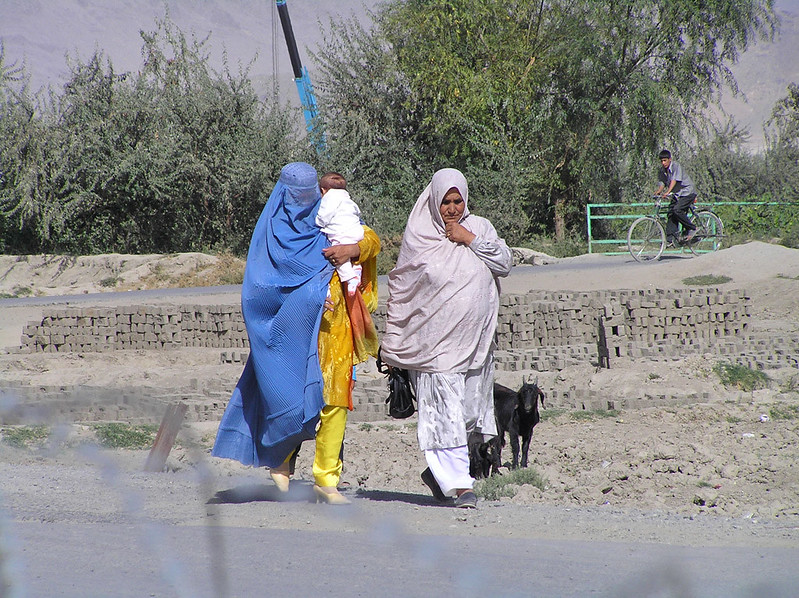
Earthquakes in AfghanistanThe recent earthquakes in Afghanistan have been deadly, with 2,205 people reported dead, according to the Taliban government. Three earthquakes struck the country over six days. Thousands of homes were destroyed and people were trapped in rubble, with up to 3,640 injured. The latest earthquake on Thursday, Sept. 4, had a magnitude of 5.6 and struck several areas near the Pakistan border. The area most damaged was Kunar, where 6,700 homes were destroyed. The previous earthquakes on Sunday, Aug. 31 and Tuesday, Sept. 2, impacted Afghans in the southeastern region of the country, leaving many displaced from their homes.

Survivors Share Their Stories

A resident in Kunar spoke about the effects of the earthquake on his family. Muhammad Israel said the earthquake buried his home, belongings and livestock. According to The Guardian, he said: “I barely got my children out of there. The earthquake jolts are still happening. It is impossible to live there.” Dr. Sahak, leader of the World Health Organization’s (WHO) emergency office, was at the scene to aid those injured. He arrived at Nurgal District on Monday afternoon and said he was unprepared for the devastation.

Thousands of civilians rushed to help victims and volunteer rescuers came from neighboring countries. Dr. Sahak described the scenes at the site: “We saw bodies in the street. They were waiting for the people to come in to bury them.” One survivor, Muhammed, age 60, told Dr. Sahak about the loss he had experienced. Dr. Sahak said the man had 30 family members living with him and 22 of them had died in the earthquake.

Earthquakes Deepen Poverty Crisis

A 2021 report from the United Nations Development Programme (UNDP) said that as much as 97% of Afghanistan’s population was at risk of falling below the poverty line, following what it called a “catastrophic deterioration” of the economy. New figures from the UNDP show that, as of 2024, 85% of Afghans live on less than $1 a day. An estimated 22 million Afghans are in a state of food crisis or emergency, according to Islamic Aid. The recent earthquakes have further exacerbated the country’s economic crisis, leaving thousands in eastern Afghanistan without homes or belongings.

The Impacts on Women in Afghanistan

Poverty for women in Afghanistan is extreme, with the Taliban’s restrictions not allowing women to work in most jobs. This has led to an estimated economic loss of between $600 million and $1 billion.  The United Nations (U.N.) has detailed the ongoing mental health crisis for women in Afghanistan due to the loss of rights. In Afghanistan, 8% of women have reported knowing a girl or woman who attempted suicide, with 68% saying they have “very bad” mental health.

U.N. Women believes that women and girls will be among the most affected by the recent earthquakes. After the 2023 earthquake in western Afghanistan, nearly two-thirds of those injured were women and almost six in 10 of those killed were women. Many women, so far, have been deeply affected by the most recent earthquakes in Afghanistan. And with the restrictions on women’s rights in the country, many women affected by these earthquakes in Afghanistan may fall further into poverty after losing their most beloved and belongings, with restrictions prohibiting them from helping provide for their families.

Response from Charities

  • United Nations Children’s Fund (UNICEF). The earthquakes in Afghanistan have destroyed entire villages, with thousands losing everything they own. Local UNICEF teams are working together to try to provide life-saving care and support to families, including medicine and clean water. It is also working with communities to build long-term resilience. The organization aims to restore schools and health care systems, as it did in 2023 after the earthquake in western Afghanistan.
  • Islamic Aid. For more than two decades, this charity has been providing civilians in Afghanistan with the help they need. Even in the tough times of these earthquakes in Afghanistan, Islamic Aid continues its efforts to provide relief to those who need it the most. 
  • The Red Cross. For 30 years, the Red Cross has been helping the people in Afghanistan and has provided more than 47 health clinics and set up a 70-bed hospital in Kabul that has trained 2,500 volunteers. The charity named its volunteers the Red Crescent team. Members have travelled by helicopter and on foot to the hardest-hit earthquake sites. Volunteers of this aid team have been conducting search and rescue missions for those not found and are distributing relief aid throughout. While ambulances transport the injured to the overwhelmed Nangarhar Regional Specialist Hospital, volunteers on the ground are trying everything to keep victims alive.
  • The World Food Programme (WFP). WFP is providing people affected by the earthquakes with biscuits and needed supplies. The charity has also set up logistics to help with moving mobile storage tents to support the broader humanitarian response. Its air service is operating flights to transport staff and supplies. 

Looking Ahead

Despite the devastation, international organizations are stepping in to provide lifesaving aid and long-term recovery support for Afghans affected by the earthquakes. From emergency food and medicine to rebuilding schools and health care systems, these efforts highlight how global cooperation can bring hope and resilience to communities facing crisis.

– Alice Haston

Alice is based in Liverpool, UK and focuses on Good News and Global Health for The Borgen Project.

Photo: Flickr

October 3, 2025
https://borgenproject.org/wp-content/uploads/borgen-project-logo.svg 0 0 Precious Sheidu https://borgenproject.org/wp-content/uploads/borgen-project-logo.svg Precious Sheidu2025-10-03 03:00:292025-10-03 03:58:04Earthquakes in Afghanistan: The International Response
Gender Equality, Global Poverty, Women's Rights

How Violating Women’s Rights in Afghanistan Worsens Life for All

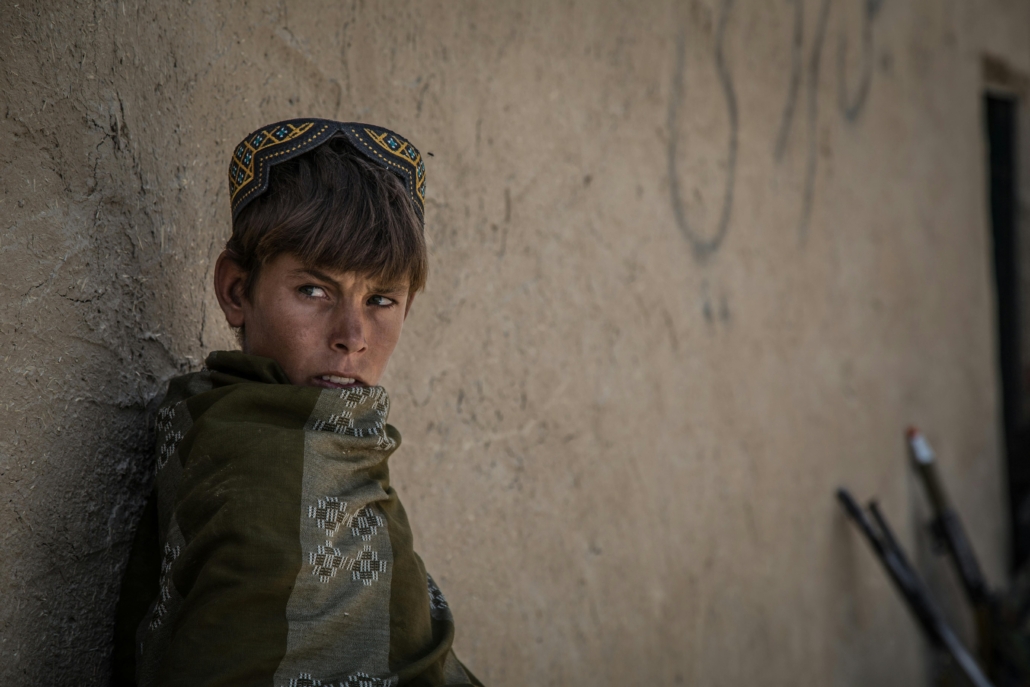
Women’s Rights in AfghanistanOn August 15, 2021, the lives of the Afghan people underwent a stochastic lifestyle shift. It marked the establishment of a Taliban-governed Afghan state for the first time since 2001. This theocratic regime has been characterized by humanitarian organizations such as Amnesty International and Human Rights Watch as oppressive toward women, with documented restrictions on their rights to work, education, freedom of movement and public participation. Additional documented human rights concerns include religious intolerance, persecution of minorities, suppression of press and speech freedoms, extrajudicial killings and denial of due process.

The Taliban takeover of Afghanistan, coined “The Fall of Kabul,” was a far more hastened onslaught of events than American intelligence and even the Taliban themselves anticipated. The United States military completed its withdrawal by August 30, 2021. ​​It took the Taliban just 10 days to retake Afghanistan. The only thing to change as impetuously in Afghanistan as the system of government change was the constitutional rights of Afghan women.

Impact of Women’s Rights Restrictions

The current restriction of women’s rights in Afghanistan represents a significant regression in what the United Nations (U.N.) defines as “Equality and Nondiscrimination.” It statistically correlates with broader socioeconomic decline affecting all Afghan demographics, including men.

Afghan Taliban policies include bans on women’s education, female employment in the private sector, women’s suffrage, female representation in government, female access to trial rights, medical training for women and women’s right to speak in public. These practices have been documented to impact the broader population through decreased access to services, reduced household incomes and legal system imbalances.

Additionally, women face restricted rights in divorce and marriage, including an increased incidence of forced marriages, as well as a rise in femicide cases since 2021. International justice organizations have reported these as systemic issues enabled by the current legal environment.

Economic Effects of Banning Female Employment

Under Taliban governance, Afghan women have been banned from working with NGOs and other sectors. Women comprised approximately 17% of the workforce in 2021, a number that declined to 5.1% by 2024. The United Nations Development Program (UNDP) projects this exclusion could result in annual economic losses of $1 billion.

The U.N. notes Afghanistan’s gross domestic product (GDP) has contracted by 27% from 2021 to 2023. Research from the IMF and World Bank demonstrates that equal labor participation improves GDP per capita and increases national wealth. These economic impacts are mirrored in reported wage declines affecting 80% of Afghan households since 2021.

Socioeconomic Effects of Banning Female Education

The Taliban has banned education for girls after the age of 12. Evidence indicates that adolescent female education directly supports GDP growth, with a 10% increase in girls’ school attendance associated with a 3% increase in GDP. Each additional year of girls’ secondary education raises future earnings by 10–20%.

The World Bank has found that education improves outcomes in health, marriage age, fertility and child well-being, all of which contribute to a more resilient economy and society. The ban on women’s medical training further exacerbates deficits in health services and public health knowledge dissemination.

The Cost of Silencing Women in Politics

The Taliban has revoked Afghan women of their political and legal rights. Elections have been suspended, women are barred from holding office and the Ministry of Women’s Affairs has been dismantled, removing all avenues for female political participation. Academic studies have found that expanding women’s voting rights increases the passage of socially beneficial policies and contributes to broader economic growth.

According to the World Economic Forum and U.N. Women, countries with high female political participation show stronger wage equality, labor protections and economic performance outcomes. Furthermore, denying trial rights to women undermines due process protections and may incentivize exploitation by removing legal accountability mechanisms. The rise in femicide and forced marriages has been documented as a direct consequence of these legal imbalances.

The Taliban’s prohibition on women speaking in public continues to reduce their civic visibility and participation. Indeed, this gender-based exclusion contributes to widespread psychological strain, with 80% of Afghan women reporting symptoms of clinical depression.

Organizations Fighting for Women’s Rights in Afghanistan

The curtailment of women’s rights in Afghanistan is not going unchallenged. Many organizations are actively on the ground trying to restore the constitutional rights of Afghan men. The Malala Fund offers digital learning programs that provide access to education to more than two million girls in Afghanistan. The organization also assists Afghan women activists advocating to make gender apartheid a crime under international law.

Women for Afghan Women (WAW) is a pro bono organization that offers mental health treatment to 13,455 women and 3,515 girls in 14 provinces across Afghanistan. WAW also provides safe shelters to Afghan women-led households, an impactful cause because 80% of the citizens in need of humanitarian aid in Afghanistan are women.

Razia’s Ray Ray of Hope Foundation is a nonprofit organization that works to expand female educational enrollment. It also runs nutritional programs that distribute school lunches to female students. The organization’s Menstrual Health and Hygiene Program provides more than 2,000 girls and women with essential items, including menstrual products, laundry and body soap, shampoo and new underwear.

Conclusion

According to development studies, a return to the constitutional rights Afghan women held before 2021 is believed to ameliorate the standard of living across Afghan society. Implementing inclusive gender reforms could provide Afghanistan with a similar trajectory toward sustainable development.

– Danial Osmani

Danial focuses on Politics for  The Borgen Project.

Photo: Flickr
August 29, 2025
https://borgenproject.org/wp-content/uploads/borgen-project-logo.svg 0 0 Lynsey 2 https://borgenproject.org/wp-content/uploads/borgen-project-logo.svg Lynsey 22025-08-29 07:30:332025-08-29 05:19:00How Violating Women’s Rights in Afghanistan Worsens Life for All
Entrepreneurship and Business, Global Poverty, Women's Empowerment

How Afghan Women Entrepreneurs Are Rebuilding Communities

Afghan Women EntrepreneursWhen the Taliban banned women from formal employment and public education in 2021, millions of Afghan families lost vital income sources. Amid this uncertainty, women like Frozan Ahmadzai refused to remain idle. Once a medical student, she now leads a collective of more than 50 women sewing clothes and making pickles from a Kabul basement. Their home-based work brings in around 30,000 afghani ($425) per month, providing essential support and a sense of purpose.

Women at the Frontlines of Economic Recovery

Despite Taliban restrictions, Afghan women entrepreneurs are launching small businesses and cooperatives. However, they face struggles accessing capital. According to Reuters, 41% of surveyed female entrepreneurs rely on informal loans to finance their ventures and about 70% must have a male guardian to travel to market. Nevertheless, many use tailoring, food preparation, dairy cooperatives and handicrafts to build income and resilience.

In Bamyan province, dairy entrepreneur Mahroo supports women farmers by organizing cooperatives that process milk into cheese and yogurt. She provides training and equipment, purchasing their produce at fair prices. “Many don’t even know they can sell their milk or cheese,” Mahroo explained. These cooperatives strengthen community resilience by bringing women farmers into the formal market while preserving traditional livelihoods.

Another example is the revival of underground skills schools. Led by Ideas Beyond Borders, more than 8,000 students have enrolled in covert schools across Afghanistan since 2021. The students learn essential skills like sewing, literacy and business without Taliban interference. About 38 such sites operate discreetly nationwide. These initiatives echo earlier efforts like the Golden Needle Sewing School, but now focus on empowering women to launch income-generating enterprises.

Furthermore, Kabul Sewing Circle, founded by Afghan activists including Mina Sharif, provides sewing skills and business training to women in private homes. Sharif told Teen Vogue, “They are meant to not need a thing and be prepared for their first round of business.” The project operates quietly and is funded via hawala transfers, blending economic empowerment with a supportive community.

Challenges Remain

Taliban edicts threaten this progress: they have restricted work permits, shuttered female-run NGOs and barred women’s travel and NGO employment. The U.N. estimates Afghan women’s labor force participation dropped from 11% in 2022 to about 6% in 2023.

Nonetheless, data shows a surge in women’s entrepreneurship. The Afghan Women’s Chamber of Commerce and Industry reports that female-led businesses grew significantly after 2021. These ventures increased from 600 to more than 10,000, mostly small and home-based enterprises focused on handicrafts and food products.

A Path Forward

A 2024 survey by the United Nations Development Programme (UNDP) illustrates Afghan women entrepreneurs’ struggles and resilience: 41% of more than 3,100 surveyed are in debt, with only about 5% having secured formal bank or microfinance loans. Yet 80% of these women-led businesses remain the primary income source for their families.

UNDP reports that its targeted support, combining microloans, digital literacy and market access, has benefited 75,000 women-led ventures and created 900,000 jobs, supporting more than 4.5 million Afghans.

Economic Empowerment as Resistance

Afghan women entrepreneurs like Frozan, Mahroo and the members of Durkhanum are reclaiming autonomy through enterprise. They are not just making products; they are building community resilience, preserving cultural identity and pushing back quietly against injustice. As one participant said, “This work gives us dignity.”

– Meral Ciplak

Meral is based in Edmonton, Canada and focuses on Business and New Markets for The Borgen Project.

Photo: Pixabay

August 9, 2025
https://borgenproject.org/wp-content/uploads/borgen-project-logo.svg 0 0 Lynsey 2 https://borgenproject.org/wp-content/uploads/borgen-project-logo.svg Lynsey 22025-08-09 07:30:142025-08-08 06:04:43How Afghan Women Entrepreneurs Are Rebuilding Communities
Global Health, Global Poverty, Women & Children

USAID cuts deprioritizes Women’s Health in Afghanistan

Women’s Health in Afghanistan The Trump Administration’s USAID cuts have affected many in Afghanistan, severely fracturing their already vulnerable health system. The U.S. previously provided more than 40% of foreign aid to Afghanistan, one of the poorest nations in the world, with a population of roughly 40 million. The World Health Organization (WHO) claims that more than 200 clinics have been closed, deprioritizing women’s health in Afghanistan.

Clinics Closing

Midwives in Afghanistan claim that mother and infant deaths have increased since the health clinics in many remote villages have been permanently closed. Women have not been able to reach the leading hospitals in time to receive proper care from a midwife. Many European nations have also revoked their foreign aid, leaving Afghanistan in a grueling position. The WHO believes 200 more facilities will be permanently closed by June 2025, NPR reports. These foreign aid cuts affect the most vulnerable patients in this developing nation: women, children and low-income populations. There is no direct data on complications and deaths due to the 206 clinics that closed as of March 2025. Midwives from village to village are spreading awareness to each other about pregnancy and childbirth deaths. USAID cuts are deeply deprioritizing women’s health in Afghanistan.

Midwives Testimony

In the western provinces of Herat, a midwife, Faezeh, experienced her clinic closing due to aid cuts. Previously, the clinic had been active at all hours. Many health clinics in Afghanistan not only assist with maternal and newborn care but also provide for the most vulnerable patients, including malnourished children and the elderly, NPR reports. The clinics offer vaccination and nutrition. The clinic in Herat was not reopened despite the older generation’s efforts to negotiate with the public health officer. There is no donor funding available to establish a reopening. Faezeh believes that if the clinic had not closed, the women who recently experienced maternal and infant death would have been able to make it, according to NPR. Clinics that remain open are distantly spaced out, making it virtually inaccessible for Afghans to receive care.

Karima, a maternal care doctor at a regional hospital in Afghanistan, believes that maternal and infant death rates are increasing due to the cuts in prenatal and postpartum services, previously provided by foreign NGOs. The NGO cuts only further deprioritizes women’s health in Afghanistan. A woman in a rural area of Herat lost her baby due to a condition known as meconium aspiration syndrome. A condition in which the baby has been in the womb for too long. This condition only occurs in 5% to 10% of births, NPR reports. It is treatable, but not having professional care in her community prevented this mother from having a life with her child. Women already have strict travel regulations imposed on them by the Taliban. The closing of the clinics is imposing a higher risk on women who do seek to travel to a further village to receive maternal care.

Women for Afghan Women

Foreign aid cuts have affected many nations in the developing world. Women for Afghan Women is partnering with organizations in Afghanistan to expand its help. Like many organizations trying to establish aid and funding for Afghanistan, they have been limited in their pursuits due to government control of the nation. Afghan midwives are the hope for maternal care. Private funding is being sought, but grassroots support is limited. International financing is persistently in conversation in U.S. government relations settings. Support from congressional leaders for the International Affairs budget could bring resolution for the deprioritization of women’s health in Afghanistan and developing nations across the world.

– Mackenzie Inman

Mackenzie is based in Washington DC, US and focuses on Global Health for The Borgen Project.

Photo: Flickr
April 17, 2025
https://borgenproject.org/wp-content/uploads/borgen-project-logo.svg 0 0 Naida Jahic https://borgenproject.org/wp-content/uploads/borgen-project-logo.svg Naida Jahic2025-04-17 01:30:552025-04-17 02:14:36USAID cuts deprioritizes Women’s Health in Afghanistan
Education, Global Poverty, Women's Rights

Education in Afghanistan: Barriers and Economic Impact

Education Access in Afghanistan: Barriers and Economic ImpactAfghanistan continues to struggle with the challenges of rebuilding after decades of conflict and political instability. From the Soviet invasion of the 1980s to civil war, famine and 20 years of United States (U.S.) occupation, the Taliban now governs a nation in crisis following the withdrawal of American forces and the overthrow of the Afghan government in 2021.

Poverty is widespread and natural disasters have compounded economic hardships. Afghanistan’s GDP declined by 24.3% between 2021 and 2022, leaving millions in financial distress. An estimated 96% of Afghan households fell below the poverty line in 2020 and farmers faced one of the worst droughts in recent history. In October 2023, several 6.3-magnitude earthquakes struck Herat province, further devastating livelihoods and worsening economic conditions.

Women’s Education Under Taliban Rule

Since regaining power, the Taliban has imposed strict regulations on women’s education, barring them from attending school past the sixth grade. These restrictions have affected an estimated 1.4 million girls, cutting off their access to formal learning. Women also face limitations on movement and employment, restricting opportunities for financial independence.

The Economic Impact of Education Restrictions

The exclusion of women from education has long-term economic consequences. Before 2021, women made up 22% of Afghanistan’s workforce, working in sectors such as health care, education and business. Restricting women from pursuing education reduces economic productivity and slows national recovery. Foreign aid previously accounted for 40% of the country’s GDP and with limited external support and half of the workforce excluded, the country’s economic outlook continues to decline.

Foreign Aid and Education Funding in Afghanistan

During the war, Afghanistan’s education system was a global priority. Between 2001 and 2024, the U.S. invested $1.4 billion in Afghan education, helping to establish schools and train teachers. However, since 2021, foreign aid has significantly declined, leaving many schools underfunded and understaffed. The country’s literacy rate remains one of the lowest in the world, at 34% overall and only 18% among women.

Efforts to Sustain Education Access in Afghanistan

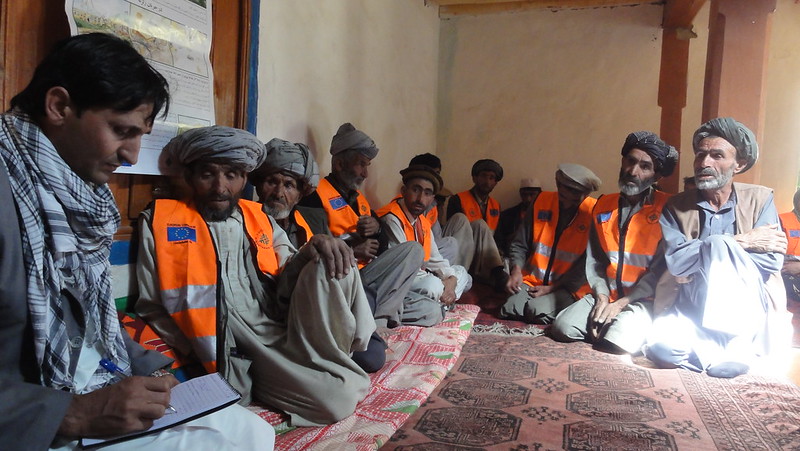
Despite these ongoing challenges, organizations such as the Afghan Institute of Learning (AIL) continue to provide education for women and children in Afghanistan. AIL operates 44 learning centers across 11 provinces and has helped 500,830 students while training nearly 30,000 teachers over the past 25 years. These programs aim to equip students with literacy skills and critical thinking tools, offering hope for the country’s next generation. Community-based education initiatives have also emerged, allowing some girls to study in private homes or local centers. However, these informal programs do not offer official certification, which limits long-term opportunities for employment and higher education.

Looking Ahead

In Afghanistan, education could promote long-term stability and recovery. Ensuring access to learning opportunities for all Afghans—especially women—remains critical. Until broader reforms are implemented, organizations like AIL continue to bridge the gap by providing educational opportunities to those who need them most. The country’s future potentially depends on creating an inclusive education system that empowers all citizens to contribute to the country’s recovery and economic growth.

– Burke Bunyard

Burke is based in Austin, TX, USA and focuses on Good News and Politics for The Borgen Project.

Photo: Flickr
March 11, 2025
https://borgenproject.org/wp-content/uploads/borgen-project-logo.svg 0 0 Precious Sheidu https://borgenproject.org/wp-content/uploads/borgen-project-logo.svg Precious Sheidu2025-03-11 01:30:022025-03-11 01:24:37Education in Afghanistan: Barriers and Economic Impact
Education, Global Poverty, Women's Rights

Senior Taliban Official Backs Afghan Women’s Right to Education

Afghan Women’s Right to EducationThe political deputy of the Taliban’s Foreign Ministry has condemned the education bans imposed on Afghan women and girls. Since the Taliban regained control of Afghanistan in August 2021, Afghan women’s and girls’ right to education, among other human rights, has been under attack. In a speech delivered on Jan. 18, 2025, the senior official Sher Abbas Stanikzai referred to the education ban as “an injustice against” half of Afghanistan’s population and pressed for the de facto government to “open the doors of education.” This is the second time Stanikzai has publicly advocated for gender equality in education.

What Is Life Like for Women and Girls in Afghanistan?

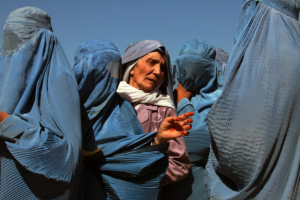
The United Nations Assistance Mission in Afghanistan (UNAMA) released a statement on the International Day of Education, Jan. 24, 2025, noting that it has been four years since Afghanistan became “the only country in the world that explicitly bars women and girls [above the age of 12] from all levels of education.” It is not only Afghan women’s and girls’ right to education that is being violated. A series of other gender discrimination laws have been passed targeting women’s rights. The laws include the right to work, appear on TV, recite poetry or sing in public, go to the park and travel without a male relative.

The situation worsened when the Ministry of Economy shared a letter on the social media platform X on Dec. 29, 2024, threatening to shut down the activities of all nongovernmental organizations (NGOs) with women employees. Data collected by UNAMA revealed that 64% of Afghan women surveyed felt unsafe going out alone. This anxiety largely stems from “targeted harassment, threats and violence” from the Taliban and the wider community.

Men have also expressed feeling safer going out alone than with a female relative in public. Accompanying a woman draws more attention from the authorities. UNAMA notes that this has led to increased conservatism and control within families as men risk being targeted for violating the limitations placed on women and girls. Many Afghan women and girls protested the Taliban’s rise to power in 2021.

However, the Taliban responded with violence, killings and arbitrary arrests. UNAMA’s report further highlights the barriers Afghan women face when communicating with local authorities. This disconnect further removes women’s voices from public life. It increases their reliance on men in their family and community to advocate for them.

Who Are the Taliban and Stanikzai?

The Taliban is a Sunni Islamist group founded in 1994 which previously ruled Afghanistan between 1996 and 2001, implementing similar gender discrimination laws as are enforced by its regime today. Many of its members are former Afghan Mujahideen – armed Islamist groups involved in the First Afghan Civil War (1989-1992).

The first Taliban government fell after the U.S. invasion of Afghanistan in 2001, but the group regained control in 2021 after U.S troops withdrew. With the rights of women and girls deteriorating rapidly, in 2022, the deputy foreign minister condemned the closure of schools for girls. During a gathering of Taliban officials in Kabul, the country’s capital, Stanikzai urged the regime that “Women must get an education; there is no Islamic prohibition for girls’ education.”

This time around, Stanikzai directly asked the Taliban leader to reconsider the regime’s policies. He argued that there was no reason to deny education to women and girls, “just as there was no justification for it in the past and there shouldn’t be one at all.” The Guardian reported that Stanikzai is allegedly facing arrest for his comments and has fled to Dubai, though the minister has said he left for “health reasons.”

The Past

Restrictions on women’s rights have not always been the norm. The country has experienced fluctuating periods of equality and gender disparities in the past century.

For example, women’s suffrage in Afghanistan was achieved in 1919, a year before women in the U.S. were granted the right to vote. During this same period, the Queen Consort of Afghanistan, Soraya Tarzi, advocated for Afghan women’s and girls’ right to education and facilitated the opening of the country’s first school for girls in 1921. Since then, various regimes have advanced or rolled back on women’s rights.

How Has the International Community Been Responding?

Despite having been the de facto authorities for four years, the Taliban has yet to receive international recognition. The growing exclusion of women and girls from the public space has led to the U.N. labeling the Taliban’s policies as “gender apartheid.” Similarly, the International Criminal Court (ICC) issued applications for arrest warrants against two Taliban officials: the leader of the Taliban, Haibatullah Akhundzada and the Chief of Justice, Abdul Hakim Haqqani. They are charged “for the crime against humanity of persecution on gender grounds.” The ICC prosecutor, Karim Khan, also announced that other senior Taliban officials will soon face similar consequences.

With the clampdown on NGOs in the country, courses for action on the ground are becoming increasingly limited. UNAMA has been collaborating with the United Nations Entity for Women and Gender Equality (U.N. Women) and the International Organization for Migration (IOM) since August 2022 to reach out to Afghan women nationwide and gather insights about their living conditions. Their latest report revealed that 45% of women and 41% of men consulted in April 2024 believe the international community should facilitate communication between Afghan women and the Taliban. They believe centering women’s voices is crucial to advancing their rights.

– Nesreen Yousfi

Nesreen is based in Watford, Hertfordshire, UK and focuses on Good News and Politics for The Borgen Project.

Photo: Flickr
February 13, 2025
https://borgenproject.org/wp-content/uploads/borgen-project-logo.svg 0 0 Lynsey 2 https://borgenproject.org/wp-content/uploads/borgen-project-logo.svg Lynsey 22025-02-13 01:30:472025-02-23 02:42:51Senior Taliban Official Backs Afghan Women’s Right to Education
Education, Global Poverty, Nonprofit Organizations and NGOs

Pashtun Poverty in Central Asia

Pashtun Poverty in Central AsiaThe Pashtun people are a nomadic ethnic group whose woes continue to escape global conversation. The group of around 60-70 million people continues to face impoverished conditions across Pakistan and Afghanistan, respectively. With a life expectancy of 46 years, these people’s problems cannot be ignored. Ethnic conflicts and the lack of stability in Afghanistan throughout the last decade have drastically reduced the quality of life for Pashtuns.

FATA

Pashtun poverty is directly tied to destabilization and ethnic violence in Central Asia. Previously called “the most dangerous place in the world,” the Federally Administered Tribal Area (FATA) of Pakistan was home to 20% of the world’s Pashtuns. Although absorbed in 2018, FATA was home to blatant and widespread poverty, with 60% of people living below the poverty line.

This area was described as a “legal vacuum” because no neighboring country would assume administrative control. This led to a 33% literacy rate and plagued the area with intense ethnic and religious violence. In 2018, Pakistan merged the areas into Khyber Pakhtunkhwa in the hopes of improving conditions. Most terror attacks occurred in Pashtun areas in 2022, which points to continuing destabilization and a failure to address the conditions.

Drug Trafficking in Afghanistan

Over the border in Afghanistan, the Pashtuns have additionally dealt with decades of conflict and now Taliban rule. Although Pashtun’s relationship with the Taliban is complicated, the Taliban’s ban on narcotic production has disrupted a significant source of income for Pashtun communities. The U.N. estimated that it had affected the lives of nearly 7 million people who relied on growing opium for income.

Farmers were believed to have lost $1.3 billion in 2023 due to the halt in production, while landowners sold their stockpiles at a hiked price. While the production of narcotics is a complex issue, it is an industry upon which millions depend for their livelihoods. Its cessation has likely pushed many into poverty. Many farmers have continued to defy the ban as it’s their only way to avoid hunger and provide for their families.

Education in Pakistan

Although the situation for Pashtuns seems quite dire, great strides have been made for the education of the next generation. The village of Khanozai, in Balochistan, has a successful education scheme with an estimated 98% literacy rate. Although many Pashtun families must face the dilemma between having their children work or attend school, this village has insisted on the education of the next generation.

The Pakistani education activist Malala Yousafzai is actually Pashtun. In 2012, she spoke out against the Taliban in favor of education for girls. This led to an attack on her life. She survived and has become a global face of the movement for the right for a girl to learn. She is the only Pashtun and youngest ever person to win a Nobel Prize laureate.

The Pashtun Trust

The Pashtun Trust is an England-based charity that works to support both the local community and those in Central Asia. The nonprofit’s Khyber Pukhtunkhwa Projects work to alleviate poverty and provide education to people in Pakistan and Afghanistan. In 2019, the Trust managed to build 50 water wells throughout the region to tackle dehydration.

Pashtun poverty in Central Asia is an ongoing issue. However, nonprofit organizations like the Pashtun Trust are committed to improving the conditions of Pashtuns.

– Charley Dennis

Charley is based in London, UK and focuses on Good News and Politics for The Borgen Project.

Photo: Flickr
February 12, 2025
https://borgenproject.org/wp-content/uploads/borgen-project-logo.svg 0 0 Lynsey 2 https://borgenproject.org/wp-content/uploads/borgen-project-logo.svg Lynsey 22025-02-12 01:30:122025-02-12 00:04:40Pashtun Poverty in Central Asia
Developing Countries, Global Poverty, Water, Water Crisis

UNICEF and Partners Address Water Crisis in Afghanistan

Water Crisis in AfghanistanAccess to safe water is vital for ensuring good hygiene practices and protection from disease. However, in Afghanistan, water is far from accessible. Afghanistan’s political climate has rendered access to vital resources, such as water, limited across many regions. After years of economic challenge, poor management and political instability, water crisis remains an urgent issue in Afghanistan.

This situation has only worsened with the Taliban’s power resurgence in 2021. However, as of 2024, the United Nations Children’s Fund (UNICEF) has partnered with the Afghanistan Humanitarian Trust Fund (AHTF). This collaboration has reduced the water crisis in Afghanistan by supplying sustainable water systems.

Water Crisis in Afghanistan

Clean water is vital; it ensures children are less vulnerable to diseases like diarrhea, which exacerbate malnutrition. However, this resource is difficult to find in remote areas of Afghanistan with very little rainfall. Due to agricultural demands, an over-extraction of groundwater has significantly reduced the water supply from underground aquifers.

Furthermore, changing climatic conditions have depleted available water sources. Afghanistan has held record-breaking droughts for more than two decades. Consequently, only about 42% of Afghans can access safe drinking water.

UNICEF’s Work to Supply Sustainable Water Sources

UNICEF has been working to support Afghanistan for more than 70 years, with increased efforts directed toward water supply in the past few years. It is Afghanistan’s lead provider of water, sanitation and hygiene (WASH) services. By installing solar-powered pumps, UNICEF has ensured that the power to access clean water is returned to local communities.

One hundred percent of the facilities are small-scale and solar-powered, meaning the communities can run them. UNICEF has collaborated with 30,000 community-elected councils, ensuring management and decisions regarding the resource remain at the local level.

Partnership With the AHTF

UNICEF has partnered with the AHTF to complete the installation of “Climate-Resilient and Sustainable Water Supply Services in Remote Rural Communities.” This has given more than 30,000 people in 18 remote communities with sustainable water supply systems. The community-elected councils led the construction of these systems.

Community mobilizers supported by UNICEF worked to help the locals on essential parts of the water supply projects. Additionally, local mechanics have been equipped and trained to maintain these systems.

Real Life Application – Fauzia

Each day, 10-year-old Fauzia would walk half an hour to the water tap in the Charkh district, a remote part of the Logar province. She would push a wheelbarrow full of jerry cans to fetch water for her family and wait in a queue for more than an hour. The journey back would mean pushing a heavy wheelbarrow full of water. Only after this does she reach for her school backpack.

As a result of UNICEF’s collaboration with the AHTF, Fauzia doesn’t need to miss any more school time. Now, her family has a new water tap. Safe water is available right in their home from a piped system installed in their village. Fauzia states, “The engineers installed the tap in our house, so now we have water all the time. We can cook whenever we want and I am happy.”

In the coming year, the AFTH, in partnership with UNICEF, will set up water supply systems in 32 remote communities in Faryab, Helmand and Farah provinces. This will support more than 64,000 people, resulting in fewer and fewer people having to make the journey, like Fauzia.

– Amelia Short

Amelia is based in Bradford, UK and focuses on Good News for The Borgen Project.

Photo: Flickr
December 21, 2024
https://borgenproject.org/wp-content/uploads/borgen-project-logo.svg 0 0 Lynsey 2 https://borgenproject.org/wp-content/uploads/borgen-project-logo.svg Lynsey 22024-12-21 07:30:472024-12-20 02:15:25UNICEF and Partners Address Water Crisis in Afghanistan
Child Poverty, Children, Global Poverty

Charities Fighting Child Mortality in Afghanistan

Child Mortality in AfghanistanAfghanistan has one of the highest infant mortality rates in the world, with 43 deaths per 1,000 live births. The child mortality rate in Afghanistan is even higher, with 97 out of every 1,000 children dying before they reach the age of 5. Child mortality has numerous causes, including malnutrition, sepsis, sudden infant death syndrome (SIDS), malaria, HIV/AIDS, preterm birth complications and diarrhea. External factors, such as the political climate, can also play a significant role.

Afghanistan’s limited medical facilities exacerbate the issue. The country’s fragile health care system leaves mothers and young children particularly vulnerable to the spread of infectious diseases. With underdeveloped immune systems, children are especially susceptible to illnesses that claim the lives of thousands in Afghanistan each year. However, there are several charities fighting infant mortality in Afghanistan.

HealthProm

HealthProm, established in 1984, is a U.K.-based nonprofit organization focused on reducing child and maternal mortality. It started working in Afghanistan in 2008 and has significantly lowered the country’s high child mortality rate. The organization has achieved this by providing emergency transport for women in labor to health centers. It also encouraged the local communities to establish Women’s Safe Motherhoods Groups and Men’s Support Groups to create awareness of the risks associated with pregnancy and child birth.

Afghan Mother and Child Rescue

Afghan Mother and Child Rescue (AMCR) is another nongovernmental organization (NGO) dedicated to supporting women and children in Afghanistan. The organization focuses on constructing and maintaining health clinics and medical facilities to improve maternal and child health outcomes. The charity spends approximately $37,000 toward building and maintaining these essential facilities, ensuring greater access to health care for vulnerable populations.

UNICEF

Working alongside Afghanistan’s Ministry of Public Health, the United Nations Children’s Fund (UNICEF) facilitates the care of children, especially those in vulnerable regions. UNICEF supports Afghanistan’s children through initiatives focusing on health, nutrition, water sanitation and hygiene, all aimed at reducing child mortality. Nearly 1.2 million children younger than 12 months receive life-saving vaccines each year. These immunizations protect against nine diseases, significantly improving their chances of leading healthy lives.

Looking To the Future

Charities like HealthProm, AMCR and UNICEF are working to combat child mortality in regions with the highest rates. As child deaths in Afghanistan continue to decline, achieving the Sustainable Development Goal (SDG) of ending preventable deaths among children younger than 5 by 2030 becomes increasingly attainable, thanks to the growing number of children surviving and thriving.

The efforts of these charities, alongside other projects, are making a difference in the child mortality rate in Afghanistan by improving access to medical care and providing appropriate life-saving treatments and vaccinations. Since 2020, the infant mortality rate per 1,000 live births has decreased by 5.4 deaths.

– Megan Hall

Megan is based in Suffolk and focuses on Global Health and Celebs for The Borgen Project.

Photo: Flickr

December 1, 2024
https://borgenproject.org/wp-content/uploads/borgen-project-logo.svg 0 0 Lynsey 2 https://borgenproject.org/wp-content/uploads/borgen-project-logo.svg Lynsey 22024-12-01 01:30:002024-11-30 03:30:14Charities Fighting Child Mortality in Afghanistan
Global Poverty, Women's Empowerment, Women's Rights

Radio Begum: A Lifeline for Afghan girls 

Radio BegumSilence is the most powerful instrument of oppression. After regaining control of Afghanistan in 2021, the Taliban have silenced Afghan women and girls in almost every aspect of life: enforcing a systematic attack on women’s rights. This has made Afghanistan virtually unlivable for women and girls, with the situation representing the world’s most severe women’s rights crisis. Within this critical context, Afghan journalist Hamida Aman founded Radio Begum, which provides a lifeline of hope for Afghan women and girls.

The “Gender Apartheid” in Afghanistan

The Taliban are “methodically and intentionally‘” enforcing a system of gender-based segregation – which Afghan activists, like Dr Sima Samar, describe as a “gender apartheid.”

Dr Samar, who witnessed the collapse of the Taliban’s previous regime in 2001, never imagined seeing such extreme violations of women’s rights reoccur just two decades later. Yet, over the last three years, the Taliban have enacted numerous laws banning girls from going to secondary school, accessing employment, the justice system and even public spaces. Most recently, the oppression of women has reached a new extreme, with a ban prohibiting “women’s voices from being heard in public.”

A female teacher in Afghanistan said:  “In my province, we had girls that could be singers, professors, athletes and politicians. Now we have nothing left. All of those talents are in jail, left the country or now live in hiding. Families rush to marry their daughters because they are afraid the Taliban may take them for marriage. Most girls are forced to marry. This is a nightmare I never imagined to happen.”

The Power of Radio to Educate

Radio is a powerful tool in resisting the Taliban’s oppression of women and girls. It provides one of the main sources of information for Afghans, with 72% of the population having access to a radio, as of 2015. This widespread accessibility allows the radio to serve as an important educational platform for Afghan girls.

Recognizing this, Radio Begum emerged in 2021 to support, empower and educate Afghan women and girls. Its daily radio broadcasts currently provide remote schooling and educational support to 5.9 million Afghan girls.

However, Radio Begum is just one part of the wider mission led by its founder, Hamida Aman. Her NGO, The Begum Organization for Women (BOW), brings together a network of social activists, health professionals and journalists who produce broadcasts from Paris to more than 19 provinces in Afghanistan. With support from UNESCO, BOW even extends its support beyond education, producing content dedicated to women’s mental health, gender-specific healthcare and domestic violence, according to UNESCO.

Additionally, with funding from the International Programme for the Development of Communication (IPDC),  BOW has further expanded its reach by integrating radio, satellite TV and internet broadcasting to ensure more girls across Afghanistan can access education for free. Whilst Radio Begum cannot put a stop to the oppression of women and girls, Hamida Aman emphasizes that “by keeping our radio on, by keeping our voices loud, we are resisting,” UNESCO reports.

The Need for International Support

Radio Begum offers a critical lifeline for Afghan women and girls. Despite significant obstacles, BOW’s work exemplifies Afghan women’s resilience and resistance to the Taliban, as they continue to develop innovative ways to support and empower Afghan girls. However, BOW must secure further international funding to ensure Radio Begum continues to provide Afghan women and girls with access to education, employment and leadership opportunities.

Yet, despite the severity of the situation, the international community has failed to take sufficient action. Indeed, Amnesty International and activists, like Sima Samar, continue to call for the establishment of an independent international accountability mechanism to hold the Taliban accountable for their crimes under international law.

– Georgia Wells

Georgia is based in London, UK and focuses on Good News and Technology for The Borgen Project.

Photo: Flickr

November 30, 2024
https://borgenproject.org/wp-content/uploads/borgen-project-logo.svg 0 0 Jennifer Philipp https://borgenproject.org/wp-content/uploads/borgen-project-logo.svg Jennifer Philipp2024-11-30 01:30:032024-11-29 09:29:01Radio Begum: A Lifeline for Afghan girls 
Page 2 of 512345

Get Smarter

  • Global Poverty 101
  • Global Poverty… The Good News
  • Global Poverty & U.S. Jobs
  • Global Poverty and National Security
  • Innovative Solutions to Poverty
  • Global Poverty & Aid FAQ’s
Search Search

Take Action

  • Call Congress
  • Email Congress
  • Donate
  • 30 Ways to Help
  • Volunteer Ops
  • Internships
  • Courses & Certificates
  • The Podcast
Borgen Project

“The Borgen Project is an incredible nonprofit organization that is addressing poverty and hunger and working towards ending them.”

-The Huffington Post

Inside The Borgen Project

  • Contact
  • About
  • Financials
  • President
  • Board of Directors
  • Board of Advisors

International Links

  • UK Email Parliament
  • UK Donate
  • Canada Email Parliament

Get Smarter

  • Global Poverty 101
  • Global Poverty… The Good News
  • Global Poverty & U.S. Jobs
  • Global Poverty and National Security
  • Innovative Solutions to Poverty
  • Global Poverty & Aid FAQ’s

Ways to Help

  • Call Congress
  • Email Congress
  • Donate
  • 30 Ways to Help
  • Volunteer Ops
  • Internships
  • Courses & Certificates
  • The Podcast
Scroll to top Scroll to top Scroll to top