Education in Afghanistan: Barriers and Economic Impact
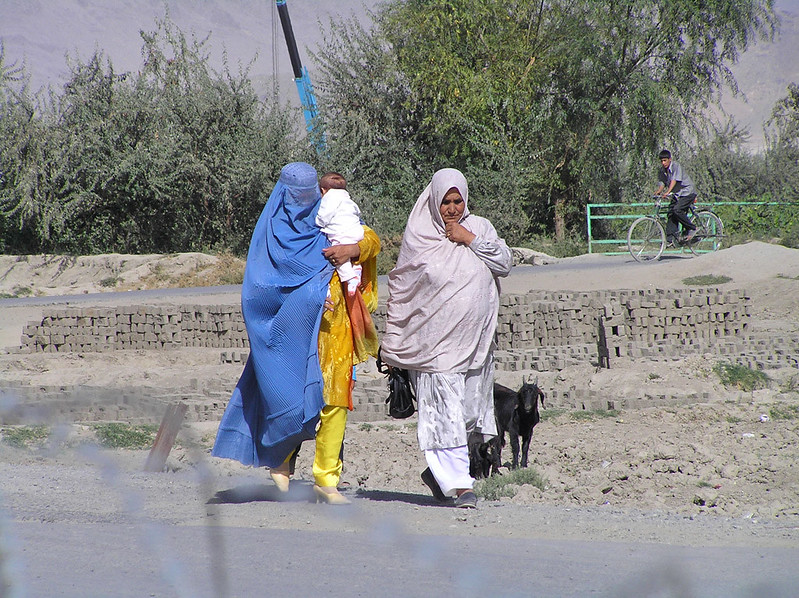 Afghanistan continues to struggle with the challenges of rebuilding after decades of conflict and political instability. From the Soviet invasion of the 1980s to civil war, famine and 20 years of United States (U.S.) occupation, the Taliban now governs a nation in crisis following the withdrawal of American forces and the overthrow of the Afghan government in 2021.
Poverty is widespread and natural disasters have compounded economic hardships. Afghanistan’s GDP declined by 24.3% between 2021 and 2022, leaving millions in financial distress. An estimated 96% of Afghan households fell below the poverty line in 2020 and farmers faced one of the worst droughts in recent history. In October 2023, several 6.3-magnitude earthquakes struck Herat province, further devastating livelihoods and worsening economic conditions.
Women’s Education Under Taliban Rule
Since regaining power, the Taliban has imposed strict regulations on women’s education, barring them from attending school past the sixth grade. These restrictions have affected an estimated 1.4 million girls, cutting off their access to formal learning. Women also face limitations on movement and employment, restricting opportunities for financial independence.
The Economic Impact of Education Restrictions
The exclusion of women from education has long-term economic consequences. Before 2021, women made up 22% of Afghanistan’s workforce, working in sectors such as health care, education and business. Restricting women from pursuing education reduces economic productivity and slows national recovery. Foreign aid previously accounted for 40% of the country’s GDP and with limited external support and half of the workforce excluded, the country’s economic outlook continues to decline.
Foreign Aid and Education Funding in Afghanistan
During the war, Afghanistan’s education system was a global priority. Between 2001 and 2024, the U.S. invested $1.4 billion in Afghan education, helping to establish schools and train teachers. However, since 2021, foreign aid has significantly declined, leaving many schools underfunded and understaffed. The country’s literacy rate remains one of the lowest in the world, at 34% overall and only 18% among women.
Efforts to Sustain Education Access in Afghanistan
Despite these ongoing challenges, organizations such as the Afghan Institute of Learning (AIL) continue to provide education for women and children in Afghanistan. AIL operates 44 learning centers across 11 provinces and has helped 500,830 students while training nearly 30,000 teachers over the past 25 years. These programs aim to equip students with literacy skills and critical thinking tools, offering hope for the country’s next generation. Community-based education initiatives have also emerged, allowing some girls to study in private homes or local centers. However, these informal programs do not offer official certification, which limits long-term opportunities for employment and higher education.
Looking Ahead
In Afghanistan, education could promote long-term stability and recovery. Ensuring access to learning opportunities for all Afghans—especially women—remains critical. Until broader reforms are implemented, organizations like AIL continue to bridge the gap by providing educational opportunities to those who need them most. The country’s future potentially depends on creating an inclusive education system that empowers all citizens to contribute to the country’s recovery and economic growth.
– Burke Bunyard
Burke is based in Austin, TX, USA and focuses on Good News and Politics for The Borgen Project.
Photo: Flickr
