A Hard Look at Food and Water Scarcity in Afghanistan
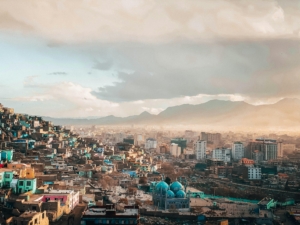 For many years, millions of people in Afghanistan have been facing severe levels of food insecurity compounded by critical water scarcity. Despite improvements in the winter season of 2021-2022, the crisis has remained mostly stagnant.
This results from drought, flash floods, dependence on other nations and damaged or insufficient infrastructure.
Water Scarcity
Afghanistan has been in the midst of a crippling drought since 2021. As of March, it’s estimated that 33 million Afghans do not have reliable access to water, according to the Red Cross. In 2023, 25 out of 34 provinces in Afghanistan were experiencing drastic water scarcity due to drought conditions. Similarly, UNICEF has reported that 80% of Afghans drink from unsafe, unregulated sources.
About 93% of children in Afghanistan reside in areas with high water vulnerability. The primary water source for Afghans is wells, of which there are more than 310,000. Mercy Corps has also reported an additional 120,000 borewells in and around Kabul alone. However, many of these wells have become unreliable. As of 2023, nearly half of Kabul’s borewells have run completely dry, while the remaining operable ones are deficient, retaining only 60% of their capacity.
In addition, Al Jazeera reports that “up to 80% of groundwater [in Kabul] is believed to be unsafe, with high levels of sewage, arsenic and salinity.” Furthermore, according to the U.N., in early 2024, many of the country’s northern and eastern regions experienced only 45–60% of the average precipitation. Mercy Corps reported that “Kabul’s aquifer levels have plummeted 25–30 meters in the past decade, with extraction exceeding natural recharge by a staggering 44 million cubic meters annually.”
By 2030, Kabul is predicted to become the first major city in the world to completely deplete its water sources, leaving six million people in dire need. However, there have been initiatives to combat this nationwide issue. In 2024, the Red Cross reported that its efforts to rebuild infrastructure in urban areas such as Kabul, Herat and Kandahar improved access to water for more than 1.1 million people. It also repaired more than 1,300 pumps and supplied villages with more than 1,800 sand filters, ultimately helping more than 275,000 Afghans. In May, the U.N. allocated $16.6 million to the Afghan government to help reduce the effects of drought in the north and northeastern regions.
Food Insecurity
As of 2023, 45% of Afghans were employed in the agricultural sector. However, flash floods, drought, earthquakes and poor infrastructure have proven catastrophic to crop yields, further worsening the nation’s dwindling food supply. According to the Integrated Food Security Phase Classification, as of April, an estimated 12.6 million Afghans were experiencing high levels of food insecurity. This is more than a quarter of the population. Of this group, 10.6 million were classified as emergency cases, while 1.95 million were in the crisis category.
According to the World Food Programme (WFP), 4.7 million women and children in Afghanistan currently need treatment for malnutrition. UNICEF also reports that one in three adolescent girls is anemic and only 12% of children aged 6–24 months receive the appropriate variety of nutrition for their age. This issue has been exacerbated by recent earthquakes, which have put 37,000 children at even greater risk.
The U.N. has also reported that “desertification has affected more than 75% of the total land area in the country’s northern, western and southern regions, reducing vegetation cover for pasture, accelerating land degradation and affecting crop farming in the last four decades.” Furthermore, the WFP was forced to halt aid distribution in May due to funding shortfalls. The nonprofit also stated that more than $560 million would be needed to continue its efforts.
However, UNICEF still provides aid. As of 2024, it reported supplying more than 62,000 families with micronutrient powder to combat malnutrition, with that number continuing to rise into this year. The organization also supports pregnant and lactating women, as well as children, in 34 regions. In total, UNICEF said it helped more than 630,000 children combat malnutrition in 2024 alone.
– Owen Armentrout
Owen is based in Detroit, MI, USA and focuses on Global Health and Politics for The Borgen Project.
Photo: Pexels
