• Link to X
  • Link to Facebook
  • Link to Instagram
  • Link to TikTok
  • Link to Youtube
  • About
    • About Us
      • President
      • Board of Directors
      • Board of Advisors
      • Financials
      • Our Methodology
      • Success Tracker
      • Contact
  • Act Now
    • 30 Ways to Help
      • Email Congress
      • Call Congress
      • Volunteer
      • Courses & Certificates
      • Be a Donor
    • Internships
      • In-Office Internships
      • Remote Internships
    • Legislation
      • Politics 101
  • The Blog
  • The Podcast
  • Magazine
  • Donate
  • Click to open the search input field Click to open the search input field Search
  • Menu Menu

Tag Archive for: Poverty in Afghanistan

Posts

Global Poverty, Inequality, Women, Women & Children, Women's Empowerment, Women's Rights

Gender Inequality: A Pop-Up Restaurant in Afghanistan

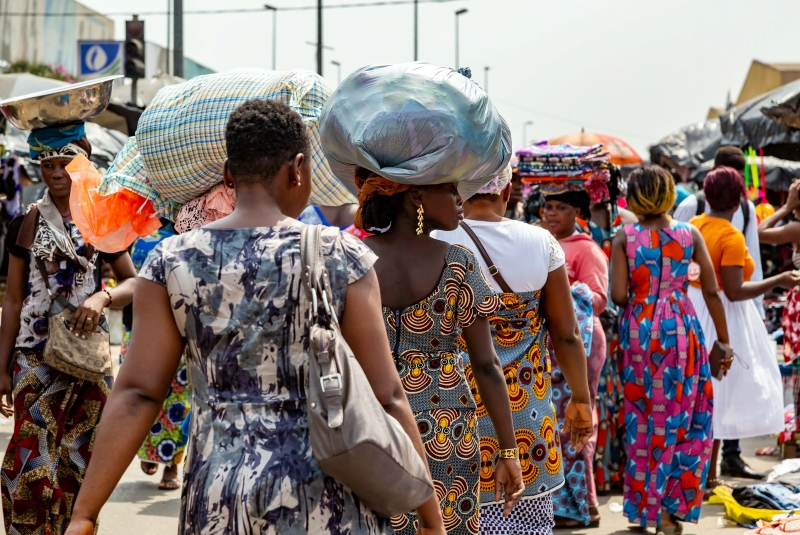
Gender Inequality: A Pop-Up Restaurant in AfghanistanBanowan-e-Afghan is a pop-up restaurant in Afghanistan that opened in 2023.  A couple of women comfortably lounge across the wooden tables; some reading books, listening to music, or, conversing with others. Suddenly, a tantalizing aroma disseminates across the atmosphere. A cordial woman wearing a hijab and white apron walks over and places a symphony of flavors in front of the seated women. These women enjoy the delight while finally finding a special community of safety, security and opportunity.

Amidst a bustling street in Northwestern Kabul, a small intimate sanctuary is present. From mantoos (lamb-filled dumplings) to bolani (vegetable-stuffed flatbread) this welcoming Afghani abode serves a wide range of traditional and Western foods. However, this restaurant is not your ordinary dine-in. Instead, it is the result of the first step taken by a courageous woman toward a greater national vision.

Gender Inequality in Afghanistan

Gender inequality has been a persistent and perennial issue in Afghanistan. In 2021, despite prior positive efforts against this concern, all progress was nullified due to the Taliban’s inception. The Taliban has issued 80 edicts, including 54 contradicting women’s rights and freedom. Additionally, women were banned from visiting parks, gyms, public bathing houses and constrained girls’ education beyond the sixth grade.

To prevent further Taliban abuse, these Afghani women were forced into surveillance, assault, arbitrary detention, torture and exile. As a result of these restrictions and more, it has been a norm for women to not leave their homes. Women harassment is ubiquitous and even a simple errand or stroll down the street can put a woman in danger. On top of that, in rural Afghanistan, society forbids women from stepping out of the house without a mahram (a male relative by blood).

Societal restrictions also limit women’s job opportunities, prohibiting them from working in NGOs or government jobs. The women’s only chance of employment is in the private sector, but many women are hesitant to do this because of the risk it puts them in. Nonetheless, Samira Muhammadi believes in utilizing this opportunity to provide hope for a more women-friendly future.

By Women, For Women

Muhammadi, the owner of this unique pop-up restaurant in Afghanistan, launched it with a mission to provide women with a safer, more trustworthy and serene haven. In a typical Afghani restaurant, there is a separate family section for only women accompanied by male relatives. Despite this, male threats still endanger women.

Therefore, this rare pop-up restaurant addresses this widespread caveat. For starters, the restaurant is exclusively by women, for women. In other words, all the employees and customers are only women. This allows both the employees and the customers to feel more secure and surrounded by people going through similar circumstances. Instead, these women reclaim their true authentic selves, freely choose their attire and recultivate their public life which has been unethically stripped from them. With this substantial solution, powerful relationships are developed over mouth-watering meals in an elevated state of joy and laughter.

Empowerment Through Employment

In addition, this pop-up restaurant directly supports women facing poverty in Afghanistan. It provides unprivileged women with job and work opportunities in a field that adheres to their talents. The workforce of this restaurant consists solely of women taking refuge at a local women’s shelter, the Afghan Women Skills Development Center (AWSDC). Furthermore, many women living on the streets and in substandard living conditions have approached Muhammadi to work at her restaurant. Most of these women tend to be widows or the sole breadwinner in their families, making them desperate for money as they are the primary source of income. Ultimately, this restaurant provides impoverished women a ticket out of financial deprivation and can provide food and shelter for their families.

Today, the restaurant has hired more than 17 employees including 10 chefs and 7 waitresses. Most of the employees are around the age of 20, the youngest being 13 and the oldest being 40 years. However, all of these employees have gone through rough hardships and dreadful turmoil such as family violence, domestic abuse, parental drug addiction and more. Working at this restaurant allows them a second chance to positively invigorate their lives.

Future Plans

As this pop-up restaurant flourishes and evolves, Muhammadi plans to provide more job opportunities to unfortunate women, as well as more adequate salaries. She also wants to expand the size of the restaurant, to host mini-exhibitions for women to display handicrafts like clothes or jewelry for customers to purchase.

Inspired by her own experience and odyssey, Muhumadi wants to continue to enhance women’s lives in Afghanistan. “I thought these vulnerable women should have a source of income,“ Muhammadi says.

– Sai Sidharth Kanyaboena
Photo: Unsplash

February 18, 2024
https://borgenproject.org/wp-content/uploads/borgen-project-logo.svg 0 0 Precious Sheidu https://borgenproject.org/wp-content/uploads/borgen-project-logo.svg Precious Sheidu2024-02-18 07:30:322024-02-17 08:23:44Gender Inequality: A Pop-Up Restaurant in Afghanistan
Refugees

Taliban Refusing Women NGO Workers: What is Being Done

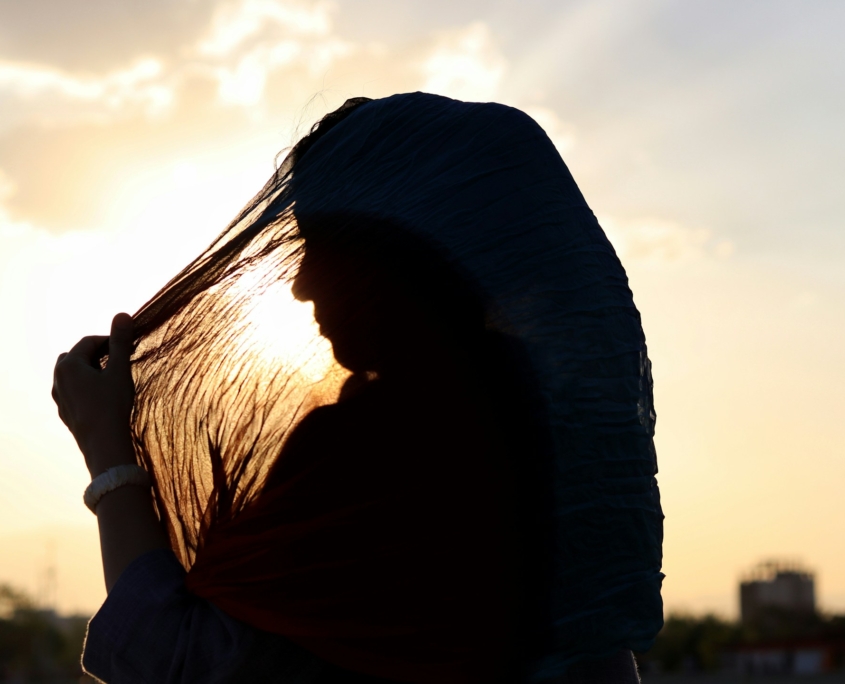
 Women NGO WorkersOn August 15, 2021, the Taliban seized control of Kabul, the capital of Afghanistan, following the earlier withdrawal of United States military forces. U.S.-backed President Ashraf Ghani fled the capital while the Afghan security force crumbled, leaving Kabul and all of Afghanistan under Taliban control. More than two years since the resurgence of the Taliban, conditions in Afghanistan have worsened, particularly affecting the most vulnerable members of Afghan society. One of the groups experiencing the greatest hardships under Taliban rule is women.

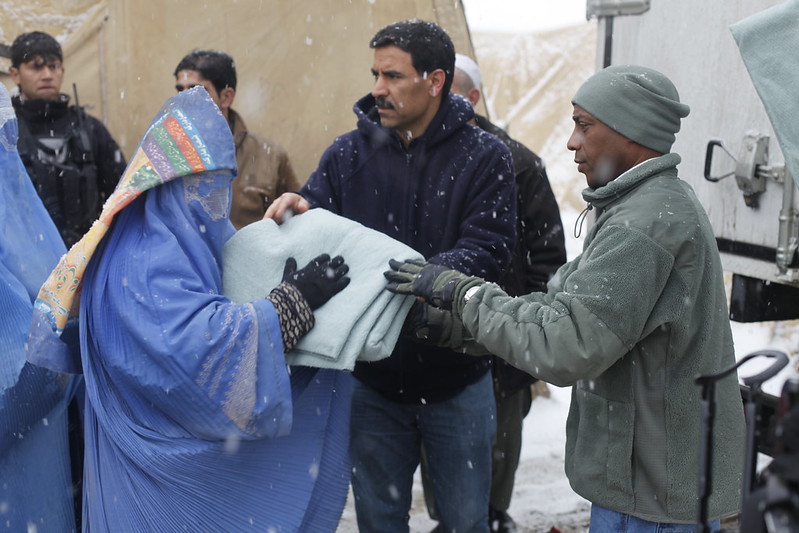
Afghanistan girls as young as 12 years old have been largely forbidden to attend classes. These policies have made it harder for Western governments to acknowledge the Taliban as the legitimate governing body in Afghanistan. More recently, on December 22, 2022, the Taliban began refusing aid from women working with Nongovernmental Organizations (NGOs), essentially cutting the staff of aid workers in Afghanistan by a third.

Refusing Women NGO Workers

The Taliban’s refusal to allow women to work for NGOs extends beyond nonprofit organizations and charities to also include their participation in U.N. initiatives. According to the National Public Radio (NPR), this move by the Taliban is the latest in a line of maneuvers to cut off aid during what is being labeled as “the world’s largest humanitarian crisis” by U.N. Deputy Special Representative for Afghanistan Ramiz Alabaro.

The ban on female NGO workers comes at a time when Afghanistan desperately needs humanitarian aid. According to the Integrated Food Security Phase Classification (IPC), as many as 19.9 million people in the country faced acute food insecurity in the winter of 2022-2023. The winter also saw the deaths of more than 200 people and 200,000 livestock. With so many humanitarian issues arising in Afghanistan, NGOs are faced with a difficult choice as the Taliban refusing women NGO workers strikes at their principles while rescinding aid leaves those in need vulnerable.

Organizations Finding Solutions

Despite the increasingly challenging conditions in Afghanistan, organizations are actively seeking alternative approaches to ensure the continued delivery of aid to those in need. The New Humanitarian reports that it has interviewed numerous women employed by NGOs in Afghanistan who, despite the sensitive nature of the situation, have managed to come to agreements with the Taliban to continue their work. Although they have requested to remain anonymous due to the volatile nature of the issue, these women have been able to come to some level of understanding with the Taliban and continue their work.

Many women heading local NGOs in Afghanistan have met and confirmed that they have been able to maintain their operations in five provinces by making concessions with the Taliban. The New Humanitarian reports that while the Taliban have banned most women from office buildings, they are permitted to leave their homes to distribution centers/sites. Other groups headed by women have reported appointing male proxies to handle matters that require a physical presence to oversee administrative and/or financial matters.

Wrap up

The Taliban’s refusal to allow women NGO workers to participate in humanitarian operations has significantly complicated the execution of aid efforts. As reported by PBS Frontline, this ban has made it more difficult to get fundraising approval as only 5.5% of the U.N. ‘s requested $4.6 billion aid for Afghanistan has been fulfilled. As organizations continue to make their best efforts to provide aid while fighting to keep their female workers involved, time will tell if circumstances improve for the better.

– Beau Sansom
Photo: Flickr

January 26, 2024
https://borgenproject.org/wp-content/uploads/borgen-project-logo.svg 0 0 Lynsey 2 https://borgenproject.org/wp-content/uploads/borgen-project-logo.svg Lynsey 22024-01-26 07:30:112024-01-25 03:53:46Taliban Refusing Women NGO Workers: What is Being Done
Global Poverty

Maternal Mortality in Afghanistan

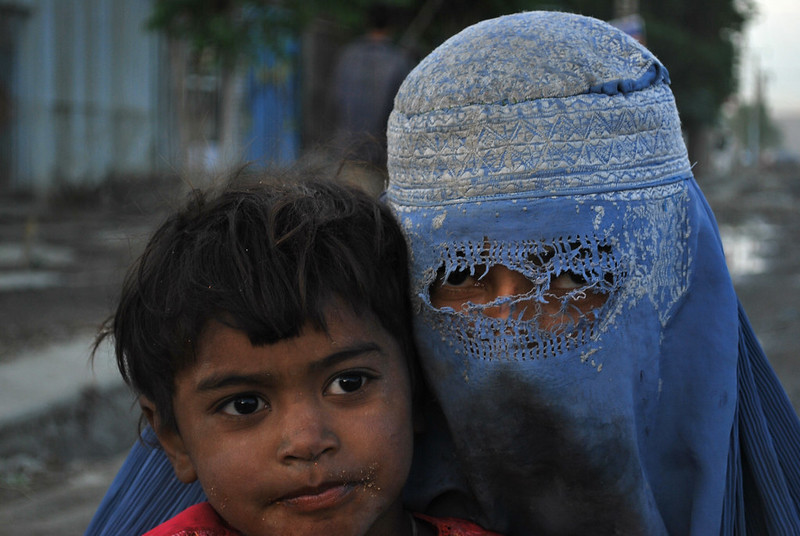
Maternal Mortality in AfghanistanAfghanistan has one of the top 10 highest maternal mortality rates worldwide. Pregnant Afghan women are 30 times more likely to die during childbirth than pregnant women in the United States (U.S.). There are various factors currently impacting childbirth safety in this Middle Eastern country.

Sociopolitical Factors

Britannica’s profile on Afghanistan describes how the country takes the impact in political and commerce disputes. These conflicts have led to warfare and various changes in the regime within Afghanistan. These recurrent periods of transitional leadership followed and brought with them uncertainty and civil unrest. 

Britannica also reported that “Afghanistan has one of the least-developed health care systems in the world,” with only a small number of Afghans having access to health care. Britannica also highlighted that government-issued medical services are minimal, as “medical training is nonexistent” within the country.

In “Maternal Mortality in Afghanistan: Challenges, Efforts and Recommendations,” an academic paper by a group of medical scholars on maternal death in Afghanistan, it was revealed that political instability and violence have harmed the health care system. These scholars also found that female health care staff trained in assisting during child labor are often “not allowed to report to their posting by the Taliban” and that there has been an increase in violence against midwives in the country. 

According to reports, the Taliban seized power, international donors withdrew funds that the health care system in Afghanistan previously relied upon. These are just some of the aspects of Afghanistan’s unstable sociopolitical state currently contributing to maternal death in the country.

VOANews reported that “despite the country’s improved maternal mortality rates between 2001 and 2021,” the resurgence of the Taliban following this period has derailed that hard-won progress. This is both due to the Taliban’s restriction of midwives attending to their posts and the fact that nearly 90% of Afghans “suspended or decided not to seek medical care in 2022 mostly because of Taliban restrictions and poverty.”

The Impact of a Lack of Resources

UNICEF has highlighted that maternal death in Afghanistan as a result of preventable causes due to poverty is an urgent humanitarian crisis as this Middle Eastern country remains one of the most dangerous places in the world for mothers during child labor. “UNICEF explained, ‘Thousands of Afghan women die every year from pregnancy-related causes,’ a majority of which can be easily preventable.”

The organization described how one of the most common contemporary factors contributing to this crisis is access to a hospital or health facility being beyond the reach of most pregnant mothers in the country. UNICEF concluded that the majority of maternal deaths in Afghanistan are preventable. In the article “Social Determinants of Maternal Health in Afghanistan,” public health scholars reviewed the state of the country’s maternal death crisis. These scholars found that the most common medical conditions contributing to this crisis were “hemorrhage, obstructed labor, infection, high blood pressure” and other medical conditions that could be prevented or better treated with secure access to professional medical care.

Registered Nurse First Assistant Kinshasha Johnson, with more than a decade of labor and delivery experience, discussed the importance of access to medical care during childbirth in her interview with The Borgen Project. Johnson highlighted that medical professionals have access to resources like fetal monitoring, supplemental oxygen, IV fluid hydration, methods to stop contractions and even surgical intervention if necessary. These and other resources that medical professionals provide during child labor can treat many of the conditions listed as contributing heavily to maternal death in Afghanistan.

When asked whether she had something she wanted the world to know about poverty and maternal mortality, RNFA Johnson highlighted that pregnant women living in poverty without access to medical resources “often have to live with things that can be easily avoided.” She added that the women also often go “undiagnosed for medical conditions that could lead to maternal emergencies.” 

Midwifery in Afghanistan

Midwives throughout the Middle Eastern country are working to improve the reality of maternal death in Afghanistan. In their article “Midwives on the Front Lines Working to Reverse Afghanistan’s High Maternal Death Rate,” The United Nations Population Fund (UNFPA)  highlighted the Community Midwifery Program and their work in training  “midwives to provide essential basic maternal health services and other midwifery care.” 

The UNPFA plays a crucial role in these efforts and “supports Afghanistan’s Community Midwifery Education Programme ” in various ways. Midwives educated through the program operate out of “UNFPA-established family health houses,” which the UNFPA founded to provide medical resources for Afghanistan’s most vulnerable populations. 

Takeaway

Maternal mortality in Afghanistan is an ongoing humanitarian public health crisis with many contributing factors. Most prominently, civil unrest and conflict within the country and its unstable sociopolitical state have hindered the country’s ability to establish a reliable infrastructure. As a result, insecure access to professional medical assistance is a concern for a majority of the population, including pregnant women. Because of this, there has been an establishment of community education in midwifery in some regions of the country as a means of alleviating the high rate of maternal death in Afghanistan. 

– Rosemary Wright
Photo: Flickr

December 17, 2023
https://borgenproject.org/wp-content/uploads/borgen-project-logo.svg 0 0 Kim Thelwell https://borgenproject.org/wp-content/uploads/borgen-project-logo.svg Kim Thelwell2023-12-17 01:30:282023-12-19 03:23:37Maternal Mortality in Afghanistan
Global Poverty

Mobile Libraries in Afghanistan Are Empowering Youth

Mobile Libraries in AfghanistanMobile libraries in Afghanistan are making waves in a nation where education, particularly for women and children, has faced numerous challenges. These traveling libraries are not only fostering a culture of reading but also empowering the youth by broadening their horizons, especially in the context of the recent political changes.
The Plight of Education in Afghanistan

Afghanistan’s educational infrastructure has faced considerable challenges over the past few decades. War, political unrest and cultural norms have limited access to quality education for many, especially girls. According to UNICEF, by 2018, around 3.7 million children were out of school in Afghanistan, with girls making up 60% of this figure due to factors like traditional norms and the Taliban takeover affecting girls’ education.

The Taliban Takeover and Its Impact on Education

The Taliban’s takeover in Afghanistan in August 2021 has had a significant impact on education, especially for girls. Following the takeover, the Taliban implemented several restrictions, including barring girls from attending school beyond the sixth grade. This move, among other restrictive measures, targeted the education and employment opportunities for women and girls in Afghanistan.

According to UNESCO, more than 2.5 million, nearly 80% of school-aged Afghan girls and young women, have been out of school since 2021​​. The Taliban’s restriction tightened in 2022, barring girls from attending secondary school and university, making Afghanistan one of the most restrictive countries globally concerning women’s education.

Charmaghz, a Kabul-based non-profit organization, has provided educational resources to children amid these challenging circumstances. The organization repurposes old public buses into mobile libraries, offering a space for children to read, think and ask questions. Although they had to halt operations temporarily due to the Taliban’s takeover, the dire need for educational support for children propelled them to continue their mission.

Charmaghz: Wheels of Knowledge Amidst Adversity 

The Charmaghz Mobile Library was launched in 2018 in Kabul, Afghanistan, by Freshta Karim. The name “Charmaghz” is derived from Farsi, where “chahar” means four and “maghz” means brain. This reflects the foundation’s philosophy of work, which is to create opportunities for critical thinking.

With the mission to provide spaces for critical thinking and children’s imagination in areas heavily affected by conflict, they offer mobile library services across Kabul and have various activities to encourage children to express themselves. Each mobile library is stocked with about 400 books in Dari, Pashto and English, covering topics ranging from science to history and has five active mobile libraries in Kabul, namely Khairkhana, Karte Naw, West Kabul, Khoshalkhan and Baghe Bala with about 1,000 visitors per day.

Three of the five libraries under the Charmaghz initiative received funding throughout 2021 with support from the Afghan private sector, indicating local support for such initiatives.

Positive Impacts of Mobile Libraries in Afghanistan

These mobile libraries are doing more than just spreading the joy of reading. They’re creating safe spaces where children, especially girls, can gather, share ideas and cultivate a love for learning. Regular reading sessions, storytelling events and discussions are organized, fostering a sense of community and shared learning.

By providing access to books and creating spaces for learning, mobile libraries contribute to bridging the educational gap in regions where regular schooling might be inaccessible or inadequate. The outreach to schools, parks, orphanages and communities, coupled with providing a wide range of books, extends educational resources to those who might otherwise have limited access.

The Road Ahead

The success of initiatives like Charmaghz is a testament to the resilience and determination of the Afghan people. There are efforts to promote reading among children, such as creating community libraries in Internally Displaced Persons (IDP) camps in Kabul in 2021. 

The Afghan government, with support from international NGOs, is recognizing the potential of these mobile libraries and is considering plans to support and expand these programs. The hope is that, soon, mobile libraries will not just be limited to Kabul but will be found across the country, bringing education and hope to every corner of Afghanistan.

The work of organizations like Charmaghz is a beacon of hope amidst the bleak educational landscape for girls in Afghanistan. Highlighting the operations of such organizations helps to ensure that the international community does not overlook the plight of girls and women in Afghanistan amidst other unfolding global crises.

– Laeticia Mbangue
Photo: Flickr

November 15, 2023
https://borgenproject.org/wp-content/uploads/borgen-project-logo.svg 0 0 Yuki https://borgenproject.org/wp-content/uploads/borgen-project-logo.svg Yuki2023-11-15 03:00:542024-05-30 22:32:38Mobile Libraries in Afghanistan Are Empowering Youth
Poverty

Combating Poverty Amidst Political Transition in Afghanistan

Combating Poverty Amidst Political Transition in AfghanistanFrom the beginning of the war in 2001 to the recent political transition beginning in 2021, Afghanistan has seen significant economic fluctuations and an upward trend in the national poverty rate, despite periods of economic growth. For instance, the World Bank estimated that at least a third of the Afghan population was living in poverty and unable to afford basic necessities between 2007 and 2012. Yet, the country’s GDP steadily grew at a rate of 6.9% annually during those years. A rising Gini coefficient of almost 2% from 2007 to 2012 indicates that inequality has contributed to the country’s sustained high poverty rate, which has continued to grow amidst the recent political transition in Afghanistan.
According to the Asian Development Bank (ADB), an alarming 49.4% of Afghan citizens were already living below the national poverty line in 2020. With the political transition sparking a 20.7% contraction in the country’s GDP in 2021, the World Bank has reported that more than 65% of households in Afghanistan “could not afford food and other basic non-food items” by the middle of 2022. Fortunately, the international community remains committed to aiding the millions in need amidst the ongoing political transition in Afghanistan. 

The Past and Present of Poverty in Afghanistan

Historically, poverty has most heavily impacted rural areas in Afghanistan. According to the 2015 Afghanistan Poverty Status Update, some 80% of the country’s impoverished resided in rural communities as of 2011-2012, with more than 50% of poor Afghans being concentrated in the remote regions of East, Northeast and Central Afghanistan. These regions have been particularly vulnerable to political, economic and climactic shocks and have assumed an inordinate share of the burden that poverty poses to the country as a whole.      

For example, the 2015 report, prepared by the World Bank and Islamic Republic of Afghanistan Ministry of Economy, noted that poor households were both more susceptible to and less able to recover from financial shocks, which affected 84% of Afghan households in 2011-2012. Furthermore, 75.6% of impoverished Afghans age 15 and older were illiterate, while 41% of those already living in poverty were underemployed and more than 84% were engaged in vulnerable forms of employment, such as agriculture. In addition to lacking access to education and employment opportunities, the country’s predominantly rural poor also lack equal access to basic services: in 2011-12, only 63.8% had electricity, 40.3% had potable water and 2.8% had basic sanitation, percentages significantly lower than among Afghanistan’s non-poor population. 

Since the United States’ withdrawal from Afghanistan in 2021, the country has seen a surge in poverty. The United Nations Development Programme (UNDP) estimated that Afghanistan’s real GDP could contract by more than 13%, putting 97% of Afghanistan’s 41 million citizens at risk of falling into poverty. However, despite increasing poverty amidst the political transition in Afghanistan, past efforts have shown that humanitarian aid can make a difference.

Humanitarian Support for Afghan Citizens

For example, as a result of international aid, access to electricity, potable water and sanitation each improved by 14% annually between 2007 and 2012, and youth literacy increased by 8%. Since its withdrawal, the U.S. and other nations have therefore focused their efforts on providing humanitarian aid to Afghan citizens who are suffering amid the political transition.

One such initiative is the Local Area-Based Programme, which the UNDP introduced in 2021. In collaboration with local businesses and NGOs, the 24-month program aims to aid at least nine million Afghan citizens in need by supporting infrastructure development, income opportunities and essential services. It targets the country’s most vulnerable communities, including women, children and the elderly, and centers on cash transfers, grants and other interventions that will help guarantee vital income, promote women-led businesses and boost local economies.

As of July 2022, the U.S. had provided $775 million in aid overall to support Afghan citizens during the transition, with the specific aims of combating food insecurity, improving agricultural industries, strengthening education and advancing women’s and minority rights. Since 2001, the U.S. has provided more humanitarian aid to Afghanistan than any other country, including $36.07 billion in development aid. In an effort to uphold stability and protect Afghan citizens without supporting the Taliban, the U.S. and other countries are also collaborating to ensure financial liquidity and retain Afghan banks’ connections to the international community.

Looking Ahead

Amid Afghanistan’s recent political transition and economic challenges, the international community continues to show support by providing humanitarian aid to millions in need. Initiatives like the Local Area-Based Programme aim to aid vulnerable communities, including women, children and the elderly, with infrastructure development and income opportunities. The U.S. and other countries have contributed significant financial aid to combat food insecurity, improve education and advance women’s and minority rights, all with the goal of supporting Afghan citizens during this critical period.

– Sahib Singh
Photo: Unsplash

August 5, 2023
https://borgenproject.org/wp-content/uploads/borgen-project-logo.svg 0 0 Naida Jahic https://borgenproject.org/wp-content/uploads/borgen-project-logo.svg Naida Jahic2023-08-05 01:30:312023-08-03 02:09:45Combating Poverty Amidst Political Transition in Afghanistan
Global Poverty

One-Kidney Village: Selling Organs in Afghanistan

Selling Organs in Afghanistan“One-Kidney Village” got its nickname from the widespread practice of impoverished town members selling a kidney for additional income. The economic crisis has many Afghans desperate for immediate financial relief. The act of selling organs in Afghanistan for a few thousand dollars has become so common in the western city of Herat that it has earned a name that reflects that unfortunate reality.

Afghanistan will soon enter its second year under Taliban rule. When the Taliban took control of Kabul in August of 2021, the already war-stricken country’s economy only worsened. Once the Taliban assumed control over Afghanistan, international aid ceased. It has since partially resumed but economic desperation is still crippling many towns.

What is “One Kidney Village?”

One of these towns has been nicknamed the “One Kidney Village” due to the number of citizens that come under pressure to find any sort of financial relief. Desperate villagers see the opportunity to sell their organs for several thousand dollars as a chance to escape their financial burdens. The amount they receive in exchange for their organs is more money than many in “One Kidney Village” have earned at one time.

As of December 2021, the UNHCR estimated that 55% of Afghanistan’s population (around 23 million people) faces extreme hunger. The organization also estimated that, of the 23 million, 9 million face the risk of experiencing famine.

Kidney trade was already an issue in Afghanistan long before the Taliban took control, but since the takeover, it has become a far more common practice in all areas of Afghanistan, not just “One Kidney Village.” According to The Guardian, the price per kidney has lowered as the number of volunteers willing to sell their organs has spiked. The price once ranged from $3,000 to $4,000, but now (as of 2023) sells for as little as $1,500 or less.

Desperation for Financial Relief

After the removal of the kidney, it usually takes some time before the seller finds a recipient. Once they do, some individuals sell their kidneys for a smaller amount out of desperation for immediate financial relief and the number of people looking to sell. Since there is supply and demand for kidney selling, it has become somewhat of an industry in Afghanistan.

Afghans usually match with wealthy patients needing a kidney transplant. These patients travel from as far as India and Pakistan to Herat to undergo the procedure because of the access and availability of transplants in Afghanistan, Al Jazeera reports. The recipient of the kidney pays for the kidney as well as the medical bills for themselves and the seller. Al Jazeera’s interviews with Afghans that have sold their kidneys highlight an unfortunate reality that many Afghans do not realize when they agree to the procedure.

Consequences of Selling Organs in Afghanistan

The Borgen Project spoke with Sarah Lockwood, a doctoral student and undergraduate professor at Northeastern University working toward her Ph.D. in Criminology and Justice Policy. Lockwood has done research on organ trafficking in the U.S. and has a detailed understanding of push factors and consequences associated with organ trafficking in general.

Using her research, Lockwood reflects on the all too common outcome that can result from an individual selling their organ. “It decimates a lot of these people’s lives because [it] should have been a sure cash payout. They’re not even given what they were promised and then they don’t have any of the safety nets afterward to actually take care of their health,” said Lockwood.

In addition to rarely getting the total amount of money that buyers initially promise them, those who sell their kidneys often end up with a host of additional health issues and resulting medical bills. Post-procedural infections are the result of limited medical regulation and routine examinations to evaluate post-procedure health. Even though the practice is so common, Afghanistan does not have a law that controls how organs can be donated or sold as long as the donor has given consent. Proof of consent is provided in either written or video form.

No Laws and Regulations

Many Afghans who sell their kidney end up in equal or worse financial trouble than when they began. If they develop health issues after the removal, there is no law or regulation to ensure they receive adequate treatment, according to Al Jazeera.

“The thing we forget about with a transplant is like somebody who’s a donor doesn’t just get up and go about their life as they had before,” said Lockwood. “That is a life-altering surgery, you have literally one less organ in your body. If you are already barely making ends meet, anything medically that happens after that surgery, you’re already in a situation where you probably didn’t have access to doctors, to begin with, and don’t have any sort of health insurance or safety nets,” she also said.

Selling Organs in Afghanistan

Lockwood discussed that in developed countries donors undergo health screenings to ensure a donor is in sufficient enough health to recover from the procedure, making them aware of any potential risks. Recovery can prohibit the donor from working for some period of time, which could put their employment at risk. Transplant centers also get training to detect red flags that could potentially indicate force, fraud or coercion.
Lockwood defines organ trafficking as “an exchange of an organ for something of value with the expressed intent of it either being forced upon, coerced or exploited from somebody.” Force, fraud or coercion is the standard when it comes to defining all trafficking.

Working Toward Eliminating Organ Trafficking

Addressing organ trafficking is not simple. Finding alternative solutions for desperate Afghans could eliminate the coercive aspect of selling a kidney for financial compensation. Lockwood offers “building a situation in which an economy can thrive without exploitative labor or practices like that.”
“These are the poorest of the poor, the most stressed out, the most at risk. To be able to elevate them out of those situations, where $3,000 is not worth the loss of a kidney [and] you are able to make that through other means, which means you’re probably less likely to engage in those spaces” said Lockwood.

– Maya Steele
Photo: Flickr

June 3, 2023
https://borgenproject.org/wp-content/uploads/borgen-project-logo.svg 0 0 Jennifer Philipp https://borgenproject.org/wp-content/uploads/borgen-project-logo.svg Jennifer Philipp2023-06-03 07:30:112026-04-16 10:21:01One-Kidney Village: Selling Organs in Afghanistan
Global Poverty

The Opioid Trade in Afghanistan 

Opioid Trade in AfghanistanAfghanistan’s opioid trade, the largest in the world, has been thriving under the new Taliban regime. Driven by a desire for economic and political stability, the Taliban’s actions around the opioid trade have serious implications for Afghanistan’s citizens who were plunged into poverty following the group’s takeover in 2021.

The Taliban’s Ban on Drugs

Once processed, opium poppies from Afghanistan sell as opium, morphine and a range of grades of heroin in every region of the world, with the exception of Latin America. The production and sale of drugs constitute a significant portion of the country’s GDP each year.

When the Taliban assumed power in Afghanistan in August 2021, it vowed to end the production and trade of drugs in the country. The group, however, faced a production system on an upward trend. In 2020, Afghanistan saw a 37% increase in the area of land used to grow opium poppies compared to the year before. In that same year, Afghanistan produced 85% of the opium consumed across the world.

The History of the Opioid Trade in Afghanistan

Afghanistan has been producing opium poppies in large numbers since the mid-1950s. Fraught with political and economic inconsistency for decades, the history of efforts to reduce the opioid trade in Afghanistan is complex. In December 1979, the Soviet Union invaded Afghanistan. The war that followed created economic devastation that left many in Afghanistan with no reliable source of income aside from trading narcotics. The Taliban, established in 1994, made significant steps towards banning the trade, halving the land used for growing poppies in the regions of Afghanistan it controlled at the time.

When the Taliban gained power in Afghanistan in 1996, however, it had already relaxed its approach to the drug trade. Instead of clamping down on production, the Taliban began to tax opioid farms and labs and even sought to expand the trade by providing farmers with official government licenses to grow opium poppies. The group declared an outright ban on poppy cultivation in 1999, but by September 2001, it had reversed this decision, and the practice was thriving again.

Under the Afghan government from 2002 to 2021, following U.S. intervention in 2001, drug production and trafficking in Afghanistan soared. International aid funded the majority of counter-narcotic efforts over these two decades. The United States spent more than $8 billion over a 15-year period in attempts to reduce the trade of opioids in Afghanistan.

The Opioid Trade in the New Taliban Regime

In April 2022, the Taliban issued a decree prohibiting all poppy cultivation and narcotics trade, representing a new wave of counter-narcotic efforts in Afghanistan. However, the timing alone of this decree caused many to question the motives of the Taliban, as it came shortly after the largest annual harvest of opium poppies. High-ranking Taliban officials claim that drug production and trafficking are over, but the evidence suggests that the trade is still thriving and may have increased since the regime change.

The gap between the Taliban’s stated intention to rid Afghanistan of drugs and its lack of action is likely due to the fact that it is not currently in its interests, economically or tactically, to crack down on the opioid trade in Afghanistan. Since its formation in 1994, estimates suggest that the opioid trade has accounted for more than half of the Taliban’s revenues, according to Colin Mathers. The Taliban have for many years collected a tax on all opium poppies grown in Afghanistan, all laboratory-based processing of opioids and all trading of these drugs. From 2018 to 2019 alone, the Taliban received more than $400 million from narcotics.

The Economic Impact

To survive as a regime, the Taliban need enough income to be able to keep factions, soldiers and civilians on its side. In the Taliban’s first year in power, Afghanistan’s GDP dropped from $20.15 billion to $14.79 billion due to economic sanctions and the removal of foreign aid. This marked the country’s lowest GDP since the 2008 global financial crisis.

With the country deprived of billions of dollars from the International Monetary Fund (IMF), World Bank and bilateral aid, reports suggest that the income from opium poppies is more critical than ever to both the security of the Taliban and the stability of the country, according to Brookings. In 2022, the United Nations Development Programme (UNDP) estimated that since the regime change, the number of Afghans living in poverty had doubled to nearly 34 million, representing 85% of the country’s population. The removal of the opioid trade would further cripple the Afghan economy and hundreds of thousands of citizens would fall into extreme poverty, creating a serious risk of domestic unrest.

The Future of the Opioid Trade in Afghanistan

For these reasons, the reward remains higher than the risk for those involved in the opioid trade in Afghanistan, which encourages its continuation and expansion, according to UNODC. Forecasts suggest that there is no end in sight for global sanctions and the Afghan economy seems unlikely to grow significantly in the short term. Therefore, the tactical and financial incentives remain for the Taliban to support this industry and Afghans have few viable alternatives to growing opium poppies, according to VOA News.

Nonprofit organizations like Afghanaid have been working closely with those crippled financially by the Taliban takeover. Since August 2021, Afghanaid has provided around 1.8 million men, women and children with emergency aid. The NGO runs schemes across impoverished areas of Afghanistan that could be vital in creating reliable alternative sources of income for those who may otherwise rely on opium poppy cultivation.

For example, Afghanaid supports farmers and village communities in the Badakhshan Province to replant and irrigate their forests. This scheme has led to the employment of members of more than 130 households across the region. And as a result, some families have been able to send their children to school. Schemes such as this support the development of reliable alternative sources of income for impoverished families in Afghanistan. The goal is to minimize or end the country’s reliance on the opioid trade.

Looking Ahead

The opioid trade in Afghanistan is thriving in the current financial crisis, as the trade provides stability for both impoverished citizens and the new Taliban regime. One of the ways to end the opioid trade involves providing viable alternative sources of income for those that rely on the consistency of producing and selling opioid products. In this way, NGOs like Afghanaid could be central in reducing the growth of a trade that has negative impacts worldwide.

– Polly Walton
Photo: Pixabay

May 27, 2023
https://borgenproject.org/wp-content/uploads/borgen-project-logo.svg 0 0 Jennifer Philipp https://borgenproject.org/wp-content/uploads/borgen-project-logo.svg Jennifer Philipp2023-05-27 07:30:062023-05-23 10:21:38The Opioid Trade in Afghanistan 
Economy, Global Poverty

A New Initiative to Combat Poverty in Afghanistan

New Initiative to Combat Poverty in Afghanistan
Afghanistan is on the brink of disaster. Immediately after the United States’ exit from Afghanistan in August 2021, the Taliban assumed full power, seizing the nation’s capital, Kabul. Just months later, the United Nations Development Programme (UNDP) estimated that Afghanistan’s $20 billion economy could shrink by 20%, plunging the nation further into poverty. However, the international community is not turning a blind eye. Instead, UNDP has launched a new initiative to combat poverty in Afghanistan.

UNDP Launches ABADEI

In October 2021, UNDP launched the Area-based Approach for Development Emergency Initiatives, also known as ABADEI. ABADEI is a new initiative to combat poverty in Afghanistan and is a part of a broad effort to “operationalize a basic human needs approach within the complex and fast-evolving context of Afghanistan.” UNDP explains the ABADEI strategy best, stating that ABADEI “provides an articulation of investments in basic services, livelihoods and community resilience that complement humanitarian efforts by helping households, communities and the private sector cope with the adverse effects of the crisis.”

Specifically, ABDEI has the backing of a Special Trust Fund for Afghanistan. UNDP created this special trust fund in October 2021 to provide cash assistance to Afghans in dire need, independent of a third party. Germany was the first country to financially commit to the trust fund, pledging nearly $60 million. The trust fund has since grown to more than $170 million in December 2021.

ABADEI, then, is the strategy that directs the flow of the money. Under the ABADEI initiative, program coordinators will implant funds into the community in four main ways.

4 Main Funding Channels

  1. Allotting grants to microbusinesses. A 2019 OECD report on private sector development and entrepreneurship in Afghanistan estimates that entrepreneurs and small and medium enterprises (SMEs) account for nearly 99% of businesses in the country. The report also states that “with foreign assistance declining and the country still struggling to attract private investment from abroad, Afghan entrepreneurs and SMEs will have to be the engines for much of the needed development.” This first goal particularly seeks to assist women-owned businesses as women face disproportionate impacts of poverty during times of crisis. Under ABADEI, program coordinators will distribute cash in local currency and assess needs with the help of local community leaders. The U.N. hopes that the direct injection of cash will help keep local economies from collapsing.
  2. Cash-for-work projects. The second goal of the initiative is to provide “short-term income to the unemployed.” USAID data from November 2021 indicates that nearly 40% of Afghans endure poverty. In 2020, before the Taliban took over, unemployment stood at slightly less than 12%. Although there is no official number for the rising unemployment rate, reports indicate that people are resorting to selling their own possessions to survive.
  3. Financial support to at-risk populations. The director of the U.N. Food and Agriculture Organization, Qu Dongyu, states that women, young children and the elderly are at risk of starvation during the winter in Afghanistan. To mitigate these impacts, ABADEI seeks to provide a “temporary basic income” to the at risk-populations of Afghanistan.
  4. Strengthening natural disaster resilience. Afghanistan is prone to natural disasters including flooding, earthquakes, landslides and droughts. ABADEI will help Afghanistan mitigate such disasters by funding the “rehabilitation of canals” and other “flood protection” strategies to safeguard farming land from the destruction of floods. By preemptively protecting farmland, ABADEI aims to reduce the risk of increasing food insecurity in the nation.

Looking Ahead

Achim Steiner, a UNDP administrator, said at a press conference that “ABADEI is a concrete contribution to the efforts of the United Nations to protect the hard-won development gains achieved over the past 20 years and prevent further deterioration of Afghanistan’s fragile local economy.” Though the future of Afghanistan is unclear and the country faces numerous challenges, ABADEI stands as a new initiative to combat poverty in Afghanistan, marking an integral first step in the international community’s efforts to safeguard the well-being of Afghans after the Taliban takeover.

– Richard Vieira
Photo: Flickr

December 22, 2021
https://borgenproject.org/wp-content/uploads/borgen-project-logo.svg 0 0 Jennifer Philipp https://borgenproject.org/wp-content/uploads/borgen-project-logo.svg Jennifer Philipp2021-12-22 01:30:202021-12-08 07:47:48A New Initiative to Combat Poverty in Afghanistan
Foreign Aid, Foreign Policy, Global Poverty

Foreign Aid: How to Address Poverty in Afghanistan

poverty in afghanistan
One can consider any form of foreign aid positive at face value, but Afghanistan could benefit from greater investment in private organizations due to its specific needs. According to a U.S. agency report on Afghanistan, political strings result in the Afghani government’s focus on the goals of its foreign investors rather than the needs of its citizens, accompanying aid from countries like the U.S. Poverty in Afghanistan requires attention unhindered by political expectations.

US Foreign Aid Policy

Secretary of State Mike Pompeo announced in March 2020 that the U.S. would be cutting $1 billion in foreign aid to Afghanistan, which became a foreign policy initiative following a major U.S. military presence in the country. The U.S. foreign aid is allocated to a variety of purposes, some of which attempt to address the widespread poverty that still impacts 54.5% of Afghans. Despite these efforts, poverty remains a large concern. For example, the number of Afghans without basic food and housing increased from 6.5 to 9.4 million between 2019 and 2020.

Dr. Jessica Trisko Darden, an assistant professor at American University with expertise in foreign aid and Central and Southeast Asia, asserts that different types of foreign aid are better suited to target specific goals. Darden noted that U.S. foreign aid in Afghanistan is largely concerned with developing infrastructure tied to the needs of the foreign parties in this country, such as Kabul International Airport. Additionally, while the U.S. aid package may set aside some portion of the money with the intention of addressing poverty in Afghanistan, the larger goals are often political in nature.

Non-Governmental Organizations’ Contribution

Private organizations could focus their resources on areas that foreign government aid often ignores. “I think that, in terms of overall strategies for Afghanistan, getting more resources to outlying regions, and having more NGO and local NGO presence in outlying regions is something that should be a goal of a sustainable development strategy for Afghanistan, rather than continuing to over-concentrate resources and efforts in the Kabul area,” said Darden. The U.S. aid focusing on the Kabul area for accessibility and the ability to address political goals arguably takes away attention from less centralized regions. A larger NGO presence in the country could mean an established, long-term effort to target the humanitarian needs of Afghans and reduce poverty in Afghanistan.

Afghan Women’s Network

One of the most prominent independent groups acting in Afghanistan is the Afghan Women’s Network. It began with inspiration from the United Nations Fourth World Conference on Women in 1995. This organization serves as an umbrella for a variety of humanitarian efforts in the country. It has direct points of contact in several major regions throughout the country and provides support to other organizations in the remaining regions. With 3,500 members and 125 women’s groups under its leadership, the Afghan Women’s Network has the ability and resources to provide immediate and specialized support to Afghans.

The political struggles of Afghanistan exist in tandem with the struggles of Afghani citizens. Multiple NGOs with unique goals ranging from gender equality to infant mortality to education could target the diverse needs of the Afghani population more directly. By supplying aid without political expectations and restrictions, NGOs could work to downsize poverty in Afghanistan.

– Riya Kohli
Photo: Pixabay

August 28, 2020
https://borgenproject.org/wp-content/uploads/borgen-project-logo.svg 0 0 Kim Thelwell https://borgenproject.org/wp-content/uploads/borgen-project-logo.svg Kim Thelwell2020-08-28 14:14:562024-05-29 23:22:33Foreign Aid: How to Address Poverty in Afghanistan
Global Poverty

Top 10 Facts About Hunger in Afghanistan


With a population of nearly 35 million people, Afghanistan is the 39th most populated country in the world. Due to political instability, terrorism and economic insecurity, hunger in Afghanistan is now an extremely prevalent epidemic. Below are important facts about the state of malnutrition in Afghanistan and its possible future.

Top 10 Facts About Hunger in Afghanistan

  1. As of 2017, Afghanistan had an unemployment rate of almost 24 percent, ranking it as 194th out of 218 total countries. Additionally, 54 percent of its population falls below the poverty line.
  2. Afghanistan’s economy relies heavily on agriculture. About 23 percent of the country’s GDP consists of agriculture. Due partly to natural disasters such as localized floods, dry spells and widespread insect infestations, Afghanistan suffered from a food deficit. In fact, the 2017 crop harvest suffered a 1.5 million ton production deficit in comparison to the 2016 and 5-year average production rate.
  3. Afghanistan developed a high rate of childhood stunting, the impaired growth of a child as a result of malnutrition. In fact, the country has a 41 percent prevalence rate of moderate and severe stunting. Some consequences of stunting include poor cognition, excessive weight gain in later childhood and a higher chance of suffering from nutrition-related disease during adult life.
  4. Wasting is when an individual is considered too thin for their weight or height. It is the result of rapid weight loss or lack of weight gain. Wasting is of medium prevalence in the country of Afghanistan. In fact, between 5 and 10 percent of children in Afghanistan suffer from wasting.
  5. Breastfeeding is extremely beneficial to the growth and development of a child as breast milk meets all the nutritional needs of an infant during the first six months of life. However, only 41 percent of newborns infants receive early initiation of breastmilk in Afghanistan. This trend does not become better as time goes on, as 43 percent of Afghan children are exclusively breastfed during the first six months of life.
  6. Iodine is a mineral found only in a few foods. However, it is necessary for the body to produce thyroid hormones, which in turn regulate the body’s metabolism. Therefore, many meet their recommended amount of iodine by consuming iodized salt, which is salt fortified with iodine. However, only 57 percent of households in Afghanistan consume iodized salt – putting much of the population at higher risk for iodine deficiency disorder.
  7. Anemia is a condition in which the body lacks healthy red blood cells capable of carrying oxygen to tissues throughout the body. It is commonly caused by the lack of essential nutrients, such as iron, folate and vitamin B-12 in the body. One in three Afghan girls suffers from anemia. Prolonged anemia can result in severe fatigue, heart problems and pregnancy complications.
  8. Vitamin A consists of a group of fat-soluble retinoids necessary for immune function, vision, reproduction and cell communication. Vitamin A deficiency is highly prevalent in Afghan children aged six to 59 months. However, due to the implementation of widespread nutrition programs, 98 percent of the Afghan population now supplements for vitamin A.
  9. In response to the spread of malnutrition throughout the country, Afghanistan joined the Scaling Up Nutrition movement (SUN). In addition to 59 other countries, Afghanistan will work in a multi-sectoral and multi-stakeholder space in order to end malnutrition.
  10. By putting an end to hunger in Afghanistan, the country stands to gain other enormous benefits as a well-nourished individual tends to complete more years of school and learn better. Therefore, by reducing malnutrition, Afghanistan will be able to see a boost in its economy, growth and development.

– Shreya Gaddipati

June 24, 2019
https://borgenproject.org/wp-content/uploads/borgen-project-logo.svg 0 0 Kim Thelwell https://borgenproject.org/wp-content/uploads/borgen-project-logo.svg Kim Thelwell2019-06-24 10:18:492024-05-29 23:00:18Top 10 Facts About Hunger in Afghanistan
Page 4 of 512345

Get Smarter

  • Global Poverty 101
  • Global Poverty… The Good News
  • Global Poverty & U.S. Jobs
  • Global Poverty and National Security
  • Innovative Solutions to Poverty
  • Global Poverty & Aid FAQ’s
Search Search

Take Action

  • Call Congress
  • Email Congress
  • Donate
  • 30 Ways to Help
  • Volunteer Ops
  • Internships
  • Courses & Certificates
  • The Podcast
Borgen Project

“The Borgen Project is an incredible nonprofit organization that is addressing poverty and hunger and working towards ending them.”

-The Huffington Post

Inside The Borgen Project

  • Contact
  • About
  • Financials
  • President
  • Board of Directors
  • Board of Advisors

International Links

  • UK Email Parliament
  • UK Donate
  • Canada Email Parliament

Get Smarter

  • Global Poverty 101
  • Global Poverty… The Good News
  • Global Poverty & U.S. Jobs
  • Global Poverty and National Security
  • Innovative Solutions to Poverty
  • Global Poverty & Aid FAQ’s

Ways to Help

  • Call Congress
  • Email Congress
  • Donate
  • 30 Ways to Help
  • Volunteer Ops
  • Internships
  • Courses & Certificates
  • The Podcast
Scroll to top Scroll to top Scroll to top