• Link to X
  • Link to Facebook
  • Link to Instagram
  • Link to TikTok
  • Link to Youtube
  • About
    • About Us
      • President
      • Board of Directors
      • Board of Advisors
      • Financials
      • Our Methodology
      • Success Tracker
      • Contact
  • Act Now
    • 30 Ways to Help
      • Email Congress
      • Call Congress
      • Volunteer
      • Courses & Certificates
      • Be a Donor
    • Internships
      • In-Office Internships
      • Remote Internships
    • Legislation
      • Politics 101
  • The Blog
  • The Podcast
  • Magazine
  • Donate
  • Click to open the search input field Click to open the search input field Search
  • Menu Menu

Tag Archive for: Poverty in Afghanistan

Posts

Education, Global Poverty

Top Poverty in Afghanistan Facts

Poverty in Afghanistan facts
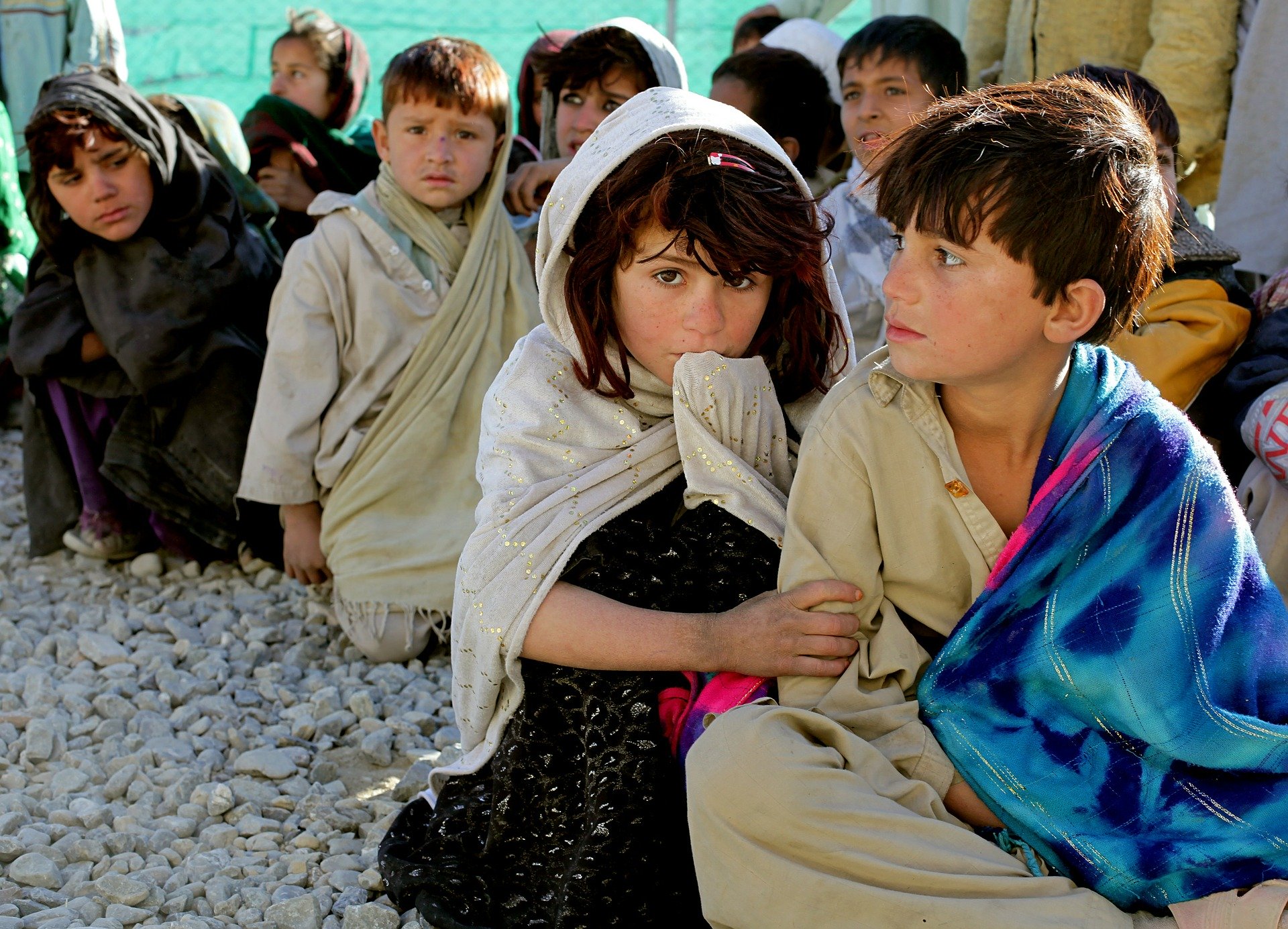
In recent memory, people often think of Afghanistan as the nation of the Taliban, who provided sanctuary to terrorists like Osama bin Laden. However, they do not tend to think about how a country falls into the grip of such extremism. Often, when poverty is widespread, terrorism and instability take hold. Poverty in Afghanistan has been a serious problem for nearly three decades, starting with the Soviet invasion of Afghanistan in 1979.

This instability can make poverty alleviation an uphill battle. According to the World Bank’s 2017 Poverty Status Update Report regarding socioeconomic progress in Afghanistan, the 15 years of growth that the country has seen are now jeopardized by a recent rise in insecurity. The World Bank Country Director for Afghanistan, Shubham Chaudhuri, explains that with poverty rising from 36 to 39 percent of the Afghan population, there need to be reinforcements to guarantee that economic growth reaches Afghan families. For further information about the living conditions of the Afghan people, here are 10 facts about poverty in Afghanistan.

Top 10 Facts About Poverty in Afghanistan

  1. According to Aryana Aid, poverty in Afghanistan stems from two factors: “food insecurity and the lack of a social security net.” As a result, 50 percent of Afghan children are stunted and 20 percent of Afghan women of child-bearing age are underweight.
  2. Food is distributed unequally throughout the country, going mainly to areas where there is heavy fighting. This puts more strain on people in other areas and contributes to the ongoing food insecurity,
  3. Furthermore, half of the people living in both rural and urban regions have no access to clean water.
  4. The government’s strategy to address food insecurity has been to focus on adequate calorie intake, but this has left people susceptible to food price shocks, meaning they lower the quality of their diet in order to afford food.
  5. The war in Afghanistan is one of the main contributing factors to poverty; 55 to 75 percent of the Afghan population is living in poverty in the worst-hit regions, whereas as other regions have lower poverty rates.
  6. According to Center for Strategic and Regional Studies, the poverty rate in Afghanistan has remained stagnant since the outbreak of war in 2001, even with increases in foreign aid.
  7. Only 28 percent of the entire Afghan population 15 years and older is literate.
  8. Because of the lack of water and other necessities, Afghanistan has the highest infant mortality rate in the world.
  9. Approximately 70,792 Afghan families are taking refuge in unclean makeshift camps; 25 percent of those families have been living there for more than ten years.
  10. Unemployment is a significant challenge in relocating these and other internally displaced people, as they are reluctant to return to rural areas where there are no jobs available.

To help bring some relief to these issues, Aryana Aid has been providing food packages to the people of Afghanistan since 2009. In early 2018, USAID’s Office of Food For Peace provided $25 million to the World Food Programme; an estimated 547,000 malnourished Afghan people were provided with emergency aid from local and regional marketplaces.

The World Bank projected economic growth for Afghanistan in 2017, by 2.6 percent compared to 2.2 percent in 2016. The progression is predicted to continue in 2018 with a 3.2 percent growth, which will help cure the many problems listed on the top 10 facts about poverty in Afghanistan.

– Christopher Shipman

Photo: Flickr

May 1, 2018
https://borgenproject.org/wp-content/uploads/borgen-project-logo.svg 0 0 Borgen Project https://borgenproject.org/wp-content/uploads/borgen-project-logo.svg Borgen Project2018-05-01 06:58:102024-06-04 02:43:53Top Poverty in Afghanistan Facts
Global Poverty

How the Media Misrepresents Afghanistan: A Limited Portrayal

How the media misrepresents Afghanistan
Thousands of peoples’ lives were forever changed after the disastrous events of the 9/11/2001 attacks on the World Trade Center in New York. But for over a decade, the stigma of Islam and all Muslims has wrongfully grouped innocent people in with the terrorists that caused harm to the U.S. and other countries.

The Media’s Focus on Radicals

This negative perspective of Muslims’ character stems from tragic events like the Charlie Hebdo attack in France and the alarming beheading videos done by the Islamic State group (ISIS). However, Espiritu believes the media coverage of these events focuses on linking the terrorists to Afghanistan which places the country in a negative light.

How the media misrepresents Afghanistan is in drawing broad connections to particular events done by groups of people, organizations, and even a single individual i.e. Osama bin Laden. When these events occur, the stigma against the people of Afghanistan — who are primarily Islamic people — translates to their portrayal in the media as savages, extremists, bigots and/or radicals.

When you limit Afghanistan to just these reductive terms and connotations, it creates a constant theme within the news medium of categorizing Muslims as belligerently harmful people.

Truth vs. Stigma

Although there are good arguments and truth in fearing the Taliban in Afghanistan, how the media misrepresents Afghanistan places any progress against these threats as overlooked. For instance, Peter Bergen stated in the Foreign Policy news article, “the Taliban are removed from power,” while numerous other news sites would focus on the Taliban’s continued threat instead.

Another focus of the media is the “Muslim” restriction of women from having jobs and giving daughters an education; however, there are now more women from Afghanistan aiding in the Afghan parliament than in the U.S. Congress. Also, there’s been progress in child education —  there are now eight million students’ in school, and more than 33 percent are girls.

Afghanistan’s Efforts at Nationwide Improvement

Even though Afghanistan has had a history of human trafficking, the U.S. Department of State from the United Nations High Commissioner for Refugees addresses that the government of Afghanistan has made improvements to end this practice.

The efforts consist of passing a new law that prohibits any trafficking and smuggling in January 2017. Furthermore, the government has managed to indict and punish criminals of this injustice while also placing trafficking victims in temporary housing in Kabul.

Pushing the socioeconomic progress forward also led the government to establish 15 child protection units (CPUs), creations which stopped 315 boys and three girls from becoming victims of police recruitment. Unfortunately, the government did not meet the requirements, though, in several categories: collusion, victim protection and progression in strategic planning for services provided.

How the Media Misrepresents Afghanistan

The media is supposed to be a direct connection from the government to the general public and vice versa; however, Mirza Mesic, a professor of Islamic History at the Zagreb, states that this medium of communication uses alternatives to basic informative practices such as skewing and then defending such alternative information.

With all the attention and negative input the media has done about Afghanistan, it is easy to say that drama sells stories, but how often is that balanced with the progression the country is making?

– Christopher Shipman

Photo: Flickr

April 12, 2018
https://borgenproject.org/wp-content/uploads/borgen-project-logo.svg 0 0 Borgen Project https://borgenproject.org/wp-content/uploads/borgen-project-logo.svg Borgen Project2018-04-12 01:30:102024-05-29 22:42:00How the Media Misrepresents Afghanistan: A Limited Portrayal
Global Poverty

Unemployment in Afghanistan Soars as Drawdown Continues

Unemployment in AfghanistanAs coalition forces have withdrawn from the country, unemployment in Afghanistan has increased dramatically, hitting 40 percent in 2015 according to the United Nations Development Programme. Afghanistan has not seen unemployment rates this high since 2005.
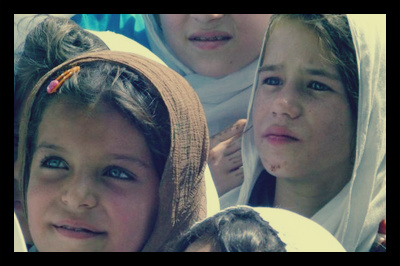
Afghans have been caught in a vise of lost employment from decreased U.S. military expenditures in the country and a decrease in foreign aid expenditures. The withdrawal of security forces is also linked to increased violence in the country, leading to additional economic instability.

Though President Obama gave the order to slow the withdrawal of non-combat troops from the country in July, the drawdown continues. The new plan involves keeping 8,400 troops in Afghanistan into 2017, down from the current number of 10,000.

This news comes at a time when many Afghans rely on employment in service industries surrounding the foreign military presence in Afghanistan which stems back nearly 15 years.

Political instability and security concerns amid rising violence have also negatively impacted economic growth in the country. According to a report by the World Bank, economic growth in Afghanistan made only a modest gain from 1.3 percent in 2014 to 1.5 percent in 2015.

The sluggish economic growth and pronounced unemployment in Afghanistan has led to a spike in poverty as the rate increased from 35.8 percent in 2011-12 to 39.1 percent in 2013-14.

Faced with unemployment, poverty and violence, many young people in Afghanistan have made the choice to flee the country. Seeking a better life in Europe and the U.S., the young workers have joined the stream of refugees fleeing conditions in the Middle East.

According to the U.N. High Commissioner for Refugees, Afghans made up about 20 percent of the over 1 million refugees arriving in Europe in 2015. Many of those leaving are young adults who are desperately needed to help rebuild the war-torn country. Efforts by the Afghan government to stem the exodus have not found success.

Speaking about the unemployment crisis, former U.S. ambassador to Afghanistan James Cunningham said, “Everybody anticipated that this was going to be a problem because of the drop-off in the economic opportunity after the bulk of international forces were transiting out. Unfortunately, the government effort to reorganize itself to deal with the economy didn’t materialize as they had hoped.”

Continued unemployment in Afghanistan will bolster instability as additional people flee the country or become susceptible to extremism. It remains to be seen if the country will descend into the same failed-state status it held prior to the U.S. invasion in 2001.

– Will Sweger

Photo: Flickr

October 9, 2016
https://borgenproject.org/wp-content/uploads/borgen-project-logo.svg 0 0 Borgen Project https://borgenproject.org/wp-content/uploads/borgen-project-logo.svg Borgen Project2016-10-09 01:30:422024-12-13 17:55:49Unemployment in Afghanistan Soars as Drawdown Continues
Global Poverty, Inequality

Poverty in Afghanistan: 5 Facts You Might Not Know

Poverty in Afghanistan
When we talk about Afghanistan or hear about it in the news, it can be very easy to forget that the insurgents are people and that a huge portion of them are suffering through extreme poverty. For the average Afghan, life can be very difficult and stricken with economic struggle, food insecurity, and a lack of resources to improve their lives. Discussed below are facts that may come as a surprise about those living in poverty in Afghanistan.


Top 5 Facts about Poverty in Afghanistan


  1. Only 28.1% of the entire population over the age of 15 is literate, meaning that 71.9% of adults are incapable of even basic reading and writing skills. On average, those who are capable of going to school only complete about 8 years, with females generally completing 4 years less than their male counterparts.
  2. A 2008 estimate of the percentage of children aged 5-14 suggests that at least 25% were involved in child labor. UNICEF made an estimate in 2011 that the number had risen to at least 30%. In either case, around ¼ or more of all young kids in the country were being forced to work, therefore missing out on childhood and, most importantly, a proper education.
  3.  36% of the population, or about 9 million people, lives in absolute, extreme poverty and another 37% lives just above the determined poverty line even though around $35 billion was put into the country from 2002-2009. In fact, the number one killer in Afghanistan is not armed conflict, it is poverty.
  4. Half of the population still lives without access to improved water sources, this accounts for both men and women living in rural and urban areas.
  5. For every 100,000 births, 460 mothers die and for every 1,000 births, 119 infants die. This leaves Afghanistan with the second highest maternal mortality rate in the world and the third highest infant mortality rate. Many of these deaths would be preventable with trained doctors and expedient, affordable care. But, with less than 1 doctor per every 1000 people, 0.21 of a doctor to be precise, proper care is difficult to come by.

Aid programs are doing what they can to help to citizens of Afghanistan rise about the poverty line, but the country has been torn apart by decades of fighting and inequality. The process will be a long and arduous one, but every person should be able to take care of themselves and provide even just the basic tools for survival for their families.

– Chelsea Evans

Sources: CIA World Factbook, Center for Strategic and International Studies

February 16, 2015
https://borgenproject.org/wp-content/uploads/borgen-project-logo.svg 0 0 Borgen Project https://borgenproject.org/wp-content/uploads/borgen-project-logo.svg Borgen Project2015-02-16 17:31:272024-05-25 00:20:34Poverty in Afghanistan: 5 Facts You Might Not Know
Page 5 of 512345

Get Smarter

  • Global Poverty 101
  • Global Poverty… The Good News
  • Global Poverty & U.S. Jobs
  • Global Poverty and National Security
  • Innovative Solutions to Poverty
  • Global Poverty & Aid FAQ’s
Search Search

Take Action

  • Call Congress
  • Email Congress
  • Donate
  • 30 Ways to Help
  • Volunteer Ops
  • Internships
  • Courses & Certificates
  • The Podcast
Borgen Project

“The Borgen Project is an incredible nonprofit organization that is addressing poverty and hunger and working towards ending them.”

-The Huffington Post

Inside The Borgen Project

  • Contact
  • About
  • Financials
  • President
  • Board of Directors
  • Board of Advisors

International Links

  • UK Email Parliament
  • UK Donate
  • Canada Email Parliament

Get Smarter

  • Global Poverty 101
  • Global Poverty… The Good News
  • Global Poverty & U.S. Jobs
  • Global Poverty and National Security
  • Innovative Solutions to Poverty
  • Global Poverty & Aid FAQ’s

Ways to Help

  • Call Congress
  • Email Congress
  • Donate
  • 30 Ways to Help
  • Volunteer Ops
  • Internships
  • Courses & Certificates
  • The Podcast
Scroll to top Scroll to top Scroll to top