• Link to X
  • Link to Facebook
  • Link to Instagram
  • Link to TikTok
  • Link to Youtube
  • About
    • About Us
      • President
      • Board of Directors
      • Board of Advisors
      • Financials
      • Our Methodology
      • Success Tracker
      • Contact
  • Act Now
    • 30 Ways to Help
      • Email Congress
      • Call Congress
      • Volunteer
      • Courses & Certificates
      • Be a Donor
    • Internships
      • In-Office Internships
      • Remote Internships
    • Legislation
      • Politics 101
  • The Blog
  • The Podcast
  • Magazine
  • Donate
  • Click to open the search input field Click to open the search input field Search
  • Menu Menu

Tag Archive for: Poverty in Afghanistan

Posts

Global Poverty, Women, Women's Empowerment

UNDP Support Women in Afghanistan Working in Small Businesses 

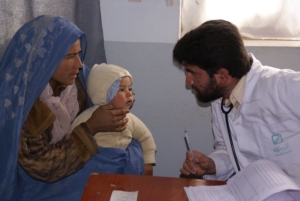
Women in AfghanistanThe United Nations Development Programme (UNDP) supports international development sustainably and structurally, aiming to eradicate poverty and provide countries with knowledge and resources to foster development. The UNDP has focused its efforts on supporting women in Afghanistan through the current economic climate. The organization is supplying women with vocational skills and financial knowledge to boost female employment. Due to the Taliban Administration, the UNDP operates within areas where exceptions to the constraints on women apply or where locally informed solutions exist.

The Situation in Afghanistan

Since August 2021 the Afghan economy has been in decline. In 2022, the number of households not having income to meet basic necessities rose from 16% to 36%. Policies under the Taliban Administration have had an especially limiting impact on women in Afghanistan, with restrictions imposed on education and employment.

In response to the situation, the UNDP adapted its programs to an integrated local development effort – Area-Based Approach to Development Emergency Initiatives (ABADEI). To prevent further economic breakdown, this program applies solutions at a community-based level. Grants are provided to small businesses, with a focus on supporting female-run organizations. Maintaining these local economies supports keeping structure and purpose within Afghan communities. The funds are supplied from U.N. contributions, in combination with the “Special Trust Fund for Afghanistan.” This fund coordinates support from UNDP agencies and non-government organizations.

Supporting Women in Afghanistan

In their support of female-owned businesses, UNDP aims to reboot the Afghan economy by supporting job creation and basic social services. Applying a “women for women” approach, it supplies the financial and technical support to women required to create employment. The UNDP supported 8,728 Micro, Small and Medium Enterprises through in-kind and cash support, 49.2% of these were female-led, according to its website.

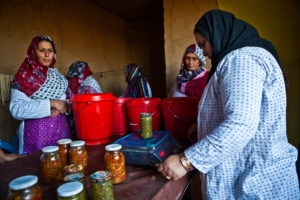
An area whereby the ABADEI programme has successfully implemented its goal is expanding community kitchens. Partnered with Care Afghanistan, these kitchens feed families and provide a source of income for those who work there.

Tamana Akbari

As a single mother, before these kitchens, Tamana Akbari had no source of income. In joining she has developed new relationships aiding in growing her confidence and social skills. The benefits are not just social, Tamana now has also fostered new culinary skills and is earning a salary of her own. She now acts as the sole breadwinner for her family.

Across five provinces there are a total of 47 community kitchens, these kitchens have provided 153,000 hot meals, feeding over 86,870 people. Organizations like these, foster social cohesion whilst also providing empowerment for women like Tamana, who prepare the meals. Fifteen female-run kitchens have supplied food for thousands. In Herat, alongside three men, 147 women distributed 2,200 free meals a day.

Local communities have embraced this initiative, and supported by UNDP’s ABADEI program, women in Afghanistan are being inspired to start similar projects of their own.

– Amelia Short

Amelia is based in Bradford, UK and focuses on Good News for The Borgen Project.

Photo: Flickr
October 31, 2024
https://borgenproject.org/wp-content/uploads/borgen-project-logo.svg 0 0 Jennifer Philipp https://borgenproject.org/wp-content/uploads/borgen-project-logo.svg Jennifer Philipp2024-10-31 01:30:022024-10-31 00:14:51UNDP Support Women in Afghanistan Working in Small Businesses 
Global Poverty

Turquoise Mountain: Reviving Heritage and Empowering Communities

Turquoise MountainIn regions like Afghanistan, Myanmar and the Middle East, where conflict has ravaged communities, cultural heritage often faces destruction. The loss of historic sites and traditional crafts not only threatens the identity of these communities but also endangers their economic survival. Turquoise Mountain, a nongovernmental organization (NGO), works to counter this. The organization works to revive traditional crafts, restore architectural heritage and provide sustainable livelihoods.

The Origins of Turquoise Mountain

Rory Stewart, a former British politician and diplomat, founded Turquoise Mountain in 2006. His experience in international development, particularly in war-torn regions, shaped the NGO’s mission to protect cultural heritage and create economic opportunities for local artisans. Turquoise Mountain aimed to preserve history while offering a way out of poverty. Stewart frequently references his involvement with the NGO on the podcast “The Rest Is Politics,” where he discusses its ongoing impact in fragile regions.

Reviving Traditional Crafts

A key part of Turquoise Mountain’s mission involves reviving traditional crafts. The organization has trained thousands of artisans in woodworking, ceramics, calligraphy and jewelry-making in Afghanistan, once central to the region’s identity. Many of these artisans come from extreme poverty or displacement and the skills they develop through Turquoise Mountain allow them to support their families while keeping traditions alive. Through access to international markets, Turquoise Mountain creates sustainable job opportunities, helping communities thrive.

Restoring Architectural Heritage

Another major focus of Turquoise Mountain involves restoring historic buildings damaged or neglected due to conflict. The organization has restored more than 150 historic buildings in cities like Kabul, where war destroyed much of the architectural landscape. These buildings, symbols of the region’s rich history, now serve as hubs of community activity. The restoration projects provide jobs for local workers and create spaces for education, health care and cultural exchange.

One of Turquoise Mountain’s most notable achievements is the revival of Murad Khani, a historic district in Kabul. Once a bustling center of trade and craftsmanship, Murad Khani had deteriorated after years of war. Under Stewart’s leadership, Turquoise Mountain restored the district’s traditional mud-brick buildings and reestablished it as a thriving artisan community. Today, Murad Khani exemplifies how restoring cultural heritage can drive economic revitalization in conflict zones.

Rory Stewart’s Vision and Influence

Stewart’s leadership has shaped Turquoise Mountain’s approach. His experience as a diplomat and exposure to some of the world’s most dangerous regions gave him insight into how culture can aid in rebuilding societies. Stewart believes cultural preservation can drive economic growth and Turquoise Mountain’s success proves that.

Stewart often shares stories of the organization’s work and challenges on “The Rest Is Politics.” His public profile has brought attention to the importance of cultural preservation in development work, positioning him as a key figure in the global effort to protect cultural heritage.

The Connection to Poverty Alleviation

Cultural preservation may not seem like an obvious way to alleviate poverty, but Turquoise Mountain’s work proves otherwise. By training artisans, restoring historic sites and connecting communities to global markets, the organization has created sustainable economic opportunities where they are most needed.

Turquoise Mountain’s impact is clear in Afghanistan, Myanmar and the Middle East: it creates jobs, supports families and revitalizes communities. As these regions recover from conflict, Turquoise Mountain’s projects lay the foundation for long-term stability by ensuring cultural identity and economic resilience remain intact.

– Harriet Conway

Harriet is based in London, UK and focuses on Good News and Celebs for The Borgen Project.

Photo: Pexels

October 5, 2024
https://borgenproject.org/wp-content/uploads/borgen-project-logo.svg 0 0 Lynsey 2 https://borgenproject.org/wp-content/uploads/borgen-project-logo.svg Lynsey 22024-10-05 01:30:162024-10-04 13:41:35Turquoise Mountain: Reviving Heritage and Empowering Communities
Activism, Development, Global Poverty

Gardening in Conflict: Sowing seeds of hope in war zones

Gardening in ConflictGardening in conflict offers a vital antidote; the planting of seeds is analogous to the transformation of lives uprooted by destruction. Gardens offer both symbolic relief and tangible rewards for citizens as they grapple with the reality of environmental devastation and displacement. The Journal of Alzheimer’s Disease Reports found that gardening promotes reminiscence and a sense of self, endowing communities and individuals with purpose.

Gardening in Conflict

Communities across the globe exhibit gardening in conflict as they cultivate alternative land and futures in the aftermath of war. War correspondent Lalage Snow writes of the desensitization associated with conflict, noting the wantonness of destruction in her book War Gardens: A Journey Through Conflict in Search of Calm.

Yet such desensitization is being challenged by community projects in areas once defined by war. From Burkina Faso to Afghanistan, gardeners display a belief in tomorrow by planting seeds that will outlast human conflict. Three projects particularly exemplify this sentiment and demonstrate that gardens can provide not only a means of survival but also sanctuary against a backdrop of unrest.

The RECOSA Project in Burkina Faso

Around 1.9 million people are now seeking refuge in disparate parts of Burkina Faso as armed groups have claimed entire regions of the country. The closure of 6,000 schools and rising food insecurity come alongside a sense of disconnection from personal land and heritage.

Initiated by the Red Cross and Handicap International, the RECOSA garden project is addressing such issues by creating shared spaces for growing crops and flowers. In Sebba, social cohesion is growing through communal gardens. Cross-border populations are particularly vulnerable to social dislocation, inhabiting a place characterized by the transitory movement of people. Seventy-five Sebba households learned to create shared gardens which has been transformative for those experiencing food insecurity and isolated from their communities.

Chihilsitoon Garden in Kabul

The Chihilsitoon Garden, like much of Afghanistan, suffered the civil war of the 1990s. It lay in ruins, a remnant of looting and destruction, for 25 years. However, in 2015, the Aga Khan Trust for Culture restored the 12.5-hectare Chihilsitoon garden to its former glory. By planting 5,000 new trees and populating the park with native flowers from nearby hills, a space became a sanctuary for the citizens of Kabul.

This drastic landscaping has created multifaceted opportunities for those still recovering from the turmoil of war and occupation. Waterways and paths, long lost under the rubble of conflict, have been recovered to form trails that connect various spatial experiences. Picnic and an amphitheater are linked through paths lined with flowers now tended by a team of Afghan farmers.

The rehabilitated garden provides citizens a sanctuary to socialize and form new associations with a place once tainted by war. The preservation of green spaces is restoring Afghan culture and social history; the planting of native flowers supplants former devastation.

Since its restoration, the gardens have annually attracted more than 400,000 visitors. The transformation of a former warzone into a green sanctuary has provided newfound hope for Afghanis.

Gardening in the War Zone of Kharkiv

Alla Olkhovska lives 20 miles south of the Russian-Ukraine border in Kharkiv, Ukraine. Confronted with daily air raid sirens, a reminder of the battlefield surrounding her, she seeks solace in the flowers and trees in her garden. Lacking the means to escape the country after Russia’s invasion, she has sought refuge in clematis and wild flowers. Her remarkable work has garnered international attention, allowing her to make a documentary, Gardening in a War Zone.

The documentary shows her horticultural skills and the therapy she finds in tending to her plants. At one point she admires the seedlings in her hand and the ability to hold multiple lives and future lives in one hand. This sentiment offers relief against a backdrop of conflict which threatens to destroy a generation’s future.

Alla’s work has also spawned a book, Clematis, which covers how best to cultivate the flower. In a message to the reader Alla says that writing the book during the war was particularly taxing and, faced with ‘constant missile attacks’ and a volatile psychological state, writing conditions were far from ideal. Yet a passion for gardening drowned out the wail of sirens in the distance. It has provided her with a sense of purpose, helping it grow into hope for her nation.

Whilst the reality of war can not be ignored, she refuses to accept defeat when confronted with the life found in plants every day. Her story is a testament to the power of gardens in reminding us that new life will prevail despite imminent threats to it.

Gardening in Conflict: Final Thoughts

The cultivation of seeds produces more than just plants; each seedling spawns newfound hope and autonomy. Gardening in conflict offers social cohesion. Yet it also speaks of human fortitude, and a remarkable ability to see potential in spaces once threatened by war.

– Lucy Tappin

Lucy is based in the UK and focuses on Good News for The Borgen Project.

Photo: Flickr

September 9, 2024
https://borgenproject.org/wp-content/uploads/borgen-project-logo.svg 0 0 Naida Jahic https://borgenproject.org/wp-content/uploads/borgen-project-logo.svg Naida Jahic2024-09-09 07:30:162024-09-08 23:25:27Gardening in Conflict: Sowing seeds of hope in war zones
Gender Equality, Global Poverty, Women's Rights

Fragility and Rule of Law in Afghanistan: Women’s Rights at Risk

Fragility and Rule of Law in AfghanistanThe Taliban, an Islamic fundamentalist group, returned to power in 2021 after a 20-year insurgency. Following its ousting by a United States (U.S.)-led invasion in 2001, the group regrouped across the border in Pakistan. Within a decade they began reclaiming territory in Afghanistan. Since its return to power, the Taliban has severely threatened Afghan civil rights and liberties. The group has revived practices similar to its oppressive rule in the late 1990s. The United Nations (U.N.) mission in Afghanistan has reported numerous human rights violations. Journalists face intimidation, press freedoms have been sharply curtailed and several news organizations, including The Daily Afghanistan, have shut down. Additionally, the Taliban has reinstated the Ministry for the Promotion of Virtue and Prevention of Vice, known for enforcing bans on activities deemed un-Islamic during its previous rule.
The Current State of Women’s Rights

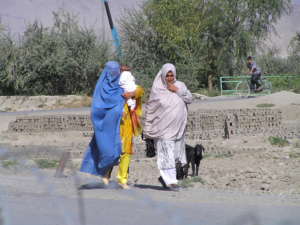
Women’s rights in the region have been eradicated. According to Amnesty International, Afghanistan ranks last for women’s rights globally, positioned at 177 out of 177 countries on the Women’s Peace and Security Index for 2023/2024. It is the only country that restricts girls’ access to education beyond the sixth grade and prohibits women from working for nongovernmental organizations.

The Ministry for the Promotion of Virtue and Prevention of Vice has expanded its authority to control personal behavior and enforce punishments rigorously. This expansion is based on a 114-page document with 35 articles dictating nearly every aspect of life in Afghanistan. “We assure you that this Islamic law will greatly aid in promoting virtue and eliminating vice,” said ministry spokesman Maulvi Abdul Ghafar Farooq. The ministry’s enforcers have the authority to detain and fine law violators.

Article 13, focused on avoiding temptation, mandates that women must conceal their figures, cover their faces and refrain from making eye contact with men who are not family members. Article 15 prohibits women from traveling without a male guardian or interacting with unrelated men. Acting Minister Mohammad Khalid Hanafi emphasized that there would be “no compromise in the enforcement of Islamic laws.”

Fragility and Rule of Law in Afghanistan

The collapse of the previous government has led to a significant breakdown in legal protections for women: ​​

  • Replacement of Existing Laws. The Taliban has replaced the existing legal framework with its strict interpretation of Sharia law, abolishing many rights and protections that women previously enjoyed under the Afghan constitution and civil code.
  • Arbitrary Implementation. The new legal system often applies rules arbitrarily, lacking consistent application and due process. This unpredictability further undermines the rule of law and leaves women vulnerable to rights violations.
  • Limited Access to Justice. Under the new regime, women face severe limitations. Many formal legal institutions have ceased to function or now exclude women entirely. This effectively denies them any recourse to legal protection or dispute resolution.

International Responses

The U.N. has been at the forefront of condemning the Taliban’s actions and advocating for women’s rights in Afghanistan:

  • The U.N. Security Council Resolution 2681 (2023) called for the immediate removal of all restrictions violating the rights of Afghan women and girls. 
  • The U.N. Secretary-General António Guterres has characterized the situation in Afghanistan as “gender apartheid.” The U.N. Special Rapporteur on Afghanistan, Richard Bennett, has called on the Taliban to release women human rights defenders and respect all human rights of women and girls.
  • Many countries have used diplomatic channels to express their concerns. The United Kindom (U.K.) The ambassador to the U.N. denounced the Taliban’s actions as “medieval misogyny above humanitarian need.” Multiple U.N. member states, including Albania, Ecuador, Malta and Spain, have characterized the situation as gender apartheid in U.N. Security Council sessions.

Legal and Policy Initiatives

Several legal and policy initiatives are being pursued to address the fragility of the rule of law in Afghanistan. 

  • Codifying Gender Apartheid: Efforts are underway to codify gender apartheid as a crime against humanity, potentially involving the International Criminal Court (ICC) in addressing systematic discrimination against women in Afghanistan. U.N. experts have called for investigations into the Taliban, holding them accountable for human rights violations based on gender, which amount to gender persecution.
  • Targeted Sanctions: Some nations are exploring the implementation of targeted sanctions against specific Taliban leaders responsible for rights violations. This approach aims to increase pressure on decision-makers within the Taliban regime. 
  • Humanitarian Aid Principles: Calls are intensifying for principled engagement in humanitarian aid. Furthermore, demands are being made for the Taliban to immediately lift the ban on Afghan women working for the U.N. and NGOs. There is also a push for supporting the full and safe participation of women in humanitarian decision-making and delivery, alongside increased support for humanitarian organizations, particularly those led by Afghan women.
  • Accountability Mechanisms: There are growing calls for accountability, a key feature in truly upholding the rule of law. Advocates demand that perpetrators of international human rights and humanitarian law violations face accountability. They emphasize the need to address gender persecution and other abuses targeting diverse women and girls.

Looking Ahead

The fragility of the rule of law in Afghanistan underscores the challenges of maintaining legal protections in unstable political environments. This situation highlights the need for robust international mechanisms to safeguard human rights and uphold the rule of law in fragile states.

– Hannah Ravariere-Moakes

Hannah is based in London, UK and focuses on Politics for The Borgen Project.

Photo: Flickr

September 7, 2024
https://borgenproject.org/wp-content/uploads/borgen-project-logo.svg 0 0 Precious Sheidu https://borgenproject.org/wp-content/uploads/borgen-project-logo.svg Precious Sheidu2024-09-07 01:30:032024-09-07 00:44:51Fragility and Rule of Law in Afghanistan: Women’s Rights at Risk
Aid, Global Poverty, Poverty Reduction

Ray of Hope for Visually Impaired Women in Afghanistan

Women in AfghanistanAfghanistan, a country in Central Asia, has been affected by conflict for at least five decades. Years of war have not only destroyed the country’s infrastructure but have also had a profound impact on the physical and mental health of its inhabitants, as well as deteriorated the human rights situation, especially for women in Afghanistan.

Disabilities in Afghanistan

The prevalence of disabilities in Afghanistan has seen a significant increase, primarily attributed to the ongoing conflict, widespread destruction and the lack of accessible medical facilities. The 2019 Model Disability Survey revealed that around 80% of the population aged 18 and above experiences some form of disability, with women disproportionately affected, experiencing a 14.9% higher impact compared to men. Afghanistan has one of the highest numbers of people with any form of disability per capita in the world. This situation is exacerbated by widespread poverty, limited access to education and health care, minimal job opportunities and cultural stigmatization.

Visual Impairment

A report published by The Fred Hollows Foundation has estimated that 1.5 million individuals in Afghanistan are living with some form of visual impairment, with 600,000 of them experiencing complete blindness. A report published in The Kabul Times has indicated that many of these individuals are women. This data underscores the significant impact of visual impairment, particularly among women, in Afghanistan.

In Afghanistan, women face substantial discrimination. They are particularly vulnerable due to limited access to education, minimal job opportunities and economic freedom. These challenges are exacerbated when women also have a disability, as they face even greater levels of marginalization and discrimination in the form of physical and emotional abuse and social isolation.

Ray of Hope

The United Nations High Commissioner for Refugees (UNHCR), in partnership with the Welfare Association for the Development of Afghanistan (WADAN), has launched a project in two provinces in eastern Afghanistan. The project focuses on teaching braille, basic math and essential life skills such as cooking and using a cane. Additionally, the project provides psychosocial counseling to empower women to address daily societal challenges and confront violence. In 2022, the project benefited 90 women, with another 200 women currently enrolled, offering them hope for the future. UNHCR and WADAN plan to expand the program further.

The Rayhab School for Children with Disabilities is another initiative supporting disabled Afghans. The school offers primary education, food and transportation for blind, deaf and speech-impaired boys and girls from impoverished families in Kabul. The school welcomes more than 400 children daily, with 40% of them being girls.

The current efforts to address the situation in Afghanistan are commendable, yet they are insufficient compared to the enormity of the issue. Despite this, they serve as a beacon of hope for millions impacted. 

– Maria Waleed

Maria is based in Yokohama, Japan and focuses on Good News, Global Health for The Borgen Project.

Photo: Flickr

August 30, 2024
https://borgenproject.org/wp-content/uploads/borgen-project-logo.svg 0 0 Lynsey 2 https://borgenproject.org/wp-content/uploads/borgen-project-logo.svg Lynsey 22024-08-30 07:30:172024-08-30 06:19:14Ray of Hope for Visually Impaired Women in Afghanistan
Agriculture, Drugs, Global Poverty

UN Initiative Curbs Afghanistan’s Opium Poppies

Afghanistan's Opium PoppiesFor decades, Afghanistan has been the world’s leading opium producer, supplying at least 70% of the global output. This vast industry, involving farmers, traffickers, warlords and authorities, has significantly funded the country’s conflicts with the United States (U.S.), particularly in southern Afghanistan, where farmers depend on cultivating Afghanistan’s opium poppies to sustain their livelihoods in an arid desert landscape where poppies thrive.
The Impact of the Taliban’s Opium Ban

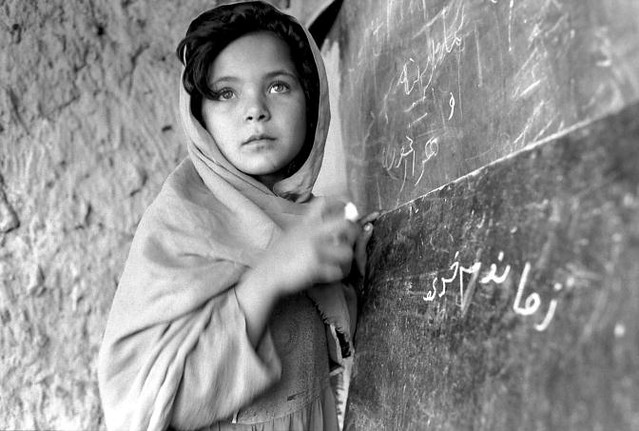
Life changed dramatically in 2022 when the Taliban, after seizing power, banned opium farming nationwide on religious grounds. Since the ban, farmers in the former opium fields have struggled to sustain their livelihoods with alternatives like wheat and cotton, whose prices have plummeted due to market saturation. The options for growing other crops are extremely limited in this area because of the harsh climatic conditions that challenge agriculture.

Economic Consequences of the Opium Ban

The ban on opium farming has deeply impacted Afghanistan, creating a cycle of economic instability and underdevelopment showcasing its reliance on the Afghanistan economy.  A sharp decline in annual revenue occurred after the ban, from $1.3 billion in 2022 to just $110 million in 2023. Projections suggest a continued economic downturn, with an estimated 6.4% reduction in GDP in the first year and approximately 8% by 2026, assuming a sustained 70% reduction in opium production. Replacing the opium poppy industry is no small feat in Afghanistan and requires substantial investment in alternative livelihoods and drought-resistant agriculture.

UNDP’s Role in Transitioning Afghanistan’s Agriculture

The United Nations Development Programme (UNDP) and its supporters aim to guide Afghanistan toward an economically viable transition from opium production to alternative crops or industries that foster growth and create sustainable livelihoods. This objective requires supportive policies and strong foreign aid to ensure a sustainable transition.

Initiatives and Achievements of CBARD-ALL

The Community-Based Agriculture and Rural Development – Access to Licit Livelihoods (CBARD-ALL) initiative is central to these ongoing efforts, which aim to replace opium poppies with high-value crops in key production districts. CBARD-ALL aims to enhance livelihoods and incomes throughout the agricultural industry in Afghanistan by supporting farmers who are reliant on opium production. These goals are achieved through a comprehensive approach that includes providing essential farming supplies and knowledge, advisory support, building greater capacity within these farms through diverse training programs and establishing agriculture infrastructure to handle the transition.

The United States International Narcotics and Law Enforcement Affairs is a major supporter of this initiative, providing substantial resources. The project has achieved notable accomplishments, including surpassing the target for repurposing greenhouses previously used for opium poppy cultivation, developing tools to enhance crop productivity and constructing numerous small-scale irrigation channels. Scheduled to conclude by Sept. 2025, the project seeks to establish a more sustainable agricultural future for Afghanistan.

Looking Forward

The CBARD-ALL initiative plays a crucial role in fostering sustainable alternatives to Afghanistan’s opium poppies, showing notable progress. By providing viable options rather than enforcing prohibitive measures, CBARD-ALL aims to improve the livelihoods and incomes of those impacted by the opium ban. This strategy not only reduces economic reliance on opium cultivation but also promotes economic resilience and diversification, crucial for the stability and development of rural areas. In regions dependent on agriculture and challenged by poor infrastructure and limited connectivity to major cities, this ongoing project is vital for securing a sustainable and lasting agricultural future in Afghanistan.

– Mathieu Paré

Mathieuis based in Toronto, Canada and focuses on Business and Good News for The Borgen Project.

Photo: Flickr

August 2, 2024
https://borgenproject.org/wp-content/uploads/borgen-project-logo.svg 0 0 Precious Sheidu https://borgenproject.org/wp-content/uploads/borgen-project-logo.svg Precious Sheidu2024-08-02 07:30:192024-08-02 03:49:31UN Initiative Curbs Afghanistan’s Opium Poppies
Education, Global Poverty, Nonprofit Organizations and NGOs

Sahar: The Organization Unlocking Education in Afghanistan

Education in AfghanistanEducation is crucial for unlocking opportunities and instilling hope. It can transform lives, empower individuals and uplift entire communities. However, not everyone has the chance to experience life-changing schooling. In Afghanistan, the situation is particularly dire: 80% of girls are out of school and less than one-third have ever entered primary education. This is not by choice. Due to the Taliban’s oppressive policies, which ban formal education for girls above the sixth grade, girls are barred from formal educational facilities. Despite these restrictions, many brave individuals and organizations are working tirelessly, often at great personal risk, to provide education to Afghan girls.

Education’s Impact

Education can bring social and economic development, reduce poverty and promote gender equality. In Afghanistan, educated girls are better equipped to contribute to their communities and the country’s development. However, the benefits of education are not limited to those who receive it directly. Educated women are more likely to ensure their children are educated, creating a positive cycle.

Sahar

Sahar, a nonprofit organization, has been at the forefront of the fight to educate Afghan girls. Since its creation in 2001, Sahar has helped educate 250,000 girls through 2024. The nonprofit provides grassroots schools and underground education, with people risking their lives to teach and learn. In 2001, Sahar aimed to build connections between the United States (U.S.) and Afghanistan, gradually expanding its mission. In this war-torn country, Sahar has built and supplied 39 schools, striving to serve those denied educational opportunities. Through education, Sahar opens pathways for girls to aim for a better life, targeting the 1.1 million girls lacking access to formal education.

Founded by Julia Bolz, an international humanitarian lawyer, Sahar has achieved remarkable success through partnerships. Information about said partners is limited, as partners in Afghanistan are actively breaking oppressive laws by protecting the human right to education. However, outside of Afghanistan, Sahar collaborates with several global partners. Sahar partners with the Afghan Ministry of Education, which helps maintain schools once they have been constructed. Additionally, foundations and philanthropists like Janet Wright Ketcham support the initiative, helping to construct two schools in Afghanistan. Institutes like the University of Washington and Coe Elementary School in Seattle have also supported Sahar’s goals through architectural assistance and fundraising efforts.

The Bright Future of Education in Afghanistan

The struggle for educational access in Afghanistan is ongoing. The Taliban’s restrictive policies, combined with cultural barriers, create significant challenges. However, the resilience and determination of Afghan girls and the organizations supporting them offer hope. Sahar’s work demonstrates the power of grassroots efforts and underground education in overcoming obstacles. By continuing to support Sahar and similar organizations, we can open up education and brighter futures for young girls. The fight for educational access in Afghanistan is far from over. 

– Abby Collins

Abby is based in Massachusetts, USA and focuses on Good News and Technology for The Borgen Project.

Photo: Flickr

July 21, 2024
https://borgenproject.org/wp-content/uploads/borgen-project-logo.svg 0 0 Lynsey 2 https://borgenproject.org/wp-content/uploads/borgen-project-logo.svg Lynsey 22024-07-21 07:30:442024-07-21 01:38:43Sahar: The Organization Unlocking Education in Afghanistan
Food Insecurity, Global Poverty, Nonprofit Organizations and NGOs, War and Violence

The Effectiveness of Welfare Programs in Afghanistan

Welfare Programs in AfghanistanAfghanistan has faced long-term, simultaneous crises for decades. Its recent drop from number one on the 2023 Watchlist does not signal improvement. Rather, the severity of the situation in East Africa has simply surpassed that of Afghanistan. Beyond monitoring data, the primary focus of welfare programs in Afghanistan is to meet the humanitarian needs of each citizen in areas aligned with the program’s mission. In Afghanistan, 3,001 nongovernmental organizations (NGOs)—including 2,753 local and 248 international—with 3,544 associations, actively work to bridge gaps in funding, human resources and technical expertise.

Poverty and Food Insecurity in Afghanistan

The Taliban takeover in 2021 increased displacement throughout Afghanistan displacing 3.2 million people from their homes. Most local and international NGOs stopped during that time but still held legal entity status. Samira Sayed Rahman, Afghanistan director of advocacy from the International Rescue Committee (IRC) stated, “Increasing hunger, natural disasters, unemployment, a banking and liquidity crisis, rights-violating restrictions on women and girls and the lack of a functioning economy mean Afghans are facing a multitude of simultaneous crises.”

More than 17 million Afghans face the daily threat of food insecurity.  According to the World Food Program (WFP), Afghanistan is one of the largest global humanitarian crises to exist at the moment.  With a population of 40.8 million people, 28.8 million of Afghanistan’s population needs assistance to alleviate suffering and maintain human dignity.

Causes of Poverty and Food Insecurity

Afghanistan faces multiple challenges contributing to 40% of its population facing food insecurity. These include a crumbling economy, recent floods, isolation, frequent earthquakes, recurring droughts, the impact of COVID-19, soaring food prices, the spread of illness, a water crisis and limited employment opportunities. Currently, international aid organizations subsidize more than 75% of Afghanistan’s public spending. Moreover, Afghanistan’s central bank funds remain frozen because the Islamic Emirate of Afghanistan (IEA) has not agreed to the conditions proposed by the Alliance for Human Rights in Afghanistan.

During the Taliban takeover in 2021, the Taliban effectively infiltrated most U.N.-managed programs. In response, several human rights organizations convened in March 2022 and established the Alliance for Human Rights in Afghanistan. This alliance now helps these organizations monitor the dire human rights situation in Afghanistan.

Welfare Organizations in Afghanistan

The people of Afghanistan need long-term sustainable solutions. Due to Afghanistan’s long-term economic crisis, it is difficult to assess the long-term impact each organization has had. However, here are a few key organizations with active welfare programs in Afghanistan:

  • The Cooperative for Assistance and Relief Everywhere (CARE). CARE has been providing humanitarian support in Afghanistan for more than 35 years. CARE International’s mission is to restore dignity and security, save lives, defeat poverty and achieve social justice. It is one of the leading humanitarian international NGOs in Afghanistan fighting poverty and providing life-saving assistance to vulnerable Afghans. CARE allocates 90% of its expenses to program services. In Afghanistan, CARE has developed impactful programs for vulnerable women and girls who need access to essential services. In addition, it supports multiple areas through these welfare programs, including humanitarian action, resilience, education and health equity and rights.
  • The International Rescue Committee (IRC). The IRC has provided support in Afghanistan for about 36 years. It has 5,002 staff members in Afghanistan and 99% are Afghans. Its mission is to help people whose lives and livelihoods are shattered by conflict and disaster to survive, recover and gain control over their future.
  • Food for Peace (FFP). The United States Agency for International Development’s (USAID) office of FFP supports the United Nations (U.N.) World Food Program (WFP) has provided support in Afghanistan for more than 60 years to reach vulnerable communities affected by the humanitarian crises. The WFP is committed to staying the course in Afghanistan as long as it is possible to deliver assistance to the Afghan people while ensuring the safety of its staff. Support from WFP and FFP includes regionally sourced in-kind food aid and cash transfers for food to vulnerable and drought-affected Afghans. Considering the catastrophic situation in Afghanistan, the WFP urgently needs $670 million between Jan. to June 2024 to be able to provide lifesaving support to vulnerable people in Afghanistan.                                           

Looking Ahead

Organizations and welfare programs in Afghanistan, including the Organization of Human Welfare (OHW), continue to serve states by stabilizing livelihoods and promoting resilience. Its effectiveness and impact depend on economic growth and change. Moreover, by providing education and training, multiple welfare organizations aim to shift the focus of the Afghan people from crisis to growth, reduce poverty and decrease their dependency on international aid in the future.

– Pamela Fenton

Pamela is based in Wall, New Jersey, USA and focuses on Global Health and World News for The Borgen Project.

Photo: Unsplash

June 26, 2024
https://borgenproject.org/wp-content/uploads/borgen-project-logo.svg 0 0 Precious Sheidu https://borgenproject.org/wp-content/uploads/borgen-project-logo.svg Precious Sheidu2024-06-26 01:30:272024-06-25 04:08:12The Effectiveness of Welfare Programs in Afghanistan
Aid, Global Poverty, Nonprofit Organizations and NGOs

The Work of The British Red Cross in Afghanistan

British Red Cross In AfghanistanConsidered one of the poorest countries in the world, Afghanistan is facing a rising humanitarian crisis characterized by ongoing conflict and violence, food insecurity exacerbated by El Niño, displacement of people and economic decline. Ultimately, poverty in Afghanistan is further exacerbated by the ongoing conflict and natural disasters, which leave many Afghans displaced. One major factor that has worsened poverty in Afghanistan has been the high prevalence of earthquakes, which has created instability, destruction and even death.

Ultimately, this has contributed to the collapse of Afghanistan’s health care systems at a time when Afghans need it the most. According to the United Nations Development Programme (UNDP), more than 34 million Afghans live in poverty. As a result of a rapid increase in the crisis in Afghanistan due to the security crisis, 23.7 million Afghans will require emergency assistance to survive in 2024.

For more than 30 years, the British Red Cross has been aiding Afghanistan through crises by responding to conflicts, natural disasters and individual emergencies. A part of a global volunteer network, the charity aids Afghans by helping them prepare for and withstand emergencies in their communities. Following is how the British Red Cross is aiding Afghanistan through times of crisis.

Support for Individuals Affected by Earthquakes

The humanitarian crisis in Afghanistan has become one of the world’s most severe. A country riddled with many burdens, one major hazard for the people of Afghanistan is earthquakes, which the government cannot compensate for due to a high prevalence of poverty. Statistics show that in 2016, more than 56% of Afghanistan’s population lived below the national poverty line; there is no doubt that the presence of frequent earthquakes has had a detrimental effect on the lives of many poverty-stricken Afghans.

In 2023, four large earthquakes measuring a magnitude of 6.3 each struck Afghanistan, claiming more than 2,000 lives, injuring 9,240 and seriously damaging and destroying 1,320 homes. In addition, hospitals have been overwhelmed, education has been interrupted due to school closures and vital resources have become scarce. Ultimately, this has resulted in the need for emergency humanitarian assistance for Afghans who have been injured and displaced.

In response, the British Red Cross is providing emergency resources for people affected by earthquakes. Providing Afghans with vital resources has enabled them to feel secure once again. The charity has provided 10,000 blankets, 4,000 tarpaulins, 6,000 jerrycans and food parcels for 2,000 households. In addition, local Afghan Red Crescent teams responded to the emergency immediately by helping with search and rescue, providing continuous aid to those seriously affected by earthquakes. Long-term support, especially for women and girls, is also provided.

Providing Medical Care

While health care in Afghanistan has always been scarce, recent statistics show that due to factors such as conflict as well as the devastating effects of earthquakes, there has been an alarming increase in the need for humanitarian aid in Afghanistan. Challenges in the health care system include a shortage of professionals, limited supplies and difficulty reaching remote and conflict-ridden areas.

As a direct result of underfunding in the health care system, eight million Afghans will lose access to life-saving health care, nearly 450,000 will lose access to life-saving trauma care and more than 1.6 million will have little to no access to mental health care and psychological support. This is detrimental as the recent effects of conflict have caused a spike in the need for health care.

In response, the British Red Cross has established 140 health teams in collaboration with other nonprofits, reaching nearly 330,000 people nationwide. These teams have provided health care services, such as routine immunizations, in areas other organizations cannot reach.

Looking Forward

Factors such as earthquakes and conflict and an underfunded health care system make it evident that Afghans still struggle to afford medicine and transportation to reach health services. The humanitarian crisis in Afghanistan necessitates continuous support from organizations to keep Afghans safe and healthy. With support from the British Red Cross, millions of Afghans have begun to rebuild their lives through the emergency aid provided by the organization. Despite these efforts, conflict and environmental disturbances remain severe issues for the people of Afghanistan.

– Emily Whatley

Emily is based in Truro, UK and focuses on Good News and Global Health for The Borgen Project.

Photo: Flickr

May 26, 2024
https://borgenproject.org/wp-content/uploads/borgen-project-logo.svg 0 0 Lynsey 2 https://borgenproject.org/wp-content/uploads/borgen-project-logo.svg Lynsey 22024-05-26 01:30:382024-05-25 10:31:19The Work of The British Red Cross in Afghanistan
Global Poverty

Investing in Women to Eradicate Gendered Poverty

Gendered PovertyPoverty does not affect everyone equally, regardless of gender. If things continue as they are, more than 340 million women and girls will still be living in extreme poverty by 2030. Gendered poverty, as highlighted by U.N. Women, remains a significant barrier to achieving gender equality and sustainable development globally.

Education and Economic Participation

Gendered poverty manifests in various forms, disproportionately affecting women and girls across the globe. Millions of girls are unable to attend school, especially in conflict-affected areas like Afghanistan. Globally in 2023, up to 129 million girls and young women could have been out of school, with an estimated 110 million projected to remain out of school by 2030, the U.N. Women reports. The fact that 32.1% of young women aged 15 to 24 were not in education, employment, or training (NEET) globally in 2022 concludes that women face systemic exploitation and oppression, impacting their access to education and opportunities.

Unpaid Labor and Wage Gap

For example – in a developing country like India, the disparity in unpaid labor is glaring, with women dedicating an average of 352 minutes daily to domestic chores compared to men’s 51.8 minutes. Despite its seeming insignificance to casual observers, the fact that nearly half of the female population, amidst a 1.3 billion-strong nation, goes unaccounted for in the annual GDP raises significant concerns.

Closing the gender wage gap is not just about fairness; it is also a critical step toward reducing poverty among working women, particularly single mothers. Studies consistently demonstrate that bridging this gap would lead to lower poverty rates for women across all states and contribute to greater economic security for women and their families. Ensuring equal pay for equal work promotes gender equality and uplifts communities, promoting economic resilience.

Impact Through Action

Despite the pressing need, a mere 4% of bilateral aid goes towards gender equality and women’s empowerment. Bridging the gap to achieve gender equality by 2030 requires an estimated annual investment of $360 billion, according to the U.N. Women.

International initiatives are driving tangible change in communities worldwide, amplifying the voices of women and girls and dismantling barriers to their empowerment. Through targeted programs and projects, they are actively working by providing financial resources, enhancing access to economic opportunities, and fostering an enabling environment for their participation in decision-making processes.

Fighting Gendered Poverty

Kazakhstan’s Commissioner for Children’s Rights, Dinara Zakiyeva, remarked on the imperativeness of legislative efforts to protect children’s rights, including bills aimed at combating domestic violence and bullying By providing accessible and affordable childcare options, the project empowers women economically too.

During 2023, Kazakhstan expanded childcare subsidies for both employed and unemployed mothers from 1 to 1.5 years and raised social benefits for individuals with disabilities by 14.5%. This enhanced support mechanism benefited nearly 700,000 parents throughout the year.

In Senegal, Mali and Niger, women are challenging stereotypes and emerging as successful entrepreneurs in the renewable energy sector with support from Plan International. The Economic and Social Development of Women through Renewable Energies in the Sahel (DESFERS) project empowers more than 21,000 women to harness opportunities in the renewable energy field, particularly solar power, to establish various small businesses. By addressing social, economic and cultural inequalities that hinder women’s economic participation, DESFERS aims to create avenues for women’s economic empowerment.

As part of this movement, the Stepping Stone Grassroots Women group, affiliated with the Huairou Commission, is actively addressing gendered poverty by empowering women traders and advocating for changes to protect women’s rights and dignity, the U.N. Women reports. Through their project, 16 female traders have been supported in establishing women-only fishponds, challenging traditional power dynamics and enhancing women’s economic independence. The group seeks to amplify women’s voices, address gender-based violence, and promote gender equality in all spheres of life.

– Malaikah Niyazi

Malaikah is based in Mumbai, India and focuses on Global Health and World News for The Borgen Project.

Photo: Unsplash

May 6, 2024
https://borgenproject.org/wp-content/uploads/borgen-project-logo.svg 0 0 Naida Jahic https://borgenproject.org/wp-content/uploads/borgen-project-logo.svg Naida Jahic2024-05-06 07:30:582024-05-06 01:39:05Investing in Women to Eradicate Gendered Poverty
Page 3 of 512345

Get Smarter

  • Global Poverty 101
  • Global Poverty… The Good News
  • Global Poverty & U.S. Jobs
  • Global Poverty and National Security
  • Innovative Solutions to Poverty
  • Global Poverty & Aid FAQ’s
Search Search

Take Action

  • Call Congress
  • Email Congress
  • Donate
  • 30 Ways to Help
  • Volunteer Ops
  • Internships
  • Courses & Certificates
  • The Podcast
Borgen Project

“The Borgen Project is an incredible nonprofit organization that is addressing poverty and hunger and working towards ending them.”

-The Huffington Post

Inside The Borgen Project

  • Contact
  • About
  • Financials
  • President
  • Board of Directors
  • Board of Advisors

International Links

  • UK Email Parliament
  • UK Donate
  • Canada Email Parliament

Get Smarter

  • Global Poverty 101
  • Global Poverty… The Good News
  • Global Poverty & U.S. Jobs
  • Global Poverty and National Security
  • Innovative Solutions to Poverty
  • Global Poverty & Aid FAQ’s

Ways to Help

  • Call Congress
  • Email Congress
  • Donate
  • 30 Ways to Help
  • Volunteer Ops
  • Internships
  • Courses & Certificates
  • The Podcast
Scroll to top Scroll to top Scroll to top