• Link to X
  • Link to Facebook
  • Link to Instagram
  • Link to TikTok
  • Link to Youtube
  • About
    • About Us
      • President
      • Board of Directors
      • Board of Advisors
      • Financials
      • Our Methodology
      • Success Tracker
      • Contact
  • Act Now
    • 30 Ways to Help
      • Email Congress
      • Call Congress
      • Volunteer
      • Courses & Certificates
      • Be a Donor
    • Internships
      • In-Office Internships
      • Remote Internships
    • Legislation
      • Politics 101
  • The Blog
  • The Podcast
  • Magazine
  • Donate
  • Click to open the search input field Click to open the search input field Search
  • Menu Menu

Tag Archive for: Human Trafficking

Posts

Human Trafficking, Slavery

The 21st Century: Modern Slavery

modern slavery
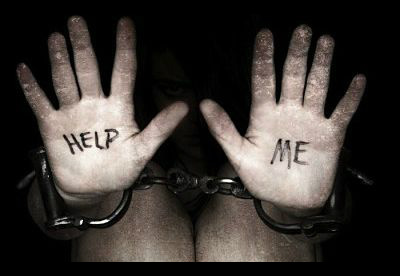
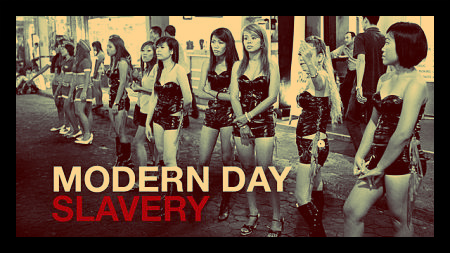
Most Americans are under the impression that slavery in the United States ended in 1865, but the reality is it just stopped being legal. Between 14,500 and 17,500 people are trafficked into the U.S. annually, and victims of human trafficking and modern slavery have been identified in cities, suburbs and rural areas of all 50 states.

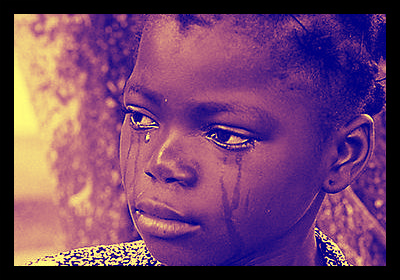
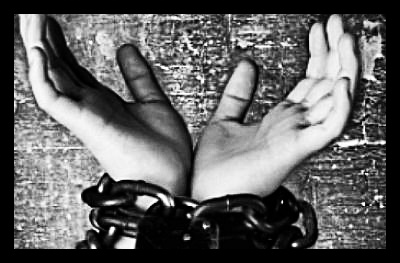
A modern-day slave is not paid, is not allowed to leave or abandon their job and is forced into dangerous or degrading positions against their will. Most modern slaves are coerced into leaving their native countries, thinking they are leaving for a better life. A conservative estimation of slaves in the world today is 12 million to 30 million, but many sources claim those numbers are far too low. In 2005, the U.S. State Department estimated that more than 70 percent of trafficked people were female and that half of them were children.

Professor Kevin Bales, co-founder of “Free the Slaves,” has studied the subject of modern slavery extensively and works tirelessly to collect data on a group that is, by definition, hidden. He and his team conducted their research by knocking on doors all over the world and interviewing families who had been affected, or knew someone who had been affected, by human trafficking.

Bales writes that the price of a slave has dropped dramatically since 1809, when the average price of a slave (after adjusting to today’s money) was $40,000; in 2009, the average price was $90.  Human trafficking generates an estimated $32 billion per year, ranking it as the third-largest international crime behind illegal drugs and arms trafficking.

Research conducted by the Polaris Project found the public’s lack of attention to the issue of human trafficking is often what keeps them imprisoned. “Some victims are hidden behind locked doors in brothels and factories. In other cases, victims are in plain view and may interact with community members, but the widespread lack of awareness and understanding of trafficking leads to low levels of victim identification by the people who most often encounter them.”

People who are desperate to improve their situation in life are the ones most vulnerable to falling into slavery. Uneducated women are in high demand as sex slaves and easy to trick when they are uneducated and desperate to find work. When there is nothing to go home to, some slaves lack even the motivation to resist.

Conflict zones are particularly ripe for traffickers. In 2006 during the armed conflict in Lebanon, 300,000 domestic workers from Sri Lanka, Ethiopia and the Philippines were left jobless, and trafficking gangs were quick to seduce them with alternative options.

The surest way of eliminating the business of modern slavery is to offer schooling in rural and impoverished areas so people can learn to provide for themselves where they are rather than seeking outside assistance. Teaching poor areas about the potential danger of traffickers is the first step toward ensuring they never have to live through the horror of slavery.

-Lydia Caswell

Sources: UNODC, CNN, Polaris Project
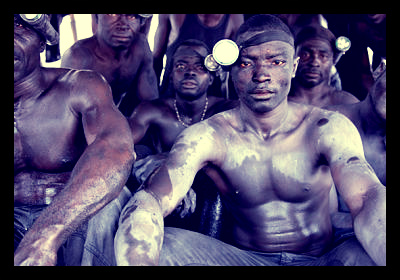
Photo: World Revolution

March 1, 2014
https://borgenproject.org/wp-content/uploads/borgen-project-logo.svg 0 0 Borgen Project https://borgenproject.org/wp-content/uploads/borgen-project-logo.svg Borgen Project2014-03-01 04:00:482024-06-04 01:17:34The 21st Century: Modern Slavery
Global Poverty, Human Rights, Human Trafficking, Slavery

10 Statistics on Slavery Today

Slavery Today
“Elementary students across America are taught that slavery ended in the 19th Century. But, sadly, nearly 150 years later, the fight to end this global scourge is far from over.”

Hillary Clinton wrote these words in an op-ed she penned as Secretary of State. Her words were calling the world’s attention to the hideous prevalence of modern slavery. Slave owners often hide the practice behind words and phrases such as “bonded labor,” “human trafficking” and “forced labor,” yet nothing changes the fact that human beings are being enslaved.

Calling for people, organizations and governments to “redouble our efforts to fight modern slavery,” Secretary Clinton advocated for using “every available tool” to set the international community on a course toward the eradication of modern slavery.


Slavery Statistics


1. An estimated 29.8 million people live in modern slavery today

2. Slavery generates $32 billion for traffickers globally each year

3. Approximately 78% of victims are enslaved for labor, 22% of victims are enslaved for sex

4. 55% of slavery victims are women and girls

5. 26% of slaves today are children under the age of 18

6. An estimated 60,000 victims of slavery are enslaved in the United States.

  •  The 2013 Walk Free Global Slavery Index places U.S. at 134th out of 162 countries
  •  Rankings were determined based on three factors: a country’s estimated slavery prevalence by population, a measure of child marriage and a measure of human trafficking.

7. Iceland, Ireland and the United Kingdom tied for the ranking of 160 in the 2013 Global Slavery Index. However, even with the top ranking in the survey, these countries are not free from slavery. In the United Kingdom alone, there are an estimated 4,200 to 4,600 victims of slavery.

8. The country with the highest percentage of of its population in slavery is Mauritania with approximately 4% of the total population enslaved. This amounts to roughly 140,000 to 160,000 people enslaved — Mauritania’s total population is only a mere 3.8 million.

9. India has the largest number of slavery victims at a horrifying 14 million.

10. The top 10 per-capita slavery hot spots are:

Mauritania
Haiti
Pakistan
India
Nepal
Moldova
Benin
Cote d’Ivoire
Gambia
Gabon

– Kelley Calkins 

Sources: Free the Slaves, Walk Free Foundation, US State Department
Photo: Exposing the Truth

February 4, 2014
https://borgenproject.org/wp-content/uploads/borgen-project-logo.svg 0 0 Borgen Project https://borgenproject.org/wp-content/uploads/borgen-project-logo.svg Borgen Project2014-02-04 21:00:562024-12-13 17:49:5810 Statistics on Slavery Today
Gender Equality, Human Rights, Human Trafficking, Violence Against Women, Women and Female Empowerment

White House Releases Strategic Human Trafficking Plan

human_trafficking
On January 14, the United States government took a strong step toward combating modern-day slavery. The White House released its Federal Strategic Action Plan on Services for Victims of Human Trafficking 2013-2017 in the United States — the first of its kind — on Monday. The Plan’s release is a timely one, as January marks National Slavery and Human Trafficking Prevention Month.

According to White House blog writer Cecilia Munoz, the Plan “describes the steps that federal agencies will take to ensure that all victims of human trafficking in the United States are identified and have access to the services they need to recover and to rebuild their lives.” The federal government anticipates increased coordination, collaboration and capacity across multiple agencies over the span of five years.

More than 15 federal agencies were involved in developing the Plan, with public feedback from concerned stakeholders; the Departments of Justice, Health and Human Services and Homeland Security spearhead the efforts.

While the ultimate aspiration – identification of and access to services for all trafficking victims – is ambitious, the Plan is broken down into four more succinct goals: align efforts at the federal, regional, state and local levels, improve understanding through amplified research and data evaluation, expand access to services via outreach and training and improve both short- and long-term outcomes for victims.

Concise methods and action steps for achieving these goals are delineated throughout the document.

Victim sensitivity and empowerment are the cornerstone of the government’s action plan. “Meaningful engagement with survivors,” states to the Plan’s core values, “in all aspects of program development, implementation, and evaluation is critical in order to develop effective service networks.”

Furthermore, the Plan will focus on increased public awareness and sustainable solutions for trafficking survivors.

Reiterating the importance of a victim-centered approach, President Obama offers an encouraging and personal sentiment in the opening pages of the release: “To those who are suffering and have suffered the horrors of human trafficking, our message remains: We hear you. We insist on your dignity.” This statement sets the tone for the goals of the Federal Strategic Action Plan and carries a message of justice to activists, advocates, victims and survivors across the country and the globe.

– Mallory Thayer

Sources: White House Blog, Office for Victims of Crime
Photo: News One

January 28, 2014
https://borgenproject.org/wp-content/uploads/borgen-project-logo.svg 0 0 Borgen Project https://borgenproject.org/wp-content/uploads/borgen-project-logo.svg Borgen Project2014-01-28 04:00:102014-03-03 14:45:57White House Releases Strategic Human Trafficking Plan
Activism, Gender Equality, Global Poverty, Health, Human Trafficking, United Nations, Women and Female Empowerment

UN Women and the Fight for Equality

UN Women is an organization that was created in July 2010 by the United Nations General Assembly. The organization’s full name is the United Nations Entity for Gender Equality and the Empowerment of Women; its mission is to promote gender equality throughout the world and champion women from all walks of life.

Many women in the world face discrimination in the workplace, and receive fewer opportunities when it comes to career and educational advancement. UN Women sees this kind of gender discrimination happening all over the world, and makes it a part of its agenda to ensure that women have basic and equal human rights. Women are often denied access to health care, and even worse, they lack the political voice to change such conditions because of their stark under-representation in governmental decision making.

One of the major issues on the UN Women’s agenda is the end to violence against women. In a 2013 global review, published by the World Health Organization, it was reported that 35 percent of women in the world have experienced some kind of violence from an intimate partner. UN Women also focuses on the different aspects that are associated with violence against women: sex trafficking, child brides, rape, and sexual harassment in the work or education place.

Partnering with government agencies is an effective way that UN Women is able to take action against the various forms of discrimination against women. UN Women channels its efforts on implementing laws that will help protect women against threats like violence. It also advocates for policies that will open up more economic opportunities for women.

The wage gap between men and women is something that UN Women takes very seriously and seeks to bring to a close by implementing policies that argue for fairness in the workplace. A large part of the organization’s mission to empower women comes from its dedication to spread awareness in response to the AIDS epidemic. Women make up 54 percent of all people living in the world with HIV. UN Women has made it a job to spread awareness on the factors connected to the spread of HIV/AIDS. With the help of its partners, and resources UN Women has been able to broadcast the voice of women living with AIDS and it takes steps to help prevent the spread of the disease.

UN Women is gaining momentum and acquiring more support. Actress, Nicole Kidman, showed her support for the organization during an acceptance speech at the Variety Magazine Power of Women Awards event. Kidman encouraged her audience to see the desperate need for women’s equality in the world.

– Chante Owens

Sources: UN Women, Daily Mail

October 23, 2013
https://borgenproject.org/wp-content/uploads/borgen-project-logo.svg 0 0 Borgen Project https://borgenproject.org/wp-content/uploads/borgen-project-logo.svg Borgen Project2013-10-23 04:00:172024-05-25 00:29:29UN Women and the Fight for Equality
Human Trafficking, Slavery, Women & Children

Top 7 Facts about Modern Day Slavery

modern day slavery shocking facts
The facts about modern day slavery are shocking and remain largely unknown to much of society. Below are the top modern day slavery facts.


Top Modern Day Slavery Facts


1. When Americans think about slavery, what often comes to mind is the transatlantic slave trade, Africans displaced from their homeland and the Underground Railroad. Though slavery has officially been abolished, modern day slavery exists. Slavery is not simply a thing of the past. It is estimated that there are anywhere from 20 to 30 million people who are in slavery at this moment. This is a large increase from the 12.3 million slaves estimated in the 2005 study done by the International Labour Organization (ILO). The number is huge and leaves many wondering what can be done to help those who endure the cruelties of others who enslaved and stripped these individuals of their freedom.

2. Contemporary slavery is not restricted to just one area. Forced labor lies within the realms of sexual abuse and prostitution, state-enforced work and many others. According to the ILO, someone is enslaved if he or she is:

  • forced to work through mental or physical threat
  • owned or controlled by an “employer,” usually through mental or physical abuse or the threat of abuse
  • dehumanized, treated as a commodity or bought and sold as “property”
  • physically constrained or has restrictions placed on freedom of movement

3. As of 1981, slavery is not considered legal anywhere. That year, Mauritania became the last country in the world to abolish slavery. However, the act of owning slaves didn’t become a crime in Mauritania until 2007. That being said, many in the country defied the law regardless. In fact, only one slave-owner has been successfully prosecuted in Mauritania. Despite the fact that slavery is illegal, it continues to happen and the practice affects all ages, races and genders.

4. Slave-owners often use euphemisms instead of the term “slavery” in order to avoid getting caught. Such euphemisms include: debt bondage, bonded labor, attached labor, restavec (a French word that means “one who stays with”), forced labor and indentured servitude.

5. According to the U.S. Department of State’s 2007 Trafficking in Persons report, there are 800,000 people trafficked across international borders every year; 80 percent of those victims being female. Even more shocking is the fact that 50 percent of these people are children under the age of 18. These victims live within 161 different countries.

6. Slavery doesn’t just reach adults; children are a very large part of contemporary slavery, especially in prostitution. According to the U.S. Department of State, one million children are exploited by the global sex trade every year. The average age a teen enters the American sex trade is 12-14 years of age. These children are typically runaways who were abused sexually at an even younger age.

7. The average cost of a slave is about $90.

– Samantha Davis

Sources:  CNN: Freedom Project, Antislavery.org, CNN, AbolitionMedia.org
Photo: Lisa Kristine


October 14, 2013
https://borgenproject.org/wp-content/uploads/borgen-project-logo.svg 0 0 Borgen Project https://borgenproject.org/wp-content/uploads/borgen-project-logo.svg Borgen Project2013-10-14 22:18:152024-06-04 01:17:32Top 7 Facts about Modern Day Slavery
Slavery

Taiwan Takes Firm Stance Against Human Trafficking

taiwan_human_trafficking
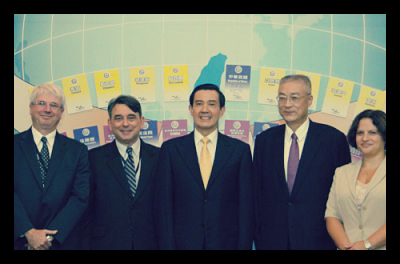
October 1, 2013 marked the opening ceremony of the International Workshop on Strategies for Combating Human Trafficking in Taipei City, Taiwan. The workshop serves to stimulate conversation and collaboration for human rights protection and is organized by the National Immigration Agency under the Ministry of the Interior. Around 200 policy experts and officials from Taiwan and abroad attended, including those from Brazil, Canada, Vietnam, the U.K. and 16 other countries.

Vice President of the Republic of China (ROC), otherwise known as Taiwan, Wu Den-yih, took a staunch stance against human trafficking at the opening ceremony. He stated that protecting human rights is a universal value that needs international attention. He also highlighted the firm commitment of the ROC government against human trafficking and violations of human rights.

In the days after the opening ceremony, the workshop hosted six discussion panels ranging from topics pertaining the protecting the youth from sex crimes to trying to prevent modern-day slavery and labor exploitation. Many guest speakers were featured at panels, including officials from the U.S. Department of Homeland Security.

This year was the fourth consecutive year that the U.S. State Department awarded Taiwan the Tier 1 status of the U.S. State Department Trafficking in Persons (TIP) Report, based on the government’s effort to fight human trafficking. While the Department of State places countries into one of three tiers, this ranking has no indication of the prevalence of human trafficking in the country, or lack thereof. The ranking simply acknowledges the effort a government has made to make human trafficking a pressing concern in the national political discourse and to attempt to address the problem.

Nevertheless, Taiwan’s ranking demonstrates its commitment of protecting human rights and ending human trafficking. In recent years, Taiwan has been improving law enforcement training, strengthening support services by building shelters and providing temporary work, and establishing policy strictly prosecuting traffickers, such as the Human Trafficking Prevention Act.

– Rahul Shah

Sources: UNPO, AIT, US State Department
Photo: American Institute in Taiwan

October 10, 2013
https://borgenproject.org/wp-content/uploads/borgen-project-logo.svg 0 0 Borgen Project https://borgenproject.org/wp-content/uploads/borgen-project-logo.svg Borgen Project2013-10-10 19:17:592024-05-25 00:24:37Taiwan Takes Firm Stance Against Human Trafficking
Human Rights, Human Trafficking

3 Countries With the Most Human Trafficking

human-trafficking
Human trafficking stands out as one of the worst social crimes in today’s society, as victims are kidnapped and separated from their families to face a life as a sex slave, child soldier, or unpaid laborer, all subject to inhumane forms of abuse. Three countries stand out for their particularly poor performance in fighting human trafficking, specifically in regards to the numbers of trafficking victims and their government’s lack of action to address these problems. Below are the 3 countries with the most human trafficking.

1. China takes the stage as a country needing improvement. The U.S. State Department’s recent Trafficking In-Persons Report accused China of government-induced forced labor through their policies involving ‘re-education through labor.’ In addition to these labor problems, the sex slave trade has reportedly risen lately in China. China has garnered repeated criticism for its government programs that require migrants to work in mines or factories without pay as well as its labor camps. Demographic changes in China due to the one-child policy have affected the boy to girl ratio, which now stands at 118 boys for everyone 100 girls, and consequently resulted in an increased demand in prostitution. This demand for prostitutes has contributed to an influx of sex slaves into China, with many women forced or lured from their homes into this horrific practice.

2. Russia suffers from similar issues, with an estimated 50,000 children forced into prostitution and approximately 1 million people working without the proper documentation to receive payment. The labor conditions for these unpaid workers stand out for their equal horror. There are reports of major overcrowding, contributing to unsanitary conditions and the spread of disease in addition to inadequate nutrition, 12 hour work days, and no time off. Last year, Russia’s government faced much criticism when hundreds of workers died after being locked in employment housing. Many factor owners use intimidation and physical abuse to scare their employees into continuing their forced labor. These laborers lack citizenship, medical care, paychecks, and other basic human rights. Such inhumane labor policies take place in many different industries and markets, legitimate and underground, including narcotics, garment and textiles, manufacturing, agriculture, construction, groceries, and domestic services.

3. Uzbekistan maintains two major facets in its battle with trafficking. First, the Uzbekistan government forces many of its citizens to labor without reward. Child labor remains a major concern, with thousands of children under the age of 15 forced into factories or fields, despite the government making child labor illegal. One activist even reported a mental hospital forcing its patients into unpaid labor. In addition to this debacle with the government forcing its citizens to work without payment, Uzbekistan has developed into a source country for traffickers to recruit their victims. Most trafficked people in Uzbekistan are shipped to nearby Russia and Kazakhstan to work undocumented in unhealthy conditions.

While these three countries stand out for their need for major change to address the problems associated with human trafficking, they are just three among the hundreds of nations which maintain a need for assistance in dealing with the sex trade and forced laborers around the world. The only way to solve this problem and put an end to human trafficking, is for countries to unite and work together in a global commitment to stop tolerating this illegal trading of human lives.

– Allison Meade

Sources: World Mag , Wall Street Journal, The Atlantic, State Department
Photo: Sarajevo Times

August 19, 2013
https://borgenproject.org/wp-content/uploads/borgen-project-logo.svg 0 0 Borgen Project https://borgenproject.org/wp-content/uploads/borgen-project-logo.svg Borgen Project2013-08-19 06:33:442024-06-04 02:43:583 Countries With the Most Human Trafficking
Human Trafficking, War and Violence

Torture Camps in the Sinai Desert

Sinai_Desert_torture
Various Bedouin tribes have turned the Sinai Triangular Peninsula into a nightmare for Africa with their torture and human trafficking. The tribes profit through their kidnapping regime and ransom strategies, making millions of dollars in the process.

This kidnapping racket has existed for many years. Bedouin tribes snatch refugees during their flight from their home countries or while they are in refugee camps. Have left their homes to build a better life, the kidnapped victims largely originate from Eritrea, Somalia, Ethiopia, and Sudan, often on their way to Europe or Israel. There have been reports of bribed border-patrolmen who enable the kidnappings. The victims are next transported to Sinai, where they are tortured and held for ransom. Oftentimes, they are sold multiple times, passed from trader to trader with new ransoms each time. The ransom fees reach up to $50,000, an impossible amount for most African refugee families.

While held in the camps, sickening acts of torture take place. Various forms of physical torture, sexual torture, and starvation are among the most common. One means of transport involves placing the victims in metal shipping containers without ventilation or toilets. The Physicians for Human Rights director, Shahar Shoham, has reported over 1,300 individual incidents of torture in Sinai alone. However, Shoham reports the majority of torture cases go undocumented. Known torture methods include upside-down hanging, electric shocks, and pouring liquid plastic on them, sometimes while on the phone with their families in an attempt to scare their relatives into providing the ransom money.

According to the New York Times, abductors have captured over 7,000 refugees, with 4,000 of their victims dying durring imprisonment. Even if captives manage to escape or be released due to a paid ransom, their situation remains bleak. They are left to wander around the Israeli border and attempt to make the dangerous border-crossing. They must also avoid Israeli and Egyptian police, or risk being arrested or deported back to the countries they originally fled.

Even with all this information available, little is being done to address the problem. In fact, the problem is reported to be worsening. Friendly Bedouin tribes offer assistance to escaped torture camp victims, but do not have the political clout necessary to make any real change. Opponents of the torture camps fear a massive bloodshed if any attempts are made to stop the kidnapping heists. The Egyptian government has essentially turned a blind eye on this deadly region as well, leaving these victims on their own to fight for their rights.

– Allison Meade

Sources: CBN, Canada Free Press
Photo: Blogspot

August 18, 2013
https://borgenproject.org/wp-content/uploads/borgen-project-logo.svg 0 0 Borgen Project https://borgenproject.org/wp-content/uploads/borgen-project-logo.svg Borgen Project2013-08-18 09:00:432017-02-01 12:56:46Torture Camps in the Sinai Desert
Global Poverty, Human Rights, Human Trafficking

Thailand’s Trouble with Human Trafficking

sex_trafficking_thailand
Human trafficking has grown into a widespread and horrific issue in Thailand. The country has become a trafficking hub, sending and recruiting people all over the world to work in prostitution, unfair labor situations, forced marriages, sex tourism, and other crimes.

The majority of the human trafficking in Thailand feeds into prostitution. The country has struggled with its treatment of women since it became a country in the 1930s. The country did not grant equal rights to women until 1997 and today is still not enforcing these standards of equal rights consistently. Research conducted by the Ministry of Public Health in Thailand explains that approximately 1.5 million female children report cases of abuse annually. This shocking number does not include the vast number of cases left unreported. Further inquiry into these discoveries by the Ministry of Public Health reveals that females under 15 years old made up nearly one half of all reported rape and abuse cases in Thailand.

Sex trafficking and prostitution have always been a part of Thailand’s history, however, the Vietnam War contributed to an explosion of the issue between 1955 and 1975. With an influx of anxious, homesick, and bored soldiers into the country, spilling over from Vietnam, the demand for prostitution skyrocketed, resulting in the growth of the human trafficking industry which still remains today. The influx in human trafficking during this time, combined with a historical view of women as inferior, has led to the cultural acceptance of prostitution throughout most of Thailand. The World Health Organization estimates that Thailand currently has nearly 2 million sex workers.

Deep poverty and desperation of many Thai citizens have contributed to the human trafficking industry and problems that have derived from it. People who do not hold proper immigration documentation or citizenship are the most vulnerable recruits, as they perceive this path as their only opportunity to make money. Recruiters target many impoverished people, telling them they are being led to a job where they will have an opportunity to make money to send to their family. The hill tribe women in Northern Thailand, who lack citizenship papers, often fall into prostitution, as it is the only job they can perform without needing proof of citizenship.

Victims of human trafficking can be forced into prostitution or the sex trade or other forms of difficult labor, often without any pay or any limitation on the amount of hours they must work. Though exact numbers are currently unknown, trafficked children make up a significant part of the labor force in construction work zones or factory sweatshops. Many of these trafficking victims work in the fishing industry and relayed how it was not uncommon for a boat captain to kill any of the fishermen who fell sick or too weak to work under these harsh conditions.

Some critics have called for the legalization of prostitution in Thailand as a method of curbing the trafficking problem. This could lead to better legal protection for prostitutes and would put many traffickers out of business. Additionally, if the industry were legal the government could tax it, making a profit of it and discouraging people from prostitution, as it would be more expensive to cover the tax. However, Thailand would be taking a step backwards in their push to end trafficking and prostitution. While it may sound economically beneficial to legalize prostitution, one must not forget the basic violation of human rights that prostitution, forced labor, and the slave trade infringes on its victims.

– Allison Meade

Sources: State Department, Human Rights Watch, Human Trafficking
Photo: Sabre

August 6, 2013
https://borgenproject.org/wp-content/uploads/borgen-project-logo.svg 0 0 Borgen Project https://borgenproject.org/wp-content/uploads/borgen-project-logo.svg Borgen Project2013-08-06 04:58:032024-05-25 00:14:37Thailand’s Trouble with Human Trafficking
Health

What the Supreme Court Did for HIV Prevention

What the Supreme Court Did for HIV Prevention
On June 20, the United States Supreme Court delivered their decision in the case of the US Agency for International Development (USAID) v. Alliance for the Open Society Institute International (AOSI). The highest court in the country ruled 6-2 that USAID had violated the first amendment of the U.S. Constitution by requiring private organizations to take a pledge not to provide funding for HIV prevention to sex workers. The landmark decision means that HIV/AIDs prevention organizations all over the world will now be able to seek USAID funding without having to sign a pledge that would exclude the very people they are trying to serve.

In 2003, USAID implemented a new law that required all groups receiving U.S. government funds for international HIV/AIDs work to adopt policies opposing prostitution. The “anti-prostitution loyalty oath” mandated that these organizations take the official position on prostitution that the U.S. government does, which is that all forms of sex work are illegal. The oath resulted in the defunding of numerous HIV prevention organizations that deliberately serviced sex workers.

The government, and by proxy USAID, officially equate prostitution with human trafficking. These organizations, however, take the stance that not all sex work is the result of trafficking and that some women and men willfully enter into prostitution. They want to make sex work safer for those involved, recognizing that it will continue despite attempts to stop it.

In September 2005, AOSI began challenging the loyalty oath in federal courts, labeling it unconstitutional. They argued that the oath was in violation of private organizations’ first amendment rights because it required them to adopt the government’s point of view and restricted what they could say or do. The Supreme Court agreed. This ruling brings the U.S. one step closer to accomplishing its goal of eradicating HIV. Instead of adopting policies that contradict their objective, USAID will now have to align itself with it.

– Allana Welch

Sources: Huffington Post, Johns Hopkins, PR News Wire
Photo: Politics PA

July 23, 2013
https://borgenproject.org/wp-content/uploads/borgen-project-logo.svg 0 0 Borgen Project https://borgenproject.org/wp-content/uploads/borgen-project-logo.svg Borgen Project2013-07-23 11:28:012024-12-13 17:49:31What the Supreme Court Did for HIV Prevention
Page 7 of 8«‹5678›

Get Smarter

  • Global Poverty 101
  • Global Poverty… The Good News
  • Global Poverty & U.S. Jobs
  • Global Poverty and National Security
  • Innovative Solutions to Poverty
  • Global Poverty & Aid FAQ’s
Search Search

Take Action

  • Call Congress
  • Email Congress
  • Donate
  • 30 Ways to Help
  • Volunteer Ops
  • Internships
  • Courses & Certificates
  • The Podcast
Borgen Project

“The Borgen Project is an incredible nonprofit organization that is addressing poverty and hunger and working towards ending them.”

-The Huffington Post

Inside The Borgen Project

  • Contact
  • About
  • Financials
  • President
  • Board of Directors
  • Board of Advisors

International Links

  • UK Email Parliament
  • UK Donate
  • Canada Email Parliament

Get Smarter

  • Global Poverty 101
  • Global Poverty… The Good News
  • Global Poverty & U.S. Jobs
  • Global Poverty and National Security
  • Innovative Solutions to Poverty
  • Global Poverty & Aid FAQ’s

Ways to Help

  • Call Congress
  • Email Congress
  • Donate
  • 30 Ways to Help
  • Volunteer Ops
  • Internships
  • Courses & Certificates
  • The Podcast
Scroll to top Scroll to top Scroll to top