• Link to X
  • Link to Facebook
  • Link to Instagram
  • Link to TikTok
  • Link to Youtube
  • About
    • About Us
      • President
      • Board of Directors
      • Board of Advisors
      • Financials
      • Our Methodology
      • Success Tracker
      • Contact
  • Act Now
    • 30 Ways to Help
      • Email Congress
      • Call Congress
      • Volunteer
      • Courses & Certificates
      • Be a Donor
    • Internships
      • In-Office Internships
      • Remote Internships
    • Legislation
      • Politics 101
  • The Blog
  • The Podcast
  • Magazine
  • Donate
  • Click to open the search input field Click to open the search input field Search
  • Menu Menu

Tag Archive for: Economic Growth

Information and news about economic growth

Posts

Development, Foreign Aid

The BRIC Countries Growing Contributions to International Aid

BRIC_countries
Times are changing in the realm of foreign aid. Recent economic downturns have caused the aid levels of traditional donors like the US, Japan and the European Union to stagnate. However, another group of countries is rising to take their places. While in the past, these countries have received large amounts of foreign aid, they have rapidly evolved into some of the biggest benefactors. These burgeoning non-traditional donors are the BRIC countries.

Devised in 2001 by Jim O’Neil of Goldman Sachs, the acronym, BRIC, indicates Brazil, Russia, India and China. Within their borders, they contain 40% of the global population, encompassing a quarter of the world’s land and constitute another quarter of the global GDP. Those are some significant fractions.

Though already substantial, the BRIC countries stand to grow into the largest economies of the 21st century. According to predictions, China will have the largest GDP in the world by 2050, nearly twice that of the US. While China’s BRIC cohorts, India, Brazil and Russia are expected to stand at third, fifth and sixth places respectively.

In coincidence with their economic expansions, the BRIC countries have also stepped up their contributions to foreign aid. Estimates place China at the head of the pack with foreign aid spending in the broad range of $4 billion to $25 billion annually. According the Council on Foreign Relations, “This higher estimate would make China the second-largest provider of aid after the United States.” The rest of the BRICs trail behind. Estimates suggest India donates up from $680 million to $2.2billion annually, followed by Brazil with $400 million to $1.2 billion and finally, Russia with $500 million a year.

Excluding China however, these levels still hardly match traditional donors such as Norway, Sweden, Australia, Japan, the UK, France, Germany and Italy. Russia’s aid spending equals approximately that of Greece, while India’s spending compares to that of Portugal.

So then, what exactly makes the BRIC foreign aid spending significant?

Though the BRICs do not spend nearly as much as traditional donors, they spend in more incisive and focused manners. According to the GHSi, “international organizations have started looking to the BRICS as potential donors and health innovators in their own right . . . These countries represent a potentially transformative source of new resources and innovation for global health and development.”

India in particular has focused on global health initiatives that have labeled it “The Developing World’s Pharmacy”. As a major manufacturer of pharmaceuticals, India makes 60% to 80% of vaccines used by the UN and 80% of all donor-funded HIV treatments to developing nations.

Growth in spending, rather than the sheer magnitude of spending, also distinctively marks BRICs from more traditional donors. According to Reuters, all BRIC countries have heavily accelerated foreign aid spending in recent years. China has quadrupled its foreign aid spending between the years 2004 and 2011. According to their estimates, Brazil’s aid spending has had an annual increase of 20% a year between the years of 2005 and 2011. In 2010, Russia’s aid spending had quadrupled since 2006.

This growth also comes at a time when some traditional donors’ spending has become stagnant. While India’s foreign aid spending has, according to Reuters, “grown . . . at a rate 10 times that of the US,” Italian foreign aid has “fallen 10 percent in [the same] period.” In 2014, other traditional donors like Canada, France and Portugal all significantly decreased foreign aid spending.

For the rapidly expanding BRIC countries, foreign aid serves as a way to galvanize their position amongst the more traditional global powers. While they still cannot quite match their more developed counterparts, their increasing foreign aid spending reflects their predicted ascension into economic prosperity.

– Andrew Logan

Sources: Asia Pathways, CFR Global Sherpa 1, Global Sherpa 2 IPS News, NCBI Reuters, The Guardian 1 The Guardian 2
Photo: Flickr

July 2, 2015
https://borgenproject.org/wp-content/uploads/borgen-project-logo.svg 0 0 Borgen Project https://borgenproject.org/wp-content/uploads/borgen-project-logo.svg Borgen Project2015-07-02 15:59:592024-06-05 03:46:36The BRIC Countries Growing Contributions to International Aid
Economy, Food Security, Nonprofit Organizations and NGOs, USAID

VEGA Brings Economic Growth Globally

VEGA
The Volunteers For Economic Growth Alliance, or VEGA, is a nonprofit that brings its members together to execute economic growth projects overseas.

Founded in 2004, VEGA was originally an initiative of the United States Agency for International Development. The organization was meant to be a procurement partner.

Today, VEGA represents itself as a respected NGO alliance of 23 member organizations. Each member brings its expertise to the Alliance to allow VEGA programs to grow in development and scale.

Based in Washington, D.C., VEGA can effectively manage its programs stationed in developing nations.

With a mission to mobilize expertise and resources to promote sustainable economic opportunities, VEGA’s programs aim to scale the services of local organizations, create jobs, increase commerce and trade and improve management.

Volunteers from the U.S. offer their expertise to programs that are committed to serving women, youth and others who are ready to be entrepreneurs in order to lift themselves out of poverty.

Currently, VEGA manages 36 programs in 28 countries.

These programs include: Farmer-to-Farmer, Capacity Building of Cambodia’s Local Organizations, Competitive Agriculture Systems for High Value Crops and Kazakhstan Business Connections.

Though programs only run in 28 countries, members have worked in over 140 countries, bringing their values and skills to local partnerships.

The expertise that VEGA members bring to the team range in areas from agriculture and food security, to tourism development and financial services. Also included are environment and energy, enterprise development and trade and investment.

VEGA believes that economic growth that emphasizes innovation, local partnerships and integrated solutions is the best way to promote prosperity.

With the power of volunteers rallying behind this mission, the strength in collaboration has allowed this NGO to make an impact in economic growth for the developing communities it serves.

– Chelsee Yee

Sources: VEGA Alliance, ACDI VOCA, Africa Agribusiness Magazine

Photo: USAID

December 11, 2014
https://borgenproject.org/wp-content/uploads/borgen-project-logo.svg 0 0 Borgen Project https://borgenproject.org/wp-content/uploads/borgen-project-logo.svg Borgen Project2014-12-11 04:00:092024-06-05 01:58:19VEGA Brings Economic Growth Globally
Global Poverty

Erdogan Wins Election in Turkey

Erdogan Wins Election
Turkey’s Prime Minister, Recep Tayyip Erdogan, won the presidential election on Aug. 10 — defeating rival Ekmeleddin Ihsangoglu with 52 percent of the votes and a difference of 13 points. Despite a December corruption investigation and massive protests last year, the leader has won his ninth consecutive election since coming to power in the early 2000’s. His time in office has been marked with considerable economic growth and questionable regard for freedom of speech and transparency.

“Today is the day we open the doors to a new beginning, the day we establish a new Turkey,” Erdogan vowed in a victory speech that referred often to new cooperation opportunities among old political foes.

But one concern the opposition has already voiced is that the Turkish presidency has traditionally been a ceremonial office with limited power, and Erdogan has already promised to be an active president. Should the Justice and Development Part, to which Erdogan belongs, regain control of Parliament, a new constitution could emerge with increased presidential powers.

Critics, who often compare Erdogan to Russian President Vladimir Putin, see this proposed expansion of power as another example of Erdogan’s authoritarianism. His opposition would suggest his politically active presidency would conflict with Turkish law mandating the president act impartially without partisanship.

In May 2013, 3.5 million Turks partook in demonstrations throughout the country, protesting the governments limits on civil rights and environmental issues stemming from construction projects. Police reacted with tear gas and water guns in the Gezi Park protests, for example.

Yet, as evidenced by his election, Erdogan remains popular among a significant portion of the Turkish people. This popularity is largely due to the economic growth Turkey has experienced with Erdogan’s leadership. The Turkish middle class grew twenty percent from 2002 to 2011 and the Gross Domestic Product per capita rose to almost US$11,000 – freeing millions of Turks from the clutches of poverty.

The Turkish economy grew steadily since Erdogan’s first term with only a slight setback in the wake of the Global Financial Crisis. Erdogan, with sharia law’s ban on usury in mind, enacted policies centered on lowering interest rates.

The lower rates have fostered consumer spending that led to immense growth, but have also, according to certain economists, risked an economic bubble as this spending requires the Turkish population to increase its debt. The growth also depends on a steady influx of foreign capital, which has faltered recently as investors have begun to doubt whether Turkey can sustain its economic growth.

Analysts consider Erdogan’s future popularity at risk as younger generations, accustomed to a steadily improving national economy, question his leadership in a slowing economy. While Erdogan promises to grow the Turkish economy from the 18th to the tenth largest in the world within the decade, observers contend his power will peak with economic growth.

Still, Erdogan remains the most powerful man in Turkey, with the a positive economic track-record and widespread popular support. To balance power and democracy while addressing faults in the economy, will be the new President’s challenge for the world to watch.

– Erica Lignell

Sources: Le Monde, New York Times, TIME, Forbes, Foreign Policy
Photo: En.Qantara

August 20, 2014
https://borgenproject.org/wp-content/uploads/borgen-project-logo.svg 0 0 Borgen Project https://borgenproject.org/wp-content/uploads/borgen-project-logo.svg Borgen Project2014-08-20 12:49:012024-12-13 17:51:10Erdogan Wins Election in Turkey
Development

Five Ways Haiti Has Improved

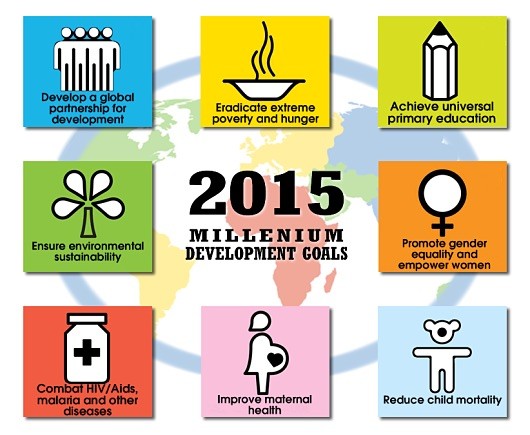
Haiti has recently been highlighted for making strides in the fight against cholera, with the number of new cases this year down 74 percent. Looking beyond this progress in the Haitian health sector, Haiti is experiencing successes in several other areas. According to a report published by the United Nations Development Program (UNDP) last month, the country reached many of the Millennium Development Goals (MDG) ahead of the 2015 deadline.

Based on statistics from this U.N. report, here are five ways Haiti has improved and is climbing the ladder of global development.

1. Education

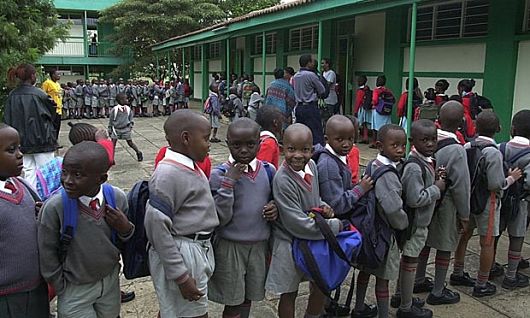
The rate of primary education among Haiti’s youth has increased from 47 percent in 1993 to almost 90 percent today. There is equal participation in education between boys and girls, giving all children an opportunity to learn.

2. Earthquake Recovery

In 2010, a devastating 7.0 magnitude earthquake left Haiti in shambles, with 200,000 people killed and billions of dollars in damages. After four years of work, the UNDP reports that 97 percent of debris from the hard-hitting earthquake is gone from the streets of Haiti, 11,000 displaced families are back in their homes and more than 4,000 meters of river bank have been protected against flooding.

3. Clean Water

More households are using safe, clean water. The U.N. reports, “Nearly 65 percent of households now have improved access to water, compared to 36.5 percent in 1995.” The increased availability of hygienic water is key to fighting cholera, acute diarrhea and other waterborne diseases. This progress will continue, especially in rural areas, thanks to the country’s newly launched “Total Sanitation Campaign.”

4. Infant Mortality

The health of Haiti’s youth is improving, with infant mortality ranking lower than the global average, down 44 percent since 1990. Additionally, the number of underweight children under the age of 5 has been cut in half, meeting the MDG three years ahead of schedule.

5. Gross Domestic Product (GDP)

The Haiti MDG report boasts a rise in per capita GDP from $1,548 in 2009 to $1,602 today. Extreme poverty has stabilized at 24 percent since 2012.

Although Haiti is on the path to success according to MDG indicators, there are undoubtedly aspects of the country that still need attention. More children than ever are attending school, but there are still far too many kids dropping out and repeating grades. Clean water access has improved, but in order to eradicate cholera entirely there needs to be more widespread sanitation reform, especially in rural areas.

But without a doubt, the aforementioned successes are extremely commendable. With a sustained push, a Haiti without extreme poverty could be on the horizon.

– Grace Flaherty 

Sources: New York Times, UN, World Bank
Photo: UN

July 29, 2014
https://borgenproject.org/wp-content/uploads/borgen-project-logo.svg 0 0 Borgen Project https://borgenproject.org/wp-content/uploads/borgen-project-logo.svg Borgen Project2014-07-29 12:00:292024-06-05 01:57:51Five Ways Haiti Has Improved
Global Poverty

Poverty in Vietnam

Over the years, Vietnam has made incredible strides against poverty. During the 1990s, the number of people living in poverty in Vietnam was around 60 percent and today that number has dropped to less than 20.7 percent. On July 17, 2014, the nation demonstrated its continued commitment to fighting poverty with the announcement of a joint government and World Bank Group study.

The study will detail policies Vietnam should undertake to continue increasing economic growth. It will also pinpoint the specific obstacles the country needs to overcome in order to ensure sustainable growth, modernization and prosperity for all social classes.

By working with the World Bank Group, the government of Vietnam hopes to increase the country’s economic competitiveness and, in so doing, help its citizens prosper. One way the nation seeks to reduce poverty is by improving the efficiency of the economy in attracting foreign and domestic investments. Increased private sector investments will lead to higher job creation, free flowing capital and innovation, which will be beneficial to everyone.

The study’s aim is to boost Vietnam’s economy to reform policies that widen inequality, and create more opportunities for everyone in the country. Such measures include demanding more transparency from businesses and state-owned enterprises.

Vietnam’s Prime Minister Nguyen Tan Dung and World Bank President Jim Yong Kim plan to have their agencies finish the study within one year. The hope is that, through observations made in the study, Vietnam will be able to guide its economy to reach the marker of a high-income nation within a single generation.

In addition announcing the study, Dung and Kim finalized plans for five new projects which credit Vietnam with over $876 million. The World Bank Group also loaned about $3.8 billion over the next three years to the country through the IDA, a fund used by The World Bank for the world’s poorest nations.

The financing now makes Vietnam the second biggest IDA recipient to date.

The government will use recommendations from the study to apply these funds in a way that increases private sector investment.

The effort comes as a continuation of the World Bank Group’s investment in Vietnam, as IFC, a World Bank Group member that deals only with private sector development, has contributed $5 billion to the nation’s private sector over the past 20 years.

With Vietnam’s growth rate averaging over 6.4 percent per year for over 10 years, it is hoped that renewed investment in the private sector will increase growth and help bring more individuals out of poverty.

The government of Vietnam and the World Bank Group’s efforts aim to lead the country down the path of economic growth and prosperity for all because, despite the nation’s sustained progress over the past 20 years, income inequality has grown. With this new study and loans from the World Bank Group, Vietnam seeks to foster growth that is accessible to all of its citizens and continue reducing the prevalence of poverty throughout the country.

– Kathleen Egan

Sources: World Bank, Thanhnien News, USAID
Photo: World Bank

July 28, 2014
https://borgenproject.org/wp-content/uploads/borgen-project-logo.svg 0 0 Borgen Project https://borgenproject.org/wp-content/uploads/borgen-project-logo.svg Borgen Project2014-07-28 15:46:482024-06-05 01:57:52Poverty in Vietnam
Development, Global Poverty

China’s Rising Economy

China’s April-to-June quarter results have proved that the country is growing economically. China’s rising economy has expanded 7.5 percent in the past year, on target with the government’s goal, and retail sales and factory output has risen even just in the month of June.

This change is positive, but was somewhat expected, as China’s government has created a plan to boost economic growth. These quarterly results simply reaffirmed that they are on the right track.

Dariusz Kowalczyk, a senior economist in Hong Kong, said regarding the results, “The Result is very good and shows the economy has recovered very well in the second quarter.” He also confirmed that the improvements were the result of the “targeted stimulus measures undertaken by the Chinese authorities.”

This boost has come after a recent decline in China’s economy due to lowered demands of exports. The economic lull inspired the government to increase consumption domestically and rebalance their growth model.

One of the changes made to boost the economy was to lower the Reserve Requirement Ratio (RRR,) the cash amount required by banks to keep in reserve in order to have money to lend to agriculture related businesses and smaller companies. Smaller companies also received cuts on their taxes.

While the growth is something to celebrate, China still needs to practice caution. The growing economy may be completely dependent on the stimulus changes, and the momentum could easily fade. Chang Jian, an analysist with Barclays, stated that, “…the recovery is quite dependent on government support”.

There is also the question as to how genuine the rising economy is. The property sector, making up about 16 percent of China’s GDP, is going through a downturn. The government is working on taking out “shadow banking,” where alternative lending and finances are given outside of the government. House sales have fallen 9.2 percent. While these facts should be lending to a shrinking economy, the economy continues to grow, putting it under speculation by some.

Some believe that the numbers are inflated, and that the GDP has truly only expanded by 6 percent rather than 7.5 percent. Some economists worry that the growth will plateau, or that the government’s stimulus work will not be enough to sustain the momentum.

One thing to hope for is that the economy’s growth will continue because of these changes, even without the government continually tending to it.

Banks have been encouraged to lend more willingly to companies that export goods, which should increase exports over time.

China also plans to build railways, roads and airports along the Yangtze river, which would enable the country’s less developed areas to more easily reach Shanghai, giving economic opportunity to a larger variety of citizens.

Only time will tell if the rising economy of China is genuine and long lasting. This growth, or lack of growth, will surely affect the global economy as well.

– Courtney Prentice

Sources: BBC, Time, The Asashi Shimbun
Photo: Opinion-Maker

July 24, 2014
https://borgenproject.org/wp-content/uploads/borgen-project-logo.svg 0 0 Borgen Project https://borgenproject.org/wp-content/uploads/borgen-project-logo.svg Borgen Project2014-07-24 15:04:342024-05-27 09:18:56China’s Rising Economy
Global Poverty, Inequality

Poverty in Kazakhstan

While Sacha Baron Cohen may have put Kazakhstan on the map with his fictitious role as a journalist in the movie “Borat,” Kazakhstan today stands as a country that continues to face hurdles despite consistent economic growth over the past few decades.

A Central Asian country of nearly 18 million people, Kazakhstan is no stranger to economic uncertainties. Since gaining independence in the early 1990s following the collapse of the Soviet Union, Kazakhstan has experienced relatively steady economic growth, thanks in part to its expanding oil sector.

The country’s poverty rate declined by more than 50 percent between 1999 and 2004. Between 2004 and 2013, the nation’s GDP increased by more than 500 percent.

Nevertheless, nearly half of the country is considered to be in a low income class. Roughly 47 percent of the population maintains a monthly income of approximately $70.

Arguably most frustrating to many Kazakhstan citizens are the disparities in gross regional product (GRP.) Because some parts of the country are more resource-rich than others, inconsistencies in wealth have affected some Kazakhstanis more than others.

Even though the country has seen substantial economic growth in recent years, specifically in the oil, gas and minerals industries, employment levels in these industries have not matched the nation’s economic growth.

Following the turn of the century, much of the nation saw considerable gains in employment and labor productivity. Yet, the agricultural region of Kostanay and North Kazakhstan did not experience the same growth as others parts of the country. West Kazakhstan saw significant economic gains in the late 1990s following the introduction of an oil pipeline stretching from the Caspian Sea to China.Perhaps surprisingly, Kazakhstan’s oil-rich areas have also become the nation’s most impoverished.

The minimum income level below the subsistence minimum in Kazakhstan is $35 per month. Any amount below the minimum is considered as poverty. Between 1998 and 2003, the number of people living in poverty in the country fell from 5 million to 3 million.

According to a recent U.N. Development Programme report, unemployment and low income remain the primary causes of poverty in Kazakhstan.

Yet, it is hard to overlook the respectable economic gains the country has seen over the past two decades. Kazakhstan has made considerable headway in its attempts to cement its standing on the world stage. Last month, President Nursultan Nazarbayev signed a new law to lift to visa restrictions, enact tax exemptions and help stabilize tax rates to interest foreign investment, especially with the United States and other Western powers. These moves, among others, will help the country in the long-term as it continues to make strides against poverty.

– Ethan Safran

Sources: The World Bank, World Health Organization, CNBC, IRIN, USAID
Photo: Breitbart

July 17, 2014
https://borgenproject.org/wp-content/uploads/borgen-project-logo.svg 0 0 Borgen Project https://borgenproject.org/wp-content/uploads/borgen-project-logo.svg Borgen Project2014-07-17 15:37:132024-05-27 09:18:38Poverty in Kazakhstan
Education, Global Poverty, Health, Women and Female Empowerment

How Education Prevents Poverty

Education is a key factor to reducing and preventing global poverty. Many countries around the world are beginning to realize the importance of education and are investing in it significantly. Making education available to 100 percent of people around the world is one way to ensure that poverty declines. Let’s look at the three most significant ways education prevents poverty.


3 Ways Education Prevents Poverty


1. Health

Education benefits people’s health throughout their entire lives, from a mother’s pre-birth lifestyle to the likelihood of developing diseases later in life. Women with at least six years of education are more likely to use prenatal vitamins and other useful tactics during pregnancy, thus reducing the risk of maternal or infant mortality. Also, the child of an educated mother is twice as likely to survive to the age of 5 than an uneducated mother. Finally, mothers who have received an education are 50 percent more likely to vaccinate their children at early ages than mothers with little or no education.

Later in life, educated people are less likely to contract diseases, particularly HIV/AIDS. At least 7 million new cases of HIV/AIDS could be prevented if primary education were universal. Studies show that AIDS spreads twice as fast in women who have not received an education. In some countries, schooling is considered a “social vaccine” against HIV infection because girls’ attendance at school is strongly associated with avoiding the infection.

In general, education increases people’s knowledge of how to live a healthy lifestyle. Educated people know what kinds of foods are most nutritious, and therefore are more likely to buy those healthier foods for themselves and their families. Educated mothers will know how to cook healthy meals for their families. An education also provides people with knowledge about vaccinations, clean drinking water and fitness. In most cases, an educated person is a healthy person.


2. Economic Growth

By educating an entire population, economic growth is a natural effect. Studies show that each extra year of schooling can increase a person’s salary by 10 percent later in life. This means that a country’s GDP can increase by 1 percent annually by providing education to its entire population. Increasing a country’s GDP creates innumerable opportunities for trade and development.

Education also creates more people who are ready for the workforce. More workers in a country means fewer people will be unemployed. Unemployment has a high correlation with poverty; therefore, by employing more people, a country’s poverty rate will naturally decrease.

No country in the world has achieved rapid and consistent economic growth without at least 40 percent of its adult population being literate. Education can motivate people to become harder workers and can give people the drive to move up in the workforce. Increasing the literacy rate in a country can drastically improve economic development.


3. Empowers Women and Girls

Education has proven to benefit women and girls at a higher rate than boys. The empowerment that girls receive from an education both personally and economically is unmatched by any other factor. Women who are educated are usually better decision makers and have higher self-confidence. They are more knowledgeable about how to care for their families. Studies show that in Kenya, if female farmers were provided the same amount of education and resources as male farmers, crop yields could increase 22 percent. This idea can be applied globally.

Educated women are also more likely to delay marriage and have children when they are truly ready. This can ensure that the family will be well taken care of because the mother is prepared for the responsibilities of being a parent. Educated women have a higher likelihood of preventing their children from dying from preventable causes.

In poor countries, each additional year of education beyond grades three or four can provide women with a 20 percent increase in yearly salary. This allows families to be completely self-sufficient. The satisfaction that comes from a woman being able to provide for her family is immeasurable.

  — Hannah Cleveland

Sources: Results, World Education Blog
Photo: U.N.

June 19, 2014
https://borgenproject.org/wp-content/uploads/borgen-project-logo.svg 0 0 Borgen Project https://borgenproject.org/wp-content/uploads/borgen-project-logo.svg Borgen Project2014-06-19 13:55:092024-05-26 23:49:11How Education Prevents Poverty
Developing Countries, Disease

Effects of the Waste Problem in Haiti

Haiti is progressively becoming overrun with mountains of waste in the streets because there is absolutely nowhere to put it.

The trash and waste problem in Haiti is an ongoing nightmare for the people living there, with garbage filling the streets. Haiti has few landfills or dumpsters, and there is no apparent place to dispose of its increasing volume of waste.

The problem peaked in 2012, and imported plastic products were banned. These products were blocking drains and paths and clogging the streets so badly that there was flooding.

This flooding problem subsequently destroyed businesses, homes and other property. Stagnant water posed a serious health issue in the most impoverished areas; it allowed mosquitos to flourish and disease to spread.

The smell of the garbage and the poor overall appearance of Haiti (most specifically the capital, Port-Au-Prince) have destroyed the economy and led to extreme decreases in tourism.

In addition to being odorous and detrimental to tourism, decaying waste produces methane gas. When inhaled, this gas can cause serious long-term lung, heart and brain defects.

Most disturbingly, a report from the U.S. Environmental Protection Agency also predicts that waste-generation rates will more than double over the next 20 years in lower-income countries like Haiti, where trash is already so abundant that people have to climb over or wade through it to get anywhere.

This means that the number of people migrating to urban cities such as Port-au-Prince will increase — a population spike that will manifest itself in the production of a proportionate amount of litter in the streets. This transition will require employment of a vital, comprehensive national management plan.

The most logical step to rid cities like Port-Au-Prince in Haiti of waste is recycling.

Volunteers and organizations in Haiti can gather the waste from the streets and exchange the plastics, papers, etc., for cash to help private businesses overseas. In turn, the waste can also be turned into functional packaging for the future use of Haitian companies.

This means Haitians in impoverished areas can exchange their waste both for profit and cleaner streets that will not flood or draw disease-ridden mosquitoes.

Citizens who take the time to make the streets a little cleaner can often make about $52 a week. This is not a bad wage, considering many of the people in Haiti can live off $1 a day. Their aid in cleaning the city will also help eliminate major disease and illness factors in the area.

A plan has been put in place to get more volunteers to join the fight to rid Haiti of waste before its urban areas become overpopulated. The country’s impoverished people can improve their streets, communities, environment and national economy by simply recycling waste products.

– Cara Morgan

Sources: Aid Volunteers, The Guardian
Photo: Idea Peepshow

June 15, 2014
https://borgenproject.org/wp-content/uploads/borgen-project-logo.svg 0 0 Borgen Project https://borgenproject.org/wp-content/uploads/borgen-project-logo.svg Borgen Project2014-06-15 04:03:452024-05-26 23:43:52Effects of the Waste Problem in Haiti
Economy, Global Poverty

The International Monetary Fund: Friend or Foe?

Growth does not happen instantaneously and, oftentimes, catalyzing economic growth is a decades-long venture. No one expects positive results immediately, but people do expect a fair approach to promoting wealth. In times of crisis, most countries answer to the same worldwide organizations dedicated to ameliorating economic recession. Primarily, the International Monetary Fund (IMF).

Founded shortly after World War II, the IMF’s mandate was to promote international trade and economic cooperation by aiding countries in times of crisis, vis-a-vis loans and budgetary advice. It is predominantly counseled by six nations according to a weighted voting system. Germany, France, Japan, Britain, China and the United States control over 50 percent of the organization’s voting power. This is an important consideration when one considers that small, poverty-stricken countries, like those in Africa or Latin America, have absolutely no say in the IMF’s policies in comparison to a few powerful member states.

While the IMF may masquerade as an institution seeking to mitigate poverty, its economic decisions stem from countries that prioritize their own power and wealth. Noam Chomsky, a prominent political analyst and professor emeritus at MIT, described the works of the IMF and its top-member nations as “Designed for capital, not people.”

Most loan agreements from the International Monetary Fund come with harsh conditions that encourage the eventual triumph of capital while simultaneously removing social safety nets. Stipulations on loan agreements require severe cutbacks on wages and welfare in order to receive critically needed funds. Invariably, these loan conditions target the programs used by the working class majority.

News outlet Global Exchange (GE) documents the history of IMF protocol, reporting that “The IMF and World Bank frequently advise countries to attract foreign investors by weakening their labor laws – eliminating collective bargaining laws and suppressing wages.” Rather than encouraging domestic development, the IMF enforces economic policies that favor en mass, cheap exports operated through low wage labors costs and weakly regulated industries.

The results of Latin America’s arrangement with the IMF is indicative of the results of a “capital over community” approach. Argentina, once considered the model of financial prowess by the IMF, has steadily declined following the organization’s intervention during the late 90’s. According to University of Washington professor Victor Menaldo, “Public investment is the lowest it has ever been, less than 2 percent of GDP. Taxes on capital gains are less than 5 percent as of 2000. Lastly, along with Argentina, Brazil and Mexico are experiencing the highest amount of foreign debt in their histories.”

For many developing nations and countries under recession, poverty can be right around the corner. The way international organizations and enterprises collaborate in dealing with such potential poverty will determine whether a nation prospers or stagnates. Eliminating poverty is dependent on adjusting the failures of mainstream economics. This means stepping away from the IMF, preventing reductions in labor laws and not withholding loan agreements on conditions—such as eliminating bargaining rights or striking pensions—that have shown to only hurt economies in both the short and long term.

— Michael Giacoumopoulos

Sources: Global Exchange, The Tech, The Washington Post
Photo: NSZ

June 7, 2014
https://borgenproject.org/wp-content/uploads/borgen-project-logo.svg 0 0 Borgen Project https://borgenproject.org/wp-content/uploads/borgen-project-logo.svg Borgen Project2014-06-07 04:00:572024-12-13 17:50:17The International Monetary Fund: Friend or Foe?
Page 39 of 44«‹3738394041›»

Get Smarter

  • Global Poverty 101
  • Global Poverty… The Good News
  • Global Poverty & U.S. Jobs
  • Global Poverty and National Security
  • Innovative Solutions to Poverty
  • Global Poverty & Aid FAQ’s
Search Search

Take Action

  • Call Congress
  • Email Congress
  • Donate
  • 30 Ways to Help
  • Volunteer Ops
  • Internships
  • Courses & Certificates
  • The Podcast
Borgen Project

“The Borgen Project is an incredible nonprofit organization that is addressing poverty and hunger and working towards ending them.”

-The Huffington Post

Inside The Borgen Project

  • Contact
  • About
  • Financials
  • President
  • Board of Directors
  • Board of Advisors

International Links

  • UK Email Parliament
  • UK Donate
  • Canada Email Parliament

Get Smarter

  • Global Poverty 101
  • Global Poverty… The Good News
  • Global Poverty & U.S. Jobs
  • Global Poverty and National Security
  • Innovative Solutions to Poverty
  • Global Poverty & Aid FAQ’s

Ways to Help

  • Call Congress
  • Email Congress
  • Donate
  • 30 Ways to Help
  • Volunteer Ops
  • Internships
  • Courses & Certificates
  • The Podcast
Scroll to top Scroll to top Scroll to top