• Link to X
  • Link to Facebook
  • Link to Instagram
  • Link to TikTok
  • Link to Youtube
  • About
    • About Us
      • President
      • Board of Directors
      • Board of Advisors
      • Financials
      • Our Methodology
      • Success Tracker
      • Contact
  • Act Now
    • 30 Ways to Help
      • Email Congress
      • Call Congress
      • Volunteer
      • Courses & Certificates
      • Be a Donor
    • Internships
      • In-Office Internships
      • Remote Internships
    • Legislation
      • Politics 101
  • The Blog
  • The Podcast
  • Magazine
  • Donate
  • Click to open the search input field Click to open the search input field Search
  • Menu Menu

Tag Archive for: Doctors Without Borders

Posts

Refugees

Important Facts about the South Sudanese Refugees in Uganda

South Sudanese Refugees in UgandaSouth Sudan is a country located in East-Central Africa with a population of approximately 13 million. The country is rich in fertile agricultural land, as well as precious gems and metals such as diamonds and gold. Yet, South Sudan is one of the world’s poorest countries and ranks low in many socioeconomic categories, due to its brutal history of civil war and current tensions with Sudan.

South Sudan has a history of upheaval and political unrest. Prior to gaining its independence in 2011, the country was part of the large Sudan. Yet citizens from the south were not given the same political rights as those in the north, leading to two prolonged periods of conflict occurring from 1955-1972 and 1983-2005.

During this time, an estimated 2.5 million Sudanese died due to starvation and drought.  Finally, in 2005, a Comprehensive Peace Agreement was reached, in which the south was given a six-year period of autonomy to eventually be followed by a referendum to determine the final status of the country. The result of the referendum indicated that 98 percent of the population was in favor of secession.

Despite gaining independence, South Sudan has struggled to control rebel militia groups operating in the region. Following a year of peace, fighting broke out again in July 2016, leaving millions of South Sudanese displaced, as many were forced to flee their country into the neighboring country of Uganda.

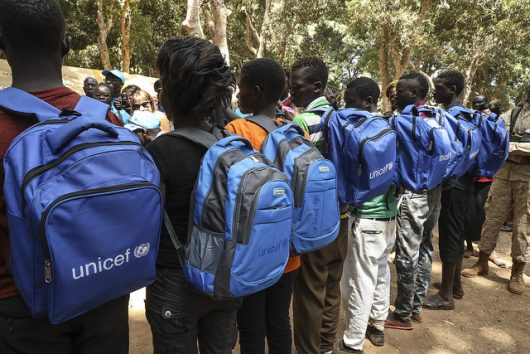
The U.N. Refugee Agency estimates that over one million South Sudanese refugees have fled to Uganda over the last year, meaning approximately 1,800 refugees arrive each day. It has become one of the fastest-growing refugee crises in the world, with more than 85 percent of the South Sudanese refugees in Uganda being women and children under the age of 18. One refugee camp, just south of the border called the Adjumani Settlement, has over 210,000 South Sudanese refugees. These settlements often have limited space and resources, including limited water availability, yet thousands of refugees continue to pour into Uganda.

Despite Uganda having its own internal struggles, many experts have applauded the country for maintaining its open borders as well as its progressive approach to asylum. Uganda provides refugees with land to build shelter and grow crops. It allows the South Sudanese refugees the freedom to work, while also giving them access to public services including health care and education.

The Ugandan government is also working to garner additional financial support from other foreign countries including the United States. It hosted a Solidarity Summit in June to raise funds for South Sudanese refugees in Uganda; however, only 21 percent of the $674 million needed was actually received from the countries invited.

Despite the lack of funding, many organizations have provided their assistance to the South Sudanese refugees in Uganda. Medecins Sans Frontieres, also known as Doctors Without Borders, has provided tremendous medical assistance to many of the refugee camps. Between January and April 2017, Doctors Without Borders provided over 20,000 medical consultations, and delivered over 250 babies and provided their mothers with adequate health care. Not only does Doctors Without provide basic health care, it also provides mental health care services to refugees who have experienced trauma through their displacement.

The government of Ireland also has airlifted over $500,000 of essential relief items, including blankets, shelter construction materials and mosquito nets, to assist the South Sudanese refugees in Uganda. Over the past year, Ireland has spent over $3.5 million in support of the refugees. The country also pledged solidarity and a willingness to support the refugees in any way it can.

Many organizations and countries have shown their support to the South Sudanese refugees in Uganda. However, the country is still in need of desperate financial resources to provide individuals with basic necessities, including food and water. Greater education on the South Sundanese refugee issue around the globe, coupled with additional financial support to fund the nearly $700 million needed, can provide displaced citizens with basic necessities in order to give them the ability to rebuild their lives in Uganda.

– Sarah Jane Fraser

Photo: Flickr

November 12, 2017
https://borgenproject.org/wp-content/uploads/borgen-project-logo.svg 0 0 Borgen Project https://borgenproject.org/wp-content/uploads/borgen-project-logo.svg Borgen Project2017-11-12 07:30:272024-05-29 22:29:11Important Facts about the South Sudanese Refugees in Uganda
Disease, Global Poverty

Rebuilding Healthcare Systems in Liberia After Ebola

Rebuilding Liberia After EbolaOn January 14, 2016, the World Health Organization (WHO) declared Liberia Ebola-free. As a result, the region of West Africa was officially free of the virus. Ebola was widespread throughout West Africa and cases occurred in the U.S. The country of Liberia was hit particularly hard by the virus between 2014 and 2016, with over 10,000 cases and a 45 percent fatality rate. Furthermore, since the outbreak, there have been many consequences. What has been done to address those consequences and rebuild Liberia after Ebola?
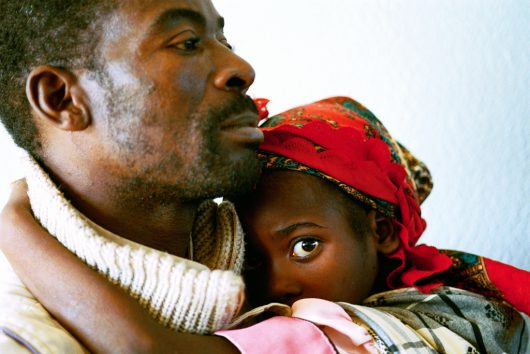
Both during, and after, the Ebola crisis, Liberian doctors worked with organizations like the WHO on the front lines to combat Ebola. In order to build-up medical infrastructure in Liberia, communities have engaged with nonprofit organizations. From the beginning of the crisis, Doctors Without Borders has been working with the government of Liberia and it continues to do so.

Ebola Treatment Units have been created to act as the first point of contact for people who are believed to have Ebola. The staff is trained and ready to respond to patients who show Ebola symptoms. Vaccines have also been distributed to centers across the country and they have been reported to be effective. People working in clinics have learned how to identify the disease and how to handle it.

The government of Liberia, with the support of the World Bank and United Nations, has created a plan for reconstructing the healthcare system, known as “Building a Resilient Health System.” Specifically, it plans to build new infrastructure and medical centers, which allows medical staff to care for various medical problems, not just outbreaks of the virus.

Psychiatrists and clinics are helping survivors and family members cope after the tragedy. The nonprofit More Than Me has worked to help reintegrate survivors back into the community as well.

It important to note that the chance of another outbreak is both likely and deadly in a developing country. This is due to a lack of understanding on how the virus is transmitted and how long it persists in one’s system. The Ebola virus still exists and could be transmitted by animals. This is why it is important for these organizations to continue outreach and awareness programs in Liberia, which teach Liberians about the disease.

While there is more to be done to rebuild healthcare systems in Liberia after Ebola, there is hope. According to an article by Al Jazeera, “Ebola has also united Liberians and brought greater trust into the health system, which is finally seen as the government priority.”

Liberia after Ebola is a changed Liberia. Families must deal with the social and economic fallout, while survivors and doctors must worry about when the virus may return. However, Liberians are better prepared to take on the virus in the future, thanks to the work of Liberian communities and medical organizations and nonprofits.

– Emilia Beuger

Photo: Flickr

October 15, 2017
https://borgenproject.org/wp-content/uploads/borgen-project-logo.svg 0 0 Kim Thelwell https://borgenproject.org/wp-content/uploads/borgen-project-logo.svg Kim Thelwell2017-10-15 01:30:462024-05-29 22:27:30Rebuilding Healthcare Systems in Liberia After Ebola
Disease, Global Poverty

Addressing the Most Common Diseases in Paraguay

Common diseases in ParaguayAt the heart of South America, Paraguay is one of the poorest countries in the region. 40 percent of its 6.7 million residents live in chronic poverty. For this landlocked nation full of millions of poor, health care is not at the forefront of government policy, as poverty continues to send the population into crisis. As a result, the country has an unfortunately low life expectancy rate and is plagued with various diseases.
Of the many common diseases in Paraguay, a particular few have been of the most concern in the last several years. Among the top causes of death in Paraguay are coronary heart disease, stroke, diabetes mellitus, influenza and pneumonia, cancer, kidney disease and hypertension.

The diseases with the greatest impact on the population are intestinal infectious diseases. These viruses, parasites and bacteria result in 107.7 annual years of healthy life lost per 100,000 people. Since 1990, the mortality rate of intestinal infectious diseases has increased by 6.1 percent per 100,000 people. Mostly infants die from these diseases, but the mortality rate peaks again for adult women and men ages 60 to 64. The diseases can be a result of unsafe water, poor sanitation and lack of hand washing. The most deadly of these diseases are caused by typhoid fever and paratyphoid fever.

Other infectious diseases are also common in Paraguay. Lower respiratory infections have a mortality rate of about 28 per 100,000 people. Diarrheal diseases, while common, have had a steady decreasing mortality rate since 1990 — a solid 79 percent decrease. Meningitis and tetanus are also common infectious diseases with decreasing mortality rates, while encephalitis and intestinal diseases remain at a steady infection rate.

In 2015, the Centers for Disease Control warned that Zika virus was present in Paraguay. Public health officials reported the virus was being carried and spread by infected mosquitoes, and also warned of the virus’s dangerous lack of symptoms. Pregnant women were at the highest risk, as infection during pregnancy causes harsher symptoms and serious birth defects.

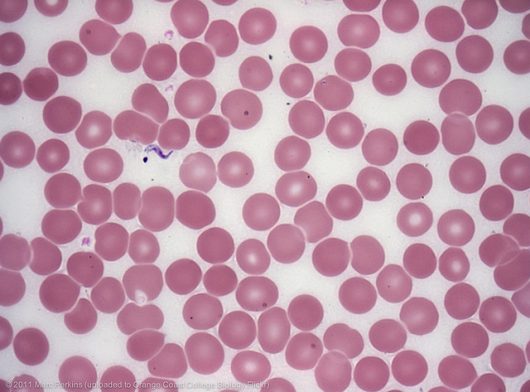
In 2014, the National Eradication Service for Vector-Borne Diseases reported that the vector for the dangerous parasitic Chagas disease was found with increasing frequency in Paraguay. At first it was believed the vector was only found in rural and indigenous areas, but uncleanliness and housing insecurity of other poor areas have caused the vector to find a home between the bricks of houses, which mimic its normal dry habitat. An estimated 165,000 people in the country suffer from chronic Chagas disease. A bite from the protozoan parasite, Trypanosoma cruzi, can potentially be life-threatening.

The life-saving organization, Doctors Without Borders, has worked recently in Paraguay’s rural Chaco region, educating people in isolated communities about Chagas disease and offering screenings to locals. The World Health Organization (WHO) calls Chagas the “neglected tropical disease” because the vast majority of people affected do not have access to diagnosis or treatment. Most people affected experience symptoms without knowing why. Treatment is rapid and proves to be effective.

According to the WHO, in Paraguay, the probability of dying between the ages of 15 and 60 years is 166 for males and 126 for females per 1,000 people. Additionally, the country’s total expenditure on healthcare in 2014 was 9.8 percent of GDP. If Paraguay’s healthcare system were improved to prevent, treat and educate on disease and illness, many lives could be spared. As for now, organizations like Doctors Without Borders will continue to spread hope and educate on the common diseases in Paraguay which affect a majority of the population.

– Olivia Cyr

Photo: Flickr

October 12, 2017
https://borgenproject.org/wp-content/uploads/borgen-project-logo.svg 0 0 Kim Thelwell https://borgenproject.org/wp-content/uploads/borgen-project-logo.svg Kim Thelwell2017-10-12 01:30:162024-06-05 23:47:15Addressing the Most Common Diseases in Paraguay
Global Poverty, Refugees, War and Violence

Ten Facts About Mozambique Refugees

10 Facts About Mozambique Refugees
Mozambique, on the southeast coast of Africa, gained independence from Portugal in 1975. Conflict marred much of the country’s recent history, first during a protracted liberation struggle, followed by a 16-year civil war that ended in 1992. Tension between the ruling Frelimo party and its opposition, the former rebel movement Renamo, has remained high. Clashes between government forces and armed elements of Renamo contribute to the flow of refugees from Mozambique to neighboring countries.

Here are 10 facts about Mozambique refugees:

  1. Mozambique has a history of a massive displacement of people. By 1992, 1.5 million Mozambicans fled the country due to the civil war, representing 10% of the population at that time.
  2. Mozambicans fled to neighboring Malawi, Tanzania and Zimbabwe. Most of the refugees returned to Mozambique after the end of the war in 1992.
  3. Recently there has been an increase in the number of people fleeing Mozambique. Since 2015, 12,000 Mozambicans have fled from violence in their communities due to the longstanding conflict between Frelimo and Renamo. Tensions between the two parties have risen in the run-up to the 2014 Presidential election, and have only continued to escalate since then.
  4. Mozambicans are fleeing several forms of political violence reportedly perpetrated by government and opposition forces. A recent Freedom House report shows that Mozambicans are fleeing due to the perception that government and opposition forces are targeting them. This includes killings, assaults and the burning of homes, intended to create fear and punish sympathizers.
  5. For many Mozambique refugees, Kapise village in Malawi is the first port of call. At the peak of the current refugee crisis in March 2016, the U.N. Refugee Agency (UNHCR) recorded 250 people crossing the border from Mozambique to Kapise village every day. At this time, the makeshift camp at Kapise housed 6,000 Mozambicans in conditions that Doctors Without Borders classified as well below minimum humanitarian standards. The refugees have to compete for scarce resources with the 150 Malawian families already living in the village. The United Nations Children’s Fund (UNICEF), the World Food Programme (WFP) and Doctors Without Borders provided essential services in Kapise, such as water boreholes, food and healthcare. This has helped improve life in Kapise but conditions remain tough.
  6. In March 2016, Malawi reopened the Luwani Refugee Camp to house the influx of Mozambicans. Luwani Refugee Camp previously housed Mozambique refugees from 1977 to 1992 during the civil war and was finally closed in 2007. The Malawian government authorized UNHCR to reopen Luwani Camp and move Mozambique refugees there from Kapise village. Refugees have access to better facilities and services including healthcare, education, sanitation, security and self-sustaining activities like agriculture.
  7. Mozambique refugees are not the only Africans seeking asylum in Malawi. Dzaleka camp in Malawi is already hosting some 25,000 refugees from other African regions including the Horn of Africa and the Great Lakes Region.
  8. Some 3,000 Mozambicans also fled to Zimbabwe in 2015 and 2016. Many of the refugees that fled to Zimbabwe are living in makeshift camps and face severe food shortages. WFP classifies Zimbabwe as a low-income food-deficit country with 30% of the rural poor considered “food poor.” Zimbabwe and Malawi are both currently suffering the effects of a prolonged El Niño-induced drought. Mozambique refugees thus place an additional burden on already limited resources in these countries.
  9. Mozambique refugees in Malawi and Zimbabwe are largely dependent on food assistance from the WFP. The WFP works to achieve and maintain food security among refugees in the region through monthly food distributions in refugee camps. The WFP, however, has had to cut food rations since 2014 due to funding shortages.
  10. Mozambique itself is a destination for other African refugees. Mozambique currently hosts some 15,000 refugees originating from the Democratic Republic of the Congo, Burundi, Rwanda and Somalia. The majority of these people live in Maratane camp in the north of the country.

Frelimo and Renamo have engaged in mediated peace talks since mid-2016 and a ceasefire agreement was reached over Christmas and later extended to March 2017, which provides hope for a resolution to the instability in the country.

– Helena Jacobs

Photo: Flickr

March 2, 2017
https://borgenproject.org/wp-content/uploads/borgen-project-logo.svg 0 0 Borgen Project https://borgenproject.org/wp-content/uploads/borgen-project-logo.svg Borgen Project2017-03-02 01:30:142024-12-13 17:56:34Ten Facts About Mozambique Refugees
Global Poverty, Technology

Digital Humanitarianism: Using Big Data

Humanitarianism

Humanity is currently producing more data annually than in the rest of human history combined. This data is created all throughout our daily lives, from using mobile phones and social media to just shopping. If analyzed correctly, this information can be used to answer many questions and provide new insights. This massive volume of information is known as Big Data. Big Data is increasingly being used in the humanitarian sector, in a growing movement known as digital humanitarianism.

There are several benefits to using Big Data in humanitarian responses. The most prominent benefit is having access to real-time information, which means that organizations can make more informed decisions by adjusting and adapting plans as the environment changes. Additionally, access to multiple sources increases the reliability of the information.

Big Data can likewise be used to anticipate humanitarian crises. By monitoring sources, patterns and trends, potential crises can be detected and averted. These systems can also be used to improve future preparedness by warning people and seeking their direct feedback.

Several prominent humanitarian organizations like Doctors Without Borders, the Red Cross, the United Nations Children’s Fund, the U.N. Refugee Agency and the Office for the Coordination of Humanitarian Affairs (OCHA) have units working on new technologies in their specific fields.

OCHA, for instance, runs several programs that digitize humanitarian data to make it more readily available. This includes ReliefWeb, a website that provides 24-hour coverage of disasters, conflicts and crises for the international aid community, and the Digital Humanitarian Network, which uses digital networks to support humanitarian response.

This year, OCHA will also open the Centre for Humanitarian Data, the goal of which is to increase the use and impact of data in the humanitarian sector.

However, most humanitarian organizations do not have the staff and resources to cope with the amount of data generated in crisis situations. They thus rely on online activists using crowdsourcing and open source software like Ushahidi and Open Street Maps to map crises. These activists are also part of digital humanitarianism.

Crisis mapping by means of digital humanitarianism is becoming a standard tool in crisis response and has proven useful in several recent events including the 2010 earthquakes in Haiti and Chile, the 2011 uprisings in Libya, the 2014 Ebola outbreak and the 2015 Nepal earthquake.

One of the suggested ways to use Big Data in the humanitarian sector is to improve the sharing of information between communities in need and those who aim to help them. Big Data and increased connectivity allow humanitarian organizations to better understand where to target humanitarian assistance.

– Helena Kamper

Photo: Flickr


February 24, 2017
https://borgenproject.org/wp-content/uploads/borgen-project-logo.svg 0 0 Borgen Project https://borgenproject.org/wp-content/uploads/borgen-project-logo.svg Borgen Project2017-02-24 01:30:182024-12-13 17:56:40Digital Humanitarianism: Using Big Data
Global Poverty, Refugees, Refugees and Displaced Persons

10 Facts About Zimbabwe Refugees

10 Facts About Zimbabwe Refugees
Here are 10 facts about Zimbabwe refugees:

  1. It’s estimated that 3.4 million Zimbabweans, a quarter of the population have fled their country as refugees. Most of them have gone to three countries — South Africa, Australia and Britain. Britain houses the majority with over 400,000.
  2. Zimbabweans are leaving their homes as a result of the repressive government in the country. For more than 40 years, President Robert Mugabe has repeatedly violated human rights. Amnesty International called on the government to “end the ongoing harassment of human rights defenders.”
  3. Most Zimbabwean refugees flee to South Africa, the bordering country. South Africa is actually one of the busiest borders in Africa, and the number of Zimbabweans entering has been increasing since President Mugabe escalated his brutal regime. Once in South Africa, local churches are able to provide Zimbabweans with the food and education they have to give.
  4. Thousands of Zimbabweans apply for asylum, yet only a tiny fraction is granted. Since South Africa does not officially recognize the human rights violations of Mugabe’s regime, the majority of Zimbabweans crossing the border are deported back to their country, 14,000 are deported every week.
  5. Many Zimbabweans attempting to seek refugee status in South Africa face deadly diseases, including tuberculosis and HIV. The Mugabe regime has been unable to provide any type of health care system.
  6. Zimbabweans crossing the border to South Africa at Beitbridge are forced to swim across the river. Unfortunately, many don’t make it. There are frequent reports of drowning or being eaten by crocodiles.
  7. The vast majority of Zimbabweans that flee to South Africa are children. Between 350 and 400 cross the border without passing official checkpoints, many travel without an adult. Criminals know this and take advantage of the situation — robbing, enslaving or sexually abusing Zimbabwean children.
  8. The large influx of Zimbabweans entering South Africa has lead to backlash from the local population — the lack of jobs has created xenophobia.
  9. Doctors Without Borders continues to be a huge help for refugees, yet their only location in South Africa near the Zimbabwean border was closed. This location was crucial in providing 2,000 medical consultants for Zimbabweans each month, protecting them from danger while awaiting their legal papers to enter into South Africa.
  10. Much of Zimbabwe is maintained and financed because of the money that these refugees are sending back home; small amounts of money are consistently sent each month to many families who then use that money to pay for school, groceries or housing.

– Marcelo Guadiana

Photo: Flickr

October 21, 2016
https://borgenproject.org/wp-content/uploads/borgen-project-logo.svg 0 0 Borgen Project https://borgenproject.org/wp-content/uploads/borgen-project-logo.svg Borgen Project2016-10-21 01:30:052020-05-30 09:52:3710 Facts About Zimbabwe Refugees
Global Poverty, Refugees and Displaced Persons

Crisis Despite Peace Treaty: 10 Facts About Malian Refugees

Malian refugees
Mali is a landlocked country located in western Africa and is one of the major cotton producers on the continent. Though self-sufficient when it comes to food production, Mali depends on aid from other nations and is currently facing a refugee crisis. Ahead are 10 facts about Malian refugees.

  1. The Mali refugee crisis began with a coup in 2012. Violence erupted between the Malian government and several Islamist groups in 2012 due to ideological differences. The rebels were eventually halted by French intervention, but despite France’s efforts, many still fled northern Mali.
  2. More than 100,000 people have left Mali as refugees. As of September 2016, neighboring countries Burkina Faso, Mauritania and Niger are collectively home to more than 134,000 Malian refugees.
  3. Not all refugees left the country. According to the U.N. refugee agency, 36,690 people have been internally displaced within Mali.
  4. Niger currently hosts the majority of Malian refugees. Niger hosts more than 60,000 Malian refugees, up from just under 53,000 one year ago. Mauritania hosts nearly 42,000 and Burkina Faso is home to approximately 32,000.
  5. The major issues affecting refugees and internally displaced people are access to food, healthcare and clean water. These issues are combated by humanitarian efforts, but attacks on humanitarian convoys and theft of resources have left many Malian refugees without basic necessities.
  6. Malnutrition is a severe concern for Malian children in refugee camps. Doctors Without Borders reported in 2013 that the number of refugee children admitted to clinics for malnutrition in the Mbera refugee camp was on the rise. The organization was concerned that lack of adequate preparation for the volume of refugees was responsible for weakening refugee health.
  7. Malian refugees have lost pieces of their culture to the war. Many Malian refugees are of Tuareg ethnicity. The Tuareg have a longstanding history in northern Mali, where libraries contain volumes dedicated to medicine, mathematics, poetry and philosophy written over centuries. Conflict between the Tuareg rebels and the Malian government has destroyed many of these cultural documents.
  8. The Algiers Accord has brought some stability to Mali. The 2015 peace treaty between Tuareg-led rebels and the Malian government has improved security within the country. Although the signing of this peace treaty has not reduced the number of individuals fleeing the country, the government is hopeful that the peace treaty will be a step in the right direction to better protect the people of Mali.
  9. Organizations such as UNICEF are currently aiding refugees. In 2013, UNICEF and its partners provided substantial aid to Malian refugees including education for 400,000 children, safe water for 1.5 million people, treatment for 170,000 children with malnutrition and rehabilitation for ex-child soldiers and victims of gender-based violence.
  10. Malian refugees are cautious about returning home. For those who have returned to Mali, jobs, food, water, healthcare and personal security are still very unstable. Until these issues are addressed, many Malians will continue to live as refugees in other nations.

Although the turmoil in Mali has resulted in thousands of people fleeing the country, small steps are being initiated to reduce the number of refugees and internally displaced people. Humanitarian organizations are making slow but steady progress to better the lives of Malian refugees.

– Shannon Warren

Photo: Flickr

October 17, 2016
https://borgenproject.org/wp-content/uploads/borgen-project-logo.svg 0 0 Borgen Project https://borgenproject.org/wp-content/uploads/borgen-project-logo.svg Borgen Project2016-10-17 01:30:542024-05-27 23:53:58Crisis Despite Peace Treaty: 10 Facts About Malian Refugees
Global Poverty

Defeat of ISIS Could Mean Better Healthcare for Libyan Citizens

Libyan
The United States declared it carried out a series of airstrikes on the Libyan city of Sirte, an ISIS stronghold, at the request of the Libyan government in August 2016.

The strikes came after nearly two years of concentrated efforts by the U.S. and Libyan governments to remove ISIS from Sirte; a strategically important city located directly between two of Libya’s largest cities, Benghazi and Tripoli.

The erasure of ISIS’s presence from Sirte means the city’s residents will be able to enjoy a higher standard of living, increased access to food and fuel and control of their incomes. Reclaiming the city from ISIS also means that healthcare in Libya will be one step closer to returning to pre-2011 standards.

Regaining control of Sirte will allow the Libyan government and certain NGOs, such as Doctors Without Borders, to begin safely providing much-needed healthcare services to the city’s residents.

Healthcare providers in Libya will be able to distribute resources across the country more evenly as they are needed, especially between Benghazi and Tripoli.

On a more significant level, overcoming the ISIS presence in Libya will remove one of the larger issues that the country has had to contend with during its rebuilding process, which has been ongoing since the country experienced a wave of revolutionary action during the Arab Spring in 2011.

Currently, the country lacks a central government as numerous opposing factions emerged after the fall of the Gaddafi regime.

A U.N.-backed entity known as the Government of National Accord recently made the most significant strides in uniting the country. They will undoubtedly find the task easier with ISIS’s removal.

A successfully unified government would likely see the return of a functioning and well-equipped healthcare system; something that the country has been sorely lacking since 2011.

According to Doctors Without Borders, many hospitals have been forced to close in recent years due to lack of funds, lack of staff members and concerns about security.

A fully functioning government would be able to solve the coordination problems currently preventing the distribution of funds and supplies.

They would be also able to effectively provide secure environments for hospitals and healthcare providers to safely operate.

More funds, supplies and increased security would allow for the return of foreign-born healthcare workers, many of whom left in the wake of 2011 upheaval.

– Will Clifft

Photo: Flickr

September 8, 2016
https://borgenproject.org/wp-content/uploads/borgen-project-logo.svg 0 0 Borgen Project https://borgenproject.org/wp-content/uploads/borgen-project-logo.svg Borgen Project2016-09-08 01:30:402020-06-06 10:03:28Defeat of ISIS Could Mean Better Healthcare for Libyan Citizens
Global Poverty

How Doctors Without Borders is Fighting HIV in Mozambique

HIV in MozambiqueDoctors Without Borders (DWB) is an international organization that works to improve global health conditions. One of their current missions is fighting HIV in the sub-Saharan African nation of Mozambique. In Mozambique, one in ten adults is estimated to be HIV positive. DWB is focusing its efforts on increasing treatment and reducing the spread of the disease for sex workers and truck drivers — two demographics that are particularly at risk for infection. Their highway corridor project is estimated to reach and positively impact 3,800 sex workers and 4,500 truck drivers.

In the port city of Beira, cargo trucks are continuously moving through docks, loading and unloading cargo. The cargo is then transported to many areas of central and southern Africa. This highway corridor used for cargo transportation is also at risk for spreading HIV. DWB offers weekly HIV testing and counseling for truck drivers along the highway as far as the border of Malawi. Additionally, the organization is responsible for distributing free condoms at truck stops.

The organization has also implemented several strategies for sex workers, who are ten times more likely to be HIV positive than the general population.

Most strategies fighting HIV in Mozambique focus on educating these workers and increasing access to HIV prevention and treatment. Another important tactic includes distributing free condoms to women who engage in sex work. DWB also encourages sex workers to get tested for HIV and even provides on the spot testing in Beira.

If a woman’s test result is negative, she is offered the option to join a program called PrEp, which stands for pre-exposure prophylaxis. In this program, patients receive an anti-AIDS drug that aims to block the virus in women who face a high risk of infection. Although PrEP is relatively new for fighting HIV in Mozambique, it has been shown to significantly reduce one’s chance of infection.

If tests results come back positive, women are referred to a clinic for further treatment. They also have a chance to talk with DWB’s “peer educators,” who are current or former sex workers employed by DWB to speak publicly about HIV prevention and treatment. Women feel comfortable talking to them because they do not make them feel ashamed of their work and all information discussed is kept confidential.

Hearing HIV discussed in public settings greatly reduces the shame and discrimination that is often associated with the disease. In 2010, Mozambique experienced a 58 percent increase in the number of people receiving antiretroviral treatment for HIV. This does not reflect an increase in the number of people infected, but rather an increase in willingness to be tested and receive treatment.

To increase access to treatment, DWB employs people to speak publicly about their own experiences in order to reduce shame surrounding the issue, which is a key step in fighting HIV in Mozambique. The organization also offers a training program for nurses that will allow them to be able to prescribe antiretroviral treatments for patients. Not only does this increase access to treatment, but it also creates jobs and more self-sufficient communities.

Both sex works and truckers in Mozambique often engage in unsafe sex practices that make them vulnerable to HIV infection and transmission during their travels. Through the numerous initiatives mentioned above, DWB is working to improve the quality of life for these two groups as well as for all HIV patients.

– Nathaniel Siegel

Photo: Flickr

August 29, 2016
https://borgenproject.org/wp-content/uploads/borgen-project-logo.svg 0 0 Borgen Project https://borgenproject.org/wp-content/uploads/borgen-project-logo.svg Borgen Project2016-08-29 01:30:422024-05-27 09:34:53How Doctors Without Borders is Fighting HIV in Mozambique
Health

Doctors Without Borders: Equitable Access to HIV Treatment

Doctors Without Borders

Nonprofit medical aid conglomerate Doctors Without Borders, or Medecins Sans Frontieres, requests increased access to treatment for Western and Central African countries. Although not the highest-risk demographic, less than one-third of the afflicted receive life-saving medicines.

Eastern and Southern Africa hold half of the world’s HIV-infected population. As a result, intervention, prevention and treatment overwhelmingly pour into this region of the world, leaving others without equitable aid. Dr. Cecilia Ferreyra, HIV adviser for Doctors Without Borders, reports that in the last five years, “the number of people on life-saving HIV treatment worldwide doubled.” Yet, 4.5 million people in Western and Central Africa do not receive treatment.

The plea from the organization came a day before an important U.N. meeting discussing the prevention of AIDS. On June 10, a U.N. press release indicated the member states would implement a bold course of action to end AIDS as a public health threat by 2030. With a goal like this, areas of concern can now be reached with renewed vigor.

It seems Doctors Without Borders has been effective in lobbying the UN for increased attention to regions with a lower HIV prevalence. In the press release, UNAIDS stated, among its other goals, that it would set “an action agenda for getting to 90-90-90,” referring to the percentage of people who know their HIV-positive status, receive antiretroviral treatment and reach viral suppression. Its goals also promise UNAIDS will be “leaving no one behind” in the quest to completely eliminate AIDS.

The U.S. specifically has committed to introducing a $100 million Key Populations Investment Fund that is intended to bridge the gap between PEPFAR and those who don’t normally receive financial help. It aims to assist people facing discrimination, such as sex workers, gay men, intravenous drug users, transgender people and prisoners. This could help regions like Western and Central Africa in which stigmatization prevents those with HIV from receiving proper treatment.

Despite the region-specific challenges faced by Western and Central Africa—which (besides stigma) includes a shortage of well-trained medical staff, service shortcomings and high fees—the spread of HIV/AIDS is certainly slowing. The goal of ending AIDS by 2030 encompasses the entire globe, not just the areas in dire need.

– Connor Borden

Photo: Flickr

July 11, 2016
https://borgenproject.org/wp-content/uploads/borgen-project-logo.svg 0 0 Borgen Project https://borgenproject.org/wp-content/uploads/borgen-project-logo.svg Borgen Project2016-07-11 01:30:572024-12-13 17:54:37Doctors Without Borders: Equitable Access to HIV Treatment
Page 10 of 12«‹89101112›»

Get Smarter

  • Global Poverty 101
  • Global Poverty… The Good News
  • Global Poverty & U.S. Jobs
  • Global Poverty and National Security
  • Innovative Solutions to Poverty
  • Global Poverty & Aid FAQ’s
Search Search

Take Action

  • Call Congress
  • Email Congress
  • Donate
  • 30 Ways to Help
  • Volunteer Ops
  • Internships
  • Courses & Certificates
  • The Podcast
Borgen Project

“The Borgen Project is an incredible nonprofit organization that is addressing poverty and hunger and working towards ending them.”

-The Huffington Post

Inside The Borgen Project

  • Contact
  • About
  • Financials
  • President
  • Board of Directors
  • Board of Advisors

International Links

  • UK Email Parliament
  • UK Donate
  • Canada Email Parliament

Get Smarter

  • Global Poverty 101
  • Global Poverty… The Good News
  • Global Poverty & U.S. Jobs
  • Global Poverty and National Security
  • Innovative Solutions to Poverty
  • Global Poverty & Aid FAQ’s

Ways to Help

  • Call Congress
  • Email Congress
  • Donate
  • 30 Ways to Help
  • Volunteer Ops
  • Internships
  • Courses & Certificates
  • The Podcast
Scroll to top Scroll to top Scroll to top