• Link to X
  • Link to Facebook
  • Link to Instagram
  • Link to TikTok
  • Link to Youtube
  • About
    • About Us
      • President
      • Board of Directors
      • Board of Advisors
      • Financials
      • Our Methodology
      • Success Tracker
      • Contact
  • Act Now
    • 30 Ways to Help
      • Email Congress
      • Call Congress
      • Volunteer
      • Courses & Certificates
      • Be a Donor
    • Internships
      • In-Office Internships
      • Remote Internships
    • Legislation
      • Politics 101
  • The Blog
  • The Podcast
  • Magazine
  • Donate
  • Click to open the search input field Click to open the search input field Search
  • Menu Menu

Tag Archive for: Doctors Without Borders

Posts

Global Poverty

Cyclone Idai and Cholera Outbreaks

Cyclone Idai and Health Crisis
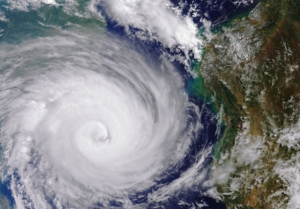
With winds equivalent to a category 3 hurricane and storm surges surpassing 20 feet, Cyclone Idai made landfall near Beira, Mozambique in the early hours of March 15, 2019. One of the most powerful storms to ever hit Southern Africa, Idai left a trail of destruction and displacement, turning life upside down for residents along the coast. Now, months later, communities throughout the region continue to cope with the aftermath.

Effects of Cyclone Idai

What is now 2019’s deadliest weather event, the latest figures put Idai’s death toll at 847. The storm left millions of people affected, thousands displaced, entire communities in shambles and thousands of hectares of crops destroyed. As authorities continue to unpack the extent of the damage, the need for increased public health initiatives is evident. With the floods triggering widespread water contamination across the region, cholera and malaria outbreaks are becoming shockingly prevalent.

Perhaps Cyclone Idai afflicted Mozambique the most, where Reuters News reported that it killed nearly 600 people and destroyed more than 110,000 homes. In Beira, home to roughly 500,000 people, sweeping power outages and water contamination has made the city a hotbed for disease outbreaks. “The supply chain has been broken, creating food, clean water, and healthcare shortages,” says Gert Verdonck, the Emergency Coordinator for Doctor’s Without Borders (MSF) in Beira. “The scale of extreme damage will likely lead to a dramatic increase of waterborne diseases.”

Doctors Without Borders (MSF)

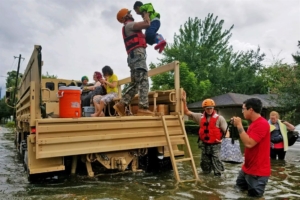
Following the storm, MSF quickly scaled up operations in Beira and other cyclone-stricken areas of Mozambique. With roughly 146,000 internally displaced persons seeking refuge in 155 camps across the country, MSF has launched an enormous relief effort. Dispatching emergency response teams to communities in need, MSF is working to implement vaccination programs and distribute food, water and medical supplies throughout Mozambique. Yet the scope of the damage is proving to be a difficult challenge for authorities and relief organizations. Treating over 200 cholera cases daily, MSF is calling on the international community to step up.

The World Health Organization and Cholera Vaccines

Also integral to relief efforts, the World Health Organization (WHO) is spearheading a massive vaccination program aimed at fighting the recent outbreaks. Through partnerships with humanitarian aid organizations Gavi and UNICEF, the WHO facilitated a shipment of almost 1 million cholera vaccines that arrived in Beira on April 2, 2019. A day later, a plane carrying 6.7 tonnes of medical supplies – essentials like medicine, stretchers, clean bandages and disposable gloves – landed in the coastal city. Opening an additional 500 beds and seven cholera treatment centers across cyclone-stricken Mozambique, the WHO is hoping to stifle water-borne illnesses in the region.

Despite valiant efforts from the WHO, MSF and other aid groups, the need for more funds and resources is evident. On April 1, the WHO requested an additional US$13 million to address communities affected by Cyclone Idai. With local authorities in Mozambique overwhelmed and underequipped to handle the fallout from Idai, the WHO is seeking to lead the charge, establishing response coordination at the national and provincial levels. Annual health care and aid expenditures in Mozambique are almost five percent below the global average, making foreign aid and nongovernmental relief organizations a vital piece of the recovery process.

An International Response

While some experts initially criticized the sluggish international response to Cyclone Idai, the global community has since placed considerable emphasis on relief efforts. Countries like Turkey, Botswana, Brazil and many more have supported Mozambique, allocating emergency funds and sending military assets to facilitate food, water and medicine distribution. Although combatting the cholera outbreaks and rebuilding communities that the storm devastated will be a stout challenge, the international response is promising. The response to Cyclone Idai indicates an international community both capable and willing to respond to natural disasters that impact the developing world.

– Kyle Dunphey
Photo: Google

July 1, 2019
https://borgenproject.org/wp-content/uploads/borgen-project-logo.svg 0 0 Kim Thelwell https://borgenproject.org/wp-content/uploads/borgen-project-logo.svg Kim Thelwell2019-07-01 18:32:072024-05-29 22:59:40Cyclone Idai and Cholera Outbreaks
Global Poverty

Detained Migrants and Malnutrition in Libya

malnutrition in libya

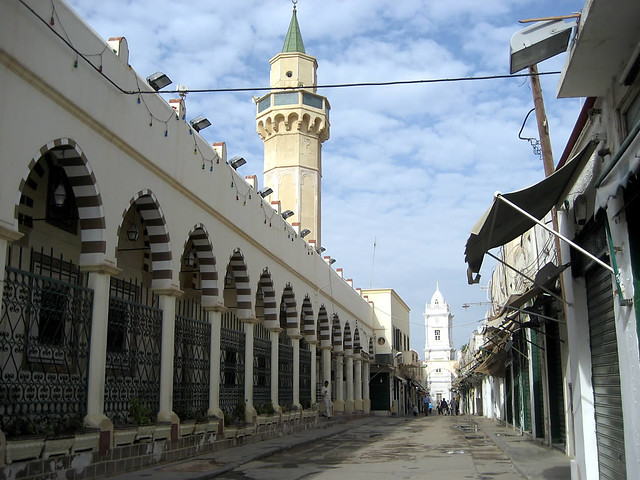
Malnutrition impacts children all over the world, particularly those who are poor or who reside in poorer countries. In Libya, rates for children who experience stunting, wasting and are overweight — the three main effects of malnutrition — are all moderate to very high, indicating that the nation has a lot of work to do to decrease these numbers and improve nutrition and health.

Malnutrition in Libya is exacerbated by the prevalence of migrants, refugees and internally displaced persons (IDPs) in Libya, as many attempt to use the nation as a crossing point to reach Europe. A recent analysis of migrant detention facilities has shown that malnutrition is prevalent in these centers.

Comparing Libya to Global Trends

Worldwide, 21.9 percent of children under five have stunted growth as a result of malnutrition, a significant decrease from 2000, when the rate was nearly 33 percent. Stunting refers to impaired cognitive skills that often lead to a decrease in school and work performance, negatively impacting children for the rest of their lives. Rates are highest in South Asia and Sub-Saharan Africa, where many countries continue to have a rate of 30 percent or higher.

Libya is just below the global average, with 21 percent of children experiencing stunting.

Wasting is the rapid loss of body weight due to malnutrition. Based on UNICEF estimates, 7.3 percent of children globally are wasted and 2.4 percent are severely wasted, with the highest rates in South Asia, followed by West and Central Africa. Rates in Libya are classified as medium, as 5 to 10 percent of children under 5 are wasted. This is comparable to the global average of 7.3 percent.

Complications of Malnutrition

Malnutrition can also cause children to be overweight. Overnutrition is a form of malnutrition that occurs when there is an imbalance in protein, energy and micronutrients in someone’s diet, often resulting in obesity. Not only is it important to eat food, but it is also important to eat the right combination of foods to have a healthy diet.

Globally, 5.9 percent of children under five are overweight, with the highest rates in Eastern Europe and Central Asia and the Middle East and North Africa. Libya is classified as very high, as more than 15 percent of children under five are overweight. This indicates that poor nutrition is one of the most serious food-related issues that Libya faces.

Efforts by the World Food Programme

Malnutrition in Libya has received global attention, and the World Food Programme has stepped in to fight food insecurity. As a nation with a largely desert environment, agriculture is limited, causing Libya to rely heavily on imported food. The country’s current trade deficit has a significant impact on the availability of food and proper nutrition, as prosperous trade is essential to feeding the nation.

To counteract this, the World Food Programme partners with four local organizations, LibAid, the Kafaa Development Foundation, the Sheikh Taher Azzawi Charity Organization (STACO) and the Ayady Al Khair Society (AKS), as well as the UN Country Team and Security Management Team. These local organizations work closely with communities experiencing malnutrition in Libya to determine the amount of need in particular areas.

The World Food Programme then provides onsite food distributions to vulnerable and malnourished families, with each family receiving two food parcels, which can feed five people over the course of a month. The parcels contain pasta, rice, wheat flour, vegetable oil, chickpeas, sugar and tomato paste, all of which provide approximately 75 percent of daily energy requirements. The parcels are meant to be used alongside other food sources, providing access to certain nutrients that are otherwise unavailable.

A Focus on Migrants, Refugees and IDPs

Migrants, refugees and internally displaced persons (IDPs) are the most in need of food assistance worldwide.  Approximately 60 percent of IDPs are vulnerable to food insecurity. As a result, the World Food Programme focuses many of its food distribution efforts on IDPs and other migrants in Libya, as they are among the most vulnerable to malnutrition in Libya.

Many migrants in Libya are out of reach of the World Food Programme as hundreds of detainees are in migrant detention facilities. In March 2019, a detention center in Tripoli came under fire after Doctors Without Borders published nutrition assessments and determined that almost one quarter of those in the center were malnourished or underweight.

Those held in detention facilities are entirely dependent on the Libyan authorities for the food they receive, and Doctors Without Borders found that many only receive one meal every two or three days and that those who are new arrivals sometimes do not receive food for four days.

Doctors Without Borders Respond

In response to this crisis, Doctors Without Borders began providing emergency food rations to ensure that food needs will be met in the future. Karline Kleijer, the head of emergencies for Doctors Without Borders, stated that “If food, shelter and essential services can’t be provided in a consistent and appropriate manner, then these people should be released immediately by the Libyan authorities.”

Hopefully, with the efforts of organizations like the World Food Programme and Doctors Without Borders malnutrition in Libya will continue to be addressed, and the plight of migrants will soon be recognized and responded to by the Libyan government. Malnutrition is clearly a mounting crisis that requires attention as soon as possible.

– Sara Olk
Photo: Flickr

June 30, 2019
https://borgenproject.org/wp-content/uploads/borgen-project-logo.svg 0 0 Kim Thelwell https://borgenproject.org/wp-content/uploads/borgen-project-logo.svg Kim Thelwell2019-06-30 14:13:312019-12-16 11:43:25Detained Migrants and Malnutrition in Libya
Global Poverty

Conflict in Burkina Faso Triggers Mass Migration

Conflict in Burkina Faso
In late January 2019, the eruption of conflict in the Centre-Nord and Sahel regions displaced thousands of people in rural Burkina Faso. The recent attacks are an extension of a disturbing trend involving the displacement of more than 115,000 people since 2015. According to the Africa Center for Strategic Studies, extremist attacks and conflict in Burkina Faso have quadrupled since 2017 as groups like al Qaeda, Ansar ul Islam and ISIS continue to gain support in the north.

Burkina Faso and the Situation

One of the more inspiring success stories in Western Africa, Burkina Faso was on track to implement sweeping political reforms this year, including presidential term limits. Since the country ousted former authoritarian ruler, Blaise Compaoré, in 2014, voter registration increased by 70 percent as scores of Burkinabè grew excited by the prospects of democracy. However, this March 2019, the government put the referendum on hold indefinitely while it struggles to bring stability back to Burkina Faso.

The conflict in Burkina Faso has come at a considerable human cost, with over 70,000 people displaced since January alone. The majority have fled within the country’s borders, finding refuge in the nearby regions of Foubé, Barsalogho and Déou. Though the camps provide families with relative safety, the hastily built, government-sponsored structures are far from adequate. The state is already overwhelmed by a recent influx of Malian refugees and resources are stretched thin as a result.

In refugee encampments like Foubé, a shortage of shelters has forced the roughly 8,000 refugees to live in extremely crowded conditions, increasing the likelihood of measles and other outbreaks. The lack of sanitation has resulted in hygiene-related illnesses, respiratory infections, malaria and parasitic diseases. Meanwhile, in Barasalogho, the nearest clean water is an hour drive from the encampment, sometimes forcing residents to drink unsafe wells or streams and increasing the prevalence of cholera or other illnesses.

UNHCR and Doctors Without Borders

Despite the severity of the conflict in Burkina Faso, the situation has received shockingly little international attention. While the UNHCR and Doctors Without Borders (MSF) have played a prominent role in refugee support, the conflict continues to restrict access to many northern communities. MSF, whose primary goal in Burkina Faso is to issue vaccines and curb outbreaks, is working in only two refugee camps. With the situation becoming increasingly tense, the U.N. is urging refugees to seek shelter in camps where the UNHCR and MSF are active.

The sluggish international response has placed the burden of responsibility on the already overwhelmed Burkinabè government. While government rhetoric continues to support democracy and political reform, its response to the extremism has resulted in an unknown number of extrajudicial killings. In less than a year, Human Rights Watch documented at least 116 civilian deaths from government security forces, although the real number is unknown.

As the Burkinabè government struggles to regain stability, the U.N. is calling on the international community to do more. The U.N. Central Emergency Response Fund allocated $4 million early this March, although experts say roughly $100 million is needed to adequately address the crisis. Although the 115,000 forcibly displaced people face a stout uphill climb before the restoration of peace, the future of the Arizona-sized nation is still bright. While a new date for the referendum has not been announced, the steady rise in voter registration and political mobilization suggests reform is on Burkina Faso’s horizon.

– Kyle Dunphey
Photo: Flickr

June 25, 2019
https://borgenproject.org/wp-content/uploads/borgen-project-logo.svg 0 0 Kim Thelwell https://borgenproject.org/wp-content/uploads/borgen-project-logo.svg Kim Thelwell2019-06-25 10:37:402019-12-17 12:51:36Conflict in Burkina Faso Triggers Mass Migration
Global Poverty, Humanitarian Aid

Extreme Weather and Poverty in Mozambique

Poverty in Mozambique
On March 14, 2019, a massive storm made landfall on Mozambique’s coast bringing heavy rains, flooding and chaos. The storm hit Beira, the fourth largest city in the country, hardest. With winds blowing over 105 miles per hour and torrential rains following it, Cyclone Idai became one of the most destructive storms in the past few years. Shortly after, Cyclone Kenneth struck the northern part of Mozambique with 140 mph winds and even heavier rainfall, creating more damage to the infrastructure in the region. Severe weather has affected all aspects of life in the country, and in particular, those living in poverty in Mozambique.

Mozambique is one of the poorest nations in the world with a GDP per capita of roughly $502. Although the poverty rate decreased from 59% to 48%, inequality still exists in the region between urban and rural areas. According to the World Bank, roughly 80% of poor people in Mozambique live in rural areas. Extreme weather conditions like cyclones or flooding exacerbate these inequalities. Because of this, the aftermath of these harsh storms more heavily affects people living in poverty.

4 Ways Extreme Weather Affects Poverty in Mozambique

1. Extreme Weather Destroys Local Infrastructure: Cyclone Idai caused more than $1 billion in damage to infrastructures like roads, bridges and dams in Mozambique, Malawi and Zimbabwe. The storm destroyed roughly 100,000 homes and 1 million acres of crops as well and it heavily damaged 90% of the infrastructure in the port city of Beira upon impact. Hospitals, schools and businesses could not withstand the storm’s high wind speeds, even though people built them to hold up against 75 mile-per-hour winds.

Many cities in Mozambique did not have the resources to combat these storms, making the likelihood of the preparedness of rural areas for these disasters significantly lower. For the most part, solving the issue of poverty in Mozambique came second to disaster relief. The Post Disaster Needs Assessment stated that the country would need $3.2 billion for reconstruction and recovery efforts. Thankfully, however, developing partners have already pledged up to $1.2 billion to help begin the process of recovering the lost infrastructure.

2. Extreme Weather Displaces Citizens from Their Homes: The storm affected roughly 3 million people, and about 1.5 million were children. Just outside of the city of Pemba, the destruction of mud houses forced roughly 15,000 people to move to overcrowded shelters or stay outside. This displacement made relief efforts even more difficult and urgent. As the storm stranded many people outside of their homes, they required more time to administer survival equipment and begin rebuilding processes. Many rural citizens in Mozambique will not only have to rebuild their homes, but also have to handle the economic burden of the loss of their arable land.

The United Nations Office for the Coordination of Humanitarian Affairs has been working tirelessly and assisting more than half of these people in isolated and urban areas. The number of people living in shelters in the Sofala Province decreased from 16,600 people to 12,812 people in seven days. Although it is a slow process, these relief efforts are making a significant impact.

3. It Increases the Spread of Diseases: One of the major effects of the two most recent cyclones has been the increase of cholera cases spreading across the country. Due to contamination of clean drinking water by flooding, there are reports of more than 3,000 cases in Mozambique alone. Many shelters became very crowded after these natural disasters, which only increased the probability of cholera and other diseases like malaria spreading.

Luckily, there was a massive campaign by UNICEF, Doctors Without Borders, Oxfam and other relief agencies to vaccinate people against this outbreak. These organizations distributed around 900,000 doses of the vaccine to high-risk areas around Beira. However, this outbreak heightened the effects of extreme weather and had a dangerous effect on the lives of many people.

4. It Halts Agricultural Production: A large part of Mozambique’s economy revolves around agriculture. This industry contributes to more than a quarter of its GDP and employs roughly 80% of its labor force. This leaves the country’s economy very susceptible to extreme weather damages. When disasters hit, they impact the poorer populations living in rural areas the most.

Cyclone Idai destroyed 50% of the country’s annual crops, which are the main source of income for a lot of people. If extreme weather patterns of this force continue, a food scarcity crisis might begin in the country, and the economy might suffer those effects as well. The United Nations Food and Agriculture Organization (FAO) has been adamant about focusing relief efforts in Mozambique as a top priority. FAO has called for $19 million to support heavily affected regions for three months to resume food production and assist fishing communities. By fulfilling this request, these areas can begin the process of rebuilding these vital industries.

For years, poverty in Mozambique has been a persistent problem for many people living in rural areas. Recently, extreme weather events have become increasingly more powerful and destructive. Various organizations are providing relief efforts that make a huge difference in the region such as the U.N.’s International Disaster Relief System and the United Nations World Food Programme (WFP). However, rebuilding efforts from this cyclone is far from over. Disaster preparedness is now becoming a focus for the government regarding infrastructure improvements. In order to end poverty in Mozambique, the country must use better techniques to protect its citizens and the land they depend on.

– Sydney Blakeney
Photo: Flickr

June 15, 2019
https://borgenproject.org/wp-content/uploads/borgen-project-logo.svg 0 0 Kim Thelwell https://borgenproject.org/wp-content/uploads/borgen-project-logo.svg Kim Thelwell2019-06-15 08:38:512024-05-29 23:10:35Extreme Weather and Poverty in Mozambique
Global Poverty

MSF in Yemen: Helping Amid Conflict

MSF in Yemen: Helping Amid Conflict

Instability continues to plague Yemen, exposing almost 20 million people to food insecurity and more than one million to cholera. The damage is evident in Yemen’s weak healthcare system, which leaves millions of people vulnerable. Medecins Sans Frontieres (MSF), or Doctors Without Borders, is an organization that provides healthcare for people affected by conflict and poverty. Though warfare complicates operations on the ground, MSF in Yemen is not giving up.

The Challenges of Aid in Yemen

In 2018, an airstrike destroyed a newly built cholera treatment center. Fortunately, there were no patients or workers present at the time, but the vital project had to be put on pause until repairs and reconstruction could begin. Events like this threaten the effectiveness of MSF in Yemen and risk the lives of the 16 million people who lack basic healthcare.

MSF also runs 12 healthcare centers of its own in addition to the 20 hospitals the organization supports. Its operations have treated more than 1.6 million people suffering from injuries, disease and chronic illnesses. MSF’s activities in Yemen take place in a constantly changing and dangerous environment. Since 2015, constant fighting between various militant groups has damaged countless Yemeni health facilities, leaving only half fully functioning. Many hospitals and health facilities in the areas have closed down because of safety concerns or because they cannot pay workers.

MSF in Yemen

The facility that was destroyed was one of many new treatment centers responding to the cholera outbreak. Cholera is a serious issue in Yemen and has killed 2,184 people since April 2017. Because of the violence, almost 16 million Yemenis have suffered from reduced access to clean water and sanitation, which increases their vulnerability to cholera. MSF quickly reacted to the outbreak by opening 37 treatment centers and oral rehydration points. In just six months after the breakout, MSF admitted more than 100,000 cholera patients. While the threat of cholera has decreased since 2017, treatment centers remain a vital safe haven for those afflicted.

MSF responded to another issue caused by the lack of healthcare facilities: pregnancy. In 2017, MSF in Yemen helped 7,900 women deliver their babies. Pregnant mothers are especially vulnerable because they lack access to clinics. Even when there is a health facility nearby, traveling may be too dangerous or time-consuming. Consequently, mothers give birth at home, which exposes them to health risks.  Many pregnant women also don’t have access to prenatal care and can have preventable but fatal complications.

Treatment Centers In Yemen

MSF in Yemen dealt with the re-emergence of diphtheria in 2017. The organization acted quickly by opening up a treatment center in Ibb where 70 percent of cases were concentrated. MSF treated around 400 patients that year alone. As successful as that operation was, others remain an issue, like renal failure. Multiple renal failure treatment centers have been forced to close due to the conflict. Many facilities are under-equipped and some 4,000 patients are still left untreated.

Treatment centers are often too far, or treatment itself is too expensive. Patients require three dialysis sessions a week, so many will reduce the number of treatments to lower the cost. Unfortunately, this can be dangerous and ineffective in treating renal failure. MSF responded to the crisis and has helped more than 800 patients by offering 83,000 dialysis treatments and importing 800 tons of supplies.

More than 20 million Yemenis are in need of humanitarian assistance, facing hunger, disease and displacement. MSF continues to provide aid through one of its largest programs in the world. Since 1986, MSF in Yemen has been compensating for the lack of effective healthcare, even amid the conflict.

– Massarath Fatima

Photo: Flickr

May 17, 2019
https://borgenproject.org/wp-content/uploads/borgen-project-logo.svg 0 0 Kim Thelwell https://borgenproject.org/wp-content/uploads/borgen-project-logo.svg Kim Thelwell2019-05-17 01:30:072019-10-29 14:21:44MSF in Yemen: Helping Amid Conflict
Global Poverty

Oral Cholera Vaccine Distributed After Cyclone Idai

Oral Cholera VaccineCoastal cities like Beira, Mozambique thought they were prepared for cyclones. In 2012, the city built new drainage systems and barriers to help them withstand the rising seas and increased storms from climate change.
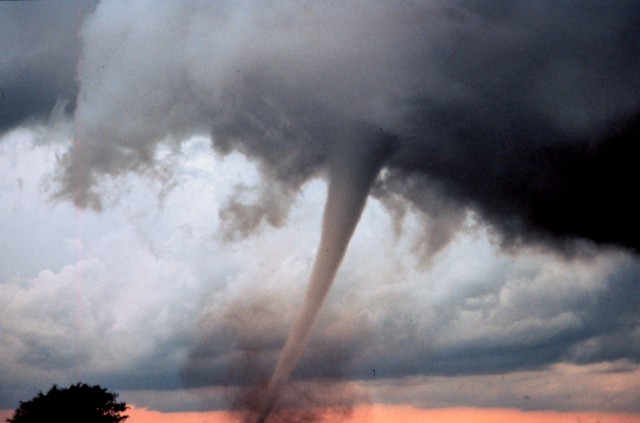
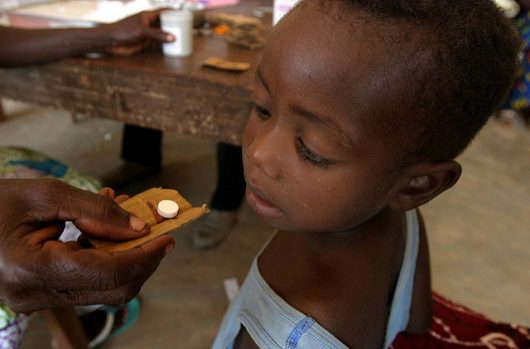
Cyclone Idai proved that they weren’t as prepared as they thought. On March 14, the cyclone hit the coast and claimed at least 847 lives in the region, as well as displacing tens of thousands. The cyclone created an inland sea from the mass flooding that spans 80 miles long and 15 miles wide.

How Beira was Affected

Since the cyclone, more than 1,300 people in Beira have been drinking from local ponds, overflowed latrines, and other unsafe water sources. These conditions are ripe for deadly diseases, including cholera.

Thousands of people are currently in displacement camps with few toilets and little clean water. While health workers have responded to the situations quickly, they have restored water supply to only 60 percent of the population. Many are still left to drink unclean water and defecate in the streets.

A cholera outbreak has been declared in Beira. The number of people affected went from five on March 27 into the hundreds. Cholera currently afflicts over 3,100 people and has resulted in six deaths.

Quick Response to Cholera Outbreak

On April 3rd, health workers started distributing oral cholera vaccines in Beira. Gavi, the vaccine alliance, is funding this movement. This Mozambique Ministry of Health is responding with support from the World Health Organization and others. They have given out an estimated 884,953 vaccine doses. They have also opened nine cholera treatment centers in the region, each with a capacity of 500.

Doctors Without Borders has called this distribution the “most ambitious campaign ever conducted using the one dose cholera vaccine strategy.”

This oral cholera vaccine is usually given in two spaced-out doses, but the aid group says one treatment is effective in emergencies. The single dose is effective after seven days and offers 85 percent protection for six months. In turbulent times, it can be hard to find people to distribute the second dose.

The success of distributing the oral cholera vaccine is primarily due to the preparedness of local authorities. They organized a campaign that mobilized 1,200 community volunteers and partners. The Ministry of Health made requests for volunteers soon as the cyclone hit and organized local aid.

The Ministry of Health used its abundant volunteers to set up distribution areas. Vaccine promoters got the word out using microphones and by handing out doses to high traffic areas. Volunteers are also passing out water purification tablets and educating people on precautions they should take with their drinking water.

– Michela Rahaim
Photo: Flickr

April 26, 2019
https://borgenproject.org/wp-content/uploads/borgen-project-logo.svg 0 0 Kim Thelwell https://borgenproject.org/wp-content/uploads/borgen-project-logo.svg Kim Thelwell2019-04-26 10:56:542024-05-29 22:59:47Oral Cholera Vaccine Distributed After Cyclone Idai
Foreign Aid, Global Poverty

Foreign Aid Required After Cyclone Idai Lashes Coast of Mozambique

Cyclone Idai
Nearly a month after Cyclone Idai made landfall in Mozambique, officials and civilians are working to clean up the disaster zone. The Category 2 storm first hit near the city of Beira, an important port in Southern Africa, on March 14th and 15th. Winds during this period exceeded 105 miles per hour. The northern provinces of Mozambique are now beginning the reconstruction process.

The deadly storm left 603 people dead, though officials suspect many more unidentified victims washed out to sea. Additionally, Cyclone Idai destroyed 110,000 homes, wiped away entire towns and left rich farmland waterlogged. The people of the northern provinces depend on food from this farmland for both survival and business.

An Uphill Battle Against Poor Infrastructure

Mozambique struggles with a lack of access to quality healthcare, education and infrastructure. As a result, the nation is ranked 218 out of 223 countries with an average life expectancy of 51.4 years. Their impoverished status makes it difficult for them to recover from natural disasters.

The country requires aid from outside sources to rebuild in the north where Cyclone Idai first met the coastline. The United Nations’ fundraising appeal to cover the initial costs totaled $282 million USD. Hospitals-in-boxes are being transported by boat, food is being dropped from planes and 900,000 cholera vaccines have recently arrived in Beira. The vaccines are being distributed in the north as part of an effort led by Doctors Without Borders.

The Added Challenge of Cholera

Despite vaccination efforts, the cholera outbreak is continuing to spread because people still do not have access to clean water in the wake of Cyclone Idai. Residents of Biera are facing the brunt of the outbreak due to poor water infrastructure and overcrowding. Many of these residents have been moved to displacement camps with equally poor conditions.

There are 3100 confirmed cases of cholera as of March 27th, with six deaths. Health volunteers and officials in Beira are hoping that cholera cases will fall in response to the restoration of running water. However, this running water can only reach 60 percent of the city’s residents.

Dr. Katrin Duget from the Pioneros Centre explains that the use of antiretroviral drugs is a good solution for the time being. Well-equipped health facilities are heading distribution efforts.

A Nation Moving Forward

Many civilians will struggle to move forward, as they have to work to rebuild entire communities and homes. For now, it is important to focus on longer-term solutions such as an investment in vaccines. Cholera can also be treated by simple rehydration, but it must come quickly because the disease can kill within hours. The water filters being installed by the UN are helping communities gain access to clean water to hydrate properly.

In the months after disasters such as Cyclone Idai, it is important to look at proactive measures that can be taken before another crisis strikes. These include food education programs as well as vaccinations which can help civilians survive during a lack of widespread resources.

–Meredith Breda
Photo: Flickr

April 16, 2019
https://borgenproject.org/wp-content/uploads/borgen-project-logo.svg 0 0 Kim Thelwell https://borgenproject.org/wp-content/uploads/borgen-project-logo.svg Kim Thelwell2019-04-16 20:30:372024-05-29 23:00:15Foreign Aid Required After Cyclone Idai Lashes Coast of Mozambique
Global Poverty

Solutions to Infant Mortality in Central African Republic

Infant Mortality in Central African Republic
Newborns remain at high risk in war-torn countries, and in the case of Central African Republic, many women lack adequate resources to ensure a successful pregnancy. This absence has resulted in the nation having one of the largest statistics of infant mortality in the world.

In a report published by the World Health Organization (WHO), the infant mortality rate for Central African Republic in 2016 was 42.3 deaths per every 1,000 births, making Central African Republic one of the riskiest places for a child to be born.

Causes of Infant Mortality

According to a study by UNICEF, the main cause for infant mortality in third-world countries is preterm birth complications, which encompasses 35 percent.

Complications can often result from limited access to medical care. According to the same study by UNICEF, not only was infant mortality in Central African Republic one of the highest in the world, but as of the year 2009, there were only three healthcare professionals to assist with every 10,000 people in the country.

Also, due to the lack of trained medical professionals to assist pregnant women, many mothers decide to have the child at home or end up in labor before they reach a facility. In a 2012 report published by Doctors Without Borders, the report stated that 26 percent of newborn deaths occurred in a hospital, while 74 percent of deaths occurred at home or en route to a hospital.

Solutions to Infant Mortality

Due to the high risks that newborns encounter, organizations have provided and proposed solutions to infant mortality in Central African Republic. According to the Population Reference Bureau (PRB), midwives can serve as a substitute for mothers who are unable to make the journey to the nearest healthcare facility.

The organization stated that a midwifery program in Nigeria was able to see a 60 percent increase in the use of prenatal care and almost 50 percent increase in healthy childbirth, when there was the presence of a midwife during pregnancy.

The Importance of Breastfeeding

Another proposed solution is aiding mothers with breastfeeding before and after they give birth. UNICEF has addressed the importance of breastfeeding mothers by stating that, “delaying breastfeeding by 2–23 hours after birth increases the risk that a newborn will die by more than two fifths. Delaying it by 24 hours or more increases the risk by almost 80 percent.”

UNICEF has made efforts over the years to address this statistic and stated that it has supplied thousands of children and mothers in Central African Republic with Vitamin A supplements to aid with breastfeeding.

Safe and Quality Treatment

Furthermore, Doctors Without Borders has established a project in the town of Boguila that includes a hospital which operates and provides secondary health care, an outpatient department and 10 health posts in proximity to the town.

With access to safe and quality healthcare facilities, midwifes and proper nutrition before and after pregnancy, mothers can be in better means of having children that survive after birth — an occurrence that would decrease the alarming rate of infant mortality in Central African Republic.

– Lois Charm
Photo: Flickr

May 6, 2018
https://borgenproject.org/wp-content/uploads/borgen-project-logo.svg 0 0 Borgen Project https://borgenproject.org/wp-content/uploads/borgen-project-logo.svg Borgen Project2018-05-06 01:30:292024-05-29 22:42:13Solutions to Infant Mortality in Central African Republic
Aid, Aid Effectiveness & Reform, Global Health, Global Poverty

Medical Humanitarian Aid Can End Epidemics Around the World

Medical humanitarian aidAccording to the Center for Disease Control and Prevention (CDC), an epidemic is a significant and sudden increase in the number of cases of a particular disease in a specific area or within a certain population. Epidemics can present themselves all over the world. However, epidemics are most common in impoverished, war-torn and developing countries.

Medical humanitarian aid can help end epidemics in many impoverished countries. Most countries that receive foreign humanitarian aid are not properly equipped to deal with disease outbreaks, nor do they have the trained medical professionals needed. This is how a disease outbreak quickly turns into an epidemic.

Many international medical relief groups focus their efforts on controlling epidemics by providing adequate medical training, professionals and equipment. Listed below are some of the international medical relief groups that are working toward ending epidemics.

Medical Teams International

Medical Teams International is a Christian-based international relief group that has been using medical humanitarian aid to help end epidemics. The group works by delivering medical supplies and trained volunteers to areas in need. The mission of the group is to provide medical, dental, humanitarian and holistic relief to diverse areas without discrimination.

For over 25 years, Medical Teams International has been providing relief for refugees in impoverished and war-torn countries. For example, in 2017 the United Nations declared a famine in South Sudan as a result of the civil war that has been ongoing since 2013. Shortly after the declaration, Medical Teams International dispatched massive relief efforts to combat the Cholera and Malaria epidemics.

Currently, Medical Teams International has provided medical humanitarian aid to over 520 thousand Sudanese refugees, severely curving the disease epidemics in that area.

Médecins Sans Frontières (MSF)

Medecins Sans Frontieres, also known as Doctors Without Borders, is one of the most well known international medical-based relief groups in the world. For over 45 years, the group has dispersed trained medical professionals and medical humanitarian aid across the globe. Medecins Sans Frontieres is also on the cusp of many medical initiatives in impoverished countries.

Medecins Sans Frontieres is known for tackling large disease outbreaks and epidemics in poor and dangerous areas. In 2017, Medecins Sans Frontieres dispatched relief efforts to Uganda after the country was declared in a state of humanitarian emergency. The group focused its efforts on the recent Cholera outbreak spreading through Uganda, setting up multiple Cholera clinics to help treat and prevent the spread of Cholera to other refugees in Uganda.

Direct Relief

Direct Relief is another nonprofit humanitarian aid organization that primarily focuses on medical relief to devastated areas. The goal of the organization is to provide proper and comprehensive medical aid for impoverished areas and emergencies. In 2017, Forbes ranked Direct Relief among the top United States charities.

Over the past five years, Direct Relief has provided medical humanitarian aid to over 80 countries, many in Africa and South Asia. They have supplied over two thousand healthcare facilities and have sent billions of U.S. dollars worth of medical equipment and supplies.

These international organizations and many more have worked hard to make medical humanitarian aid more accessible to impoverished countries. Many epidemics that have started due to unsafe food, unsafe water and a generally poor environment have been contained and even eliminated by medical humanitarian aid. These organizations believe that with the right aid and volunteers, diseases around the world can be eradicated.

– Courtney Wallace

Photo: Flickr

March 12, 2018
https://borgenproject.org/wp-content/uploads/borgen-project-logo.svg 0 0 Borgen Project https://borgenproject.org/wp-content/uploads/borgen-project-logo.svg Borgen Project2018-03-12 01:30:172024-05-29 22:39:46Medical Humanitarian Aid Can End Epidemics Around the World
Advocacy, Charity, Development, Foreign Aid, Global Poverty

15 Organizations That Help Improve the World

15 organizations that help the world

With the myriad difficulties that face the world, it is essential to have organizations making the planet a better place. Without such generous assistance, the world would be plagued with unmanageable adversities. The following is a list of 15 organizations that help improve the world with their innovative ideas and generous efforts.

  1. Bill & Melinda Gates Foundation
    The Bill & Melinda Gates Foundation is an organization that works to fight hunger and its consequential effects on a global scale. It works specifically to eradicate infectious diseases and child mortality rates in struggling countries.
  1. Doctors Without Borders
    Doctors Without Borders delivers emergency aid to people in need. These efforts include helping people in situations of natural disasters, epidemics and lack of health care.
  1. Food and Agriculture Organization of the United Nations (FAO)
    The FAO’s prime purpose is to defeat hunger. It works in 130 countries worldwide to help ensure people have access to food and are not going hungry. The organization has been fighting hunger since 1945.
  1. Human Rights Watch
    Human Rights Watch was established in 1978 and is an organization that reports on human rights conditions in countries all over the world. With its findings, it meets with governments and financial corporations to urge for policy changes that assist the betterment of human rights around the world.
  1. Oxfam
    Oxfam is a global organization that helps improve the world through poverty-reduction efforts. It focuses on the conditions that cause poverty and works to fix the effects of such difficulties. Its efforts include disaster response, programs to help people afflicted by poverty and education improvement.
  1. Red Cross
    Founded in 1881, the Red Cross foundation works to help people in urgent need. Assisted greatly by volunteers, the Red Cross mainly provides disaster relief, support to America’s military families, health and safety services, blood donations and international services.
  1. Save the Children
    Save the Children is a nonprofit organization that focuses primarily on helping children in need. This includes emergency response, global health initiatives, HIV and Aids prevention, disaster response and creating educational opportunities. In 2016, Save the Children reached and assisted 157 million children.
  1. The Borgen Project
    The Borgen Project is a nonprofit organization that aims to end poverty by working to make poverty a focus of U.S. foreign policy. The organization is an influential ally for the world’s poor that educates and mobilizes people to communicate with their Congressional leaders to ensure funding for poverty-fighting efforts are not eliminated. In 2017, the organization had volunteers in 754 U.S. cities and is one of the 15 organizations that help improve the world immensely.
  1. The World Bank
    The World Bank works with other organizations to provide extensive financial assistance to developing countries. It was established in 1944 and has more than 10,000 employees and 120 offices worldwide.
  1. United Nations Development Programme (UNDP)
    The UNDP is an organization that aims to eradicate poverty. It implements this goal by developing policies, skills and partnerships to enable people to sustain their progress and improvement. The UNDP is in over 170 countries and territories.
  1. United Nations Children’s Fund (UNICEF)
    UNICEF is an organization that fights for children’s rights to shelter, nutrition, protection and equality. It does so by being children’s advocates and providing humanitarian assistance to children and their families, most often in developing countries.
  1. United States Agency for International Development (USAID)
    USAID is an international agency that provides development assistance to countries in need. It works to advance U.S. national security and “economic prosperity” by promoting self-sufficiency. It uses humanitarian response efforts to bring disaster relief and supplies to those who are struggling.
  1. World Food Programme (WFP)
    WFP’s mission is to fight world hunger and provide people around the world the quality food they need to survive. It does this by working with U.S. policymakers and other foundations to organize financial resources, as well as develop necessary policies to assist the fight against worldwide hunger.
  1. World Health Organization (WHO)
    Of the 15 organizations that help improve the world, WHO is among the largest. The WHO is an organization that works directly with governments and various partners to ensure a healthier future for people all around the world. It fights infectious diseases and works directly with mothers and children to improve and maintain their health.
  1. World Wide Fund for Nature (WWF)
    The WWF is an international nongovernmental organization working to conserve nature and reduce extreme threats. It also aims to increase awareness to prevent further damage to the earth and its inhabitants.

These are only 15 organizations that help improve the world. There are many more that work together with partners to help make the world a better and safer place to live. Their generosity helps people on a daily basis live healthier and happier lives, and it is troublesome to think of where the world would be without such assistance.

– McCall Robison

Photo: Flickr

February 15, 2018
https://borgenproject.org/wp-content/uploads/borgen-project-logo.svg 0 0 Borgen Project https://borgenproject.org/wp-content/uploads/borgen-project-logo.svg Borgen Project2018-02-15 01:30:042024-12-13 17:49:1015 Organizations That Help Improve the World
Page 9 of 12«‹7891011›»

Get Smarter

  • Global Poverty 101
  • Global Poverty… The Good News
  • Global Poverty & U.S. Jobs
  • Global Poverty and National Security
  • Innovative Solutions to Poverty
  • Global Poverty & Aid FAQ’s
Search Search

Take Action

  • Call Congress
  • Email Congress
  • Donate
  • 30 Ways to Help
  • Volunteer Ops
  • Internships
  • Courses & Certificates
  • The Podcast
Borgen Project

“The Borgen Project is an incredible nonprofit organization that is addressing poverty and hunger and working towards ending them.”

-The Huffington Post

Inside The Borgen Project

  • Contact
  • About
  • Financials
  • President
  • Board of Directors
  • Board of Advisors

International Links

  • UK Email Parliament
  • UK Donate
  • Canada Email Parliament

Get Smarter

  • Global Poverty 101
  • Global Poverty… The Good News
  • Global Poverty & U.S. Jobs
  • Global Poverty and National Security
  • Innovative Solutions to Poverty
  • Global Poverty & Aid FAQ’s

Ways to Help

  • Call Congress
  • Email Congress
  • Donate
  • 30 Ways to Help
  • Volunteer Ops
  • Internships
  • Courses & Certificates
  • The Podcast
Scroll to top Scroll to top Scroll to top