• Link to X
  • Link to Facebook
  • Link to Instagram
  • Link to TikTok
  • Link to Youtube
  • About
    • About Us
      • President
      • Board of Directors
      • Board of Advisors
      • Financials
      • Our Methodology
      • Success Tracker
      • Contact
  • Act Now
    • 30 Ways to Help
      • Email Congress
      • Call Congress
      • Volunteer
      • Courses & Certificates
      • Be a Donor
    • Internships
      • In-Office Internships
      • Remote Internships
    • Legislation
      • Politics 101
  • The Blog
  • The Podcast
  • Magazine
  • Donate
  • Click to open the search input field Click to open the search input field Search
  • Menu Menu

Archive for category: Women & Children

Development, Global Poverty, Women, Women & Children, Women and Female Empowerment

5 Ways Addressing Women’s Rights Reduces Poverty

Addressing Women's Rights
Since the 1970s, women have had a key role in addressing women’s rights in terms of ending global poverty.

There are several reasons for this phenomenon, whether laws in certain countries stimulating this repression or customs in a society. Laws protecting women often remain unimplemented at the national and local levels.

The U.N. Commission for Africa states that women, in particular, suffer from inequality, both socially and economically. It is important to recognize women’s rights implications for the declination of global poverty.

1. It Increases Education Enrollment

Young girls are among the largest of demographics not receiving an education. It is a known fact that women with equal rights become more educated. These women are more likely to participate in the job field. Education results in gaining the skills necessary to obtain work and consequently gain financial resources to rise above the poverty line.

2. It Increases Enrollment in the Job Sector

As women acquire education and skills, they may gain the aspirations of entrepreneurship. The right to education for women also creates future options for labor. Furthermore, as women become educated, their role is expanded beyond child-rearing. Women are then able to obtain a presence in the working field.

3. Women Are More Likely to Participate in Decision Making

Women with legal rights are more likely to own land and therefore to access finance. The U.N. claims that rural women with the right of control over their land increase social and political status. Addressing women’s rights in controlling land boosts bargaining power domestically and empowers their public voice.

4. It Diminishes Dependence

Many women who are impoverished are widows, single-headed households or those who did not have an income to begin with. Addressing women’s rights to education and ownership enables them to earn a living regardless of challenging situations. When women have rights to land ownership and to education, it ensures their ability to provide for their families’ daily needs. Land ownership also decreases the prospects of women being evicted and subsequently sliding into poverty.

5. It Reduces Unpaid Work

Many women spend a lot of time doing household work such as caring for children. Additionally, many women spend a great portion of their day preparing meals and gathering water, during which they resort to paying for childcare. Greater equality in the household would allow women the opportunity to spend time carrying out paid work.

The U.N. states that with access to resources such as financial credit, technical assistance, training and land ownership, the feminization of poverty will diminish.

– Mayra Vega

Sources: U.N.E.C.A., UNDP 1, UNDP 2, UNDP 3, UNDP 4, U.N. 1, Sachs, Jeffrey, U.N. 2
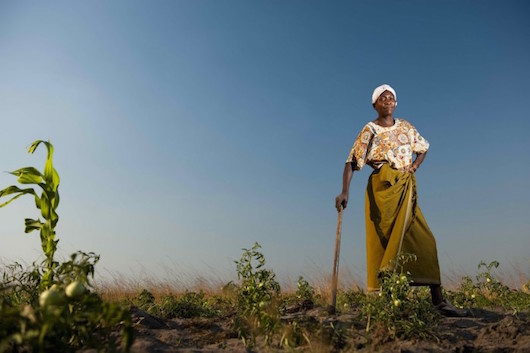
Photo: Africa Agribusiness

February 15, 2016
https://borgenproject.org/wp-content/uploads/borgen-project-logo.svg 0 0 Borgen Project https://borgenproject.org/wp-content/uploads/borgen-project-logo.svg Borgen Project2016-02-15 01:30:062024-12-13 17:54:105 Ways Addressing Women’s Rights Reduces Poverty
Global Poverty, Hunger, Women & Children, Women and Female Empowerment

Top 3 Ways to Prevent Hunger

Agriculture_Effective_Poverty_Reduction
According to the Word Food Programme, around 795 million people globally do not have enough food to lead active lives. Lack of nutrition leads to a number of other health problems among the world’s poor such as disease, stunted growth and even death. Here are three methods that can help prevent hunger:

1. Invest in Agriculture

Agricultural investment prevents hunger in the long and short term because it allows the poor to become more independent. Most of the world’s poor live in rural areas where agriculture is the source of income and food.

More investment is needed for programs that provide farmers with land incentives, train them on how to maximize their produce and teach them when and what to plant throughout the year.

Through such programs, farmers will not only be able to feed their family but also sell their harvests for profits.

In turn, parents can invest in their children’s education and end the generational cycle of poverty. This financial stability could also mean less pressure on parents to force their daughters into early marriage.

2. Financial Planning

With unpredictable climate and political changes in developing countries, financial planning acts as a safety net in case of drought, famine or war.

Financial security gives families a head start when they are displaced due to conflict and also helps prevent hunger during times of drought.

Training farmers on how to save and invest their money also allows them to invest in machinery and livestock to maximize their productivity and prevent malnutrition.

3. Focus on Women

Empowering women by educating them on agriculture and giving them the resources to provide for their families will make households mores sustainable. The tradition of gender inequality is what makes hunger inheritable in developing countries.

Each year, around 19 million children are born underweight because their mothers were not adequately nourished during pregnancy. More often than not, malnutrition continues through infancy because their mother’s breast milk does not provide enough nutrients.

In addition, weak immune systems due to malnutrition allow the transmission of HIV/AIDS from mother to child. HIV/AIDS treatments and prenatal health care ensure the birth of healthy babies.

A program combining these three methods to prevent hunger would ensure impoverished communities are able to sustain healthy lives and break the cycle of poverty and hunger.

– Marie Helene Ngom

Sources: WFP, AIDSInfo
Picture: Google Images

January 11, 2016
https://borgenproject.org/wp-content/uploads/borgen-project-logo.svg 0 0 Borgen Project https://borgenproject.org/wp-content/uploads/borgen-project-logo.svg Borgen Project2016-01-11 01:30:432024-06-05 23:35:39Top 3 Ways to Prevent Hunger
Developing Countries, Women & Children

Maternal Death Rates Plummet Worldwide

maternal_deaths
Maternal deaths have been cut nearly in half since 1990 according to a new report by the United Nations and World Bank. Thanks to increased access to reproductive and family planning health services, mortality rates have shrunk to 216 per 100,000 live births in 2015 from 385 in 1990.

East Asia made especially notable progress, reducing its mortality rate from 90 to 27. Nine countries: Bhutan, Cambodia, Cape Verde, East Timor, Iran, Laos, The Maldives, Mongolia and Rwanda have cut rates by up to 75-90 percent.

While optimistic, experts warn that progress has been inequitable among developing countries and has fallen well short of the Sustainable Development Goal to achieve a worldwide reduction of maternal deaths of 75 percent.

“Many countries will make little progress, or even fall behind, over the next 15 years if we don’t make a big push now,” said Executive Director for the United Nations Population Fund (UNPF), Dr. Babatunde Osotimehin.

Nearly all maternal deaths occur in developing countries, 70 percent in sub-Saharan Africa alone, and most cases occur in rural and remote communities where women face inadequate access to medical care.maternal_death_rates

Common causes of maternal death include infections, severe bleeding, high blood pressure during pregnancy and complications during delivery – risks that health officials urge are entirely preventable.

That’s why the World Health Organization (WHO), within the framework of the newly launched UN Global Strategy for Women’s, Children’s and Adolescent’s Health, has begun a vigorous campaign to address the disconnect between expectant mothers and well-trained healthcare providers in impoverished communities.

Under the mandate of the Global Strategy, the WHO will partner with local governments to ensure that every mother has access to prenatal and antenatal care, that health care providers are performing at globally set standards, and that healthcare systems are receiving the resources and funding they need to respond to the patient needs.

The organization has designed and implemented training materials and is offering public policy guidance and progress tracking programs.

To achieve the Sustainable Development Goal, however, the U.N. and WHO acknowledge that their strategy will need to couple delivery of care with educational initiatives.

They will engage women in marginalized communities, teaching them practices to maintain their health and the health of their babies – lessons that the organizations believe will challenge traditional and cultural modes of thinking about healthcare.

The World Bank has expressed confidence in these efforts and has reported receiving increasingly reliable birthing data from local governments. “Ending maternal deaths by 2030 is an achievable goal if we redouble our efforts,” said World Bank Senior Director of Health, Nutrition and Population, Dr. Tim Evans.

– Ron Minard

Sources: Reuters, UN, WHO, World Bank
Photo: Pixabay, Flickr

December 3, 2015
https://borgenproject.org/wp-content/uploads/borgen-project-logo.svg 0 0 Borgen Project https://borgenproject.org/wp-content/uploads/borgen-project-logo.svg Borgen Project2015-12-03 01:30:582024-12-13 18:05:27Maternal Death Rates Plummet Worldwide
Global Poverty, Women & Children

Saving Millions: Reach Every Mother and Child Act

Reach Every Mother and Child Act
On the African continent, women are 47 times more likely to die from preventable complications during childbirth than they are in the United States. That amounts to approximately 800 women dying a day in developing nations. Mothers are not the only vulnerable ones. Each day, an estimated 17,000 children under the age of five will also die from treatable conditions.

Delaware’s Senator Chris Coons and Maine’s Senator Susan Collins hope to dramatically shrink and ultimately eliminate these statistics. In July 2015, the senators introduced the Reach Every Mother and Child Act of 2015 in order to increase the amount of U.S. aid being directed toward ending these tragic and preventable deaths. The bill establishes a framework to implement the existing tools and focus necessary for winning the battle against preventable mother and child deaths.

The bill calls for a strategic and attainable 10-year plan to succeed in ending preventable maternal, newborn and child deaths by 2035. This includes the creation of a permanent Maternal and Child Survival Coordinator at the United States Agency for International Development (USAID) who will be responsible for implementing the 10-year plan and to confirm that resources and interventions are being effectively utilized in target nations.

The U.S. government will also create a financing framework that will allow the use of U.S. funds to leverage additional funds from nongovernmental organizations, partner countries and international organizations.

While introducing the bill in their floor speeches, Senators Coons and Collins both stressed that the Reach Every Mother and Child Act is not a bolt-from-the-blue or a handout.

“Investing in maternal and child health in developing countries is an investment in the future, and I look forward to working with my colleagues to help all mothers and children around the globe get the health care they deserve,” said Senator Coons.

Acting USAID Administrator Alfonso Lenhardt echoed Coons’ sentiment. “As children survive and thrive, parents are choosing to have smaller families,” said Lenhardt, “unleashing a virtuous cycle of progress and prosperity.”

USAID recently released a new report showing that previous efforts to improve the survival rates of mothers, newborns and children under the age of five have already saved 2.5 million children and 200,000 mothers since 2008. This demonstrates substantial evidence that the new act will be successful.

“There are simple, proven and cost-effective interventions that we know will work if we can reach the mothers and children who need them to survive,” said Senator Collins. The Reach Every Mother and Child Act, if passed, is anticipated to improve the health of millions of impoverished and at-risk mothers and children.

World Vision’s Director of Government Relations Lisa Bos is particularly excited about the bill, praising Senators Collins and Coons for championing the bill. “The goal of ending preventable maternal and child deaths is achievable, but it will take renewed commitment, coordination and resources,” said Bos. “This bill builds on the progress we’ve made and is critical for ensuring we reach every mother and child. We hope every Member of the Senate will support this legislation.”

– Claire Colby

Sources: Senate, USAID, World Vision

November 29, 2015
https://borgenproject.org/wp-content/uploads/borgen-project-logo.svg 0 0 Borgen Project https://borgenproject.org/wp-content/uploads/borgen-project-logo.svg Borgen Project2015-11-29 01:30:422020-06-24 20:17:53Saving Millions: Reach Every Mother and Child Act
Global Poverty, Health, Women & Children

Genetic Counseling for Developing Countries

Genetic Counseling for Developing Countries
Genetic disorders are diseases that are caused by a mutation in the genetic structure of the cell. These mutations can arise from a modification of the nucleic chromatin material, as well as an alteration of one of the coding bases in the DNA structure.

Genetic mutations arise from many different causes and manifest in various ways as well. The genetic mutations can arise at two different levels: at a nucleotide level, or at a chromosomal level. A nucleotide is a building block of DNA- the hereditary, genetic material of any living cell.

Each nucleotide triplet can code for an amino acid, which is, in turn, a building block of proteins. Any insertion or deletion of a nucleotide can lead to a wrong protein structure.

At the chromosomal level, portions of the chromosome- which contains huge portions of the DNA strands- can be altered. Both of these mutations can lead to an alteration of protein structure, which is the physiological and anatomical basis for life.

Genetic mutations can lead to many devastating consequences for those affected by it. Cystic fibrosis, hemophilia, and neurodegenerative diseases like muscular dystrophy are some of the more familiar genetic diseases with terrible implications for the patient.

Genetic diseases are not generally preventable after an individual’s phenotype has been determined. Treatment of certain genetic diseases, such as cystic fibrosis, requires constant medication and therapy. The treatment is also expensive and experimental in most cases and inaccessible in many developing countries.

Genetic counseling is becoming widely popular in the Western, resource-rich countries as a preventative measure for genetic disorders. Genetic counseling involves advising at-risk patients–or those with familial histories of a disease–of the chances of transmitting or developing a disease.

Genetic-Counseling

Many genetic disorders have now been classified on the basis of their mode of transmittance, and parents can be advised of how probable it is for their children to develop the disease. If the probability of affected children is high, they can also be advised of alternative options, as well as the severity of disease if a child is affected.

Unfortunately, genetic testing and genetic counseling are facilities that are unavailable in many places where they are needed. For instance, sickle-cell anemia is a disorder where the red blood cells in the body are of a distorted structure. If untreated or undiagnosed, the disease can have fatal complications for the patient.

Genetic research has indicated the high rate of prevalence of the disease in mid-African populations. Similarly, the risk of genetic diseases is high in many Arab countries, due to inter-family marriage practices.

Despite the high genetic frequency of the sickle cell anemia trait in central Africa, little to no counseling resources are available. For example in Nigeria- where the trait occurs in 20-30 percent of the population- there is not one genetic counseling clinic available.

Studies have reported equally low genetic education in many Arab countries. The lack of knowledge and informative resources for genetic disorders inhibit the prevention of such diseases, which in turn can be a considerable strain on resources as well.

In light of these statistics, there is an exigent need for the establishment of genetic counseling clinics. The stance of many scientists is to spur the research in Western countries to ultimately come up with highly efficient and cost-effective solutions.

However, the high instance of genetic disease and genetic susceptibility to diseases is an issue that needs to be addressed in the present.

The prevention of serious diseases in the developing world can only be partially successful if genetic counseling and testing are omitted. Healthy nations are, after all, capable of realizing their potential to the fullest and providing a better life for their citizens.

– Atifah Safi

Sources: Afro, AJOL, BMJ, Genome, NIH, State
Photo: Google Images, Pixabay

October 8, 2015
https://borgenproject.org/wp-content/uploads/borgen-project-logo.svg 0 0 Borgen Project https://borgenproject.org/wp-content/uploads/borgen-project-logo.svg Borgen Project2015-10-08 01:30:542024-12-13 18:05:00Genetic Counseling for Developing Countries
Global Poverty, Health, Women & Children

Tetanus Eradicated in India

Tetanus Eradicated in India
India has eliminated maternal and neonatal tetanus (MNT) as a threat to public health, Prime Minister Narendra Modi announced at the Call to Action 2015 Summit on Aug. 27. The announcement comes ahead of the nation’s goal of December.

Tetanus regularly targets newborns and mothers, usually resulting from births taking place in unsanitary conditions or dirty blades being used to cut umbilical cords.

The eradication of MNT comes 15 years after the creation of a campaign by UNICEF, WHO and UNFPA. The organizations launched the Maternal and Neonatal Tetanus Elimination Initiative in 1999 with the goal of abolishing MNT as a global health problem.

The initiative defines the elimination of MNT as a global health problem as every district having less than one case of neonatal tetanus per 1,000 live births. When that is accomplished, maternal tetanus is deemed eliminated as well.

At the time the initiative was created, there were an estimated 800,000 newborn deaths a year globally as a result of tetanus, according to WHO. That number is now less than 50,000.

Along with the initiative, the Indian government took its own steps to help eradicate the disease, which is estimated to have killed 160,000 children in the country in 1988.

In Dec. 2014, the Ministry of Health and Family Welfare in India launched Mission Indradhanush, a project aiming to increase the percentage of children completely vaccinated from 65 to at least 90 percent.

In addition to tetanus, immunizations provided by Mission Indradhanush help protect children against tuberculosis, polio, measles, hepatitis B, diphtheria and pertussis, and are free due to India’s Universal Immunization Programme.

In an effort to have more births occur in medical facilities, the Indian government developed a program in which women are paid up to $21 if they go to a clinic or hospital to give birth.

Health workers are also paid to make sure women in labor go to a medical facility. Dubbed “lady health workers,” they are paid up to $9 per mother and receive full payment only if they visit each baby at home and administer TB shots.

Even with these incentives, some women still insist on giving birth at home, as doing so is a local tradition in India. To ensure sanitary conditions, the government will send these women kits containing antibacterial soap, a clean plastic sheet, and a sterile scalpel and plastic clamp to be used on the umbilical cord.

While India has eliminated MNT, the infection is still considered a public health problem in 22 out of the 59 countries originally identified by the U.N. initiative.

– Matt Wotus

Sources: National Health Portal of India, Quartz, The New York Times, UNICEF, WHO
Photo: Google Images

October 4, 2015
https://borgenproject.org/wp-content/uploads/borgen-project-logo.svg 0 0 Borgen Project https://borgenproject.org/wp-content/uploads/borgen-project-logo.svg Borgen Project2015-10-04 11:14:162024-05-27 09:27:45Tetanus Eradicated in India
Children, Food & Hunger, Global Poverty, Health, Women & Children

Destigmatization of Breastfeeding in Urban India

Destigmatization of Breastfeeding in Urban India
World Breastfeeding Week is celebrated internationally every year from August 1-7th. Each year, there are various events and activities intended to educate about the benefits and encourage the practice. The theme this year was ‘Women and work – Let’s make it work.’ This year, added emphasis was placed on advocating for widespread maternity leave and other accommodations for working mothers.

Many organizations such as UNICEF, World Health Organization (WHO), and the Breastfeeding Promotion Network of India (BPNI) have worked both independently and jointly with the Indian government to provide information and spread awareness throughout the country. The breastfeeding rates are higher in the rural Northern states than in the urban South.

UNICEF Nutrition Specialist, Gayatri Singh states, “The government of India has laws, policies and programs to protect, promote, and support breastfeeding. UNICEF supports national and state governments in the development and implementation of infant and young child feeding policies and plans for promoting optimal breastfeeding.”

Singh goes on to say, “Communication and advocacy activities on breastfeeding are also a key component of UNICEF’s support. We also support governments to design strategies for social and behavior change communication and in the implementation of the strategies through multiple communication channels.”

In an effort to promote breastfeeding, the Indian government enacted the Infant Milk Substitute (IMS) Amendment Act in 2003 which prohibits any form of advertising claiming newborn formula as an equivalent option.

“In India, between 2006 and 2013, there has been an improvement in the breastfeeding rates. The latest data shows that 44.6% of children are put to breastfeeding within one hour of birth and 64.9% of children under six months of age are exclusively breastfed,” states Singh. He goes on to add that while knowledge of health benefits appear to be even higher, there are societal factors hindering the practice.

Dalvinder Kaur, a public relations specialist, states, “A lot of people, while thinking of breasts, automatically think of sex, as if that’s their primary reason for existence. I feel that it is pretty much the heart of the matter. Women’s breasts are often defined as sex objects–and nothing more. And since sex is basically a taboo in the public realm, breastfeeding ends up being perceived as some sort of indecent, out-of-bounds behavior.”

Dhanya Ranjit, a software engineer and mother speaks on the stigma attached to breastfeeding, “Women find it difficult to breastfeed and more so, to nurse in public because of the lack of support from any quarter. They also don’t see it happening around them. While I was very hesitant to breastfeed my older child in front of others but the encouragement and exposure to information through the Facebook support groups made me realize that it is as natural as an adult eating food in public.”

As is the case with many social movements, the internet can be utilized very effectively to raise awareness and garner support. “Big Latch On” is an international gathering that occurs in many cities during World Breastfeeding Week and event calls for mothers to join together publicly and breastfeed together. Through a social media campaign, a “Big Latch On” event was held this past August 1st in Hyderabad, Telangana, India. The organization started in New Zealand but has spread to many countries around the world.

Recent attempts at normalization in mainstream media have begun to manifest themselves as well. Indian cinema has begun to prominently display breastfeeding such as in the recent blockbuster movie Baahubali. The highly anticipated film cost $40 million and is the most expensive movie in Indian history. Whether purposeful or not, the display of breastfeeding in such a popular film shows marked progress towards shifting attitudes of the viewers.

– The Borgen Project

Sources: India Times, Jantaka Reporter, IBN Live
Photo: Flickr

September 29, 2015
https://borgenproject.org/wp-content/uploads/borgen-project-logo.svg 0 0 Borgen Project https://borgenproject.org/wp-content/uploads/borgen-project-logo.svg Borgen Project2015-09-29 03:33:262024-12-13 18:04:57Destigmatization of Breastfeeding in Urban India
Global Poverty, USAID, Women & Children

Maternal and Child Health: Keeping Mother and Baby Alive

Maternal_and_Child_HealthDuring the 2015 Call To Action Summit, health ministers and global experts take a look at the progress that has been made. USAID has helped save the lives of an estimated 2.5 million children and nearly 200,000 mothers since 2008.

It has been a little over a year, in June 2014, since USAID introduced its newest strategic plan for maternal and child health. They hope to prevent the deaths of 15 million children and 600,000 mothers by 2020.

At the summit the participants reviewed the impact the USAID’s support has had all around the world; often putting a name and a face to those benefitting from the aid provided.

In India, mothers like Satyawati now know how to best take care of their newborns and other children thanks to the ability to obtain health-related knowledge and help from a local health worker.

Because Satyawati has access to this information, she has had her children properly vaccinated and employs proper hygiene practices in her home. In 1990 in India, children under the age of five had a mortality rate of 126 per 1,000 live births but in 2013 that number has been reduced to 53 per 1,000 live births.

Also, thanks to the support of the USAID, 27 hospitals in Malawi now have a device called a Pumani bCPAP that helps newborns with underdeveloped lungs breathe until they can do so own their own.

This device has tripled the survival rate of babies like Gloria Mtawila’s son Joshua, who stayed on the machine for a month until he could breathe on his own and is now a completely healthy baby.

All across the world bundles of joy are being born to tired but radiant mothers. Hospital staff assures that both have the best possible care in these first crucial hours, days and sometimes weeks after childbirth.

But also all across the world there are mothers on makeshift cots or laying on dirt floors. They and their babies do not have dedicated hospital staff looking after them.

Mom did not have access to prenatal vitamins and baby may not have access to life-saving vaccines. With poor living conditions, poor pre and post-birth care, and a poor quality of life all around, mom and her little one may not make it.

This is what USAID is working to prevent. USAID’s maternal and child health programs focus on cost-effective initiatives such as enabling access to nutritional supplements and vaccines.

The USAID has achieved great success. Maternal death rates have decreased by five percent in each of its 24 target countries while child mortality rates went down by four percent.

But this is still not enough. The USAID hopes to receive $850 million in funding for the maternal and child health program in order “to reduce child mortality to 20 or fewer deaths per 1,000 live births in every country by 2035, and to end preventable maternal deaths” (interaction.org).

Through this initiative, the USAID has inspired developing countries to develop strategies to reach these goals, and make the eradication of unnecessary maternal and child deaths possible.

– Drusilla Gibbs

Sources: USIAD, Interaction, Call to Action
Photo: Google Images

September 28, 2015
https://borgenproject.org/wp-content/uploads/borgen-project-logo.svg 0 0 Borgen Project https://borgenproject.org/wp-content/uploads/borgen-project-logo.svg Borgen Project2015-09-28 07:39:422024-05-27 09:27:52Maternal and Child Health: Keeping Mother and Baby Alive
Global Poverty, Women & Children

Wood for Maternal Healthcare in Haiti

Wood for Haitian Maternal Health Care
The island nation of Haiti is the poorest country in the Western Hemisphere, with one in four inhabitants of this small Caribbean nation living in extreme poverty. Plagued by political instability, as well as the devastating aftermath of the 2010 earthquake, the country of Haiti is still struggling for recovery.

In the wake of the worst earthquake in a 200-year history for Haiti, an estimated 1.5 million people were left homeless. The rehabilitation process for the affected population is crippled by the financial hardships of the country. According to a World Bank report, one in two Haitians live in poverty, living on less than $3 a day.

The extreme poverty conditions in the country have unsurprisingly affected the healthcare system as well. The insufficient healthcare system was dealt a further blow after the earthquake of 2010, which is estimated to have destroyed 60 percent of the healthcare infrastructure in Haiti.

The deterioration of the healthcare system has especially affected the maternal and neonatal health in the country. According to UNICEF, maternal mortality in Haiti is 35 women out of every thousand; neonatal health care is equally abysmal, with 3.1 percent of newborns dying within the first month after birth.

Most of the maternal and neonatal deaths are considered largely preventable, given adequate healthcare resources. Accessibility to these resources is another important issue, with less than 36 percent of pregnant women giving birth in any healthcare facility.

The poor state of maternal health has spurred Maternal Life International — a nonprofit organization based in Montana — to direct its efforts for better maternal and neonatal health care at Haiti. Its objective is to build family health offices in the country to assist pregnant women and newborns.

As laudable as its mission is, it is faced with the difficulties of resource scarcity in Haiti. The lack of lumber in Haiti is a major obstacle in rebuilding the country.

The deforestation of Haiti has long been an issue of concern for the island nation, affecting the economic and ecological health of the country. Wood is quite significant for building structures in Haiti, as cement buildings are a danger in a region susceptible to earthquakes.

The volunteers for Wood for Haiti have a solution to the problem: lumber for the family healthcare facility building shipped straight from the forests of Montana. The group of volunteers from Missoula will assist in providing Maternal Life International procure 5 tons of lumber for construction of the family healthcare facility in Haiti.

The volunteers are working first to gather lumber in Butte, where Maternal Life International is based. The lumber is currently stored in a warehouse in Butte to be shipped to Haiti later when the construction projects begin.

The Wood for Haiti is a commendable effort by the Montana lumber industry. The donation of building materials is somewhat of a novel idea in an era of usually monetary donations. It does, however, provide for the delivery of natural resources, which Haiti needs but lacks.

It is not to say that lumber is all Wood for Haiti provides. It also provides vocational training to Haitians for the construction and rebuilding projects. With a combination of resource provision and training local labor, Haiti can be brought that much closer to economic stability.

The collaborative efforts of Wood for Haiti and Maternal Life International are anticipated to be a stepping stone toward improving the standards of maternal health in Haiti and ultimately conditions across the country.

– Atifah Safi

Sources: MATR, UNICEF, Doctors Without Borders, Maternal Life International, CIA
Photo: Google Images

September 23, 2015
https://borgenproject.org/wp-content/uploads/borgen-project-logo.svg 0 0 Borgen Project https://borgenproject.org/wp-content/uploads/borgen-project-logo.svg Borgen Project2015-09-23 01:30:062024-05-27 09:27:46Wood for Maternal Healthcare in Haiti
Developing Countries, Women & Children

Midwives in Chiapas: Lowering Maternal Mortality Rates

quotes about humanity

Maternal mortality rates in Mexico have steadily decreased over the past fifteen years. The global maternal mortality rate has decreased by nearly 50 percent between 1990 and 2013. However, the work is far from over.

Ninety-nine percent of maternal deaths happen in underdeveloped countries according to the World Health Organization. Chiapas is the poorest state in Mexico with a poverty level at over 76 percent.

Maternal mortality rates can be significantly lowered with skilled care and supervision throughout the childbirth and traditional birth attendants are being trained to offer this care through workshops and programs in Chiapas.

Traditional midwives are extremely important in communities within Chiapas because of the negative connotation that comes with hospitals and the hesitation that women have toward giving birth in hospitals. Fifty-five or more out of every 100,000 women die in Chiapas during childbirth.

The traditional midwives are receiving training for problems that arise during obstetric emergencies. Understanding the protocol will allow them to act quickly in situations that may cost the mother’s life.

https://www.youtube.com/watch?v=jCuE8Y0d8sk

One such organization is the Global Pediatric Alliance. The alliance has started a training program for midwives in Chiapas. They have programs in four different municipalities in Chiapas. Los Altos de Chiapas is the first community and 88 percent of the population is poor. Fifty-six percent of the population lives in extreme poverty.

The plan is to train at least 120 Tzeltal and Tzotzil-speaking midwives between 2014 and 2017. An estimated 100,000 people will be impacted by the project. The second municipality is Las Margaritas, a highly marginalized area with extremely low Human Development Index rankings.

The isolated communities in the area particularly suffer from the lack of care adequate obstetric care. The program with GPA has already held five trainings for 29 traditional birth attendants in the area.

The training of midwives is changing the maternal mortality rates and the risks of home births in Chiapas.

– Iona Brannon

Sources: Arizona State University, Global Pediatric Alliance, New York Times, Reuters, World Health Organization 1, World Health Organization 2

September 20, 2015
https://borgenproject.org/wp-content/uploads/borgen-project-logo.svg 0 0 Borgen Project https://borgenproject.org/wp-content/uploads/borgen-project-logo.svg Borgen Project2015-09-20 07:48:212024-05-27 09:27:53Midwives in Chiapas: Lowering Maternal Mortality Rates
Page 8 of 16«‹678910›»

Get Smarter

  • Global Poverty 101
  • Global Poverty… The Good News
  • Global Poverty & U.S. Jobs
  • Global Poverty and National Security
  • Innovative Solutions to Poverty
  • Global Poverty & Aid FAQ’s
Search Search

Take Action

  • Call Congress
  • Email Congress
  • Donate
  • 30 Ways to Help
  • Volunteer Ops
  • Internships
  • Courses & Certificates
  • The Podcast
Borgen Project

“The Borgen Project is an incredible nonprofit organization that is addressing poverty and hunger and working towards ending them.”

-The Huffington Post

Inside The Borgen Project

  • Contact
  • About
  • Financials
  • President
  • Board of Directors
  • Board of Advisors

International Links

  • UK Email Parliament
  • UK Donate
  • Canada Email Parliament

Get Smarter

  • Global Poverty 101
  • Global Poverty… The Good News
  • Global Poverty & U.S. Jobs
  • Global Poverty and National Security
  • Innovative Solutions to Poverty
  • Global Poverty & Aid FAQ’s

Ways to Help

  • Call Congress
  • Email Congress
  • Donate
  • 30 Ways to Help
  • Volunteer Ops
  • Internships
  • Courses & Certificates
  • The Podcast
Scroll to top Scroll to top Scroll to top